
An Earth Sign’s Natural Element
Capricorn is an earth sign ruled by Saturn, representing ambition, structure, authority, and responsibility. Those qualities don’t just show up in the boardroom. They shape how a Capricorn moves through a foreign place, what they notice, and what genuinely satisfies them.
Earth in astrology is associated with the senses, and those with earth featured prominently in their astrology may be drawn to travel experiences that speak to those senses, including serene nature sights, delicious food, and indulgent spa experiences. Switzerland delivers on every one of those dimensions without overplaying any of them.
Capricorn is among the most organized travelers of the zodiac, rarely going without an agenda and a map, with history appealing deeply, so traveling to ancient locations satisfies the need to understand where things originated. Switzerland carries centuries of that history in everything from its abbey libraries to its glacial valleys.
A Record-Breaking Tourism Year Rooted in Real Appeal
Switzerland’s tourism sector achieved a milestone in 2024 with roughly 42.8 million overnight stays, marking a 2.6 percent increase over 2023, with alpine hotels and resorts breaking their previous record and showing both recovery and genuine strength in the tourism sector.
Switzerland’s travel and tourism sector welcomed 11.4 million international arrivals in 2024, with the industry contributing 67.2 billion dollars, equal to 7.2 percent of national GDP and supporting 448,000 jobs. These aren’t numbers from a struggling sector trying to rebuild. They reflect a country that has held its value consistently.
International tourist arrivals at commercial accommodation establishments rose to 12.3 million in 2024, an increase of six percent compared to 2023, with the top three source markets being Germany, the United States, and France. The steady draw of visitors from across the world signals something beyond trend. Switzerland earns repeat attention.
Thirteen UNESCO Sites, Each One Earned
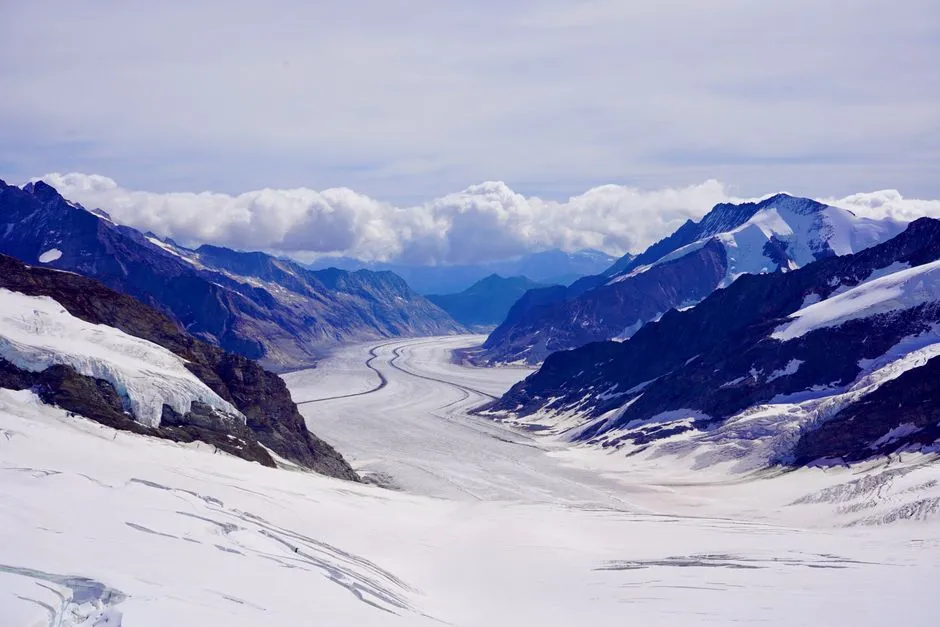
As of 2025, Switzerland holds 13 UNESCO World Heritage sites, with nine recognized for their cultural significance and four listed for their natural beauty and importance. Switzerland earned its first three heritage sites in 1983.
These sites include extraordinary natural wonders such as Jungfrau-Aletsch, Sardona Tectonic Arena, and Monte San Giorgio, alongside historic towns and monasteries including Bern, St. Gallen, Müstair, and Bellinzona, as well as prehistoric pile dwellings, the Rhaetian Railway, and the watchmaking towns of La Chaux-de-Fonds and Le Locle.
The Grand Tour of Switzerland, a 1,643-kilometer tourist circuit devised by Switzerland Tourism, splits into eight stages and traverses through 13 UNESCO World Heritage sites, five Alpine passes, and 22 lakes. For a Capricorn who travels with intention, that kind of structured, achievement-rich route is essentially a dream itinerary.
Trails That Reward the Patient Traveler
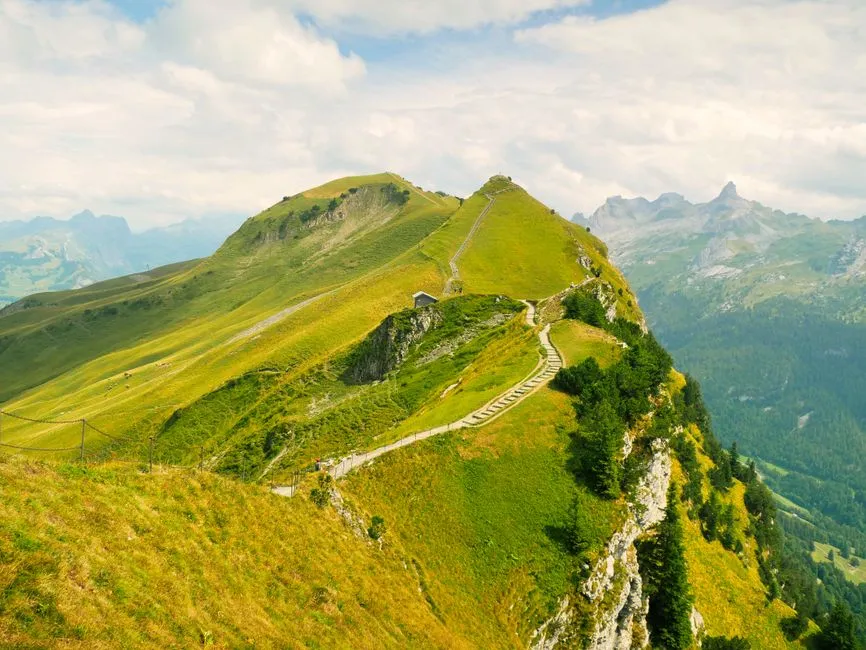
Switzerland has a total land area of 41,285 square kilometers, one third of which is forest, with an extensive hiking trail network of 65,000 kilometers of paths that offer the right level of difficulty for every level of hiking. That’s not a rough estimate. It’s a country that takes trail infrastructure seriously.
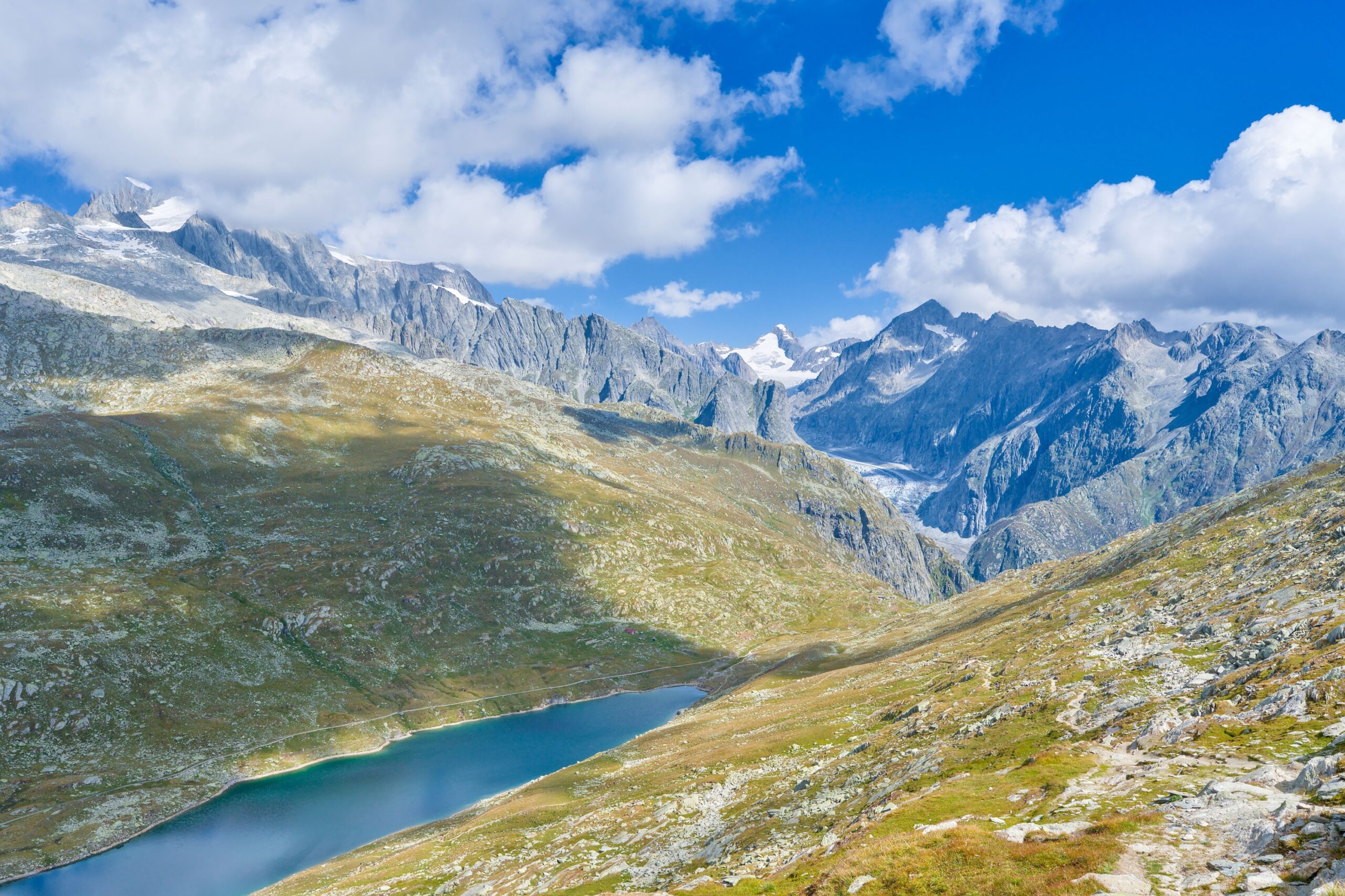
The Jungfrau-Aletsch UNESCO area offers free hiking throughout its lower elevations, with trails around Grindelwald, Lauterbrunnen, and the Aletsch Forest providing spectacular alpine scenery. The reward here isn’t just scenery. It’s the sense of having covered ground deliberately, step by earned step.
The Sentiero del Monte San Giorgio, a 13-kilometer hiking route designated as Switzerland Mobility route 636, takes hikers right across the mountain. Monte San Giorgio is home to 240-million-year-old fossils of reptiles, fish, and plants. Walking that trail places geological deep time beneath your feet in a way that few other routes in the world manage.
The Lavaux Vineyards and the Art of Patient Cultivation
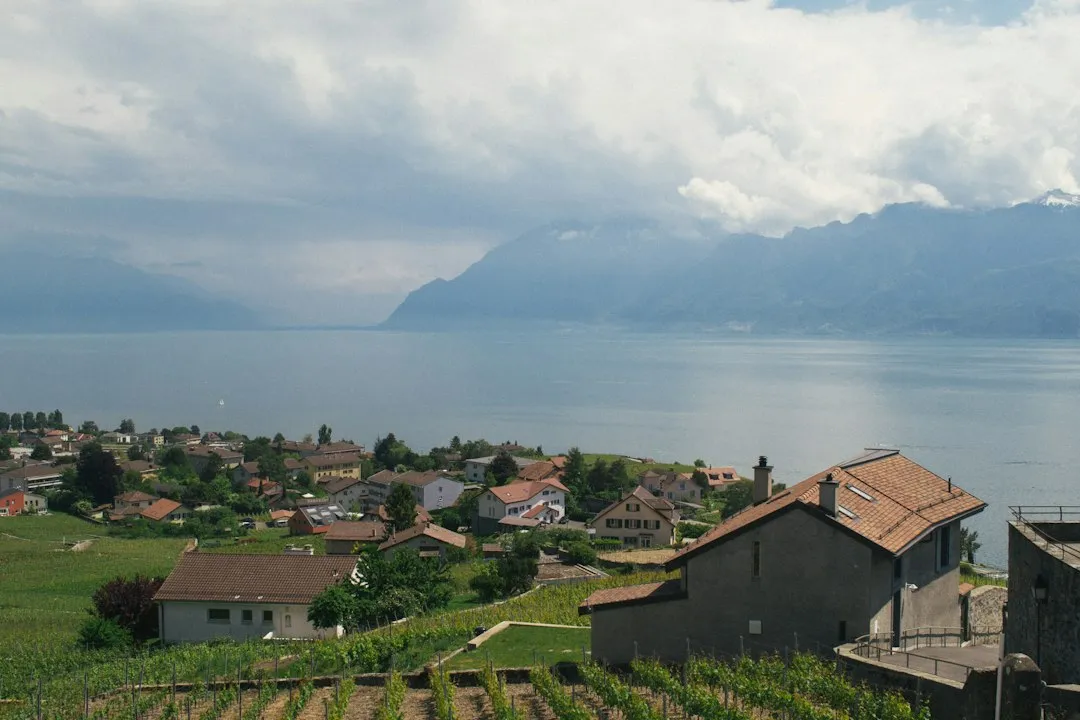
The Lavaux vineyards, a UNESCO World Heritage site, are found between Lausanne and Montreux and are home to 14 unspoiled villages. These terraced vineyards climbing the hillside above Lake Geneva represent centuries of collective effort, the kind of multigenerational patience that Capricorn instinctively respects.
The well-preserved landscape and continuous adaptation of cultural traditions in winegrowing in the Lavaux region make the vineyard terraces genuinely worthy of UNESCO status. Hiking trails take visitors through the vineyards, making it one of Switzerland’s more easily accessible heritage sites.
Sitting at a table in one of those 14 villages with a glass of local white wine and a view across the lake is not a passive experience. It’s the product of a full day well spent, and that matters to a Capricorn.
The Rhaetian Railway: Engineering as Poetry
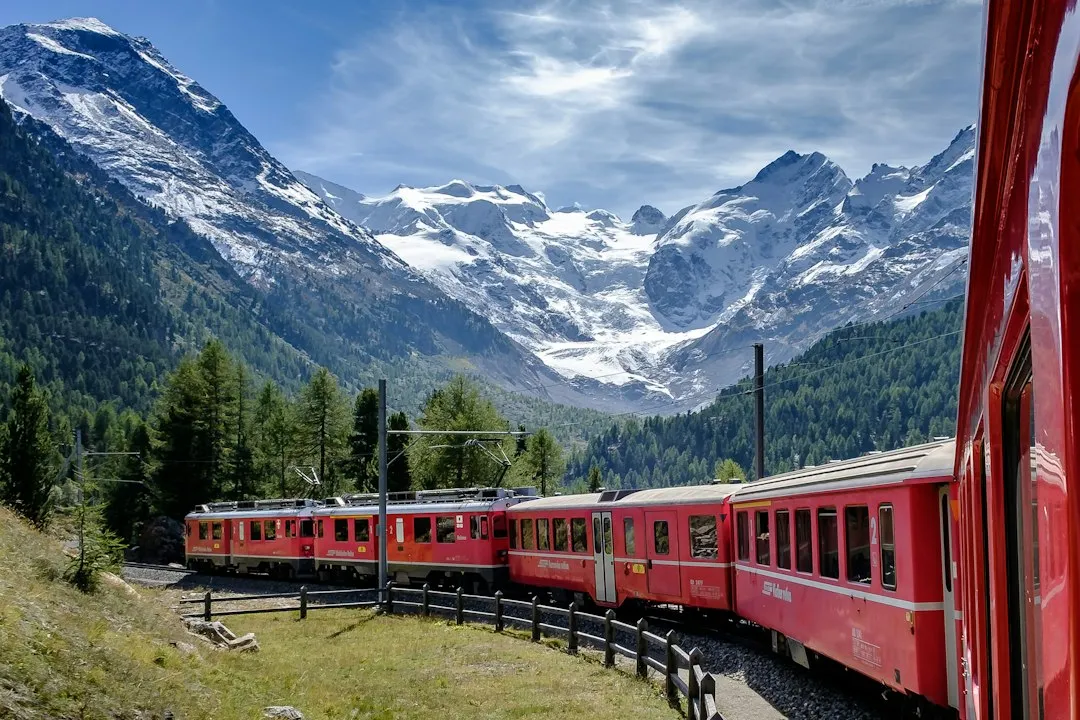
The Rhaetian Railway runs through the entire canton of Graubünden, with its Albula and Bernina lines designated as a UNESCO World Heritage Site. Travelers can ride the two world-famous panoramic trains, the Glacier Express and the Bernina Express, via its network.
Few things in Switzerland communicate Swiss values as clearly as this railway does. It was built through terrain that most engineers would have called impossible, and it has run reliably for well over a century. The Grand Train Tour of Switzerland, which can be done all year round, runs approximately 1,285 kilometers and includes journeys on the country’s most famous panoramic trains.
For a traveler who values systems that work and beauty that isn’t accidental, riding the Bernina Express through snow-dusted passes and hanging viaducts is exactly the kind of experience that stays with you long after the journey ends.
Bellinzona’s Castles: Where Ambition Left Its Mark in Stone
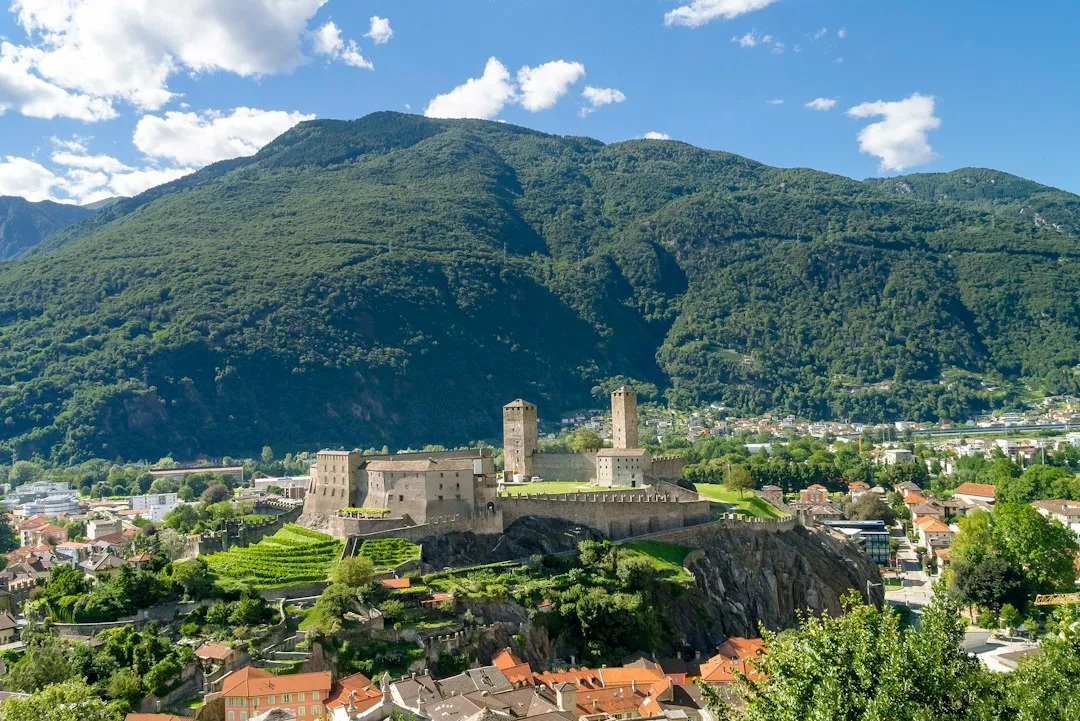
The medieval castles of Bellinzona, specifically Castelgrande, Montebello, and Sasso Corbaro, have been listed as a Swiss UNESCO World Heritage site since 2000. These three fortresses aren’t ruins in the romantic sense. They’re imposing, structurally intact, and genuinely awe-inspiring.
Climbing the towers of Castel Grande and continuing to Montebello and Sasso Corbaro, visitors walk over crenellated walls, look out over the Alps, and stand in what is considered the best-preserved castle complex in the entire Alpine region.
Capricorn energy has an affinity for structures built to last. These castles weren’t constructed for decoration. They were built to hold ground, to project authority, and to endure. Standing on those walls, it’s easy to feel the weight of that original ambition.
Precision and Legacy: The Watchmaking Towns

Switzerland’s UNESCO sites reflect its cultural diversity through towns like La Chaux-de-Fonds and Le Locle, known for their watchmaking heritage. The watchmaking centers of La Chaux-de-Fonds and Le Locle have been awarded World Heritage status by UNESCO.
Swiss watchmaking is, in many ways, a physical expression of Capricorn values: obsessive attention to detail, long investment horizons, the belief that quality built into something from the start will outlast trends and shortcuts. Touring the workshops and museums in these Jura mountain towns offers a rare look into that philosophy made tangible.
The experience isn’t simply about watches. It’s about understanding what a culture decides to take seriously, and how that seriousness compounds into legacy over generations.
Economic Strength That Reflects the Country’s Character
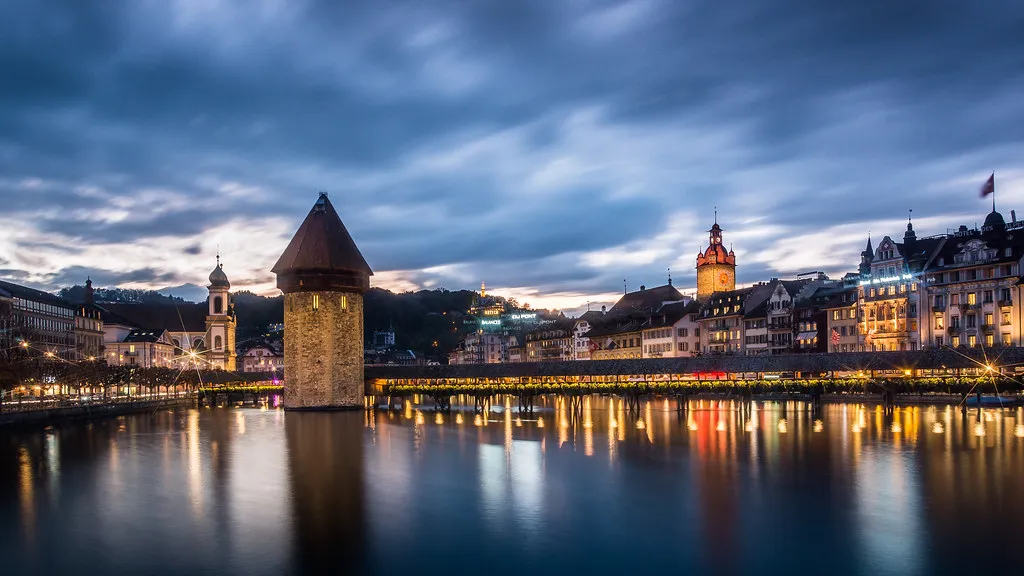
Travel and tourism contributed 67.2 billion dollars to Switzerland’s economy in 2024, equal to 7.2 percent of national GDP, with the WTTC forecasting a slight increase to 7.4 percent in 2025. Tourism supports 448,000 jobs in Switzerland, representing 8.4 percent of total national employment.
Tourists spent roughly 33.1 billion Swiss francs in Switzerland in 2024. That level of visitor spending reflects not just volume but value. People come to Switzerland and choose to invest in the experience. They stay in well-made places, eat carefully prepared food, and ride trains that run on time.
For a Capricorn who tends to do the same, there’s a quiet satisfaction in arriving somewhere where that standard is simply the expectation, not the exception.
Ambition, Altitude, and the Right Kind of Rest
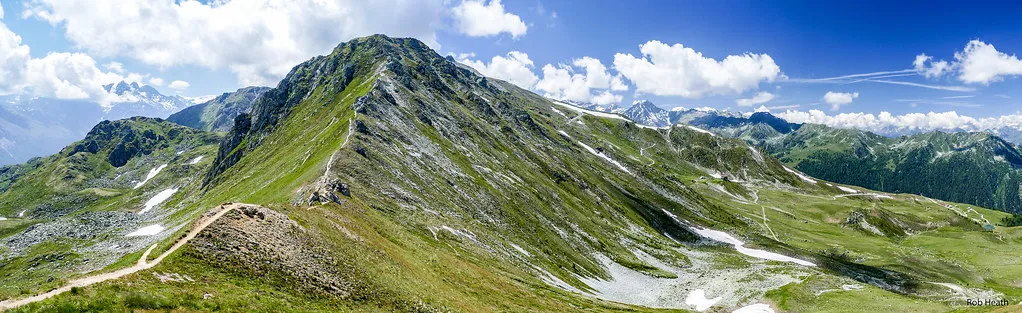
According to astrologer KJ Atlas, writing for AFAR, Capricorns should set their travel sights on a place that supports soul evolution and development, now that Pluto, the planet of transformation, has entered the sign. Switzerland offers exactly that kind of place, one where the landscape itself demands presence and reflection.
Capricorns value deliberate travel that strikes a balance between leisure and personal development as well as organization, with their ideal locations being those that allow for introspection among natural beauty. Few places in the world match that description more completely than a Swiss alpine valley in the early morning, before the cable cars start running and the light is still gold on the peaks.
Quality is essential to the Capricorn traveler, and nice hotels and beautiful surroundings genuinely matter. Switzerland doesn’t do anything halfway in that regard. The standard of hospitality, the cleanliness of the trains, the care in the food, all of it lines up with the kind of travel Capricorn does best.
The Takeaway
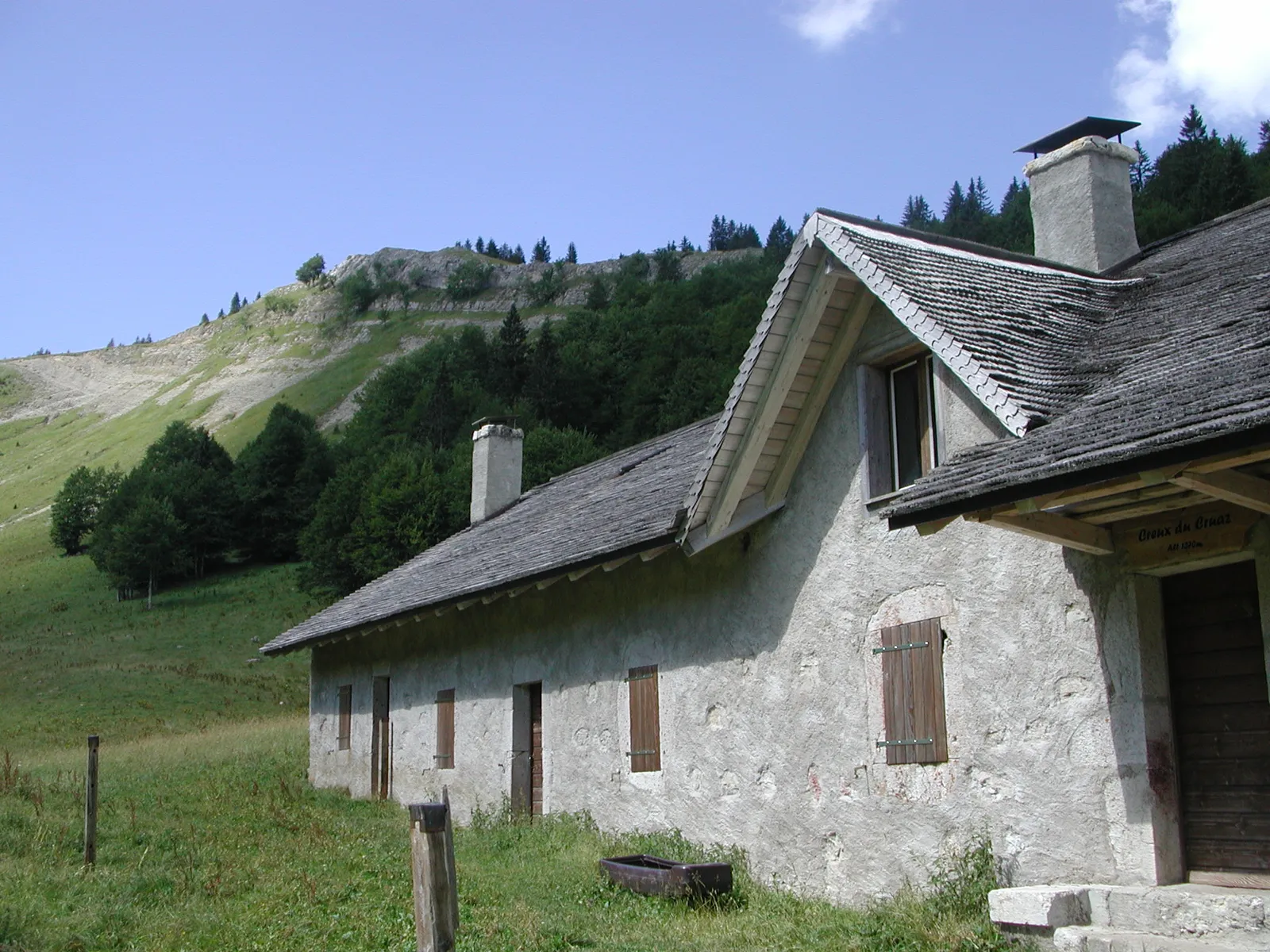
Switzerland isn’t a flashy destination. It doesn’t compete for attention by being loud. What it offers instead is something rarer: a place where craft, endurance, natural grandeur, and cultural seriousness converge into a single coherent experience. That coherence is precisely what makes it resonate so deeply with the Capricorn sensibility.
The mountains reward effort. The heritage sites reward curiosity. The trains reward trust in systems built well. And the whole country, in its quiet, unshowy way, rewards the traveler who shows up prepared to actually engage with it.
That’s not a small thing. For a sign that has spent its whole life building toward something meaningful, arriving in a place that already understands that instinct feels, without overstating it, like coming home.
AI Disclaimer: This article was created with the assistance of AI tools and reviewed by a human editor.