

Spend a single evening at an outdoor café in Southeast Asia or take one walk through a tropical garden in Central America, and you’ll notice something unfair. One person in your group swats constantly, checks their ankles, and retreats inside. The person next to them barely flinches. Same time, same place, same evening air.
This isn’t coincidence, bad luck, or folklore about “sweet blood.” The gap in bite counts comes down to a surprisingly intricate mix of biology, chemistry, and genetics. Science has been piecing this puzzle together for years, and recent research has pushed our understanding considerably further.
Roughly One in Five People Are Natural Mosquito Magnets
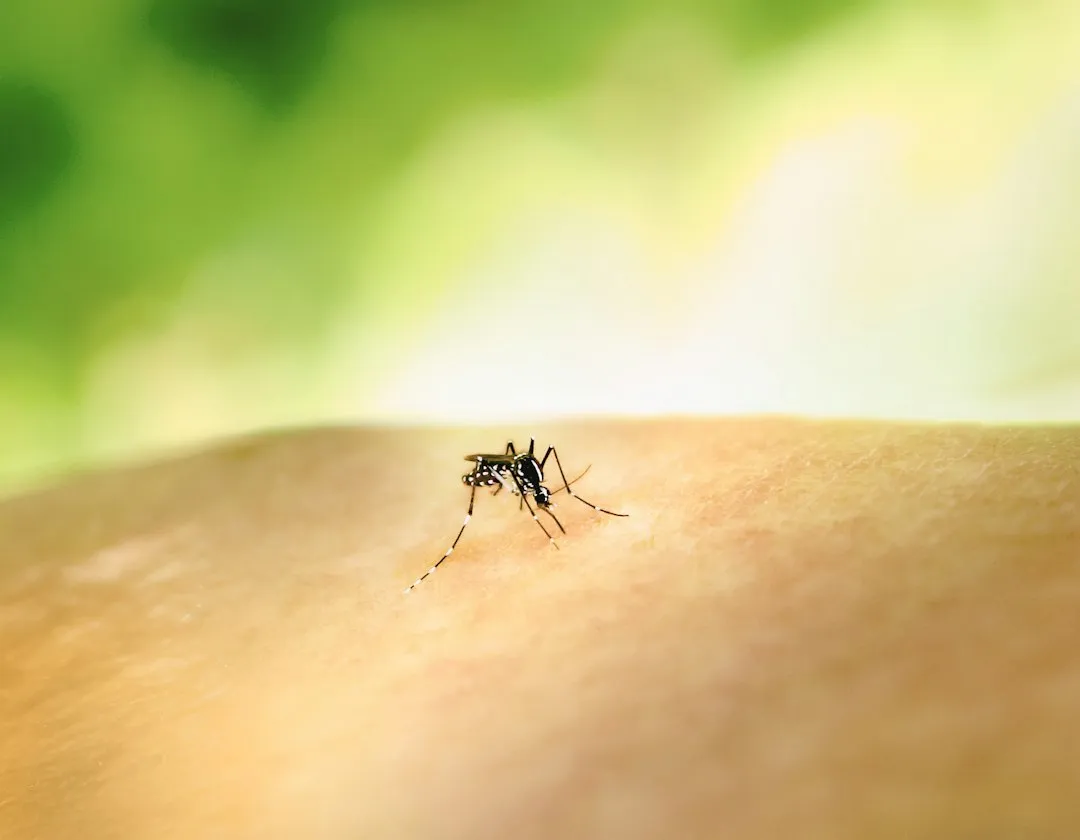
Roughly one in five people get bitten far more than everyone around them. This is a consistent pattern observed across studies, not just an impression. To this day it remains largely a mystery why some people receive more mosquito bites than others, even though bite frequency plays a key role in the risk of mosquito-borne diseases.
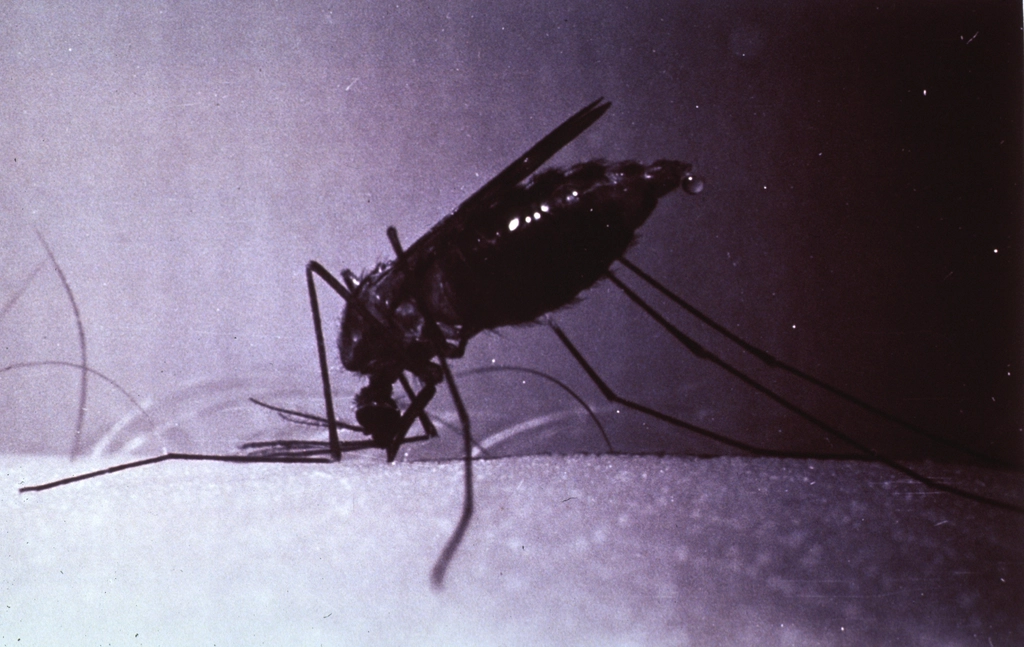
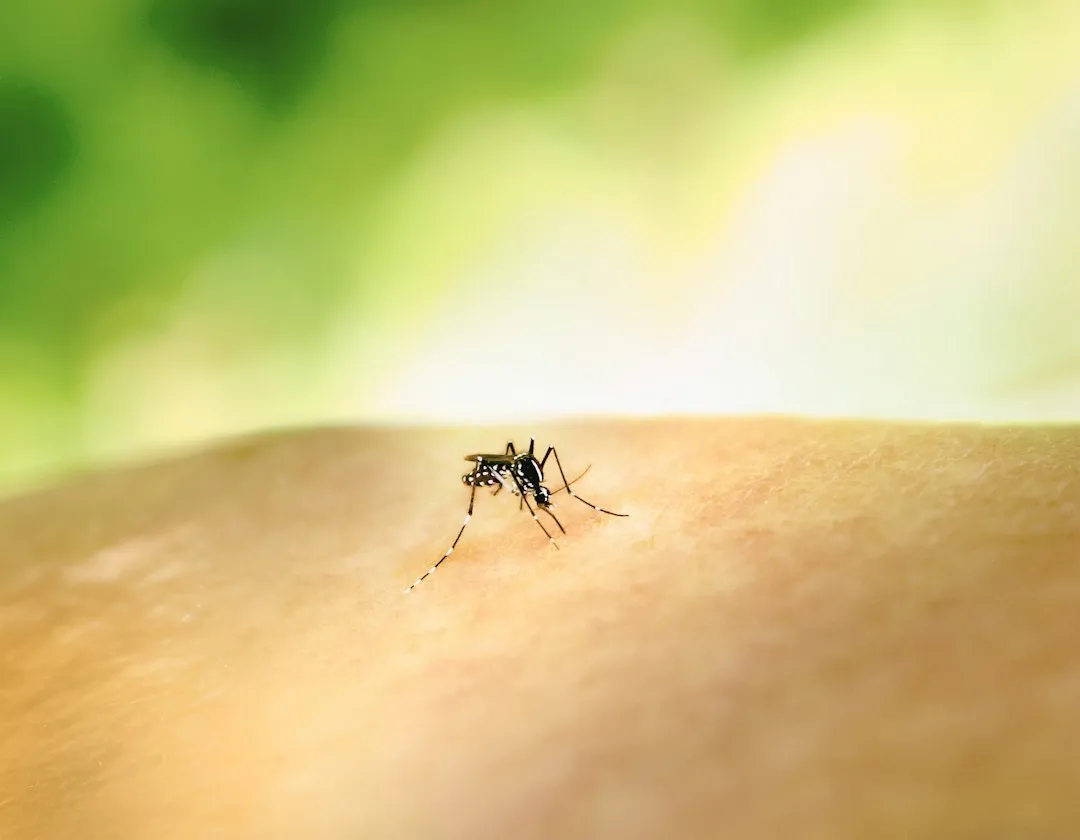
Scientists confirm it is not a misconception: mosquitoes are attracted to some people more than others. They follow chemical cues to find their next meal, and female mosquitoes, which are the only ones that bite, detect these signals with finely-tuned receptors and choose their target accordingly.
Carbon Dioxide: The First Signal Mosquitoes Pick Up
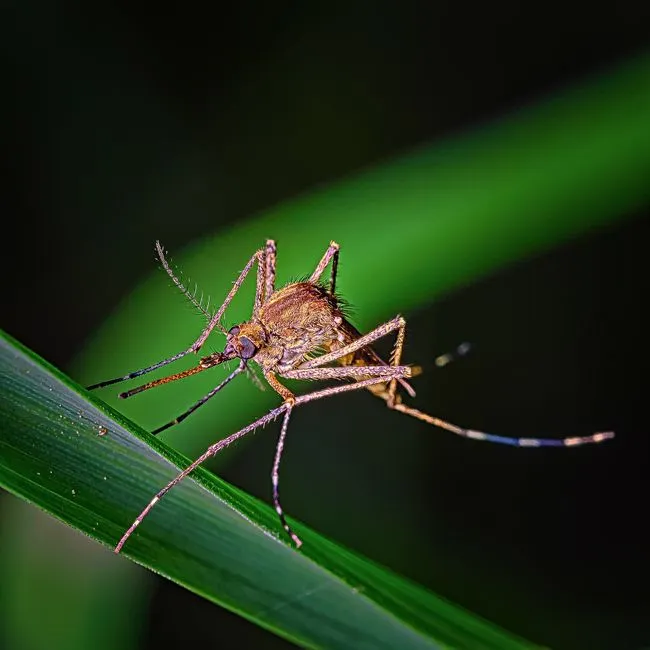
Mosquitoes rely on their keen sense of smell to locate potential hosts, and one of the strongest cues they use is carbon dioxide. Every time we exhale, we release CO2, which mosquitoes can detect from distances of up to 50 meters. This is why larger adults tend to attract more attention than children in the same outdoor space.
People who simply exhale more CO2 over time draw more mosquitoes at medium and long range, before the insect ever gets close enough to smell skin. Metabolism, body size, and certain conditions all influence how much CO2 a person produces, making this one of the most reliable early-stage attractants known to researchers.
Your Skin Chemistry May Be the Biggest Factor
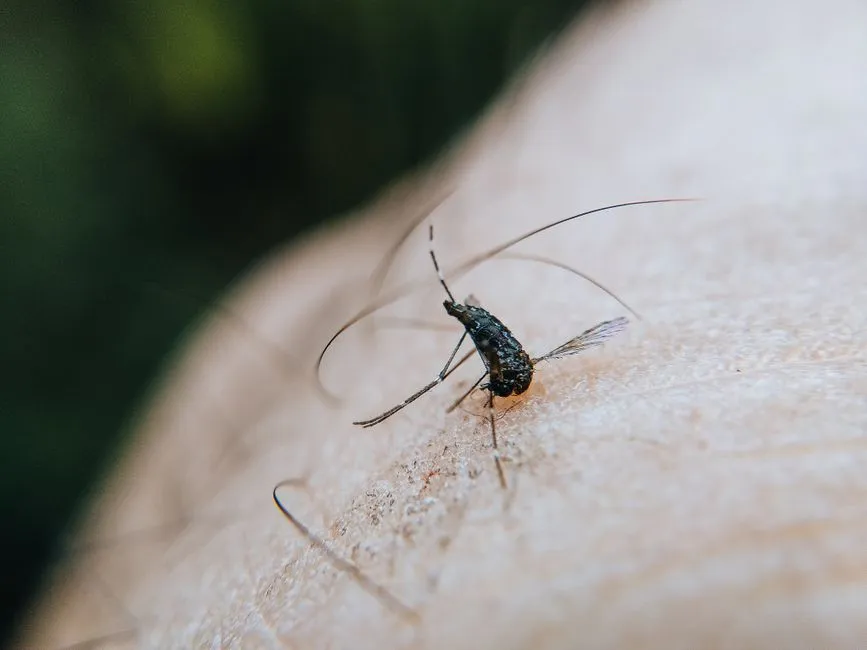
More than 300 chemical compounds have been identified coming off human skin. Mosquitoes home in using carbon dioxide from your breath, your body heat, and this cloud of body-odour compounds. What matters is not just that these compounds exist, but which ones are present in higher concentrations on your particular skin.
Research found that people who were especially attractive to mosquitoes had higher levels of certain carboxylic acids in their skin emanations. Scientists identified 50 molecular compounds that were elevated in the sebum of the highly attractive participants, and found that the mosquito magnets produced substantially more carboxylic acids than the less-attractive volunteers.
Mosquitoes are highly sensitive to human body odors, particularly compounds like lactic acid, ammonia, and uric acid that are present in sweat. These odors act as chemical cues and are heavily influenced by one’s diet, hygiene, health conditions, and genetics.
The Role of Your Skin Microbiome
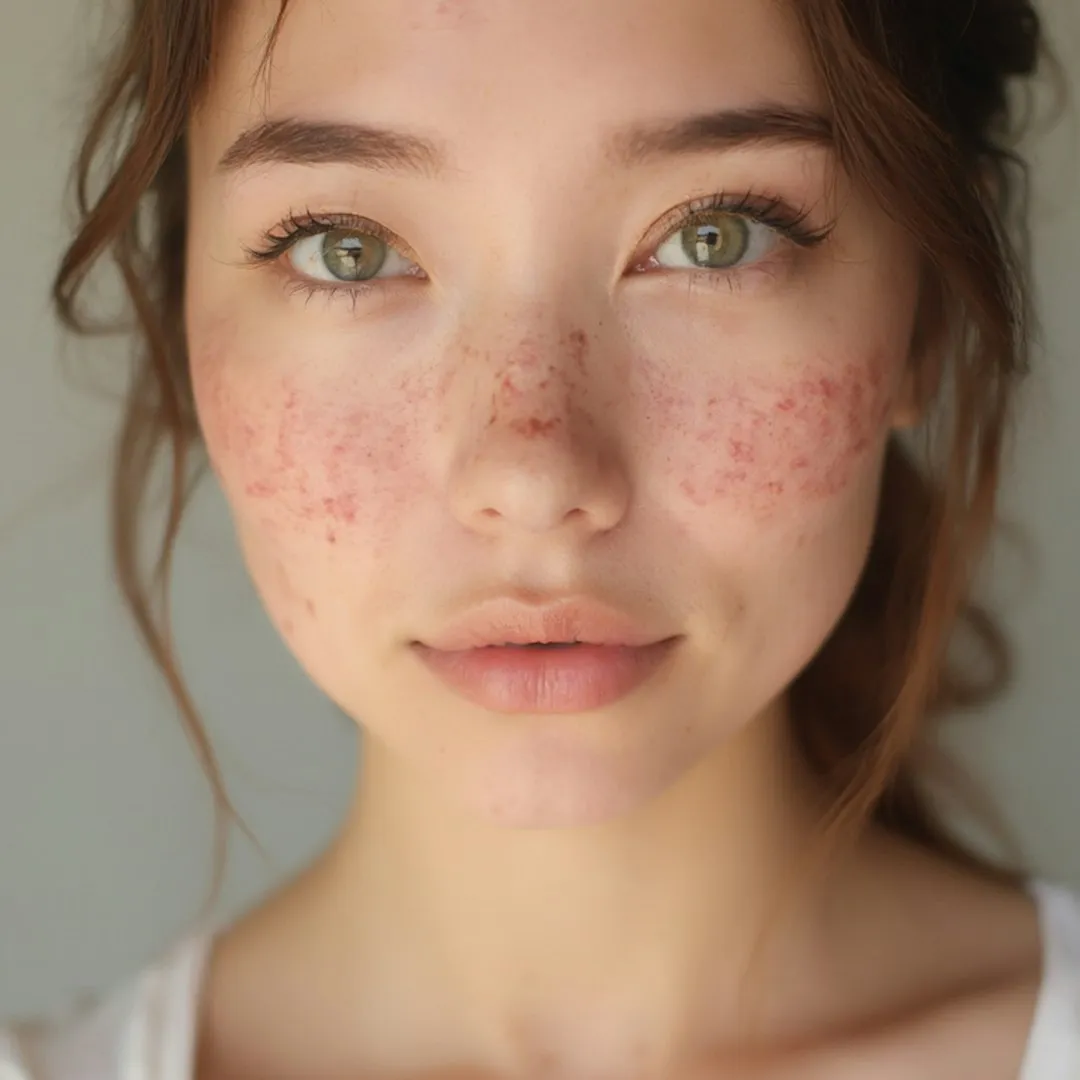
A 2011 study found that people carrying large amounts of just a few bacterial species were more attractive to mosquitoes, while people whose skin hosted a greater diversity of bacteria were less attractive, even with similar overall bacterial loads. The composition of your skin’s microbial community, in other words, shapes the odor profile that mosquitoes are sniffing for.
The skin microbiome of highly attractive people is reported to be of lower bacterial diversity and to produce higher amounts of volatile fatty acid metabolites or long-chain carboxylic acids. This explains, at least in part, why two people standing side by side can have such different experiences on the same evening. It may also explain why some mosquitoes are especially prone to biting ankles and feet, where many odor-producing bacteria thrive.
Blood Type Plays a Supporting Role
In a study published in the American Journal of Entomology in 2019, researchers conducted an experiment in which mosquitoes were given the option to feed on A, B, AB, and O blood types. The mosquitoes chose the Group O feeder more than any other. An earlier study from 2004 found a similar pattern.
Another study, in 2004, revealed that mosquitoes land on people with Type O blood significantly more often than those with other blood types, and nearly twice as often as on those with Type A blood. That said, the picture is not entirely clear-cut. The practical answer is that mosquitoes may prefer Type O blood under certain conditions, but your blood type does not determine whether you will be bitten.
Genetics: Much of It Is Simply Inherited
A 2015 twins study published in the journal PLOS One found that DNA may account for nearly 67% of mosquito attraction, similar to the levels at which height and IQ are considered genetically linked. This is a striking finding. It suggests that for most travelers, their attractiveness to mosquitoes is largely baked in from birth.
Mosquito attraction is strongly influenced by hereditary factors. Genetics primarily dictates sebum and sweat composition, influencing attraction. This is why some people can follow every precaution and still end up with more bites than a companion who took none, and it is also why consistent use of repellents remains important regardless of your natural risk level.
Exercise and Body Heat Turn Up the Signal
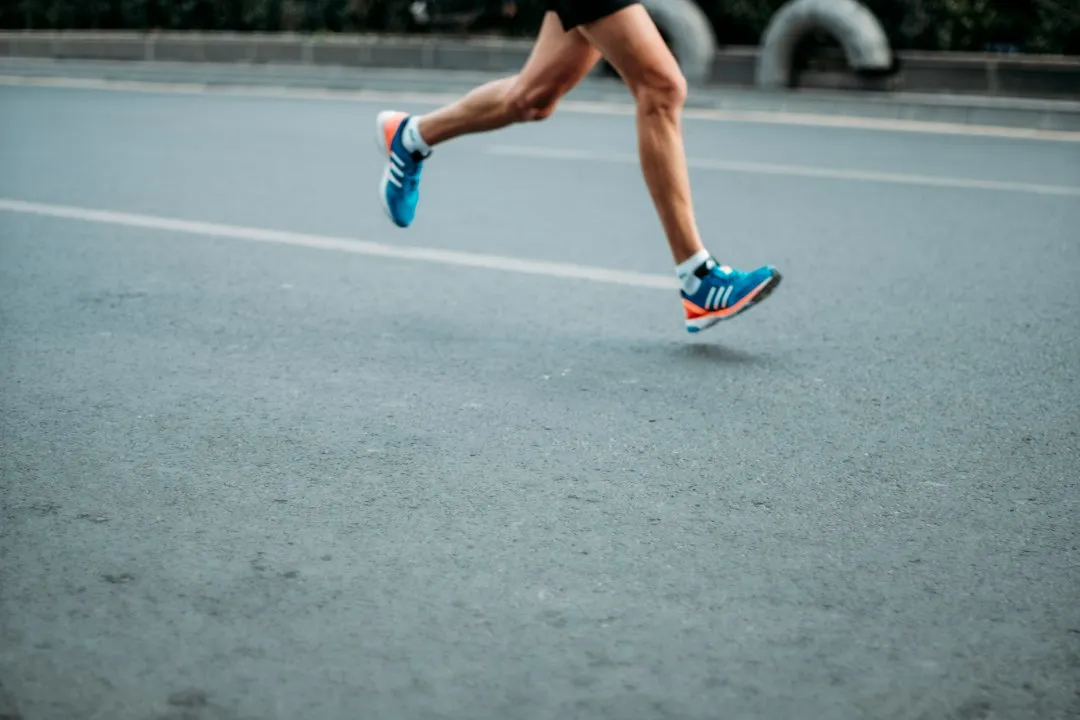
Lactic acid, a compound produced by muscles during physical activity, is another strong mosquito attractant. When we exercise, our bodies produce more lactic acid, which is then released through the skin. This makes physically active individuals prime targets for mosquito bites. Additionally, body heat increases with exercise, and since mosquitoes are also drawn to warmth, a combination of heat, sweat, and lactic acid makes for an irresistible invitation for these insects.
For travelers who enjoy early morning runs or hikes in warm climates, this is worth keeping in mind. The post-exercise window, when body temperature remains elevated and lactic acid lingers on the skin, is a particularly high-risk period. As mosquitoes get closer to a target, body temperature and humidity make particular humans even more enticing.
Pregnancy Doubles the Risk
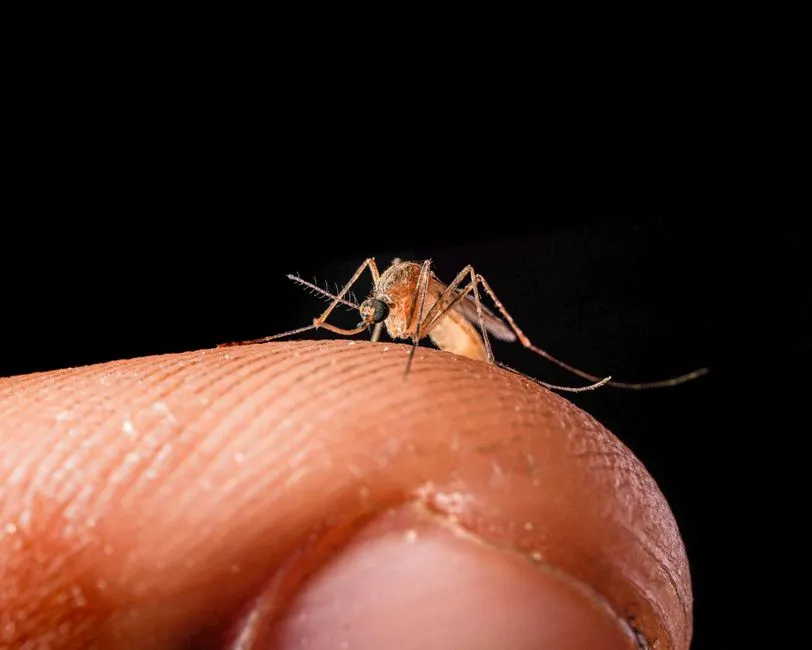
In multiple studies, pregnant women have been found to attract roughly twice as many mosquito bites from certain species that carry malaria as other women. Two distinct biological factors are likely responsible for this. Pregnant women exhale about 21 percent more carbon dioxide and are on average about 1.26 degrees Fahrenheit warmer around the belly than other women.
Pregnancy increases blood volume and CO2 output by roughly 20%, doubling the likelihood of being bitten. For travelers who are pregnant, this makes mosquito protection not just a comfort issue but a genuine health priority, particularly in regions where malaria, dengue, or Zika virus are present.
Alcohol Consumption and Clothing Color Add Extra Risk
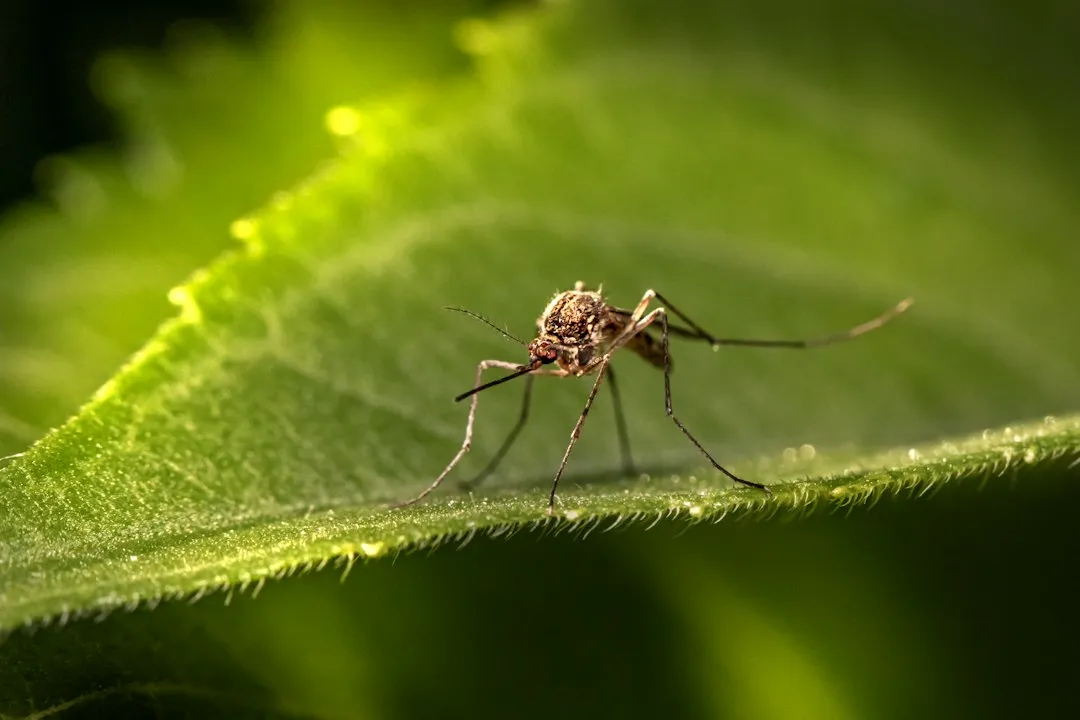
Studies have shown that drinking alcohol can increase mosquito attraction, possibly due to changes in body chemistry and increased skin temperature. Alcohol raises body temperature and can cause increased sweating, both of which further attract mosquitoes. The specific mechanism is still being studied, but the association is consistent enough to take seriously on a warm evening outdoors.
Research has also examined visual cues such as clothing color. Wearing dark clothing enhances an individual’s visibility against lighter backgrounds, drawing in more mosquitoes. Visual cues such as dark clothing can enhance chemical signals, increasing landing rates by roughly 20%. Opting for light-colored, loose-fitting clothing is a small but measurable adjustment that can genuinely reduce exposure.
The Science of Sweat Taste: New Findings from Yale
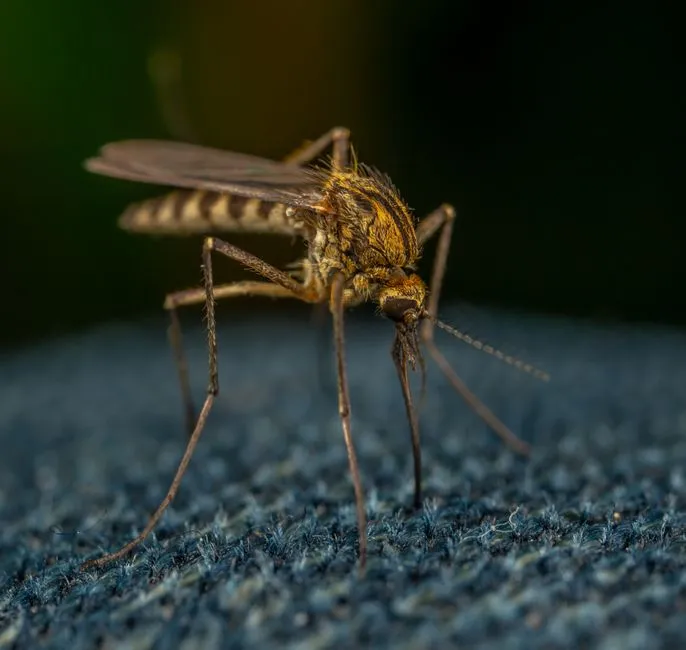
The newest piece of the picture comes from Yale, where researchers led by biologist John Carlson published findings in 2024 showing that different compounds in human sweat push mosquito behavior in opposite directions: some increase biting, others, specifically bitter compounds, suppress it. This was a meaningful advance in understanding why the same sweat on different people can produce such different outcomes.
While salt and some amino acids typically found in human sweat had no effect on biting when presented separately, they promoted an increase in biting when combined. In 2024, Yale University researchers discovered that different tastes may influence biting, feeding, and even egg-laying in mosquitoes. Certain compounds in human sweat led mosquitoes to bite more, while other bitter compounds suppressed feeding behavior. The implication is that some travelers really do taste more appealing to mosquitoes at a chemical level, independent of any other factor.
What Travelers Can Actually Do About It

Understanding the science doesn’t eliminate the problem, but it does sharpen your approach. You cannot change your genes, blood type, or basal metabolism, but the things layered on top, such as sweat left on the skin, dark clothing, alcohol, and body heat from exercise, are adjustable.
Understanding factors behind mosquito attraction could improve prevention strategies in high-risk areas and possibly inform behavioural choices for those who would like to steer clear of mosquito bites. Practical steps include rinsing off after exercise before spending time outdoors at dusk, choosing light-colored clothing, and using proven repellents consistently. For destinations where mosquito-borne disease is a real concern, these adjustments are worth making deliberately rather than leaving to chance.
The Takeaway
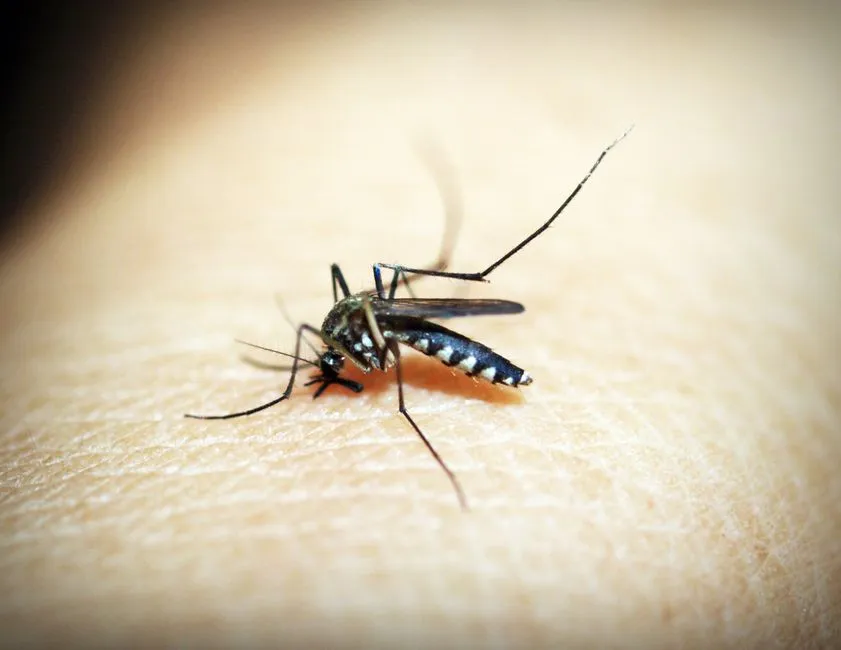
The gap between who gets bitten and who doesn’t is real, measurable, and rooted in biology rather than imagination. Blood type, sweat chemistry, body heat, and genetics all play a role, and the evidence is stronger than folk wisdom. For travelers, the honest conclusion is that some of us carry a higher baseline risk simply by virtue of our chemistry.
What science is making clearer with each passing study is that mosquito attraction is not a single variable but a layered system of signals. When two people stand side by side and one ends up with far more bites, the explanation may lie in an intricate mix of volatile compounds and microbial patterns that certain mosquitoes are highly attuned to detect. Knowing your own risk profile is the first step toward protecting yourself more thoughtfully wherever you travel.
AI Disclaimer: This article was created with the assistance of AI tools and reviewed by a human editor.