
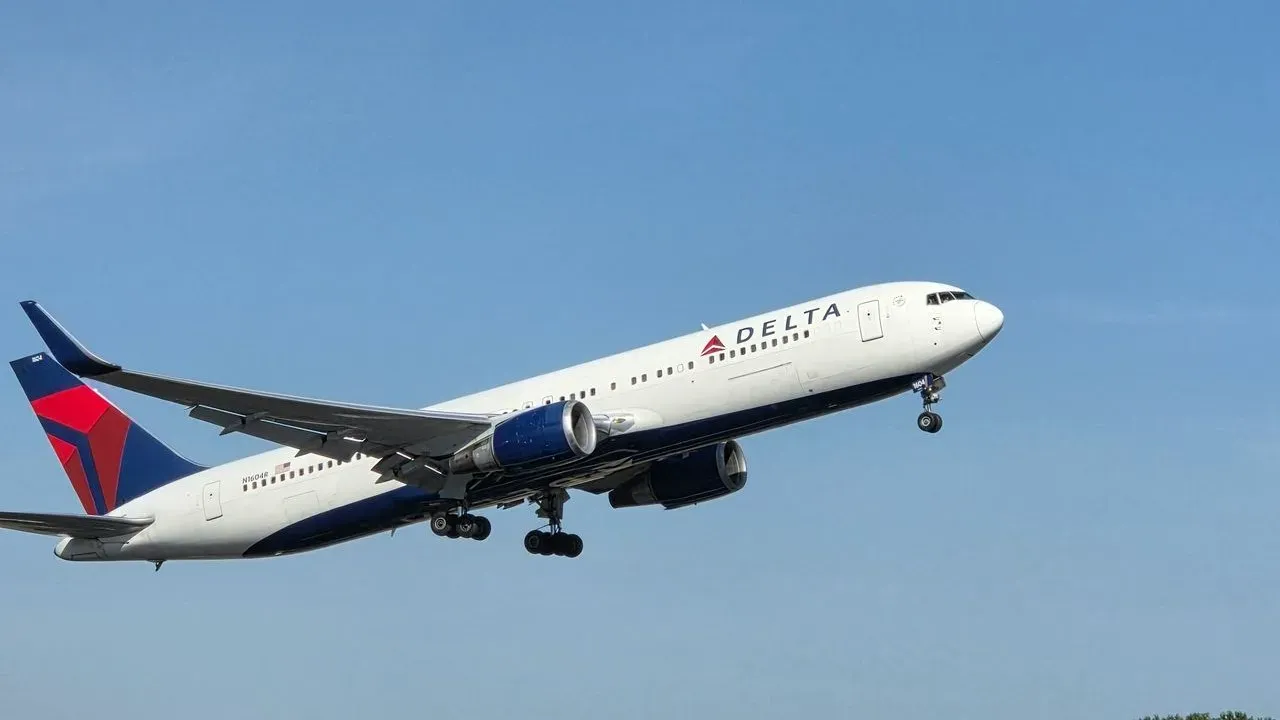

Delta Air Lines flights bound for its Atlanta hub faced delays on Sunday, the Sunday before Thanksgiving, when a problem with the airline’s weight and balance automation system spread beyond Georgia. The issue, which the Associated Press reported as affecting flights ([1]), arrived just as millions of travelers started their holiday journeys. Delta said its teams were working to restore the system, and the airline has kept its operations moving in the meantime.
An unusual cause behind a familiar problem
Most flight disruptions trace back to weather or air traffic constraints, which makes this incident stand out. Here, the trouble began inside the airline’s own operations. Delta’s weight and balance system calculates how much an aircraft weighs and how that weight is spread before takeoff. Crews rely on those figures to confirm that a plane is safe to depart, and the calculations must be completed for every departure.
When that automated tool stopped working as expected, departures slowed. Delta said its personnel shifted to manual methods so flights could leave safely. Those manual calculations take longer than automated ones, which meant each departure occupied more time than usual. The result was a cascade effect that the airline and federal regulators have been working to manage.
What the FAA has said
The Federal Aviation Administration posted on X on Sunday that Delta was working to resolve the problem. The agency also clarified that the delays were “not related to any FAA air traffic systems.” That distinction matters for travelers trying to understand where the disruption began. The problem lay in Delta’s internal calculations, not in the national airspace system.
The agency’s response took the form of a traffic management program. The FAA first halted Atlanta-bound Delta flights for a short period on Sunday morning, then replaced that ground stop with a program that let flights depart at staggered times. The program applied to Delta and its regional carriers flying into Atlanta from the contiguous United States, and the FAA projected average delays of 57 minutes, with some reaching 1 hour and 51 minutes, according to NBC News.
Why the effects reached beyond Atlanta
Atlanta is Delta’s largest hub, so a slowdown there rarely stays local. Delta said it was working with air traffic control to protect airport gates and tarmac space from congestion, since slower departures meant fewer open gates for arriving aircraft. Passengers reported knock-on delays at several other airports, including New York’s LaGuardia and Newark, Washington’s Reagan National and Dulles, and Boston and Baltimore, according to Atlanta News First.
Delta has not publicly said what caused the automation failure or when full restoration will occur. The airline has also not confirmed whether any flights were canceled as a result. Until those details emerge, the most reliable information will come from Delta’s official channels and the FAA’s advisories.
Practical steps for travelers this week
For anyone flying Delta through Atlanta or connecting in the city during the holiday rush, a few habits can make the day smoother:
- Check flight status in the Delta app or on the airline’s website before leaving for the airport.
- Allow extra time for check-in and bag drop, since departures may run behind schedule.
- Sign up for text or app alerts so schedule changes reach you directly.
- Ask the airline about rebooking options early if a connection is at risk, rather than waiting at the gate.
Travelers connecting through Atlanta may also want to build a little flexibility into their plans. Holiday travel often carries its own pressure, and a calm, well-timed approach tends to help more than rushing through the terminal.
A reminder of how much behind-the-scenes work keeps flights moving
Sunday’s disruption highlighted a part of air travel that passengers rarely see. Before any plane leaves the gate, crews and systems must confirm weight, balance, and fuel, and the people who carry out these checks are central to safe operations. Delta credited its employees for keeping flights moving through manual procedures during the outage.
For travelers, the episode offers a useful lesson in patience and preparation. Delays can come from unexpected places, and the best response is often a steady one. Checking updates, leaving room in the schedule, and trusting the crews who keep aircraft safe can make a busy travel week considerably easier.
AI Disclaimer: This article was created with the assistance of AI tools and reviewed by a human editor.