
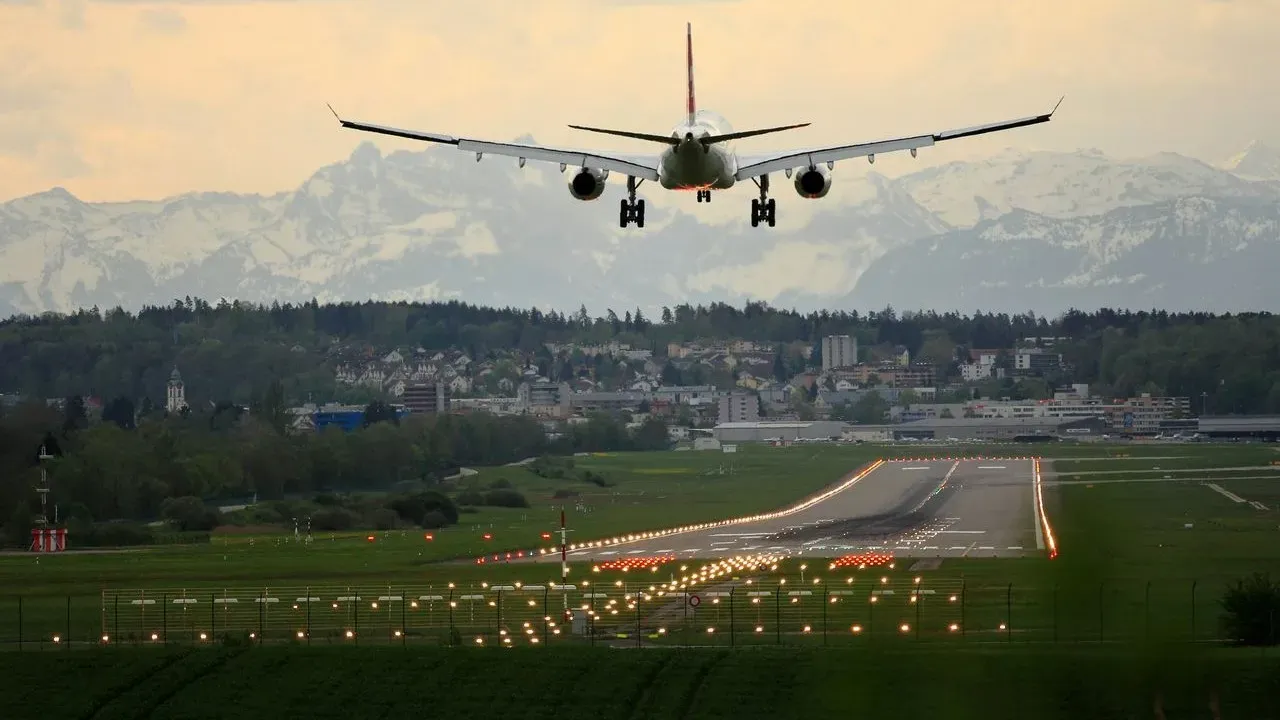

The Thanksgiving travel rush opened on Sunday, Nov. 22, with delays at several of the country’s busiest airports. Delta Air Lines reported a problem with the system that automates aircraft weight and balance calculations, and low cloud ceilings added to the slowdown in the Northeast. For travelers heading out over the holiday, the day offers a useful picture of what to expect and how to respond. ([1])
Atlanta bears the largest share of delays
The Delta problem hit hardest at Hartsfield-Jackson Atlanta International Airport, the world’s busiest airport. By 1 p.m. Eastern, about 40% of flights there had been delayed, according to FlightAware, and that count included departures as well as aircraft bound for the airport. A Delta spokesperson told The Points Guy that the airline was using manual workarounds to keep flights moving, although the affected system had not yet been restored.
The wider network felt the effects too. By early afternoon, more than 1,300 Delta mainline flights had been delayed, which the airline’s operation at least 40% of its planned schedule for the day. Cancellations stayed comparatively low, though regional partner Endeavor Air, which operates Delta Connection flights, reported more than 230 cancellations. Delta thanked customers for their patience and its employees for their professionalism.
Weather adds pressure in the Northeast
Weather created a separate set of problems on the same day. Low cloud ceilings caused delays and forced dozens of flights to divert. New York’s LaGuardia Airport was the most affected, with nearly half of its departing and arriving flights delayed on Sunday, according to FlightAware. Aviation analytics firm Cirium counted 42 flights bound for LaGuardia that were diverted, with many landing in Philadelphia, Albany, Harrisburg and Syracuse.
- Delta’s delays were tied to a system issue, and the airline reported few cancellations on its mainline flights.
- Weather delays and diversions affected major hubs, with LaGuardia seeing the heaviest impact.
- Diverted passengers may need to rebook from a city far from their destination, so checking status early helps.
What to do if your trip is disrupted
The cause of a delay affects what you may be owed. Under U.S. Department of Transportation policy, a canceled or significantly delayed flight entitles you to a refund if you choose not to fly. If Delta’s outage causes a major delay, the carrier may pay for hotels, meals and ground transportation, and details are available at FlightRights.gov. Delays caused by weather typically do not bring compensation from the airline.
Keeping organized records can make a claim much easier. Save every receipt for meals, lodging and transportation. If you paid for your trip with a credit card that includes travel insurance, you may be able to file a claim for reimbursement. Checking your flight status before leaving for the airport gives you more time to rebook if needed.
The busiest days are still ahead
Sunday’s disruption came after a difficult stretch for air travel. More than 18,000 flights were canceled last weekend following an outage on Nov. 13 involving critical Federal Aviation Administration technology. A brief technical outage at United Airlines also caused delays last week.
Attention now shifts to Sunday, Nov. 29, which could be the busiest day of the year to fly. Last year, the Sunday after Thanksgiving set the record for the most crowded day ever at U.S. airports. Travelers who plan ahead, arrive early and keep their documents handy will be better positioned for whatever the holiday brings.
AI Disclaimer: This article was created with the assistance of AI tools and reviewed by a human editor.