
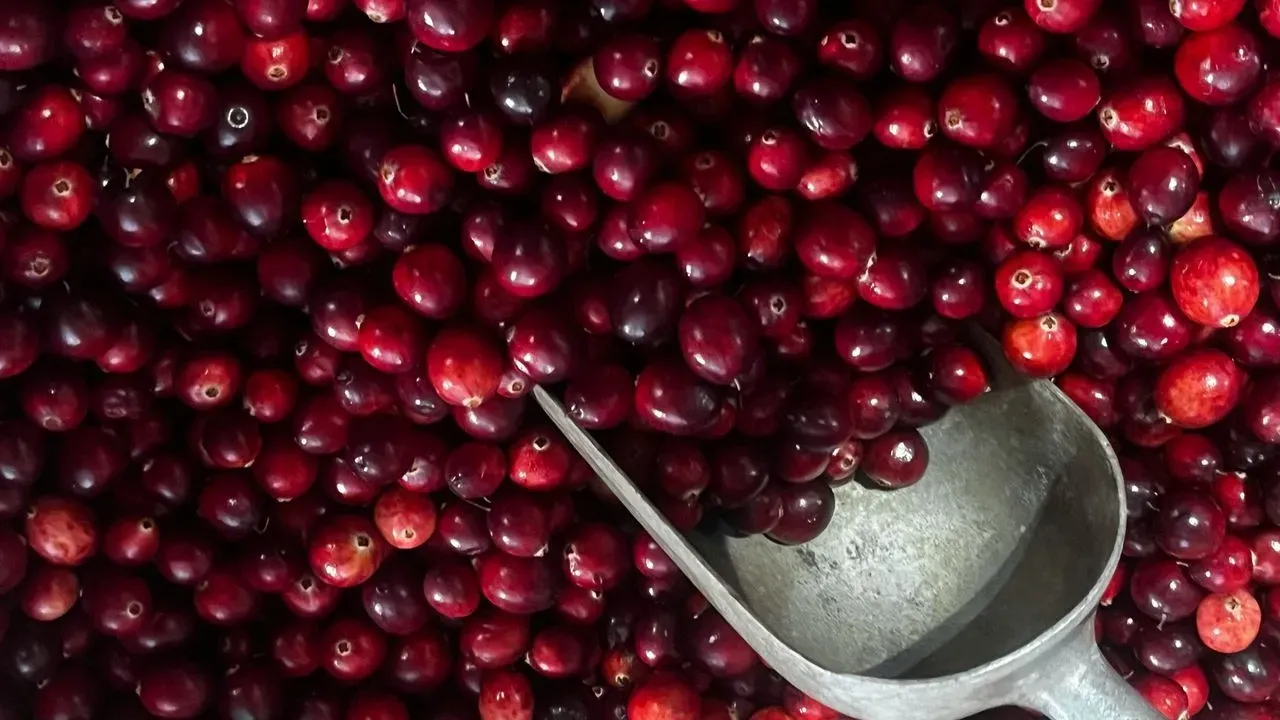

Lee Brothers Farm in Chatsworth, New Jersey, has supplied cranberries for generations, and its crop often reaches holiday tables far from the Pine Barrens. For more than 150 years, Lee Brothers Farm in New Jersey has been growing cranberries, with three generations of the Lee family working side by side to continue the tradition. Thanksgiving falls on Thursday, November 26, 2026, and the family hopes shoppers will consider the labor behind a familiar side dish. ([1](https://abc7news.com/story/lee-brothers-farm-supplies-thanksgiving-cranberries-generations/20069905)) ([1])
Roots in the Pine Barrens
The farm sits in Burlington County, where the Pine Barrens shape both the scenery and the rhythm of the work. The family-run farm traces its roots to 1860, when Irish immigrant Stephen Lee established the operation. The current owner, Stephen Lee III, has framed the story in his own family terms, recalling that in the mid 1800s, my great-great-grandfather came from Ireland.
Dates in published accounts do not fully agree. Generations of the Lee family gathered this fall, as they have every year since 1868, to harvest cranberries at the Lee Brothers Farm in Chatsworth, Burlington County. Lee himself offered a simpler explanation for the crop choice, saying the cranberries were here growing naturally along the stream.
Three generations on the same bogs
Today the work is shared across a family table and a flooded bog. Today, Lee works alongside his son, Stephen Lee IV, and daughter, Jennifer Lee. Stephen Lee IV has spoken about the pride the family takes in seeing its product on store shelves, a feeling he tied directly to the farm’s name on the bottle.
Stewardship runs alongside production. The farm encompasses 135 acres and is surrounded by 1,700 acres of forest. Family members say stewardship of the land is an important part of their mission, as is passing the farm on to future generations.
From the bog to the holiday table
Once the berries leave the bogs, they follow a route that many shoppers never see. After harvest, the cranberries are transported to a nearby Ocean Spray processing facility, where they are turned into juice, Craisins and cranberry sauce. That cooperative structure matters to the family. “Ocean Spray is a farmer-owned cooperative. All those families individually on their operations, they run as small businesses,” he said. The co-op is large, with over 700 member growers in Massachusetts, Wisconsin, New Jersey, Oregon, Washington, Florida, British Columbia and other parts of Canada, as well as Chile.
The processed products also reflect the farm’s role in the holiday calendar. Fresh New Jersey cranberries are usually in stores from October through December.
A harvest shaped by weather and costs
The season has not always been kind to growers. A drought two years ago pushed the family to pump groundwater into its bogs, which came at a steep cost. This year brought a different picture. The U.S. Department of Agriculture forecasts a nearly 36% increase in New Jersey’s cranberry production compared with last year, thanks in part to steady rainfall throughout the growing season.
Bigger crops do not erase rising expenses. Stephen Lee IV pointed to higher fertilizer and diesel costs at the farm level. Still, Ocean Spray’s decision to hold prices steady through the holidays is welcome news for growers who hope to see strong demand for their cranberries. For a family that depends on steady sales, that balance between supply, price and cost is part of the annual calculation.
Why these bogs still matter
The farm’s continuity stands out against the broader history of the state’s cranberry industry. At the peak in the 1920s, New Jersey growers were harvesting about 11,000 acres. Today, the Pine Barrens remain an important source. Pine Barrens bogs still turn out roughly half a million barrels a year. Those numbers help explain why a single family’s harvest can influence what appears on a Thanksgiving table across the country.
When the holiday arrives, the cranberry sauce on the table carries more than flavor. It carries three generations of work, a farm that has outlasted droughts and market swings, and a family that still measures success by whether the harvest reaches the nation’s kitchens.
AI Disclaimer: This article was created with the assistance of AI tools and reviewed by a human editor.