
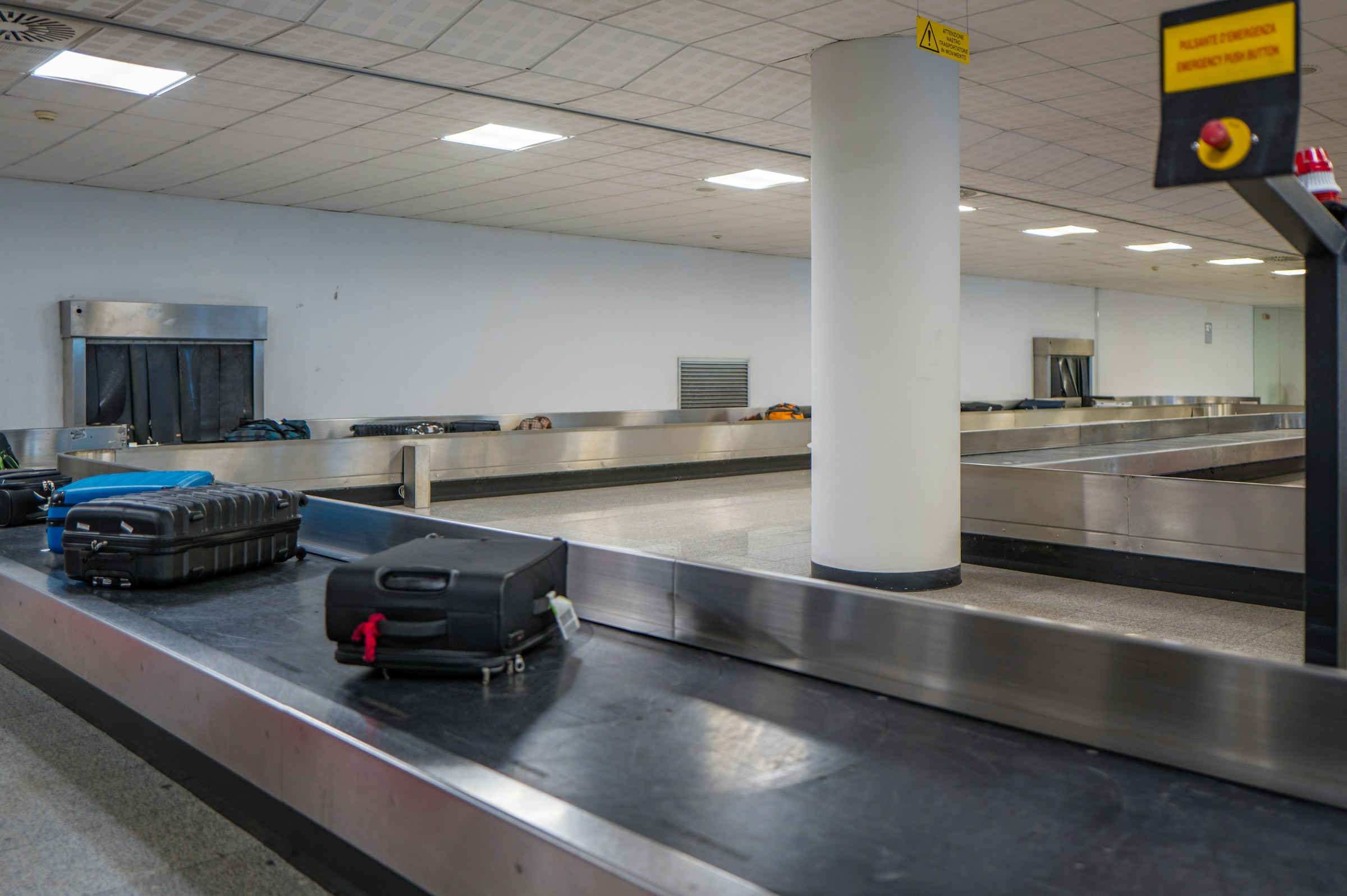

Walk through any busy international terminal and you’ll spot the wrap stations near check-in. A machine spins your suitcase slowly while a worker swaddles it in tight, stretchy plastic film. Some travelers barely glance at it. Others queue up without question, every single trip. The practice has been around for decades, yet most flyers have no clear idea whether it genuinely protects their bags, or whether they’re simply paying for peace of mind.
The honest answer, according to baggage professionals and industry data, is: it depends. Wrapping is not a universal solution, and it is definitely not useless. It sits somewhere in the middle, which makes understanding who actually benefits from it more important than the debate over whether it “works” at all.
Soft-Shell Suitcase Owners: The Clearest Beneficiaries
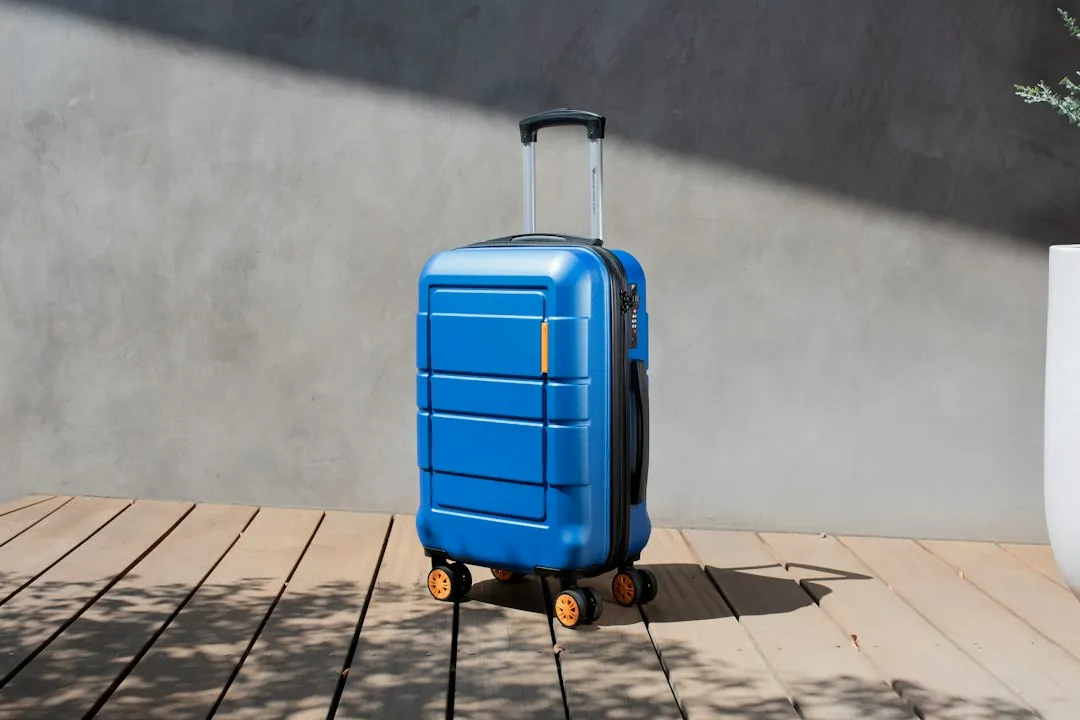
Baggage handlers recommend luggage with four good wheels, a soft lining inside, and a hard outer shell, and actively advise against soft-shell suitcases, particularly if travelers have anything fragile inside. That recommendation tells you something useful right away. Soft fabric suitcases are more vulnerable, and plastic wrap adds at least a layer of surface defense.
The industrial-strength plastic film creates a shield that can prevent scratches, tears, and general wear from conveyor belts, cargo holds, and baggage handlers. For soft-shell bags, this matters more than for rigid cases, since fabric surfaces snag and tear far more easily against metal machinery.
What wrapping does is add a layer against scratches and scuffs, deter opportunistic tampering through zippers, and hold the bag together if a latch fails in transit. It makes most practical sense for soft-shell bags with fragile or high-value contents, unreliable latches, or routes through airports with a history of baggage problems.
Travelers With Multiple Connecting Flights
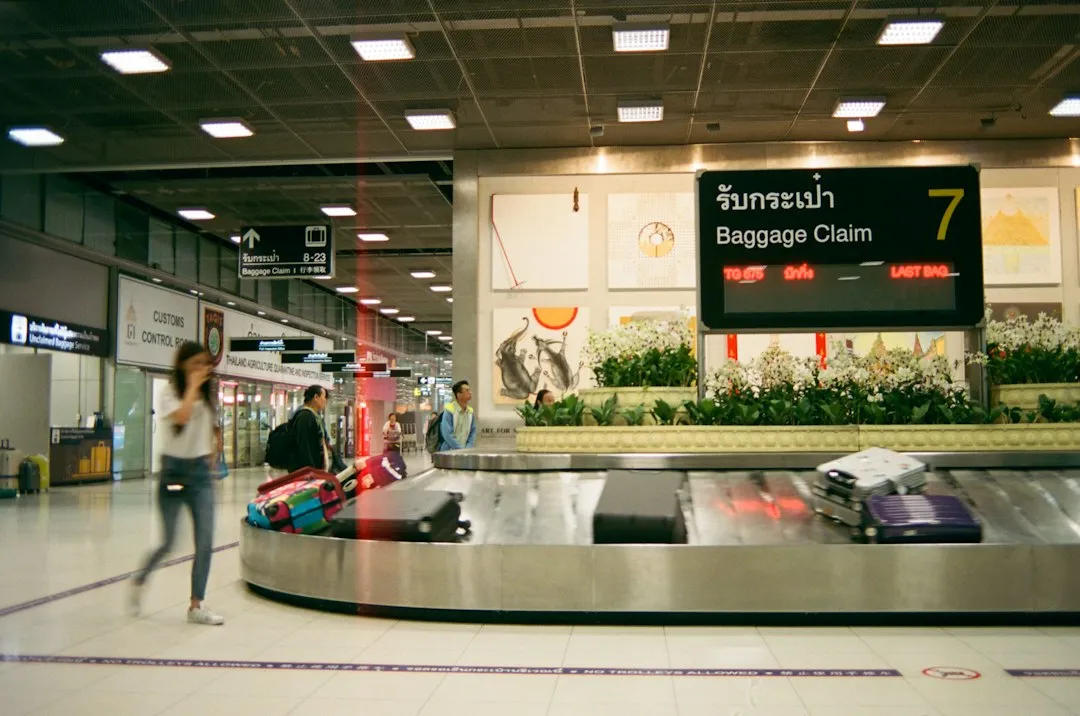
Transfers caused roughly 39 percent of mishandled bags in 2025 and 41 percent in 2024, according to baggage handling data. Every additional connection is another loading cycle, another conveyor, another set of hands on your bag. The cumulative exposure to wear and opportunistic tampering rises with each stop.
On a long connecting route or for valuable baggage, wrapping buys peace of mind. For an ordinary nonstop flight with a sturdy suitcase, it is often unnecessary. That is about as clear a verdict as you will get from people who handle bags professionally every day.
If you are connecting through a busy transit hub or traveling to a destination with known baggage security issues, wrapping becomes a more practical investment. Frequent international travelers and travel advisors often recommend wrapping when itineraries involve multiple connections, especially through airports with less rigorous baggage handling protocols.
Passengers Worried About Zipper Failure or Bag Disrepair
Wrapping can be used to keep luggage somewhat intact if the suitcase is in a state of disrepair, for example if the zipper broke somewhere along the journey and now won’t stay closed. This is one of the most practical and least-discussed use cases for airport wrap.
A tight layer of plastic can also keep an overstuffed bag, or a suitcase that really should be retired, from spilling open. If you know the latch is unreliable before you even check in, wrapping is cheap insurance against an embarrassing explosion of belongings on the baggage carousel.
The wrapping also keeps zippers, buckles, and external pockets secure, preventing them from catching on machinery or other baggage during handling. This is a real mechanical risk, particularly in busy cargo holds where bags sit compressed against each other for hours.
Travelers Passing Through High-Risk Airports
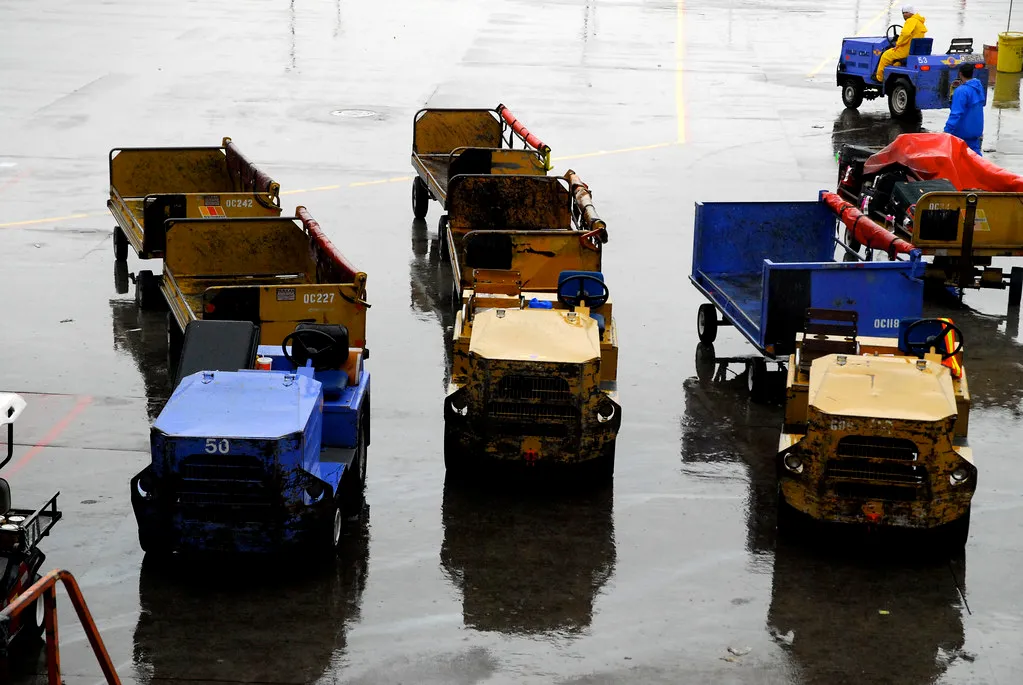
An international study of baggage handling problems placed four major U.S. airports among the world’s ten highest-risk aviation hubs for lost, delayed, damaged, and stolen luggage. New York’s John F. Kennedy International Airport leads the American rankings, followed by Dallas Fort Worth, Chicago O’Hare, and Newark Liberty International Airport.
Over a two-year period, two airlines alone mishandled more than a million pieces of luggage each, with American Airlines leading at 1.6 million lost or damaged bags, representing more than half of the 5.1 million mishandled bags across the entire domestic air travel industry.
Knowing your route is part of the equation. Certain airports and routes have higher rates of baggage theft or mishandling. For a quick domestic flight with a direct route and a simple baggage system, the risk is considerably lower, and the wrap cost may simply not be justified for a two-hour flight between cities with well-staffed, reliable baggage teams.
International Travelers Carrying High-Value Items
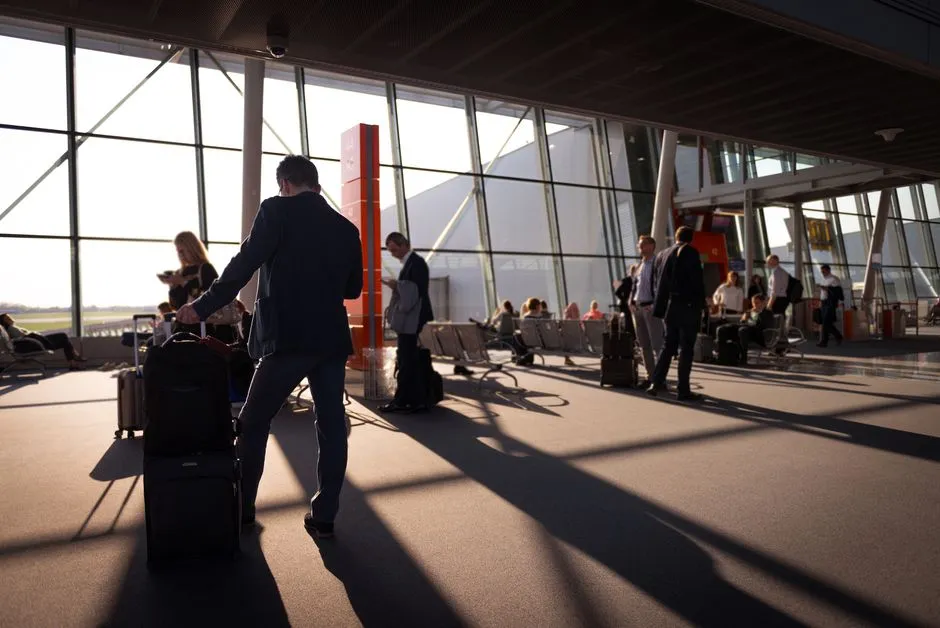
Luggage passes through a lot of hands, not all of them honest, from the time it is checked until it is picked up at the carousel. For travelers carrying expensive clothing, electronics, or gifts, that reality warrants extra thought.
The tight plastic covering makes it immediately obvious if someone has tampered with your baggage, providing peace of mind for valuable contents. Even if the wrap itself does not physically prevent a theft, it functions as a tamper indicator, which has real value when filing a claim.
While layers of plastic likely won’t stop a determined thief, they can act as a deterrent and as a way for the owner to tell if their bag has been tampered with. That tamper-evidence function is arguably the most honest case for wrapping expensive loads.
Travelers With Oddly Shaped or Heavily Strapped Bags
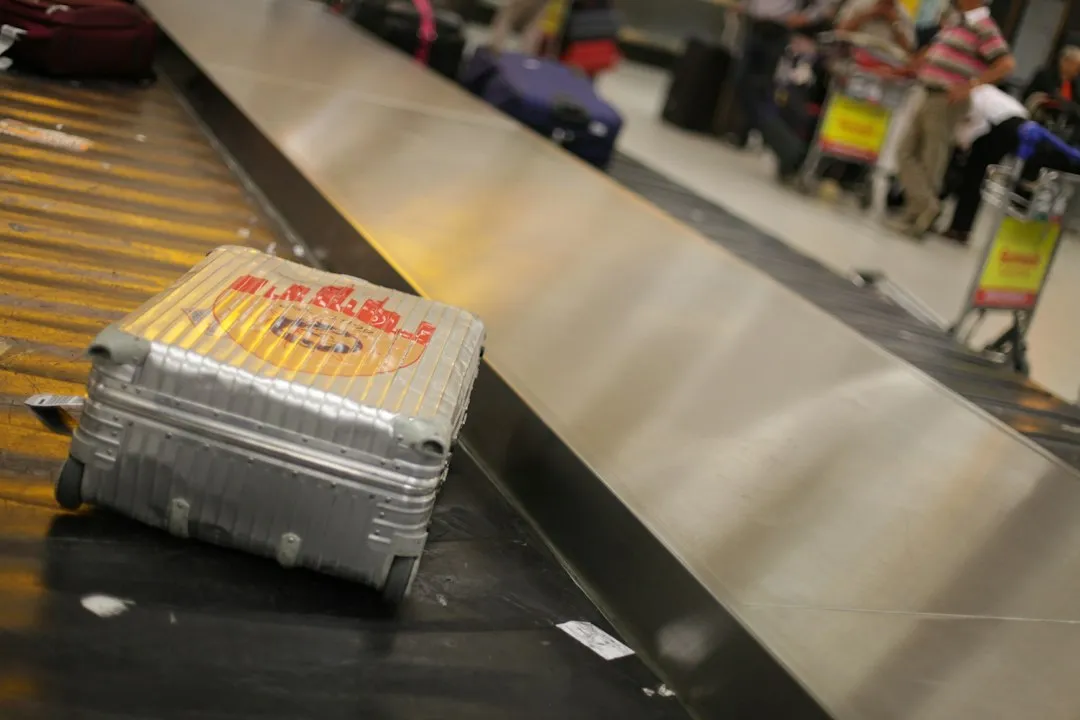
If your luggage has a non-traditional shape or many moving parts, plastic wrap can prevent damage during handling. Backpacks with external straps are a common example. Those straps can get caught in conveyor belt mechanisms and tear clean off during transit.
Some backpackers use plastic wrap specifically to keep straps from being torn off in transit. It’s a targeted, practical use that most wrap marketing doesn’t even mention, but many attendants consider it one of the strongest cases for the service.
Plastic wrap helps ensure nothing gets caught, snagged, or torn during the mechanical journey through conveyor systems, sorting machinery, and cargo loading. For bags designed for hiking trails rather than baggage belts, that protection is not trivial.
Who Does Not Necessarily Need It
Airport luggage wrapping can protect against minor scuffs and loose straps, but it won’t prevent lost baggage, theft, or serious damage. That’s a core limitation worth repeating. The wrap is a surface-level tool, not a security system.
Wrapping doesn’t prevent baggage handlers from dropping luggage, protect fragile contents from impact, or make a suitcase completely waterproof. Travelers expecting more than cosmetic protection from the plastic film are likely to be disappointed if something goes seriously wrong.
A suitcase covered in plastic can still be delayed, misrouted, or sent to the wrong airport because wrapping doesn’t change how airlines track checked baggage. If you’re prone to baggage anxiety, a GPS tracker like Apple AirTag will serve you better than plastic film on that specific worry.
What the TSA Says About Wrapped Bags
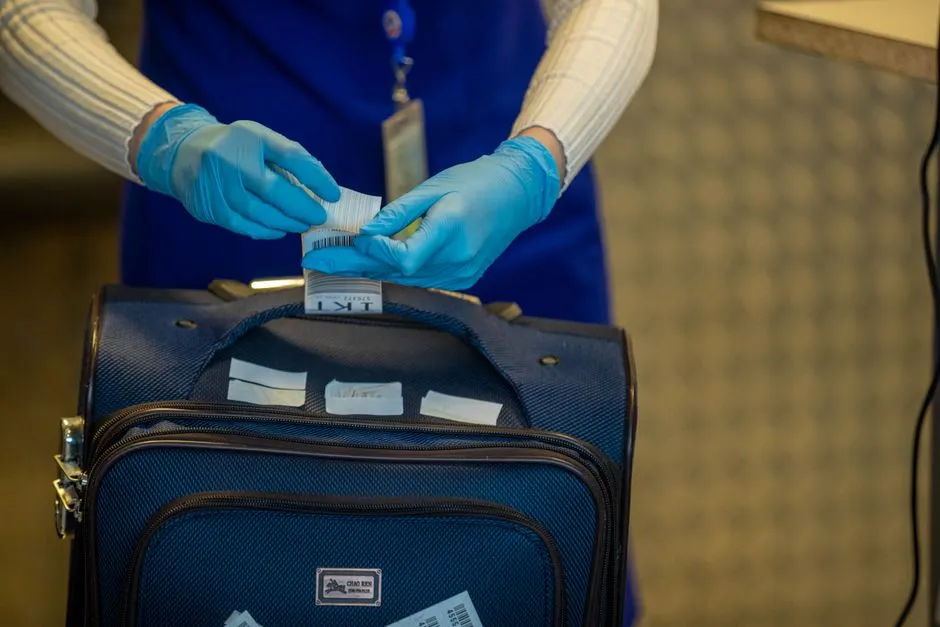
While it is okay to wrap your luggage in plastic, if it is selected for secondary screening, there may be an issue. The TSA screens checked baggage for explosives, and if a bag is flagged and opened for inspection, the wrapping is going to be cut open. TSA officers will try to repack items as closely as they can to the way they were originally packed, but they are not required to rewrap the bag.
Security agents will cut through plastic wrapping if they need to inspect the contents of your baggage, and they’re not required to rewrap it afterwards. At some airports, the wrapping service provider will offer a re-wrap, but that is not standard everywhere.
Secure Wrap stations at airports including Miami, JFK, and George Bush Intercontinental in Houston together wrap about 1.6 million pieces of luggage a year, which suggests the demand is real, even if the TSA complication gives some travelers pause.
The Environmental Cost of Single-Use Plastic Film
Most traditional airport luggage wrapping services use plastic film intended for a single journey rather than repeated use. That means a fresh roll of non-recyclable material per bag, per trip. For frequent travelers, this accumulates quickly.
Plastic film is single-use and harmful to the environment, and reusable straps and locks are the more sustainable choice. Some wrapping providers have begun addressing this. Safe Bag, for instance, states that the protective film they use is specifically designed to remain environmentally responsible, as it is 100 percent recyclable.
Reusable alternatives could save frequent travelers money as well as reduce plastic waste. Reusable luggage covers, TSA-approved locks, and cable ties for zipper pulls are all worth considering before automatically queuing at the wrap station.
The Real Baggage Problem: Damage Dwarfs Theft
The most frequently reported problem by passengers is baggage damage, accounting for nearly half of all cases. Delayed deliveries follow, while lost luggage makes up a smaller share of complaints. The fear of theft often drives the wrapping decision, but statistically, damage is the dominant concern.
According to the SITA Baggage IT Insights report, airlines mishandled approximately 4.35 bags per thousand passengers, and damage remains one of the top complaints from travelers worldwide. That rate sounds small until you consider how many millions of bags fly every day.
Fans of wrapping say it keeps zippers from popping open and cuts down on scuffs. Skeptics call it a waste of money that doesn’t stop the damage that really matters. Both perspectives have merit, which is exactly why the right answer depends on what kind of bag you have and where you’re flying.
The Practical Verdict From People Who Handle Bags Daily
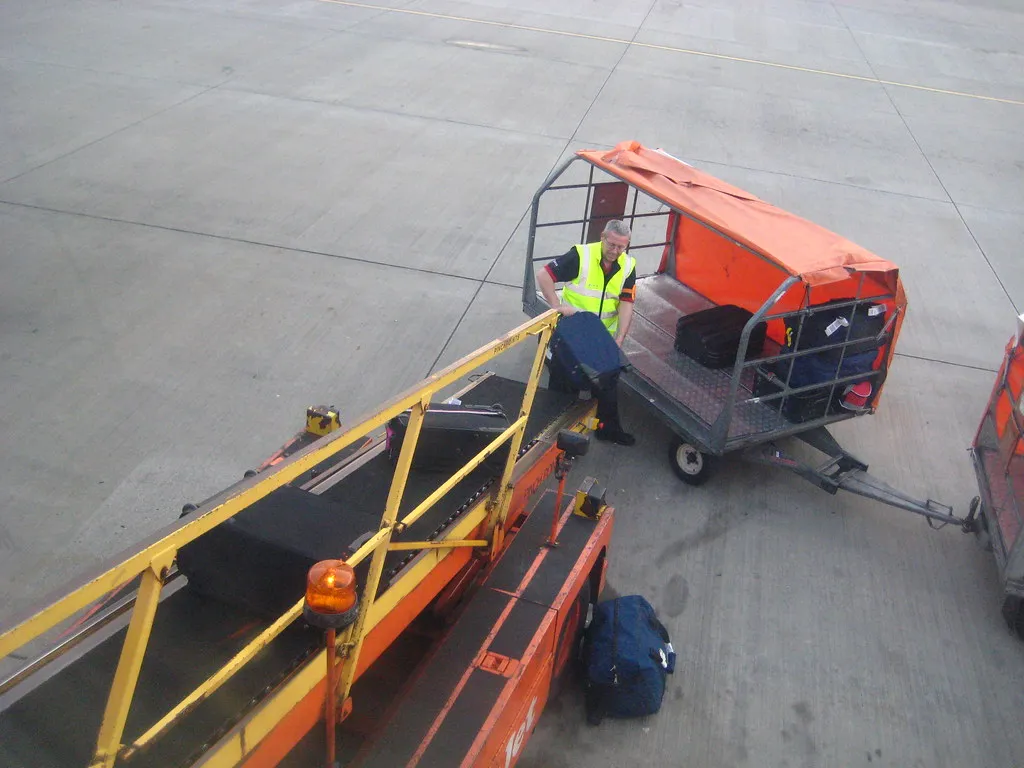
The clearest takeaway from baggage handlers, wrap attendants, and industry data combined is that plastic wrapping is a situational tool, not a universal upgrade. Some travelers love the peace of mind, and others see it as an expensive comfort blanket. The honest framing is to treat it as light cosmetic protection, not armor.
Wrapping makes the most sense if you are traveling through multiple connections, your bag has security vulnerabilities, you are carrying valuable or fragile items, or you have had bad experiences with baggage handling in the past. It’s a reasonable, low-cost precaution under those conditions.
Plastic luggage wrapping can provide limited protection against cosmetic damage and accidental opening, but it shouldn’t be mistaken for comprehensive baggage security. A TSA-approved lock, a Bluetooth tracker inside the bag, and a thorough photograph of your luggage before check-in will cover more bases than any amount of plastic film. Use wrapping where it makes sense, skip it where it doesn’t, and always understand what it’s actually doing for you.
AI Disclaimer: This article was created with the assistance of AI tools and reviewed by a human editor.