
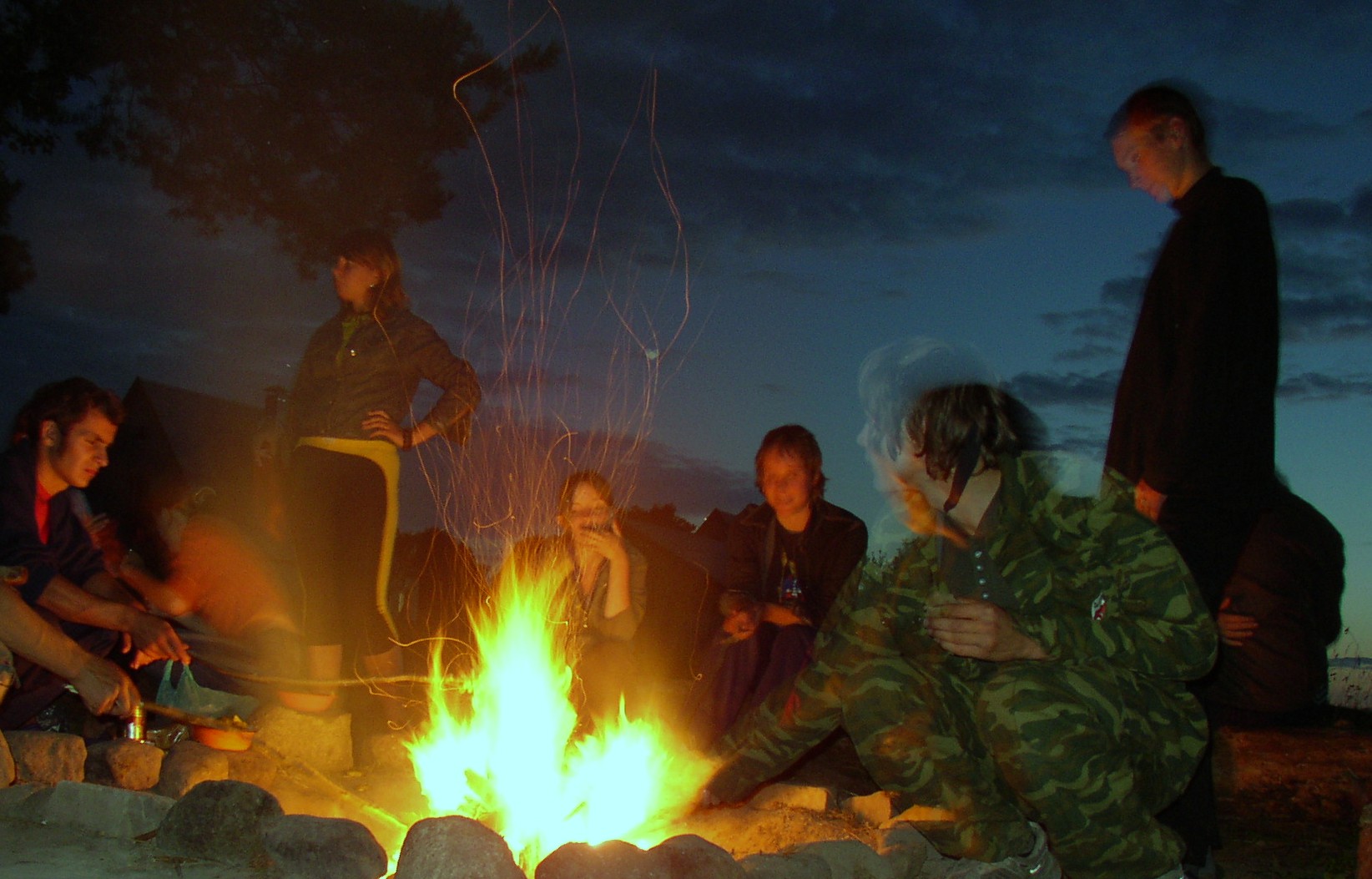

Firewood Is a Documented Vector for Invasive Insects
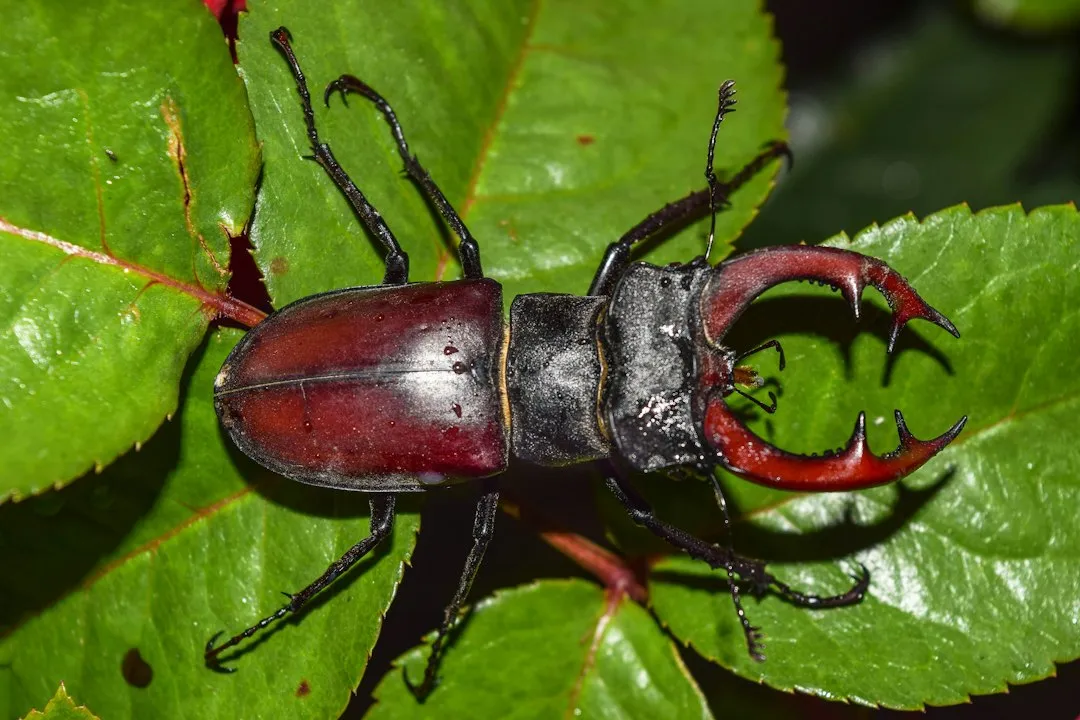
Transportation of firewood can be a vector for invasive insect spread, resulting in damage to surrounding areas. This isn’t a theoretical risk. It’s a pattern that researchers have tracked and confirmed across multiple states and forest types. The insects responsible aren’t always visible to the naked eye, which is exactly what makes the problem so persistent.
More than 140 pests and plant diseases can hitch a ride in or on untreated firewood, traveling hundreds of miles before emerging to wreak havoc on local ecosystems. Many of these harmful pests, including hemlock woolly adelgid, Asian longhorned beetle, and oak wilt, are difficult to see with the naked eye, making them easy to transport unintentionally.
These invasive pests can be found in firewood at all stages of their life cycles. That includes eggs tucked under bark, larvae burrowed into the wood itself, and adult insects resting in crevices. By the time anyone notices the damage at a campground, the infestation may already be established.
The Emerald Ash Borer: A Case Study in What Firewood Can Do
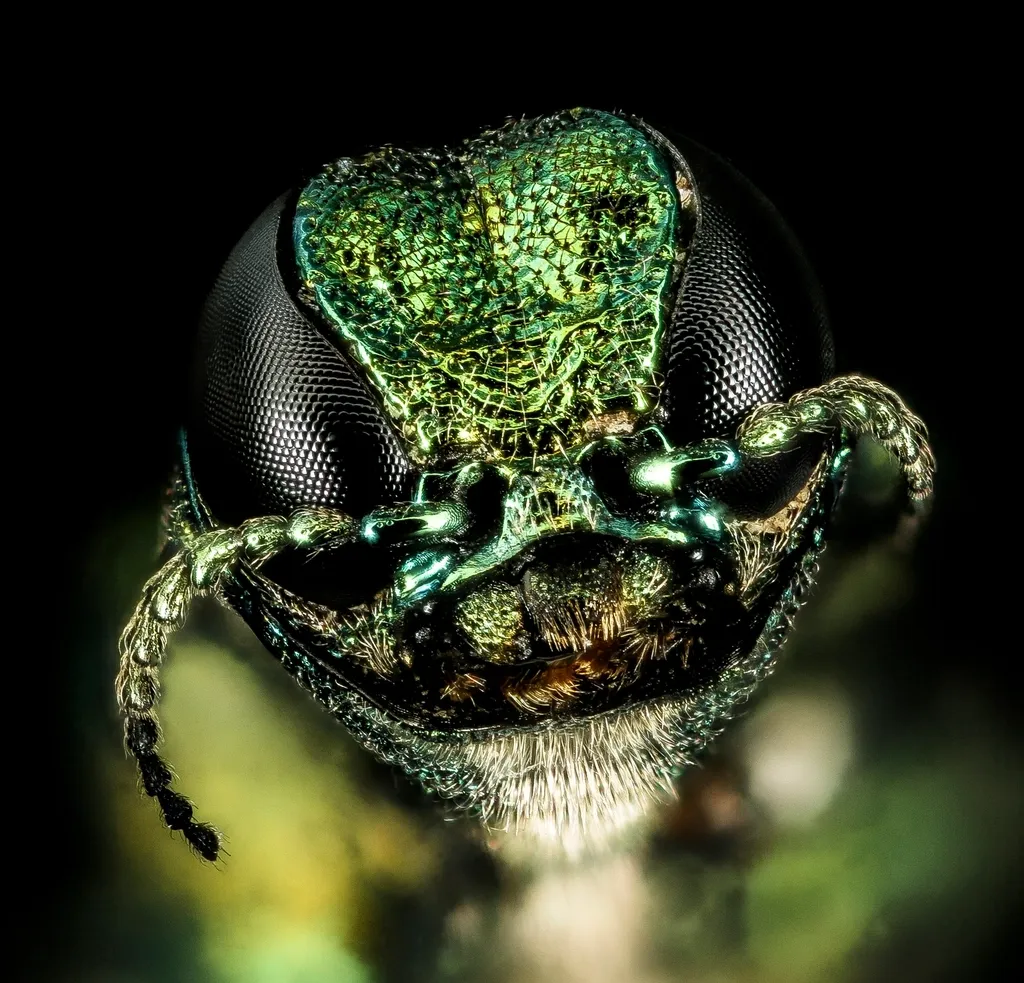
The emerald ash borer was first detected in North America outside Detroit in 2002 and since then has destroyed more than 40 million ash trees in Michigan. Its spread across the country is closely linked to the movement of wood, including firewood carried by campers and outdoor enthusiasts who had no idea they were doing anything harmful.
Since insects like the emerald ash borer do not travel extreme distances naturally, it is presumed that firewood transportation was the origin of the emerald ash borer introduction in Texas, which also intensified its rapid spread in the last few years. That detail is worth sitting with. Human behavior accelerated a crisis that nature alone would have managed far more slowly.
The emerald ash borer has killed tens of millions of ash trees so far and threatens to kill most of the 8.7 billion ash trees throughout North America. That number, 8.7 billion, is not a typo. The scale of what a single beetle species can do, once given a human transport network, is staggering.
The Financial Cost Is in the Billions
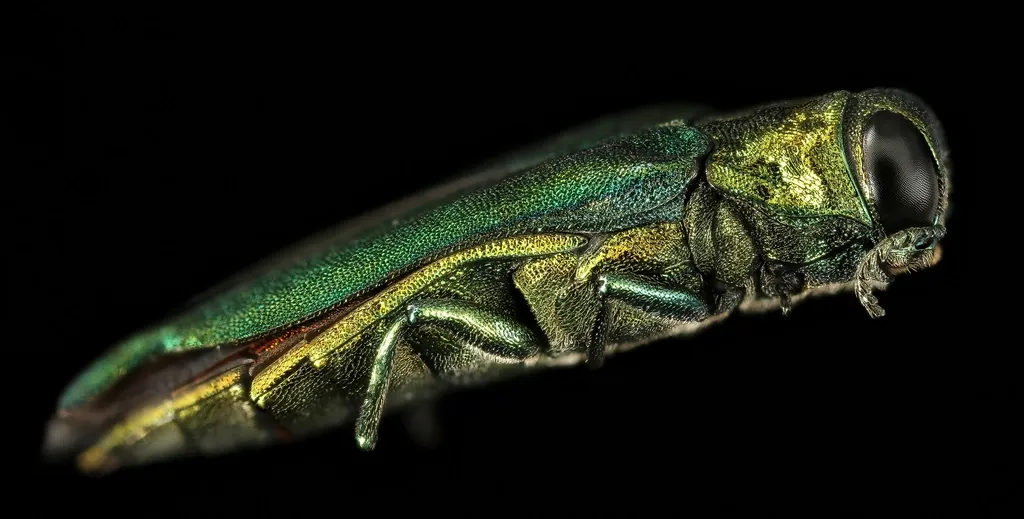
The USDA reports that emerald ash borers have killed roughly 15 million ash trees, and this has cost the United States up to $25 billion in tree replacement costs, resulting in a nationwide shortage of ash wood in woodworking. These are costs that fall on municipalities, homeowners, and state budgets alike.
Annualized costs of managing the emerald ash borer on urban ash trees over the next 30 years in the United States have been estimated to approach $1.8 billion. Between 2020 and 2050, approximately 135 million urban ash trees in the US will likely be killed by EAB. This is an ongoing financial burden, not a past event.
Invasive species threaten Michigan’s nearly $126 billion food and agriculture industry and $26 billion forest products industry. They also kill native trees and plants, damage wildlife habitats, and can lead to quarantines affecting local communities and businesses. Firewood is not an isolated issue; it connects directly to regional economies.
Tens of Thousands of Camping Trips May Already Carry Risk
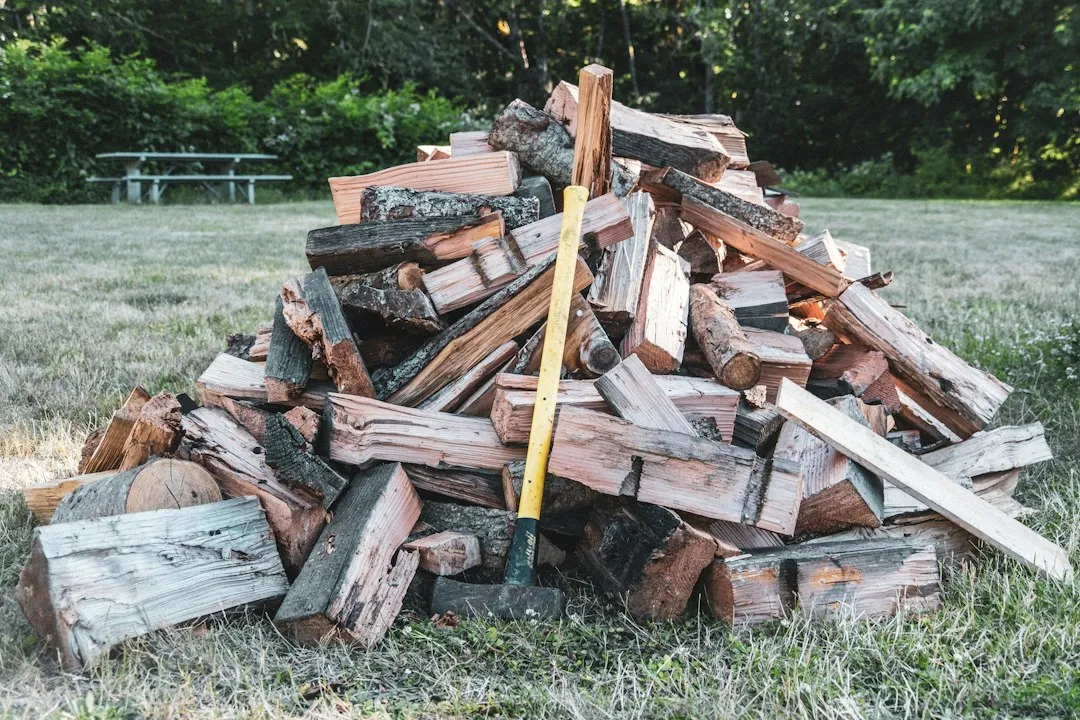
Even if only 1% of recreational firewood contained viable insects, potentially tens of thousands of camping trips occur each year in the United States during which infested firewood is transported to a distant location. The math is uncomfortable, but it reflects the scale of outdoor recreation in this country.
Recreational travel is a recognized vector for the spread of invasive species in North America. Campgrounds are, in this sense, potential crossroads where insects from one region can be introduced to another. The simple act of loading firewood from your backyard shed can set that chain in motion.
Many States Now Have Enforceable Firewood Laws
To prevent the spread of emerald ash borer and other invasive insects and diseases in Wisconsin state parks and properties, visitors are prohibited from bringing firewood from locations further than 10 miles away from the property. This isn’t a suggestion posted on a bulletin board. In several states, it carries real consequences.
The Washington Invasive Species Council, Washington State Department of Natural Resources’ Urban and Community Forestry Program, Washington State Department of Agriculture, and Washington State University Extension are strongly encouraging outdoor recreationists to heed their “Buy It Where You Burn It” campaign as a way to keep invasive species in check.
Michigan’s Department of Agriculture and Rural Development is inviting stakeholders to provide comments on a proposed firewood quarantine that would restrict the movement of firewood originating outside the state of Michigan to help prevent the introduction and spread of over 140 plant pests and diseases. As of 2026, these regulatory conversations are intensifying, not winding down.
Even Wood That Looks Clean Can Carry Pests
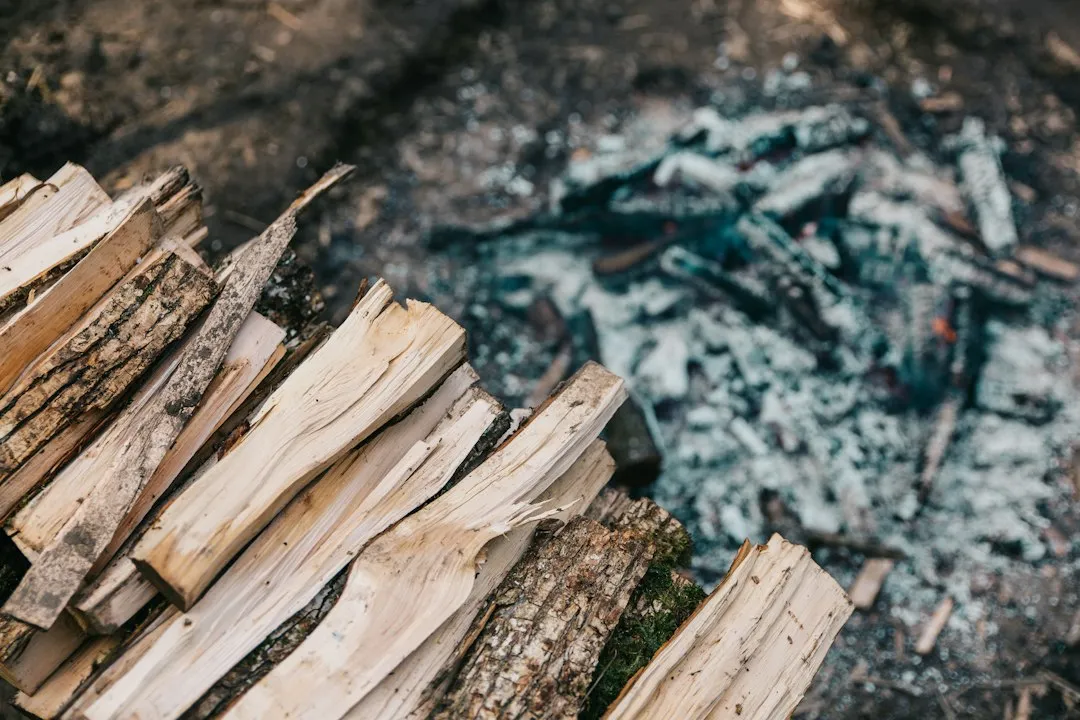
Even if you live close to a national park, bringing local wood from home may transport pests to new locations in the park, including your favorite campgrounds. Many areas near parks already have infestations of invasive forest pests. Proximity to a destination is not a reliable indicator of safety.
Even after letting firewood season for one to two years, firewood users should refrain from transporting the wood, as it is still capable of spreading these diseases and insects. This surprises a lot of people. Well-seasoned, dry wood is not necessarily pest-free wood. Larvae can survive inside it long after the wood has been cut and stacked.
The “Buy It Where You Burn It” Movement
The Don’t Move Firewood campaign was launched in 2008 in coordination with several groups, including the U.S. Forest Service, all designed in an effort to prevent the spread of invasive problems in the U.S. and Canada. It has grown considerably since then, with state agencies, universities, and conservation organizations all contributing to the effort.
Only about one third of people who use firewood have heard that they should not move it long distances. However, once they are aware of the problem, roughly four out of five would be willing to buy wood in the area where they plan to burn it. Awareness, it turns out, is highly effective at changing behavior.
Results from surveys in Michigan indicated that campaign awareness slightly decreased between survey years, though personal firewood transport also decreased, and knowledge of invasives remains generally low. The challenge is keeping the message fresh for new generations of campers who haven’t heard it before.
Heat-Treated and Certified Firewood Is a Real Alternative
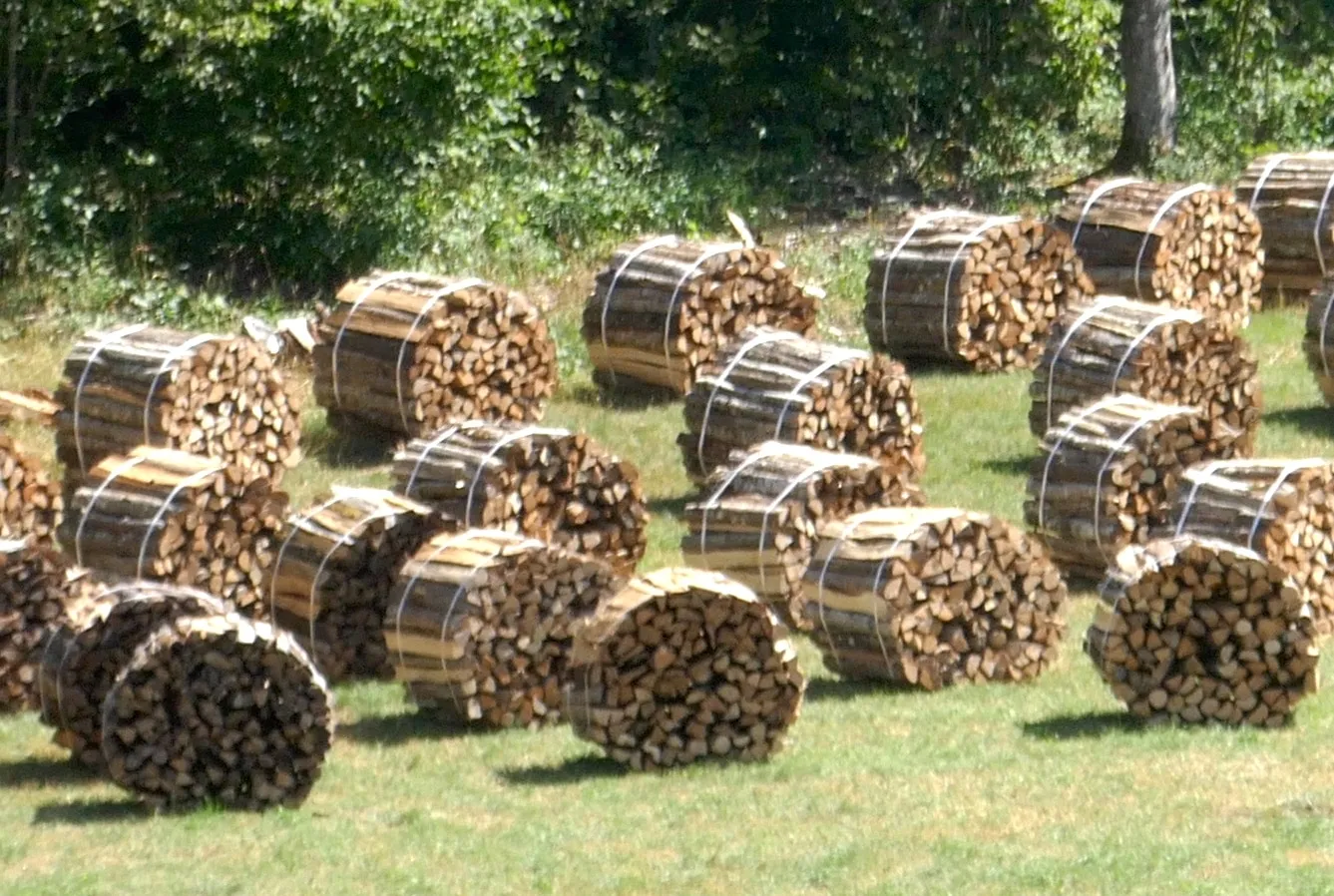
Certified heat-treated firewood is a high-quality hardwood product that lights easily, burns very well for campfires, and is safe to cook over. The heat treatment kills insects and pathogens that may be in the wood. The current standard for emerald ash borer is 60 degrees Celsius for 60 minutes, and it is considered effective on a number of pests.
Only heat-treated firewood that is bundled and certified by the USDA or a state agency may be brought into some parks. Certified heat-treated firewood is packaged and clearly marked with a state or federal seal. This makes it straightforward to identify at the point of purchase. If the bundle lacks a certification seal, it isn’t a compliant option for parks that require it.
All staffed Wisconsin state parks and forests offer a firewood purchasing kiosk. Most major campgrounds now make certified or locally sourced firewood easy to access on-site, so the practical inconvenience of not bringing your own is fairly minimal.
Unused Firewood Should Stay at the Campsite
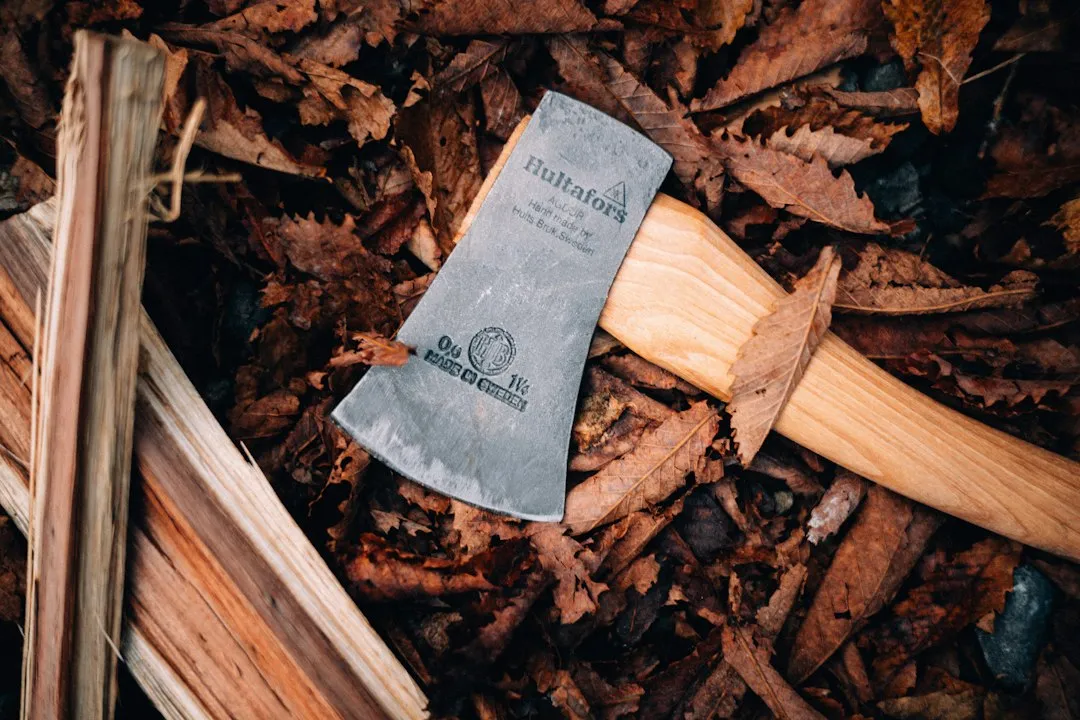
Campers are advised to leave unused firewood behind and not take it home or to another campsite. This applies to wood purchased at the campground too. The logic is consistent: firewood that has been stored in or near a potentially infested area should not travel back into another ecosystem.
While packing firewood from home for a camping trip may seem resourceful, you could unintentionally move invasive insects to new parts of the state, to a whole new state entirely, or even back home with you. The return journey carries just as much risk as the outbound one. What lives in the bark of a campsite log has no interest in staying put.
Campgrounds Are Often the First Places Infestations Take Hold
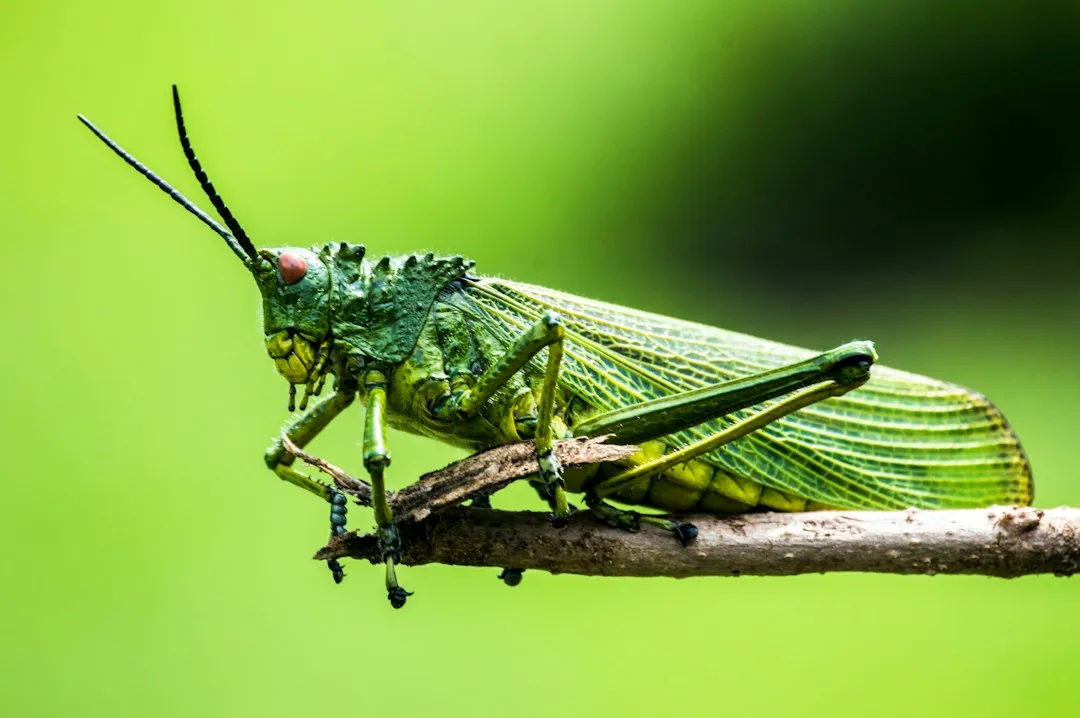
Recreational areas are often the first places where invasive forest pests are introduced. This is a pattern that forest managers have observed repeatedly. The foot traffic, the variety of geographic origins among visitors, and the regular movement of wood all combine to make campgrounds uniquely vulnerable entry points.
Invasive insects and diseases that live in firewood are a growing threat to the forests of national parks and the surrounding region. Tree-killing insects and diseases can hitchhike hundreds of miles on firewood when people bring wood into campgrounds. Once they’re established in a forest, the options for meaningful control become very limited.
Many harmful pests are difficult to see with the naked eye. Once established, these pests are extremely difficult and often impossible to eliminate. Prevention, not containment, is the only strategy that consistently works. That’s why the firewood rule exists in the first place.
The Takeaway
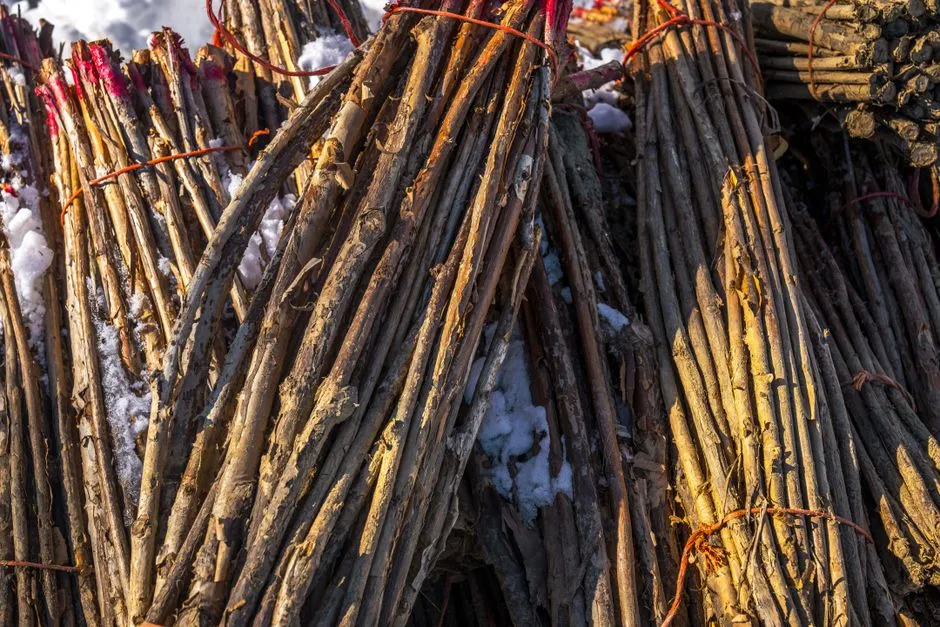
The firewood rule at campground entrances isn’t about inconvenience or revenue. It’s a reflection of decades of forest science, documented insect spread, and hard-won lessons from ecosystems that couldn’t be recovered once an invasive species found its footing. Buying firewood locally is a genuinely small act with a genuinely large impact.
The forests that draw people outdoors, the shade, the birdsong, the particular calm of old trees, depend on choices made in ordinary moments. Picking up a bundle of wood at the campground store rather than loading up at home is one of the simpler ways a traveler can contribute to keeping those places intact for the people who come after them.
AI Disclaimer: This article was created with the assistance of AI tools and reviewed by a human editor.