
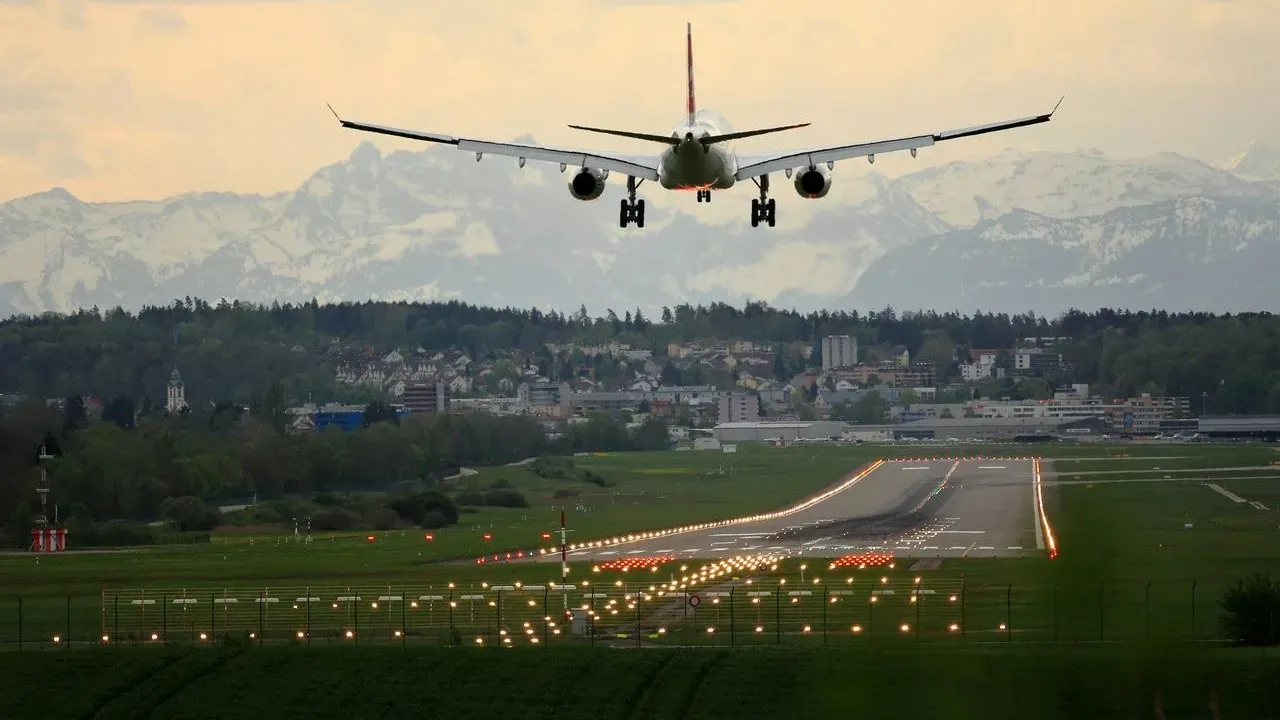

United States – Storm systems developing along both the East and West Coasts could make the Thanksgiving getaway less predictable for air travelers. Many passengers are booking last-minute flights, and forecasters say the weather could affect several major hubs at once. The details of where the risks sit and what travelers can do now are laid out in recent reporting from The Points Guy ([1]).
Flexibility in San Francisco
The first pressure point is the West Coast, where heavy rain and wind are expected to reach the Bay Area during the busy travel days. United has issued a travel waiver for passengers with Wednesday flights into or out of San Francisco International Airport, and the same flexibility applies to travelers connecting through the airport. American Airlines has issued a similar alert, giving customers room to adjust plans before conditions worsen.
Local officials have also eased some concern. San Francisco Mayor Daniel Lurie said flood water is not expected to reach the airport’s taxiways, though he cautioned that weather-related ground stops remain possible. Airport officials said crews are keeping pump stations and drainage areas clear and staging sandbags ahead of the rain. Forecasts for the wider region also point to low clouds, rain and gusty winds at several West Coast airports from midweek, including Seattle–Tacoma, Portland, San Francisco and possibly Oakland and San Jose.
The East Coast storm and the timing question
The more significant concern is a coastal storm forming in the East. Forecasters expect it to strengthen as it moves north, with heavy rain and strong wind gusts spreading through the mid-Atlantic and Northeast on Thanksgiving Day. Significant flight delays are expected at all Northeast hub airports, with delays also possible in other airports such as O’Hare, St. Louis, Pittsburgh, Cincinnati and Detroit. Earlier in the week, weather-related flight delays are possible in parts of the Southeast, including Atlanta.
Meteorologist Bob Van Dillen, speaking to The Points Guy, summed up the challenge plainly: “The timing couldn’t be worse.” He advised East Coast travelers to reach their destinations as early in the day as they can, a practical step that often helps when weather is uncertain.
What matters now: Check forecasts for every city on your route, including connecting airports. Watch for airline waivers that allow free changes. Aim for earlier departures where possible, especially on Wednesday and Thursday.
Context from recent disruptions
Holiday travelers are arriving after a difficult stretch for air travel. Delta’s weight-and-balance system failed on November 22, and the resulting delays lasted into Monday, complicating what is forecast to be the busiest Thanksgiving air travel in 16 years. Delta has since restored the system, which triggered a ground stop into Atlanta and widespread holiday flight delays before it came back online.
Volume is also expected to peak early. The Federal Aviation Administration says Tuesday is expected to be the busiest day at US airports. Thanksgiving Day itself is usually one of the quietest days of the year at airports, which offers some relief for travelers on the road that morning. The Sunday after Thanksgiving typically ranks as the busiest day of the year to fly, and last year’s post-holiday rush set a record for passenger traffic at U.S. airports.
A simple plan for the next few days
Preparation can make a noticeable difference when weather shifts quickly. Travelers may find these steps helpful:
- Review the forecast for every city on your itinerary, including connection points.
- Install your airline’s app, turn on notifications, and keep it handy for rebooking.
- Watch for travel advisories or waivers that offer more flexibility to change plans.
- Act quickly after a delay or cancellation, because holiday flights tend to fill fast.
- Ask about same-day confirmed changes or same-day standby if an earlier or later flight becomes available.
It also helps to know what airlines typically cover during weather disruptions. Carriers generally do not pay for unexpected hotel stays, meals or ride-hailing trips caused by weather, so keeping receipts is wise. Any travel insurance tied to the trip may offer some help. With a bit of planning and a flexible schedule, most travelers can still expect to reach the table on Thanksgiving, even if the timing shifts.
AI Disclaimer: This article was created with the assistance of AI tools and reviewed by a human editor.