

The Onboard Account System Is the Engine of Everything
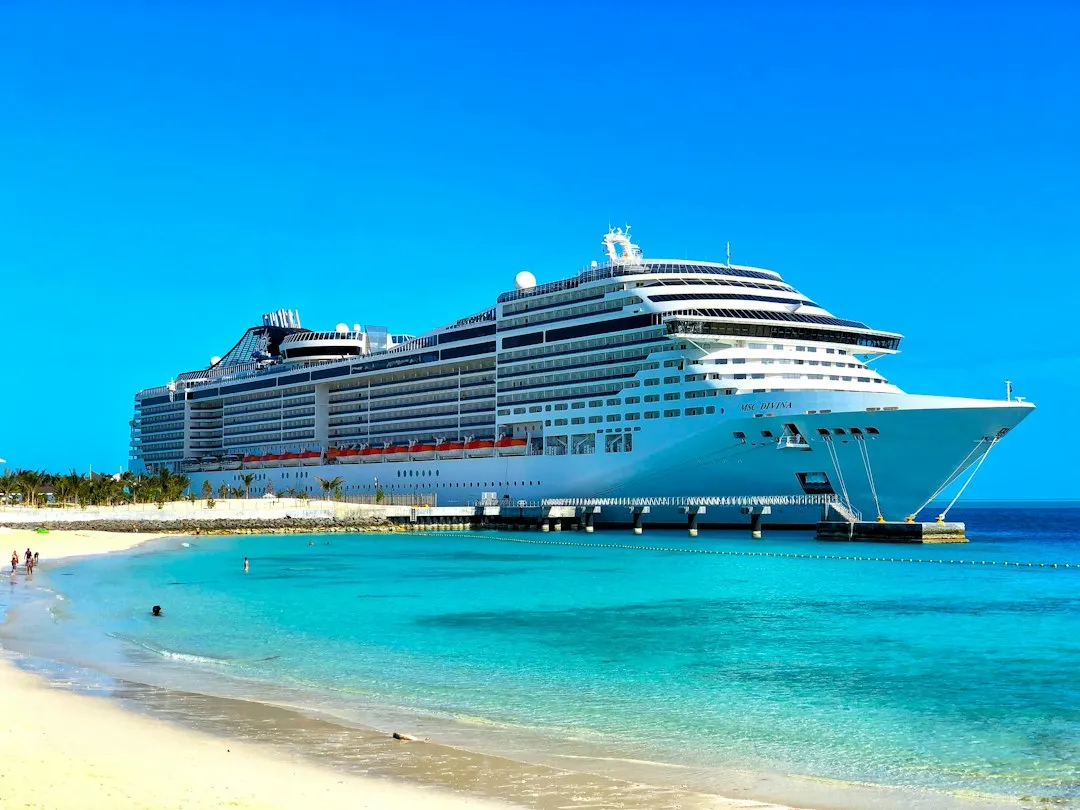
Nearly all cruise lines use a cashless system onboard, meaning guests won’t pay with a physical card or cash for most purchases during the cruise. Instead, they receive a cruise card or use a mobile app that connects to their onboard account. Every drink, shore excursion, and spa treatment gets logged to that account with a simple swipe or tap.
At the end of the cruise, the cruise line charges the total balance to the guest’s registered card. It’s a clean loop: check in, spend freely, settle once. The logic is straightforward, and once you’ve sailed this way, the idea of fumbling for a wallet at the bar feels almost absurd.
Cash Handling at Sea Is a Logistical Nightmare
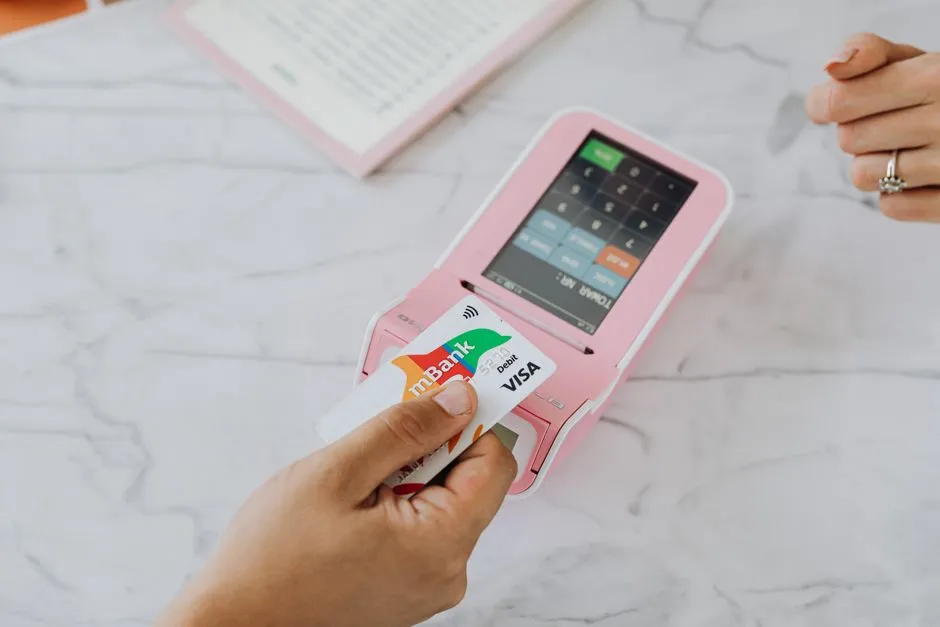
Imagine managing physical currency for thousands of guests across dozens of venues on a ship that’s moving between countries with different currencies. The administrative burden alone is staggering. A cruise ship uses one currency onboard, and all onboard expenses are charged in this currency, which eliminates the complexity of foreign exchange at every transaction point.
Pursers have long pointed out that counting tills, reconciling drawers, training staff in cash management, and securing large volumes of banknotes across a vessel with thousands of guests is simply not a sensible operation. The cashless account model removes all of that friction entirely, leaving staff to focus on guest experience rather than bookkeeping.
Passengers Actually Spend More Without Cash
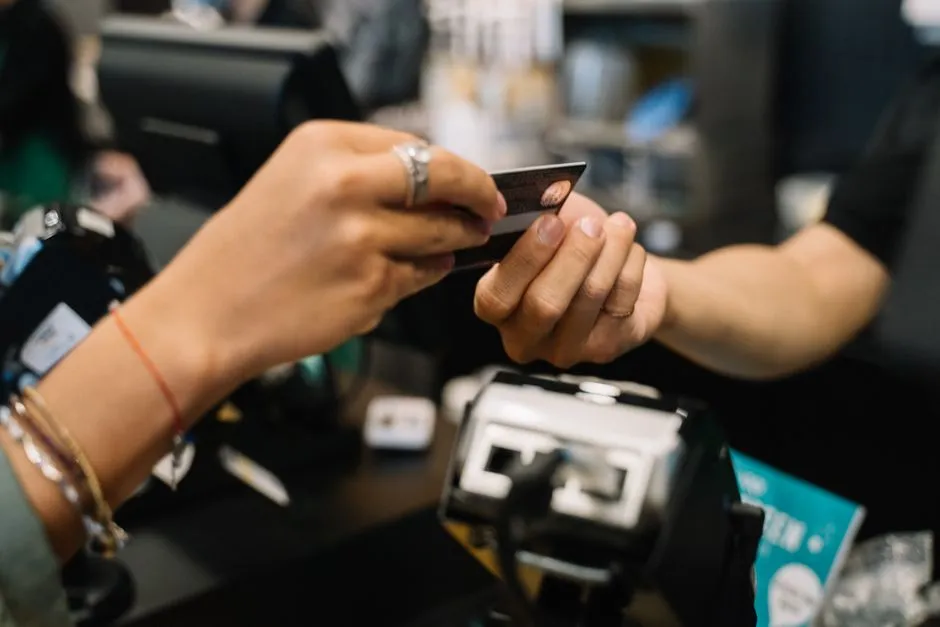
Not carrying cash is much easier for passengers and encourages increased spending onboard. There’s a well-established psychology behind this. When guests don’t feel money leaving their hands, the natural brake on spending loosens considerably. A second cocktail or an impulsive spa upgrade feels far less significant when it’s just a card tap.
An onboard cashless payment system means that cruise companies permit guests to keep a running tab of drinks, services, shore excursions, gratuities, and souvenirs with the swipe of a key card. Onboard spending has become a fundamental part of the business model for most cruise lines, with revenue from onboard experiences now accounting for roughly a third of total revenue at major operators.
Onboard Spending Numbers Tell a Revealing Story

Norwegian Cruise Line Holdings reported $126.85 in gross onboard spend per passenger per day in Q2 2024, up from $96.70 in Q2 2019. That’s a substantial jump in just a few years. Yodlee data shows cruise-related expenditures reaching 107% of 2019 figures by the end of 2024, and this growth trajectory continued into 2025.
In total, passengers can expect that roughly between two-fifths and just over half of what they spend on their cruise fare will also be spent in onboard charges. That’s a significant secondary economy floating alongside the ticket price, and it flows entirely through the cashless account structure.
Security and Theft Prevention Drive the Decision Too
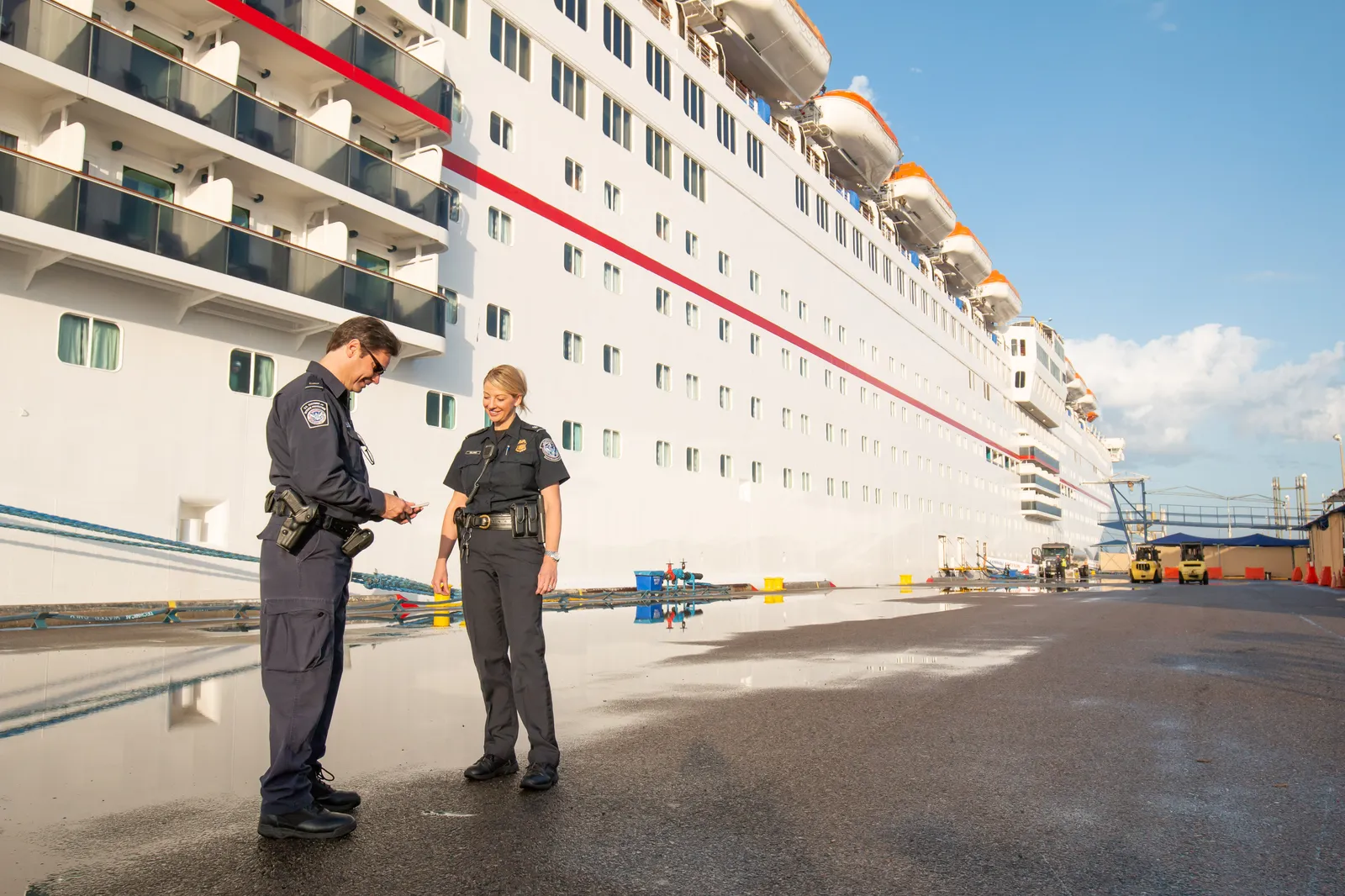
Cruise ships use cash-free onboard purchases, so guests are advised to carry only small amounts of cash for emergencies, port spending, and tips. Keeping cash off the ship floor dramatically reduces the opportunity for theft among both guests and crew. A stolen keycard can be deactivated instantly; stolen cash is gone forever.
During the first half of 2025, the number of reported incidents aboard cruise ships increased compared to recent years, with the majority involving theft and other altercations. The cashless system isn’t a perfect safeguard, but removing large volumes of physical currency from public circulation onboard removes one significant category of risk entirely.
Carnival’s Sail and Sign: A Model That Shaped the Industry
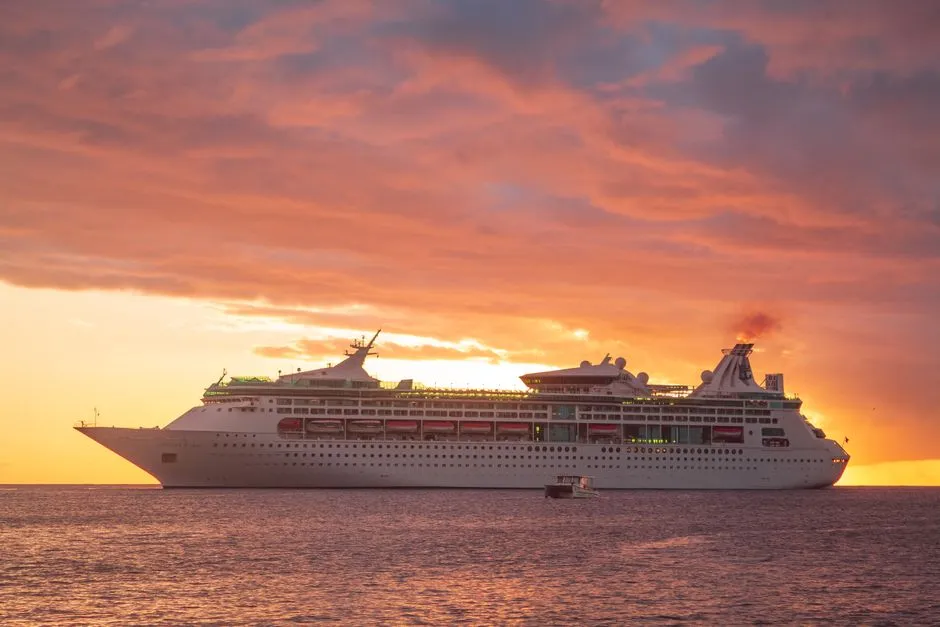
Carnival Cruise Line, like all major cruise lines, operates on a cashless basis, with shipboard accounts used for all financial transactions. Carnival’s Sail and Sign card became one of the most recognizable versions of this model, linking a guest’s cabin key to their spending account in one simple card.
While guests are not permitted to use cash for individual transactions onboard, they can still set up their Sail and Sign card with cash on embarkation day. This flexibility matters. Pursers emphasize that the system isn’t designed to exclude cash-preferring guests entirely; it’s designed to remove cash from the transaction layer itself.
Royal Caribbean’s Cash Account Option Shows the Nuance
Not every cruise line is rigidly card-only when it comes to funding the onboard account. On Royal Caribbean, a cash account requires no deposit, yet it is reviewed daily by Guest Services, and guests must top it up in person once they hit the cash spending limit, which is $300 for sailings of six nights or fewer and $500 for seven nights or longer.
That daily monitoring requirement actually illustrates why cash accounts are the minority option. The cruise card or digital onboard account keeps everything cashless and organized, and guests can usually check their balance through the ship’s app to stay on top of spending. The card system is simply a smoother experience for nearly everyone involved.
Gratuities, Tips, and the One Cash Exception
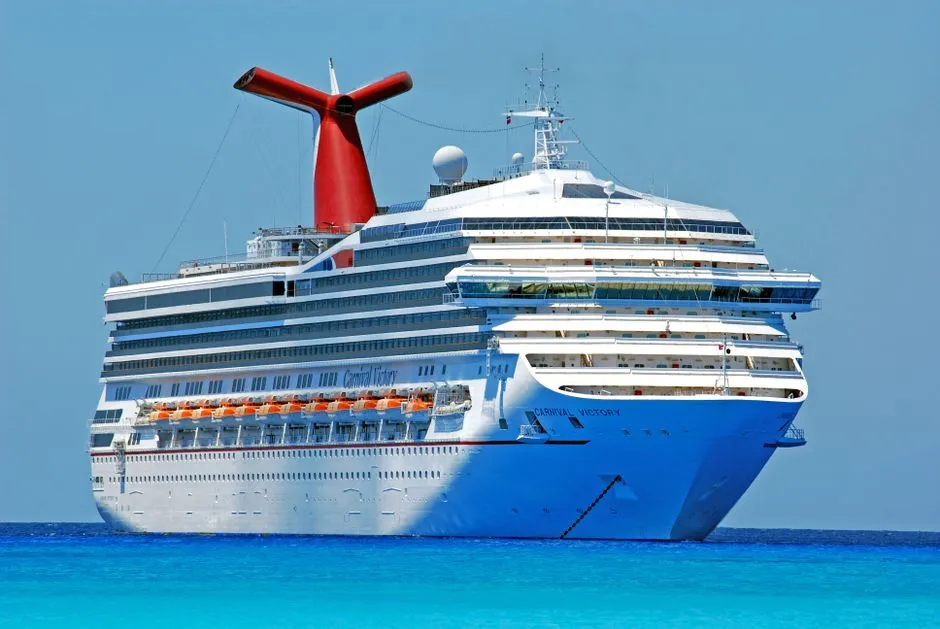
On most cruise lines, automatic tips or gratuities are added to the onboard account, which removes one of the last remaining reasons guests might need physical currency while at sea. This system ensures crew members receive their service charges consistently, without depending on guests remembering to carry small bills.
Still, cash isn’t entirely irrelevant. Having cash on hand helps with small purchases, tipping, transportation, food vendors, and markets, especially in areas with limited card acceptance. Pursers consistently advise guests to carry some cash for port days specifically. The ship is cashless; the port is not.
The Casino Remains the One True Cash Zone

On most cruise ships, the casinos will take cash and pay out winnings in cash. This is the most notable and consistent exception to the cashless rule, and it exists partly because casino operations are governed by distinct regulatory frameworks from the rest of the ship’s commercial activity.
Some cruise ships require cash for slot machines and table games, though others allow guests to charge chips to their onboard account, often with an extra fee. So even within the exception, the cashless model is slowly encroaching. The casino floor may be the last frontier of physical currency on modern cruise ships.
The Digital Future Is Already Here

Cruise ships operate cashless environments where passengers use key cards or wearable devices for onboard purchases. Wristbands that double as room keys, payment devices, and ship ID have become increasingly standard across major lines. The integration is deepening, not retreating.
An effective cybersecurity framework encrypts guest information and restricts unauthorized access, protecting passengers from identity theft and financial fraud. Cruise lines invest considerably in securing these digital transaction systems, and that investment only makes sense when the entire revenue ecosystem flows through digital channels.
The Takeaway
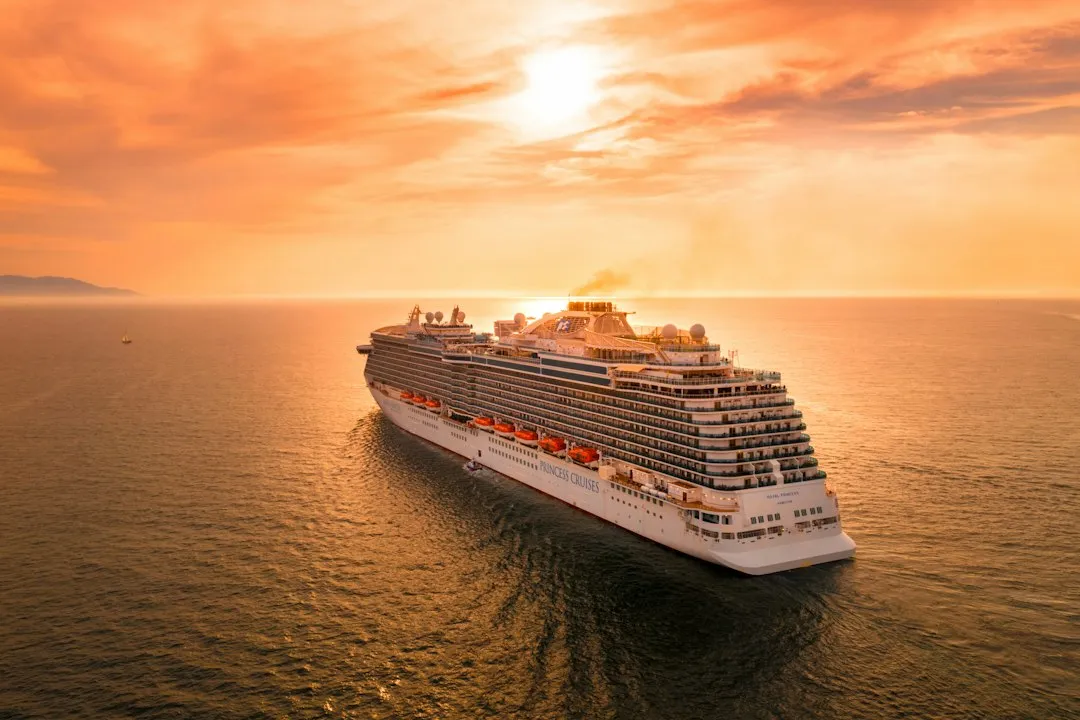
The cashless cruise ship isn’t a gimmick or a trend: it’s a carefully considered operational architecture built over decades. It benefits guest convenience, shipboard security, revenue consistency, and administrative efficiency all at once. The ship itself is cashless, so the cash guests carry is really for the pier, the ports, and the crew who earn a little extra.
What pursers reveal, when you read between the lines, is that the cashless model was never really about convenience for its own sake. It was about creating a seamless, frictionless environment where guests stay present in the experience rather than counting change. That’s not just good hospitality. It’s very good business.
AI Disclaimer: This article was created with the assistance of AI tools and reviewed by a human editor.