
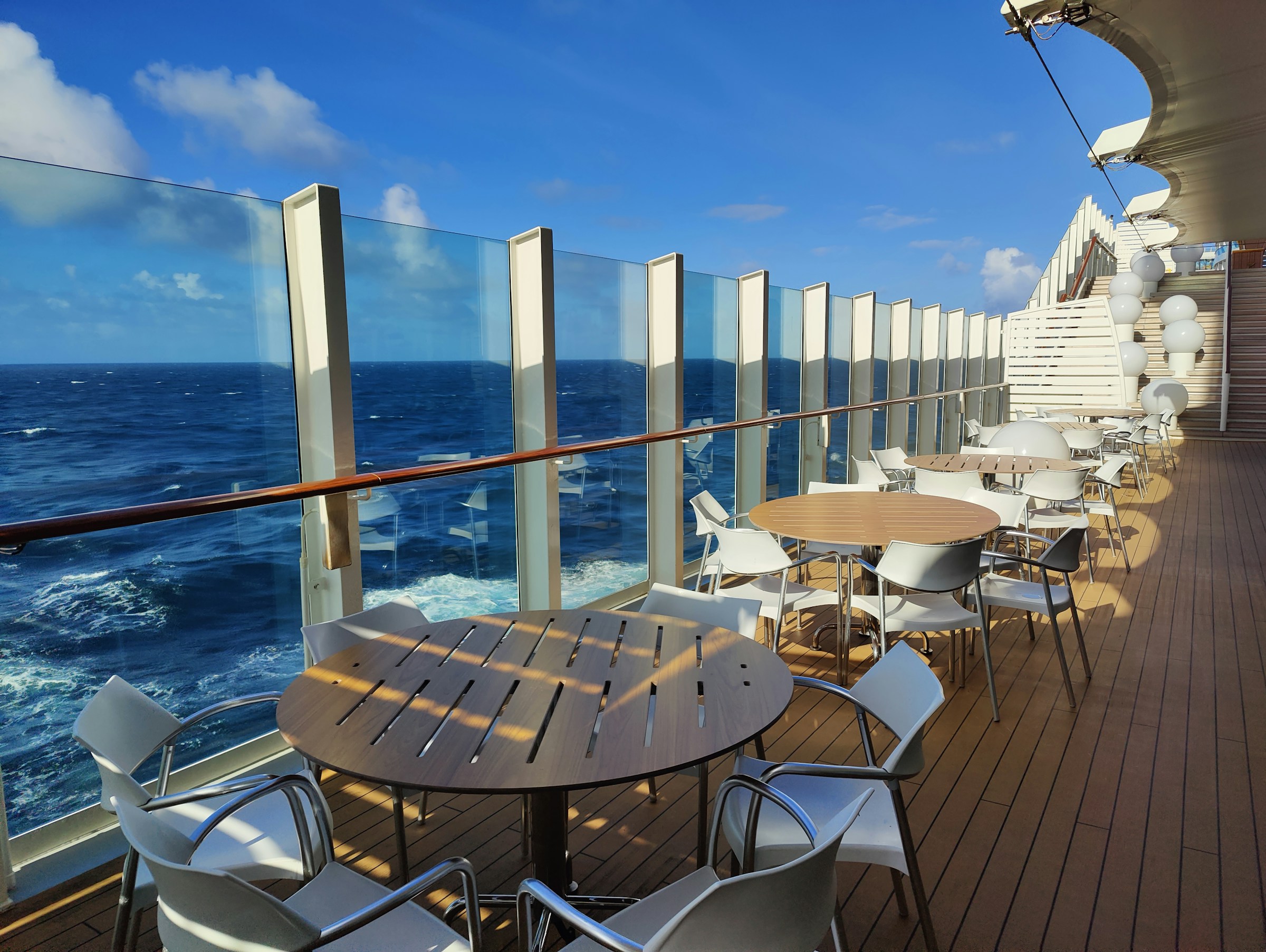

The Photo Sheet: Every Waiter’s Starting Point
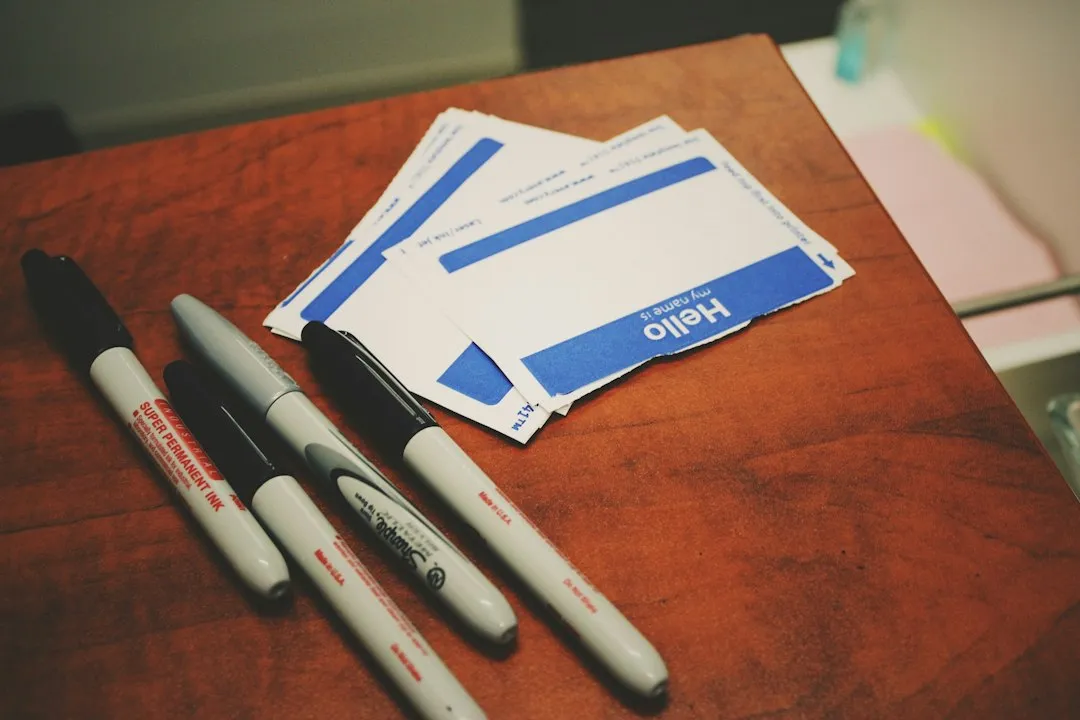
During embarkation, a photographer takes photos of all guests as they board the ship. Copies of those photos are then distributed to staff so they can begin learning names before the first evening meal is ever served.
On the second night, before dinner service begins, waiters often face a name test: they receive a sheet with the photos and must write the correct name next to each face. The crew member who gets the most names correct typically earns a reward, such as a lunch off.
It sounds almost like a school quiz, but it works. The combination of visual reinforcement and a little friendly competition drives retention faster than casual observation alone ever could.
The Seating List: A “Cheat Sheet” That Anchors Everything
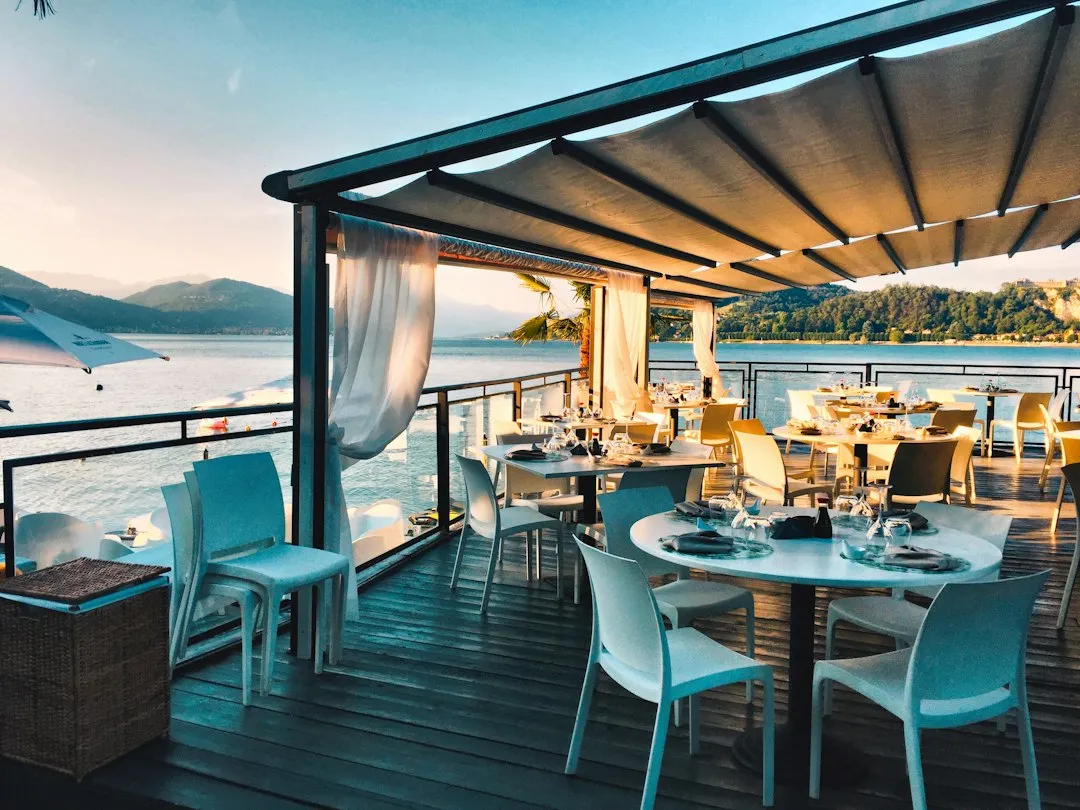
Waiters have a list with passenger names on it, and they know exactly who is sitting where. It functions like a cheat sheet from the very first service.
Cabin stewards also have a list of cabins and names, and most will work actively to match names to faces as early as day one. This means the groundwork is laid well before any real conversation happens.
The list is not a crutch; it’s a foundation. The best waiters use it once to establish the connection, then commit it to memory through the techniques described further below.
Word Association: The Mnemonic Backbone
Crew members are taught word association in order to remember names. One former passenger recalled a cabin attendant who used this method and remembered their first names for the entire cruise after being told them just once.
Some crew members use something similar to the approach taught in Dale Carnegie courses, which involves associating a person with a ridiculous, vivid mental image that is easier to recall than a name alone.
The logic behind this is well-grounded. Research published in Frontiers in Psychology in 2024 notes that episodic memory enhances learning efficiency, particularly in complex tasks requiring rapid adaptation, which is precisely what a waiter managing a large dining section is doing every single night.
Repetition at the Table: Saying the Name Out Loud
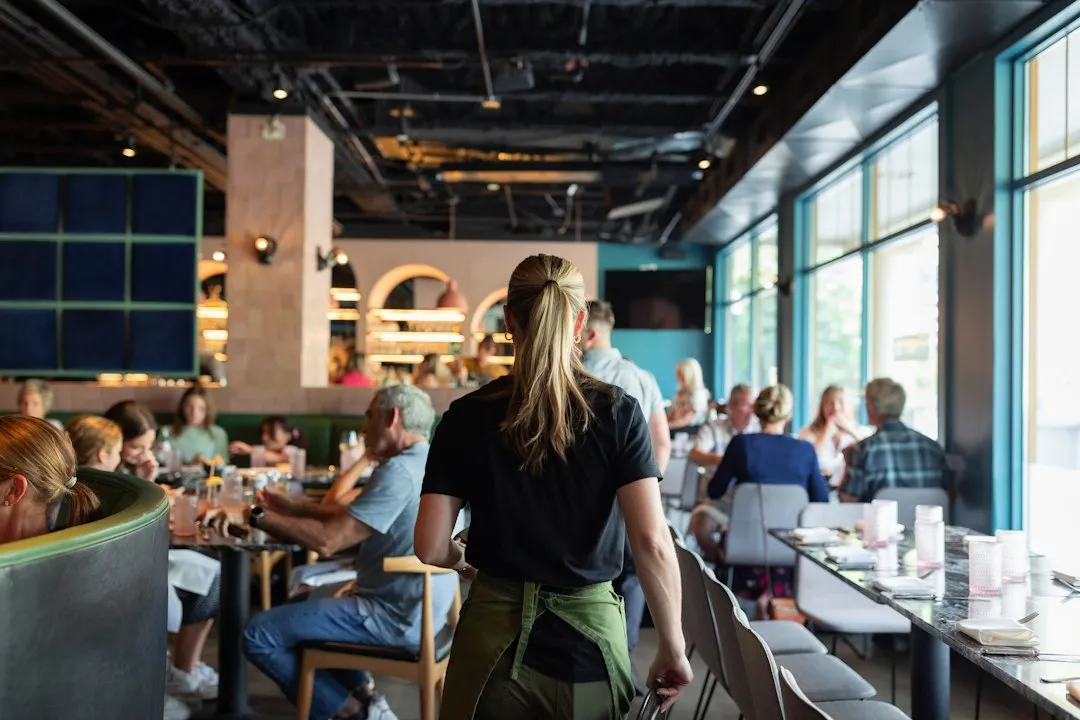
Repeating a person’s name several times while looking at their face is a recognized technique for locking in the association. Experienced waiters often do this naturally within the first minutes of meeting a table, working the name into small phrases and greetings to reinforce the connection.
Using a person’s name when you speak to them a few times keeps it better in memory. For waiters, this is not accidental courtesy; it’s a deliberate practice repeated until the name sticks.
Some crew members describe using the name during each course of the first meal, not in a forced way, but woven naturally into service. By dessert, it’s locked in.
Preference Notes: Writing Down What Matters
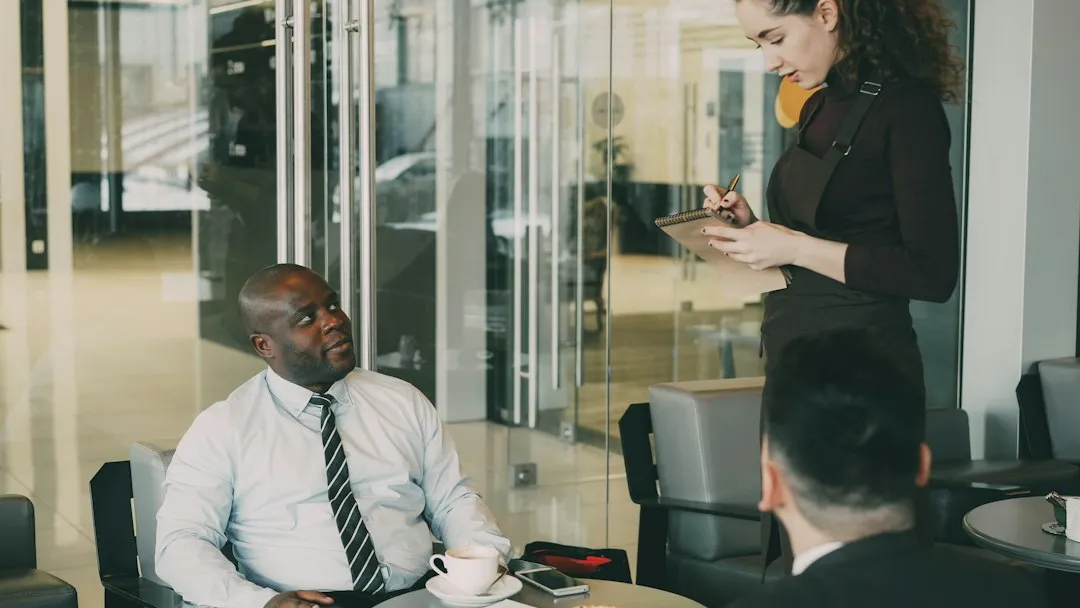
When a passenger orders a certain drink or asks for coffee after dinner every night, that preference gets written down. These small notes become part of the waiter’s working knowledge of that passenger for the rest of the voyage.
Quality cruise hospitality requires listening, personalized attention, and memory of faces, first names, and habits. Written notes are what make that level of recall sustainable, especially across a full week of service.
This is where the name and the person begin to fuse in a waiter’s memory. Once they know your name and that you always skip the soup and prefer sparkling water, you’ve become a person to them, not just a table number.
Section Size: The Scale of the Challenge
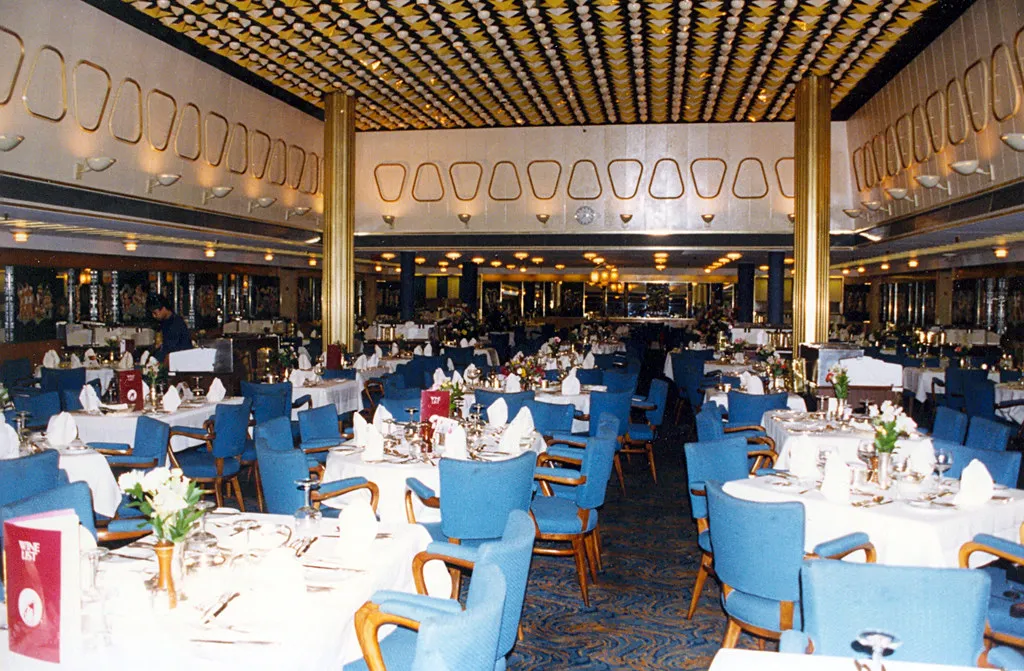
Estimates of a steward’s section run from twelve to twenty cabins, up to twenty to forty staterooms, depending on the cruise line and the ship. Dining room waiters typically serve a comparably large number of guests per voyage.
Dining room servers on cruise ships often serve the same guests all week, which gives them a meaningful window to build familiarity. Knowing the faces will be the same each evening changes the memory strategy entirely; this is a week-long investment, not a one-off effort.
The scale is demanding enough that the photo sheet, the name test, and the note-taking are not optional extras on many lines. They’re built into the daily rhythm of the job.
Mutual Recognition: When the Guest Remembers Back

Stewards say a passenger who remembers them back is easier to remember, and that a name, eye contact, and a quick smile is all it takes to shift the dynamic from professional transaction to genuine connection.
Dining room servers often serve the same guests all week, and saying thank you at the first dinner while asking your server’s name starts that relationship early. This kind of mutual acknowledgment is, by most crew accounts, one of the fastest ways to become a memorable guest.
There’s something honest in this. Memory is not a one-way service; it flows more naturally between people who actually see each other.
Personalization as a Formal Hospitality Standard
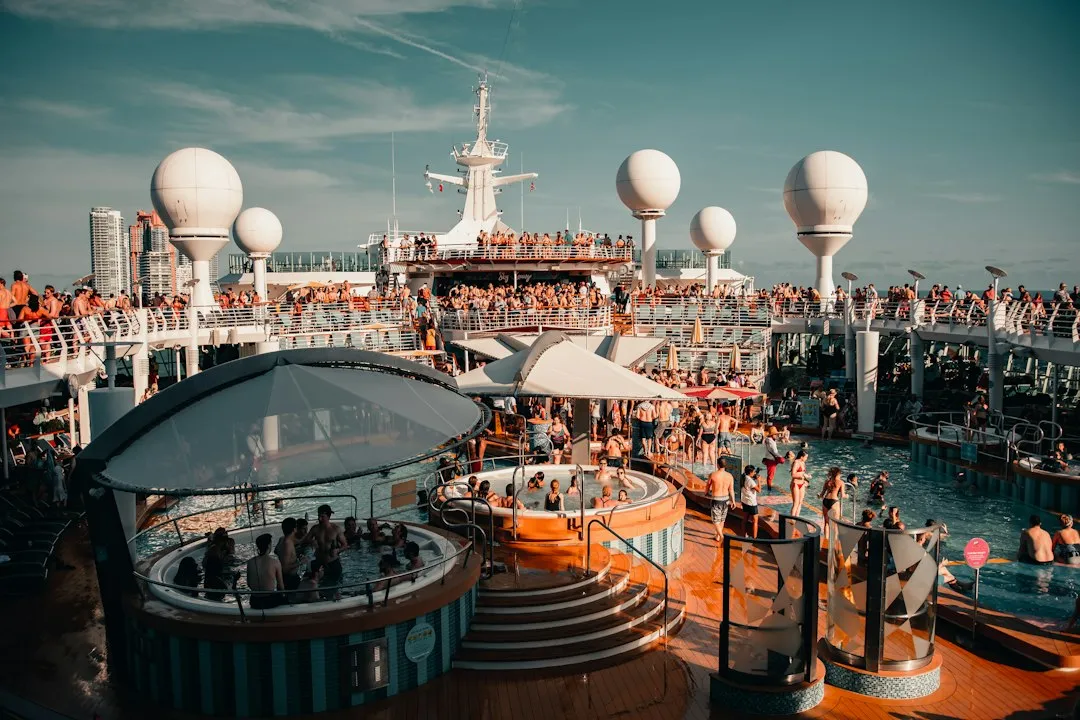
Personalization in the cruise industry can include remembering a guest’s room preferences, allowing the cruise line to build emotional connections that encourage repeat visits. Cruise lines often gather this information through pre-cruise surveys or online profiles.
The port of embarkation sets the first impression, and a trained, smiling team able to guide passengers with calmness and kindness can turn a logistical moment into a reassuring memory. Name recall is part of that larger architecture of welcome.
Major lines treat personalization not as a soft skill but as a measurable service standard, one that begins with a name and expands into every interaction across the voyage.
The Incentive Behind the Effort
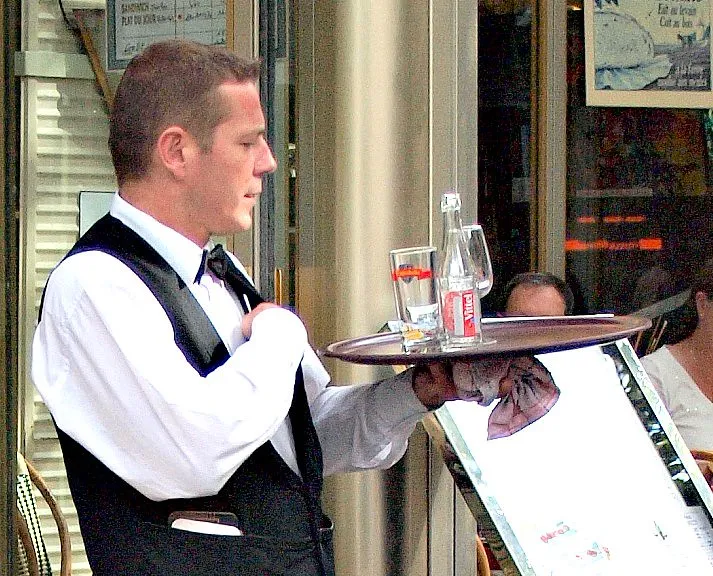
When a family’s income depends on the difference between standard pay and tip earnings, learning to remember names becomes a priority fast. The motivation is real and direct, and it sharpens the effort considerably.
Remembering names is a genuinely effective way to build the kind of rapport that leads to a gratuity from a passenger who feels seen and valued. This is not manipulation; it is hospitality at its most practical.
The incentive and the genuine satisfaction of doing the job well are not mutually exclusive. Most experienced crew members describe name recognition as simply part of what good service feels like to them, independent of the financial outcome.
Memory That Outlasts the Voyage
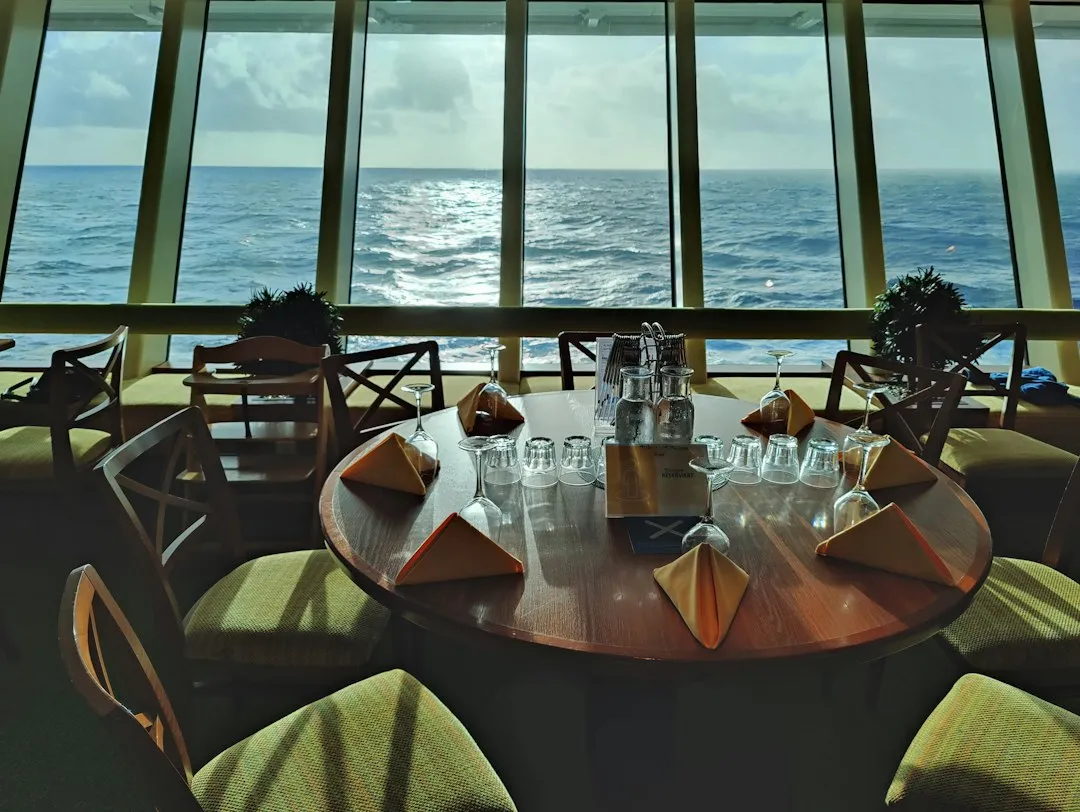
On a recent cruise, a passenger spotted a waiter they had sailed with more than two years earlier. When he saw them, he greeted them by name, recalled a past discussion, and wished them a great cruise.
Some guests have a favorite waiter who remembers them from ship to ship. One couple recalls boarding their second cruise a full year after their first and being greeted by name by the same waiter in the buffet area.
These moments are not accidents. They are the product of consistent practice, genuine attentiveness, and a hospitality culture that treats personal recognition as one of the most valuable things a crew member can offer.
The Takeaway
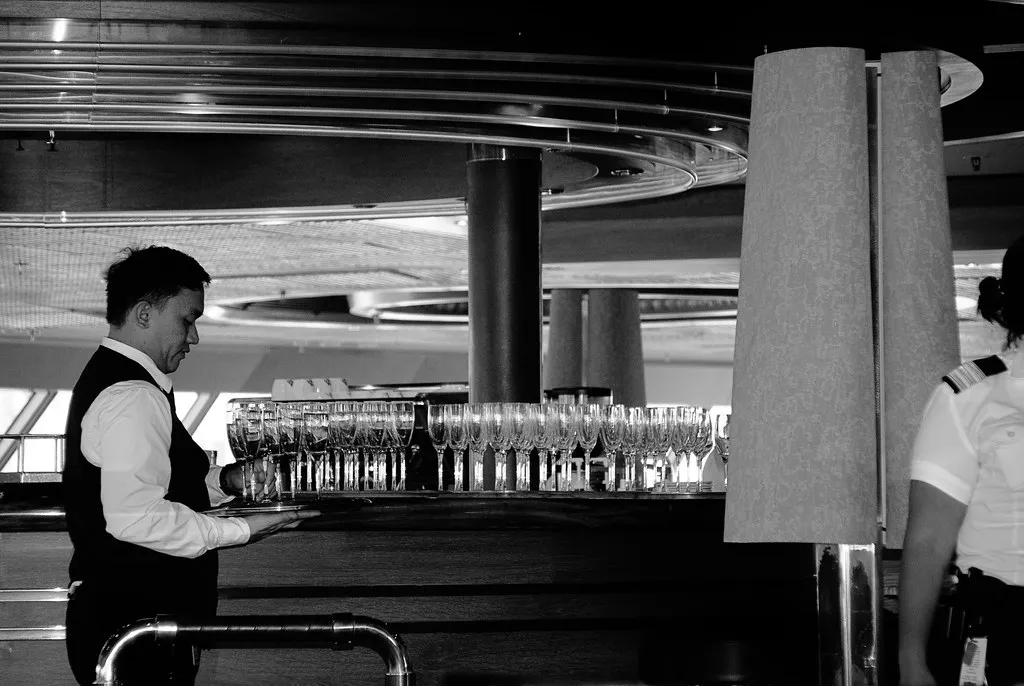
What cruise ship waiters do with names by the second night is less mysterious than it appears from the passenger side. It’s a structured system made up of photo sheets, seating lists, mnemonic associations, written preference notes, and deliberate repetition, combined with a professional culture that genuinely values making people feel known.
The science supports it too. Research consistently shows that memory improves when information is tied to context, repetition, and personal relevance. Waiters on well-run ships build exactly those conditions from the first evening onward.
The next time someone calls you by name before you’ve even sat down, you’ll know it wasn’t luck. It was quiet, practiced craft, and there’s something worth admiring in that.
AI Disclaimer: This article was created with the assistance of AI tools and reviewed by a human editor.