
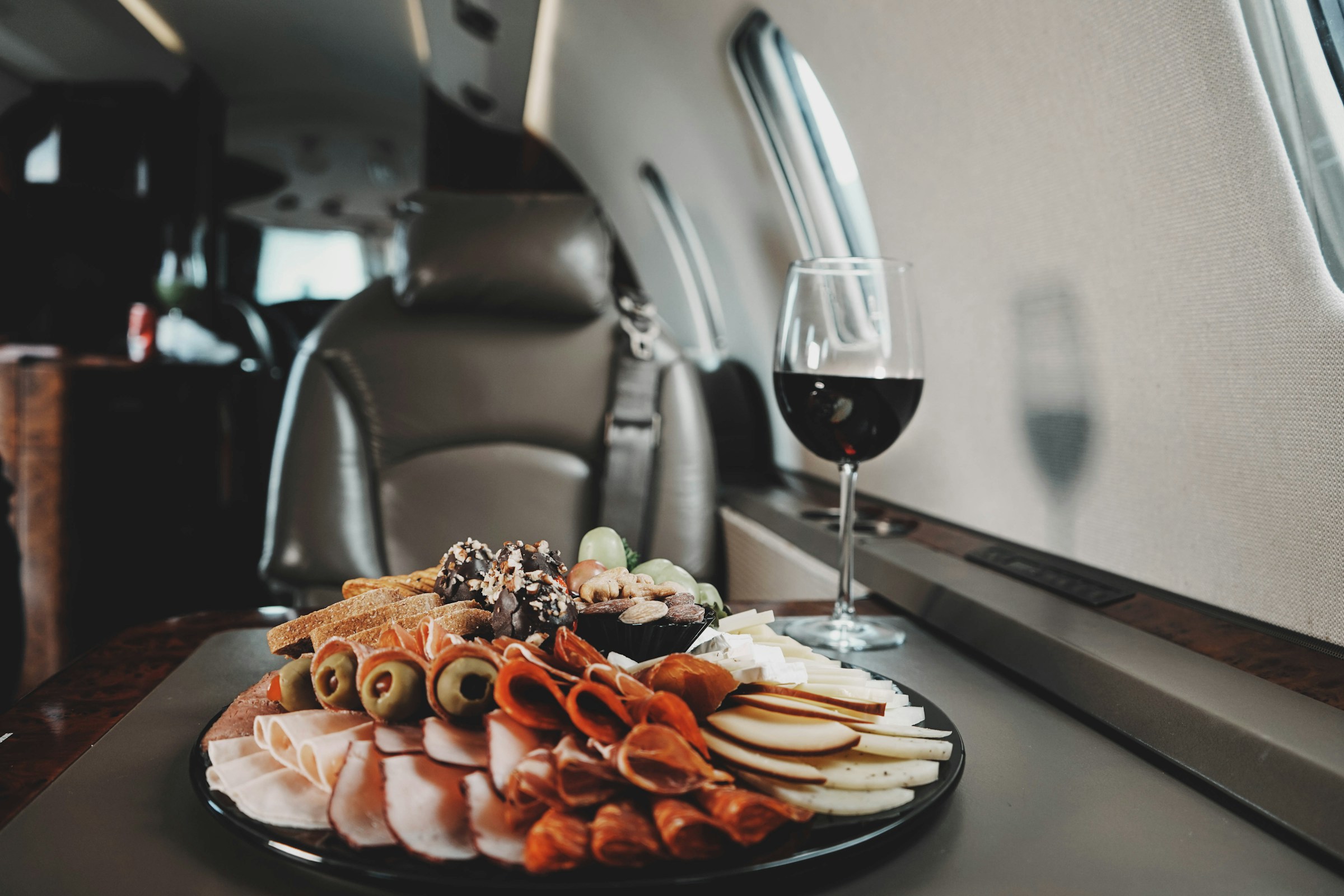

The Scale of the Problem Is Hard to Wrap Your Head Around
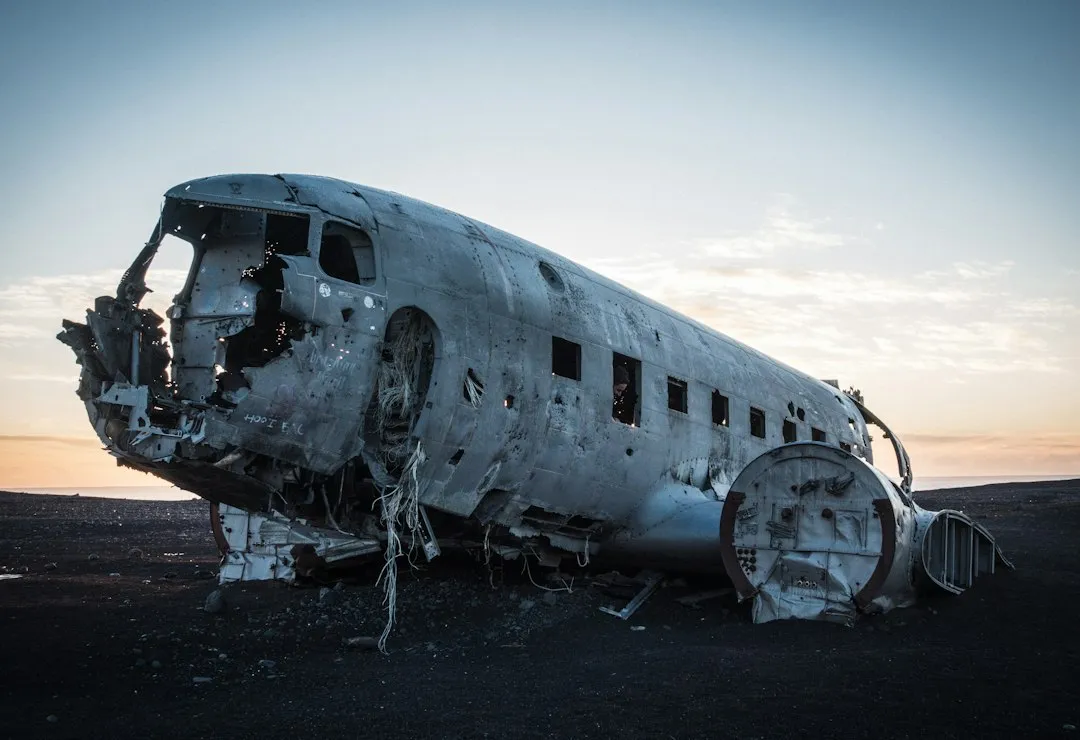
The global airline industry currently generates an estimated 3.6 million tonnes of cabin and catering waste annually, based on 2024 to 2025 data from the International Air Transport Association (IATA) and the Aviation Sustainability Forum (ASF). That number is not shrinking.
Between 2024 and 2025, ASF tracked an increase from 4.7 to 5.2 billion passengers, which resulted in a rise from 3.6 to 4.0 million tonnes of cabin waste. More flights, more food, more waste. Industry bodies have warned that the amount of on-board food waste could potentially double by 2040 if current practices are not changed, primarily due to the rapid increase in passenger numbers.
Most of It Goes Straight to a Landfill or Incinerator
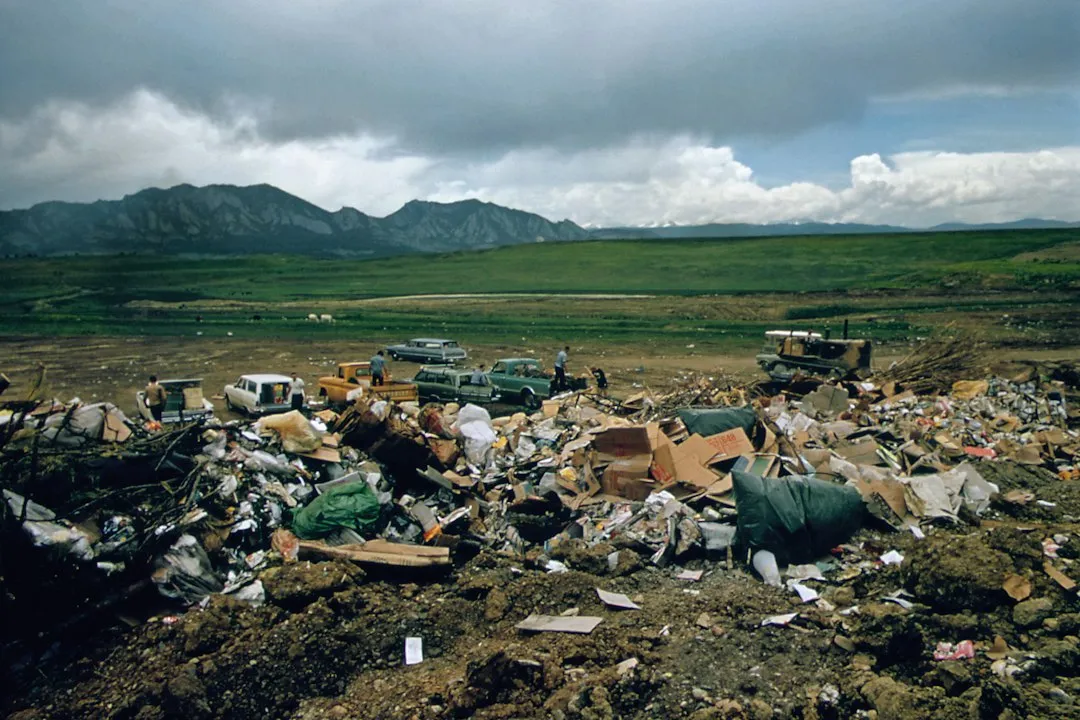
According to 2024 IATA audit data, 65% of the waste produced on airplanes was from food and beverages, and unopened meals made up 18% of all waste. The vast majority of that trash goes to a landfill or incinerator, often due to regulations that prohibit airline meals from being reused for food safety reasons.
On many international flights, untouched food and packaging are treated as a biosecurity risk and destroyed after landing, to avoid pests or diseases crossing borders in food waste. Even on domestic routes, food safety rules mean that once a tray has left catering, it typically isn’t served again. In most cases, it’s gone the moment the plane lands.
Opened or Heated? It Cannot Be Reused
On an airplane, food that has been opened must be discarded, and a significant number of unopened items are thrown out, too. This is not negligence on the part of the crew. It reflects strict food safety requirements that apply across the industry.
Hot meals left over from service cool down and, under airline food safety rules, cannot simply be reheated. Airline food safety rules limit how long a heated meal can be held and generally do not allow it to be reheated once it has cooled, so a missed hot meal is often swapped for a cold option. The window is narrow, and the rules are firm.
International Biosecurity Laws Make Donation Extremely Difficult
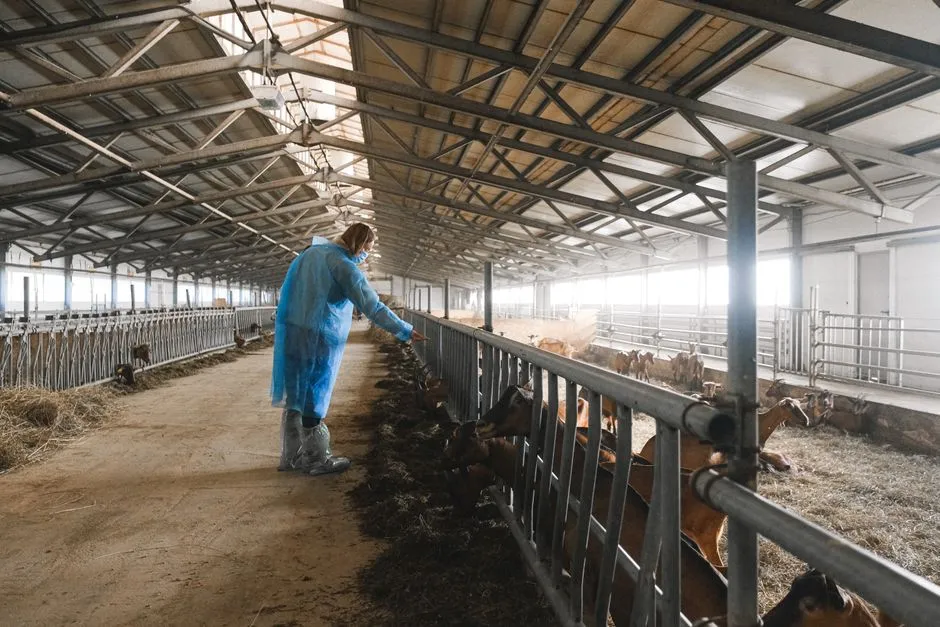
Despite progress, regulatory and biosecurity rules still require international flight waste to be destroyed, restricting redistribution or donation efforts. This is one of the core reasons why well-meaning solutions rarely scale up.
As with so many things linked to aviation, food waste is governed by very strict regulations. In some countries, all unused food has to be removed and destroyed or buried deep. Due to very strict health and safety regulations on international food waste, it remains sometimes difficult to use the unused inflight food and non-perishable goods.
Passengers Can Sometimes Ask for Leftover Meals Mid-Flight
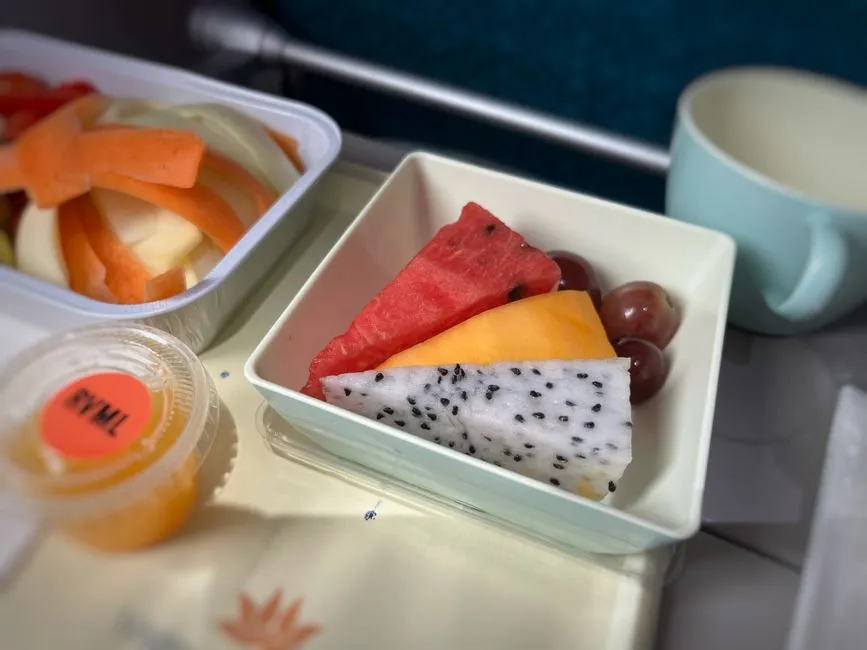
Those leftovers often end up being discarded after landing, so in many cases, it’s better that they go to a hungry passenger instead. Flight attendants are generally willing to offer extras when stock allows, particularly on long-haul routes.
The best moment to ask is after meal service is done, once the crew has cleared most trays and confirmed that everyone’s been fed. A polite approach works well – something like, “If there are any extra meals after service, could I please have one?” Most flight attendants appreciate courtesy and are happy to check when possible.
Cathay Pacific Built One of the Most Meaningful Donation Programs

Cathay and Feeding Hong Kong have worked together for over 10 years to address environmental and social challenges through a surplus food rescue programme. They collect surplus food items from inbound Cathay Pacific flights to Hong Kong that would otherwise be sent to landfills, and repurpose them to tackle food waste and support underprivileged members of the community.
Due to food safety regulations, cooked meals cannot be donated, but packaged food and drink items are suitable for redistribution. Products such as bottled water, juices, canned beverages, soft drinks, snacks, cereal, long-life milk and fresh fruit are separated from the inbound meal carts at Cathay Dining by a team of Feeding Hong Kong staff every day. Since 2014, 2,250 tonnes of inflight food have been collected and redistributed to people in need, benefitting 260,000 individuals over the past decade.
Some Caterers Are Turning Waste Into Compost and Energy
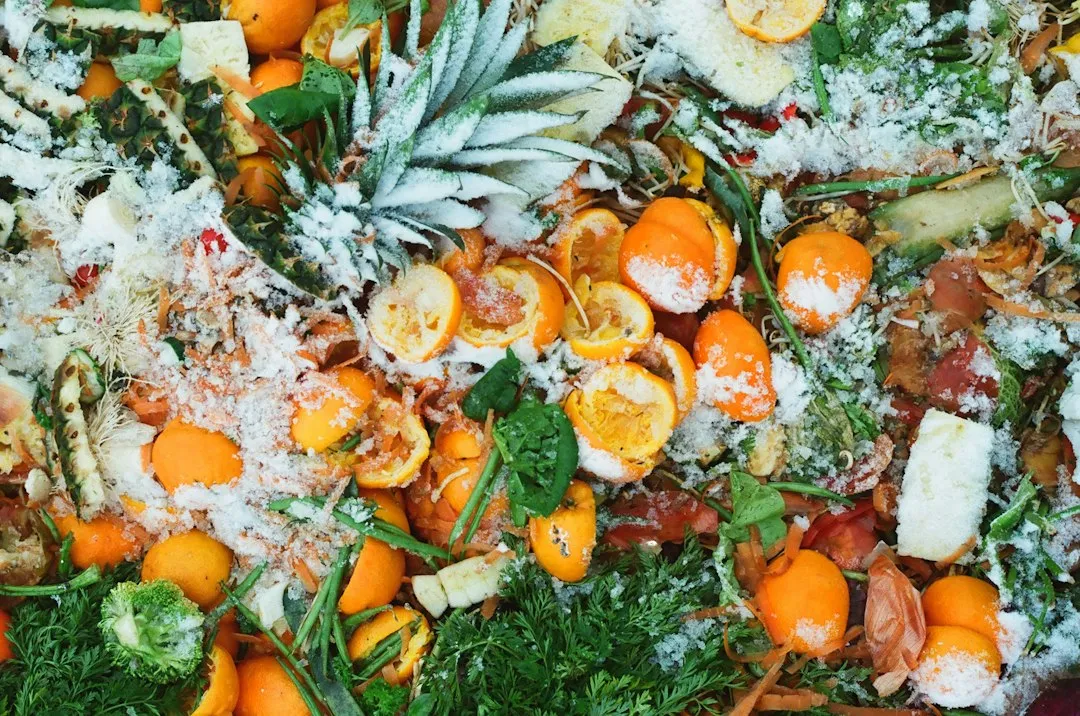
Some caterers have begun composting programs for leftover food. LSG SkyChefs, a company that provides food for American Airlines and others, composts scraps from preparation and uneaten food from airplanes. After a meticulous process to convert the waste into compost, the nutrient-rich soil is sent to agricultural businesses to grow new crops.
A few airlines, including British Airways, recycle uneaten food by using a food dryer. This technology removes all moisture from the waste, reducing it to a dry powder that can be mixed into compost or burned for fuel. These approaches are promising, though they remain far from standard practice across the industry.
AI Is Now Being Used to Prevent Waste Before It Happens
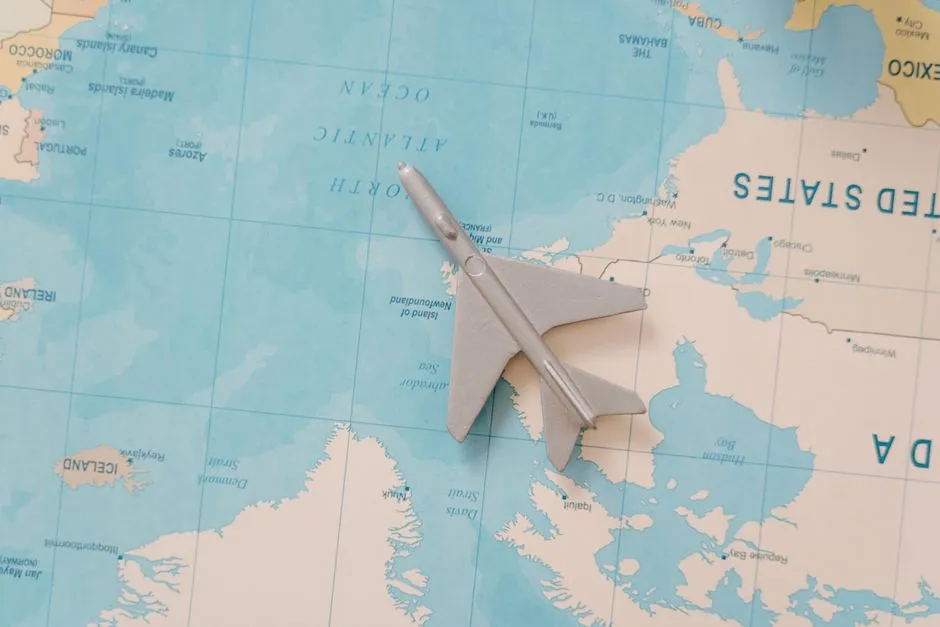
In 2025, Airbus and Virgin Atlantic partnered to reduce waste through a prevention method known as “Smart Catering.” AI forecasting models were used to track how many units of each meal were served, while monitoring the remaining inventory. The goal is to stop food from being loaded onto a plane in quantities it was never going to need.
In 2024, one airline introduced an AI system developed specifically for meal planning. In the first three months of adopting this technology, it reduced food waste by 63%. For one major airport, an average of 2.5 fewer meals per flight were wasted. Results like that suggest the appetite for change, so to speak, is real.
Some Airlines Let Passengers Opt Out of Meals Before Boarding
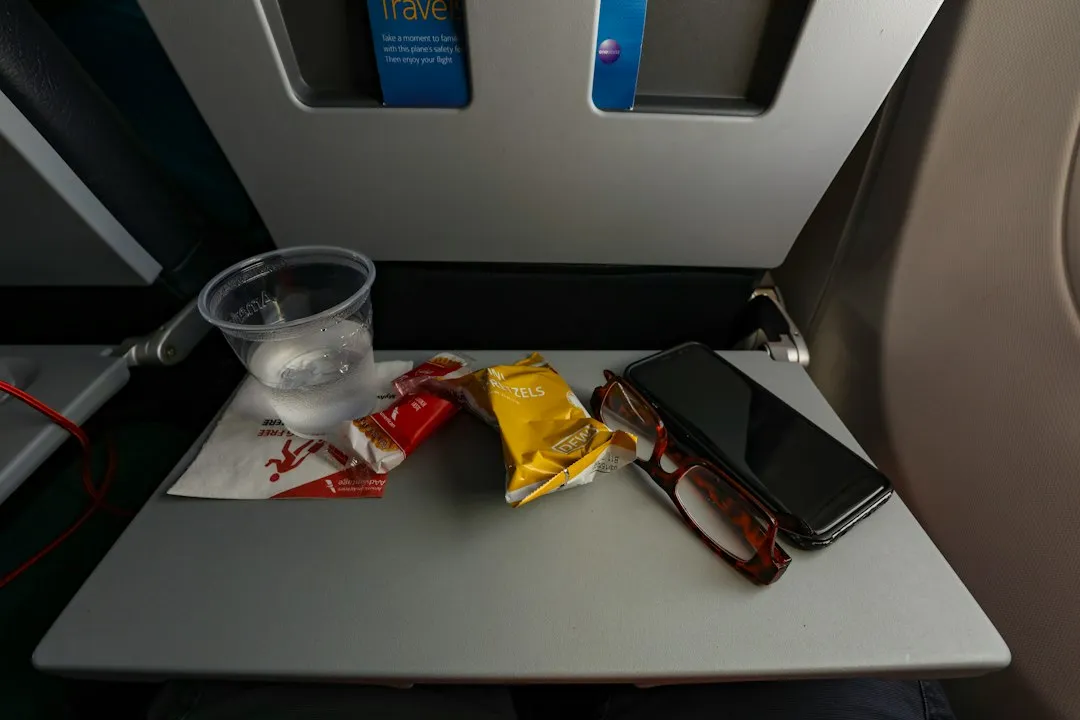
In 2025, one airline expanded its pre-flight meal selection service to cover international flights, including an option for passengers to indicate that they will not eat onboard. These measures helped reduce catering waste by 8.8% compared with 2024, avoiding wasting more than 46,500 unused fresh food servings.
It’s a small shift in process with a measurable outcome. When passengers declare in advance that they won’t eat, catering teams can load fewer meals. Other airlines are either charging for meals or offering pre-ordered meals to help reduce the possibility of food being wasted simply because no one wants it.
The Waste Problem Is Concentrated in Catering Kitchens Too, Not Just Cabins
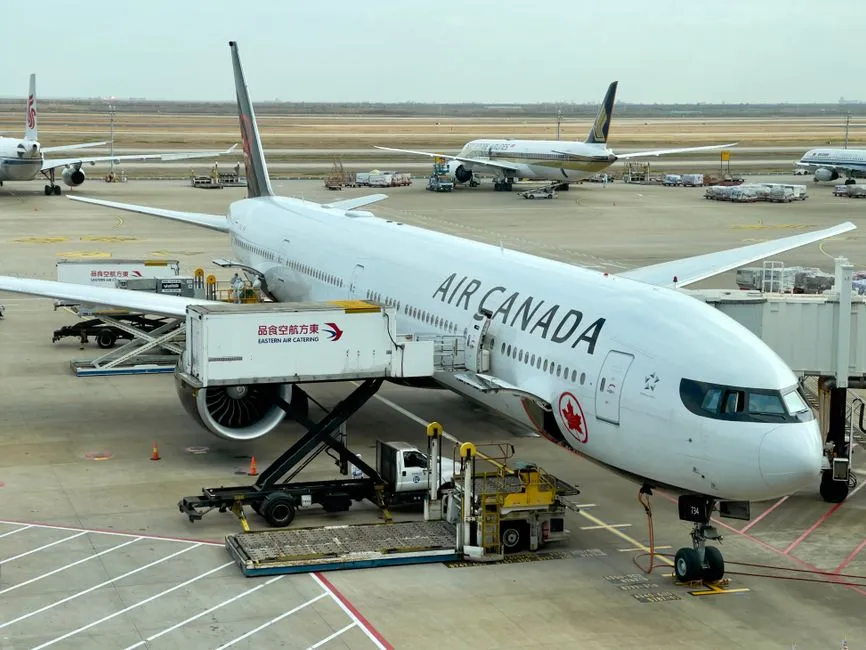
Over a 21-day audit period in March 2025, a total of 1,205.2 kg of solid waste was recorded from one airline catering kitchen. Notably, 88% of this waste was edible food, and only 12% was inedible. Much of the food problem starts on the ground, before a single tray ever reaches a passenger.
Food left on trolleys made up 69% of waste in the study, while food from other catering stages made up the remainder. Due to inefficient food catering, underdeveloped infrastructure, and limited compliance with waste management among crew and passengers, vast amounts of recyclable and reusable materials end up in landfills. Solving cabin waste without fixing kitchen waste would only address part of the story.
A Quiet Industry Reckoning
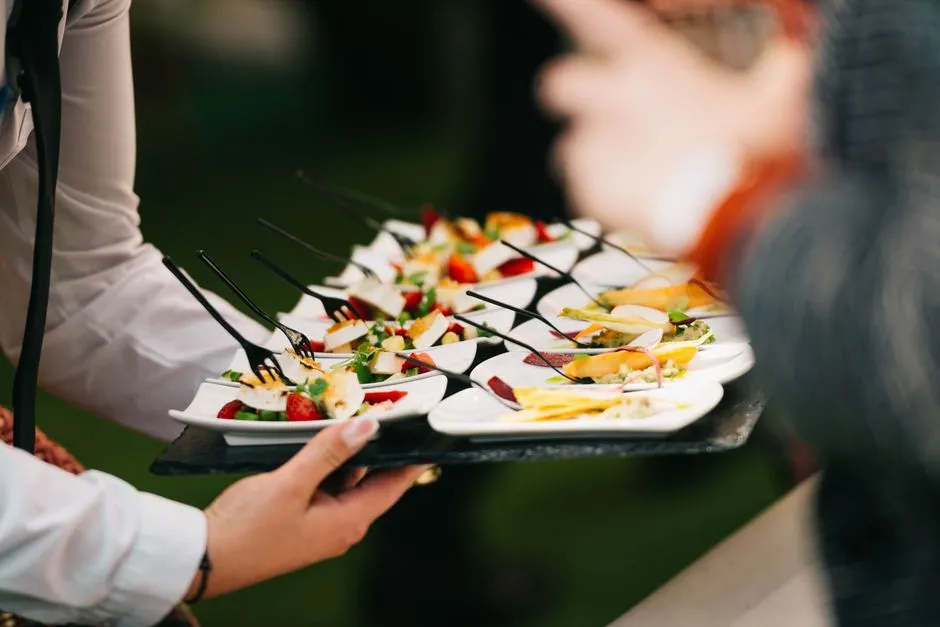
What happens to leftover flight food is, at its core, a reflection of how the aviation industry is built: optimized for speed and consistency, with sustainability often playing catch-up. The regulations are real, the biosecurity risks are legitimate, and the logistical complexity is enormous. Yet the data from 2024 and 2025 shows that progress, when actually pursued, delivers results.
Programs like Cathay Pacific’s food rescue partnership, composting initiatives from LSG SkyChefs, and AI-powered catering tools from Airbus and Virgin Atlantic prove that the gap between discarding and doing something meaningful with food is closeable. Approaches like this show promise, but they remain largely experimental rather than mainstream.
The next time the crew collects your tray, the story of what happens next is worth knowing. It won’t always be a satisfying one – but it’s slowly becoming a better one.
AI Disclaimer: This article was created with the assistance of AI tools and reviewed by a human editor.