
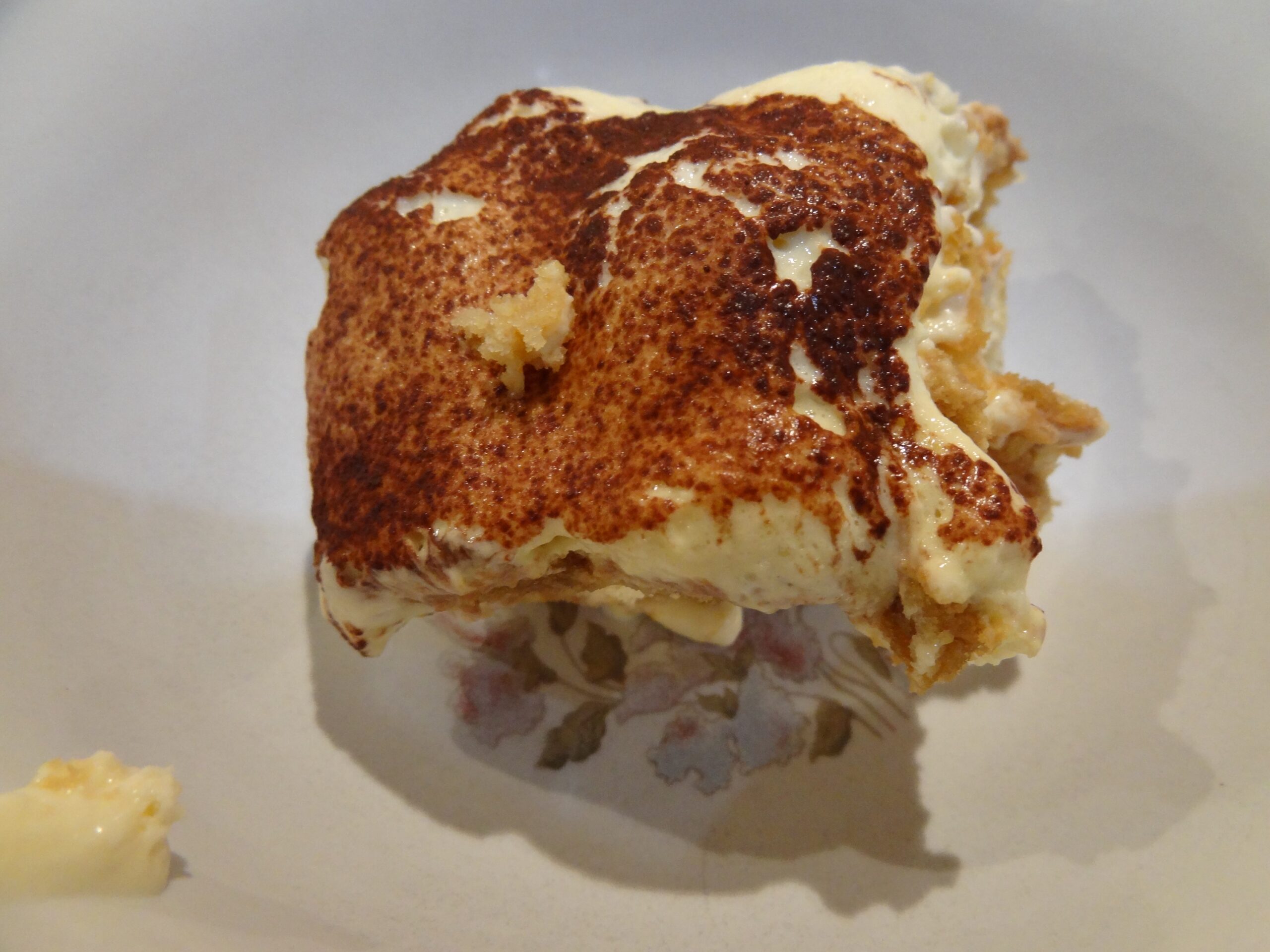

A City That Doesn’t Need to Shout
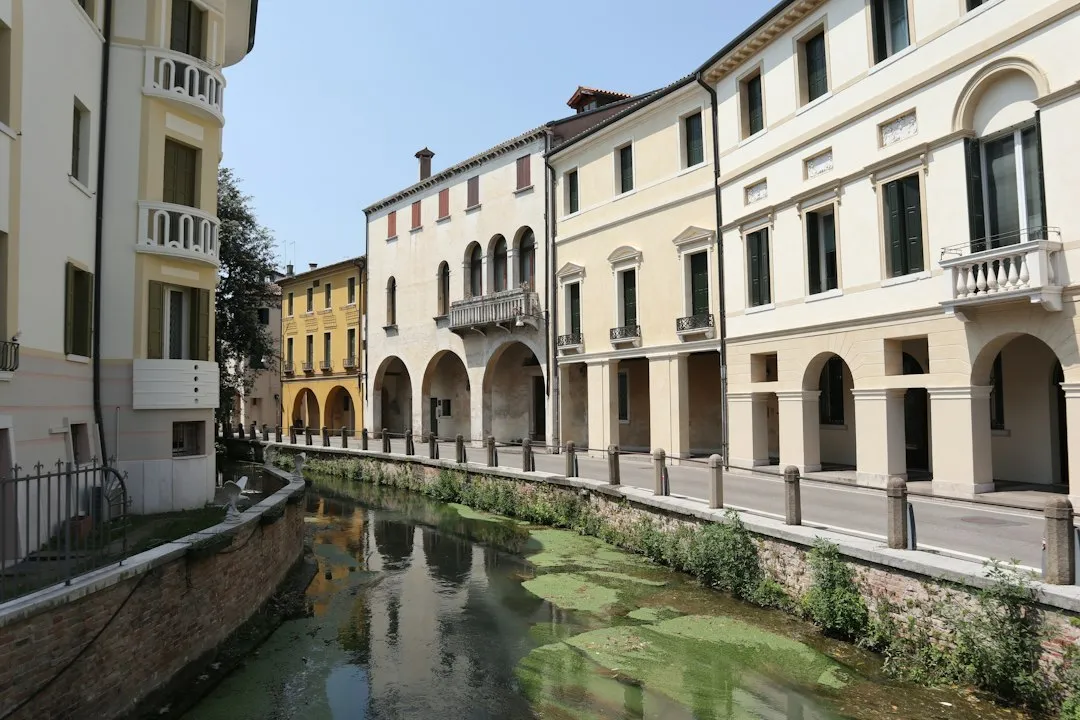
Treviso is a Veneto town with a population of around 85,000, known for its serene canals and rich culinary heritage. It sits just far enough from Venice to have kept its own identity, its own pace, and its own table. Treviso is the canal city that travelers dream Venice might feel like on its quietest morning – a working, prosperous, deeply Italian city where the passeggiata still belongs to the residents.
You’ll find medieval architecture, beautiful canals, excellent local cuisine, and a relaxed atmosphere. Treviso offers spring-fed canals with working water wheels, frescoed facades, an intact circuit of Renaissance walls, the birthplace of tiramisu, and a genuine osteria culture, all half an hour from Venice and at the foot of the UNESCO Prosecco hills.
The Restaurant at the Center of Everything
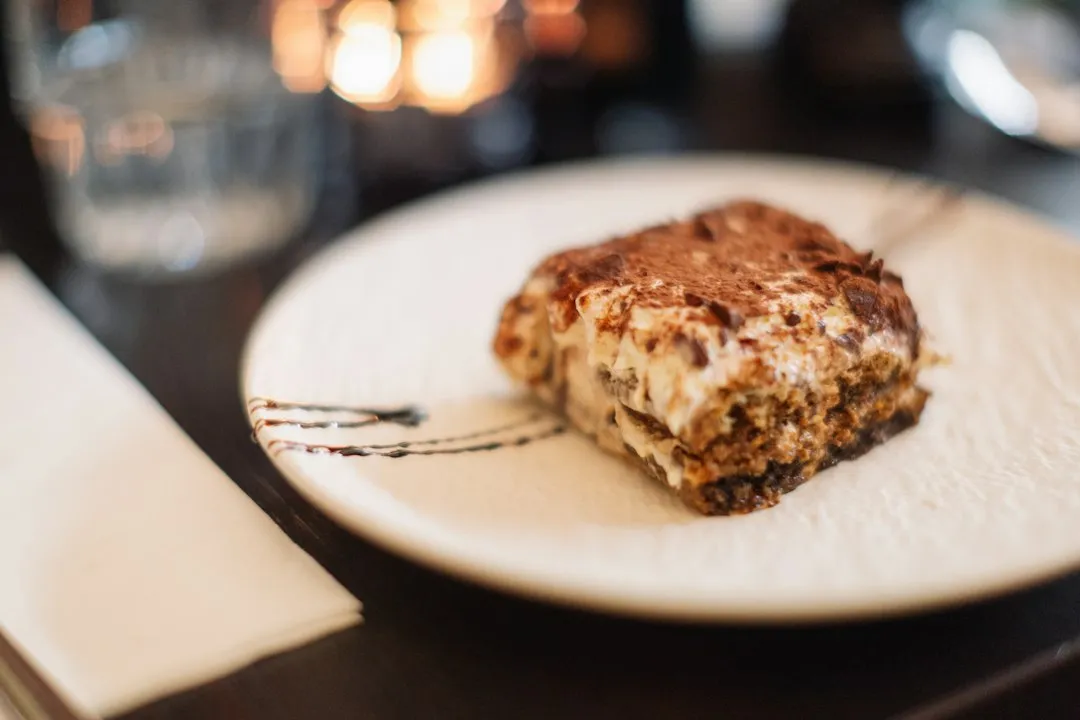
Most food historians trace tiramisu back to Le Beccherie, a restaurant that has anchored a quiet piazza in Treviso, in the Veneto region, since 1939. The dessert was created in the early 1970s at Le Beccherie, a historic restaurant in the centre of Treviso, where the pastry chef at the time, Roberto Linguanotto, developed the recipe with the restaurant’s owner, Alba Campeol.
The history of tiramisu is closely linked to that of Le Beccherie, a historic restaurant in Piazza Ancilotto, in the heart of Treviso, where the dessert was codified for the first time in 1972, when the entry “Tiramesu” appeared on the restaurant’s dessert menu. It still exists today, in the same square in Treviso where it has stood since 1939.
The People Behind the Recipe
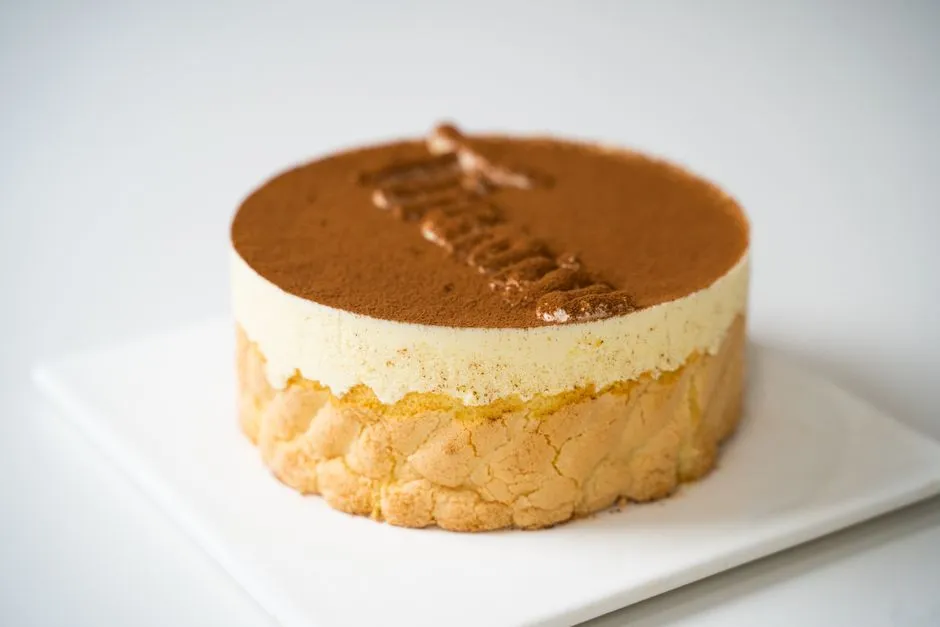
The invention is credited to the restaurant’s owner, Ado Campeol, often called “the father of tiramisu,” and his pastry chef, Roberto Linguanotto. Its birth dates back some time before the menu entry, when Alba Campeol and the pastry chef Roberto Linguanotto began a long period of experimentation, which concluded between 1971 and 1972.
Alba Campeol said that she invented the recipe when she was looking for instant energy while she breastfed her first child, hence the calorific ingredients: ladyfingers soaked in espresso and then layered in a dish with a sweet and delicious mixture of eggs, sugar and mascarpone cheese, dusted with fine cocoa powder. It is a quietly human origin story for a dessert that went on to conquer restaurant menus across the globe.
What the Original Recipe Actually Contains

The version they made used savoiardi biscuits, espresso, mascarpone, eggs, and sugar, dusted with cocoa powder, with no alcohol, according to the original recipe. This is a detail that often surprises people, since most modern versions include marsala wine or rum. Treviso is where the recipe the world recognises was perfected and first served, and where it was later filed with the Italian Academy of Cuisine.
The modern stabilized variety of mascarpone became more widely available in northern Italy only in the early 20th century, with documented industrial production in the province of Treviso as early as 1933 through the Mascherpone Valmarino trademark. That local availability of a key ingredient matters: Treviso had everything it needed to build this dessert from the ground up.
The Paper Trail That Made It Official
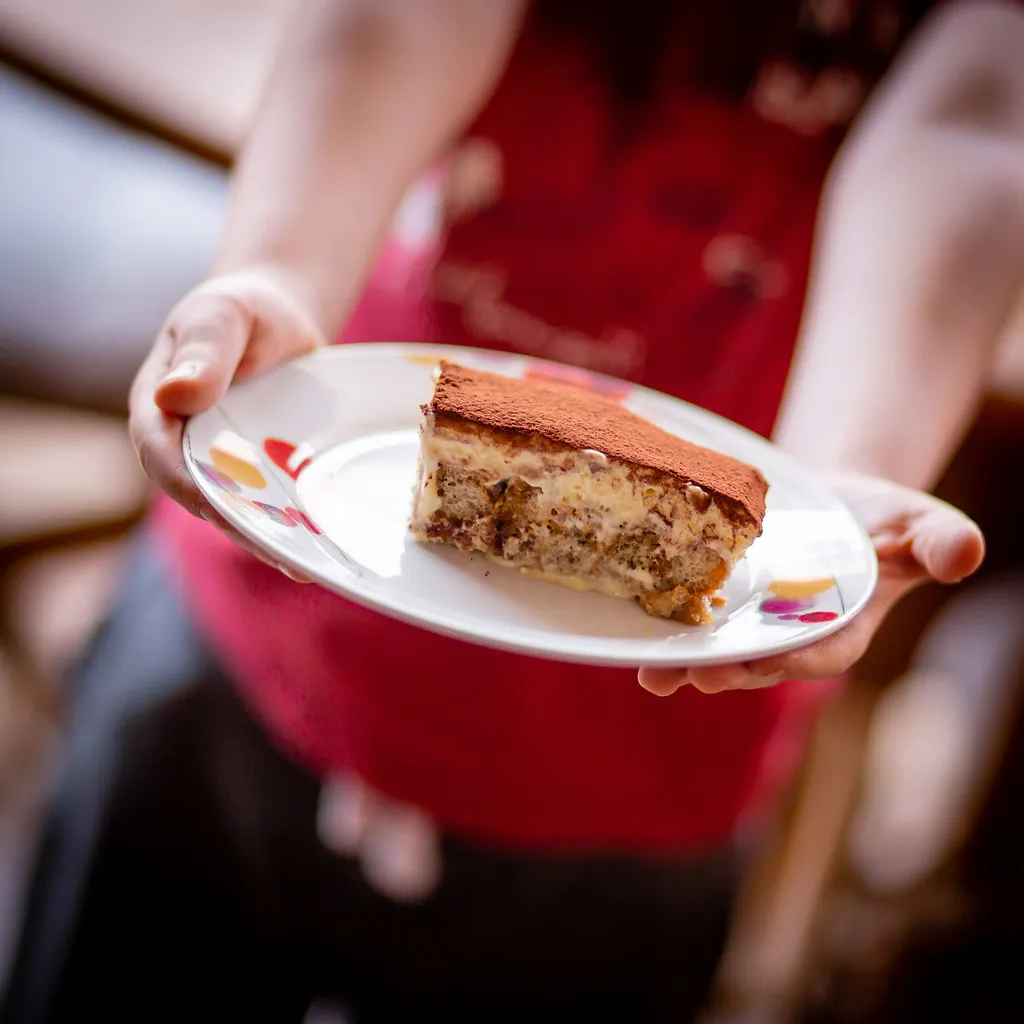
In 1981, food writer Giuseppe Maffioli documented this Treviso origin in the magazine “Vin Veneto,” and in 2010, the Le Beccherie recipe was lodged with a notarial deed at the Italian Academy of Cuisine. These are not trivial gestures. A notarial deed carries legal weight, and the Italian Academy of Cuisine is the country’s most respected culinary authority.
Tiramisu is absent from cookbooks before the 1960s and from encyclopedias of the 1970s. It first appears in an Italian dictionary in 1980, in English in 1982, and in a cookbook of Veneto cooking in 1983. The timeline consistently points northward, toward Treviso and the wider Veneto region. The case for Treviso is well-documented, and the city is now officially recognised as the birthplace of tiramisu under Italian law. In 2013, Veneto registered tiramisu as a traditional regional food product, placing it firmly in the local food canon.
The Name Itself Is a Clue
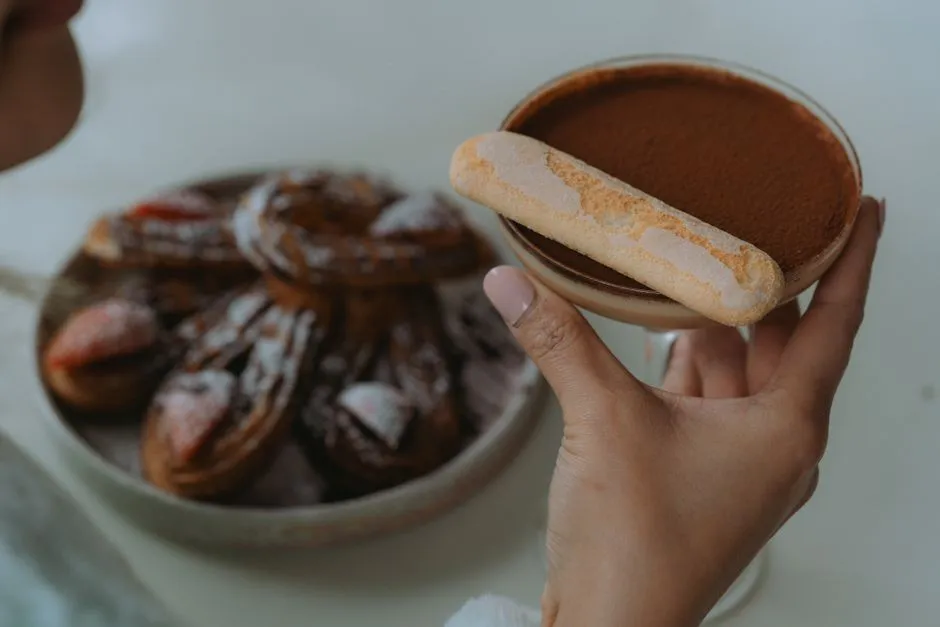
Tiramisu comes from the Italian “tirami su,” usually translated as “pick me up” or “cheer me up.” Some writers say the phrase comes from the dialect of Treviso, though that is part of the dispute too. In the local Treviso dialect, “Tireme sù” and later the Italianized “Tiramisù” translates literally to “pick me up” or “pull me up.”
By 1972, the dessert appeared on the Le Beccherie menu under its Treviso dialect name, Tiramesu, meaning “pick me up” or “lift me up” – a fitting name for a dish invented, at least in one telling, as a way to restore a tired new mother’s strength. There is something honest about naming a dessert after exactly what it does.
The Rival Claim from Friuli
A fierce feud broke out about a decade ago between neighbouring regions Veneto and Friuli-Venezia Giulia, which laid claim to tiramisu’s origins with evidence dating back to the 1950s, subsequently published in a 2016 book translated as “Tiramisù: history, curiosities and interpretations of the most-loved Italian dessert.” The competing claim centers on a restaurant in Tolmezzo, in Friuli. At the Albergo Roma in Tolmezzo, chef Norma Pielli is associated with a dessert originally known as a “mascarpone slice” and later called “tirimi sù,” with historical material from the region placing versions of it in the 1950s.
In 2017, Italy’s government recognized tiramisu as a traditional specialty of Friuli as well. The safest answer is that the modern tiramisu was developed in northeastern Italy in the decades after the Second World War, with strong claims from both Friuli-Venezia Giulia and Veneto. The honest position acknowledges the complexity without dismissing either side.
Legends, Myths, and the Brothel Story
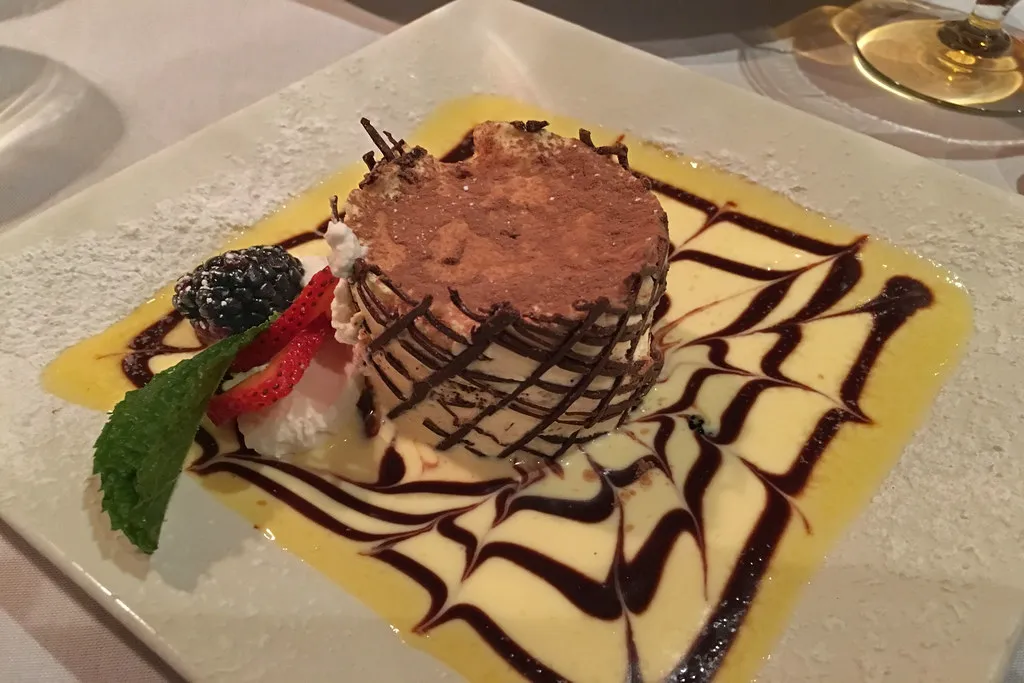
One legend has it that tiramisu was served at a brothel in Treviso after “the act,” to give an energy boost to customers before returning home to their wives. This well-worn story claims tiramisu was first served at a Treviso pleasure house, meant to give tired customers a jolt of energy before they headed home, though there is little hard evidence behind it.
The brothel legend has circulated long enough to feel like established fact in some retellings, but food historians consistently treat it as colorful folklore rather than documented history. Tiramisu is one of the youngest “classic” Italian desserts: most evidence points to an origin in Treviso, north of Venice, in the 1960s to 1970s rather than in antiquity. Its story is recent enough that people who were there are still alive to tell it.
Treviso’s Broader Food Identity

Treviso is known for radicchio di Treviso, a bitter red chicory with PGI status, tiramisù, which the city claims to have invented, cicchetti, small bar snacks, and Prosecco from the nearby Conegliano Valdobbiadene hills. Tiramisu is one piece of a genuinely rich table. Tiramisu was born in a Treviso kitchen in recent memory, and the winter fields around the city produce Radicchio Rosso di Treviso, the burgundy-leafed chicory that chefs across the world prize.
In Treviso, you will find cicchetti at osterie and bacari near the canals. The area around Buranelli Canal has a good concentration of small bars where locals stop for a quick bite in the late afternoon. Eating and drinking well in Treviso is easy, and rarely expensive. That combination of quality and accessibility is part of what makes the city so genuinely satisfying to visit.
Tiramisu Day and Living Tradition
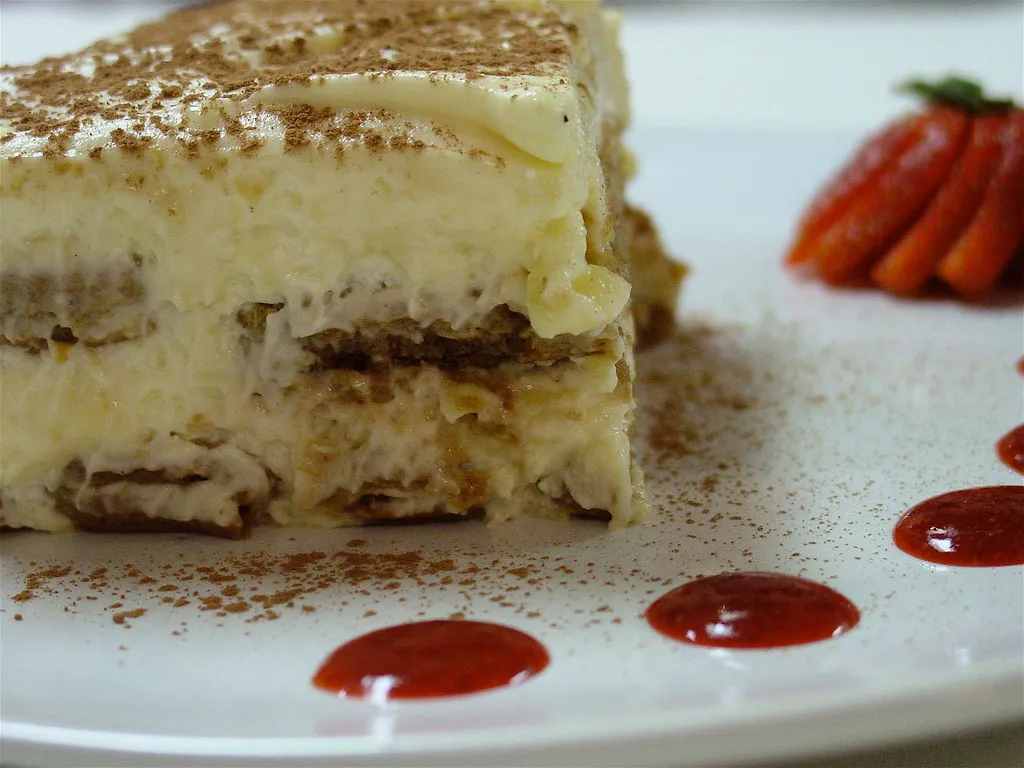
Today there is even a World Tiramisu Day, on 17 January, when cooks across the globe compete to make the best version of the dessert as part of the International Day of Italian Cuisine. The people of Treviso, where tiramisu is said to originate, have a special day too: they celebrate Treviso Tiramisu Day on October 3rd.
The Italians first took the recipe to heart, and hundreds of adaptations appeared, and then it was taken on worldwide. From Tokyo to Toronto, the dessert evolved, gained alcohol, lost cocoa, gained fruit, and was served in glasses, jars, and tasting spoons. What started as a restorative family recipe in a Veneto trattoria is now arguably Italy’s most exported dessert.
The Takeaway
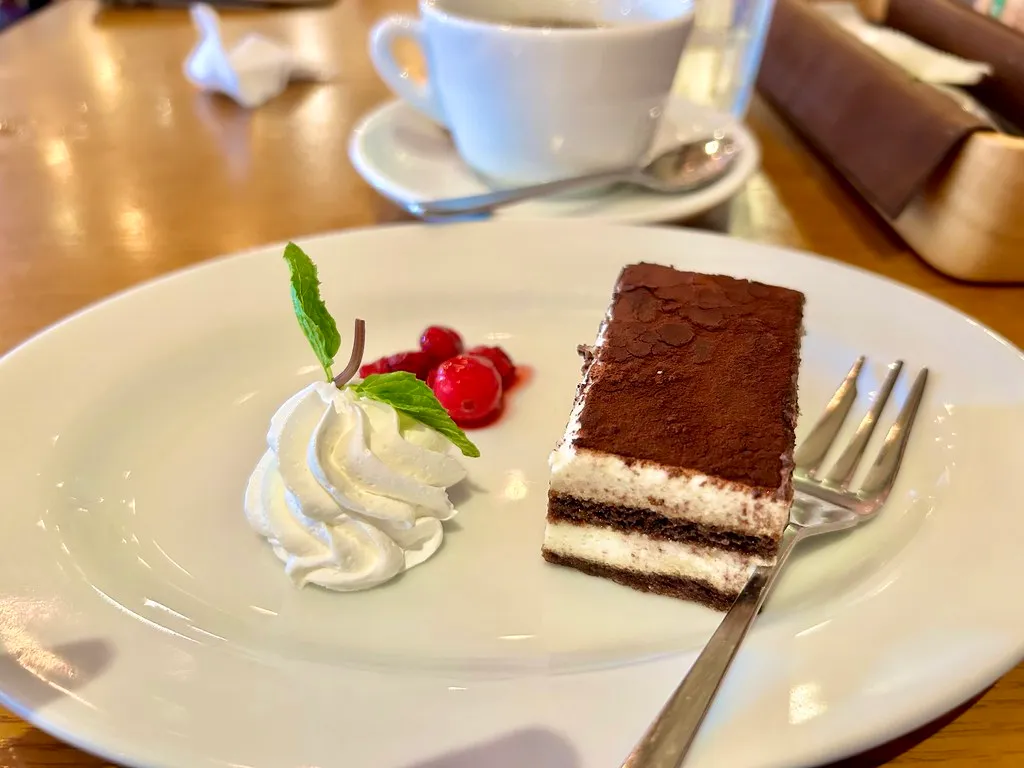
The question of who made the very first tiramisu may never be fully settled. Food history rarely offers that kind of clean resolution. What is clear is that Treviso has held onto its claim with pride ever since, and the dessert most people know from restaurants and supermarkets around the world was first made in this small city in northern Italy.
The Treviso version holds official recognition as a traditional Italian product, with the Tiramisu di Treviso holding that status under Italian food heritage law. The restaurant where it was codified is still open. The recipe is on record. Nestled in northeastern Italy, Treviso is an enchanting city often overshadowed by its famous neighbor Venice, but for those seeking a serene yet culturally rich destination, Treviso offers a perfect blend of history, art, cuisine, and natural beauty. Sometimes the quieter city is the one with the better story.
AI Disclaimer: This article was created with the assistance of AI tools and reviewed by a human editor.