
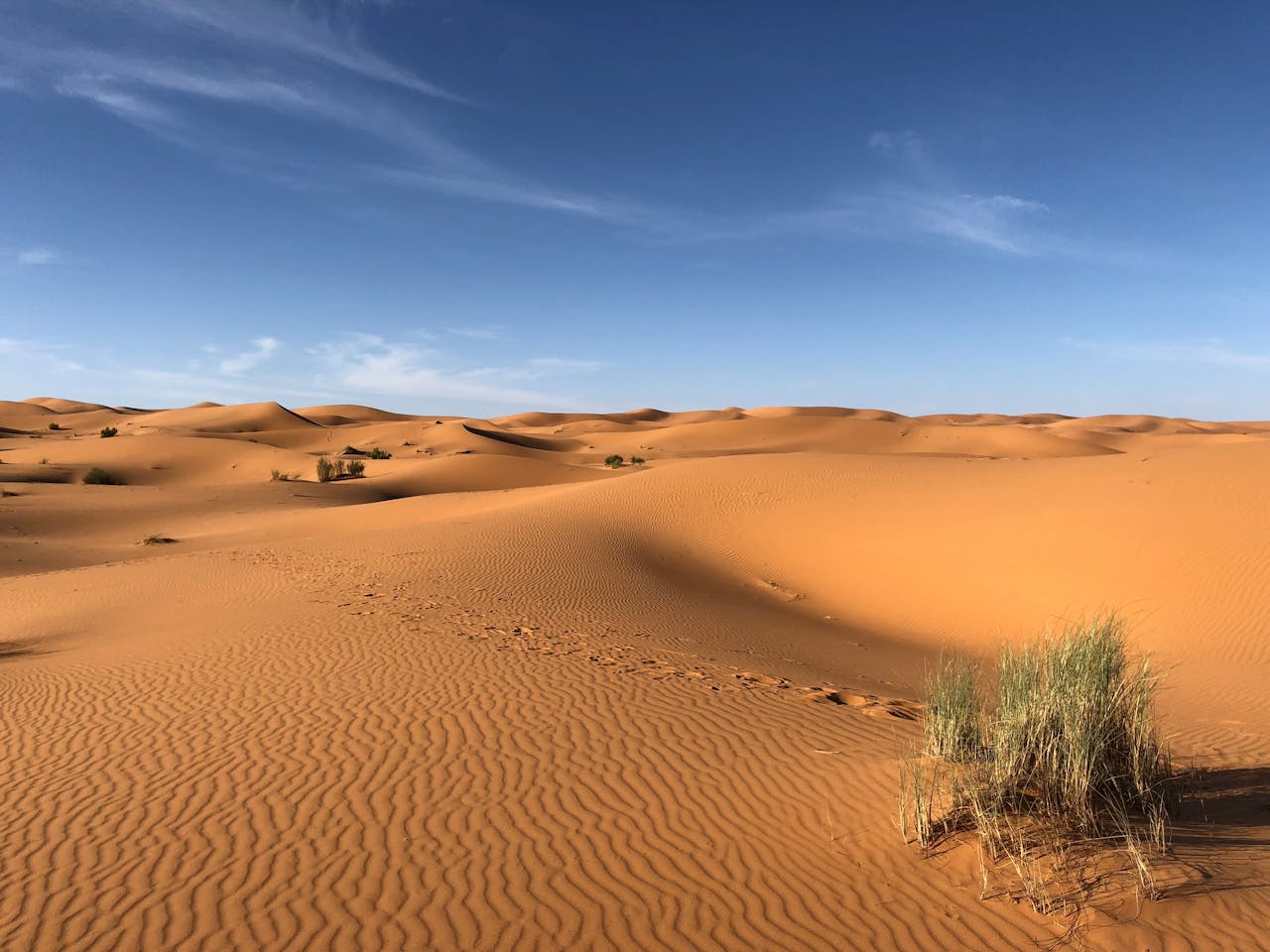

Across the vast Atlantic, a plume of fine Saharan dust has begun its long journey toward North America. This natural atmospheric event unfolds each summer, carrying mineral particles thousands of miles from the deserts of North Africa. For travelers planning coastal escapes or outdoor adventures during the height of hurricane season, the arrival brings both visual interest and practical considerations.
The Transatlantic Path of Saharan Dust
The dust originates in the Sahara and Sahel regions, lifted by strong winds and carried westward by the trade winds. Over several days, the particles traverse the ocean, sometimes reaching the Caribbean before continuing northward. This seasonal transport is a well-documented feature of Atlantic weather patterns and occurs regularly between late spring and early fall.
By the time the plume approaches the southeastern United States and Gulf Coast, it has often spread into a broad layer high in the atmosphere. The journey itself highlights the interconnected nature of global weather systems, linking distant desert landscapes with American shorelines in a quiet but persistent way.
Alignment with Peak Hurricane Season
July marks the traditional start of the most active period for Atlantic tropical systems. The same atmospheric conditions that steer Saharan dust across the ocean also influence the development and movement of storms. Travelers monitoring both phenomena will notice that the dust layer can sometimes interact with these broader patterns, though each event follows its own trajectory.
Coastal communities from Florida through Texas often experience these arrivals during the same weeks when beach vacations and island getaways are at their busiest. The timing invites visitors to appreciate the sky’s changing character while remaining attentive to seasonal forecasts from official sources.
Effects on Air Quality and Sensitive Travelers
The fine particles can reduce visibility and influence air quality, particularly for individuals with asthma, allergies, or other respiratory conditions. Health agencies typically advise those in affected areas to limit prolonged outdoor exertion when concentrations rise. Most travelers without underlying sensitivities notice little more than a slight haze or softer light.
Because the dust travels at altitude before settling, impacts tend to be temporary and vary by location and wind patterns. Checking local air-quality reports remains the most reliable way to plan daily activities, allowing visitors to adjust hiking, kayaking, or waterfront dining with ease.
Practical Considerations for Summer Travel
Many coastal destinations experience the dust as a subtle veil that softens sunlight and can produce striking sunset colors. Photographers and sunset watchers often find the altered skies memorable, while beachgoers may notice a faint film on surfaces near the water. These effects are usually short-lived and do not alter the fundamental appeal of the shoreline.
Travelers can prepare by packing any necessary medications, staying hydrated, and keeping flexible itineraries. Resorts and parks in the region continue to operate normally, and the phenomenon offers a reminder of the dynamic natural processes that shape summer skies each year.
Key points for visitors
- Monitor local air-quality updates from trusted agencies before extended outdoor time.
- Expect possible hazy conditions and enhanced sunset hues rather than dramatic changes.
- Continue with planned beach, boating, or sightseeing activities while remaining attentive to personal comfort.
- Recognize the event as a recurring seasonal occurrence tied to broader Atlantic weather patterns.
Ultimately, the arrival of Saharan dust serves as a gentle illustration of how far natural systems reach. For those traveling responsibly along the Gulf and Atlantic coasts this summer, it adds one more layer of interest to an already dynamic season.
AI Disclaimer: This article was created with the assistance of AI tools and reviewed by a human editor.