
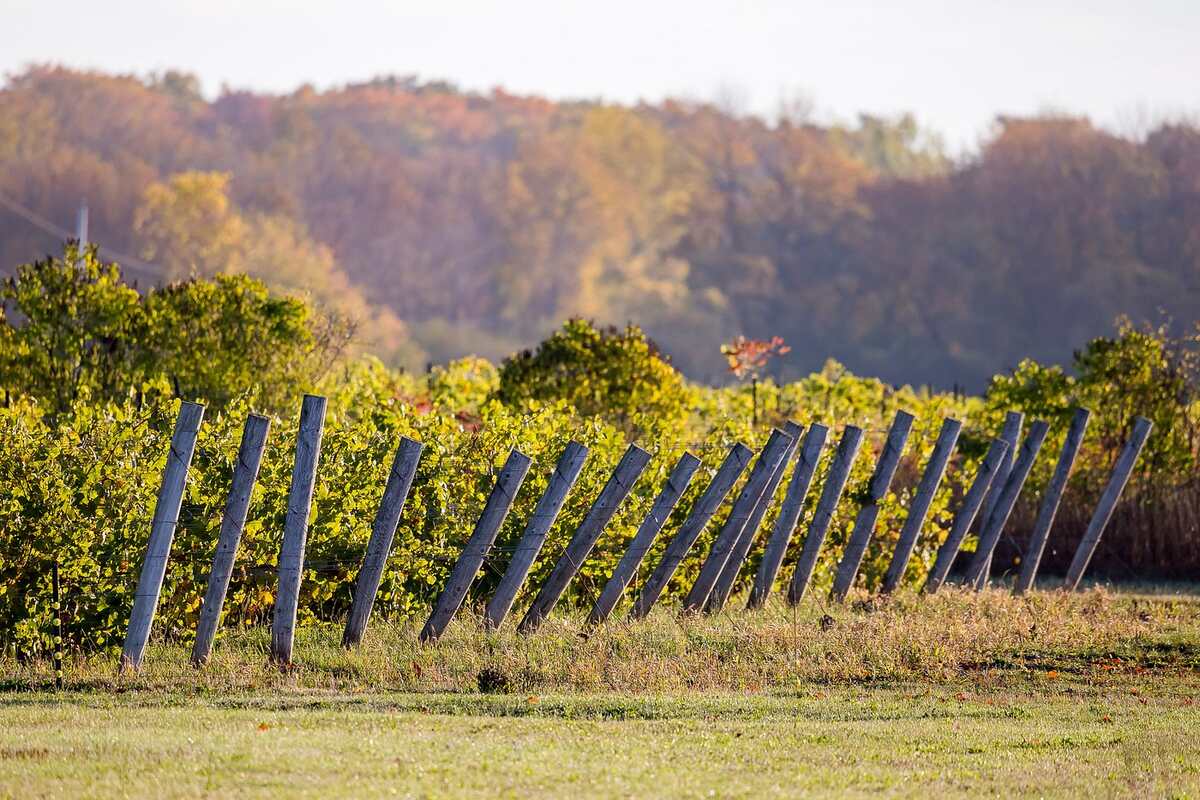

Texas Hill Country doesn’t look like wine country at first glance. The limestone ridges, cedar-dotted slopes, and blazing summer heat seem more fitting for longhorns than for grapevines. Yet this rugged stretch of central Texas has become one of the most exciting wine regions in the United States, and increasingly, a place where sustainability isn’t just a marketing claim but a genuine operating philosophy.
The Texas wine industry now includes a total of 617 wine producers and more than 14,000 acres of vineyards statewide. The industry contributes $24.39 billion in economic impact to the state, up from $20.35 billion three years ago, a nearly twenty percent increase. Texas now ranks second in economic impact behind only California, despite being fourth in number of wineries. What’s driving that ascent, at least in part, is a growing commitment to farming the land thoughtfully rather than extracting from it.
A Region Built on Ancient Limestone and Big Ambitions
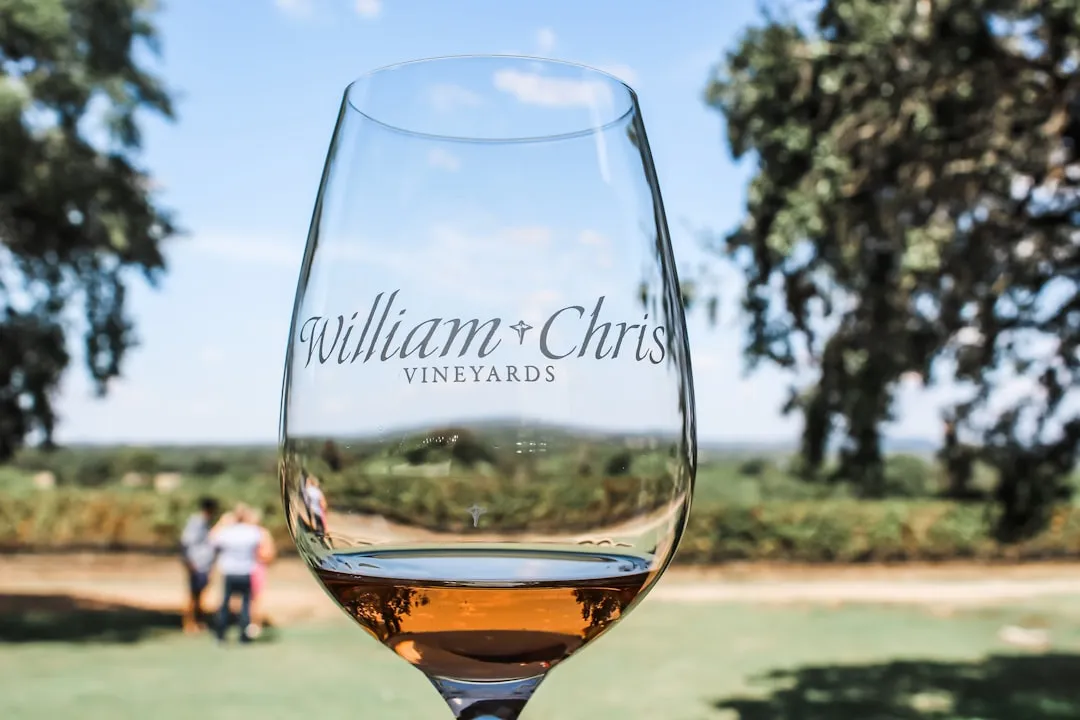
The Texas Hill Country AVA, established in 1991 and located just west of Austin, spans over nine million acres, making it the second-largest AVA in the United States, though fewer than 800 acres of that vast territory are currently planted with grapevines. That low density is part of what makes the region so interesting: winemakers are still figuring out which corners of the terrain work best, and the discovery is ongoing.
The region showcases a diverse terroir ranging from Edwards Plateau limestone to sandy loam soils. The warm daytime heat tempered by cool nights fosters optimal grape ripening, while indigenous varietals such as Viognier, Tempranillo, and Aglianico reflect the Mediterranean-adjacent climate. Harvest here typically begins in July, roughly two months earlier than California.
Regenerative agriculture, a holistic approach to farming that emphasizes soil health and biodiversity, has gained traction among Texas vineyards, reshaping how growers think about their land from season to season rather than year to year.
William Chris Vineyards: A Global Benchmark for Texas Wine
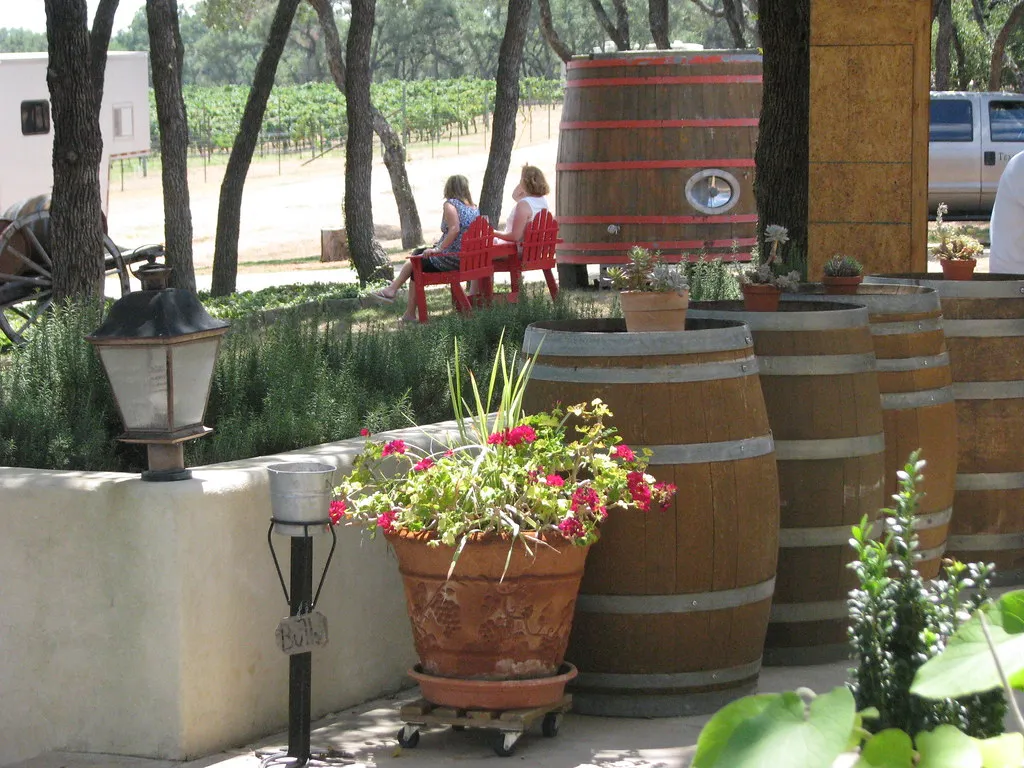
William Chris Vineyards sits just off Highway 290 in the tiny Hill Country town of Hye. The property features rolling hills, big sky views, and a tasting room framed by live oaks and estate vines. It’s the kind of place that makes you slow down, which turns out to be part of the point.
It has been named No. 31 on the 2025 World’s 50 Best Vineyards list, making this the first time a Texas winery has placed on this portion of the list. The 32-place recovery has been described as phenomenal, with the vineyard’s ethos called out as “distinctly and proudly Texan.”
The World’s Best Vineyards program specifically calls out estates that protect their land and farm responsibly. William Chris has been recognized publicly for sustainable practices and a vineyard-forward mindset, which in practical terms means thoughtful farming partnerships, careful site selection, long-term soil health priorities, and winemaking choices designed to preserve purity.
Pedernales Cellars: Engineering Sustainability Into the Stone
The Kuhlken family that owns Pedernales Cellars has been growing grapes in the Texas Hill Country since 1995. Over the decades, they have experimented with varieties to discover ones that thrive in the Texas climate with the least amount of chemical intervention.
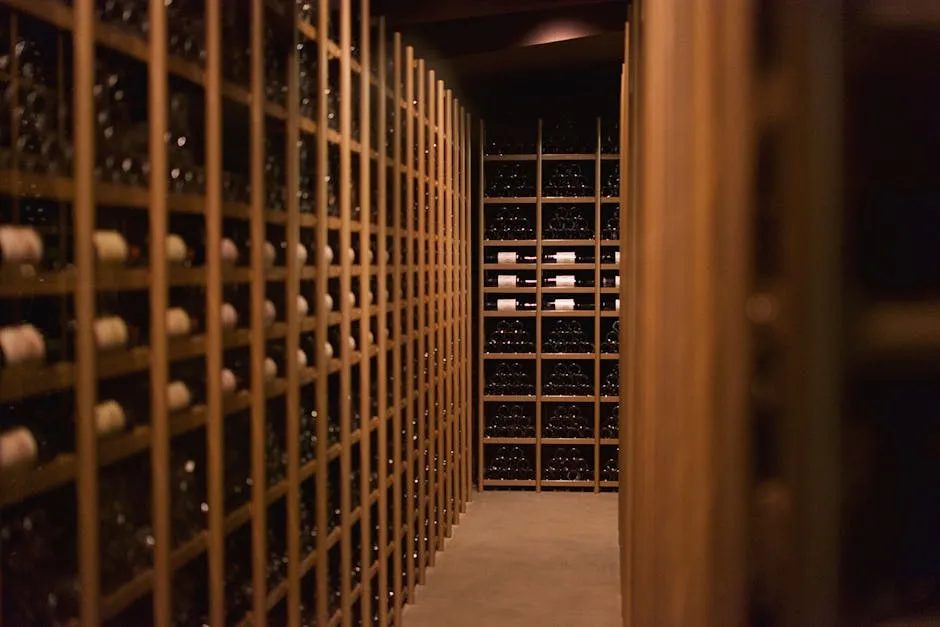
Housed in Texas’s largest underground limestone cellar, the winery operates sustainably through geothermal cooling, rainwater harvesting, composting, and integrated vineyard pest control. The cellar and case storage facility uses a geothermal cooling system, cutting energy use by half. These aren’t retrofitted afterthoughts. They were built into the design from the start.
Pedernales minimizes water use through ground cover management and promotes natural pest management through the use of local species. Compost from the winery is also recycled back into the vineyard. Owned and operated by a sixth-generation Texas family, Pedernales Cellars cultivates ecologically sound and environmentally sustainable practices in order to pass its legacy to future generations.
Bending Branch Winery: Science, Tannat, and Texas White Oak
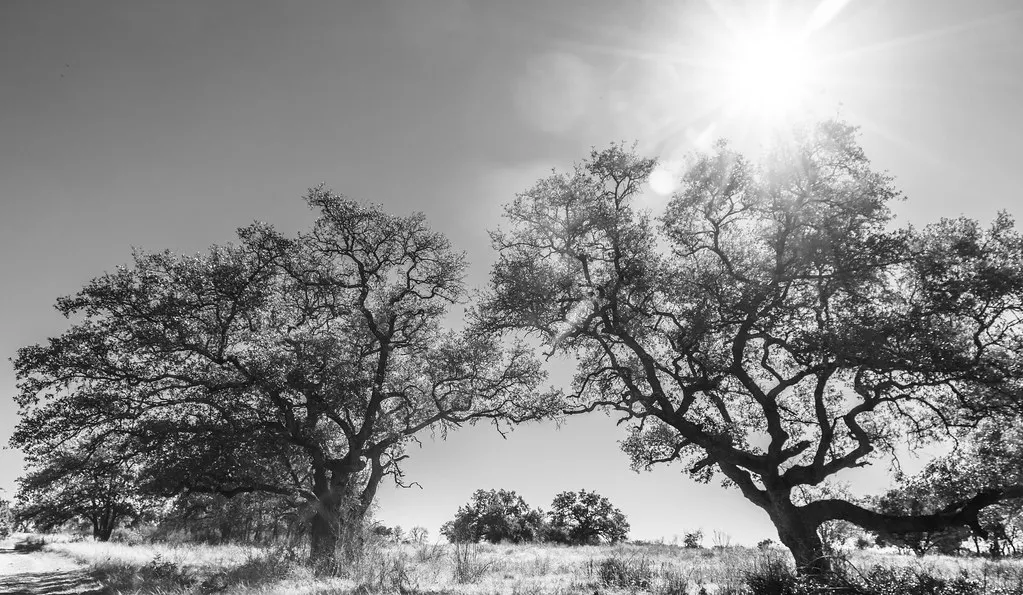
Bending Branch was co-founded in 2009 by Winemaker Bob Young, M.D., and his wife Brenda. The winery uses innovative winemaking processes such as cryo-maceration and flash détente to improve the color, structure, and flavor of red wines. It is, to put it plainly, the most scientifically minded winery in the Hill Country.
Bending Branch Winery was recently named a 2024 Hot Brand by WineBusiness Monthly, recognized for its innovation, experimentation, and sustainability. It became the first winery ever to use Texas white oak as part of its wine aging program, selecting this new oak profile to add another layer of Texas terroir to its wines.
The winery worked with an East Texas sawmill to harvest white oak from an East Texas forest and cut it into boards seasoned over two years. As a first step, the winery elected to produce Texas oak chains as a sustainable method to age Texas wine, toasted to different levels and placed in neutral oak barrels filled with various Texas wine varieties. Bending Branch Winery was also awarded Grand Champion at the 2020 FWSSR / BRIT Texas Sustainable Winegrowing Competition.
Halter Ranch Texas: The Only Certified Organic Vineyard in the State
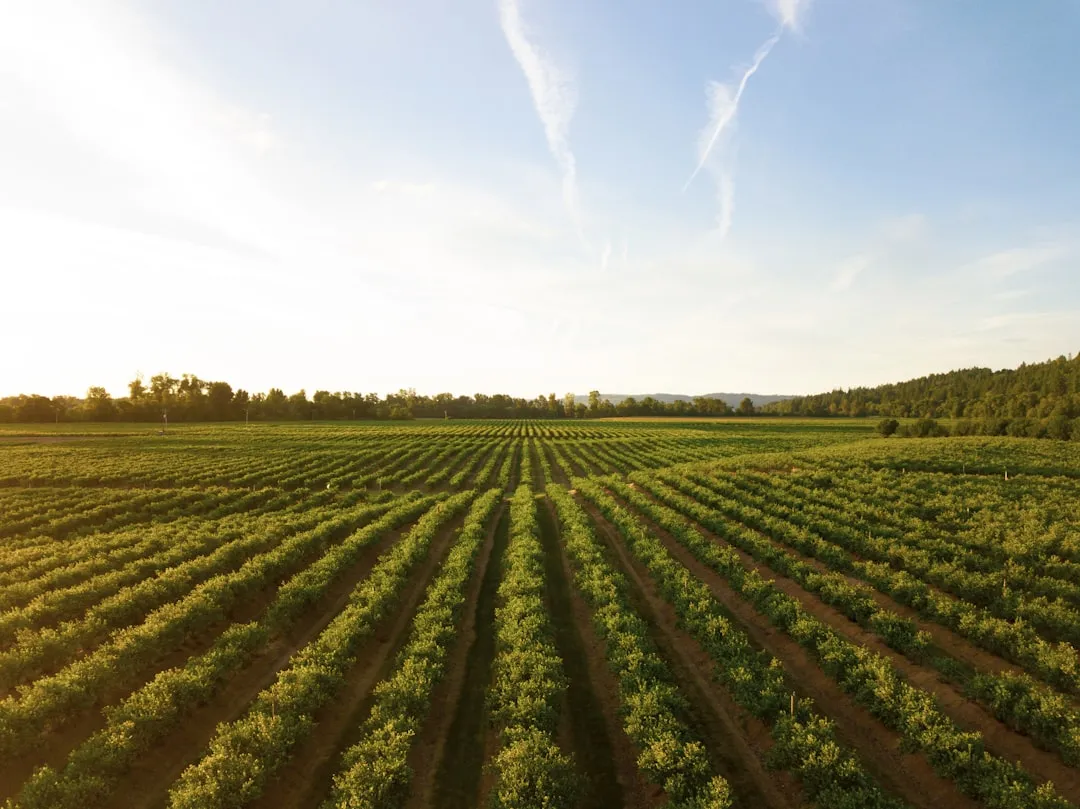
Known for its 100 percent certified organic grapes, Halter Ranch opened a new winery in Hill Country in May 2024, right on State Highway 290, a strip known as Wine Road 290. The result is the only certified organic vineyard in Texas, given that designation by California Certified Organic Farmers.
The original Paso Robles estate, established in 2000, focuses on organic farming practices, such as using sheep for weed control and fertilizer while eliminating pesticides, synthetic fertilizers, and herbicides. Those same standards have now been brought to Texas, which is no small feat in this climate.
Texas overall doesn’t grow organic grapes, mainly because of disease. Grapes are highly susceptible to a wide range of pests and diseases, particularly fungal infections, and organic control methods are less effective than traditional pesticides. In the spring of 2025, the small on-site Halter Ranch Texas vineyard in Fredericksburg started its own grape-growing endeavors with blanc du bois grapes, which will be made into a sparkling wine in the next three to four years when the grapes are in full production.
Sandy Road Vineyards: A Century of Farming, Now in the Glass
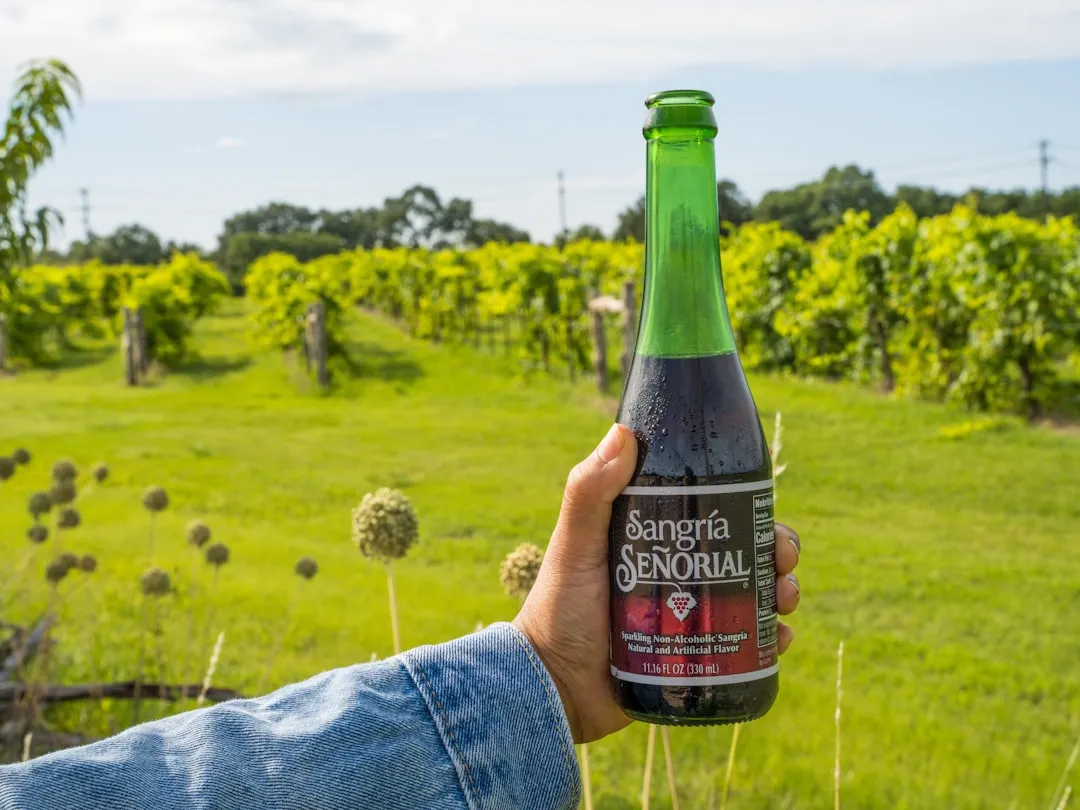
Sandy Road Vineyards is a family-owned, award-winning winery rooted in tradition, passion, and a deep respect for the land. The family has been farming this historic Texas Hill Country property since 1924. In 2016, they began planting their estate vineyard with a dream to grow and craft exceptional Texas wines by hand, from vine to bottle.
High-quality handcrafted wines are respectfully made with naturally and sustainably grown 100 percent Texas grapes. The team believes great wine begins in the vineyard, and they proudly grow, harvest, and handcraft all their own wines. Their Sandy Road Texas Chardonnay 2023 was awarded a Gold medal at the TEXSOM International Wine Competition.
The Texas Fine Wine Collective: Sustainability as a Shared Standard
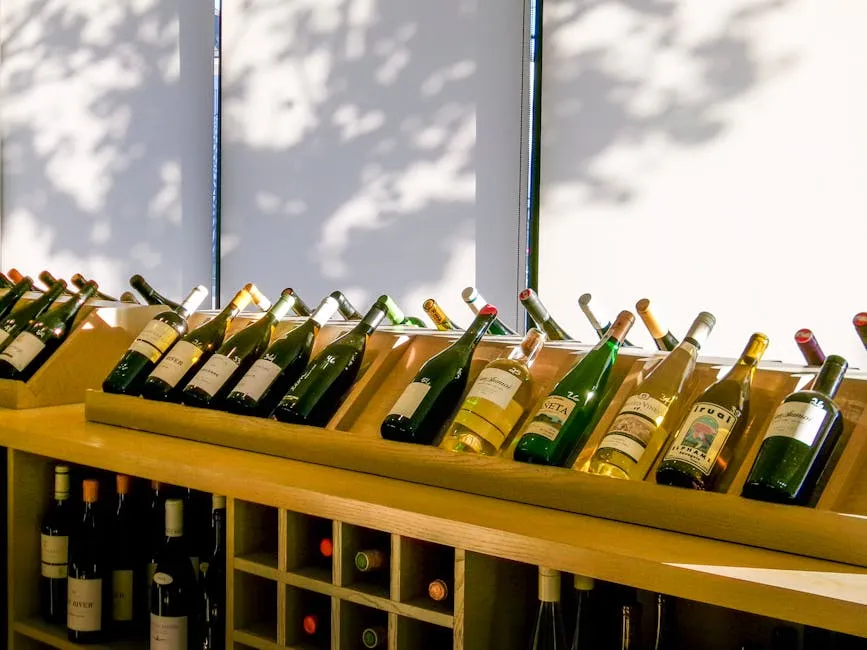
Bending Branch Winery, Duchman Family Winery, Pedernales Cellars, and Spicewood Vineyards formed Texas Fine Wine, a small group with a big goal: elevating Texas terroir worldwide. The collaboration began in 2014 and continues to shape how the Hill Country presents itself to outside markets.
In their quest for quality, Texas Fine Wine members adopted sustainability long before current wine industry efforts. These wineries committed to sustainability long before it became a standard talking point in the wine world, with Pedernales Cellars installing a geothermal cooling system from the very start of construction.
After more than a decade, Texas Fine Wine’s camaraderie, can-do spirit, and commitment to sustainability prove a formidable combination, benefiting not just the wineries but the entire Texas wine industry. Their cooperative approach has helped smaller producers gain access to research, markets, and credibility that would be nearly impossible to build alone.
Spicewood Vineyards: Farming Through Extreme Weather
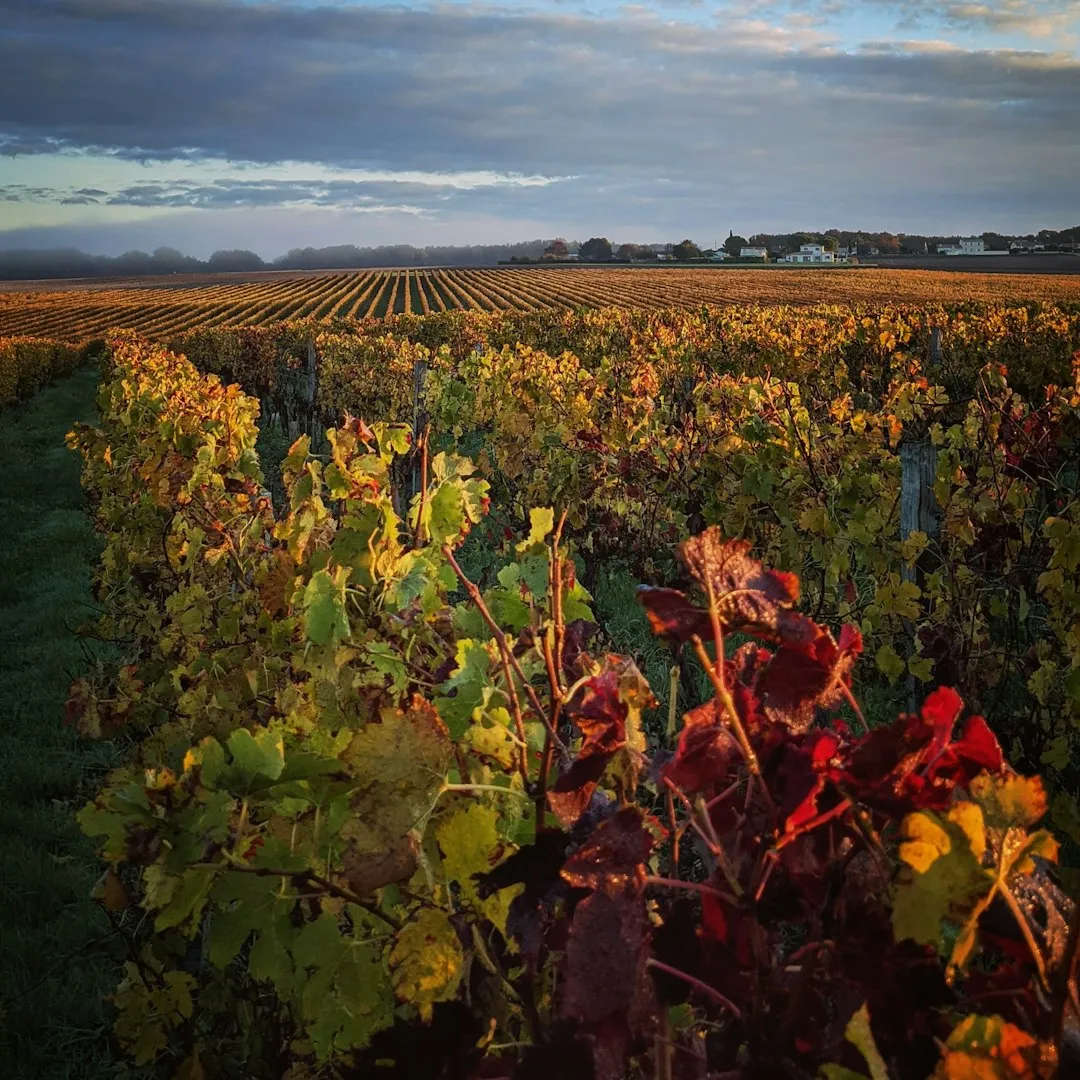
Spicewood Vineyards has been dealing with freak frosts, late spring freezes, and summer heat domes for years. The winery employs vineyard practices to protect and nourish vines through these conditions, from netting the vineyard to prevent hail damage to wider vine spacing, leaf pulling, and higher fruiting zones to encourage more airflow, reduce sun reflection off the ground, and support cooler nighttime temperatures.
Given unforgiving climate challenges, Spicewood continues to look for and invest in vineyards in different locations throughout the state, many of which are at higher elevations of 3,000 to 4,000 feet, with significant diurnal shifts or protected from cold air by mountain ranges. This is climate adaptation in real time, not in a policy document.
Water, Technology, and the Practical Side of Going Green
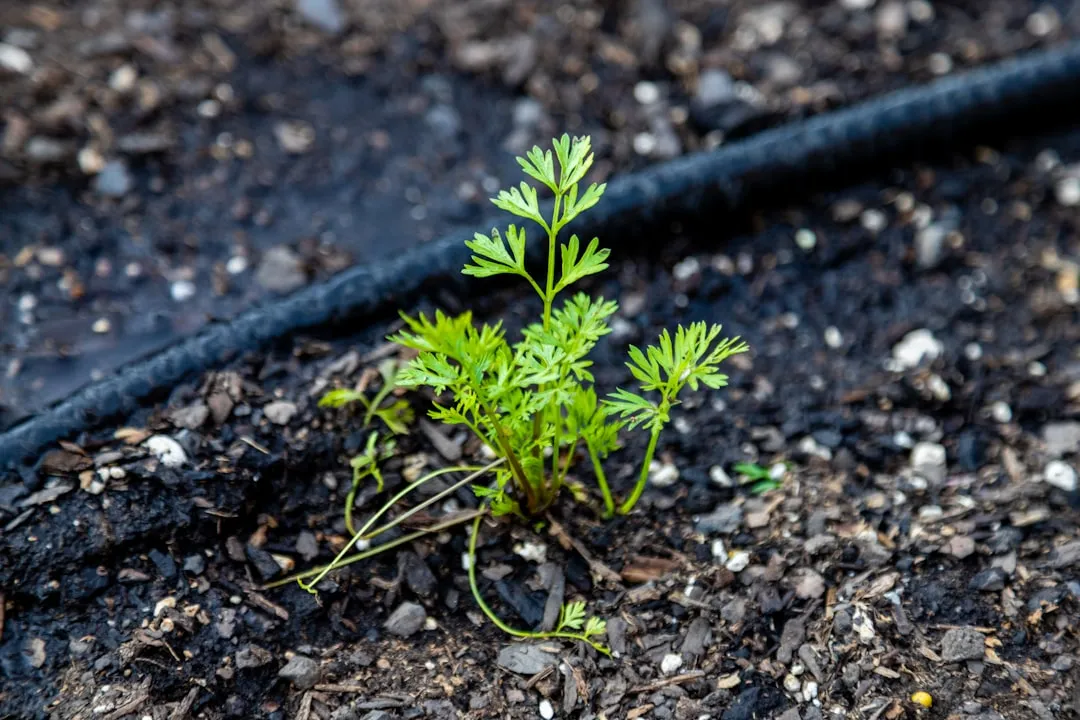
Water conservation is a critical focus across Hill Country vineyards. From advanced drip irrigation systems to rainwater harvesting, wineries are finding innovative ways to preserve this precious resource. These efforts not only demonstrate environmental stewardship but also resonate with eco-conscious consumers who are increasingly looking to support sustainable brands.
The Texas wine industry is embracing technology to stay competitive and improve efficiency. Precision viticulture, powered by data analytics and drone technology, allows vineyard managers to monitor vine health, optimize irrigation, and predict yields with remarkable accuracy. Automated harvesting equipment is also becoming more prevalent, helping wineries address labor shortages and maintain high standards of grape quality.
The “One Block Challenge” in Texas has emerged as the primary focus for Phase 2 of the Sustainability in Texas Wine project, led by Dr. Colleen Myles of Texas State University, bringing together researchers and producers to align on what genuinely sustainable viticulture looks like in this specific region.
Wine Tourism, Economic Impact, and Why It All Matters

The Texas wine industry contributes more than $24.39 billion of economic value to the state, supports 136,700 full-time jobs paying $6.9 billion in wages, and draws 2.64 million tourist visits to Texas wineries with over $503 million in annual tourism expenditures.
At the San Francisco Chronicle Wine Competition in January 2024, Texan wines won 295 awards, second only to California. In total, 105 Texan wineries received 635 top awards at global competitions that year. The numbers reflect a shift in how the world is beginning to view Texas wine, not as a curiosity but as a genuine peer.
Sustainability-conscious consumers are increasingly seeking wines that tell a story of environmental and social responsibility. By emphasizing their sustainable practices and unique terroir, Texas wineries are connecting with this growing market segment in a way that no amount of advertising alone could accomplish. The vineyards themselves have become the message.
The Hill Country doesn’t offer an easy environment to farm. The heat is real, the frost risk is real, and the humidity that rolls in off the Gulf can flatten a crop in one bad season. What’s remarkable is that the producers working this land have largely decided that those challenges are worth meeting with restraint and ingenuity rather than chemical brute force. That choice, repeated across dozens of operations and hundreds of acres, is quietly turning a rugged Texas landscape into one of the more compelling sustainable wine regions in the country. The bottles are getting better. The land, with some luck and a lot of careful tending, is getting better too.
AI Disclaimer: This article was created with the assistance of AI tools and reviewed by a human editor.