
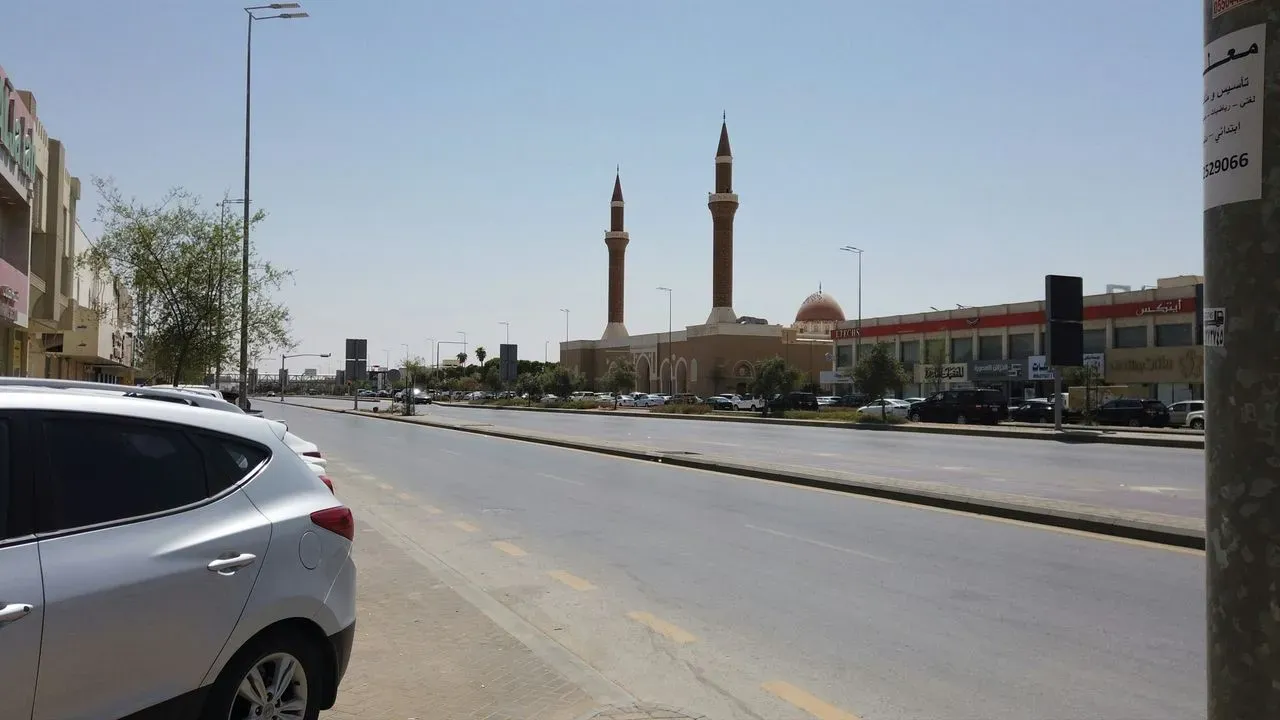

A traveler stepped off a late flight into Bahrain, the small island kingdom linked to its larger neighbor by the King Fahd Causeway. Thirty-seven years had passed since the last departure from Saudi Arabia, and the immediate plan centered on hiring a taxi for the crossing and settling into a hotel on the other side. The sixteen-mile ribbon of concrete across the Gulf served as both a practical route and a threshold between past and present. ([1])
The Practical Mechanics of Reentry
Border procedures at the causeway have long required coordination between Bahrain and Saudi authorities, with travelers managing documentation, vehicle checks, and timing around operating hours. A midnight arrival narrows options to reliable taxi services that handle the formalities and the drive itself. The causeway remains the primary land link, carrying steady traffic of commuters, commercial vehicles, and now a growing number of leisure travelers exploring the region. These logistics reflect broader policy adjustments that have eased entry for international visitors while maintaining standard security protocols. Travelers benefit from clearer signage, updated customs processes, and expanded hospitality infrastructure on the Saudi side. The result is a smoother transition for those returning after long absences, turning what once felt like a distant frontier into a manageable connection.
Policy Shifts and Their Direct Effects on Travelers
Saudi Arabia’s measured expansion of tourism access has produced concrete changes for people with personal ties to the country. Visa frameworks now accommodate a wider range of visitors, shortening the gap between decision and departure for many. Hotels and transport operators have adjusted capacity and services to meet rising demand without displacing established local patterns. Stakeholders include returning expatriates, first-time cultural explorers, and regional partners in Bahrain who facilitate the causeway flow. Each group encounters updated requirements that prioritize safety and order while opening previously restricted routes. The practical outcome is greater predictability for journeys that once demanded extensive advance planning.
Emotional Layers of a Long-Absent Return
The physical act of crossing at night carries weight beyond logistics. Familiar landmarks may appear altered, yet the underlying geography and cultural rhythms persist. For someone arriving after nearly four decades, the causeway becomes a corridor where memory meets current reality. Local communities along the route continue daily life shaped by longstanding traditions and recent development. Respectful observation of these patterns allows the traveler to register both continuity and evolution without imposing external expectations. The experience underscores how personal history intersects with national progress in quiet, individual ways.
What Matters Now for Future Crossings
Sustained attention to responsible travel practices supports the ongoing integration of visitors into Saudi communities. Choosing operators that follow local guidelines and contribute to regional economies strengthens the viability of these routes. Travelers who approach the causeway crossing with preparation and cultural awareness help maintain the balance between access and preservation. The midnight journey after 37 years illustrates one thread in a larger pattern of reconnection. As policies continue to evolve, the causeway stands as a steady conduit for those ready to engage thoughtfully with the destination on its own terms.
AI Disclaimer: This article was created with the assistance of AI tools and reviewed by a human editor.