
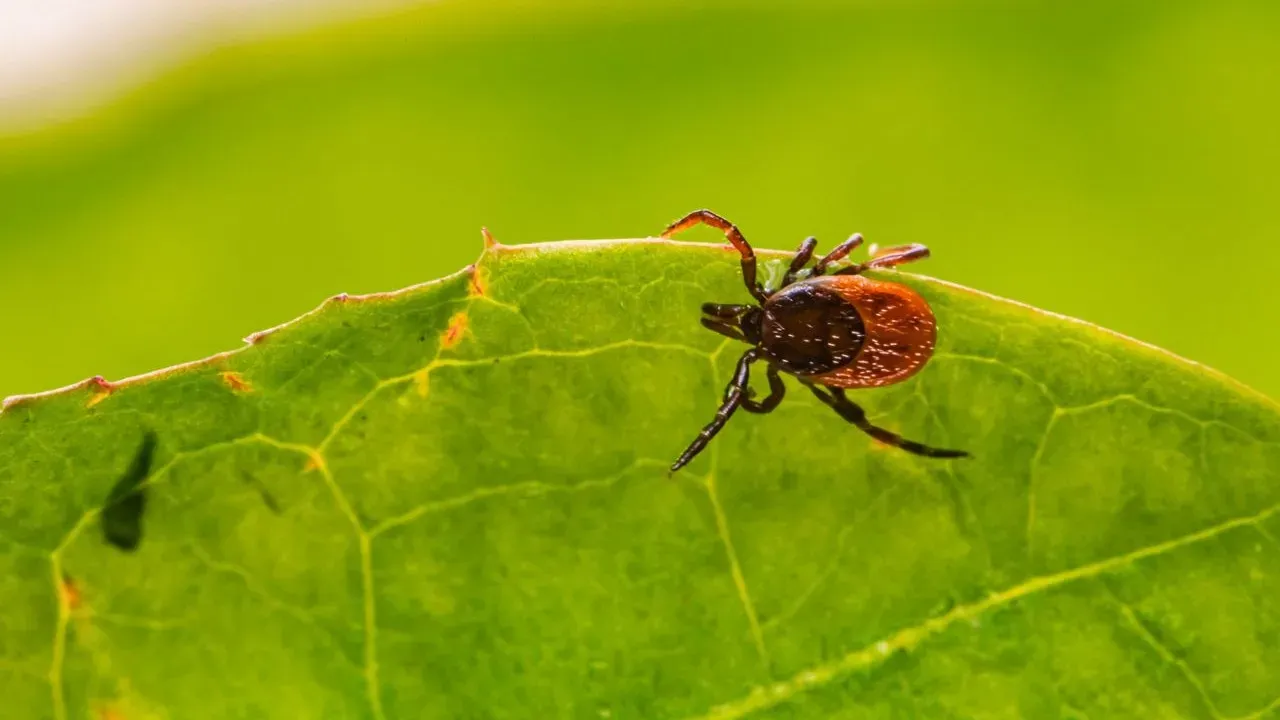

The Asian longhorned tick has quietly established itself across portions of the United States in recent years, turning familiar hiking trails and backyard edges into places where a newly identified virus now warrants thoughtful attention. Scientists in China recently described the pathogen, known as the Asian longhorned tick nairovirus, after investigating cases that did not match previously known tick-borne illnesses. The finding arrives at a moment when many travelers are planning fall hikes, camping trips, and time in wooded or grassy landscapes.
The Discovery and Its Context
Researchers isolated the virus while studying patients in regions where tick-borne diseases are already common. Roughly one in ten of the individuals they examined carried the new pathogen, and the rate rose among those who tested negative for a related illness. The virus produces symptoms that overlap with other tick-borne conditions, including fatigue, gastrointestinal discomfort, and changes in blood counts. Most people appear to recover without lasting effects when infected by this virus alone. The same tick species that carries it in Asia has been present in the United States for some time, though the virus itself has not been detected in American ticks so far. This distinction matters for travelers who want accurate information rather than speculation. The overlap between the new virus and an existing one can lead to more pronounced symptoms in coinfection cases, underscoring why precise diagnosis remains important in affected regions.
Where the Tick Has Taken Hold
The Asian longhorned tick reproduces without mating, allowing populations to grow rapidly once established. It has been documented in multiple states, often in areas that support dense vegetation and wildlife movement. Travelers heading into the Northeast, Mid-Atlantic, and parts of the Southeast may encounter suitable habitat, though the tick also appears in scattered locations farther west. Because the species can thrive in both rural and suburban settings, simple awareness helps protect time spent outdoors. The tick’s presence does not mean every outing carries elevated risk, yet it does invite consistent habits that have long served hikers and campers well.
Recognizing Symptoms and Seeking Care
Early signs can include fever, profound tiredness, stomach upset, or laboratory changes such as lowered platelet levels. These features alone do not confirm infection, and many other conditions produce similar effects. Travelers who develop symptoms after time in tick habitat are encouraged to mention any possible exposure to their healthcare provider. Prompt communication supports better testing decisions and timely support. Most documented cases have resolved with standard care, yet coinfection with another tick-borne virus can complicate recovery and warrants professional evaluation.
Protective Steps That Fit Naturally Into Travel Routines
Standard precautions remain the most reliable defense. Wearing long sleeves and pants in lighter colors makes ticks easier to spot. Tucking pant legs into socks and applying EPA-registered repellents on clothing and exposed skin adds another layer. After returning from trails or campsites, a thorough check of clothing, gear, and skin – especially in warm, hidden areas – catches ticks before they attach. Removing any found tick promptly with fine-tipped tweezers reduces the window for transmission. These steps integrate smoothly into the rhythm of a day spent outdoors and support continued enjoyment of natural places. Travelers who value time in the landscape can carry this knowledge as one more tool for responsible exploration. The discovery expands understanding of what ticks may carry, yet it also reinforces that consistent, low-effort habits allow people to keep moving through forests, meadows, and parks with greater confidence.
AI Disclaimer: This article was created with the assistance of AI tools and reviewed by a human editor.