
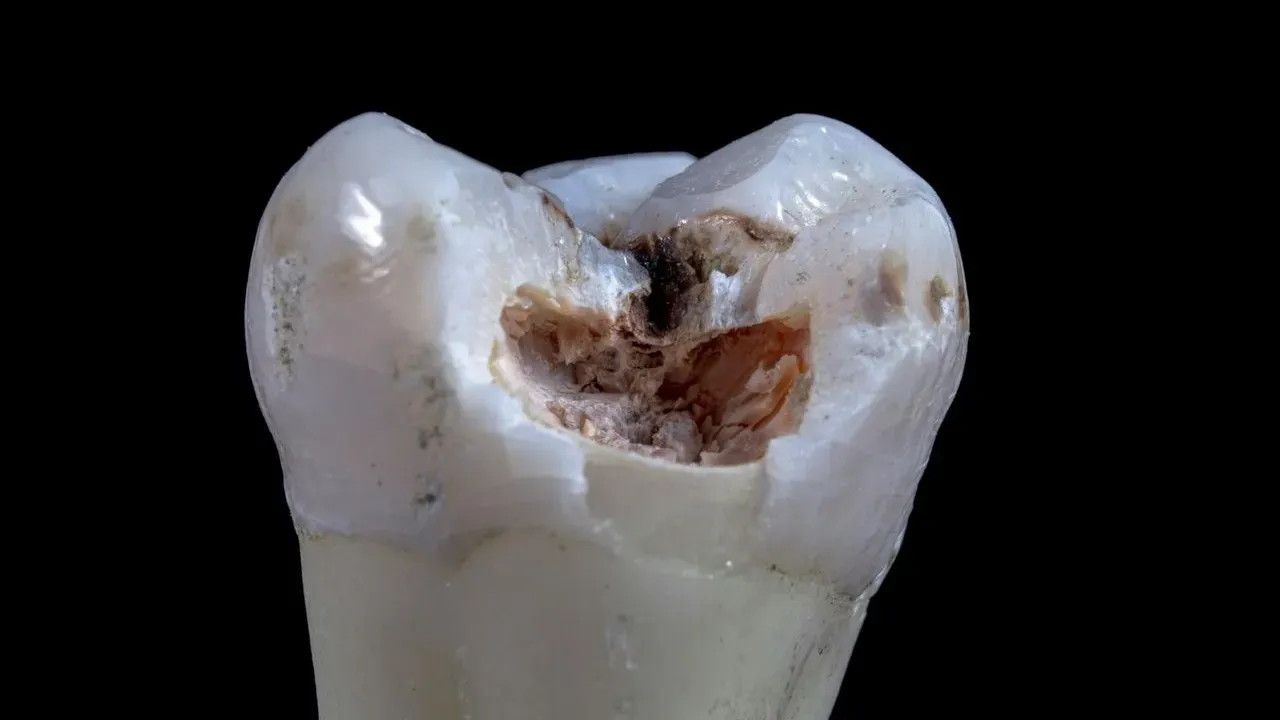

San Mateo County, California – What began as an ordinary field survey for a habitat restoration project quickly turned into an unexpected encounter with deep time. Geomorphologist Brigid Lynch spotted what appeared to be an unusual rock while working along a creek in a Midpeninsula Regional Open Space District preserve. The object proved to be a remarkably intact fossilized molar from an adult Pacific mastodon, an extinct relative of modern elephants that once ranged across parts of the western United States. The discovery highlights how everyday landscapes in the Bay Area can hold traces of a much older natural history, inviting visitors to approach familiar trails and waterways with fresh curiosity and care.
The Moment of Recognition
Lynch was conducting routine geomorphic assessments as part of ongoing efforts to improve creek habitat when the tooth caught her attention. At first glance it blended with the surrounding stones, yet its size and texture stood out upon closer inspection. Colleagues later confirmed the find through expert examination, noting its unusually complete condition for a specimen of this type. Paleontologist Wayne Thompson described the molar as being in immaculate condition, underscoring how rare such preservation can be after thousands of years. The tooth has since been transferred to Stanford University’s Doerr School of Sustainability, where researchers intend to perform carbon dating for a more precise age estimate and produce a three-dimensional scan along with an educational replica.
Context Within California’s Pleistocene Past
Pacific mastodons lived during the Pleistocene Epoch, a period that spanned roughly 2.5 million years and ended around 11,700 years ago. Their presence in what is now the Bay Area offers one more piece of evidence about the diverse wildlife that inhabited the region long before modern development. Curator Christine Garcia of Stanford’s Geoscience Specimen Collection noted that fossils provide the primary window into past biodiversity, helping scientists reconstruct ecosystems that no longer exist. The specimen is estimated to be approximately 10,000 years old, placing it near the end of the species’ range in North America. Such finds remain uncommon in urban-adjacent preserves, where natural processes and human activity have altered many surface features over millennia.
Responsible Exploration of Open Spaces
The Midpeninsula Regional Open Space District manages numerous preserves that welcome public access while protecting sensitive habitats and cultural resources. Visitors who hike, observe wildlife, or simply enjoy quiet time along creeks contribute to a broader appreciation of these landscapes when they follow posted guidelines and leave natural materials undisturbed. Lynch herself expressed surprise at the find, remarking that despite years of field work she had never encountered anything quite so striking. Her experience illustrates how attentive observation during ordinary outings can yield meaningful connections to the region’s ancient past. The district and Stanford plan to use the replica for educational programs that encourage this kind of mindful engagement with local natural history.
Looking Ahead at Preservation Efforts
The tooth will support ongoing research into regional environmental changes across the Pleistocene-Holocene transition. By studying such specimens, scientists gain clearer insight into how climate shifts and habitat alterations affected large mammals in the past. For travelers and residents alike, the story serves as a quiet reminder that California’s open spaces continue to hold stories waiting to be noticed. When approached with respect and patience, these places offer opportunities to deepen one’s understanding of the land’s layered history without disturbing its present balance.
AI Disclaimer: This article was created with the assistance of AI tools and reviewed by a human editor.