
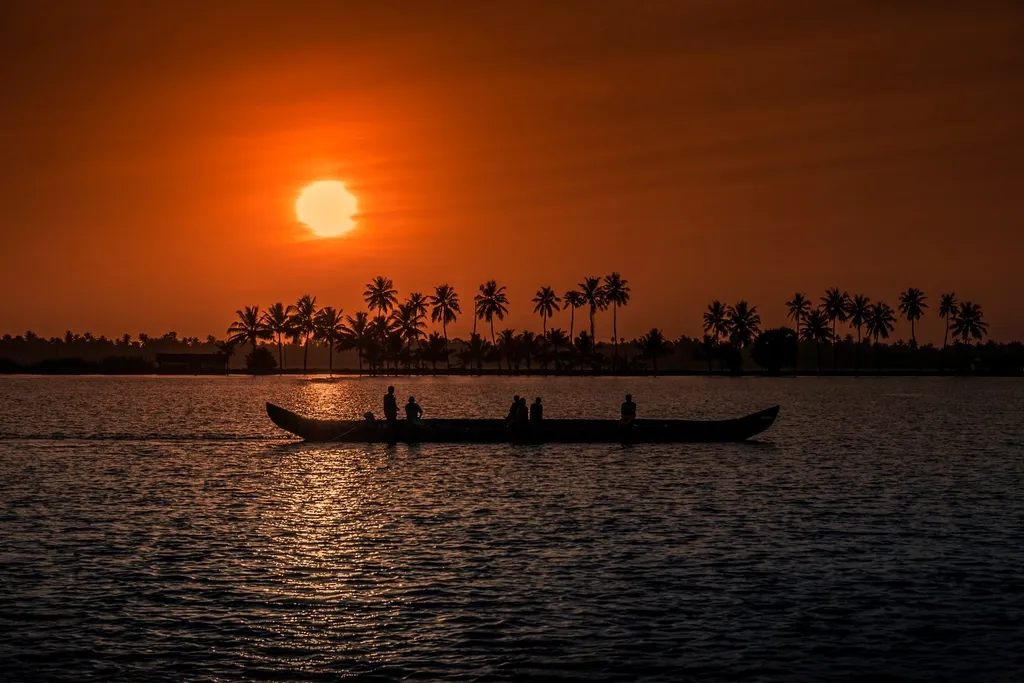

There is a particular hour just after dawn in the backwaters of Kerala when the mist hasn’t fully lifted and nothing about the world seems to be in any particular hurry. A lone canoe cuts through a narrow canal. Coconut palms lean over the water. Somewhere behind a thatched wall, rice is being washed for the morning meal. If you’ve arrived with a packed itinerary, this place will gently undo you.
Kerala’s backwaters are not a single attraction but a sprawling, living system. They reward people who slow down enough to actually notice them.
The Scale of What You’re Entering
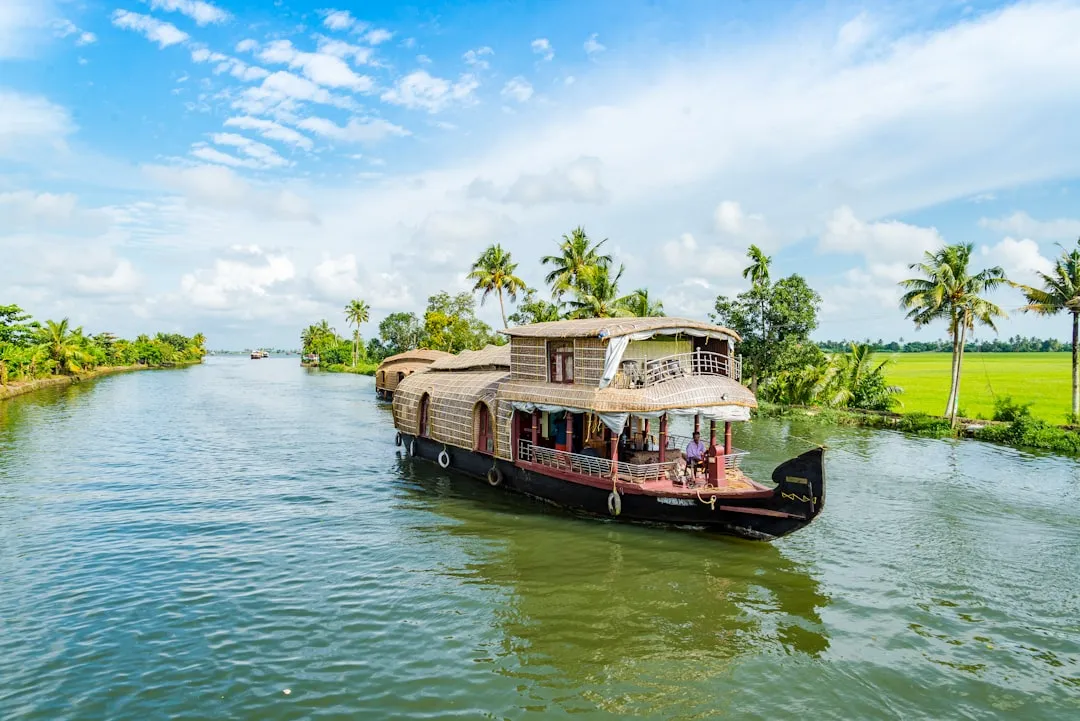
The Kerala backwaters are a network of brackish lagoons and canals running parallel to the Arabian Sea along the Malabar coast, forming a labyrinthine system of more than 900 kilometers of waterways, sometimes compared to bayous. That number is worth sitting with for a moment – this isn’t a river or a lake, it’s essentially a parallel world running beside the coast.
The network includes five large lakes linked by canals, both man-made and natural, fed by 38 rivers, and extending virtually half the length of the Kerala state. Vembanad Lake is the longest backwater in Kerala, as well as the longest lake in India.
The Kerala backwaters host three of the world’s Ramsar Convention-listed wetlands: Ashtamudi Lake, Sasthamkotta Lake, and the Vembanad-Kol wetlands, all noted as wetlands of international importance. Most visitors only see a fraction of what’s here, which is exactly why slowing down matters.
The Kettuvallam: A Boat With a History
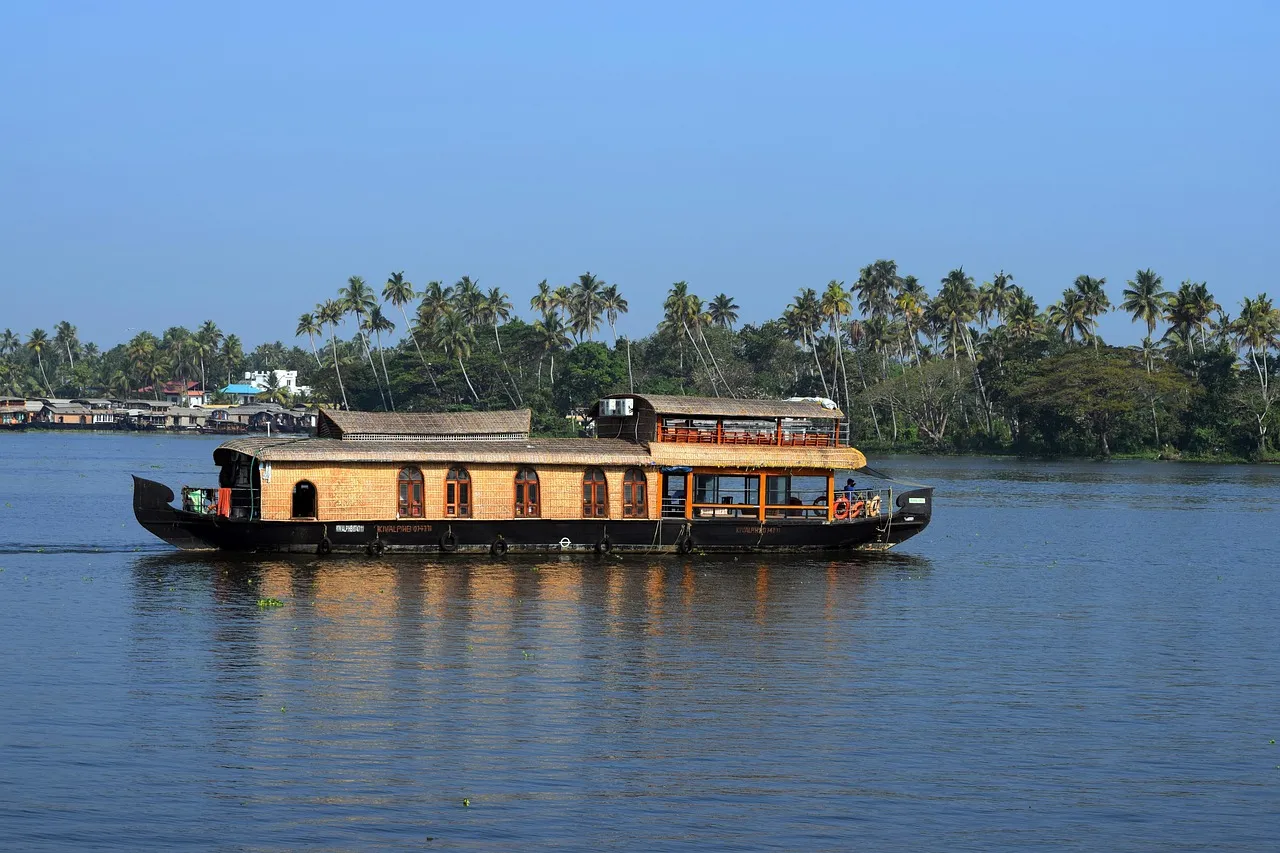
Originally, traditional boats called kettuvallams were used to transport spices, rice, and other goods through the backwaters. In the local language, “kettu” means “to tie or stitch” and “vallam” means boat – a name that refers to the traditional construction method. Even today, the boats are made from anjili wood and bamboo, and the planks are tied together with coconut or palm fibers, with not a single nail used in construction.
The houseboats that ply these waters are modified kettuvallams, or large traditional trading vessels once used for transportation of rice and spices to nearby towns. As road transport gained importance, these graceful sailing vessels faded away, only to re-emerge as floating hotels offering tourists all the luxuries of modern life.
More than 900 kettuvallams ply the backwaters, and there are various routes popular among tourists. In total, more than 2,000 of these vessels now ply the waterways, and the Kerala government has classified tourist houseboats as platinum, gold, and silver.
Alappuzha and Kumarakom: The Beating Heart of Backwater Tourism
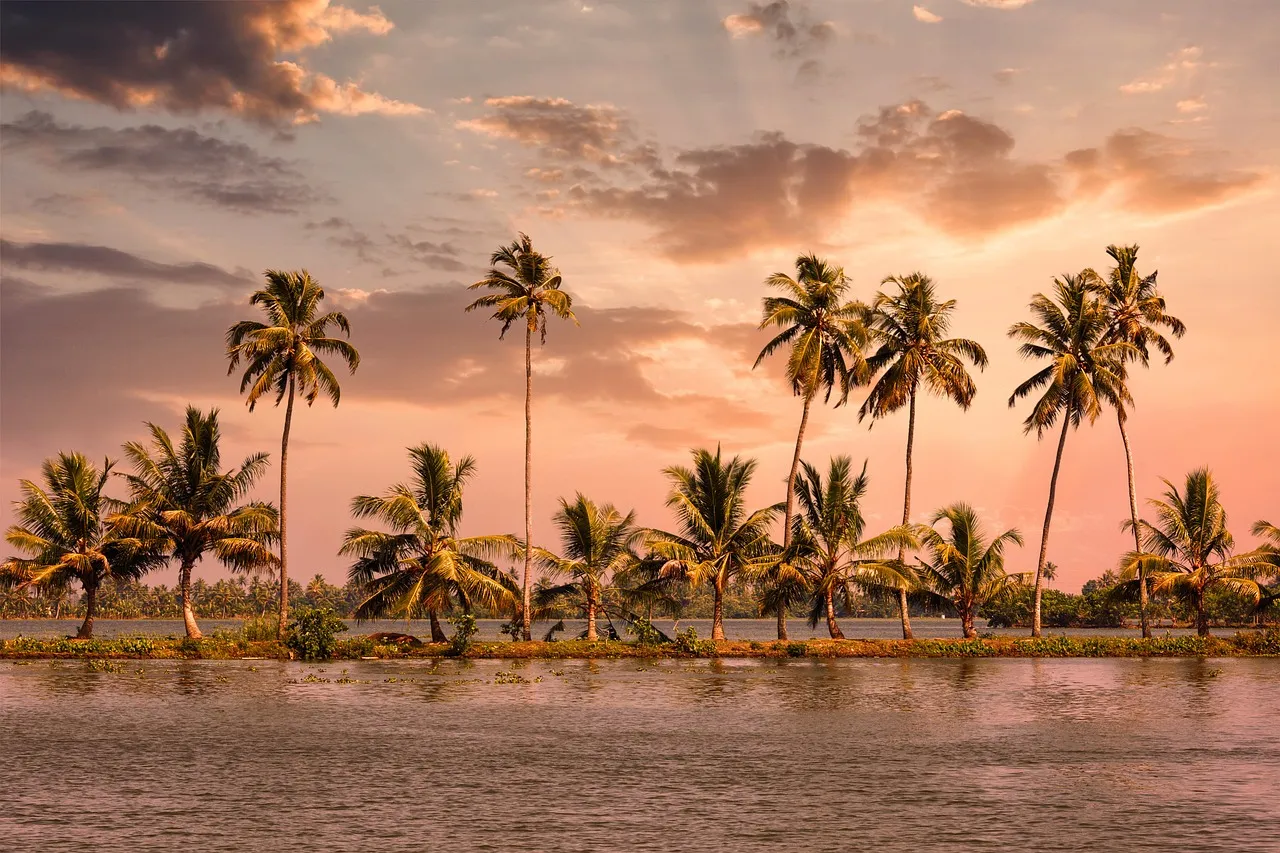
Alappuzha and Kumarakom, on Vembanad Lake, are the most popular starting points for backwater tourism, which means you’ll have endless options for activities, food, and accommodation. These two towns are the obvious entry points for a reason – the canal networks are dense, the infrastructure is solid, and the scenery is undeniably beautiful.
The most common houseboat routes are round trips from Alleppey and Kumarakom. The Alleppey waterways are made up of a mixture of wide and narrow canals, dotted with villages and paddy fields. Alleppey is also a center of coir manufacturing, with factories you can visit.
Kumarakom has wider waterways and is dominated by the vast expanse of Lake Vembanad, one of the largest freshwater lakes in Asia. Highlights include the Kumarakom Bird Sanctuary and Pathiramanal Island, where you can see cormorants, herons, and kingfishers, among many other bird species. For first-timers, either town makes a reliable base.
The Quieter Routes Worth Seeking Out
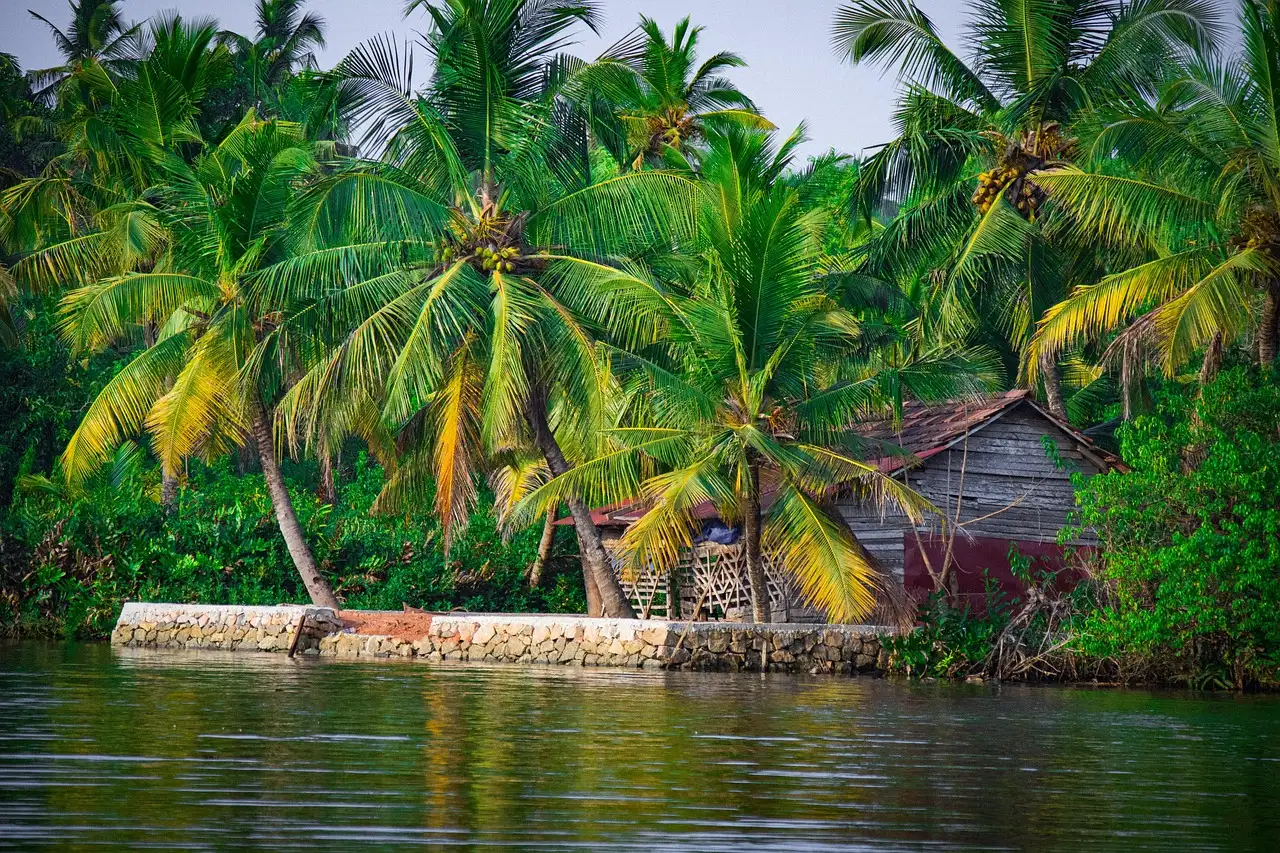
Those who want to avoid the glut of houseboats will find the unconventional Alleppey-Kuttanad route via Punnamada Lake the most appealing, encompassing quiet and calm waterways around Thottappally, Nedumudi, and Thakazhi. These stretches feel entirely different in character – less trafficked, more genuinely rural.
Kollam has grown in popularity as a backwater destination but is yet to become touristy. It offers a very different experience due to its important history, with one of the oldest trading ports on the state’s coast and a thriving cashew industry. Ashtamudi Lake is the focal point of houseboat trips in this area, featuring mangroves and migratory birds.
Houseboat tourism is still in its infancy in northern Kerala’s Kasaragod district, meaning idyllic and undisturbed waterways. There are a couple of houseboat routes here, one running between Payyanur and Kottapuram near Nileshwar, covering Valiyaparamba Island and the Kavvayi backwaters. This is about as far from the houseboat crowds as you can get while still being on the water.
Kuttanad: The Rice Bowl Below the Sea
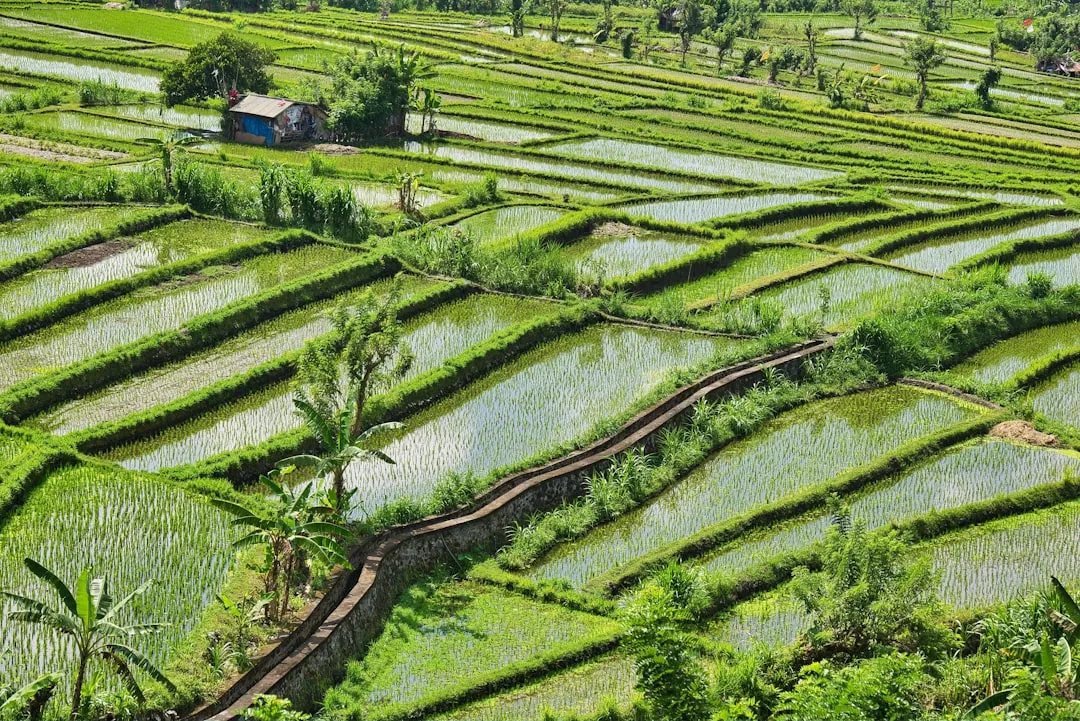
The Kuttanad district is referred to as the “rice bowl of Kerala,” and cultivation of rice here is intriguingly done below sea level. In 2013, the Food and Agriculture Organization of the United Nations formally declared this below-sea-level farming system in Kuttanad as a Globally Important Agricultural Heritage System.
Kuttanad region is crisscrossed with waterways that run alongside extensive paddy fields, as well as fields of cassava, banana, and yam. Watching farmers navigate these polders by boat, with paddy growing at or below the water line on either side, is one of the genuinely surreal sights of the backwaters.
Over centuries, local communities reshaped the hydrology using canals, bunds, polders, sluice gates, and man-made channels. The most influential is the Thanneermukkom Bund across Vembanad, built to prevent saltwater intrusion and protect the Kuttanad rice basin. That engineering decision, made in 1976, continues to shape the ecology of the region to this day.
Wildlife and the Backwater Ecosystem
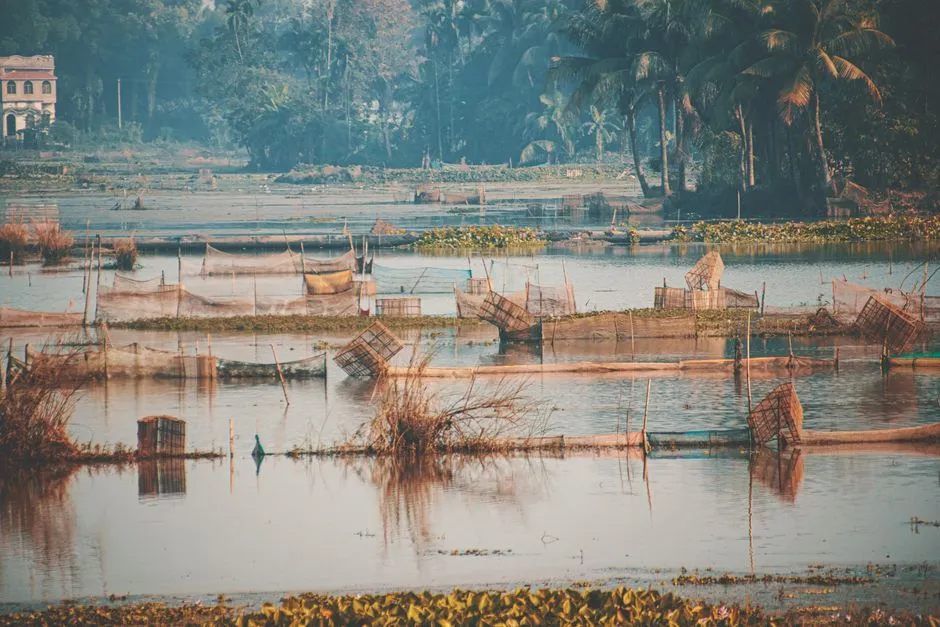
Ecologically, this vast region forms the meeting point of three systems: riverine freshwater habitats, tidal brackish estuaries, and coastal wetlands. This multiplicity of habitats explains the enormous biodiversity the backwaters sustain.
Terns, kingfishers, darters, and cormorants abound, whilst otters and turtles can be spotted along the verdant banks lined by lush palm trees and leafy vegetation. As one of the richest wetland habitats, the Vembanad-Kol region is renowned for its clams and supports the third-largest waterfowl population in India during the winter months.
What makes the backwaters ecologically singular is their dynamic freshwater-brackish gradient. This cycling salinity variation supports diverse aquatic and wetland life found nowhere else in this configuration. During the monsoon, fresh river water floods the system; in the dry season, tidal exchange increases and seawater intrudes, completing the ecological cycle.
The Ecological Pressures You Should Know About
Traveling slowly through the backwaters means you’ll eventually see what glossy travel photography tends to leave out. The environmental pressures on this system are real and well-documented, and any honest guide needs to address them.
A recent study by the Centre for Water Resources Development and Management revealed the scale of the pressure: while Vembanad Lake can safely accommodate 461 houseboats, 954 now ply its waters, joined by 241 shikaras, 404 motorboats, and 1,625 country boats ferrying tourists daily. Untreated sewage, churning wakes, and diesel pollution are steadily degrading the ecosystem.
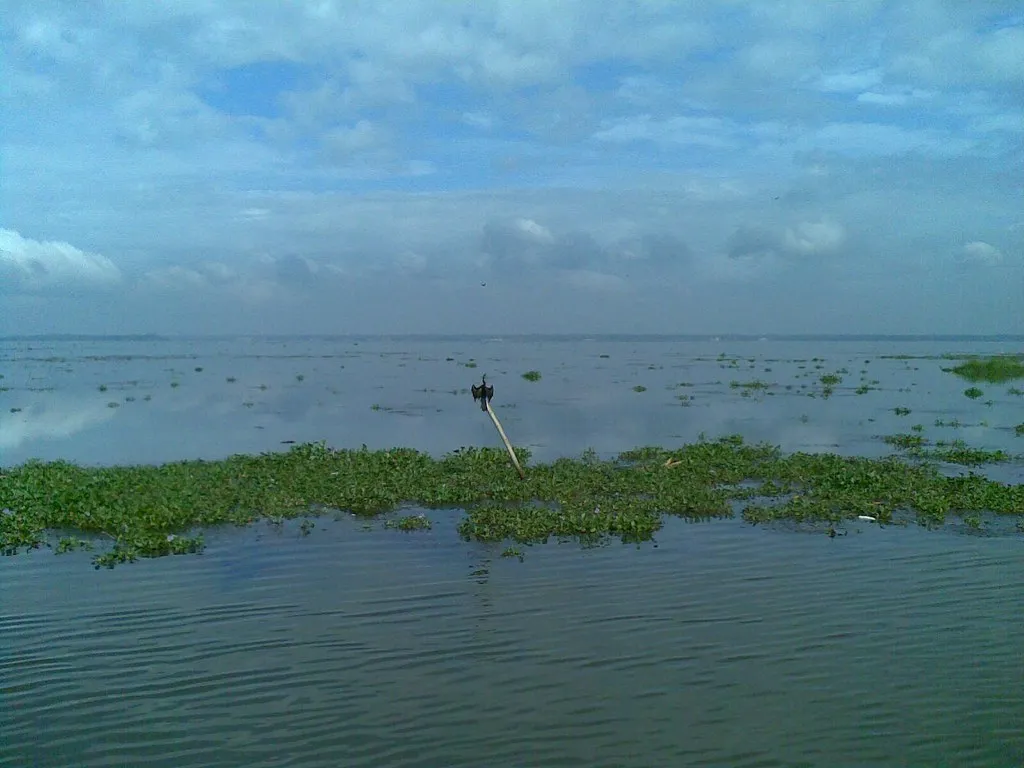
According to research, Vembanad, once known for its rich biodiversity, is now showing signs of ecological fatigue. The decline in fish catch, the spread of invasive species, and recurring algal blooms are all warning signs. Water hyacinth, a fast-spreading aquatic weed, has blanketed canals and backwaters in parts of the region, obstructing fishing, choking irrigation channels, and posing serious health risks to local communities.
Choosing a Responsible Way to Travel the Water
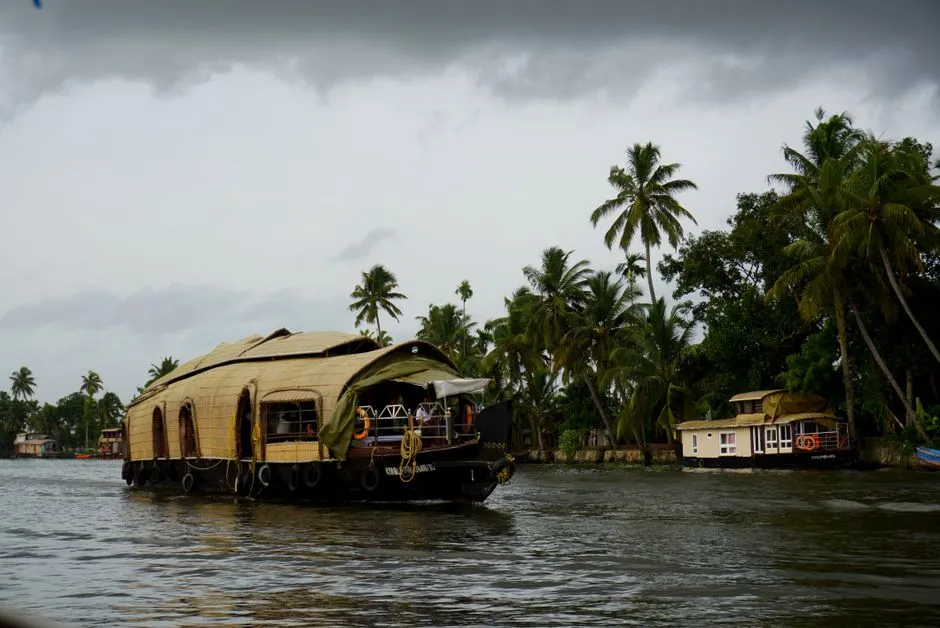
The Kerala government has introduced a houseboat classification system with Silver, Gold, and Diamond ratings. The ratings take into account factors such as responsible waste management, disability-friendly features, use of eco-friendly materials, codes of conduct for guests and staff, use of LED lamps, biogas stoves, smoke alarms, and first-aid kits.
Some operators encourage guests to discover the smaller canals motor-free, arranging low-impact canoe tours among the backwaters. Sustainability efforts extend shoreside as well, with provided bicycles to freely explore islands once the boat is anchored. Opting for smaller, engine-off exploration wherever possible makes a genuine difference to the waterways you’re moving through.
Kerala’s Responsible Tourism mission has gained global recognition for promoting women’s empowerment and rural development, running over 26,000 units that benefit 1.5 lakh families, with about 80 percent women-led, aligning with international gender-inclusive goals. Booking through responsible tourism-affiliated operators channels money directly into communities along the water’s edge.
The Local Life That Makes This Place
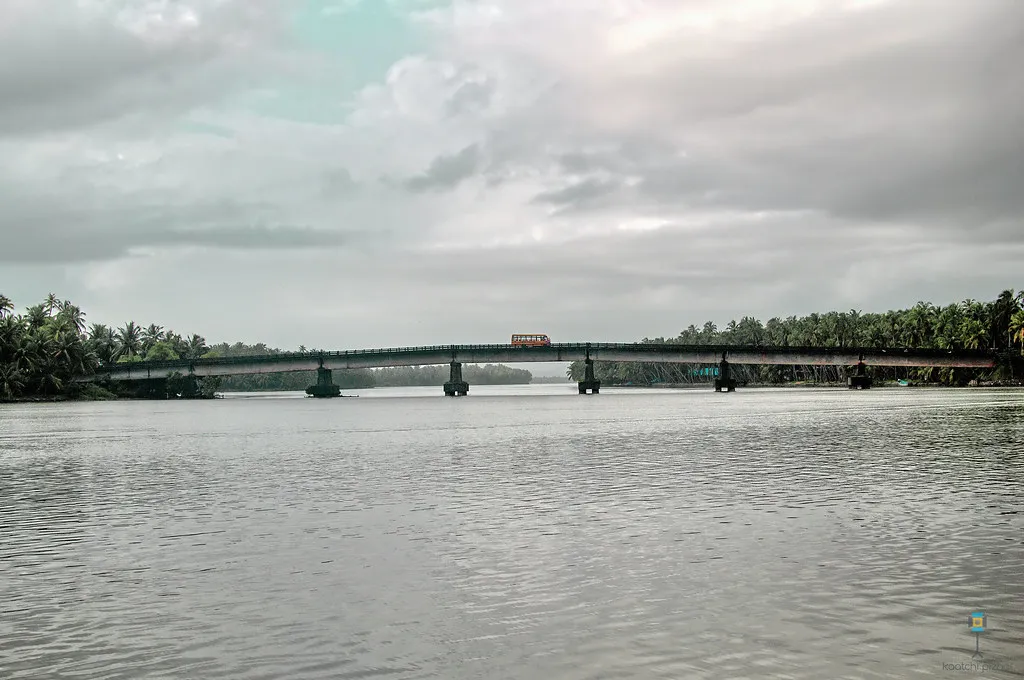
What most travelers remember longest isn’t the houseboat itself – it’s the life glimpsed from the deck. People here are very proud of living close to nature, and every day brings scenes out of a picture book: kids climbing trees to jump into the water, a woman weaving a coir rope from coconut fibers, a boatmaker hammering away at a traditional vallam. Meals of coconut-infused curry are served on banana leaves in gardens full of palm trees and spices.
Connected by artificial canals, the backwaters form an economical means of transport, and a large local trade is carried on by inland navigation. Fishing, along with fish curing, is an important industry. The Kerala backwaters have been used for centuries by local people for transportation, fishing, and agriculture.
Chundan vallams, or snake boats, are a central part of cultural life here, and in modern times this tradition has spawned a new sport – the Vallam Kali boat race. These narrowboats are over 100 feet long, with a raised prow that stands 10 feet above water and resembles the hood of a snake – traditionally used by local rulers to transport soldiers during waterfront wars.
When to Go and How to Pace Yourself
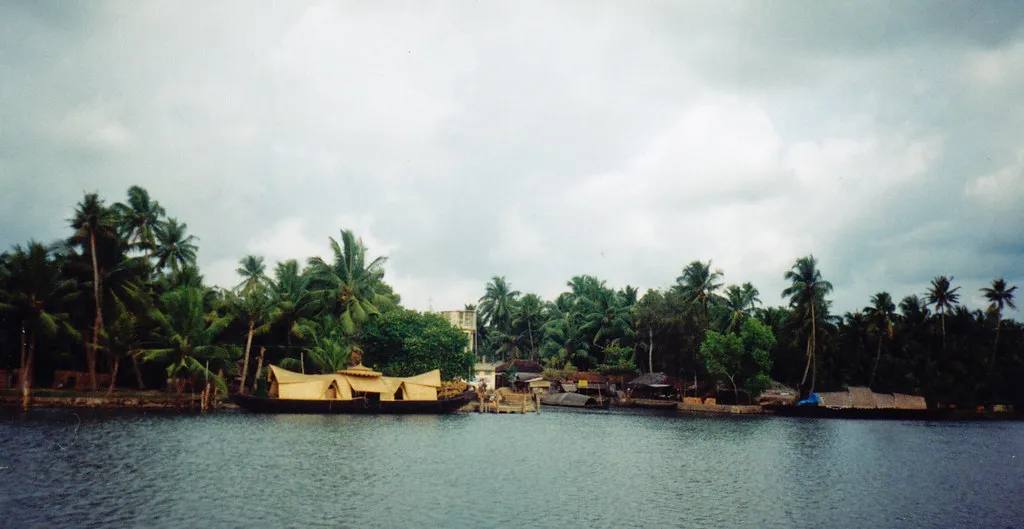
The best season is from October to March, when the weather is cool and pleasant. If you want cheaper rates, you can go during the monsoon from May to September, but it may rain often. Monsoon travel has its own quiet appeal – the water is higher, the greens are absurdly lush, and the crowds are thin.
The duration of a standard overnight houseboat stay is usually 21 hours. During this time, the houseboats actually cruise through the backwaters for only two to three hours, while the rest of the time they stand still in the water. Knowing this beforehand helps you set realistic expectations and plan additional canal exploration by canoe or on foot.
Kerala registered a record surge in tourist arrivals in 2025, with nearly 25.9 million visitors marking the highest-ever footfall in the state’s tourism history. Peak-season crowds are very real at the main houseboat hubs. Head further north to Kannur or Neeleshwar and there may be much less infrastructure, but it’s a far more secluded experience.
A Final Thought on Moving Slowly
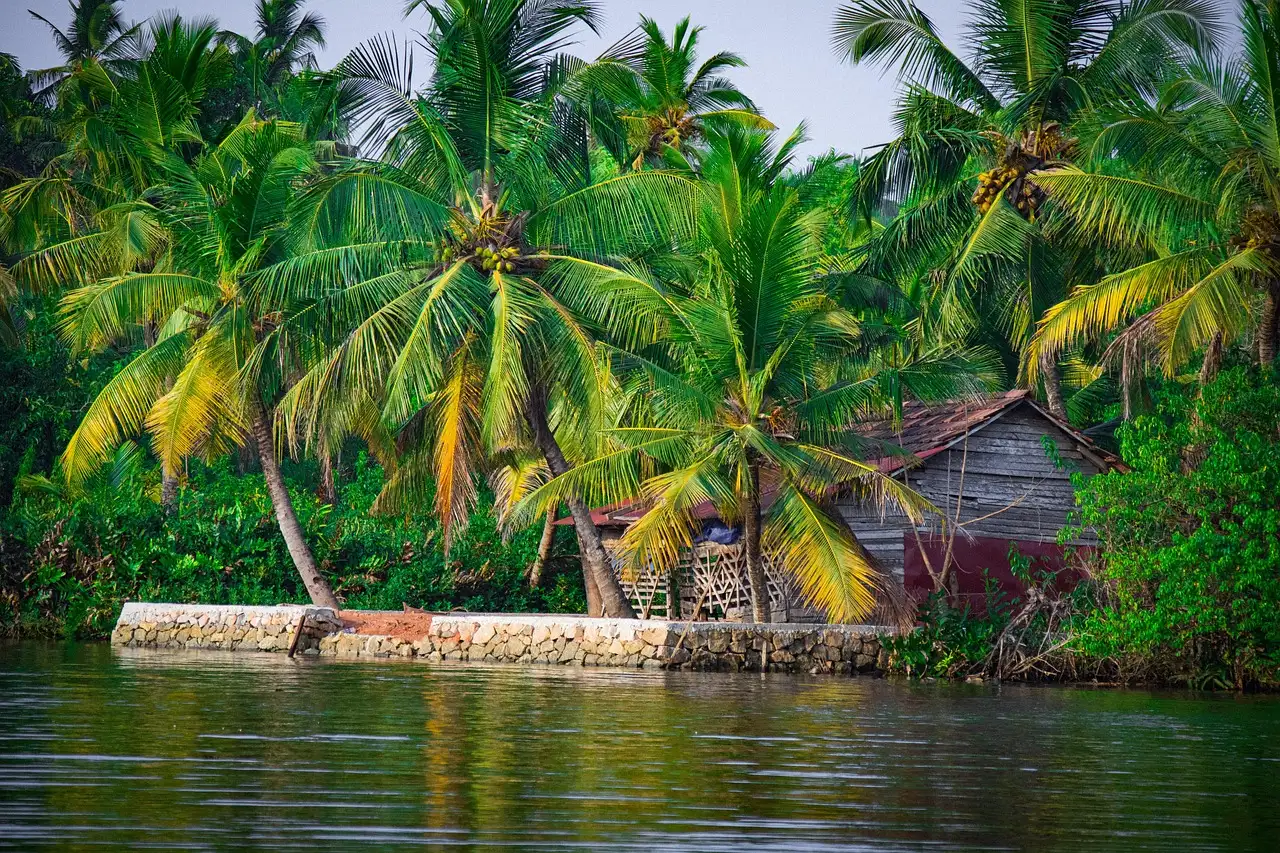
Kerala’s backwaters are not built for speed. The canals are narrow, the turns are tight, and the pace of life on the banks moves to its own rhythm. Slow travel here isn’t a philosophy you impose on the landscape – the landscape imposes it on you, quietly and completely.
The traveler who lingers, who takes the small country boat instead of the motorized houseboat when the canal allows, who eats on a banana leaf at a family kitchen rather than onboard, encounters something that most visitors miss entirely. The backwaters are a functioning world, not a backdrop.
That distinction is worth the slower pace it takes to understand it.
AI Disclaimer: This article was created with the assistance of AI tools and reviewed by a human editor.