
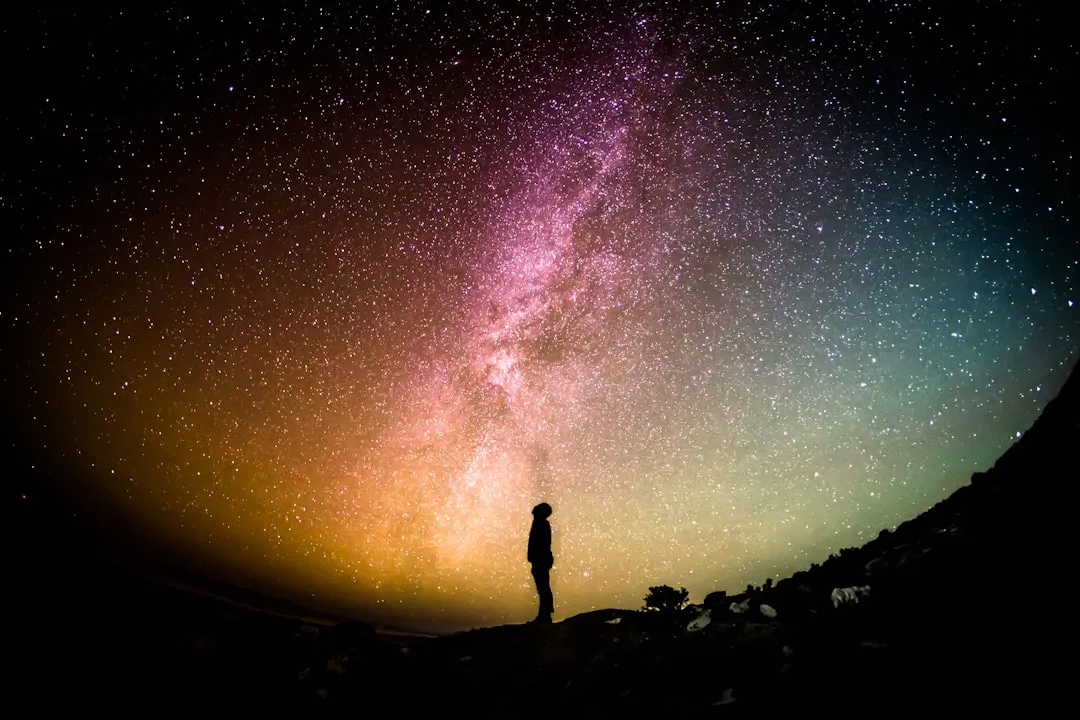

There’s something quietly remarkable about standing in a real desert, a real jungle, or on a real wind-battered Atlantic island, and recognizing it from a film you’ve carried with you since childhood. The Star Wars saga was built not just in studio lots but out of actual Earth. From Saharan sand dunes to Bolivian salt flats, the franchise’s galaxy has always been, in part, this one.
Multiple global locations were used across the Star Wars films to provide settings for alien planets, with most used to shoot principal photography with actors, while more recently, some locations were digitally composited to provide backdrops rather than housing full crews on-site. The result is a scattered, often breathtaking trail across six continents that fans can still follow today.
Tunisia: The Desert That Named a Planet
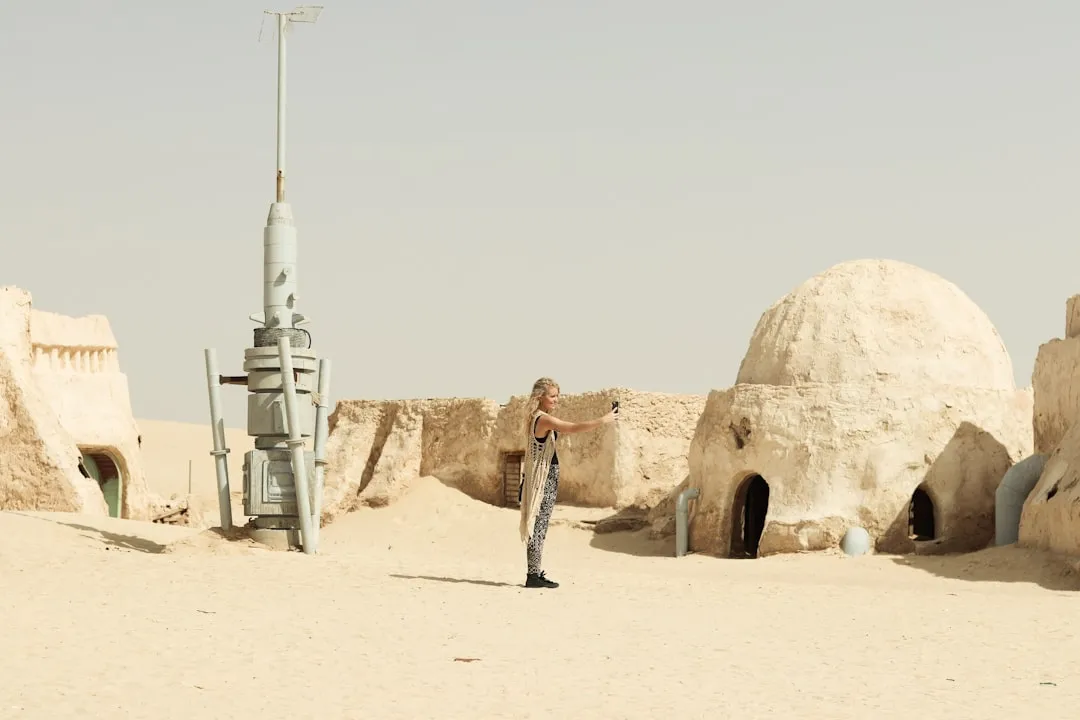
Released in 1977, “A New Hope” not only pioneered the modern science fiction genre but also launched a cinematic universe that would captivate generations. What many fans may not realize is that Tatooine takes its name and inspiration from the Tataouine region of southern Tunisia.
Between 1977 and 2005, seven Tunisian cities were used as stand-ins for Tatooine across the Star Wars films. Matmata was used as Luke Skywalker’s home, while the Hôtel Sidi Driss became the Lars homestead. Medenine’s Grofa Complex, Tozeur, and Ajim were also used as the exteriors of Obi-Wan Kenobi’s home and the Mos Eisley Spaceport.
Even Tunisia’s traditional ksour played a role. Ksar Hadada and Ksar Ouled Soltane served as Watto’s slave quarters where Anakin lived. Their honeycomb architecture added authenticity to the rugged aesthetic of Tatooine’s society.
After “A New Hope” premiered, Tunisia experienced a quiet tourism boom as fans began visiting the real-world settings of Tatooine. According to the Tunisian National Office of Tourism, visits to Matmata and Tozeur saw significant increases in the late 1970s and again during the early 2000s, when “The Phantom Menace” and “Attack of the Clones” revisited many of the original filming sites.
Skellig Michael, Ireland: Where the Jedi Order Was Born
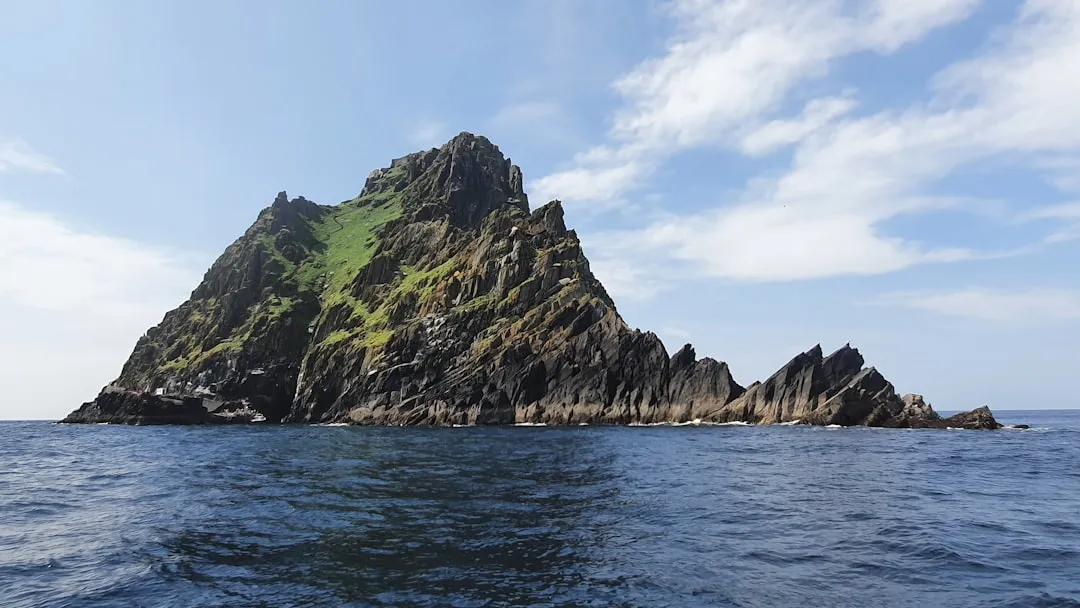
If there’s one place that sets the stage for a space epic, it’s Ireland’s Skellig Michael, the place where the Jedi Order was founded in “The Force Awakens.” It’s the site of the very first Jedi temple, where Luke Skywalker exiled himself, and it actually contains the stone beehive structures from the film, because they’re part of a UNESCO World Heritage Site featuring an ancient monastery.
The island is a UNESCO World Heritage Site, a former monastic settlement dating to the 6th century, and a protected seabird sanctuary. The Irish government limits visitor numbers to 180 people per day. Although UNESCO recommended capping visitors at 11,000 annually, 2018 saw 16,792 people frequenting the fragile site, with higher numbers in other years.
Once landed, the island’s pathways are steep and unprotected. The main pathway to the island’s peak consists of 600 stone steps. Skellig Michael tours operate seasonally, typically from May to early October, weather permitting. Landing tours are limited and must be booked well in advance.
Death Valley, California: A Desert That Doubled as Two Worlds
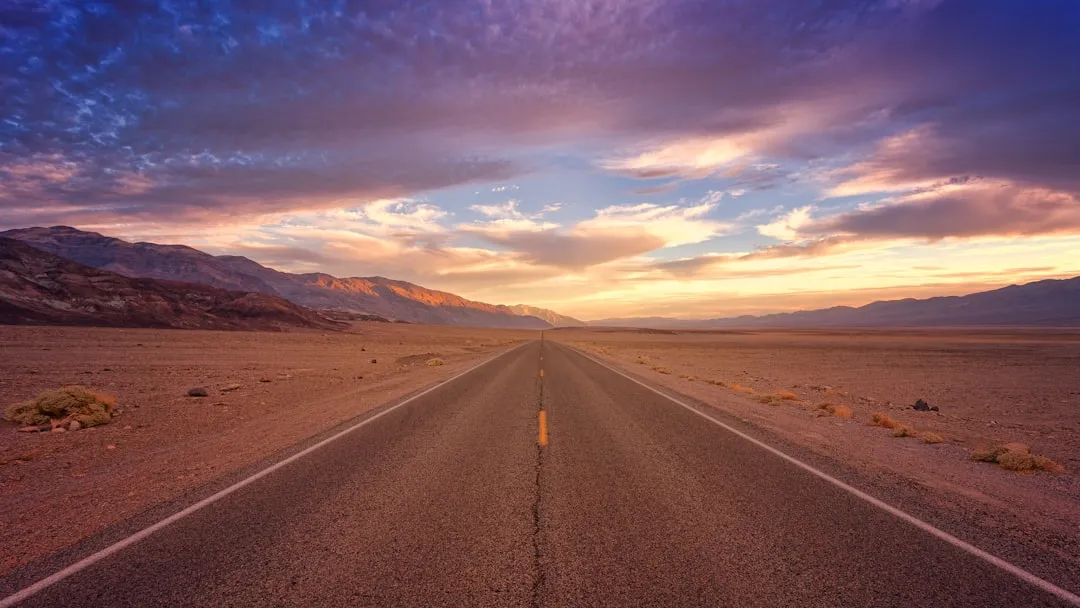
Death Valley National Park in California provided the backdrop for several iconic Tatooine scenes in both “A New Hope” and “Return of the Jedi.” Locations like Mesquite Flat Sand Dunes and Artist’s Palette were used to depict the harsh desert planet where Luke Skywalker grew up.
The area between the Mojave Desert and the Sierra Nevada was used for the scene where Obi-Wan Kenobi meets Luke Skywalker, R2-D2, and C-3PO for the first time. Twenty Mule Team Canyon in Death Valley was also used to film the scene where R2-D2 and C-3PO journey to Jabba’s Palace in “Return of the Jedi.”
Principal photography for “The Mandalorian and Grogu” also began in California in 2024, with production centered around Manhattan Beach Studios and additional on-location shoots in Death Valley. This makes Death Valley one of the few locations that has served the Star Wars universe across both the original trilogy and the most recent era of productions.
Tikal, Guatemala: The Rebel Base Hidden in the Jungle
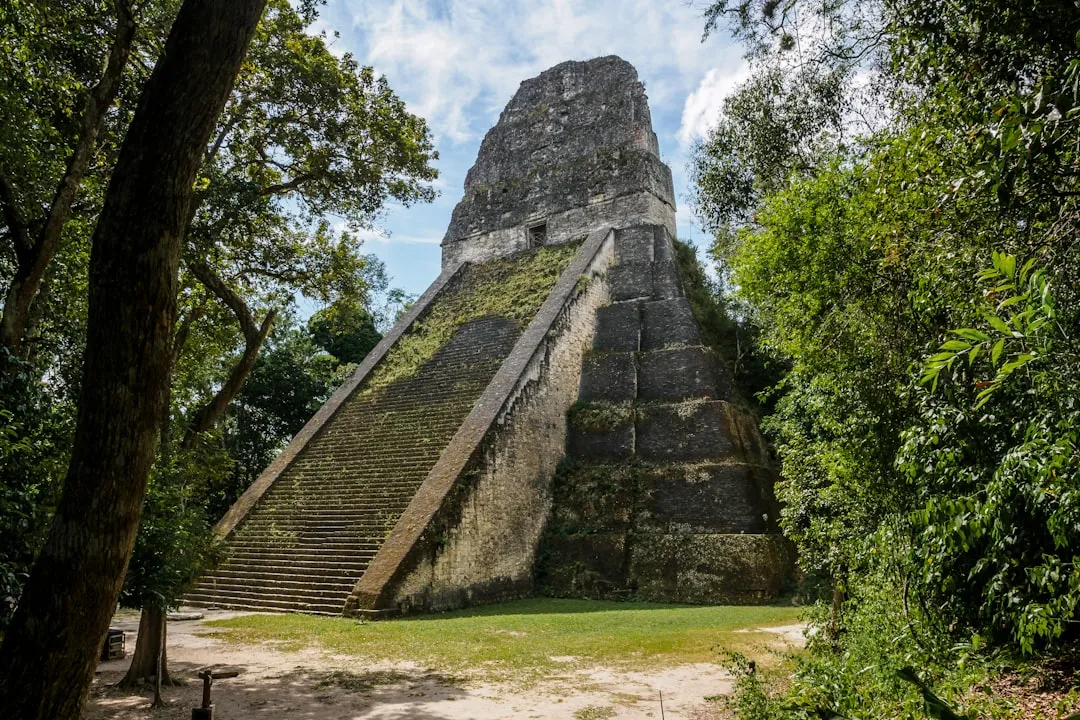
The magnificent Tikal stands as one of the most breathtaking Star Wars filming locations in the world. Ancient pyramids pierce through the dense jungle canopy. This majestic Mayan city brought the rebel base on Yavin 4 to life and created an unforgettable backdrop that helped launch the franchise.
George Lucas chose Tikal as a filming location because of its otherworldly aesthetic and the sense of history and mysticism it conveyed. The ancient ruins fit perfectly with the appearance of the Star Wars universe. He chose to film “A New Hope” there after seeing a poster in the window of a travel agency in England advertising excursions to Tikal.
The site is part of Guatemala’s Tikal National Park and in 1979 it was declared a UNESCO World Heritage Site. It was used as a filming location for Yavin 4 in “A New Hope.” The shot where a Rebel oversees the Millennium Falcon landing on Yavin was taken on top of Temple IV, looking east where Temples I, II, and III can be seen in the film.
Finse, Norway: The Frozen Wastes of Hoth
In “The Empire Strikes Back,” the Rebel Alliance secludes itself on the frozen backwater world of Hoth. While the Rebels seemed to be roughing it in the wilderness, the cast and crew spent most of their time staying at the historic Finse 1222 Hotel in Finse, Norway, filming in the immediate vicinity of the hotel and on the nearby Hardangerjøkulen Glacier.
Groups of dedicated fans gather annually to celebrate Hoth and this magical arctic wonderland. Climate change is tragically affecting the Hardangerjøkulen Glacier, so visiting Hoth sooner rather than later is advisable.
The Finse 1222 Hotel remains one of the most straightforward Star Wars pilgrimages to make. It’s accessible by train only, with no roads reaching the village. That isolation, still very much intact, is precisely what made it feel like the edge of the universe in 1980.
Salar de Uyuni, Bolivia: The Salt Planet of Crait
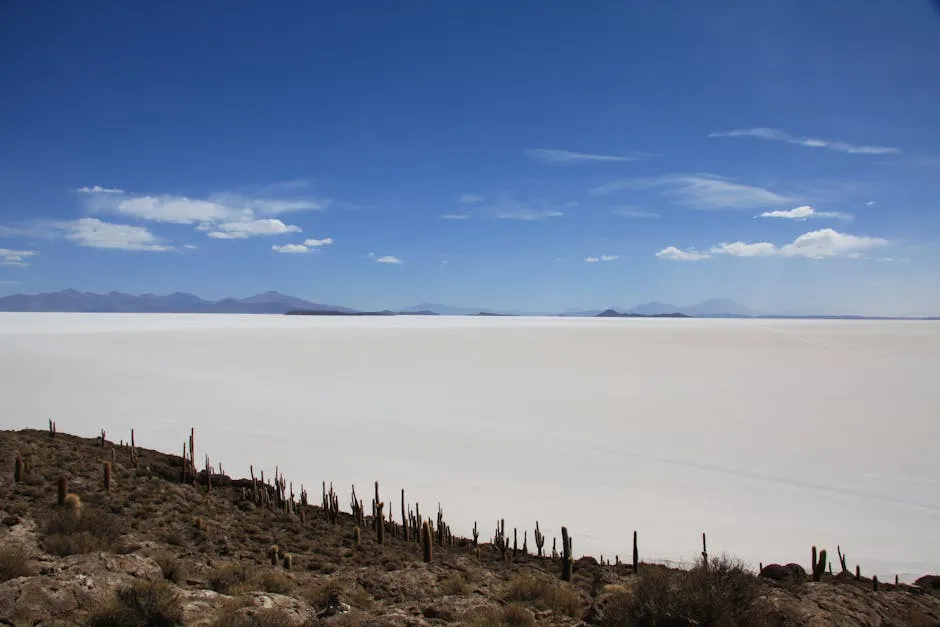
Located near the Andes, Salar de Uyuni is the largest salt flat in the world. Covering 10,000 square kilometres, it was once a prehistoric lake that went dry. It was used as the location for Crait, a mineral planet covered in white salt and red soil, where the Resistance has its last stand against the First Order in “The Last Jedi.”
In a behind-the-scenes video about the film, director Rian Johnson admitted that part of the reason Salar de Uyuni became Crait is because he wondered what a battle would look like contrasted against this stark blank canvas. Pre-production began in April 2016, with filming taking place just three months after. At times, as many as 150 people worked on the Crait sequences.
In the wet season, the salt flats flood, making a perfect reflection of the sky all the way to the horizon, creating what’s often described as the world’s largest mirror. That quality, so visually arresting even without a film crew, makes Salar de Uyuni one of the more rewarding destinations on this list for travelers who aren’t exclusively Star Wars fans.
Redwood National Park, California: The Forest Moon of Endor
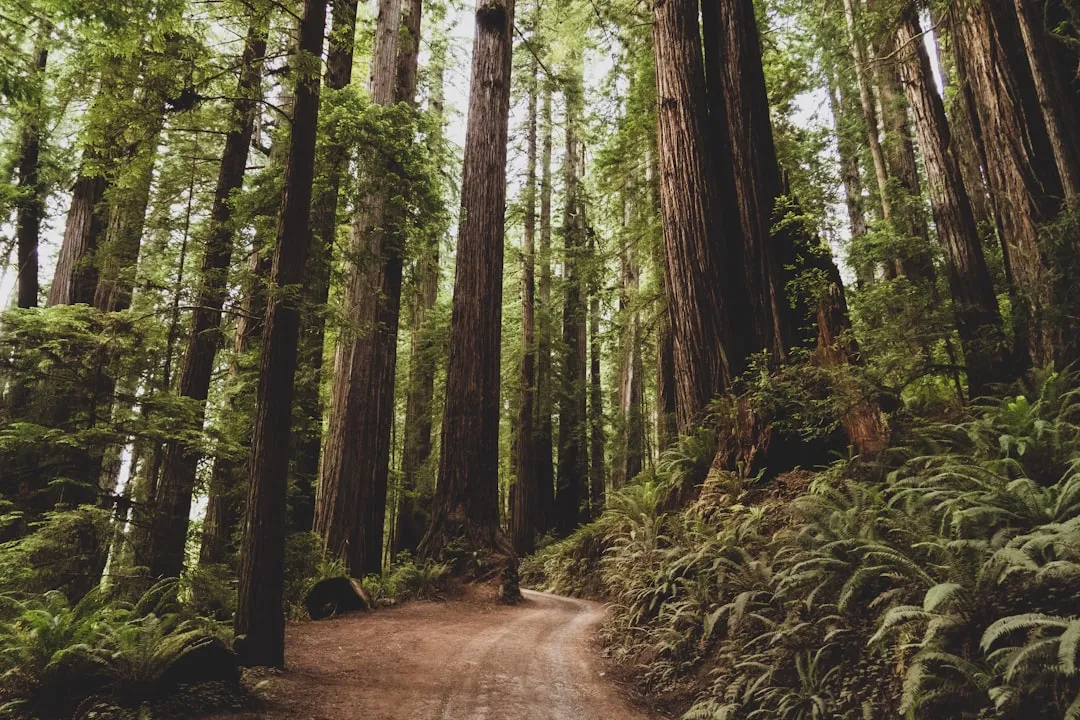
The Ewok-filled world of Endor was actually inspired by California’s Redwood National Park. Endor, which featured heavily in “Return of the Jedi,” is full of verdant trees, meandering paths, and the fuzzy and lovable Ewoks.
Northern California’s Redwood National Park, home to the tallest trees in the world, became the setting for Endor. Closer to Lucas’s Skywalker Ranch, the woodsy Grizzly Creek Redwoods State Park, specifically Cheatham Grove, and Humboldt Redwoods State Park were used to film the speeder bike chase in “Return of the Jedi.”
The California national park has the Russian River, Humboldt County’s Avenue of the Giants, and charming villages with quaint cafes, views of the California coast, and plenty of outdoor enthusiasts for company. Walking these groves today, where the tree canopy blocks out the sky and shadows pool at midday, it’s genuinely easy to feel a long way from Earth.
Phang Nga Bay, Thailand: Kashyyyk Above the Water
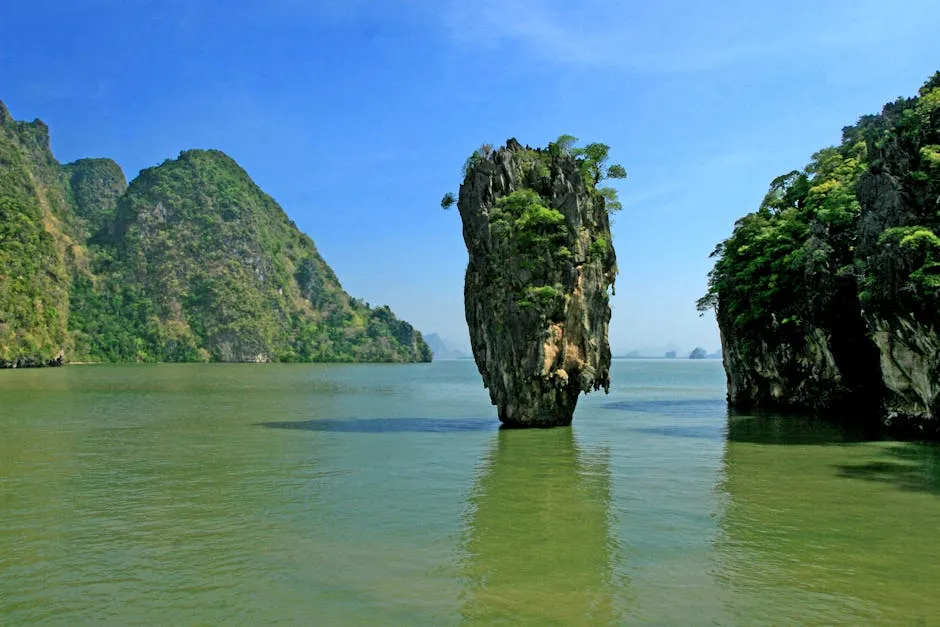
In “Revenge of the Sith,” fans are introduced to the Wookiee home planet of Kashyyyk with a stunning aerial shot of Phang Nga Bay, Thailand, known for its limestone karst mountains and rock formations. Although the real version is devoid of CGI Wookiee trees and treehouses, it’s easy to imagine the droid army emerging from this tranquil bay.
Phang Nga Bay is located between Phuket Island and Thailand’s mainland, and is part of Ao Phang Nga National Park. The bay is characterized by dozens of vertical limestone islands rising from calm teal water, some riddled with sea caves. It’s a landscape that looks genuinely alien, even without a camera.
Visitors typically access the bay by longtail boat or kayak from Phuket or Khao Lak. The area is well established as a tourist destination, though the remoter parts of the bay remain relatively uncrowded, particularly off-season.
Dubrovnik, Croatia: The Glittering Casino City of Canto Bight
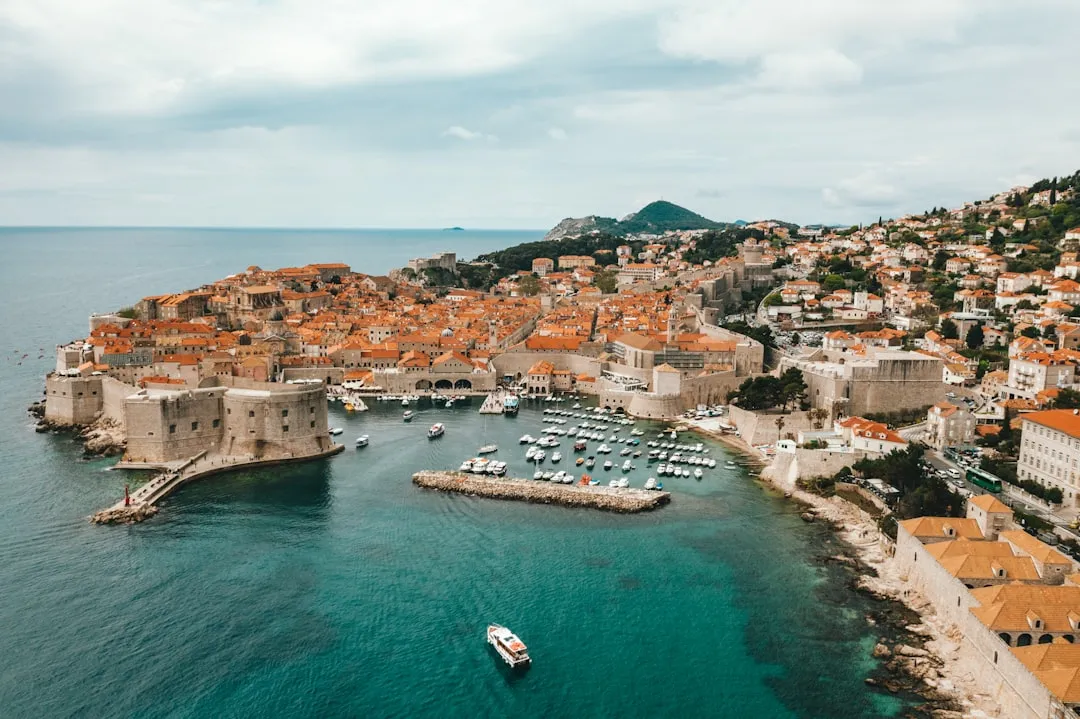
Croatia’s Dubrovnik Old Town, a UNESCO World Heritage site, was transformed into the casino city of Canto Bight on Cantonica in “The Last Jedi.” The medieval walls and Rector’s Palace atrium were modified with digital overlays for speeders and neon signage, capturing the bustling urban vibe without permanent alterations.
Shooting on location in this densely populated historic center posed logistical challenges, including restricted access during peak tourist seasons and strict UNESCO guidelines to protect the 7th-century fortifications from equipment wear.
Dubrovnik is one of the more accessible locations on this list. Millions visit annually for its medieval architecture and Adriatic setting. For Star Wars fans, the specific scenes were shot along the Stradun, the city’s main limestone-paved street, which remains much as it was when the cameras rolled.
Wadi Rum, Jordan: The Sacred City of Jedha
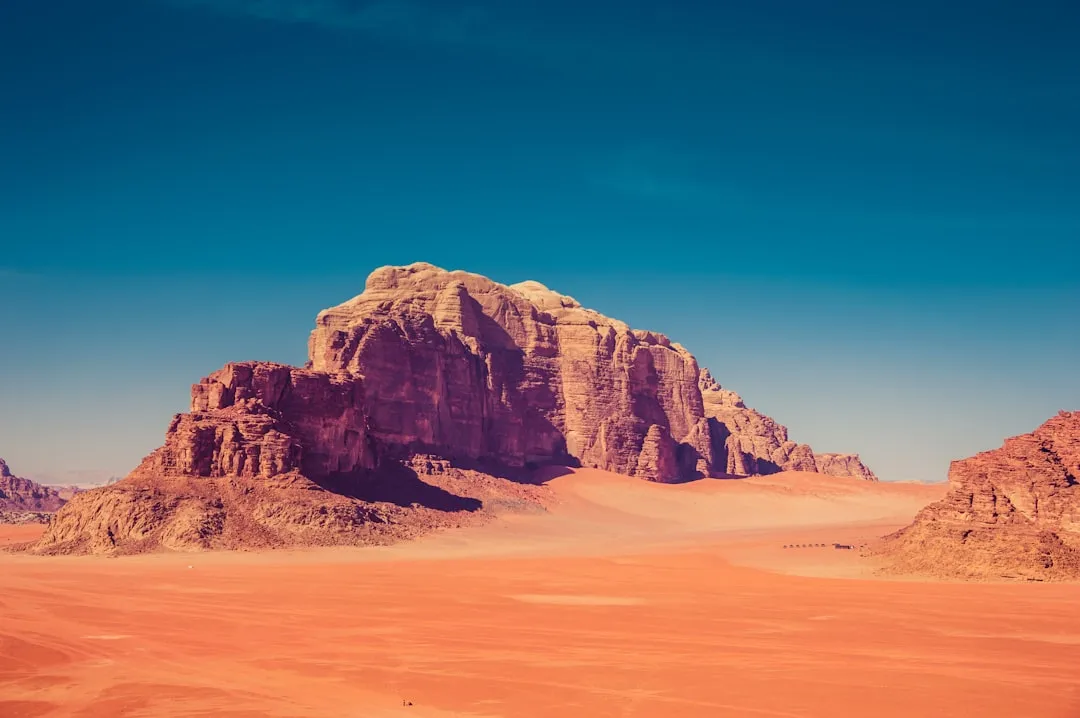
The Jordanian desert features in numerous sci-fi films and can be seen in “Rogue One: A Star Wars Story” as the planet Jedha. It is also featured in Ridley Scott’s 2015 film “The Martian” as Mars.
The desert of Wadi Rum in Jordan is no stranger to Hollywood and has played host to “Lawrence of Arabia,” “Indiana Jones,” “Dune,” and “Prometheus,” among others. Its towering sandstone cliffs, rust-colored sand, and profound silence give it a quality that convincingly doubles as more than one imagined world.
Wadi Rum is accessible as a protected area with designated Bedouin-operated camps, offering overnight stays in tented accommodation within the reserve. It remains one of the region’s most visited natural sites, and the combination of cinematic heritage and genuine desert grandeur makes it a compelling stop that doesn’t require Star Wars fandom as an entry point.
Conclusion: The Galaxy Was Always Here
What unites all of these places, beyond their shared screen credits, is that they were chosen precisely because they already looked extraordinary. George Lucas and the directors who followed him didn’t need to invent alien worlds from scratch. They needed only to find the parts of this one that felt strange enough.
What made Tunisia so integral to “Star Wars” was not simply tourist appeal or affordability, but its authenticity. The ancient Berber cave dwellings, earth-toned landscapes, and practical textures gave the universe a distinct sense of inhabited realism. That same principle extends to every location on this list. The Skellig rocks look like the edge of the Jedi world because they are, in every practical sense, the edge of the knowable world. The Bolivian salt flat looks like another planet because, under the right conditions, it essentially is.
The pilgrimage is real, and so is every destination on it. You just have to show up.
AI Disclaimer: This article was created with the assistance of AI tools and reviewed by a human editor.