
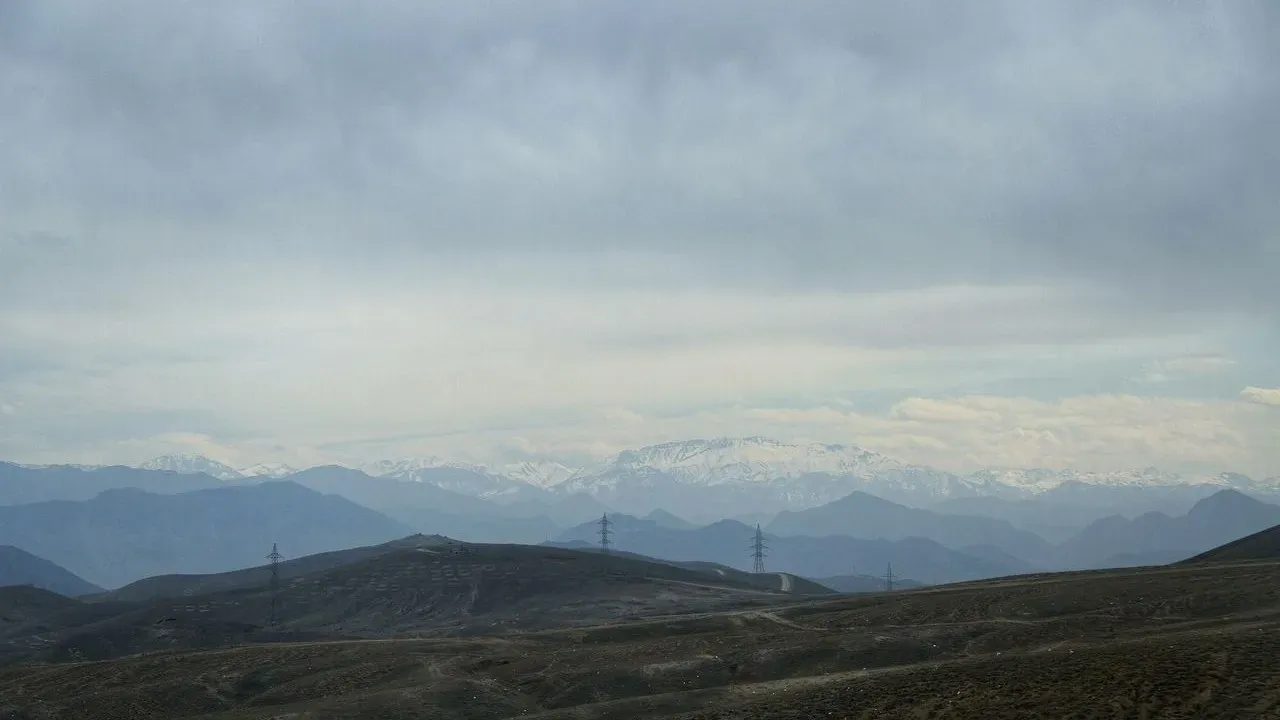

Independent travel to Afghanistan remains possible in 2026, though it requires careful preparation and an understanding of current entry rules and movement restrictions. The country has issued tourist visas through more embassies than in the immediate post-2021 period, and an e-visa option now exists for arrivals at Kabul airport. Travelers continue to report on the practical steps involved, as detailed in comprehensive accounts such as the guide at ([1]).
Visa and Entry Procedures
Applicants can pursue an e-visa through an official online portal for stays of up to 30 days within a 90-day period when flying into Kabul. The process involves two payments totaling roughly 128 USD and typically receives approval within a few days. Those entering overland generally need to secure visas in advance at embassies in cities such as Dubai, Islamabad, or Doha.
Requirements at embassies usually include passport photos, copies of identification, and payment ranging from 80 to 210 USD depending on nationality and processing speed. A letter of invitation is sometimes requested but often not mandatory for independent travelers who state they have no sponsor. Visa-on-arrival remains available only at the Shir Khan border crossing near Kunduz for those arriving from Tajikistan.
Permits and Movement Requirements
Travelers must obtain a national permit from authorities in Kabul that lists the specific provinces they intend to visit. This document costs about 12 USD per province and must be presented at checkpoints throughout the journey. Independent visitors handle the application themselves at offices including the Ministry of Culture and Information followed by the tourism directorate, while organized groups rely on local fixers.
Upon arrival in each province, an additional registration at the local Information and Culture Department is required. Rules can shift without notice, and offices close on Fridays. The permit system applies uniformly, though enforcement and fees sometimes vary by traveler.
Safety Considerations and Daily Realities
Security conditions have stabilized since 2021, with reduced violent crime in major cities and no active large-scale conflict between government forces and the former opposition. Travelers note that checkpoints are common and interactions with local authorities occur regularly. Islamic State Khorasan remains an active concern in certain areas, as evidenced by isolated incidents in recent years.
Women traveling alone face additional restrictions on movement and dress, while those accompanied by male companions encounter fewer limitations. Public transportation, domestic flights, and basic lodging are available, though standards vary and cash remains essential since card payments are not accepted. Costs for meals and local transport stay low, while secure accommodation and flights add to overall expenses.
Cultural Context and Visitor Experiences
Afghanistan’s multi-ethnic population and long history shape daily encounters, from the bustling bazaars of old Kabul to the mountain landscapes around Bamyan. Visitors often highlight the hospitality extended by local residents and the opportunity to explore sites such as the Blue Mosque in Mazar-i-Sharif or rural villages in Ghor province. Respect for local customs, including modest dress and polite conduct at checkpoints, supports smoother interactions.
Those who have completed multiple trips emphasize that preparation and flexibility remain essential. The country continues to attract a modest number of foreign visitors interested in its landscapes, heritage, and current conditions, provided they accept the practical and ethical dimensions involved.
AI Disclaimer: This article was created with the assistance of AI tools and reviewed by a human editor.