
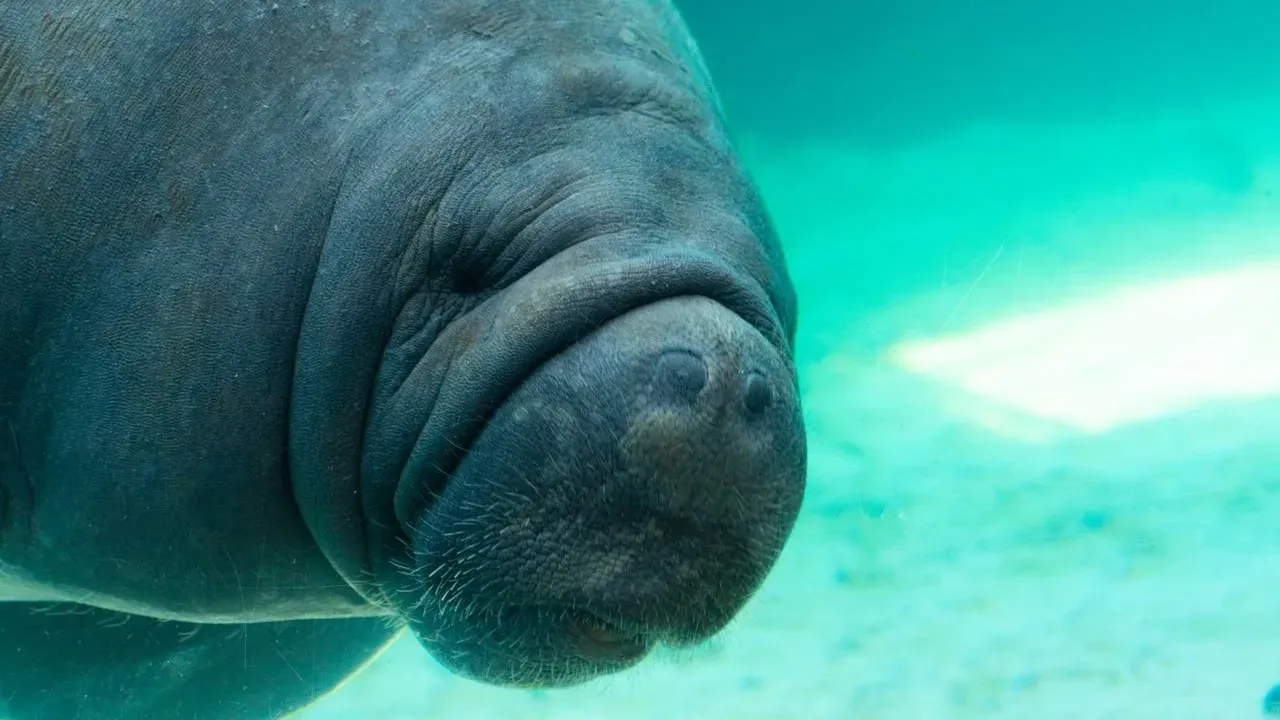

Tavernier, Florida – A manatee named Cullen returned to the waters of the Florida Keys this week, marking the end of a 17-month rehabilitation that began after a boat strike in May 2025. The young animal had been found injured alongside his mother in Islamorada; only Cullen survived. Staff from the Dolphin Rescue Center coordinated his care across multiple facilities before the release in Tavernier. ([1])The moment unfolded quietly yet memorably, with cameras recording Cullen’s steady glide back into open water. For travelers drawn to the Keys’ clear shallows and rich marine life, stories like this underscore the quiet work that sustains these ecosystems.
A Long Road Back to the Sea
Cullen’s recovery stretched from initial treatment in Miami through extended stays in the Florida Keys and Jacksonville. Each location offered specialized support to rebuild strength, buoyancy, and foraging skills essential for life in the wild. The timeline reflects the deliberate pace required when caring for a large marine mammal recovering from trauma. Rehabilitation centers in Florida often manage overlapping cases, balancing immediate rescues with longer-term conditioning. Cullen’s journey illustrates how these facilities connect across regions to give each animal the best possible chance.
The Florida Keys as a Sanctuary for Manatees
The shallow bays and seagrass meadows around Tavernier and Islamorada provide critical habitat for manatees year-round. Warm waters and abundant food sources make the area a natural draw for the species, especially during cooler months. Local conservation efforts focus on protecting these feeding grounds and reducing vessel interactions through education and speed zones. Visitors who boat or paddle in the region can support these habitats by maintaining distance, following posted regulations, and choosing operators committed to low-impact wildlife viewing. Such choices help preserve the very conditions that allowed Cullen’s return.
Why One Release Matters
Each successful reintroduction adds to the broader picture of manatee resilience in Florida waters. While individual stories capture public attention, they also highlight ongoing needs for habitat protection and responsible recreation. The Dolphin Rescue Center’s work continues beyond any single animal, supporting both rescues and public awareness. Travelers interested in ethical encounters can seek out accredited centers or guided tours that emphasize observation from a respectful distance. These experiences foster appreciation without disturbing the animals that call the Keys home.
Looking Ahead in the Keys
Cullen’s release offers a hopeful note for the marine environment that draws so many to the Florida Keys. Continued attention to vessel safety, seagrass preservation, and community-led conservation will determine how many more animals thrive in these waters. For those planning a visit, the story serves as a quiet reminder that thoughtful travel can align with the protection of the places we cherish most.
AI Disclaimer: This article was created with the assistance of AI tools and reviewed by a human editor.