
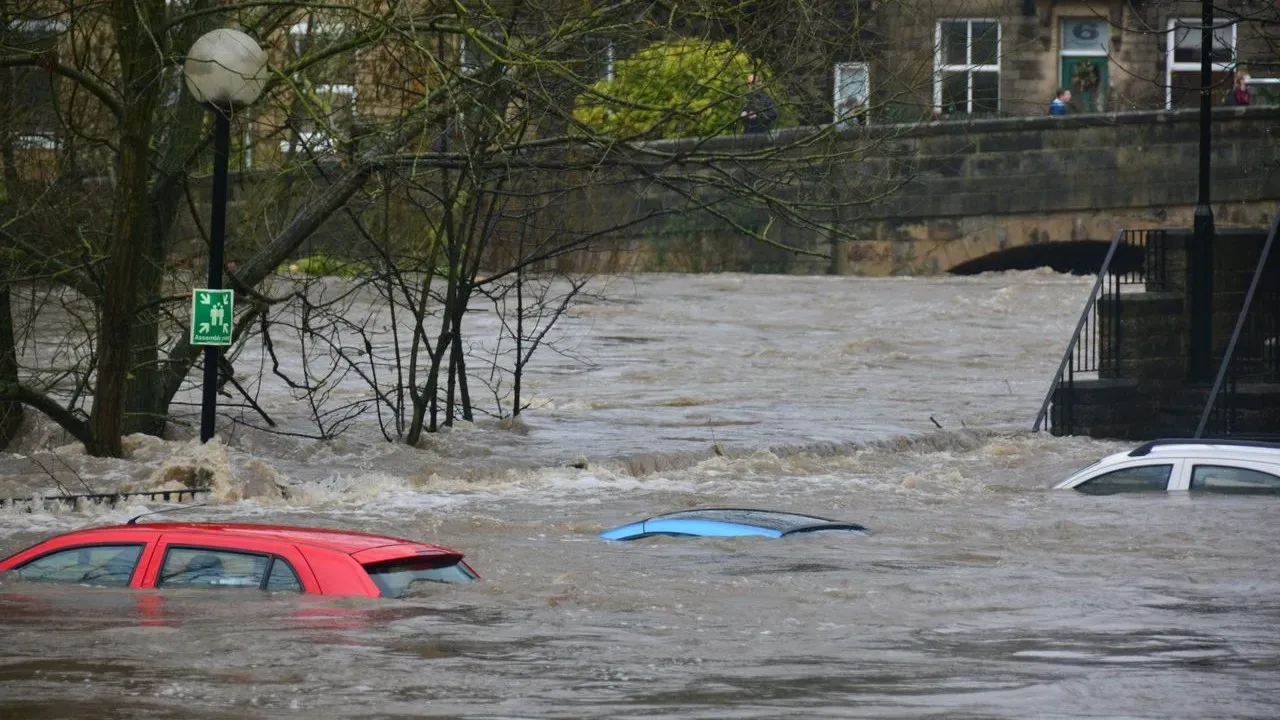

Panama City Beach, Fla. – Tropical Storm Isaias made landfall as a Category 2 hurricane near Destin on Friday before moving inland, bringing damaging winds that stripped rooftops and facades from hotels and condominiums along the Florida Panhandle. The system continued northward with heavy rain and the risk of flash flooding and isolated tornadoes across parts of the Southeast. Travelers planning visits to the region will benefit from staying informed and flexible as communities begin recovery efforts. ([1])
Understanding the Storm’s Path and Local Impact
Isaias crossed the Gulf Coast with sustained hurricane-force winds that affected infrastructure in several coastal communities. Power outages reached nearly 900,000 customers, primarily in Florida and Alabama, while scattered damage included a collapsed boathouse in Destin and partial facade loss on a high-rise in Panama City Beach. Major coastal routes remained largely clear of major debris by Saturday morning, allowing quicker access for residents and visitors alike. The storm also produced significant rainfall that raised concerns for flooding farther inland, including areas of Georgia and the Carolinas. Local officials continue to monitor conditions, and travelers should follow updates from the National Weather Service and state emergency management agencies for the most current road and weather information.
Respecting Communities During Recovery
Four lives were lost in connection with the storm, a reminder of the human cost when severe weather strikes. Residents in affected neighborhoods are focusing on safety and rebuilding, with many expressing quiet determination to move forward. Visitors can show support by choosing lodging and services that remain open and by following any local guidance on restricted areas or resource needs. Patience and awareness help ease pressure on recovering communities. Checking directly with hotels, restaurants, and attractions before arrival allows businesses to manage demand while giving travelers realistic expectations about available amenities.
Practical Steps for Planning Your Trip
Flexibility remains the most useful approach for anyone heading to the Florida Panhandle or broader Southeast in the coming days. Review airline and hotel cancellation policies in advance, and consider travel insurance that covers weather-related disruptions. Confirming reservations by phone or through official channels provides the clearest picture of current operations. Drivers should allow extra time and monitor state transportation department alerts for any temporary closures. Packing a small emergency kit with water, snacks, and a portable charger adds peace of mind without adding unnecessary burden to local supplies. Staying in touch with property managers or tour operators ensures you receive timely updates tailored to your specific plans.
Supporting Responsible Travel Choices
Choosing operators and accommodations that prioritize local employment and sustainable practices helps direct resources where they are most needed. Many Gulf Coast businesses have long emphasized environmental stewardship along the shoreline, and supporting those efforts contributes to long-term resilience. Travelers who arrive with respect for ongoing recovery work often find warm welcomes and meaningful connections. Checking local tourism websites or visitor centers for the latest guidance on safe and supportive ways to explore the area keeps visits both enjoyable and considerate.
AI Disclaimer: This article was created with the assistance of AI tools and reviewed by a human editor.