

The Inspection Process: What Actually Happens at the Airport
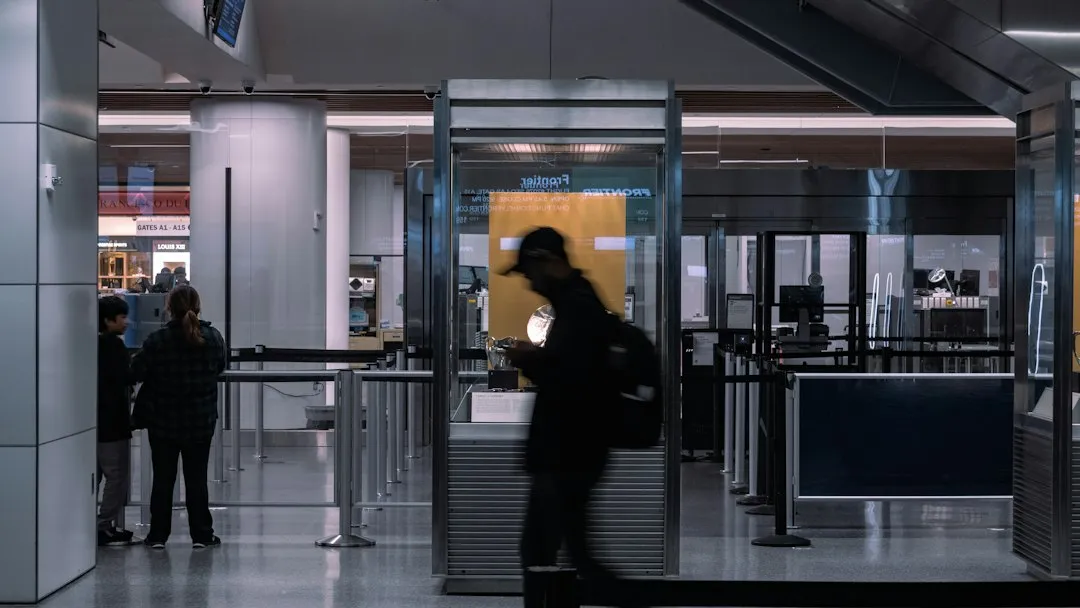
Carry-on bags get a separate inspection at a desk in the terminal between the airline counter and TSA security. The agricultural check happens before you reach the TSA line, not after. Inspectors ask whether you have fresh fruit, flowers, plants, wood, or other agricultural products.
Every checked bag goes through the scanner. If it contains unapproved fruit, plants, or flowers, it will be opened. Inspectors confiscate anything prohibited, and your airline won’t take the bag until it’s cleared.
Failure to declare agricultural items can result in delays and possible issuance of civil penalties ranging from $100 to $1,000 per violation, according to official APHIS guidance. Honesty at the inspection desk is genuinely the smarter option.
Fresh Fruit and Vegetables: The Number One Offender
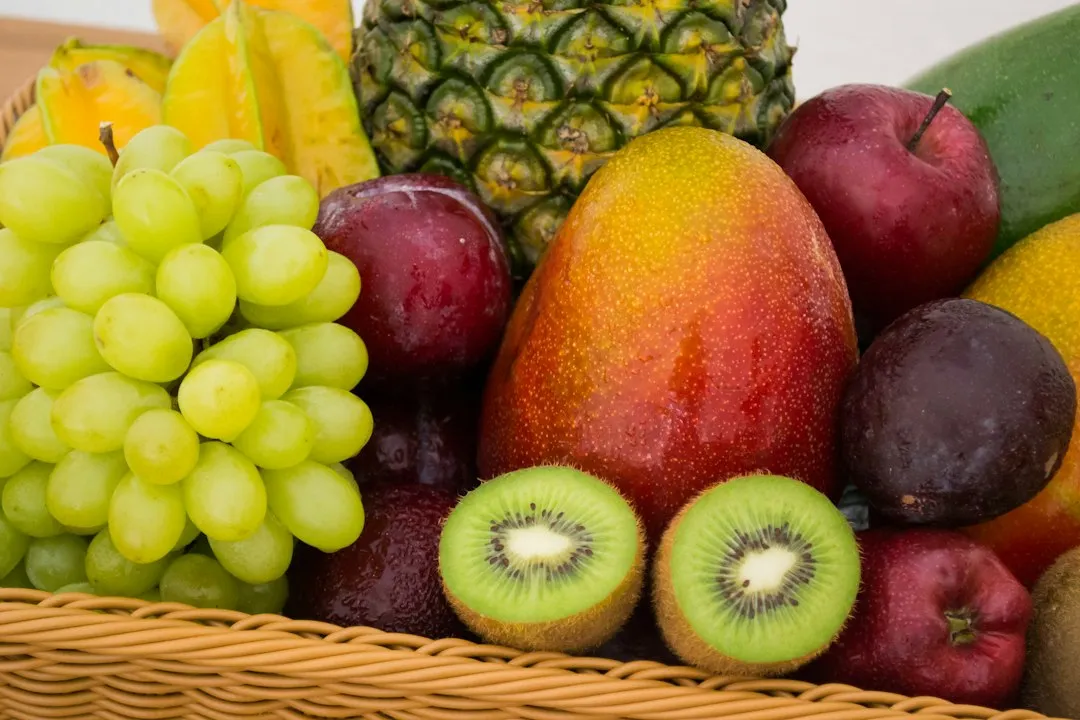
Fresh fruits and vegetables are the number one reason bags get opened at agricultural inspection. If it’s raw, unprocessed, and came off a tree or out of the ground in Hawaii, it’s probably not leaving the islands.
APHIS prohibits or restricts the movement of many agricultural products from Hawaii into the U.S. mainland, Alaska, and Guam. These include most fresh fruits and vegetables and certain plants, such as flowers.
Travelers are not allowed to take agricultural products like fruits, vegetables and seeds from Hawaii to the U.S. mainland. Bags are screened for agricultural products to prevent the spread of fruit flies and other hazardous plant and insect diseases. Hawaii hosts four established invasive fruit fly species, and inspectors take the threat seriously.
Sugarcane: The Souvenir That’s Never Allowed
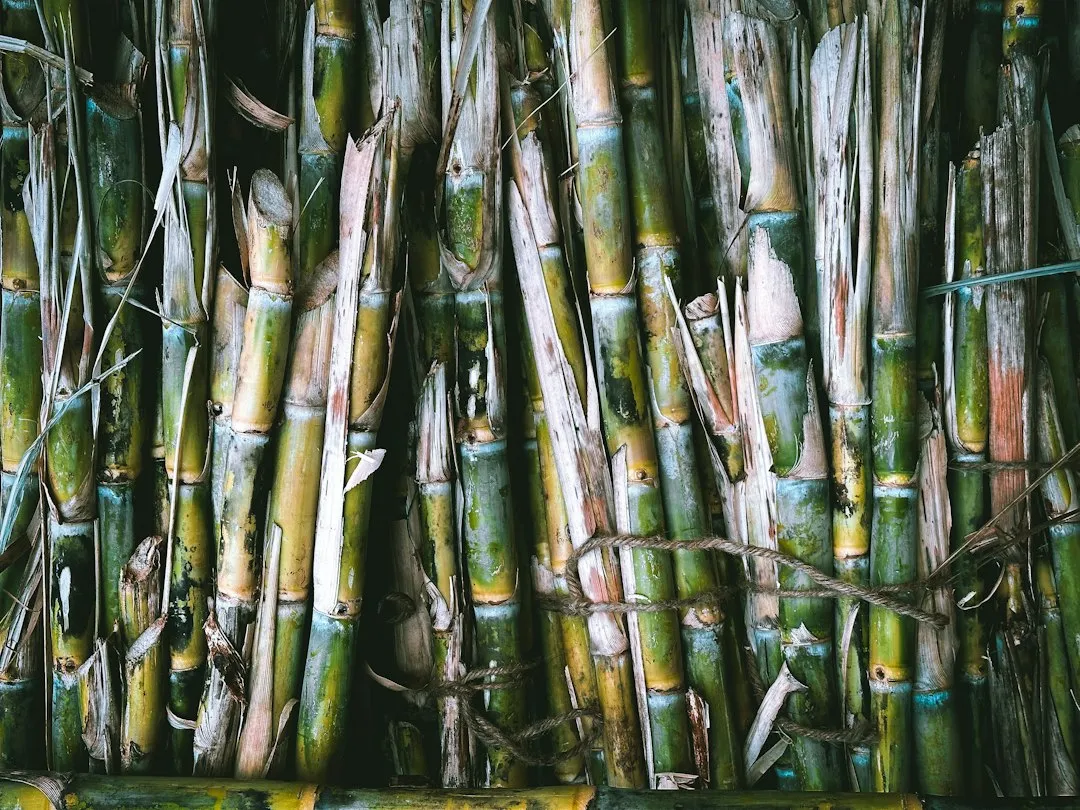
The USDA strictly prohibits air passengers from bringing sugarcane to the mainland. Unlike pineapple, which can be cleared after inspection, sugarcane is never allowed and will be routinely and automatically confiscated.
Sugarcane can harbor pests like whiteflies and mites, or diseases like rust or smut. The risk of introducing these to mainland crops makes sugarcane a prohibited item, and it’s a common item confiscated from travelers.
People who have visited sugarcane farms on the islands sometimes tuck a stalk into their bags without realizing there’s a hard prohibition in place. No exceptions exist for this one, regardless of how the sugarcane is packaged or labeled.
Restricted Lei Flowers: Not Every Lei Makes the Flight
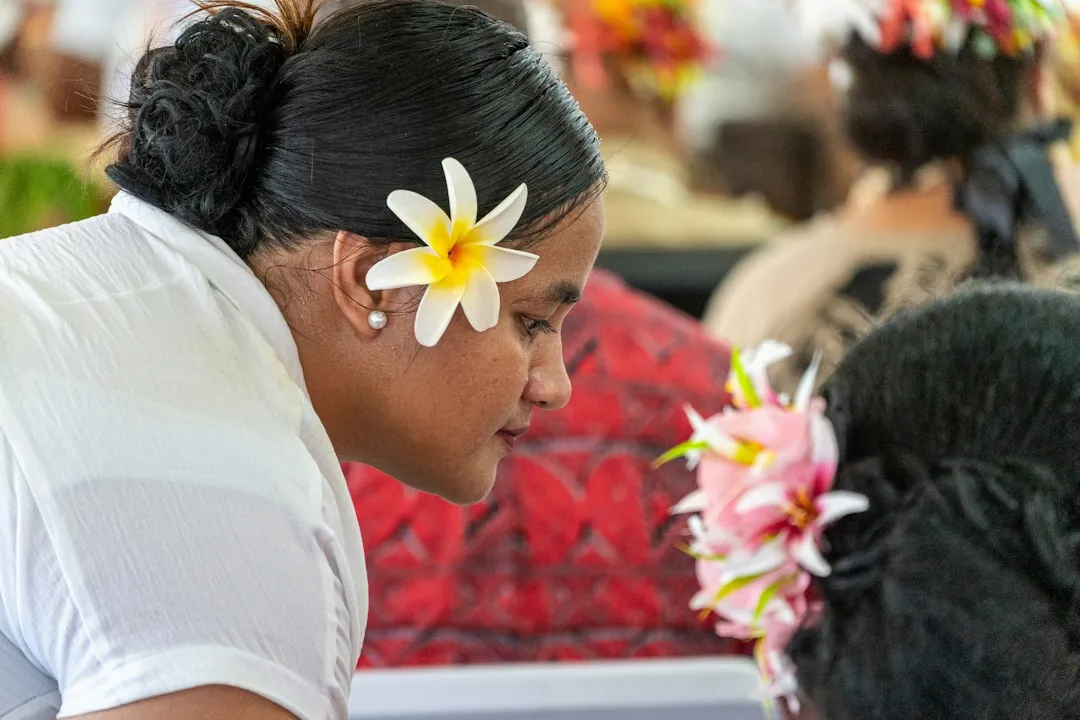
Most leis are fine. Plumeria, tuberose, orchid, pikake, ti leaf are all generally permitted. Travelers can wear them right onto the plane after inspection.
Be sure to ask the lei maker if there are any citrus plant parts incorporated in the lei. Citrus flowers, leaves or other parts of any citrus plant are not allowed. Other restricted lei plants include gardenia, jade vine, and Mauna Loa.
Traditional Hawaiian leis are completely soil-free, so they’re typically allowed as souvenirs. However, a handful of flower species used in lei-making are prohibited, like citrus blooms and Mauna Loa daylilies, so inspectors will still take a look. It’s worth checking before you buy, not at the gate.
Plants in Soil: A Potted Orchid Is a Problem
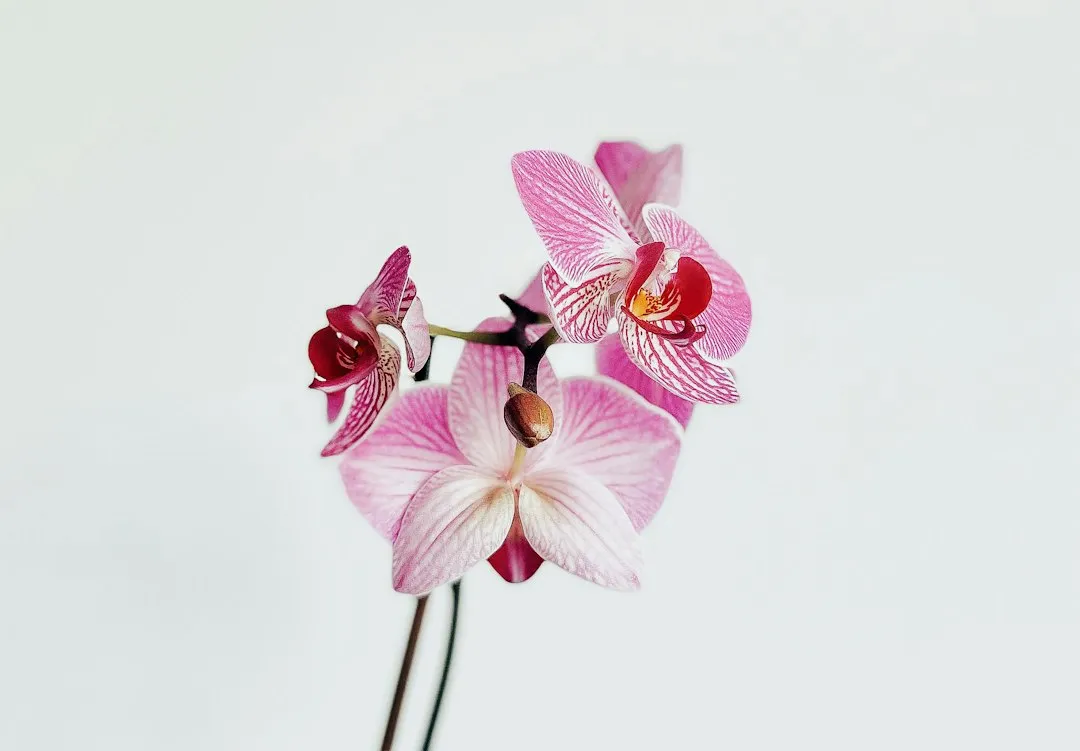
Plants in soil are among items that will not clear inspection, along with most untreated fresh fruit and vegetables, fresh mangoes, berries of any kind, citrus or citrus-related lei parts, jade vine and Mauna Loa leis, seeds with fruit clinging to them, fresh seed pods, sugarcane, swamp cabbage, mock orange, live insects or snails, and anything carrying soil.
If you found yourself enchanted by the exotic blooms on display at a botanical garden in Honolulu, there are plenty of venues where you can buy orchids potted in sterile medium rather than soil, packaged and labeled to pass inspection.
Soil can harbor a multitude of pests and diseases. Anything with soil clinging to it, including hiking boots, gardening tools, and even sporting equipment, may be confiscated or require cleaning. This catches travelers off guard more often than you might expect.
ʻŌhiʻa Blossoms: A Quarantine Most Visitors Don’t Know About
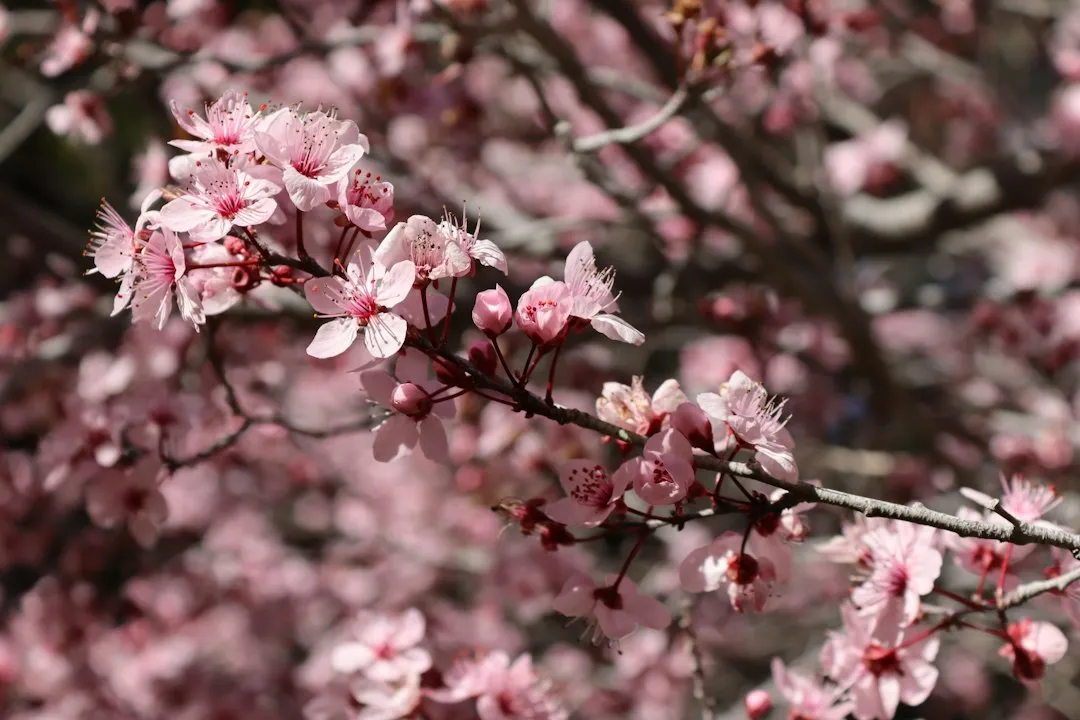
The Hawaii Department of Agriculture has rules specifically meant to protect native forests from a deadly fungus called Rapid ʻŌhiʻa Death, or ROD. A quarantine has been in effect since 2015, and it bans the transport of all ʻōhiʻa plants and parts, including flowers, leaves, seeds, stems, twigs, cuttings, untreated wood, logs, mulch, and soil.
Inspectors are usually stationed at airports in Hilo and Kona to collect any prohibited ʻōhiʻa material so that items are returned respectfully to Hawaiʻi Island forests. In 2023, inspectors collected 31 lei poʻo, or head lei, in Hilo and 12 in Kona.
Harvesting ʻōhiʻa can spread ROD since spores travel in soil, on tools, vehicles, shoes and clothing. The fungus has already devastated large swaths of native forest across the Big Island, which is why enforcement at inter-island checkpoints is taken so seriously.
Live Insects and Land Snails: Prohibited Without Exception
Every live insect or snail gets confiscated. Live insects and live snails are completely prohibited from leaving Hawaii. No exceptions.
That’s why the ban covers shells too. Land snail shells of any kind can’t leave, even empty ones. Seashells from the ocean are allowed. The difference matters at the inspection line, and inspectors check.
Kids collect insects. Families scoop up beautiful shells without checking whether something’s still living inside. Hikers pocket interesting-looking snails as souvenirs. These are genuinely common scenarios at the inspection desk, not rare edge cases.
Lava Rocks: Illegal, and Deeply Disrespectful
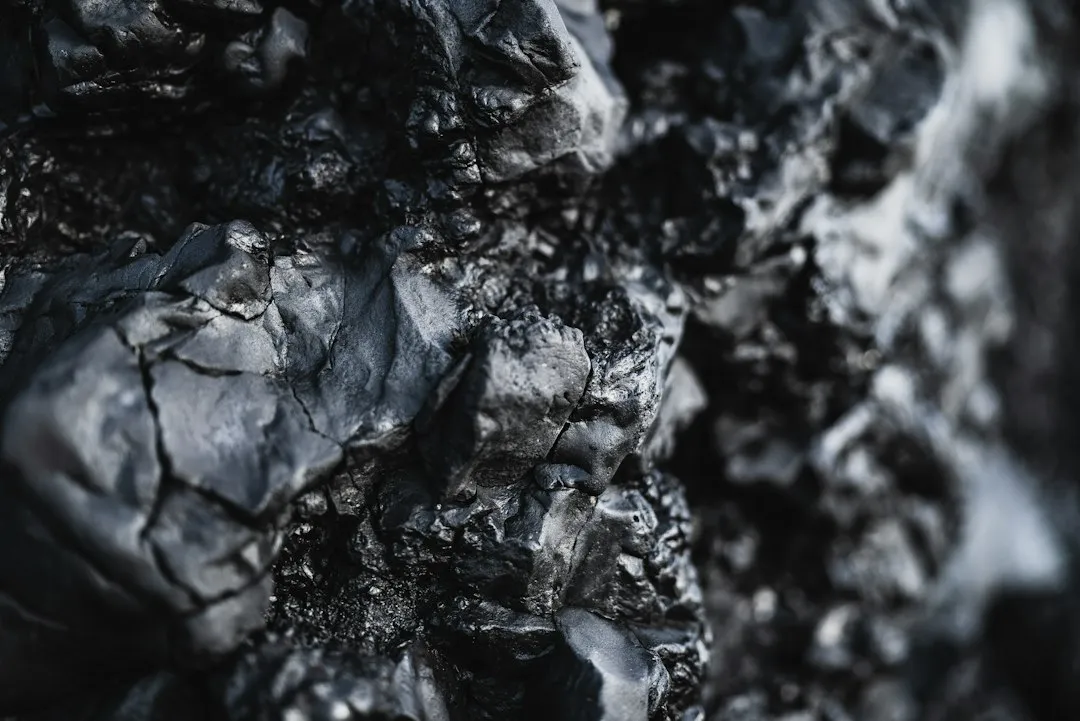
Taking lava rocks from Hawaiʻi Volcanoes National Park is illegal. The park classes lava, Pele’s hair, sand and dirt as protected minerals. Hawaii law also bans taking rocks and sand from its shorelines.
A rock is not an isolated souvenir: it belongs to the geological, archaeological, and cultural context of the place. For many Native Hawaiians, lava and volcanic rocks are the physical form of Pele, a respected being associated with the creation and transformation of the landscape.
Hawaii Volcanoes National Park receives thousands of letters from tourists apologizing for taking lava rocks from the Hawaiian Islands. The letters are, in most cases, accompanied by the rocks they wish to return. The scale of the practice, and the guilt that follows it, is genuinely striking.
Coral and Black Sand: Protected by Federal and State Law
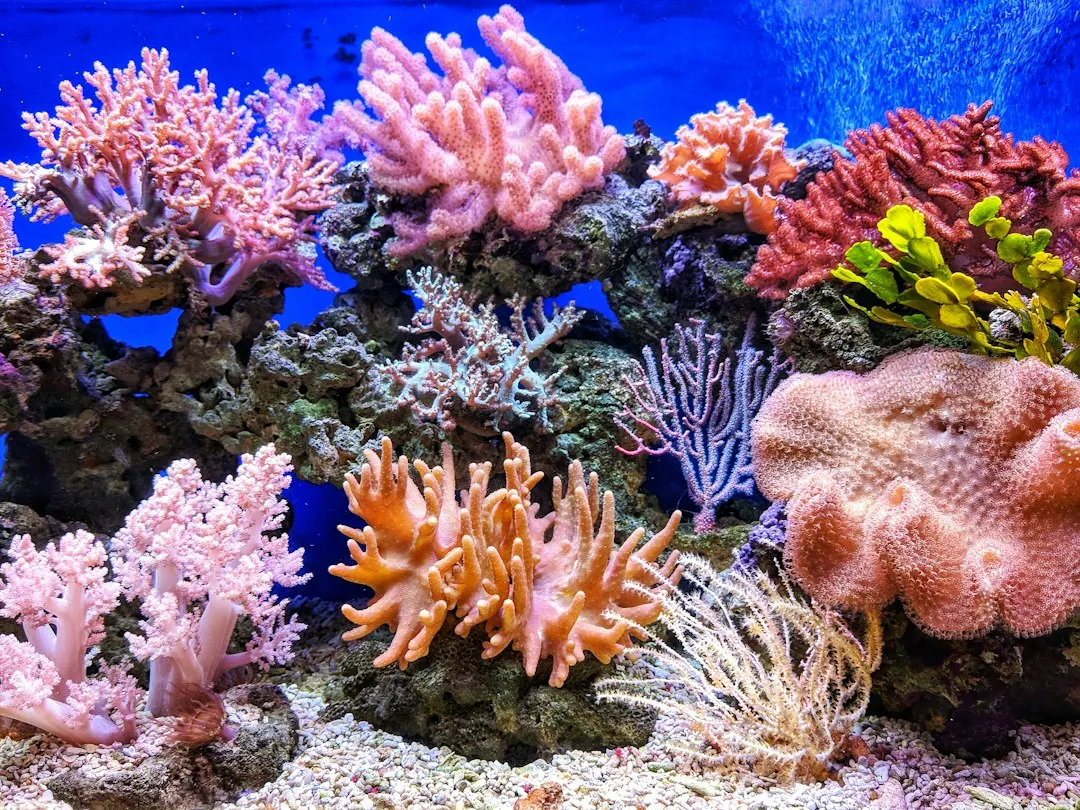
Black sand is protected everywhere and is never legal to remove from any beach in Hawaii. Coral is federally protected under the Magnuson-Stevens Act and should not be taken.
Tourists bringing shells and coral as souvenirs face confiscation and potential fines because of conservation laws. The reef ecosystems around the Hawaiian Islands are under significant ongoing pressure, and every piece of coral removed, however small, matters.
Strict regulatory prohibitions ban the removal of lava rocks from public lands, including shorelines, state forests, wildlife sanctuaries, and national parks, to safeguard geological features, fragile ecosystems, and sites of cultural importance to Native Hawaiians. Sand and coral fall squarely within the same protections.
Seeds and Propagative Plant Material: A Subtle and Common Mistake
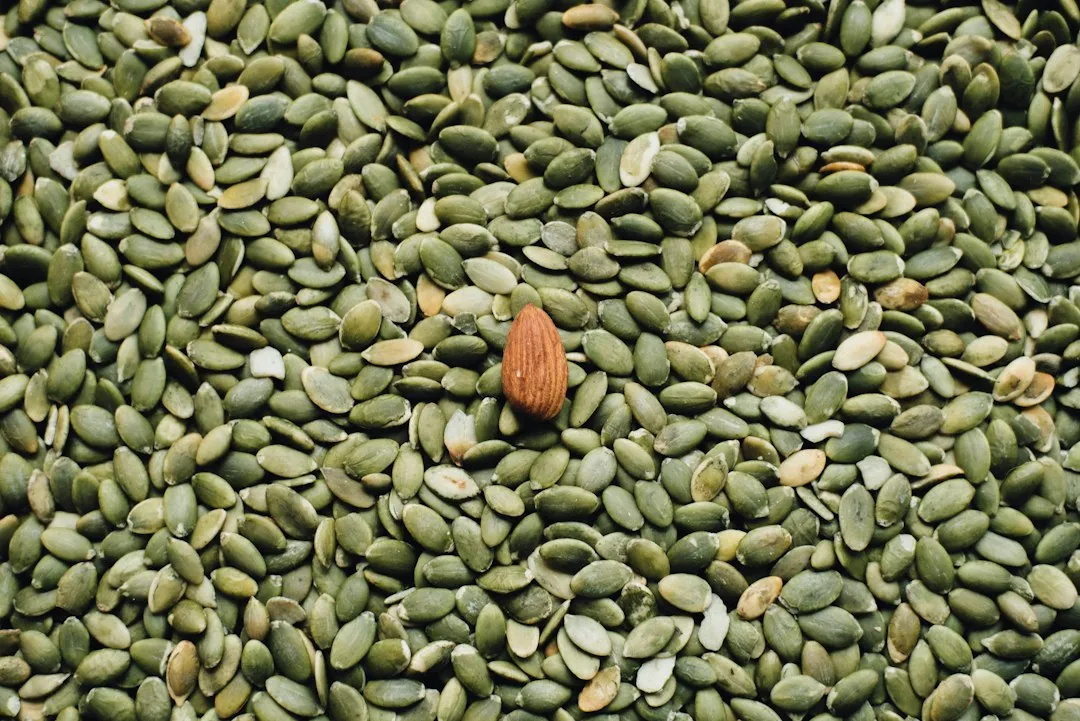
Raw or propagative seeds and bulbs must be declared and inspected. Many are restricted or prohibited. Fresh seed pods are specifically banned. Seeds with fruit clinging to them can’t travel. The concern is that seeds could introduce invasive plant species that would spread rapidly in Hawaii’s climate.
Other items that sometimes get stopped include plants with soil or anything in shells that could germinate. A seed tucked into a pocket or a dried pod bought at a craft market can easily trigger a secondary inspection.
The list of allowed items is practical, and certified farms or vendors usually have the treatment and labeling worked out before you buy. The trick is knowing which is which before you pack, so you do not watch a fresh fruit box or lei land in the confiscation bin on departure day.
The Bigger Picture: Why These Rules Matter
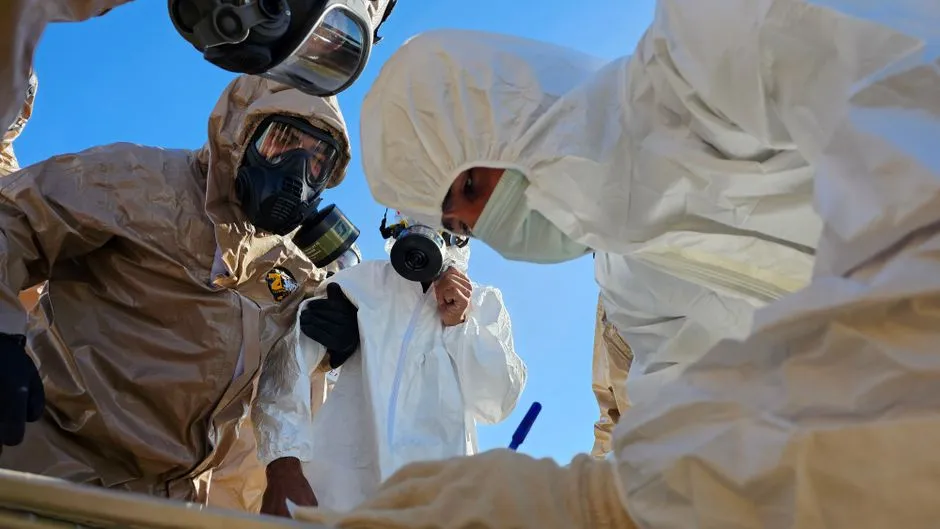
The agricultural declaration form is intended to protect the state from invasive species and pests. By educating travelers before they even board flights to the Islands, the state can better prevent agricultural materials and potential biohazards from arriving in the first place.
In an August 2024 interview, Hawaiʻi Department of Agriculture Director Sharon Hurd said the state is working on building an app that would allow passengers to complete the digital survey. The move toward digital processing reflects just how seriously Hawaii is treating biosecurity as a long-term challenge.
Agricultural inspections are conducted by the Hawaiʻi Department of Agriculture (HDOA) and the U.S. Department of Agriculture (USDA) at airports and seaports. The work they do quietly, efficiently, and often within seconds, is what keeps Hawaii’s ecosystems from unraveling one well-meaning souvenir at a time.
What You Can Take: A Few Bright Lines
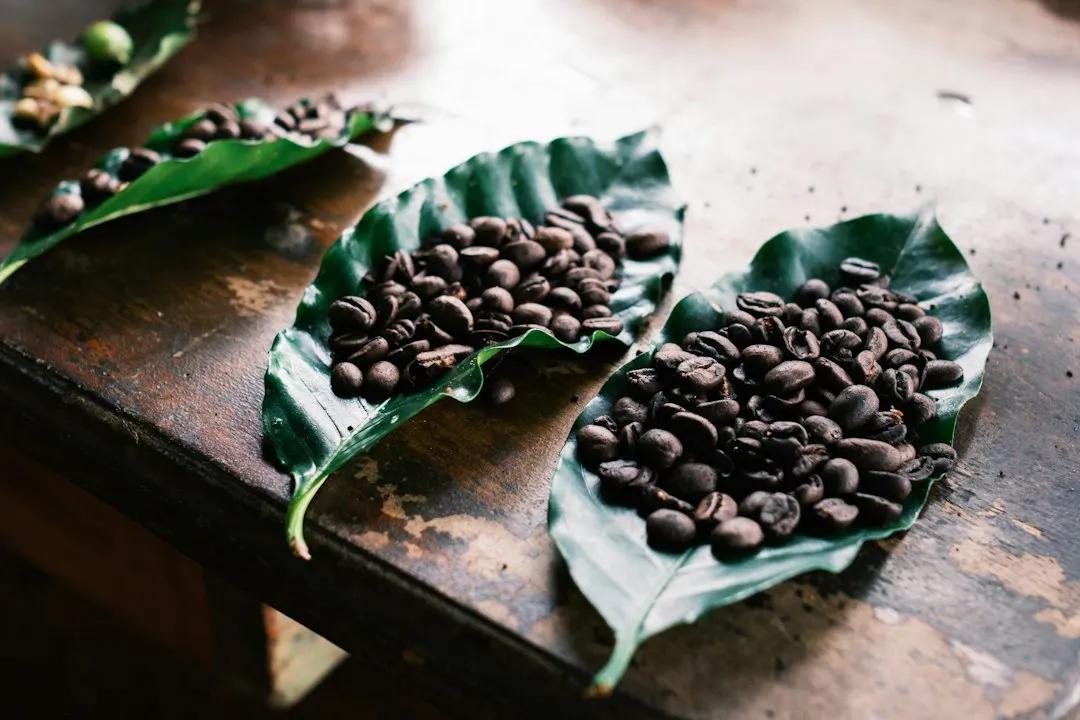
Items that usually clear after inspection without special treatment include fresh pineapple, coconuts, roasted or green coffee beans, macadamia nuts, dried fruit, packaged sweets, frozen or processed foods that meet APHIS rules, vacuum-sealed seafood, finished wood, cleaned seashells, and most lei flowers.
If travelers realize they’re carrying fresh produce, there’s an amnesty bin at all airports. Items can be deposited in the designated containers. Using one is not embarrassing. It’s the right call, and inspectors genuinely appreciate the transparency.
The best Hawaii souvenirs have always been the ones that don’t require a declaration form: locally roasted Kona coffee, macadamia nut confections from a certified producer, a hand-thrown ceramic from a local studio, or a piece of music from an artist you discovered on the road. Those will always make it home.
Final Thoughts
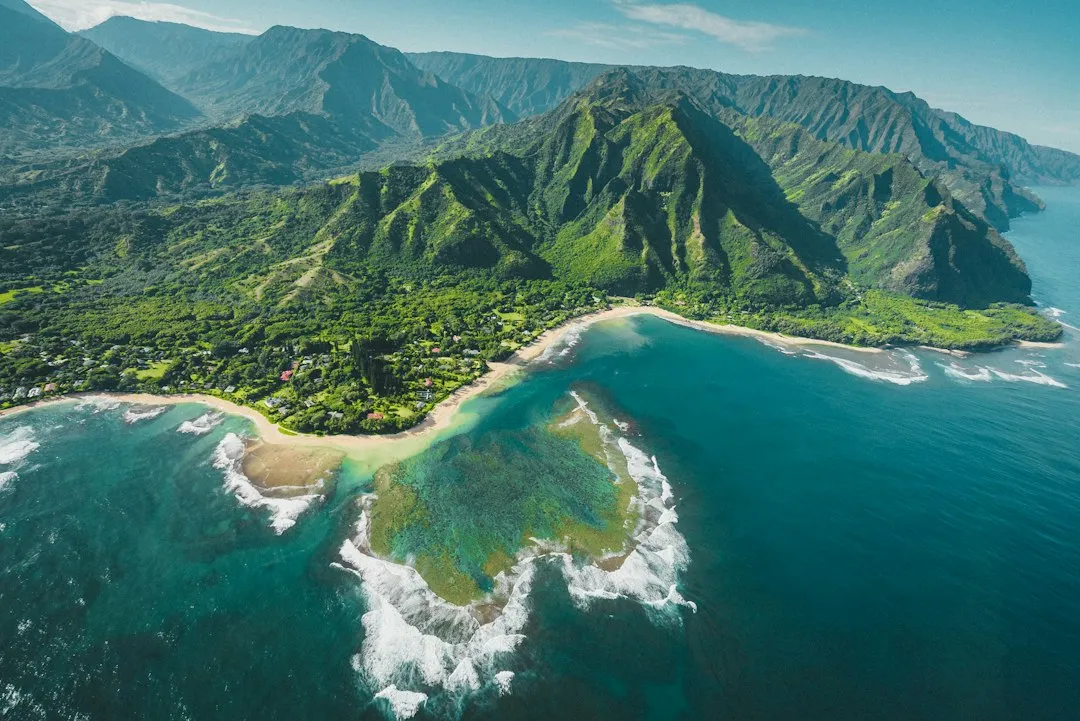
Hawaii’s agricultural inspection system isn’t a nuisance layered on top of an otherwise easy departure. It’s a genuine line of defense protecting one of the most ecologically fragile places on Earth. The islands evolved in near-total isolation over millions of years, and that isolation is precisely what makes them so extraordinary and so vulnerable.
The inspectors who quietly open bags and redirect prohibited items aren’t standing in the way of a good souvenir. They’re helping preserve the experience that brought you to Hawaii in the first place. Knowing the rules before you pack isn’t just practical. It’s a small act of respect for a place that gave you something worth remembering.
AI Disclaimer: This article was created with the assistance of AI tools and reviewed by a human editor.