

There’s a moment that happens at nearly every agriturismo table in Italy. The plates are cleared, the last of the estate wine is poured, and someone at the table says something like: “I need to remember exactly what this tasted like.” They never quite can. That’s partly the point.
What agriturismo hosts have quietly known for decades is that the most powerful part of a farm stay isn’t the view, the swimming pool, or even the architecture. It’s the meal. And it’s not just the food itself. It’s the hour it was served, the hands that made it, and the particular light on the table when it arrived.
A Sector Built Around the Table
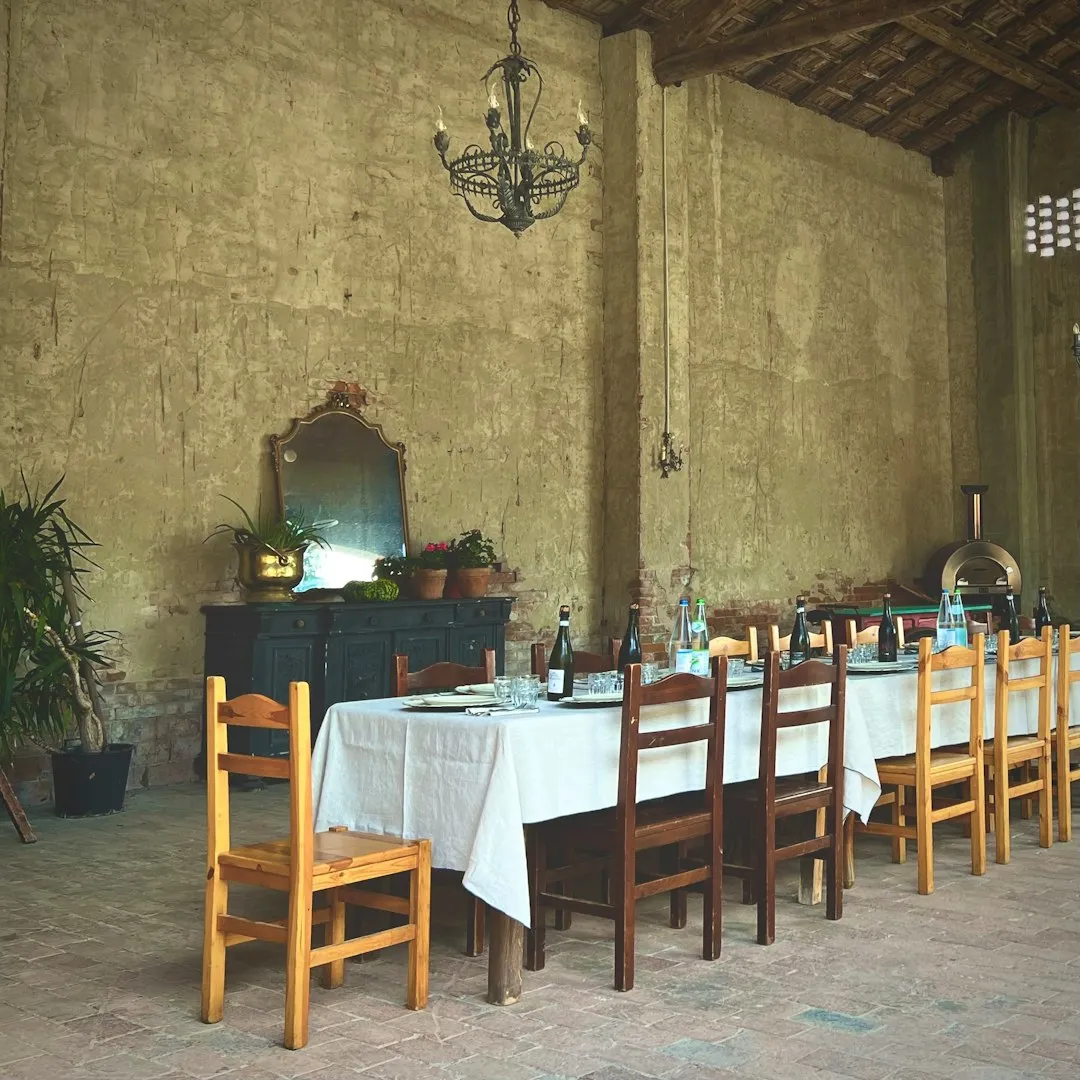
In 2024, there were 26,360 licensed agriturismo businesses in Italy, a 0.9% increase compared to 2023, according to ISTAT. The sector reached a production value of nearly 1.93 billion euros in 2024, representing a growth of over 140% compared to 2020. That kind of growth doesn’t come from accommodation alone.
The clientele is increasingly international: foreigners represent more than half of all arrivals, with peaks of over 60% in the Northeast. Many of those visitors come specifically for what they can’t get at a city restaurant: a meal produced almost entirely from the land they’re sleeping on.
The Fixed Farm Dinner That Sells Itself
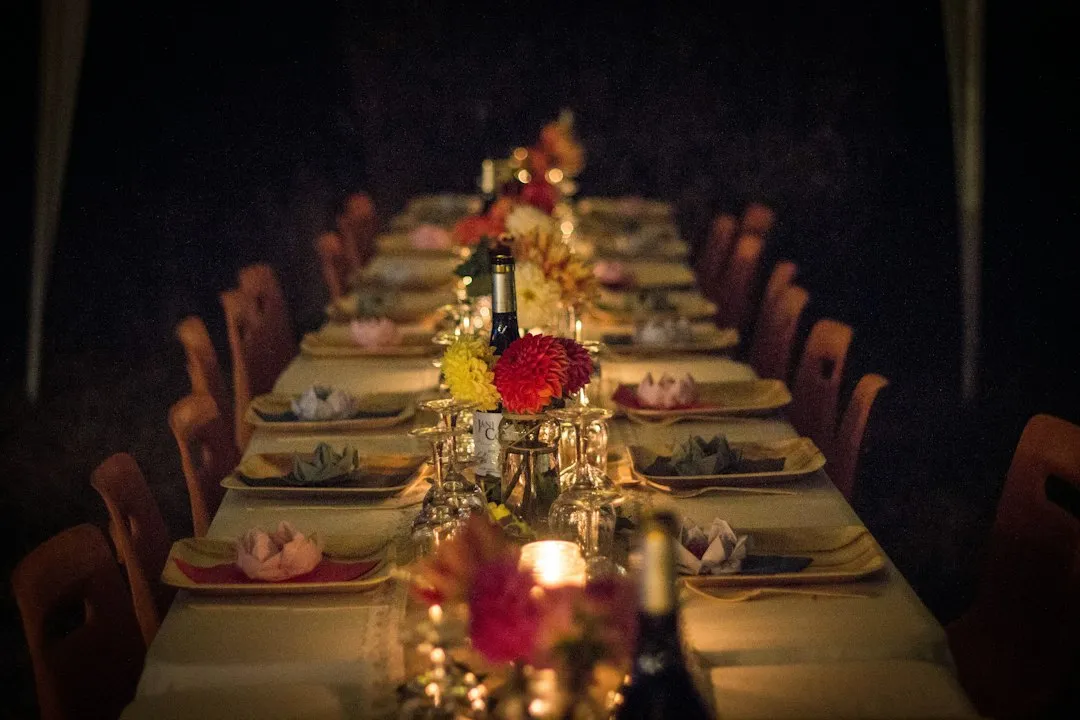
The farm dinner is the product. It follows whatever is ripe, brings the family’s wine to the table at farm prices, and requires no menu decisions after a long day on the road. Hosts across regions describe it as the moment guests finally exhale.
Travelers who book room-only routinely end up adding the dinner after the first night’s smell reaches the courtyard. That detail says more about the persuasive power of a farmhouse kitchen than any marketing copy could. At smaller operations, the kitchen cooks only with advance notice, so mentioning at booking whether you want dinner is essential. It is typically the best meal available for miles.
When the Menu Follows the Season, Not the Other Way Around
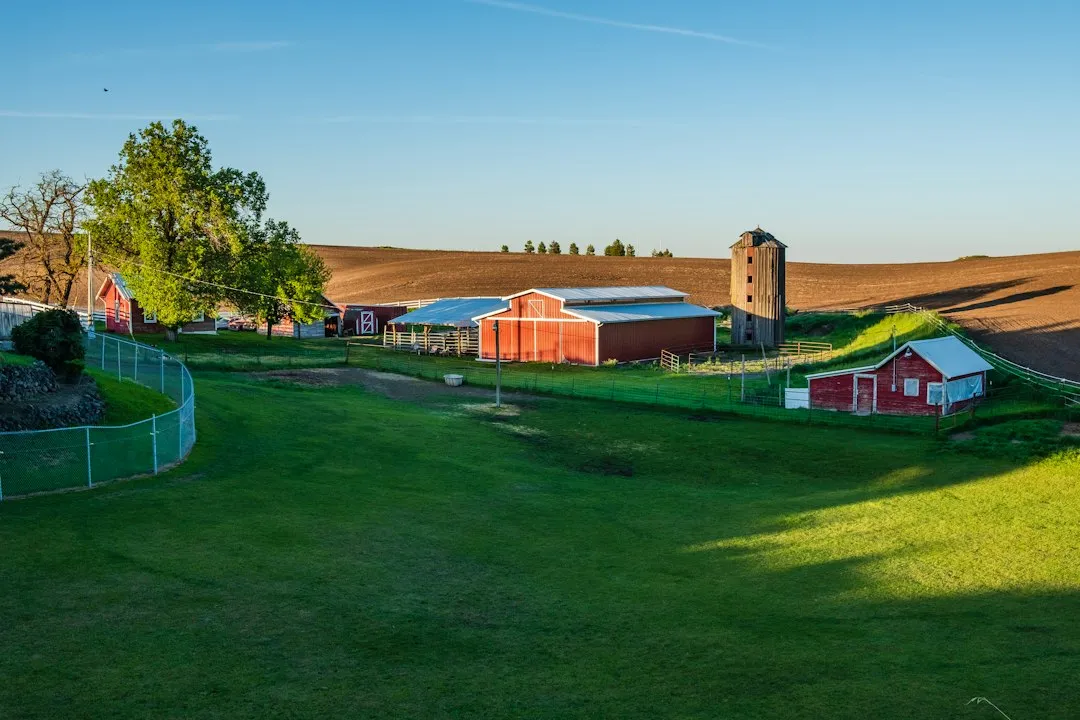
Often found in off-the-beaten-track locations, these farms offer guests a glimpse of rural Italian life, where dishes are prepared with pride and great care using seasonal ingredients grown on the premises and sourced from the finest local producers. The menu changes not by the week but sometimes by the day, depending on what came out of the ground that morning.
Expect seasonal, homemade dishes like ribollita, roasted meats, and handmade pasta. In autumn, wild mushroom pasta replaces the summer tomato salad. In spring, fresh fava beans appear on the antipasto board before anyone even asks. The seasonality isn’t a trend here. It’s simply what’s available, and that constraint turns out to be a gift.
The Handmade Pasta Lesson Nobody Forgets
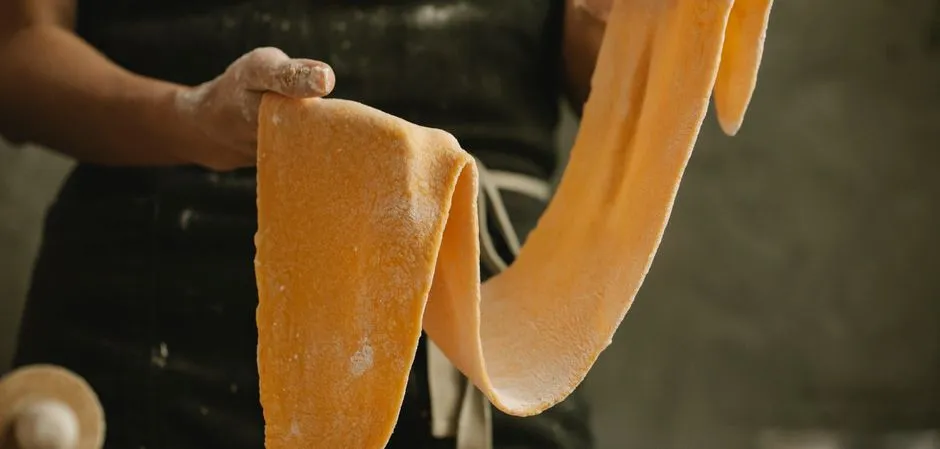
Culinary tourism, which combines agriturismo with professional cooking instruction, local market visits, and multi-course farm-to-table dining, is among the fastest-growing niche formats, with specialist operators reporting booking growth of over 30% between 2023 and 2025. The pasta lesson is often at the center of that growth.
Courses take guests through the preparation of traditional pasta shapes, and during the experience, Italian chefs share anecdotes and curiosities related to traditional regional cuisine. What makes it stick is not the technique itself but the fact that guests eat what they made, in the same kitchen, with the same people who taught them. The relaxed and joyful atmosphere, with laughter, wine, and conversation around the table, makes it feel more like a family gathering than a class.
Tuscany Leads, but the Whole Country Is at the Table

Tuscany is the leading Italian region for the number of agriturismo establishments, representing nearly a quarter of the national total, and also leads for establishments offering food and beverage services. But the meals that guests carry home in their memories come from across the peninsula.
In Sardinia, Sa Mandra was recognized as a Michelin Bib Gourmand in 2024, where guests savor one of Sardinia’s emblematic ingredients, the roast suckling pig, as the focus of a single set menu. In Umbria, cooking classes offer an authentic experience to discover the flavors and traditions of local cuisine, guided by chefs through a convivial and engaging journey. Every region has its version of the unforgettable meal. The ingredients just change.
The Multi-Course Rhythm That Slows Everyone Down
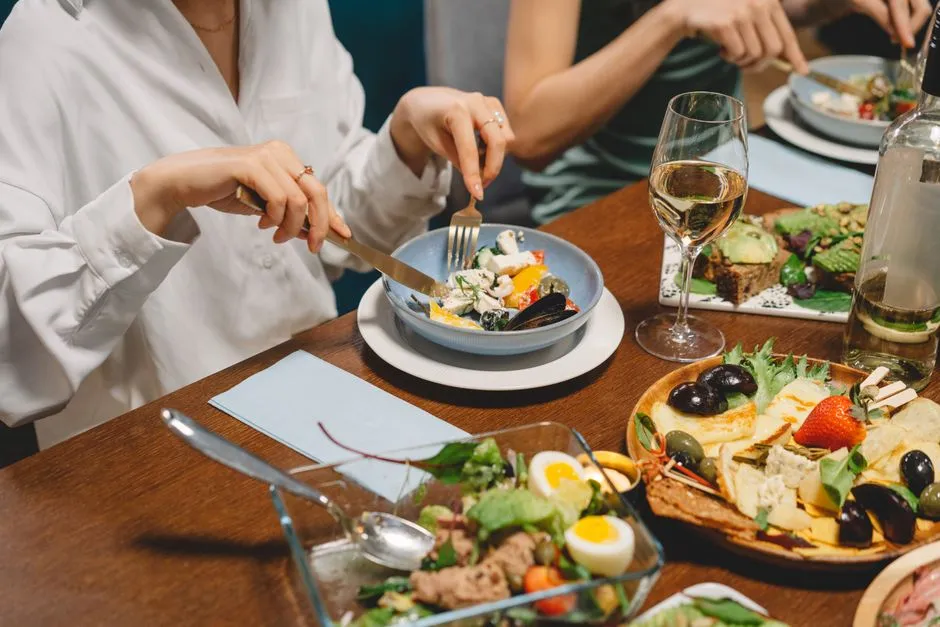
A meal at a traditional agriturismo unfolds across multiple courses with small but filling servings, stretching into a three-to-four hour food experience. This is not a bug in the system. It’s a deliberate pace that most guests haven’t experienced since childhood, if ever.
The antipasto arrives slowly. The pasta follows. A roasted meat course comes after that. Somewhere in the middle, time loses its grip. Hosts describe how guests who arrived checking their phones are, by the second course, deep in conversation with strangers at the communal table. That’s the meal they talk about later. Not any particular dish. The whole arc of it.
Farm-to-Table Before It Became a Phrase
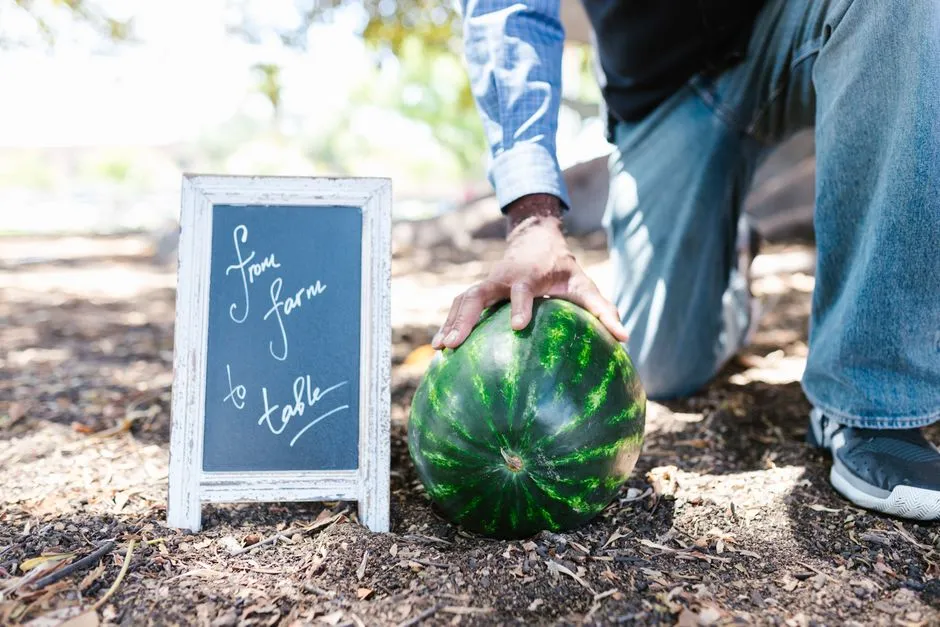
Italian law requires that farming remain the primary activity at any registered agriturismo. Hosts serving meals are expected to cultivate sufficient produce or raise enough animals to supply a meaningful portion of the ingredients. This isn’t marketing. It’s a legal obligation that happens to make the food better.
Accommodations often include meals made from the farm’s own produce. Guests can expect homemade olive oil, farm-to-table meals, and wine poured straight from the vineyard’s barrels. When the olive oil on the bread came from the trees you walked past that morning, the flavor is different. Not imagined. Actually different. The oil is fresher, the provenance more immediate, and that connection registers somewhere deeper than taste.
Breakfast as a Quiet Opening Act

Many agriturismi offer homemade breakfasts each morning. Think fresh bread, farm eggs, seasonal fruit, and jams made on-site. Some serve pastries still warm from the oven, along with strong, freshly brewed coffee. It’s a gentle start, and deliberately so.
Italians keep breakfast light, so guests find cakes, a fruit tart or two, bread, jam, fruit, and yogurt. On a farm the jam and honey are often homemade and excellent. It might seem like a footnote compared to dinner, but guests consistently mention it when they describe the overall experience. Something about starting the day with someone else’s homemade apricot jam on warm bread recalibrates expectations for everything that follows.
Wine from the Property Changes the Conversation

Some agriturismi are based at family-managed vineyards, while others are run on small working farms producing wines, olives, cheese, fresh fruit, vegetables, and preserved meats. When the wine at dinner comes from the same land visible through the window, the conversation at the table shifts naturally toward the farm itself, its history, its people, its struggles with weather and soil.
Properties with boutique wineries often make an excellent wine tasting session one of the top features of a stay. Hosts who produce their own wine say it’s the element that most often prompts guests to ask follow-up questions: about the grape varieties, the harvest, the challenges of organic production. Food opens the mouth. Wine opens the conversation.
What Hosts Say Guests Actually Remember
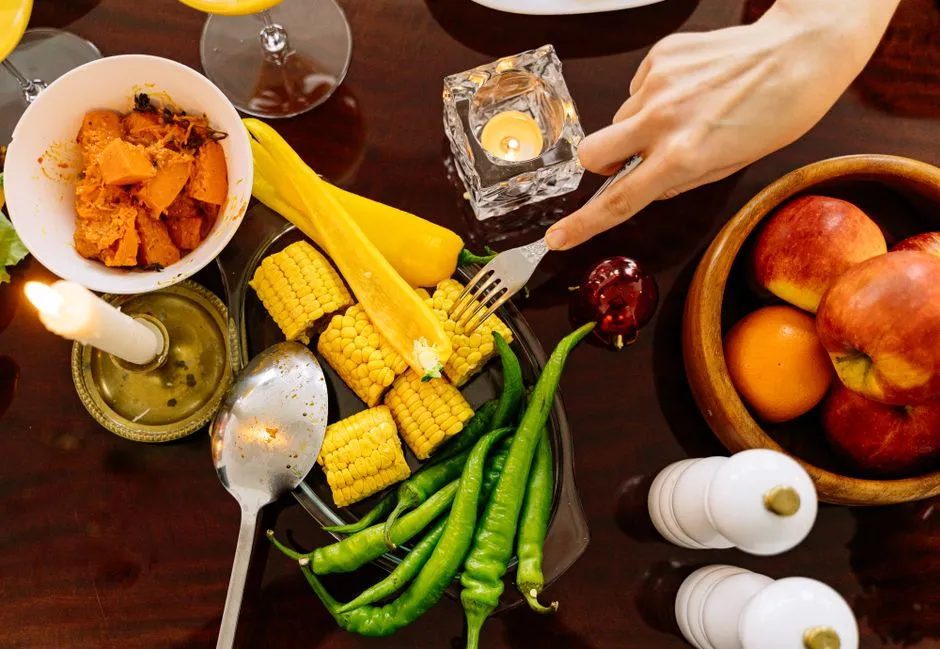
Ask agriturismo hosts what their guests mention in emails and reviews months later, and the answers are consistent. It’s rarely a specific dish. More often, it’s a feeling they’re describing: the warm bread, the nonna at the stove, the communal table where nobody knew each other at the start of the evening. It’s not only about learning how to make pasta. It’s about being welcomed into an ancient village by an entire family, sharing love, traditions, and laughter.
The growing demand for culinary agriturismo formats reflects a broader shift in how travelers define a meaningful experience. The meal isn’t just sustenance. It’s the most concentrated version of everything a farm stay promises: proximity to the source, the skill of people who’ve spent their lives in a kitchen, and the rare luxury of eating without hurry. During Christmas 2025, over two million people chose agriturismo for the holiday period, a 5% increase on the previous year, suggesting that for a growing number of travelers, this kind of table is exactly what they’re traveling toward.
The Takeaway
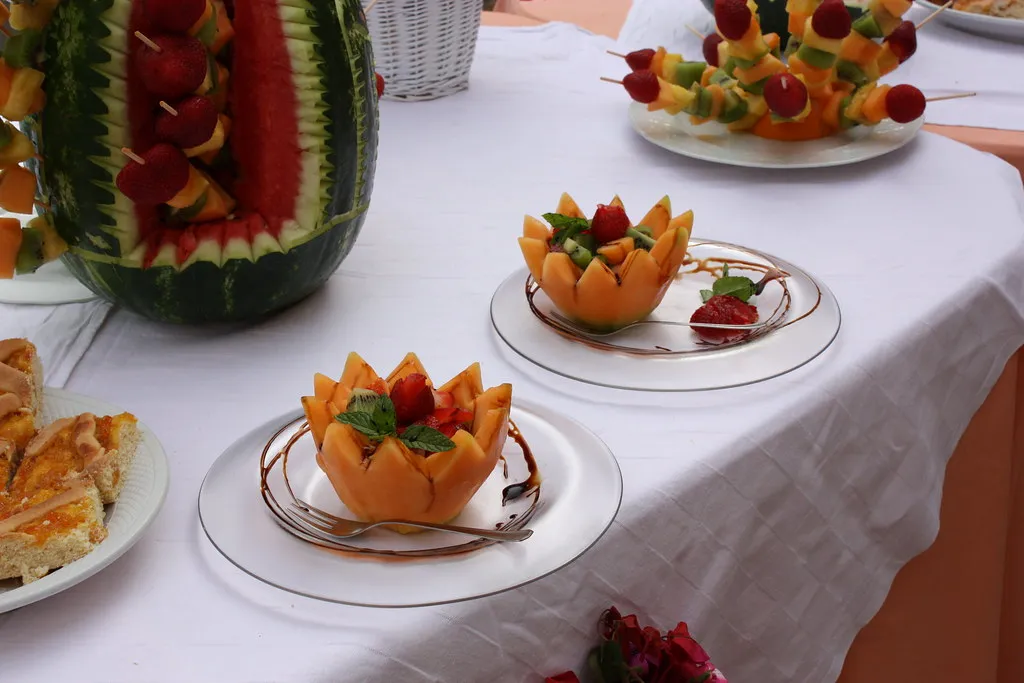
The meal that guests talk about long after leaving an agriturismo isn’t usually the most elaborate one. It’s the one that felt most real. A bowl of ribollita thickened with yesterday’s bread. A plate of handmade pici with a sauce that simmered while they were out walking the estate. A glass of the farm’s own white wine, poured by the person who made it.
Italy’s agriturismi have been offering this quietly for decades, long before farm-to-table became a concept people wrote articles about. The hosts already knew what guests would eventually figure out: the most memorable meal is the one where you actually know where everything came from, and where the table feels, briefly, like it belongs to you.
AI Disclaimer: This article was created with the assistance of AI tools and reviewed by a human editor.