

The Hidden Button Beneath Your Aisle Armrest
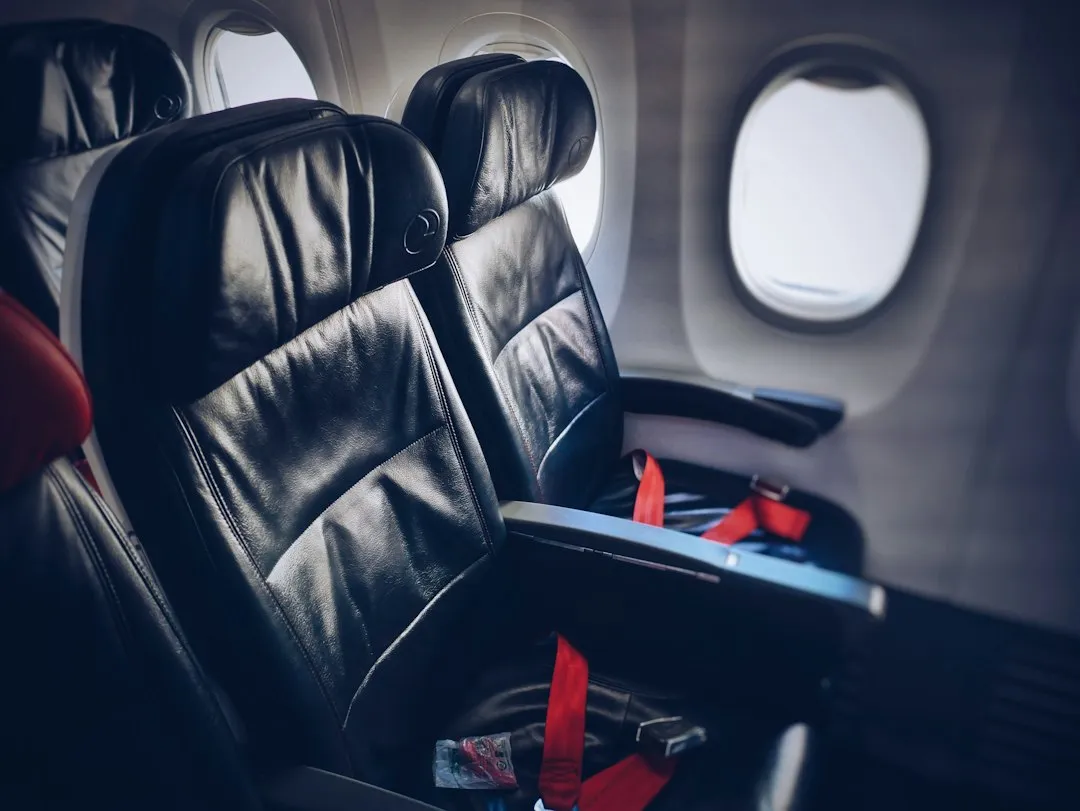
Of all the undiscovered features on a commercial aircraft, this is probably the one that generates the most surprise when people finally find it. On many aircraft, the aisle armrest can actually be raised completely out of the way. Most passengers simply accept that it won’t budge, because unlike the center armrests, it doesn’t lift with any obvious effort.
The button is on the underside of the outermost armrest of the aisle seat. To find it, slide your hand under the armrest and feel for the button close to the hinge where it connects to the chair. Press it and you are then free to raise the armrest so it’s flush with the back of your seat.
The aisle armrest must be down during taxi, takeoff, and landing, as a raised armrest can cause an obstruction and delay egress in the event of an emergency. Its true intended purpose is clear: it is designed to be raised by a flight attendant to help assist passengers with reduced mobility into and out of the seat. That is also why it is deliberately concealed.
The Federal Rule That Guarantees That Button Exists
Most travelers who discover the hidden armrest button assume it is some kind of unofficial hack. It is actually governed by federal regulation. Under U.S. Department of Transportation regulations, aircraft with 30 or more passenger seats generally must have movable armrests on at least half of the aisle seats in rows where passengers with mobility impairments are permitted to sit. The requirements apply to covered U.S. carriers as well as certain aircraft operated by foreign carriers.
While it feels like a hidden upgrade, it is actually part of a broader design standard meant to improve access for everyone who needs it. The reason airlines don’t highlight it in the safety briefing comes down to the fact that it is not universal. Not every aisle seat has a movable armrest, so it’s not a universal feature. Additionally, the armrest must remain down during takeoff and landing.
Overhead Bin Handrails You’ve Probably Never Grabbed
Turbulence is one of the most unsettling parts of flying, especially if you happen to be standing in the aisle when it hits. The instinct is to grab the nearest headrest, which disturbs whoever is sitting in it. There is a better option directly above your head.
Most passengers never notice the narrow grooves underneath the overhead bins, but frequent flyers use them as handrails when moving through the aisle. These built-in grips allow flight attendants and passengers to stabilize themselves during turbulence without grabbing seatbacks. They help reduce spills, bumps, and disruptions while keeping the aisle flowing smoothly.
Although the handrails are not standard on every aircraft, they have been in use since the early 2000s and are common on newer planes. Flight attendants use them routinely during service, which is why you’ll often notice cabin crew moving through the aisle with one hand raised.
The Triple-Layered Window and Its Tiny, Critical Hole
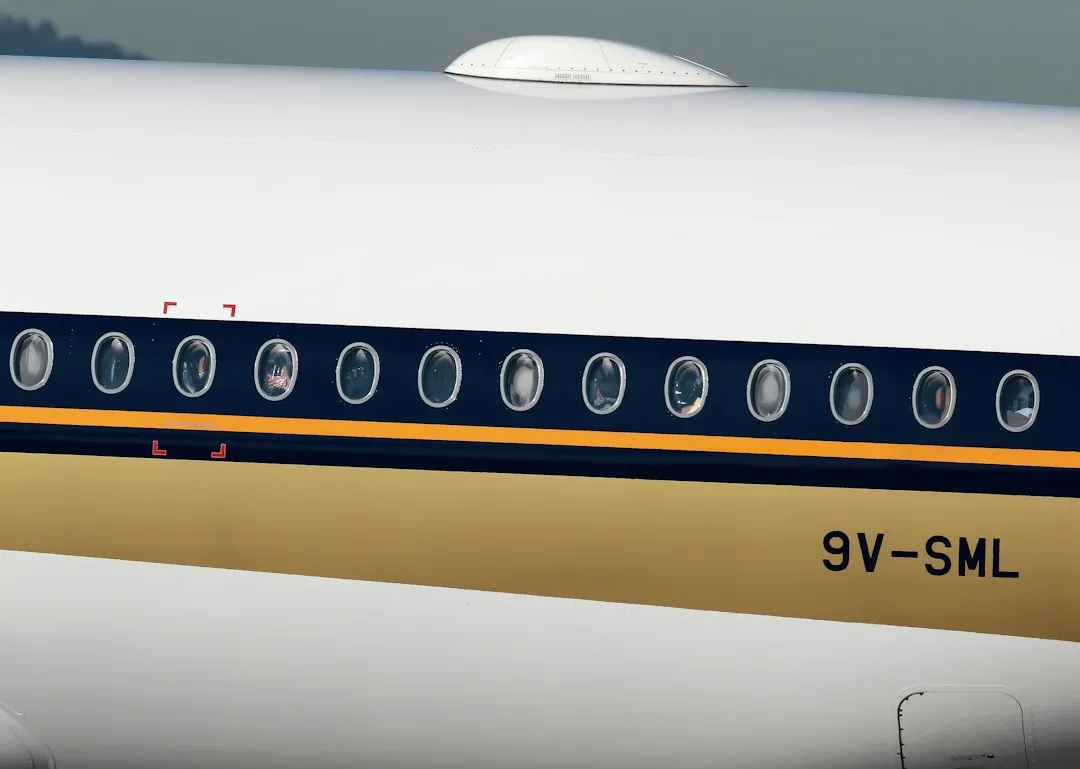
Nearly every window-seat passenger has noticed the small hole near the bottom of the cabin window at some point and quietly wondered whether it should be there. It absolutely should. The tiny hole in an airplane window, known as a bleed hole or breather hole, allows air exchange between the window’s air gap and the cabin interior, preventing pressure imbalances.
Airplane windows typically involve three pieces of plexiglass, where the innermost pane helps to protect the other two. They act as a system to contain the difference in pressure between cabin pressure and the air outside, and the bleed hole helps to balance this out. The inner pane you can actually touch is primarily cosmetic, protecting the structural layers behind it.
In the event of an emergency that requires rapid descent or changes in cabin pressure, the bleed holes play a crucial role in preventing the cabin windows from failing. If there were no bleed holes, rapid pressure changes could lead to significant stress on the windows, which might result in cracks or even shattering. They also prevent the condensation that would otherwise cloud the view entirely.
The Exit-Row Tray Table That Only Opens One Way
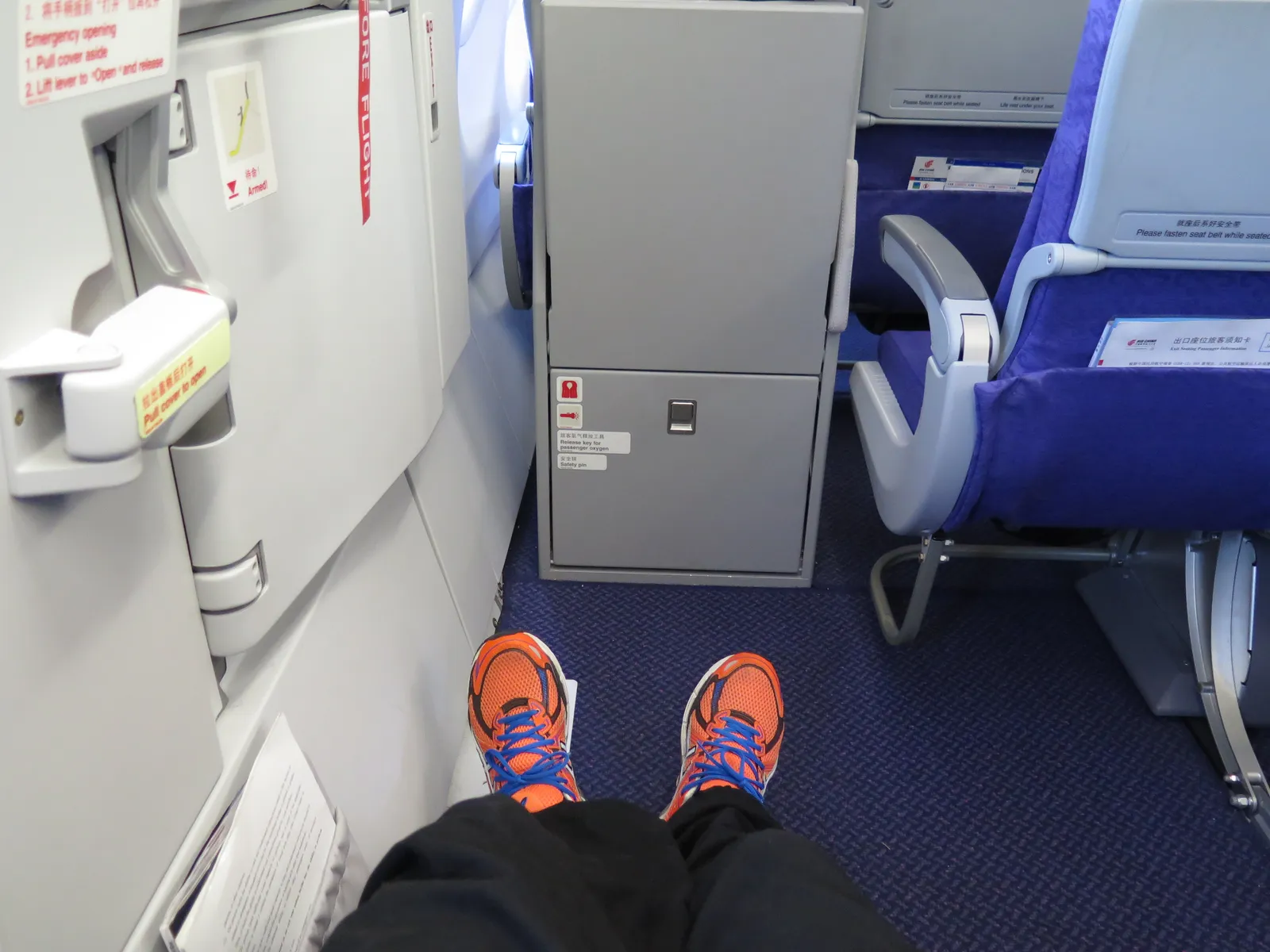
This is one of those design details that most people would never notice unless they flew exit rows regularly. Most aircraft tray tables are secured to the back of the seat in front of you using a clip that swivels either way. However, when seated in the exit row, you may find that the clip can only move away from the window.
If an evacuation is necessary, many people will be moving quickly through the row to get out of the plane, and if the clip could move in both directions, it could accidentally move towards the window. This action would release the tray table, completely blocking the emergency exit for everyone behind, at best wasting precious seconds or, at worst, costing lives. It’s a single-direction latch with a very serious purpose.
Foldable Headrest Wings That Actually Work
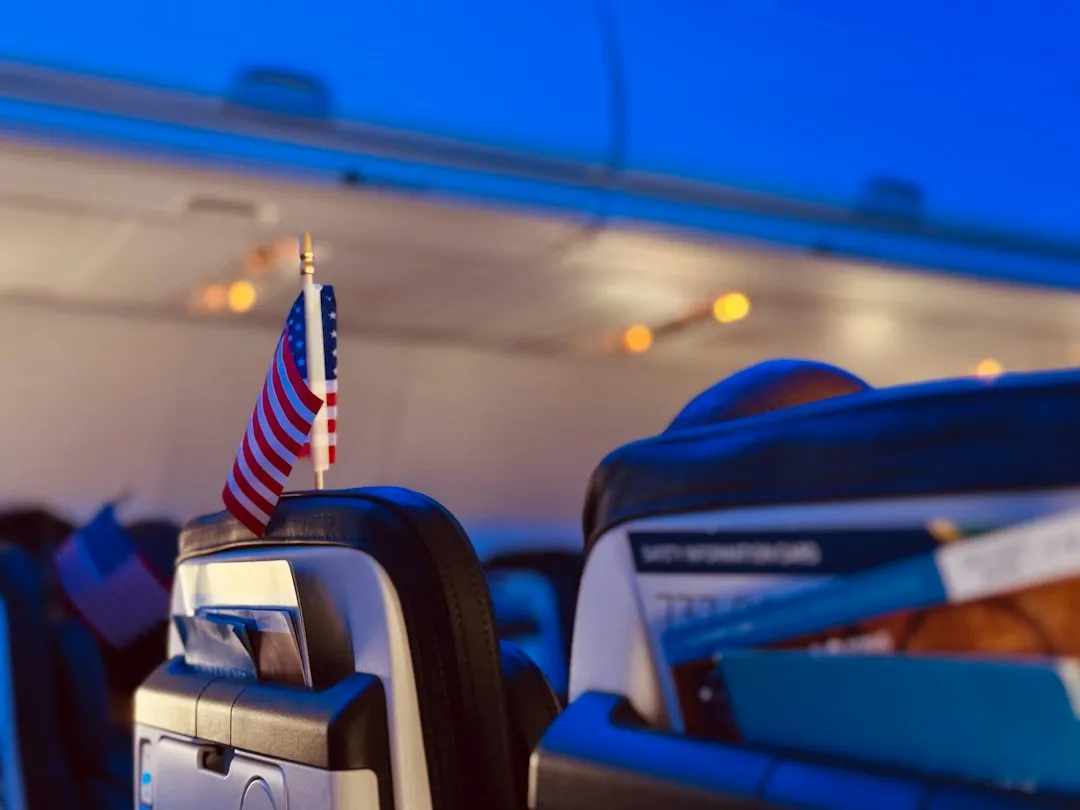
Economy headrests look perfectly straightforward, but on many modern aircraft they have an adjustable feature that goes almost entirely unnoticed. Standard economy seating systems include headrests which contain side sections that can be folded. The feature enables passengers to position their head for rest. Most passengers simply never think to try adjusting them.
On long-haul flights, these side wings can be bent inward to cradle the head from both sides, which significantly reduces the sideways drift that wakes most people up mid-nap. It’s a simple mechanical feature, but one that makes a genuine difference on a ten-hour flight. The catch is that not every aircraft or seat model includes them, so the presence of adjustable wings varies by carrier and cabin configuration.
The Lavatory Door That Unlocks From the Outside
The bathroom lock on an aircraft cabin feels completely private and secure from the inside. What most passengers don’t realize is that it is designed to be opened from the outside as well. Everyone’s familiar with the lock inside cabin bathrooms, but they also unlock from the outside. This hidden feature exists for flight attendants to unlock the lavatory door during an emergency.
The external release is typically concealed beneath the no-smoking sign on the door, accessible by lifting a small panel or flipping a recessed latch. It isn’t advertised, and for good reason. The feature exists to allow crew to access the bathroom quickly if a passenger becomes ill, unresponsive, or if smoke or another hazard is detected inside. It is a straightforward safety mechanism, not a breach of privacy.
Hidden Crew Rest Compartments Above the Cabin
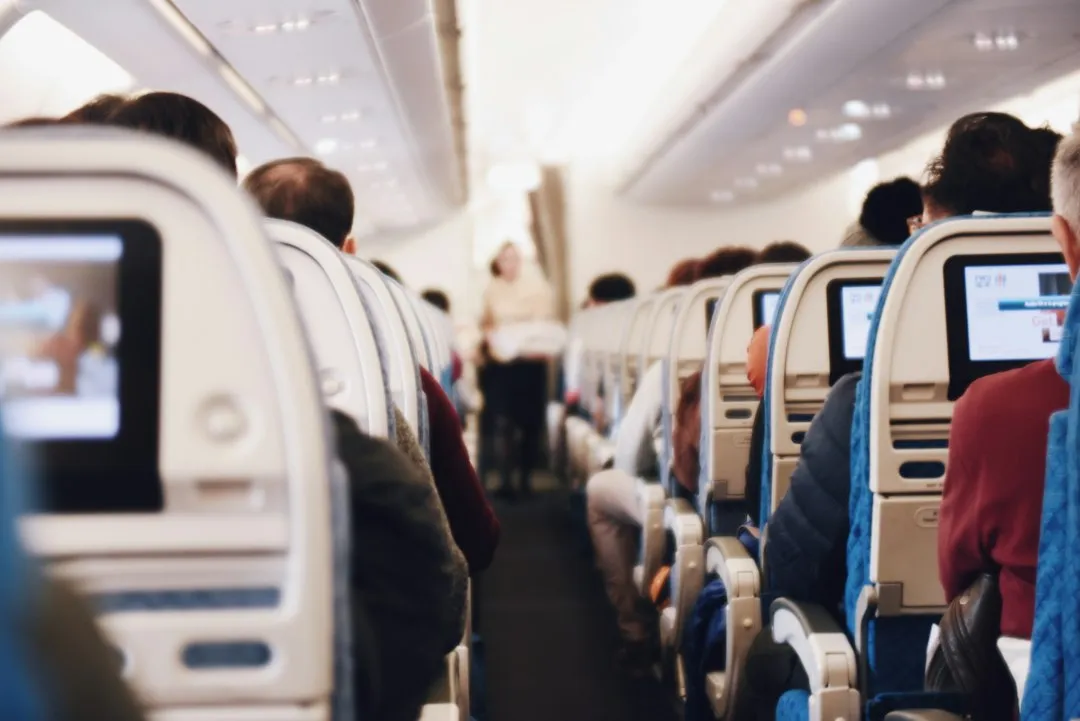
On long-haul aircraft, the cabin crew has to be rested and alert across flights that routinely last well over ten hours. This is made possible by compartments that are almost entirely invisible to passengers. Long-haul aircraft often contain hidden crew rest areas built into the ceiling or behind disguised doors. Frequent flyers on international routes sometimes spot the access points, which blend seamlessly into the cabin walls. These compartments house bunks where pilots and flight attendants can sleep during long flights.
Designed to be hidden from passengers, they are accessed by a discrete locked door. There are usually no windows, and the compartments are comprised of bunk beds, temperature, light and communication controls and a changing area. On some configurations, these rest areas can accommodate multiple crew members simultaneously, which is essential for ultra-long-haul routes exceeding fifteen hours.
The Hook on the Tray Table You’ve Never Used
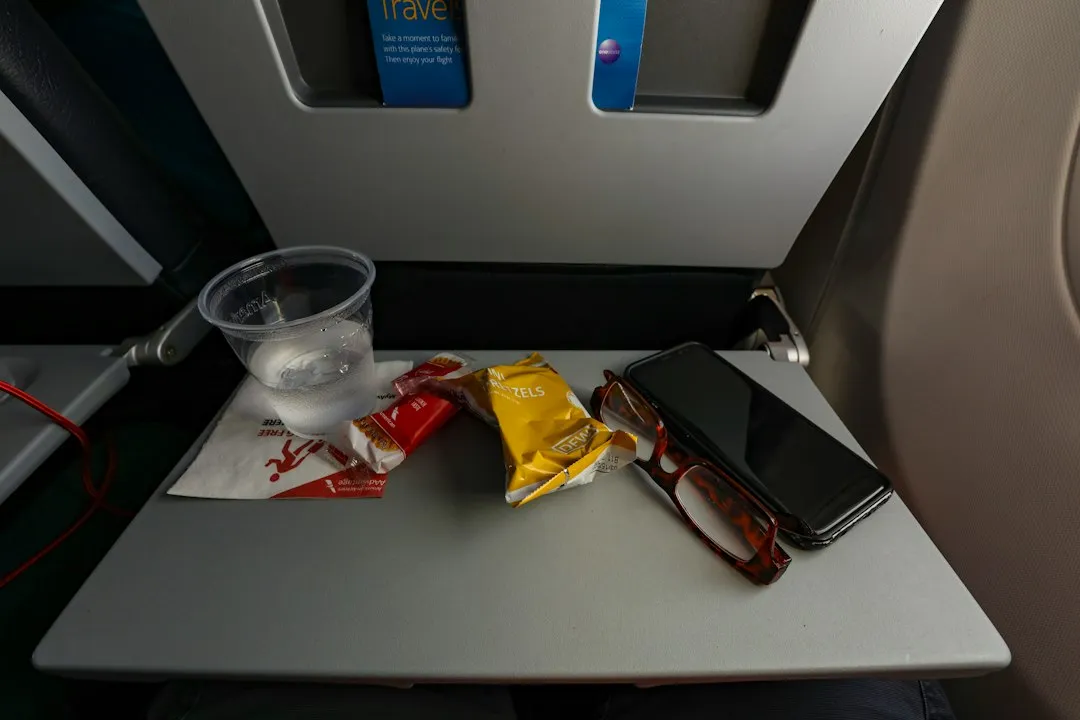
Look closely at the tray table surface when it is folded down. On many aircraft, particularly newer widebody jets, there is a small hook or loop integrated into the table design. A tray table or front seat tray table contains an unnoticeable hook which functions as a storage device. The design serves to hold bags and coats so they remain off the ground while maintaining space.
It’s a minor feature, but it solves a very real problem. Keeping a handbag or jacket off a cabin floor that sees thousands of passengers per week is something most people would actively want to do if they knew the option existed. The hook tends to sit flush with the tray surface, which is exactly why virtually no one finds it on their own.
The Wing Hooks You Can See From the Window Seat
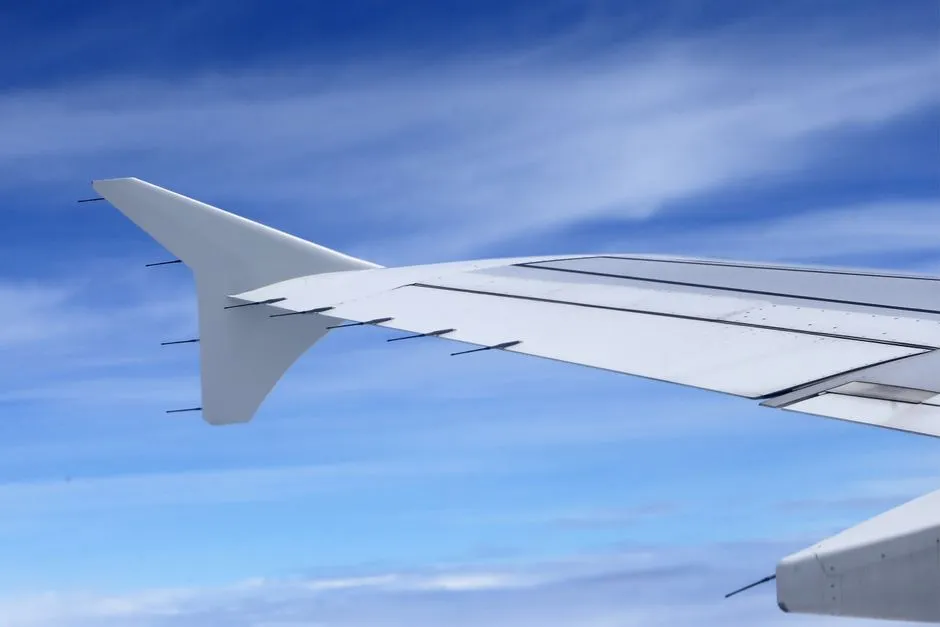
On certain aircraft, passengers with window seats over the wing can spot what look like yellow or colored hooks along the wing surface. These are not maintenance fixtures or random hardware. Yellow hooks on some wings are part of emergency equipment. Ropes attach there to guide passengers across the wing during an evacuation.
These are attachment points for ropes that can help passengers hold on to the wings or assist in deploying slides. Aircraft wings, while seemingly flat from a distance, can be slippery under wet conditions during an emergency ground evacuation. The hooks serve as anchor points so that passengers exiting through the over-wing doors have something to hold onto as they cross toward the slide or ground. It is not a feature anyone hopes to use, but it is carefully placed and very deliberately there.
The Takeaway
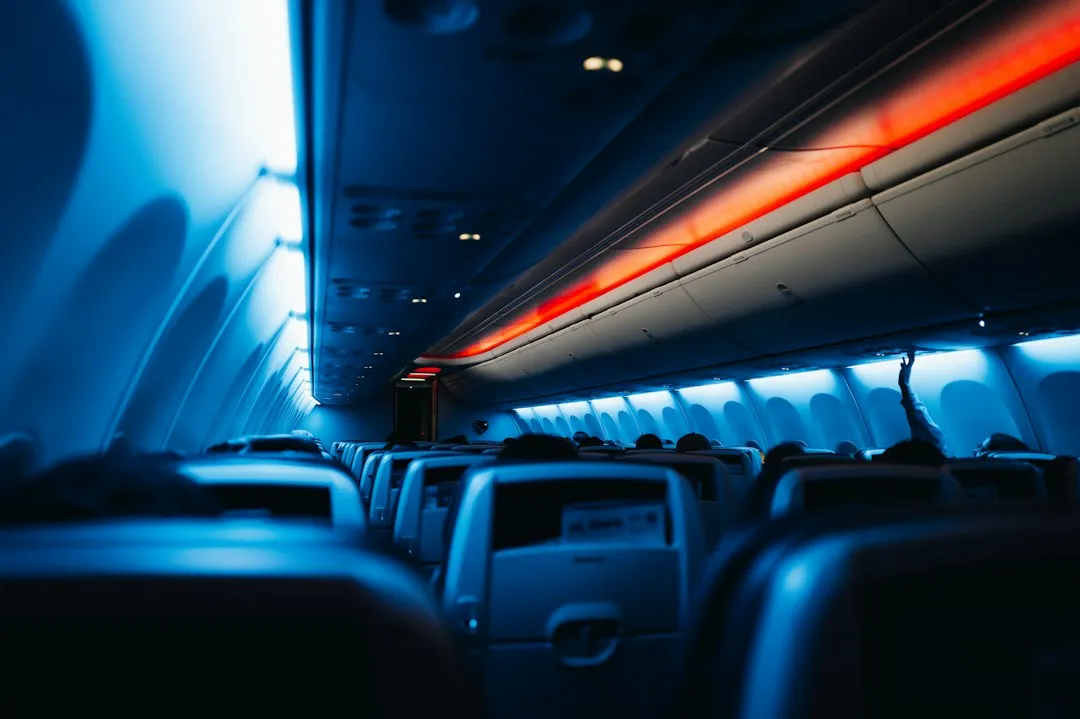
Aircraft interiors are far more thoughtfully engineered than the average passenger ever realizes. Most of what gets overlooked isn’t arbitrary, it is either a federally mandated safety requirement, an accessibility feature, or a crew-focused design choice that quietly keeps flights running safely. The aisle armrest button wasn’t put there as a comfort hack; the bleed hole wasn’t a manufacturing oversight. Every detail has a reason.
The next time you settle into your seat, it might be worth taking a slow look around before the safety demonstration starts. The cabin is doing considerably more than it appears to be.
AI Disclaimer: This article was created with the assistance of AI tools and reviewed by a human editor.