
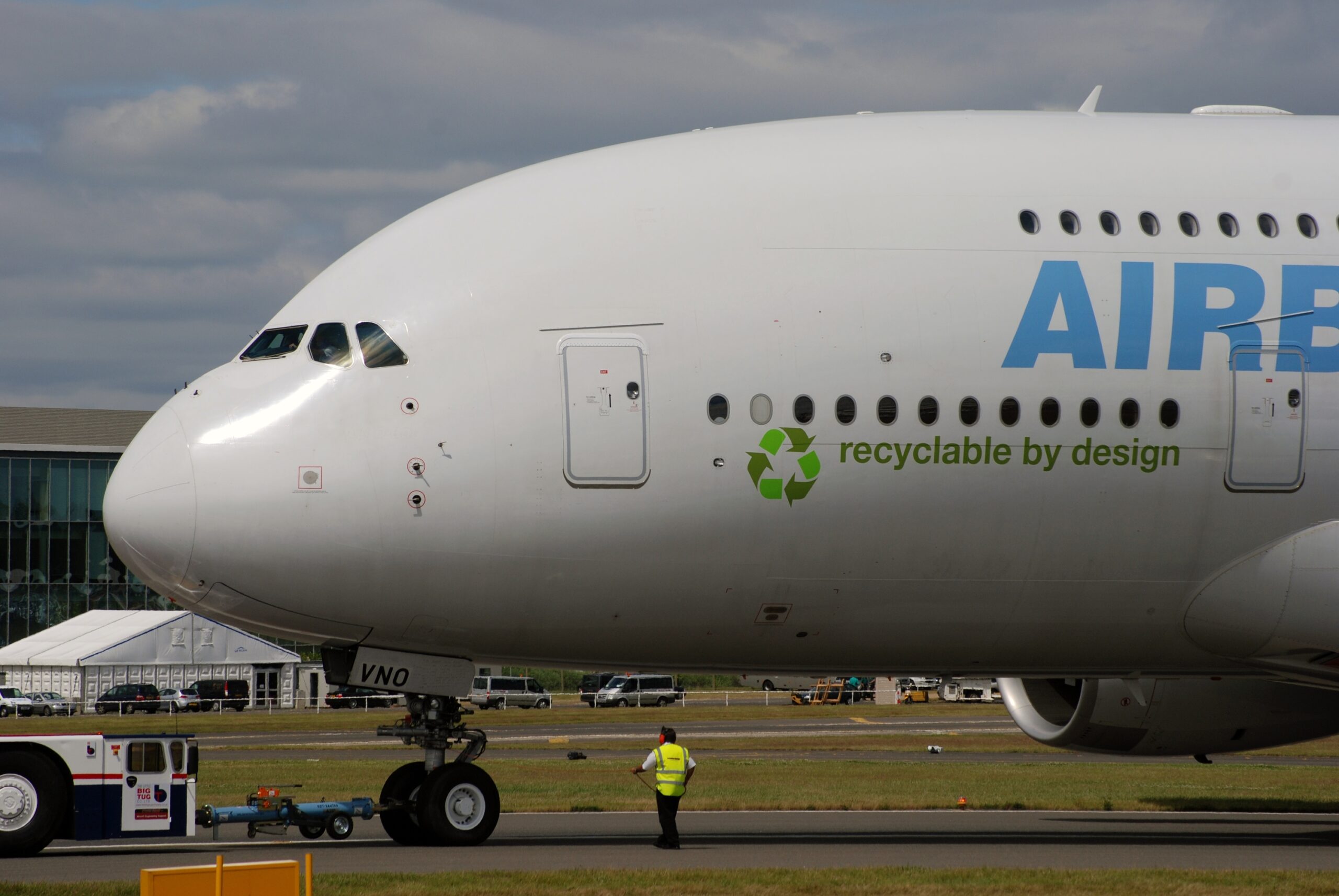

The Baseline: One to Two Weeks for Most Jets
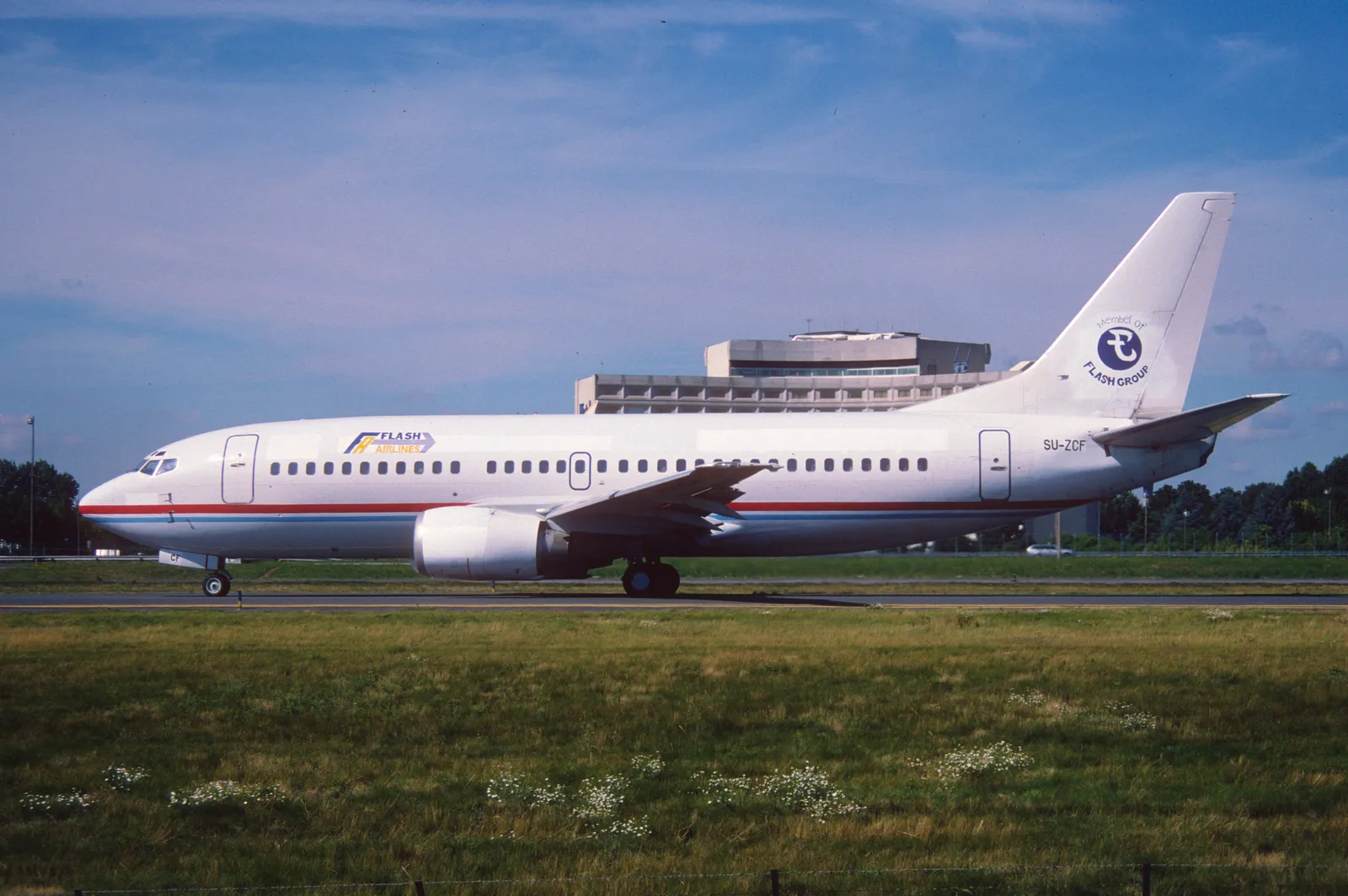
The whole process usually completes in one to two weeks, with the exact time depending mainly on the size of the aircraft and the type of design. Smaller, narrow-body airplanes may take up to one week, while wide-bodies may take up to two weeks.
Narrow-body repainting projects typically require around eight days, while wide-body projects often exceed twelve days. Those figures assume a reasonably standard livery with no elaborate graphics. Push into decorative territory and the clock moves significantly.
The timeline depends on the size and model of the aircraft, how sophisticated the chosen color scheme is, and how many colors are included. Typical shop time can run between ten and fifteen days for a standard smaller plane from initial stripping to completed delivery.
Stripping the Old Paint First
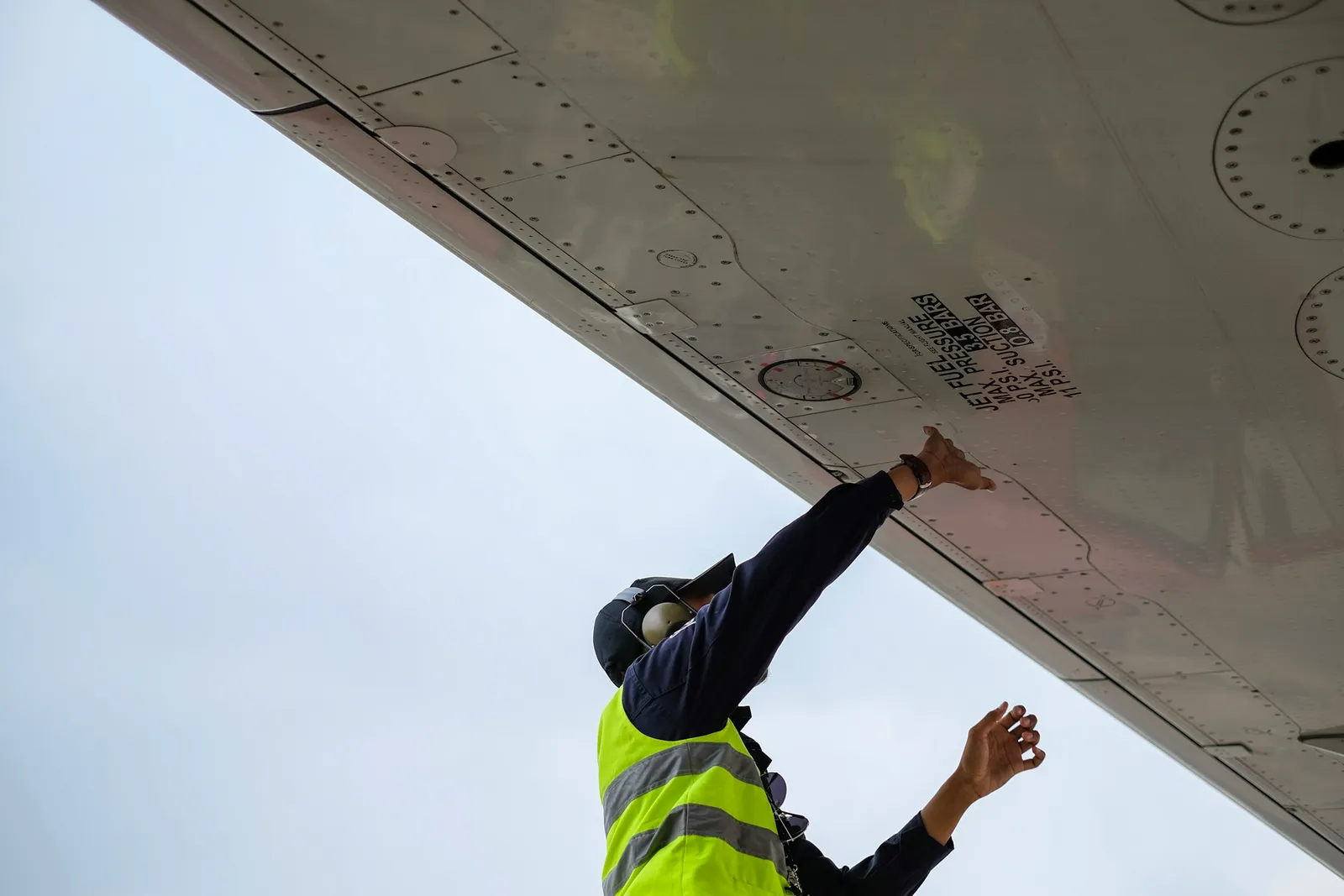
When aircraft are repainted, the first step is to strip the previous coat. To achieve this, one of two methods is used: either a chemical is used to dissolve the paint, or the paint is simply sanded off.
Solvents are sprayed onto the aircraft’s fuselage to dissolve previous coatings, and this process can take up to twenty-four hours to complete. Sanding, on the other hand, is slower and more labor-intensive. Sanding the paint off is often a time-consuming process that can also harm the plane’s surface if done incorrectly.
The old paint is stripped off the aircraft so that the new paint does not add excessively to the weight of the aircraft. Weight matters enormously in aviation, and stacking fresh paint on top of old coats is not a shortcut most responsible operators are willing to take.
Masking and Sealing: The Invisible Workload
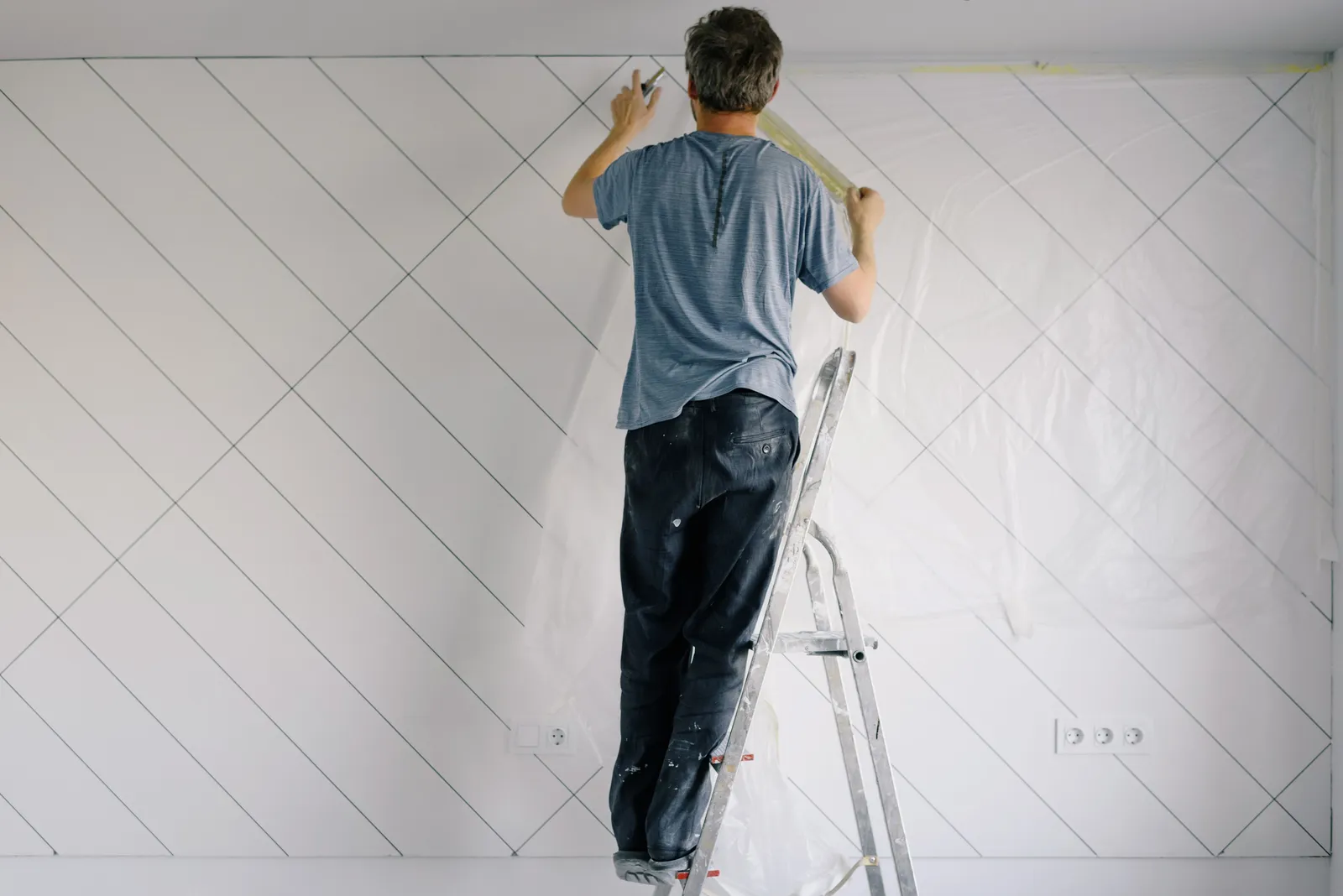
All ducts are closed and safety-sensitive equipment is protected before sealing up the entire craft. Composite parts such as windows, antennas, wheel fairings, and wingtips are masked with suitable protection film.
The mask and seal process alone can take up to two days to complete for large carrier aircraft. People familiar with the process understand this is where a lot of the hidden hours disappear. MAAS Aviation reports that sanding, stripping, cleaning, and masking take up most of the time in the aircraft painting process.
As one industry professional noted, when painting an aircraft, out of the seven days it’s in the hangar, actual painting accounts for around eight hours, depending on the complexity of the livery. The real work is in the sanding, the stripping, the cleaning, and the constant masking.
Three Layers, Each Thinner Than You’d Think
The vast majority of aircraft are painted with a high volume, low pressure spray system, which is able to add a very thin, even layer. Paint is generally applied in three layers: primer, base coat, and top coat. It is the top coat that gives a plane its shiny appearance.
Each layer is just a fraction of a millimetre thick. That thinness is intentional. Keeping each coat minimal helps control weight while still delivering the protective and visual properties airlines need.
After the surface has been thoroughly cleaned, a liquid is applied that etches the surface and provides a molecular layer that protects the fuselage against corrosion. The primer paint is then added as an eco-friendly layer that further protects the fuselage and acts as an adhesive layer for further coats.
The Preparation Ratio That Surprises Everyone
Most people are unaware of how lengthy the prep process actually is. An aircraft paint job is about ninety percent preparation and ten percent paint. For example, after stripping just one flight control surface, specialists spend six to eight hours prepping it for prime and paint, which amounts to perhaps one hour of spray time.
Proper preparation includes stripping old paint, corrosion treatment, sanding, and priming. Skipping or rushing this step might not show right away, but within a few months, the consequences can become expensive.
How Much Paint Does a Jet Actually Need?
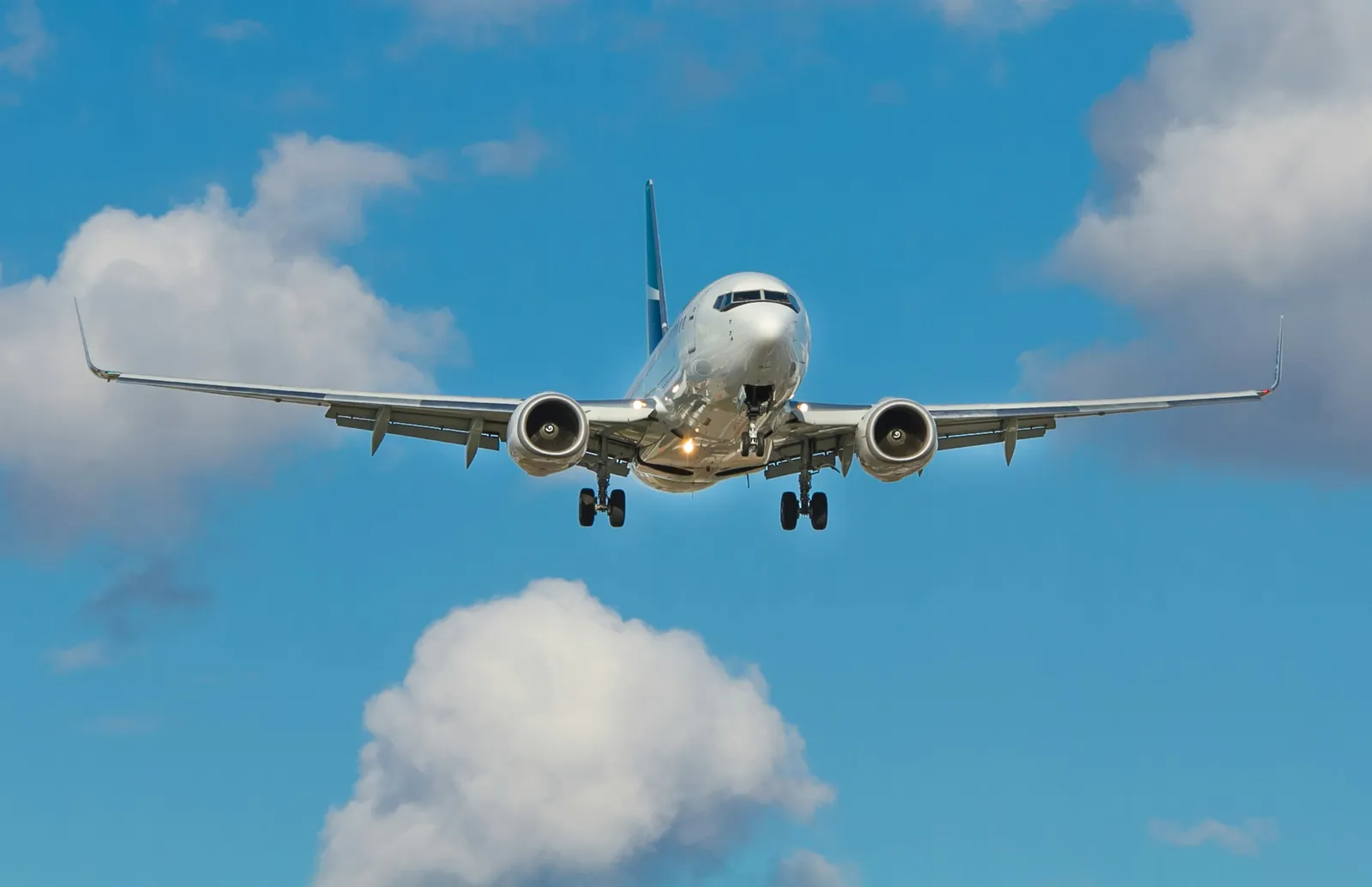
Different sized aircraft require very different amounts of paint. An average Boeing 737 requires around two hundred and sixty litres of paint, while an Airbus A380 can require up to three thousand six hundred litres.
A typical narrow-body repaint requires approximately two hundred and forty litres of coatings and involves painting surfaces measuring more than one thousand square meters. For a widebody, those numbers climb considerably.
In the two weeks it takes to paint an A380, painters cover over three thousand one hundred square meters of aircraft surface, yet each layer is only 0.12 millimetres thick. That ratio of coverage to thinness is one of the more remarkable engineering balancing acts in aviation maintenance.
When Complex Liveries Push the Timeline Way Beyond Two Weeks
Designs containing tiny details take longer than standard paint jobs, as painters have to finish with paintbrushes by hand. This is where airlines with bold artistic ambitions find out exactly how much time creativity costs.
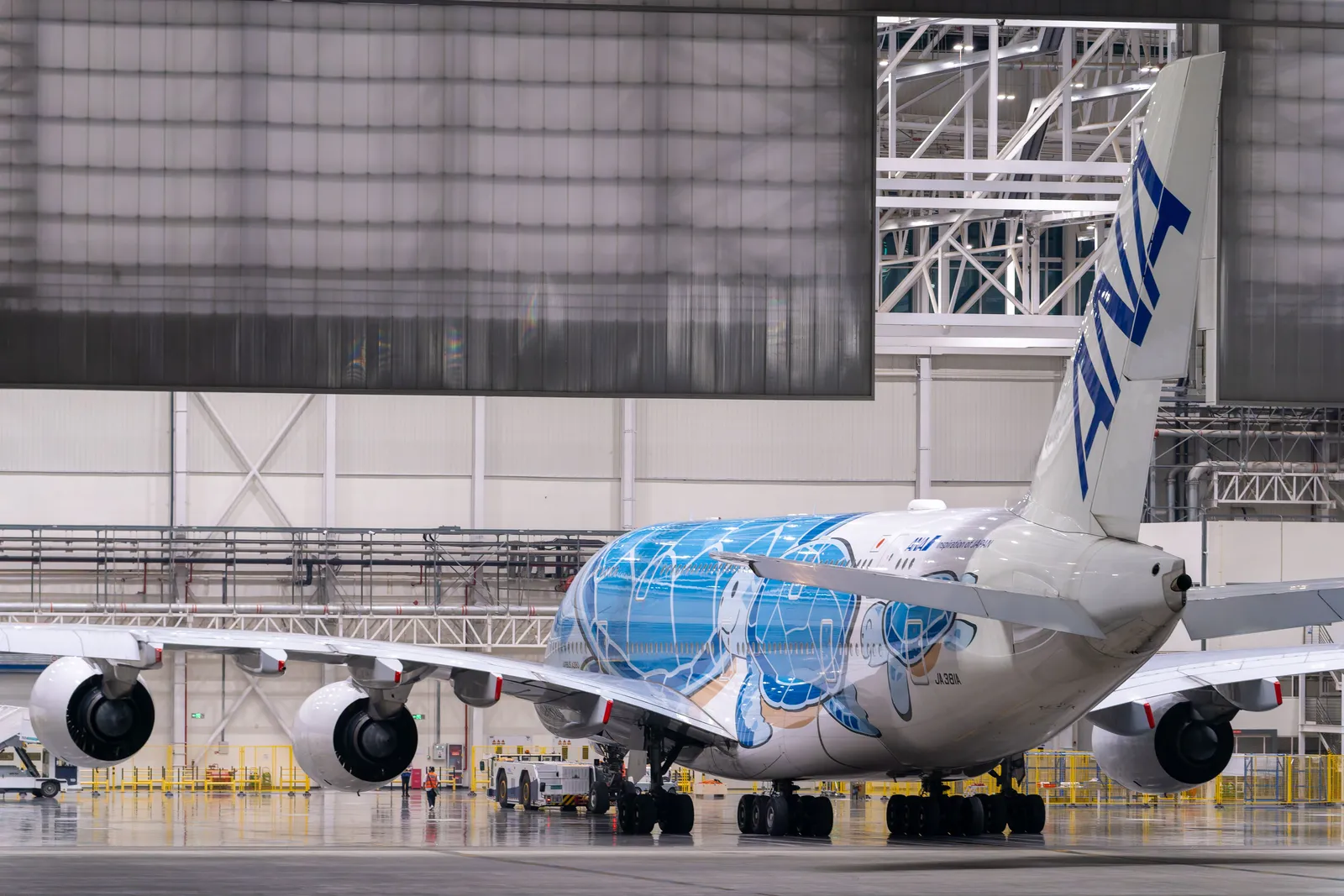
All Nippon Airways wanted a special design on their superjumbo, named the Flying Honu, which is considered the most complex paint job ever completed by Airbus. It took almost twenty-one days and eight thousand man-hours to complete.
When Alaska Airlines joined up with Pixar and wanted to create a Toy Story theme for one of their Boeing 737s, a team of artists took twenty-one days to complete the complex livery by hand using paintbrushes. These are exceptions, not the rule, but they illustrate just how wide the timeline spectrum can be.
The Cost: From Tens of Thousands to Well Over $200,000
According to reporting in The Telegraph, an aircraft repaint can cost between fifty thousand and two hundred thousand dollars. That range reflects the enormous difference between a simple narrow-body touch-up and a full widebody overhaul with a complex livery.
A Boeing 777 is estimated to cost up to two hundred thousand dollars for complete repainting, while an Airbus A320 could cost less than fifty thousand dollars.
Repainting is not a quick task. It can take up to two weeks, and taking an aircraft out of service for this long is very expensive. Airlines will usually plan repainting around other maintenance work or cabin upgrades to minimize the financial impact of downtime.
How Often Do Airlines Actually Repaint?
For short-haul aircraft, a repaint is generally necessary every five to seven years to maintain performance and safety. For long-haul aircraft, it is usually every seven to ten years.
According to United Airlines, their aircraft are repainted every seven years on average. Qantas claims it repaints aircraft on average around every ten years. The variation reflects different operating environments, climate conditions, and maintenance philosophies.
Paint begins to degrade after seven to ten years due to UV exposure and extreme temperature fluctuations at thirty-five thousand feet, and failing to repaint can lead to increased skin friction. Beyond aesthetics, degraded paint represents a genuine maintenance concern with real performance consequences.
How Paint Weight Is Becoming a Sustainability Issue
On average, paint adds approximately six hundred to twelve hundred pounds of weight to a commercial aircraft, and this added weight translates to higher fuel consumption. Airlines have long known this, but recent developments are pushing the industry toward genuinely lighter solutions.
EasyJet has become the first airline in the world to trial a new state-of-the-art lower-weight paint, which enables the operator to make further savings on fuel. The new paint leads to a weight reduction of twenty-seven kilograms per aircraft. Modest at the individual plane level, but significant across a whole fleet.
The lightweight paint is expected to contribute to an overall saving of one thousand two hundred and ninety-six tonnes of fuel per year once the rollout is completed at the end of 2029. Applied to TAP Air Portugal’s full fleet, a similarly conceived lighter coating is projected to reduce operating costs by more than five hundred thousand euros annually and cut CO₂ emissions by around one thousand three hundred and fifty metric tonnes per year.
The Takeaway
Most travelers board a freshly painted jet without a second thought, which is probably how it should be. The work is meant to be invisible. What isn’t invisible, if you look closely, is the sheer depth of craft involved in getting a commercial aircraft from stripped aluminum to a gleaming livery ready for the skies.
The timeline, anywhere from eight days for a straightforward narrow-body to three weeks for an extraordinarily detailed livery, reflects not just painting but inspection, corrosion treatment, masking, priming, and curing. A complete narrow-body repaint typically requires over one thousand two hundred labor hours, while wide-body aircraft may require more than two thousand five hundred labor hours.
That’s not a paint job. That’s a full-scale restoration, repeated across thousands of aircraft every year, at the crossroads of chemistry, engineering, and craft.
AI Disclaimer: This article was created with the assistance of AI tools and reviewed by a human editor.