
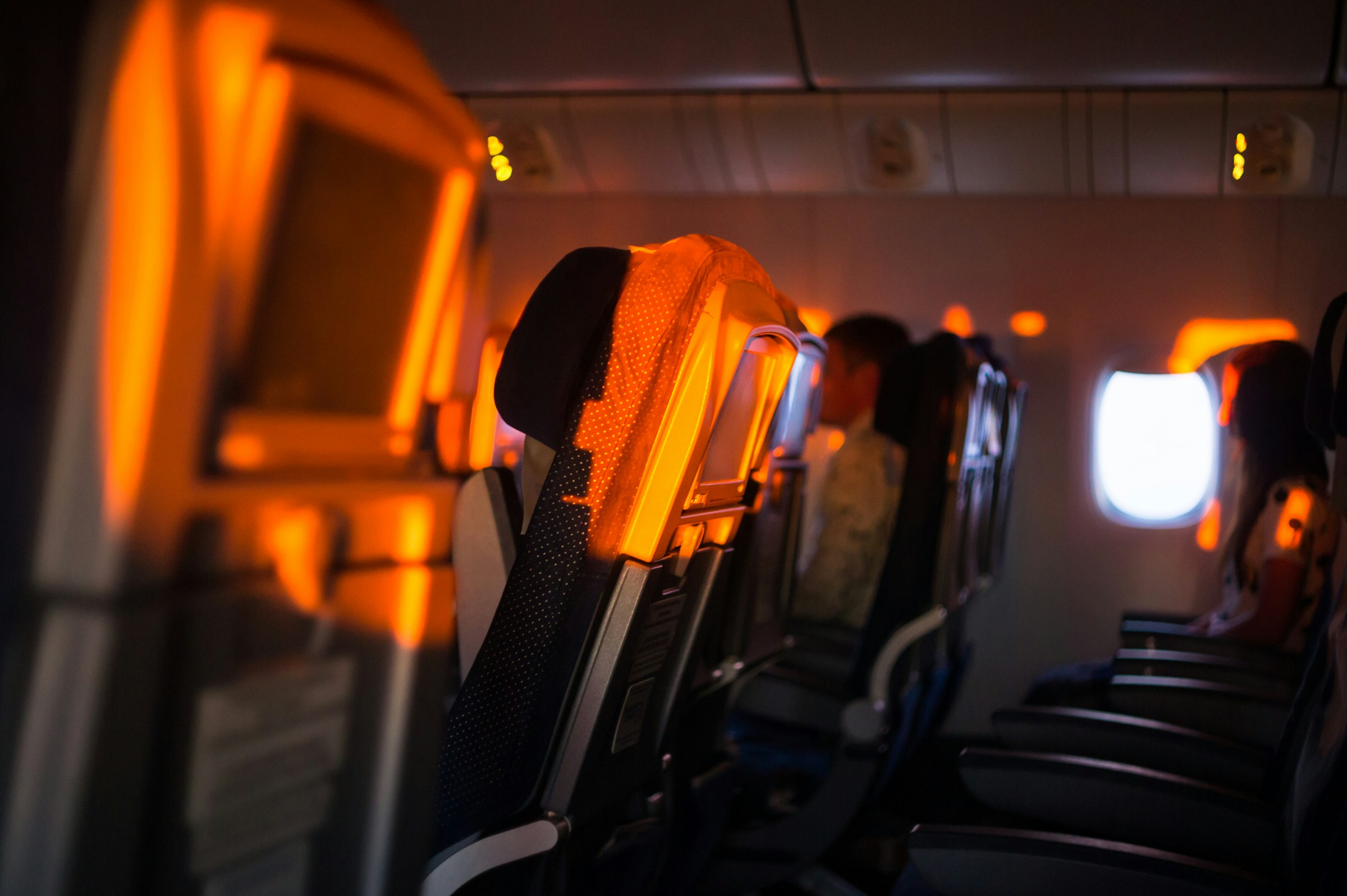

Every time you settle into an airplane seat, you’re sitting on a product that has a carefully managed lifespan. The fabric or leather under you isn’t there by accident, and it isn’t kept indefinitely either. Behind the scenes, a quiet industry of aircraft upholsterers and cabin maintenance teams tracks every seat cover with a diligence most passengers never think about.
The reality is that seat cover replacement in commercial aviation follows structured schedules, regulatory requirements, and sometimes the unpredictable demands of daily flying. What aircraft upholsterers know, and what passengers rarely consider, is that the answer to “how often?” is more layered than a simple number.
The Standard Replacement Cycle: Every Six to Eighteen Months
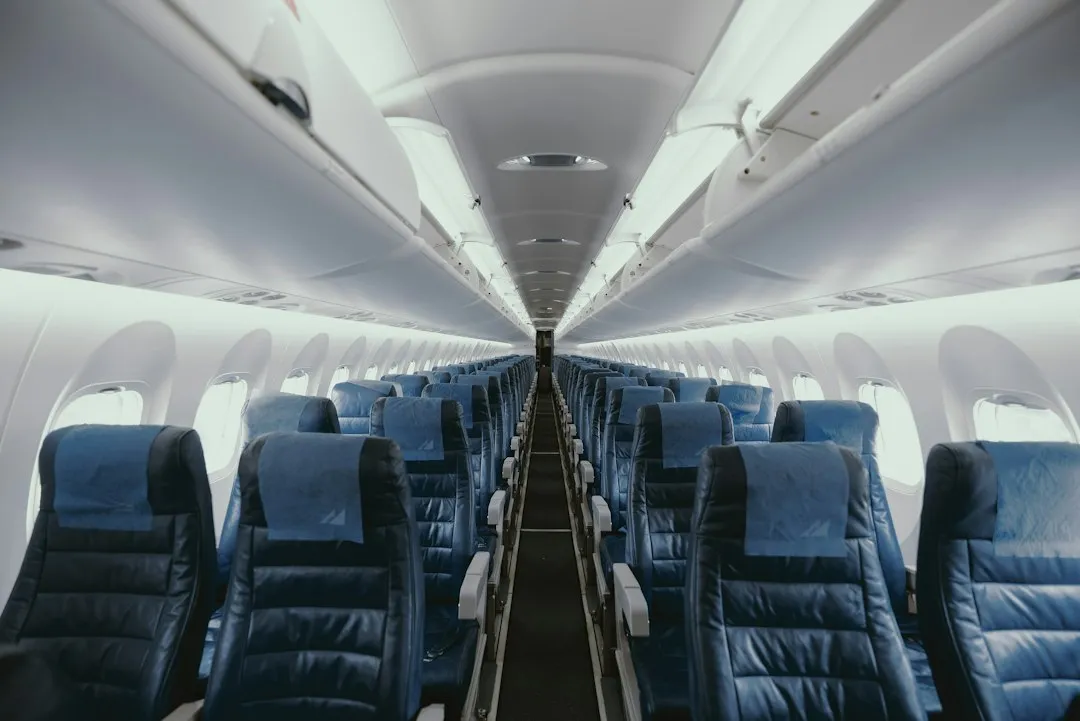
Some airlines change all seat covers, both bottom cushion covers and back cushion covers, every six months. That’s a faster cycle than most passengers would imagine. Seat covers are also cleaned as needed and are typically replaced as a full ship set during an 18-month interval “C” check. So depending on the airline and its internal maintenance program, you could be sitting on covers that are relatively fresh, or approaching the end of a well-used cycle.
What a “C Check” Actually Means for Your Seat
The actual seat frame gets overhauled at a “D” level check, which is usually at five or six years depending on the maintenance program. The “C” check is a more routine but still comprehensive event. Carpets are commonly replaced at every C check, and seat covers are replaced at that point too, unless the condition of the covers requires replacement earlier. Think of the C check as the moment the cabin gets a thorough reset, even if passengers never see it happening.
Seat Cushions Follow a Different Schedule Than Covers
The outer cover and the cushion underneath it aren’t always replaced together. Operators are expected to change interior components periodically, and in the case of seat cushions, this should happen every four to five years to maintain both safety and comfort. A cushion set alone can cost as much as 600 EUR per person, and for out-of-production covers, the entire seat must be replaced at roughly twice that cost, which is why airlines sometimes delay replacements. The economics matter, and they shape how often things actually get done.
On-Demand Replacements Happen All the Time
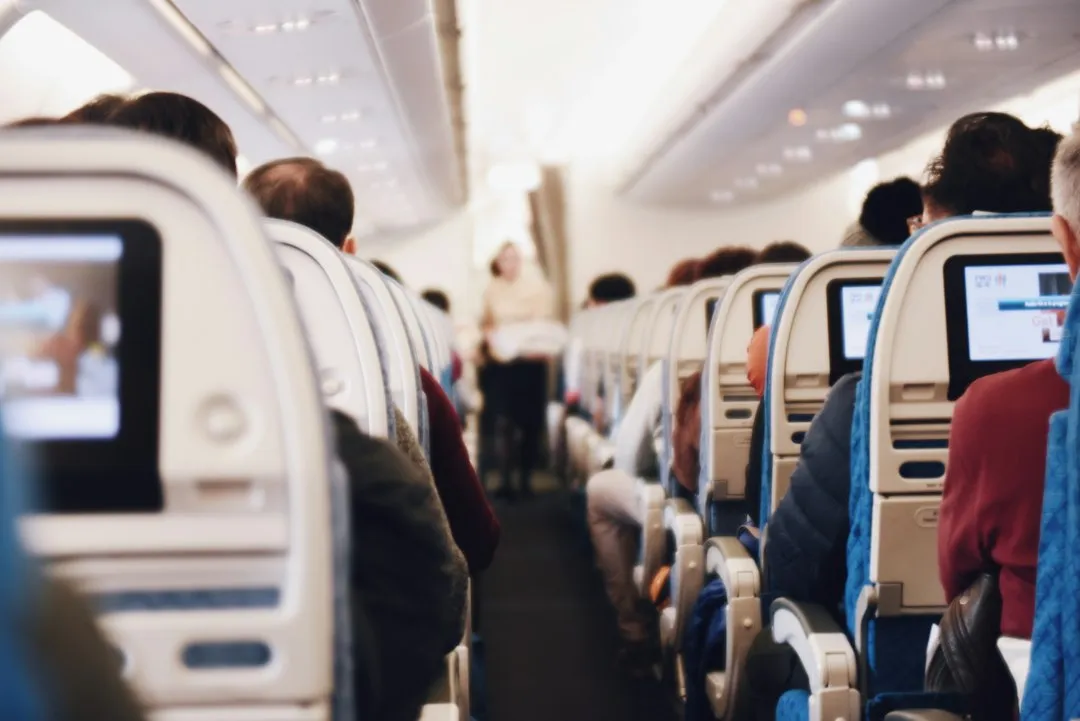
Scheduled cycles are only part of the story. Seat bottom covers are changed when they become dirty, get spilled on, or are vomited in, and in the case of vomit, sometimes a large number of seat covers get changed at once, depending on how the incident unfolded. This kind of reactive maintenance runs parallel to the planned schedule. Bottom seat covers experience the highest wear and replacement frequency in commercial aircraft cabins due to continuous passenger contact throughout every flight cycle.
The Broader Cabin Refresh Cycle: Every Five to Seven Years
Airlines now plan refresh cycles every five to seven years to maintain brand consistency and service standards, which increases the throughput of seat dress covers and soft goods in the commercial aircraft upholstery market. That broader refresh is different from the routine cover swap; it often involves new seat designs, updated materials, and sometimes a full reconfiguration. Cabin interiors often require a retrofit and maintenance cycle that is not aligned with required aircraft overhaul cycles, and some airlines will upgrade their cabin products every five to seven years, while others may keep on-board products in operation for up to twenty years.
International vs. Domestic Cabins: Different Timelines
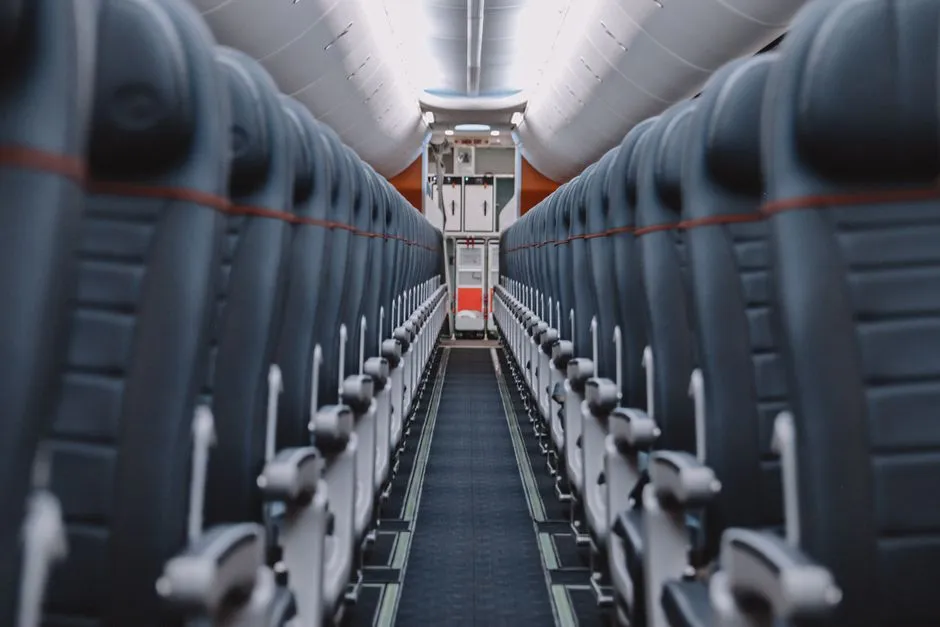
Redesign and refurbishment activities are scheduled in cycles, typically every five years for international cabins and seven years for domestic aircraft, as per Duncan Aviation. Long-haul cabins face far more intense wear from passengers spending eight, ten, or even sixteen hours in a single seat. Aircraft cabin interiors often have their own retrofit rhythm, with some products upgraded every five to seven years while others stay in service significantly longer. The distinction between domestic and international wear patterns is real and shapes how upholsterers plan their work.
Safety Rules Drive Replacement Decisions as Much as Wear Does
According to the FAA, seat bottom cushions and covers must meet specific vertical burn and heat release requirements, and regular replacement schedules mandated by airline maintenance programs ensure consistent aftermarket demand for bottom cover upholstery products. This isn’t just about comfort or appearance. Aircraft seating requires full-grain leather that has undergone specialized flame-retardant treatments to meet FAR 25.853 flammability regulations, and under FAA guidelines, upholstery materials must pass a 12-second vertical burn test, exhibiting self-extinguishing properties, limited burn lengths, and zero flaming drips. A cover that no longer meets those standards can’t stay on the plane regardless of how it looks.
The Refurbishment Process: More Complex Than It Looks
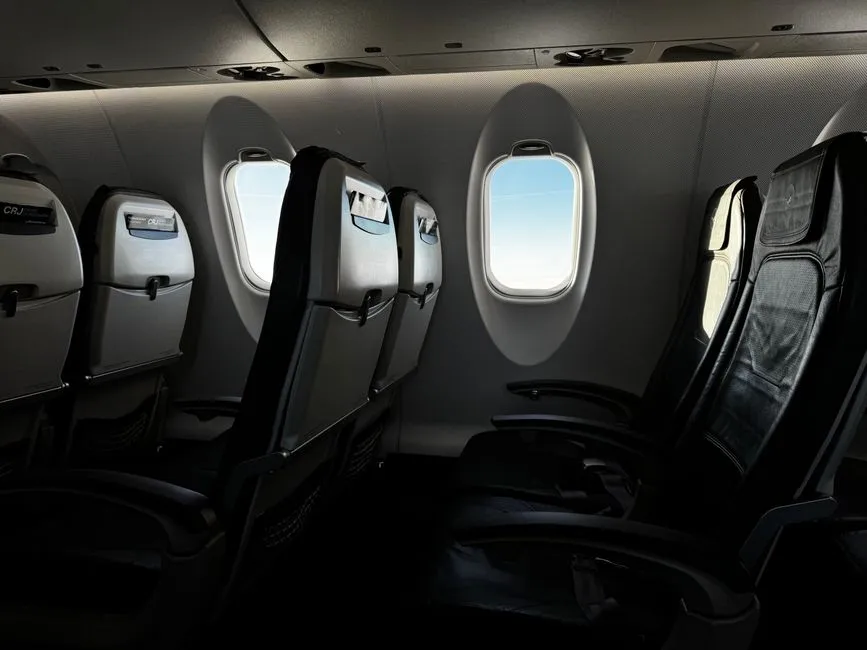
Seats are removed from the aircraft and transported to an approved workshop, where each seat is stripped to its frame, with existing dress covers, foams, diaphragms, and fire-blocking layers removed, and seat mechanisms are inspected for wear in parallel with the cosmetic work. It’s a far more controlled operation than reupholstering a chair at home. Re-upholstery in an executive aircraft is far more complex than re-trimming automotive or marine seating, and the process is tightly controlled to meet stringent airworthiness and flammability standards.
Foam Replacement Often Goes Hand in Hand with Cover Replacement
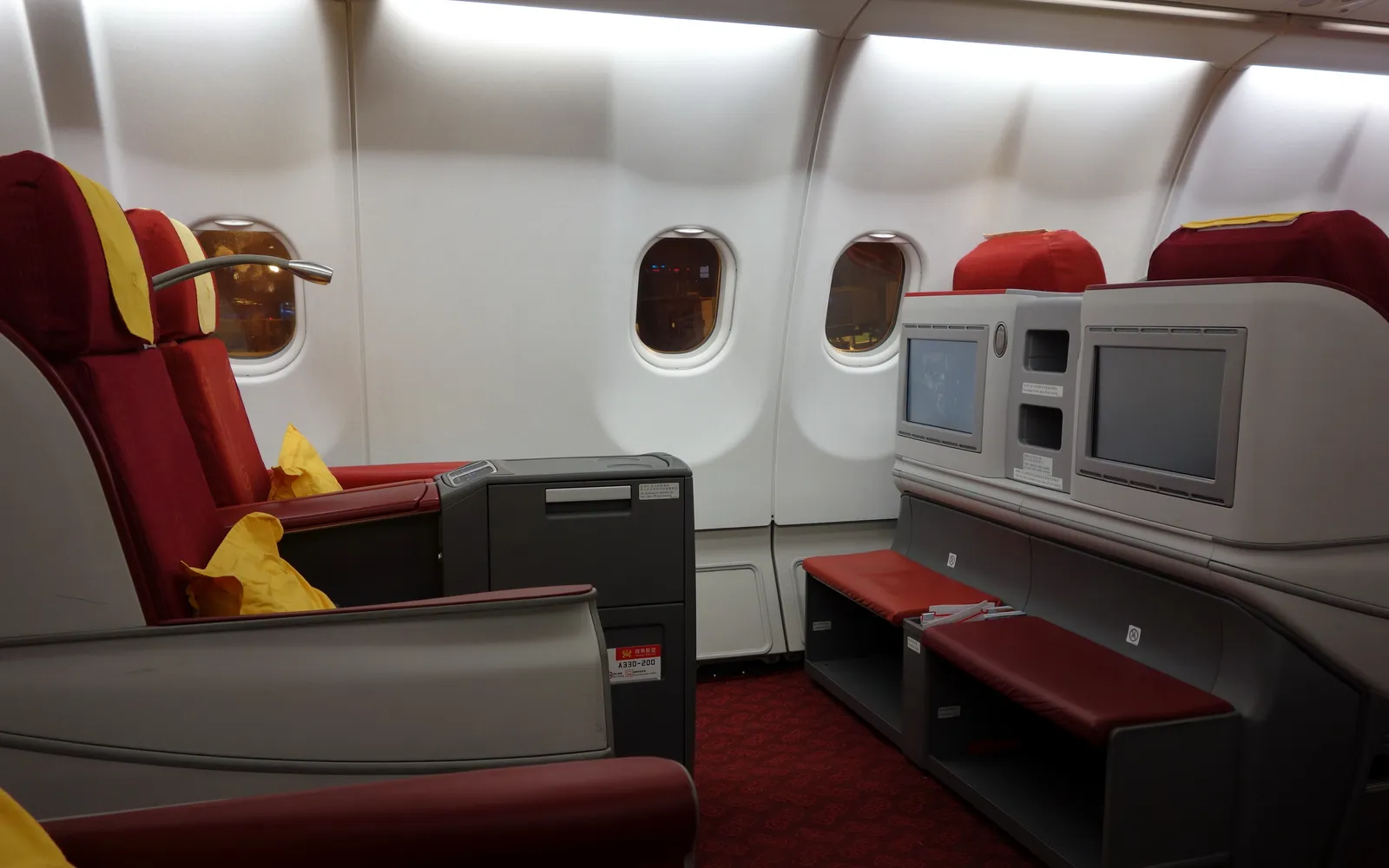
It is very rare that only the upholstery requires replacing. Generally, when the time comes to replace the exterior aircraft seat material, the interior foam has deteriorated and needs replacing too, and in fact some aircraft interior shops won’t reupholster seats without replacing the old foam. Over time, seat foams compress and lose resilience, and during refurbishment, foams may be replaced or re-profiled to improve ergonomics. So what passengers experience as a seat feeling “flat” often means the cover and the foam underneath are both due for renewal.
A Growing Market Driven by Passenger Volume and Competition
The aftermarket segment of aircraft seat upholstery is expected to grow at the fastest rate during the forecast period, driven by rising air passenger traffic and the increasing number of long-haul flights around the world, which are pushing demand for frequent seat upholstery maintenance and replacement. More passengers mean faster wear, which means tighter replacement cycles. Fleet-wide refresh programs at major US airlines have been ongoing since late 2024, raising demand for seat dress covers and complementary soft goods in scheduled maintenance checks. For upholsterers, this is steady, structured, and growing work.
The Takeaway
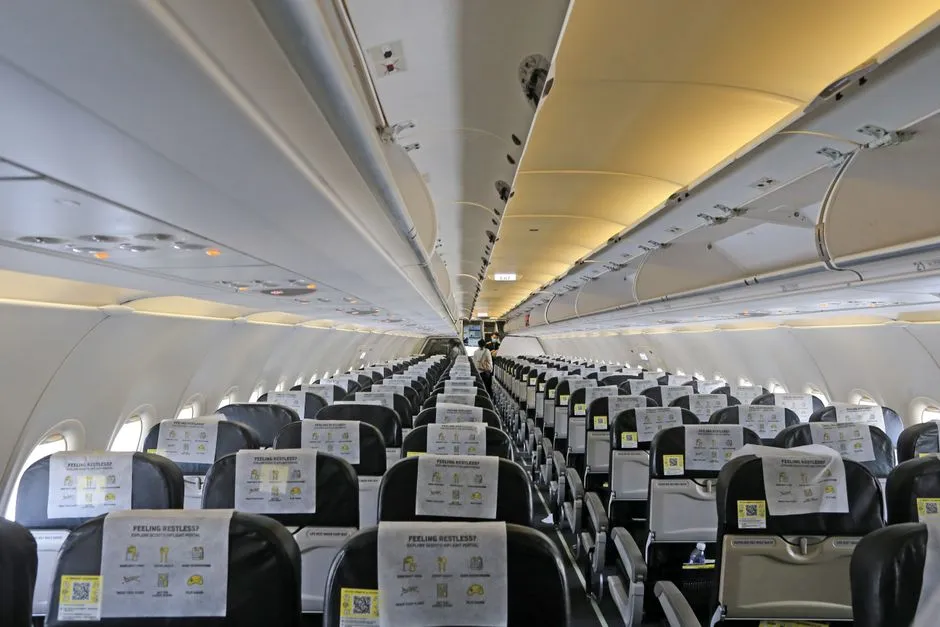
Airplane seat covers exist in a surprisingly disciplined system of cycles, regulations, and reactive decisions. High maintenance is required to protect against wear and tear and extend the longevity of seat upholstery up to four to five years, until airlines are forced to replace it. Some covers come off after six months; others make it to a full C check cycle. What’s consistent is that nothing stays on a plane seat indefinitely.
The next time you run your hand across an airplane seat, know that somewhere, an upholsterer has already planned when it’s coming off.
AI Disclaimer: This article was created with the assistance of AI tools and reviewed by a human editor.