

Most passengers assume the pilot alone decides whether a flight departs. They picture someone in a uniform walking the tarmac, peering at clouds, and giving the thumbs up. The reality is more layered, and in some ways more reassuring, than that image suggests.
There is a second person whose signature sits on every single commercial flight release in the United States. Passengers never see them. They’re not on board. Yet without their agreement, the aircraft cannot legally move.
The “Co-Pilot on the Ground” You’ve Never Heard Of
The aircraft dispatcher is often described as the co-pilot on the ground, sharing legal authority and responsibility for the operational control of commercial flights. They work from centralized operations centers, often hundreds of miles from the actual departure gate. Flight dispatchers typically monitor multiple flights at a time and work at a centralized airline facility.
Flight dispatchers are legally 50% responsible for the safety of every flight they dispatch, while the pilot in command of the flight holds responsibility for the other 50%. This is not a courtesy arrangement. It is federal law, written into the regulations that govern every scheduled U.S. airline operation.
What the Law Actually Says
Flight dispatchers share legal responsibility with pilots for the safety, planning, and operational control of flights, particularly under FAA Part 121 regulations. The specific language is precise and binding. The FAA framework is one of the few in the world that shares legal responsibility for flight safety equally between the flight dispatcher and the pilot in command, with FAA §121.533 and §121.535 stating that the pilot in command and the aircraft dispatcher are jointly responsible for the preflight planning, delay, and dispatch release of a flight.
The dispatcher’s signature, along with that of the pilot, releases the aircraft for flight. If either party refuses to sign, the flight simply does not go. That is the core mechanism: a two-key system embedded in commercial aviation law.
The Power to Ground a Plane
A flight dispatcher has the legal authority to refuse to dispatch a flight if safety is in any way in question, as does the pilot in command. This is known as “Co-Authority Dispatch.” It is not a veto in the political sense. It is a shared safety gate that requires mutual agreement before departure becomes legal.
Every scheduled U.S. airline flight is launched by two people who must agree it can be done safely. A flight cannot lawfully depart unless both halves agree. When weather deteriorates, when a mechanical concern surfaces, or when airspace conditions shift unexpectedly, the dispatcher carries equal authority to hold the aircraft on the ground.
What Dispatchers Actually Do Before Departure
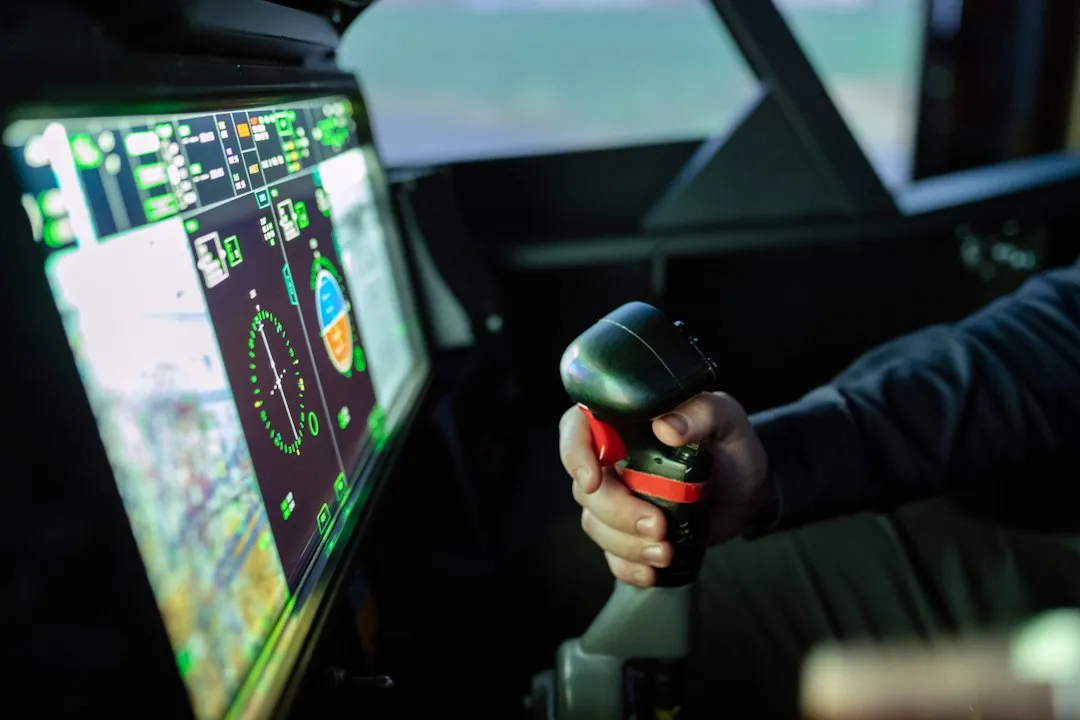
Some of a flight dispatcher’s most important work takes place long before the aircraft leaves the gate, as they are responsible for ensuring that each flight is planned to meet regulatory and operational requirements. The dispatcher considers en route and destination weather, winds aloft, alternate destinations, fuel required, altitudes, and traffic flow.
Daily responsibilities involve complex calculations for determining the required fuel load, accounting for the aircraft’s payload, anticipated weather, and the distance to potential alternate airports. Before beginning a flight, the aircraft dispatcher shall provide the pilot in command with all available weather reports and forecasts of weather phenomena that may affect the safety of flight, including adverse weather phenomena such as clear air turbulence, thunderstorms, and low altitude wind shear, for each route to be flown and each airport to be used. That legal language comes directly from the FAA’s own regulations.
Monitoring Flights Once They’re in the Air
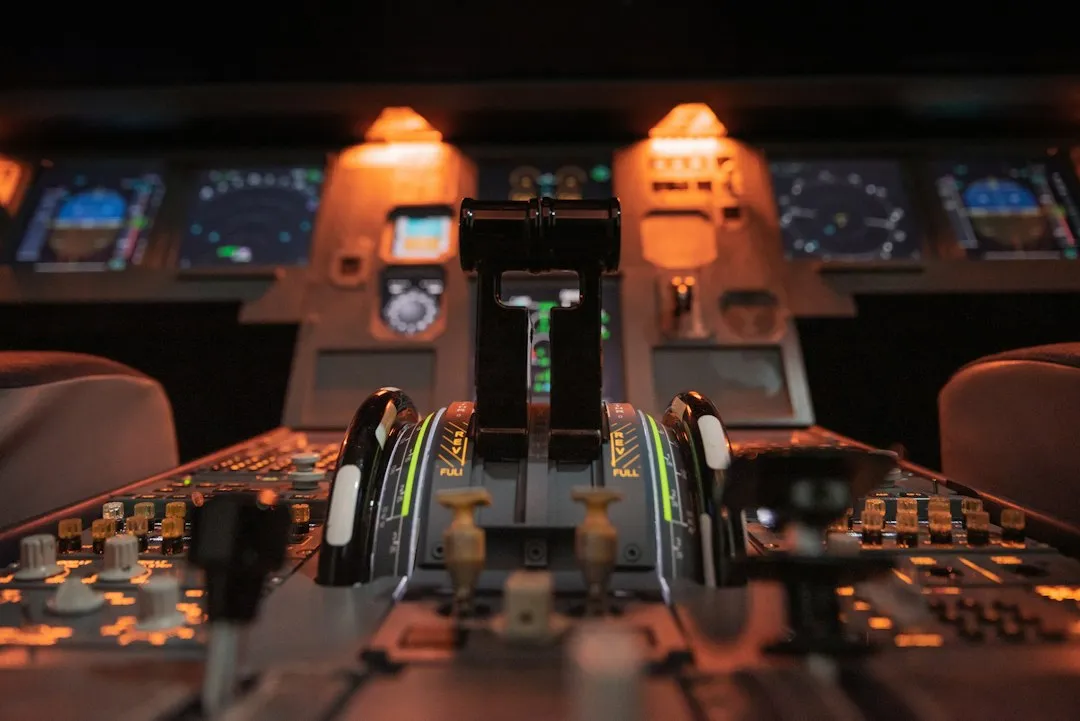
Under sections 121.533 and 121.535 of the regulations, dispatchers are also legally responsible for monitoring the progress of each flight, issuing necessary information for the safety of the flight, and cancelling or re-dispatching a flight if they believe that the flight cannot operate or continue to operate safely. The job doesn’t end at pushback. It continues for the entire duration of every flight assigned to them.
After the release of a flight, the dispatcher uses sophisticated software tools to monitor the flight’s progress and advises the flight crew of any circumstances that might affect flight safety, remaining in constant communication with the air crew through phone, radio, and ACARS. They interpret meteorological data, such as METARs and TAFs, to make immediate decisions on rerouting or delaying flights when adverse weather threatens the planned route.
How Dispatchers and Pilots Divide Their Authority
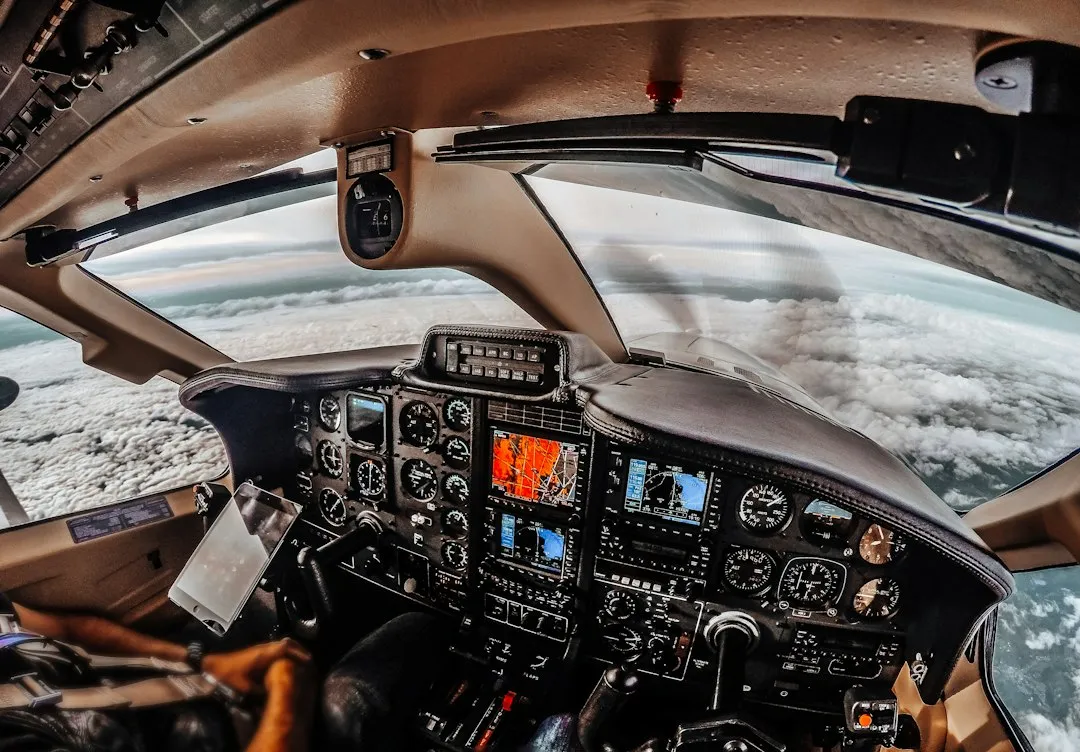
Pilots are in command of the aircraft and crew and are responsible for the safety of the airplane, and while pilots and dispatchers share operational responsibility for the flight, the pilot has full control and authority over the operation of the aircraft itself. The distinction matters. The dispatcher owns the planning and release decision. The pilot owns the aircraft in flight.
Pilots should view dispatchers as operational partners. The flight plan or release delivered by dispatch is a collaborative product, not an instruction that removes pilot judgment. Pilots retain command authority for the safe operation of the aircraft, and dispatcher-provided data should inform pilot decisions. Both authority lanes exist simultaneously and reinforce each other rather than conflict.
When Mechanics Enter the Picture
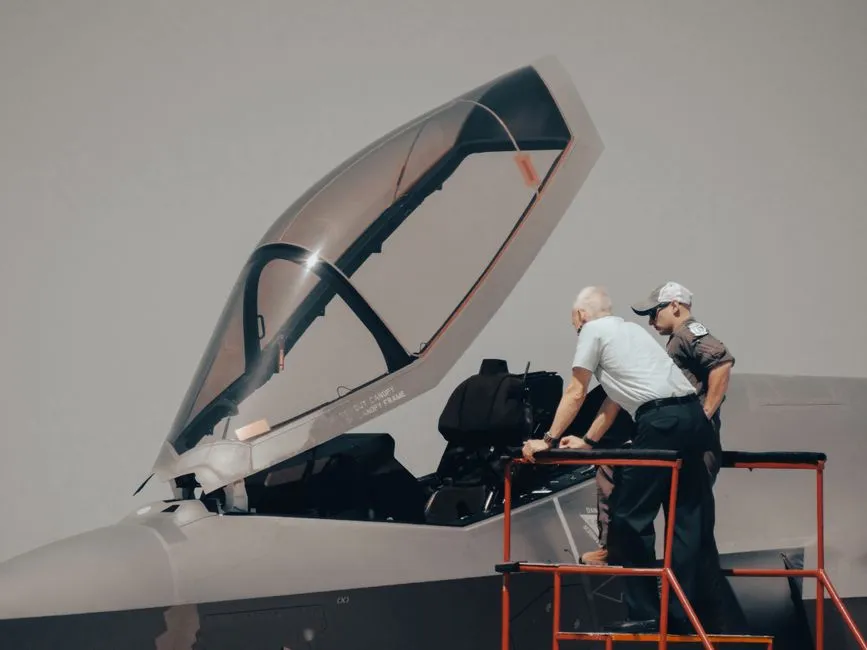
Dispatch decisions intersect with maintenance and airworthiness issues. When a mechanical discrepancy appears, dispatchers coordinate between maintenance control and the flight crew to determine whether the planned flight can proceed safely, whether a delay is necessary, or if a ferry or cancellation is required. That coordination preserves operational control and ensures decisions consider both technical and operational perspectives.
No person may dispatch or release an airplane unless it is airworthy and is equipped as prescribed in federal regulations. This means the dispatcher’s role extends into airworthiness assessment, making them a key checkpoint between the maintenance team and the flight crew before any passenger boards the aircraft.
How Many Flights Does One Dispatcher Handle?
Flight dispatchers in a typical airline are generally responsible for overseeing anywhere from 10 to 25 flights simultaneously, depending on the daily operations tempo, as some flights are much more strenuous than others. That range gives a real sense of the cognitive load involved. During weather events or unexpected disruptions, the workload can compress sharply.
Because commercial decision-making in an airline can conflict with the safety of a flight, a flight dispatcher’s responsibilities are kept separate from the commercial aspects of an airline’s operation, and as such the profession is primarily focused on the safety of a flight; all other duties are secondary. This structural separation is intentional. It insulates the dispatcher from financial or scheduling pressure when a safety call needs to be made.
Who These Professionals Are and What They Earn
There are over 4,284 aircraft dispatchers currently employed in the United States. An aircraft dispatcher is an FAA-certificated airline operations professional who helps plan, release, monitor, and support flights from the ground. Reaching that certification requires formal training and passing a federal examination.
Compensation reflects the seniority structure of the airline industry. Entry-level dispatchers typically earn between $40,000 and $50,000 at regional airlines and cargo operators, rising to $45,000 to $60,000 for early-career roles, $55,000 to $85,000 at the mid-career level, and $80,000 to $120,000 or more for senior dispatchers at major airlines and large cargo carriers. The spread is wide, and experience at a major carrier makes a significant difference.
Why the Two-Signature System Makes Flying Safer
Shared responsibility adds a layer of checks and balances to aircraft operation and greatly improves safety. This model promotes redundancy by distributing oversight, preventing single-point failures in decision-making, with preflight decisions requiring equal authority and mutual agreement between the dispatcher and pilot in command, who both must sign the dispatch or flight release to confirm the flight can proceed safely.
The go/no-go decision is not a one-time assessment. It is a continuous process that begins during preflight planning and continues throughout the flight. Conditions can change after departure, and a pilot who made a sound go decision on the ground may need to make a no-go decision en route if weather deteriorates, the aircraft develops a mechanical issue, or the pilot’s physical condition changes. Having a trained professional on the ground tracking those same conditions simultaneously is what makes this system genuinely robust.
Final Thoughts
Next time your flight departs smoothly, the credit belongs to at least two people. One is the captain whose voice you heard on the intercom. The other is someone sitting in front of screens in an operations center, someone whose name you’ll never know, but whose signature made the whole thing legal.
The dispatcher and the pilot are not in competition. They’re two halves of a system designed from the ground up to keep commercial aviation as safe as it can possibly be. That balance of shared authority, written into federal law and practiced on every single scheduled departure, is one of the quieter marvels of modern flight.
AI Disclaimer: This article was created with the assistance of AI tools and reviewed by a human editor.