
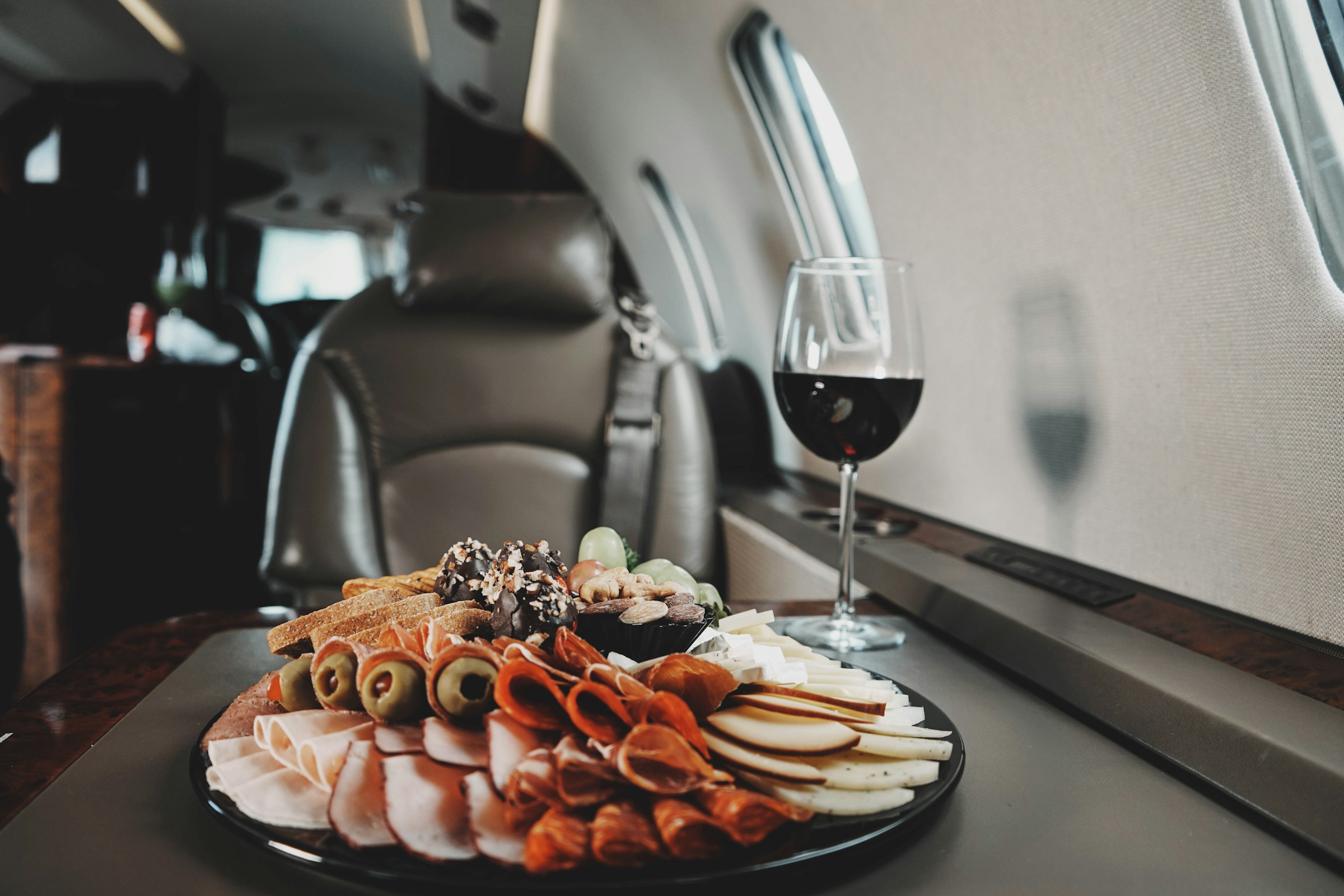
The Sheer Scale: How Many Drinks Are Actually Loaded?
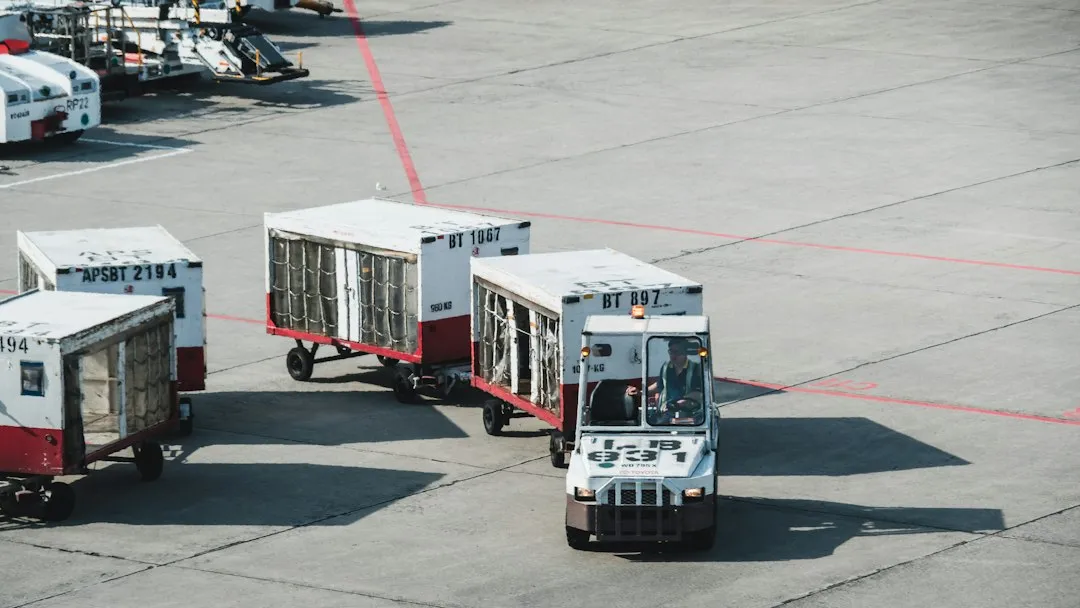
The volumes involved in airline beverage provisioning are enormous, even for a single flight. Flight attendants served an average of 1,000 beverage units per flight across all classes on full-service carriers, according to inflight catering market data. That figure covers everything from hot tea to sparkling water to mini bottles of spirits.
On an average long-haul international flight, catering operations load more than 800 individual meal trays and beverage servings specifically for the economy cabin alone. When premium cabins are added in, the total climbs considerably higher. It is a supply chain operation running at speeds most catering companies don’t advertise.
Wide-Body Aircraft and the 40,000-Item Trolley
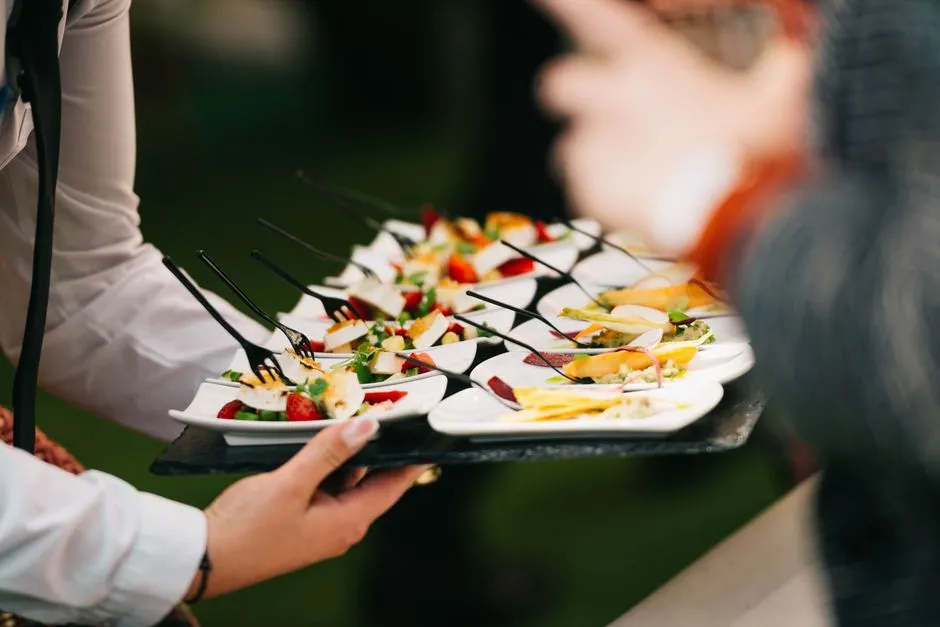
A fully loaded catering truck for a wide-body aircraft like a Boeing 777 or Airbus A380 can carry over 40,000 individual items, including meals, drinks, cutlery, and service ware. The top-selling alcoholic beverage on many transatlantic flights is a 187ml bottle of wine, and a single large airline can sell over three million of those small bottles annually.
The total number of individual catering items loaded for a single international A380 flight can exceed 50,000, counting cutlery, napkins, condiments, meals, and drinks. Beverage items are just one part of that stack, but they account for a significant share of both the weight and the logistical complexity.
Economy Class Drives the Volume

Wide-body aircraft like the Boeing 777 are typically configured with more than 350 to 450 economy seats, compared to fewer than 100 seats for all premium classes combined. This vast difference in capacity means that, even though spending per passenger is lower in economy, the total volume of beverages served is immense.
Full-service airlines typically provide roughly 65% main-course meals, 20% snacks, and 15% beverage servings. That 15% still translates to a staggering quantity of individual drinks per flight once you multiply it across a few hundred seats and a journey of many hours.
Ultra-Long-Haul Flights: Multiple Service Rounds
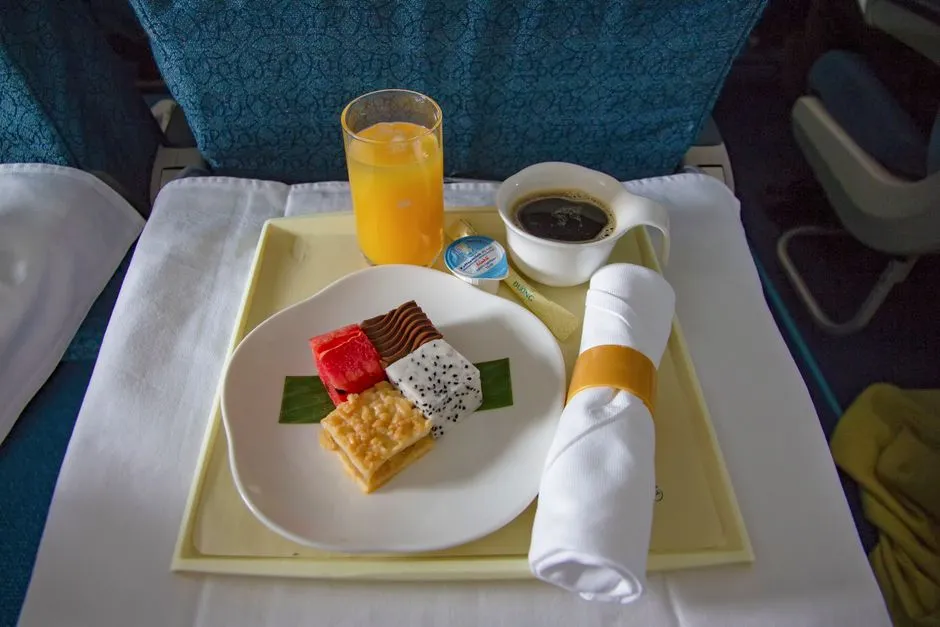
An ultra-long-haul flight such as Singapore to New York, which runs over 18 hours, involves a catering load built around up to four separate services: dinner, breakfast, and two substantial snack services. Each service round requires its own beverage setup, meaning drinks are not simply loaded once and distributed.
Provisioning teams must account for every round when calculating quantities, staggering the drinks across galleys and storage compartments. The planning for a single ultra-long-haul flight can take longer to finalize than many short-haul routes take to fly.
The Variety on Board: Labels, Spirits, and Options
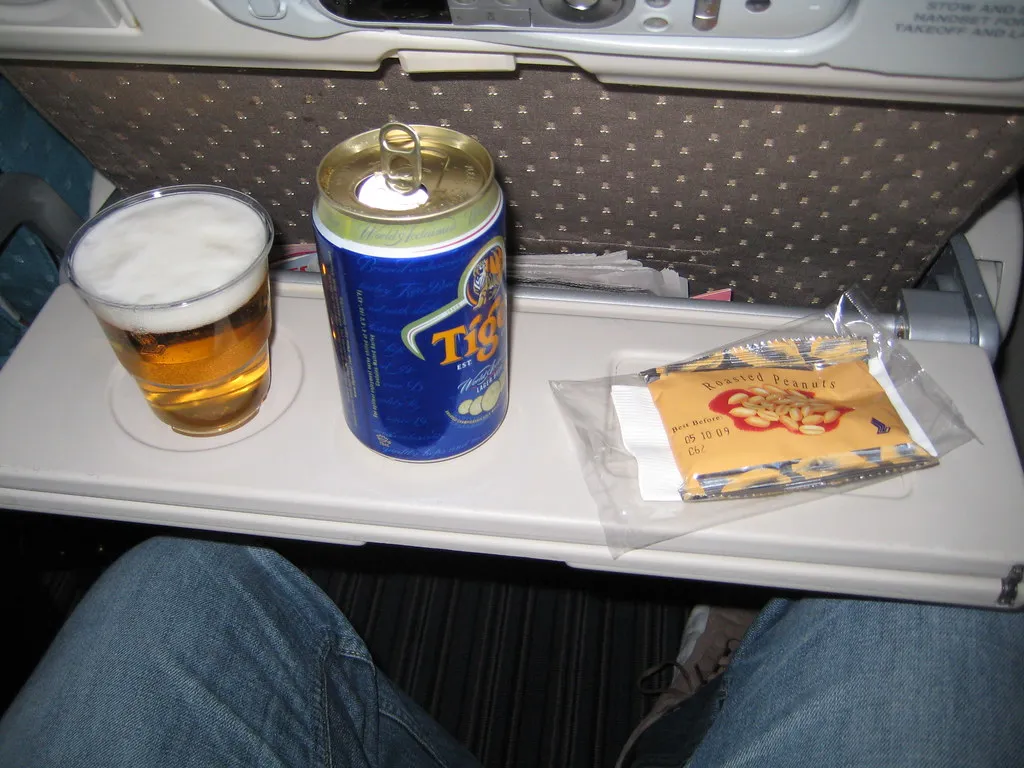
Beverages make up around 15% of all inflight catering items, translating to roughly 720 million beverage servings annually across the industry, including 420 wine labels and 310 spirit varieties. For passengers who wonder why one airline seems to have a far more interesting drinks menu than another, the answer often comes down to procurement contracts and galley space.
The Oneworld Alliance, which includes airlines like Finnair, reported serving about 30 million bottles of wine and 2.5 million bottles of champagne in a single year, with Finnair alone serving one million liters of its signature blueberry juice. Hot drinks add another layer: Emirates passengers account for 2.3 million teabags and 70,300 kilograms of ground coffee consumed annually.
How Provisioning Teams Actually Calculate the Load
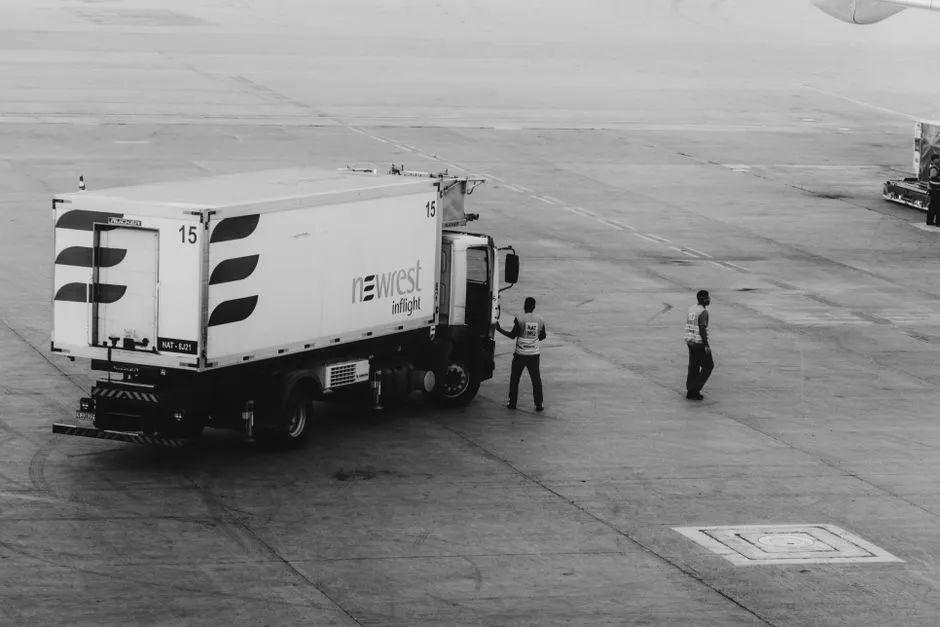
Airlines typically place their catering order with the catering provider 48 hours before the flight’s departure, and the catering company begins actual meal and beverage preparation 24 hours ahead. This tight window means provisioning teams need to make accurate calls well in advance.
Airline catering operations must obtain information about the number of passengers and understand their requirements through market research and actual passenger behavior. As a result, airlines work with caterers and vendors to establish product and service standards, enabling them to determine the specific types of food, beverages, and utensils stocked on every flight for each class. Route history, day of the week, and even the season all factor into the final numbers.
The Weight Problem Nobody Talks About
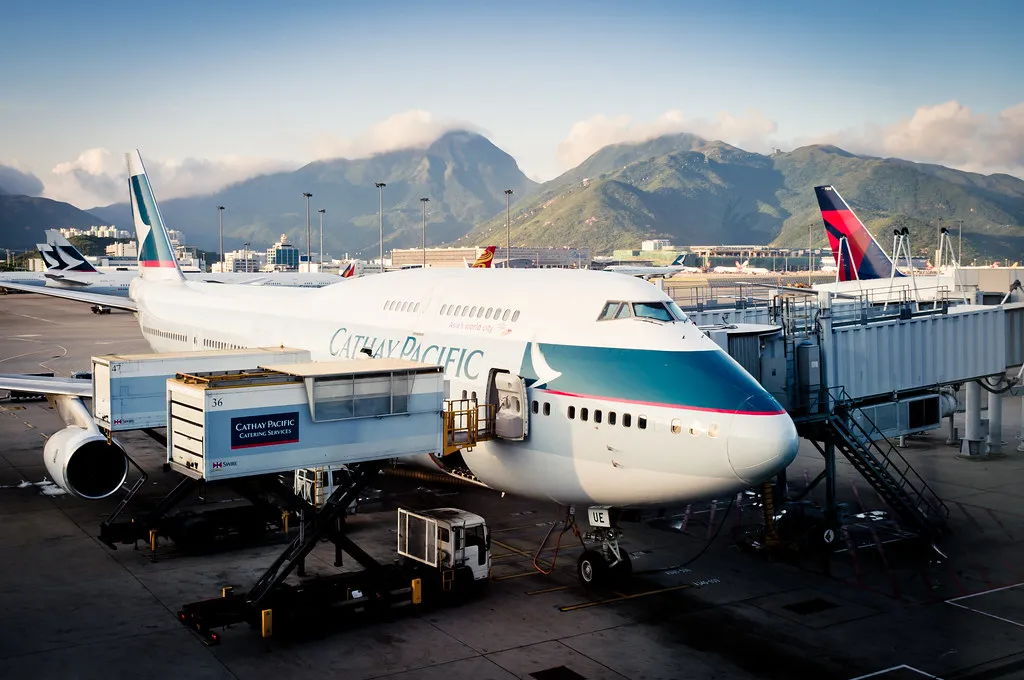
The weight of catering and beverage service on a long-haul international flight can exceed 4,000 kilograms, which is roughly equivalent to the weight of several cars. Every kilogram loaded onto an aircraft costs fuel to carry, and drinks, being liquid, are among the heaviest categories of catering stock.
Industry modeling shows that cutting just one kilogram of excess load per 1,825 flights saves roughly $4,210 annually, so double-digit provisioning reductions across a wide-body fleet translate into millions in yearly savings. Getting the drink count right is, quite literally, a financial priority.
Waste in the Galley: The Drinks That Never Get Poured
An estimated 1.43 kilograms of cabin waste is generated by each passenger per flight, of which more than 20% is represented by untouched food and drinks. A meaningful portion of every drink order loaded onto an aircraft never reaches a passenger’s tray table.
Of total cabin waste, an estimated 18 to 20% consists of untouched food and beverages, the majority of which is either incinerated or sent to landfill due to strict international regulations governing inflight catering waste. For provisioning teams, reducing this number without running short mid-flight is the central tension of the job.
AI and Technology Are Changing How Drinks Get Counted

Airbus’ Smart Catering system uses AI and computer vision on existing crew devices to track inflight consumption in real time, enabling airlines to eliminate catering deadweight and reduce fuel burn. A barcode scanner logs beverages as they leave the trolley, creating data that has historically been very hard to quantify accurately.
Rather than relying on a fixed provisioning number for all flights on a given route, the AI can identify that a Monday morning departure will carry significantly different consumption patterns than a Friday evening flight. AI-powered demand forecasting has already enabled one European airline to reduce food waste by more than 1,500 metric tons in a single year.
How the Return Leg Complicates Everything
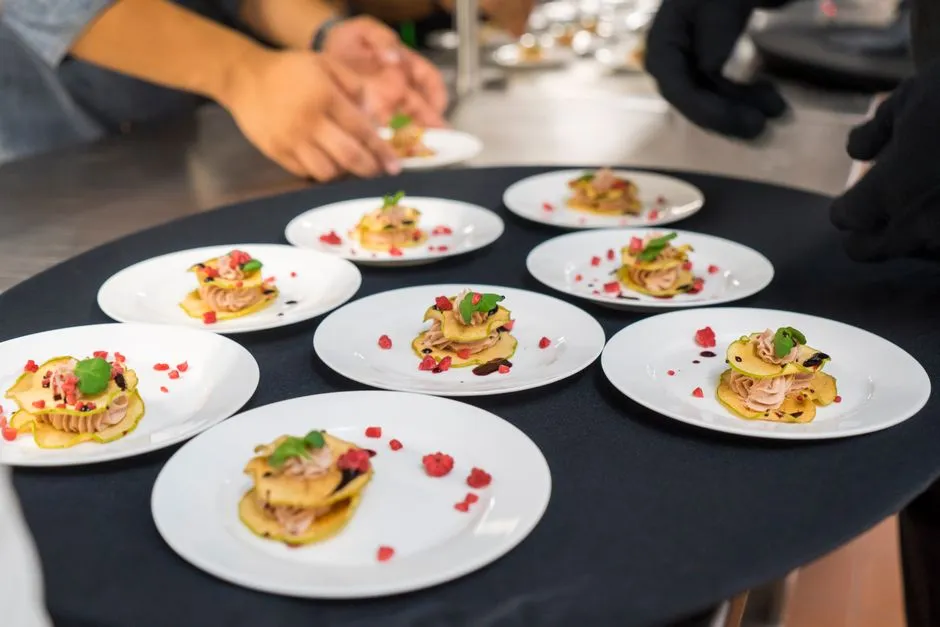
Many flights are return-catered, which means the stock for both the outbound and return flights is loaded entirely at the starting point. In these cases, the crew must keep back half the stock, otherwise there won’t be enough for passengers on the way back. This doubles the provisioning challenge before the aircraft even begins its first leg.
A route miscalculation doesn’t mean an emergency stop for supplies. There is a firm physical limit once the aircraft is airborne: if all the stock of a particular drink has been handed out, the crew cannot pop out for more along the way. Provisioning teams carry the full weight of that constraint every time they sign off on a loading manifest.
The Takeaway
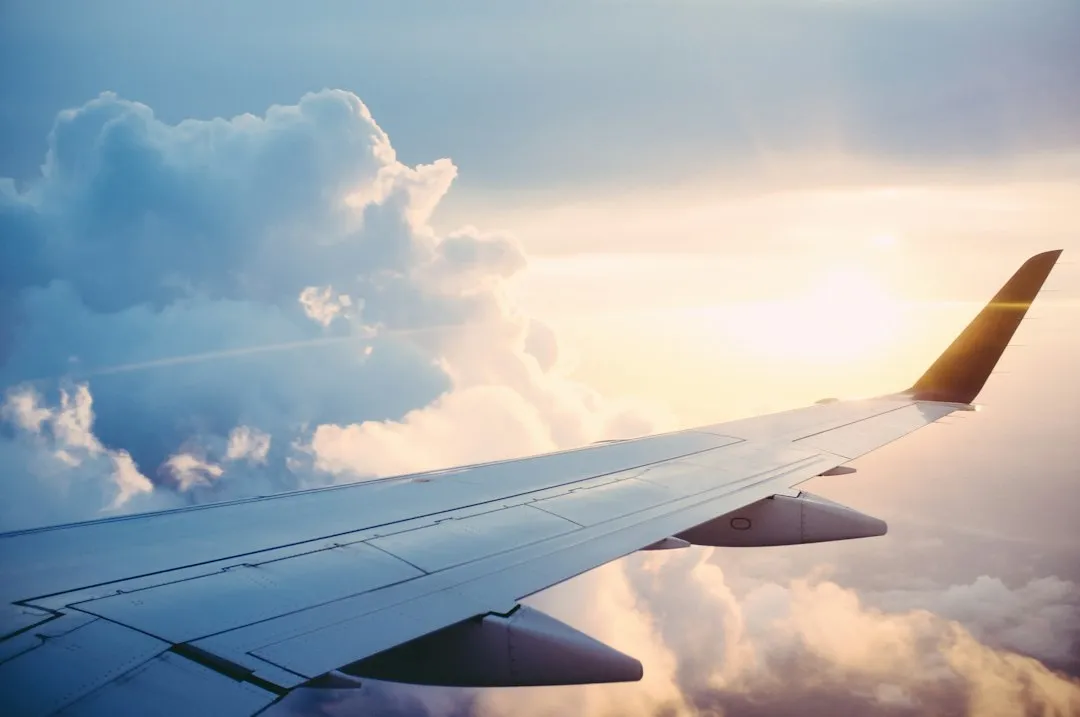
Most passengers experience the drink trolley as a small moment of comfort, a soft drink or a glass of wine at 36,000 feet. The reality behind it is a precise, data-heavy operation involving catering hubs, weight calculations, consumption forecasts, and increasingly sophisticated AI tools all working in the background.
The next time a flight attendant arrives with the beverage cart, somewhere in the background a provisioning specialist spent days making sure that cart was loaded correctly, not too light to run dry, and not so heavy it costs the airline money to carry. That quiet precision is easy to overlook, but it is there on every single flight.
AI Disclaimer: This article was created with the assistance of AI tools and reviewed by a human editor.