


A misspelled name, the wrong travel date, a duplicate charge – booking errors happen to careful travelers all the time. The moment you notice one, everything shifts: the calm trip you planned suddenly feels fragile. What most people don’t know is that how you make that call to fix it matters just as much as making the call at all.
Reservation agents handle dozens of error corrections every shift. They know which approaches speed things up and which ones stall the process completely. What follows draws on their collective experience, official policy guidance, and publicly available consumer data to give you a real, grounded picture of what actually works.
The 24-Hour Window Is Your Most Powerful Tool
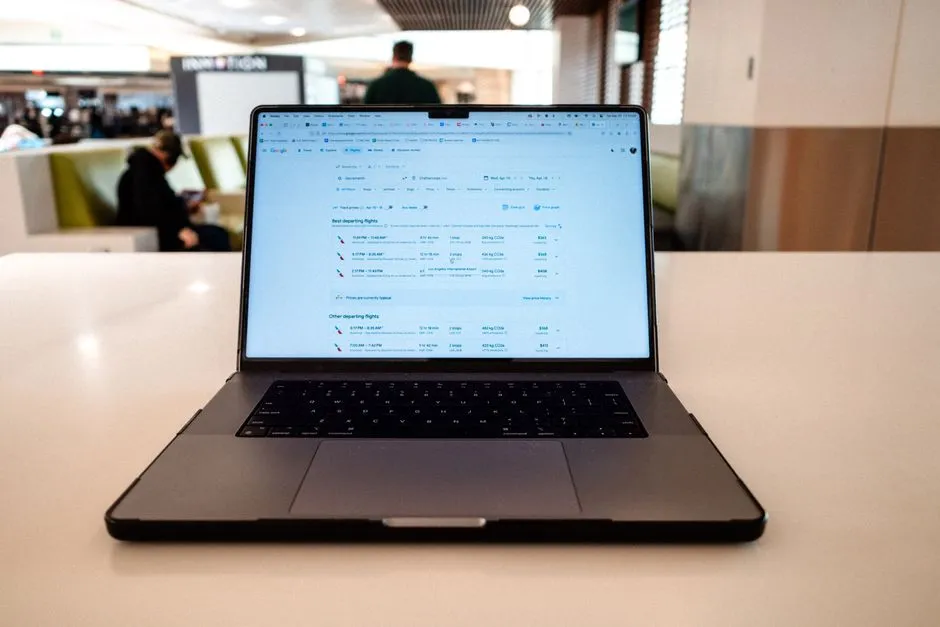
The U.S. Department of Transportation requires airlines to issue penalty-free cancellations within 24 hours of booking, so if you notice a discrepancy and immediately call to report it, you should be able to fix the itinerary with limited hassle. This is the single most important window in the entire error-correction process. Acting within it almost always bypasses the fees, the escalations, and the wait.
If you catch a mistake within 24 hours of booking, you’re in the best possible position. Agents can process cancellations and fresh rebookings without the layers of approval that a same-ticket correction often requires. Don’t overthink it – just call.
Call Early in the Morning, Not Mid-Afternoon

Timing your call can cut your hold time dramatically. The best time to call airline customer service is between 6 AM and 9 AM local time, when lines are shortest. Airline customer service lines are least busy during early morning hours. That’s not a rumor – it reflects consistent patterns in call volume data.
Avoid calling on Mondays and holidays if possible, as these are the highest call volume days. Sunday has the shortest overall wait time for airline customer service. Combining an early-morning call with a Sunday or midweek slot gives you a measurable advantage before you’ve even dialed.
Have Your Record Locator Ready Before You Dial

Have your booking reference or confirmation number ready if possible – this helps the customer service agent pull up your reservation instantly. It sounds obvious, but passengers who fumble through a confirmation email while on hold extend their own wait times. Agents are trained to move efficiently, and nothing slows them down faster than a caller who isn’t prepared.
Don’t forget to include your name, flight dates, and record locator – the alphanumeric code associated with your reservation. Having these three pieces of information ready before any call or written contact puts you ahead of the majority of callers the agent will handle that day.
Say “Agent” or Press “0” to Skip the Automated Menu

Automated phone systems are designed to handle simple queries without a human, but booking errors almost always require a real person. After the automated menu begins, say “agent” or press “0” repeatedly to bypass automated customer service prompts and reach a live representative. This shortcut works across most major carriers, though the exact phrase varies slightly.
The more complex your error, the more important it is to reach a human quickly. Automated systems can confirm flights and check baggage fees, but they can’t exercise the discretion needed to waive a change fee or correct a passenger name. Save the automated systems for simple tasks and go straight to the agent for anything that involves your booking details.
Name Errors: Know What’s Fixable Before You Call
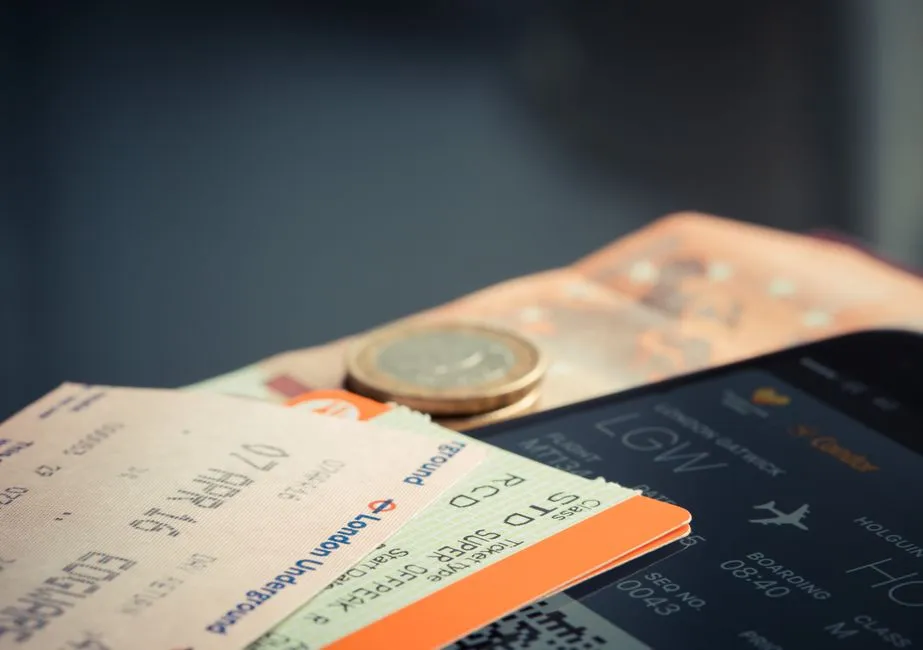
As long as the change is minor – two or fewer letters – airlines should fix the misspelling at no charge. Knowing this before you call prevents you from accepting an unnecessary fee. Agents have more flexibility than many travelers realize, especially on minor corrections that don’t represent a passenger substitution.
In the world of airlines and border agents, being exact matters. Make sure the name printed on your identification, especially on your passport, is what you enter when booking flights. If it doesn’t match, that’s the specific phrase to use with the agent: “The name on the ticket doesn’t exactly match my government-issued ID.” It signals the right kind of fix immediately.
Keep Your Complaint Short and Specific

Generally, complaints that are tight and polite get the fastest resolutions. If you include all of your specifics and suggest a reasonable resolution, chances are you’ll never have to write an appeal. This applies to phone calls just as much as written contact. Agents are more likely to advocate for a solution when they understand the problem quickly and clearly.
A drawn-out explanation of your frustration, while understandable, consumes time without adding information. Lead with the error type, when it happened, and what you need corrected. Then stop talking and let the agent work. Many callers who struggle to get resolution are those who bury the actual issue in a long narrative.
Book Directly With the Airline, Not Through a Third Party

Travel agents emphasize the importance of booking directly with airlines rather than through third-party websites to ensure better customer service and flexibility. When you’ve booked through an online travel agency, the airline often can’t modify your reservation directly – they have to refer you back to the third-party platform, which adds a step and extends the resolution timeline.
This becomes particularly painful when there’s a genuine error, because the airline agent you reach may be willing to help but technically unable to touch the booking. The airline that sold you the ticket should take responsibility when something goes wrong, even if the problem is on the second airline. That accountability chain only works cleanly if you booked at the source.
Consider Using the App While You Wait on Hold
One of the more practical pieces of advice that has circulated among frequent travelers in recent years: don’t treat the phone call as your only line of action. While standing in line, open up the airline app and rebook yourself. There’s often a seamless way to get it done, no customer service conversation necessary. This applies to some date changes and seat reassignments that airlines now allow passengers to handle independently.
Online booking will likely solve your problem much quicker than waiting to get help from an agent. If the error is something the app can address – a seat selection, a known schedule change, or a straightforward rebook – using it in parallel with a call means you’re covered on two fronts. Whichever resolves first, you win.
Why the Volume of Complaints Makes Speed More Urgent Than Ever

The airline industry is processing more complaints than at almost any point in its history. Complaints against U.S. airlines increased by nearly 9% in 2024, even though the volume of passengers increased by only 4% compared with 2023. That imbalance matters because it reflects real strain on customer service systems – more callers, more cases, and often the same number of agents.
The DOT counted nearly 98,000 consumer submissions in 2024, and the busiest months for complaints in 2025 and 2026 have consistently fallen in summer and spring, with complaint cases averaging over 7,300 a month in early 2026. Calling during quieter periods and being prepared when you do isn’t just good practice – it genuinely improves your odds in a system under real pressure.
Loyalty Status Unlocks a Faster Lane

Accumulate miles and status with an airline and you can obtain a higher level of customer service, including dedicated phone lines. Elite status members often reach agents in a fraction of the time general passengers wait, and those agents typically have broader authority to waive fees and modify bookings without escalation. It’s not a small advantage.
Even if you don’t travel frequently enough for elite status, being enrolled in an airline’s loyalty program and having your number linked to a booking can make the agent’s job faster. Your travel history, preferences, and contact information are already in the system, which reduces the verification steps at the start of the call. In a high-volume environment, every second counts.
The Takeaway
There’s no single magic phrase that unlocks a booking error fix, but there is a consistent pattern among the calls that resolve fastest: they happen early, they’re prepared, and they’re brief. The traveler who calls at 7 AM on a Sunday with their record locator in hand and a clear, one-sentence description of the problem will almost always have a better experience than someone who calls mid-afternoon on a Monday mid-frustration.
The tools are largely available to everyone. By law, airlines must allow cancellations at no charge within 24 hours of ticket purchase, dedicated agent lines exist for status holders, and apps now handle more self-service corrections than ever before. The gap between a stressful call and a smooth one is usually preparation, not luck.
AI Disclaimer: This article was created with the assistance of AI tools and reviewed by a human editor.