

The Flush Is Not What You Think
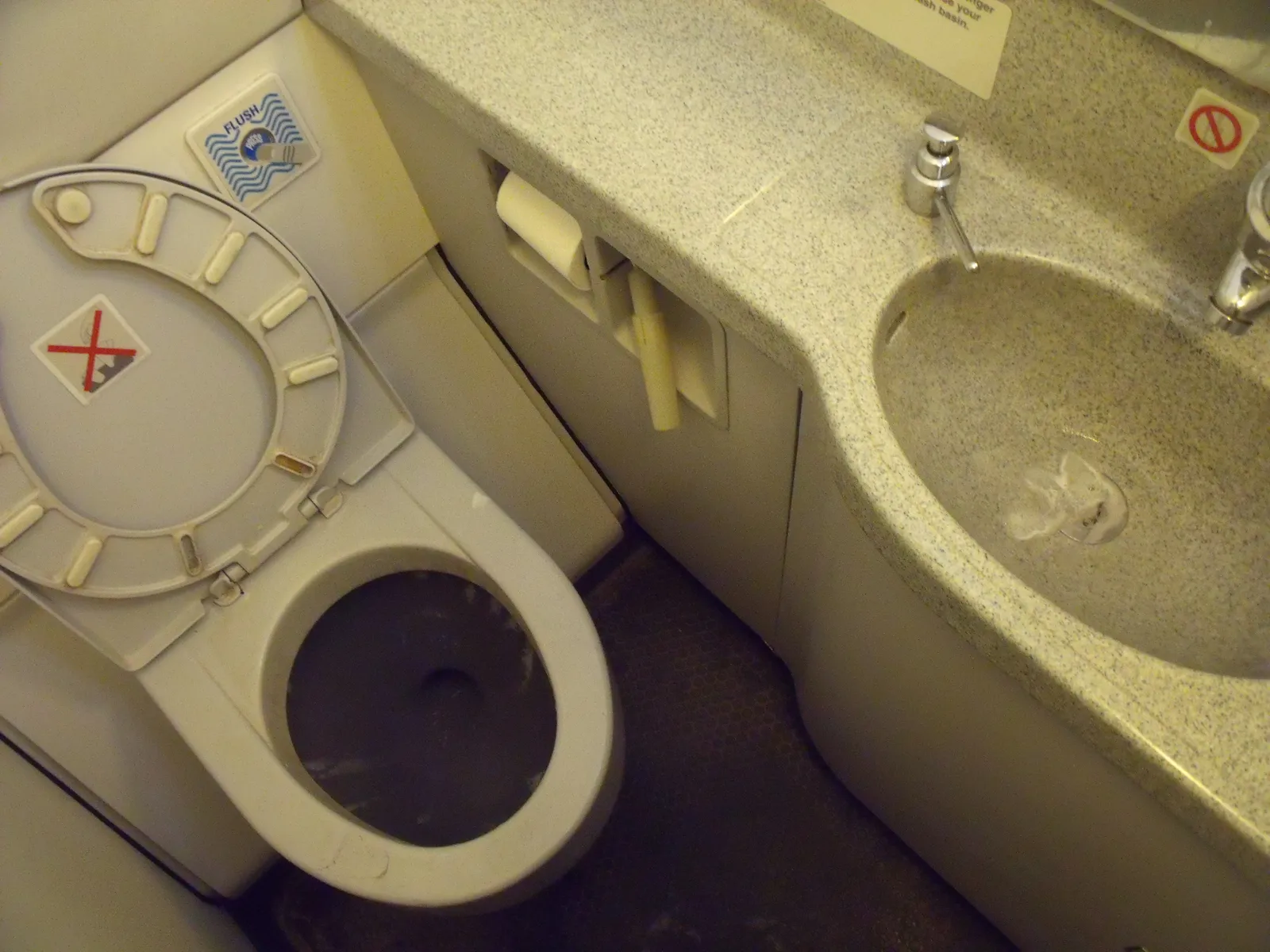
Unlike a conventional toilet at home, an aircraft lavatory doesn’t use water to send waste away. Instead, it relies on a powerful vacuum system that sucks the waste through a series of pipes into a storage tank located at the back of the cargo hold.
An aircraft toilet makes use of the fact that the atmospheric pressure outside is lower than it is in the cabin during flight. This difference in pressure creates the suction to pull waste away when the flushing valve opens.
On the ground, without the altitude pressure differential, an electric pump takes over to create the same vacuum effect before takeoff and after landing. The result is a system that works seamlessly across every phase of flight, with almost no water required.
That Loud Whoosh Has a Purpose
Passengers often notice the distinctive sound of the toilet flush. This sound is created by a combination of the vacuum and a specifically designed high-speed turbine that chops up waste before it enters the holding tank. This grinding action not only reduces the volume of waste but also helps to prevent clogs in the plumbing system.
Because the suction mechanism works at high pressure, modern aircraft toilets don’t require much cleaning fluid. The bowls are often coated with a non-stick surface, similar to Teflon, to ensure waste is swiftly whisked away.
Where the Waste Actually Ends Up Mid-Flight
The waste generated in an airplane lavatory, including urine and solid waste, is stored in a sealed waste tank located in the aircraft’s belly. Once the plane lands, specialized trucks equipped with vacuum pumps connect to the tank and remove the waste for proper disposal at airport facilities.
The waste tank, typically located at the rear of the aircraft, is a sealed and pressurized container designed to prevent leaks and odors from permeating the cabin. These tanks can hold a significant amount of waste, accommodating the needs of a full flight. Sensors monitor the tank’s fill level, alerting ground crew when it needs to be emptied.
Research indicates these waste tanks can hold up to 80 gallons of material, with long-haul flights often accumulating several hundred pounds of waste. On a packed 14-hour international flight, that is a considerable amount for the system to manage.
The Ground Crew Nobody Talks About
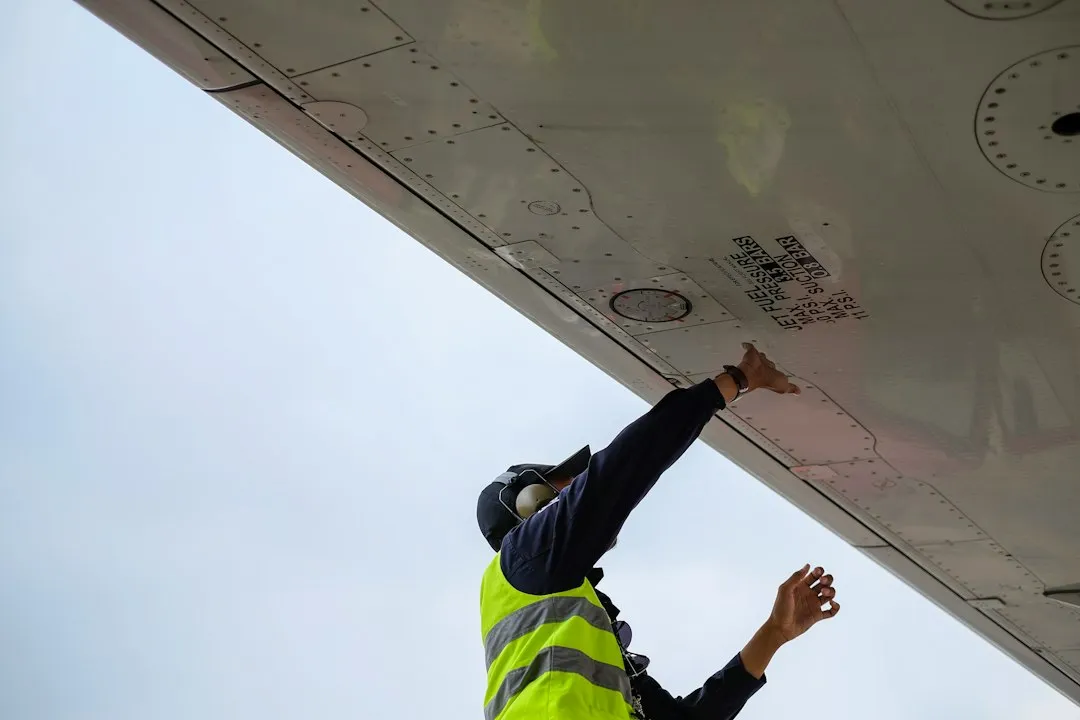
Upon landing, specialized vehicles often referred to as “honey wagons” connect to the aircraft’s waste tank. These trucks are equipped with powerful vacuum pumps that efficiently remove the waste. Trained personnel ensure a secure and sanitary connection, minimizing the risk of spills or contamination.
The removal of human waste and replenishing of lavatory solutions during the routine servicing of an aircraft is a manual operation. A ramp attendant uses a system of hoses, couplings, and storage tanks to drain human waste, including urine and fecal matter, from the aircraft lavatory.
The truck then takes the waste to a special area at the airport reserved for the waste from all aeroplanes, and the toilet waste is emptied into the sewer system for that airport. The training to operate the truck takes three days.
What Happens to the Waste Once It Leaves the Airport
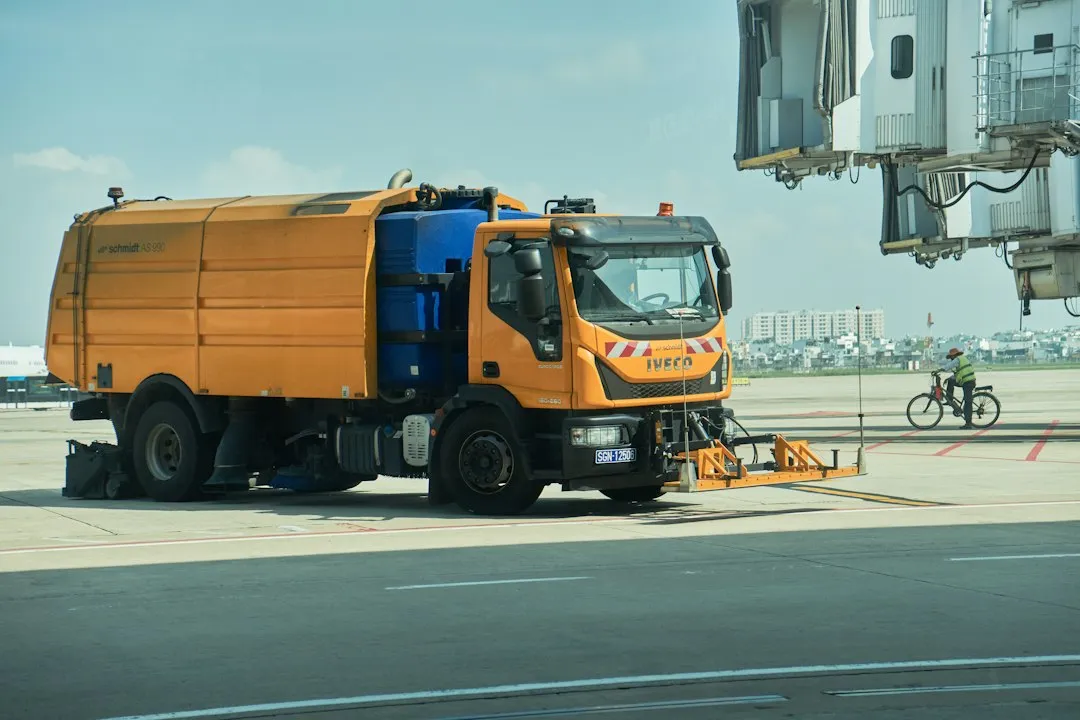
Upon arrival, ground crew members connect a specialised hose to the aircraft’s waste tanks. The contents are then transferred into a truck designed for sewage disposal and taken to a facility where the waste is treated in compliance with environmental regulations.
Airport waste management includes the vacuum toilet waste or wastewater from airplane lavatories that must be pumped out after each flight and disposed of. This waste is constantly subject to a broad variety of non-disposable items that will ultimately clog downstream sewer lines, pumps and processes.
The airport receiving station allows lavatory waste trucks to quickly dump their loads into an inlet pipe that leads to a specialized grinder system. From there, it enters the municipal wastewater treatment network, processed just like any other sewage.
The Blue Disinfectant and What It Contains
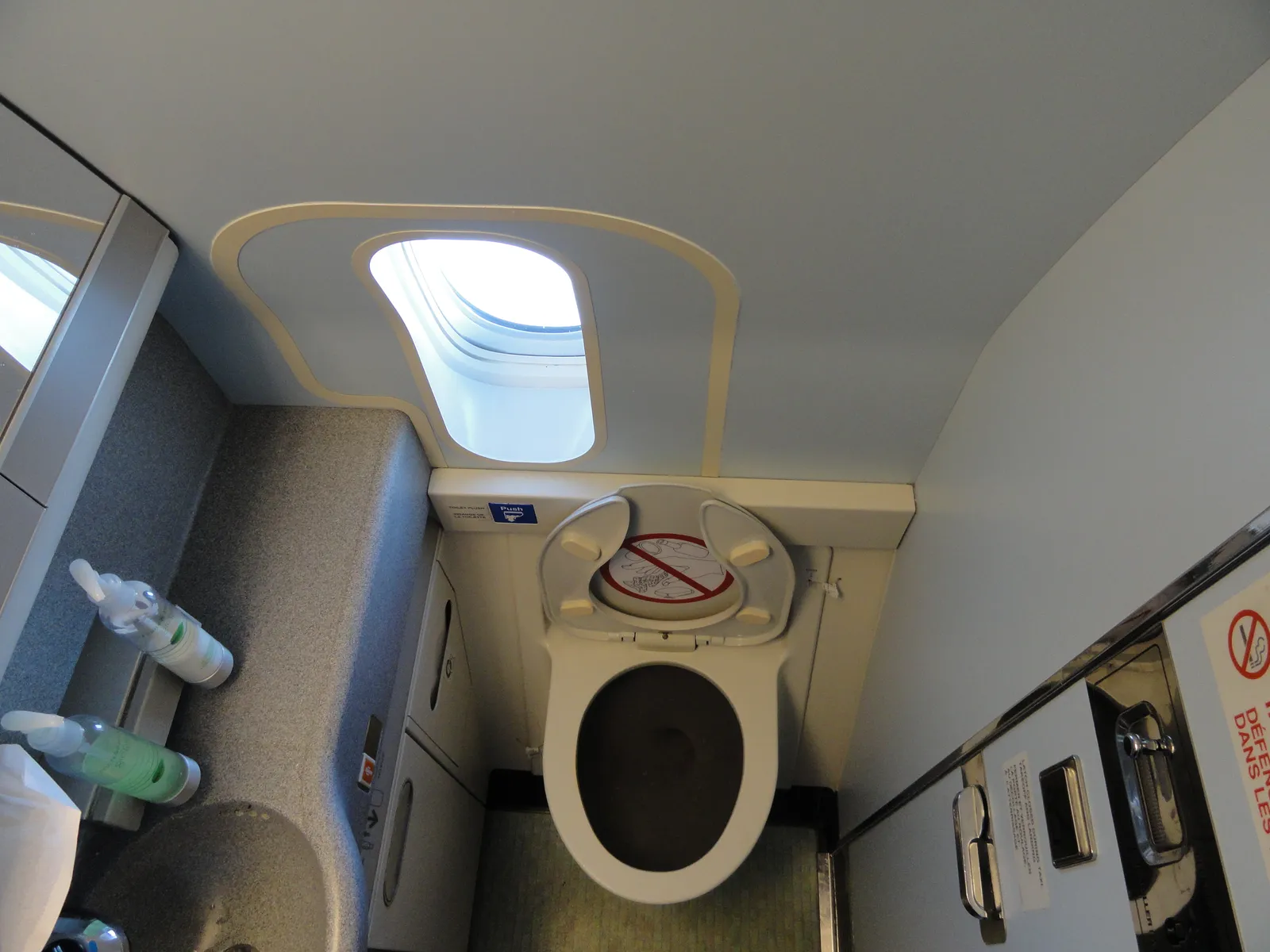
The chemical solution used to fill the storage tanks of the aircraft lavatory generally includes water, perfumes, chemicals, and other ingredients that reduce or mask the smell of the human waste.
The distinctive blue color comes from the sanitizing chemicals used in aircraft toilets, typically a solution containing chemicals like glutaraldehyde or Anotec, which gives the mixture its characteristic blue hue. These chemicals serve dual purposes: disinfecting the waste and helping to break down solid matter while masking odors.
Some airlines use special odor-neutralizing sprays or UV lights to clean the system. Maintenance technicians also inspect the lav valves, hoses, and seals on a regular schedule per the aircraft maintenance manual, which can include leak checks and changing sensor modules in the waste tank.
The Myth of Mid-Air Dumping
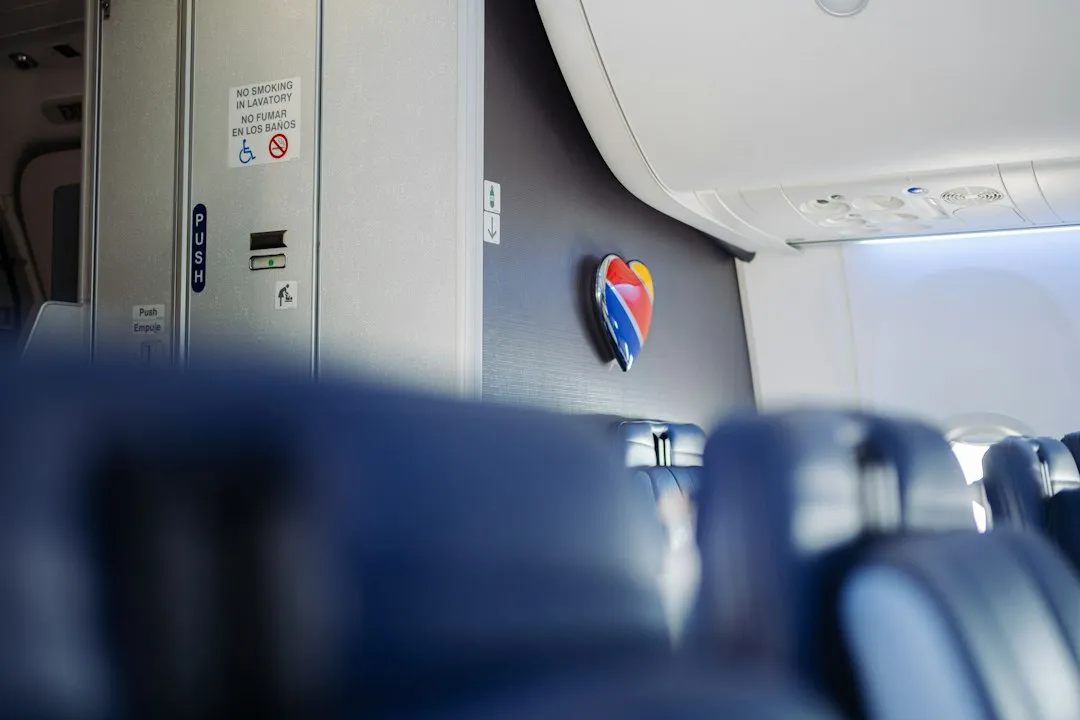
It is a common misconception that toilet waste from commercial aircraft falls out of the aircraft in flight. Modern airplane toilets are designed with a closed and sealed waste containment system to ensure that waste is securely stored until it can be properly emptied on the ground.
Airlines are not allowed to dump their waste tanks mid-flight, and pilots have no mechanism by which to do so. The system simply was not built with any outward release valve accessible from inside the cockpit or cabin.
Commercial planes do not and cannot legally dump waste while in flight. Lavatory waste is stored in sealed tanks below the aircraft. It is only removed when the plane is on the ground.
Blue Ice: When the System Rarely Fails

In aviation, blue ice is frozen sewage material that has leaked mid-flight from commercial aircraft lavatory waste systems. It is a mixture of human biowaste and liquid disinfectant that freezes at high altitude. The name comes from the blue color of the disinfectant.
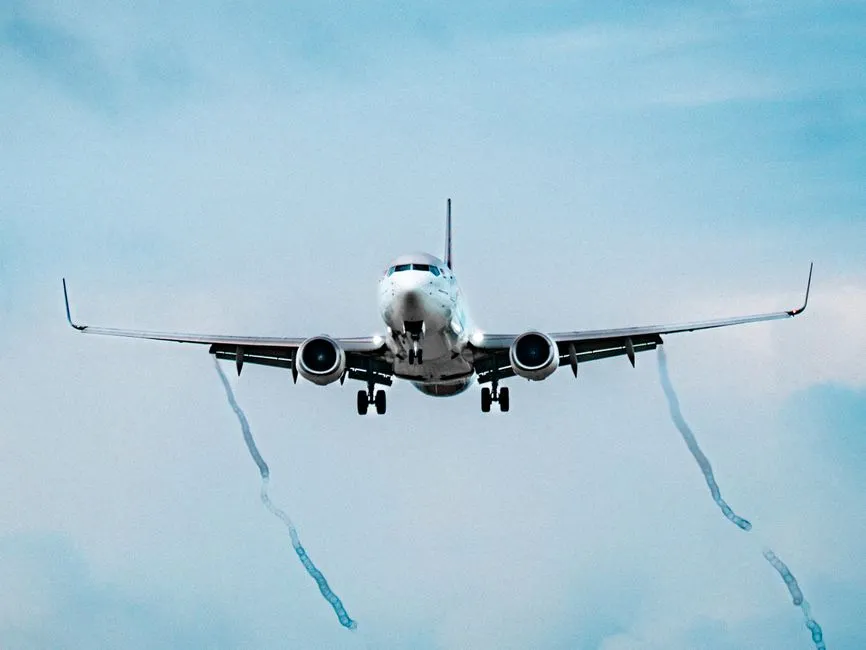
At cruising altitude, where outside temperatures can fall below negative 60°C, any leakage will freeze immediately on contact with the aircraft fuselage. When the aircraft begins to descend into warmer air, the ice can break loose and fall.
There were at least 27 documented incidents of blue ice impacts in the United States between 1979 and 2003. These incidents typically happen under airport landing paths as the mass warms sufficiently to detach from the plane during its descent. More recently, as recently as 2024, falling blue ice damaged a New Jersey home near Newark Airport.
What Crew Members Say About Lavatory Hygiene
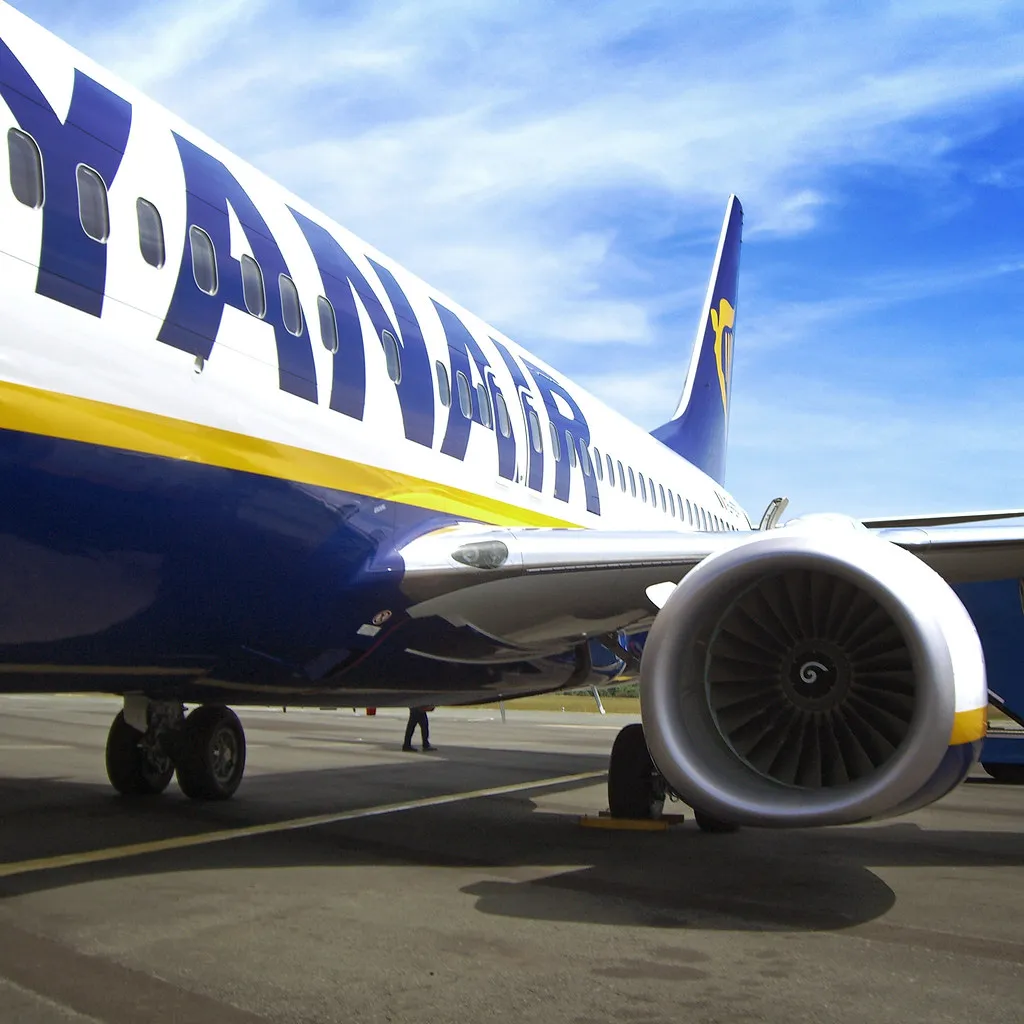
There are two tanks in the plane: one for drinkable water and the other for waste. Everything that comes from the toilet goes directly into the waste tank, as flight attendants regularly explain to curious passengers who ask.
Cabin crew also monitor the toilets during flights, cleaning and restocking them, while many modern systems include self-diagnostic alerts to flag any malfunctions. These alerts allow the crew to act before a problem becomes a major inconvenience for everyone on board.
Engineers who have worked on aircraft waste systems have noted that the pipes are narrow, and passengers have been known to flush items like nappies, cutlery, and even soft drink cans out of curiosity. This can end up delaying a flight, since it can take days to rectify because there is an awful lot of pipework, and it has to be broken down to find the blockages.
How Modern Engineering Keeps the System Efficient
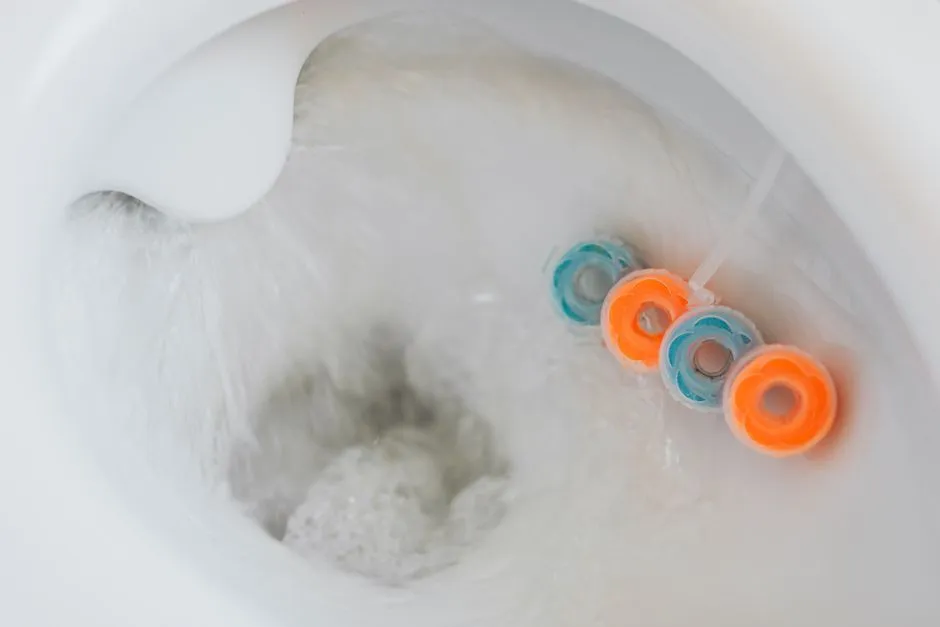
The modern aircraft toilet system is a marvel of lightweight, low-water engineering, so giant flush tanks are not needed. By eliminating vast reserves of flush water, planes save weight and therefore fuel.
Early passenger planes that contained toilets did aim to contain waste in a tank, and the vacuum flush technology still used for passenger airplane toilets today was developed back in 1975. The core principle has remained remarkably consistent for roughly five decades.
Boeing has noted that their vacuum lavatory systems have logged 30 million flight hours with impressively low failure rates. For a system handling one of the less glamorous realities of air travel, that is a genuinely impressive record of reliability.
The Takeaway
The journey of airplane toilet waste is, in its own unglamorous way, a well-considered piece of engineering. From the engineered vacuum roar of the flush to the honey wagon pulling up to the aircraft on the tarmac, every step is deliberate and regulated.
Waste never falls freely from a cruising aircraft. It travels through sealed pipes into a sealed tank, exits through a sealed process on the ground, and is handled by trained workers who rarely get any credit for the role they play in keeping flights running smoothly.
The next time that flush echoes around the tiny lavatory, there is a whole industry of infrastructure quietly behind it. Most passengers never think about it twice, and honestly, that is probably by design.
AI Disclaimer: This article was created with the assistance of AI tools and reviewed by a human editor.