
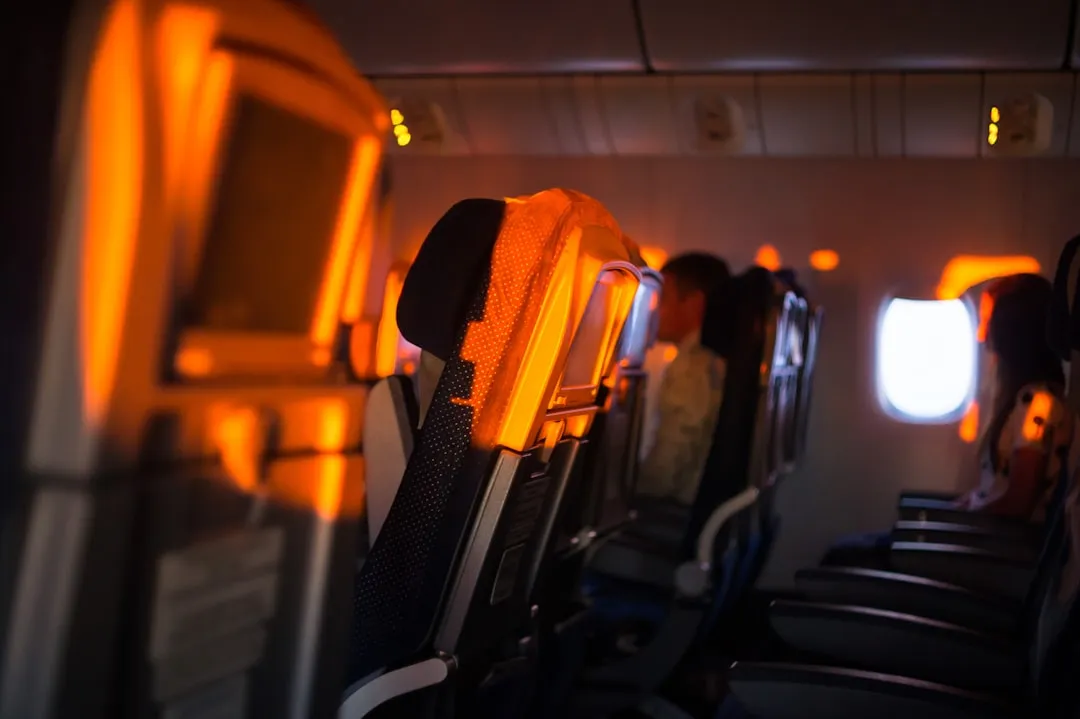

Something has been shifting at the front of the plane. Not loudly, not all at once, but steadily and with remarkable conviction. Across carriers on multiple continents, the seat that once defined the pinnacle of commercial aviation luxury is quietly disappearing from new aircraft orders and fleet retrofits alike.
That seat is first class. For decades, it was the defining marker of an airline’s prestige and a draw for travelers willing to pay for maximum comfort. Now, however, the trend has shifted, and many airlines have scaled back or removed their first-class cabins entirely. The reasons are practical, financial, and in some cases, surprisingly straightforward.
The Numbers Tell the Story
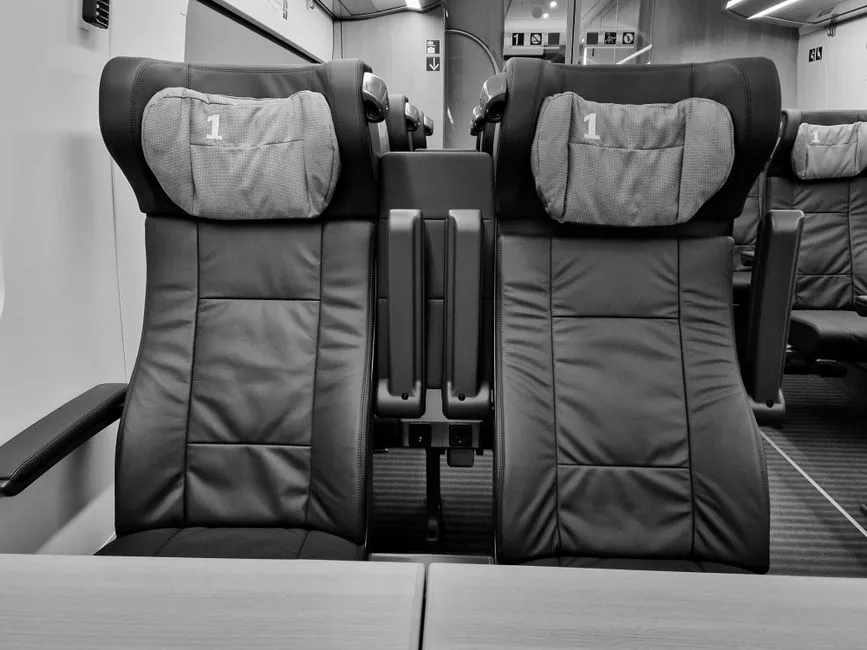
The scale of this shift is striking when you look at it through the lens of data. Overall, there are more than 40% fewer first class annual scheduled seats in 2024 than in 2019. That’s not a gradual drift – that’s a structural retreat from a product that airlines have quietly decided is no longer worth the square footage.
Fewer than 20 airlines still operate dedicated first class cabins. Emirates, Etihad, Singapore – the list shrinks yearly. Aviation analytics company Cirium’s data confirms this trajectory, showing a consistent decline in first class capacity across global long-haul routes following the pandemic.
American Airlines Makes It Official
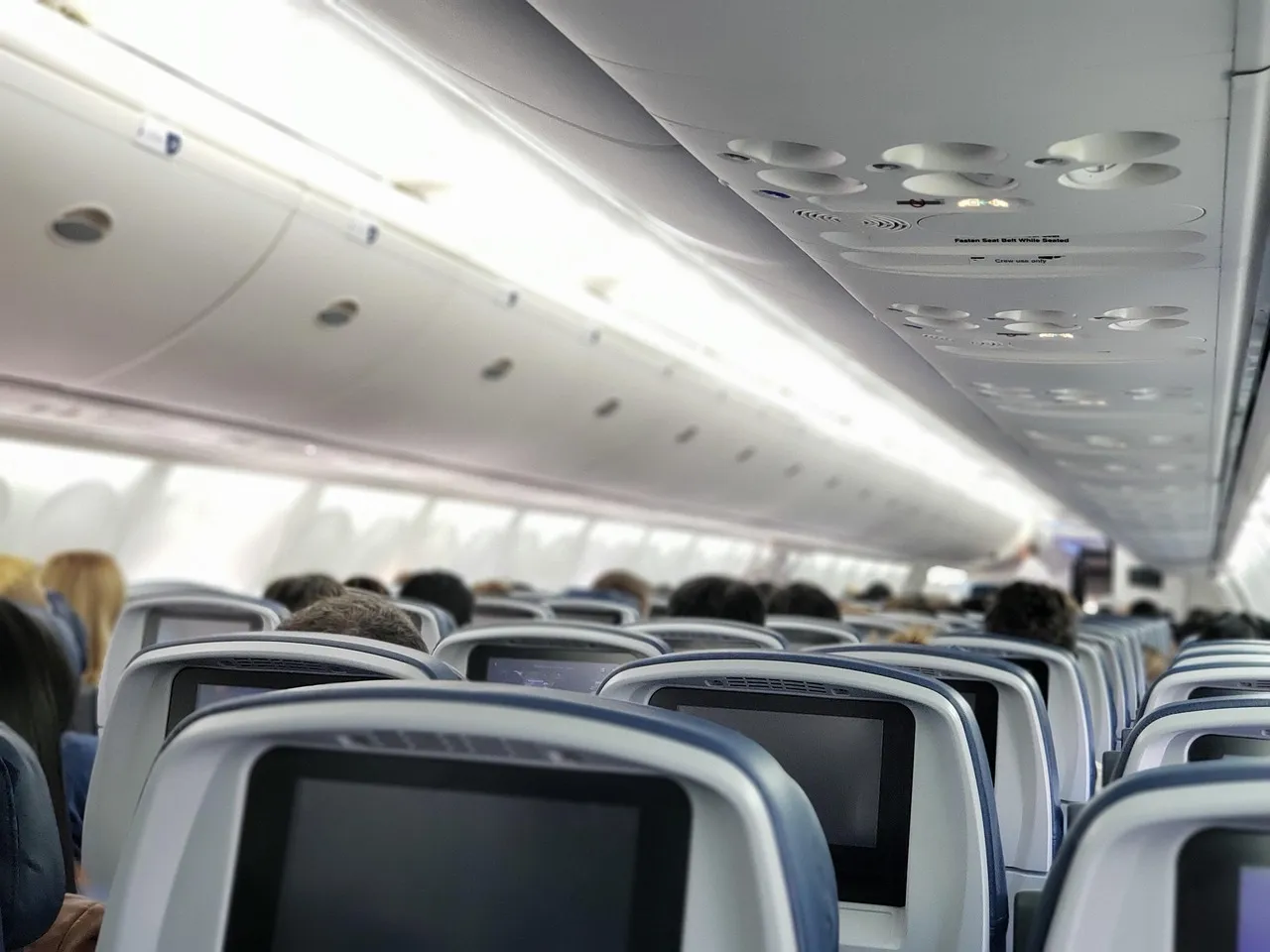
American Airlines is phasing out its “Flagship First” first class cabins on the Airbus A321T and Boeing 777-300ER. The decision was framed publicly as a shift toward a reimagined premium travel experience centered on an upgraded business class product.
American said it plans to increase the number of business and premium seats by “more than 45 percent by 2026.” That number reflects just how aggressively the airline is redirecting its cabin investment. The Flagship Suites are being installed on all newly delivered Boeing 787-9s and new Airbus A321XLRs and will be retrofitted into existing 777-300ERs, with full fleet deployment expected by 2027.
Currently, the 777-300ERs have 8 Flagship First and 52 Flagship Business seats; once overhauled, they will have 70 of the new Flagship Business Suites. That’s a significant reallocation of precious cabin real estate in favor of a product the airline believes its customers genuinely want to buy.
Delta and United Were Already There
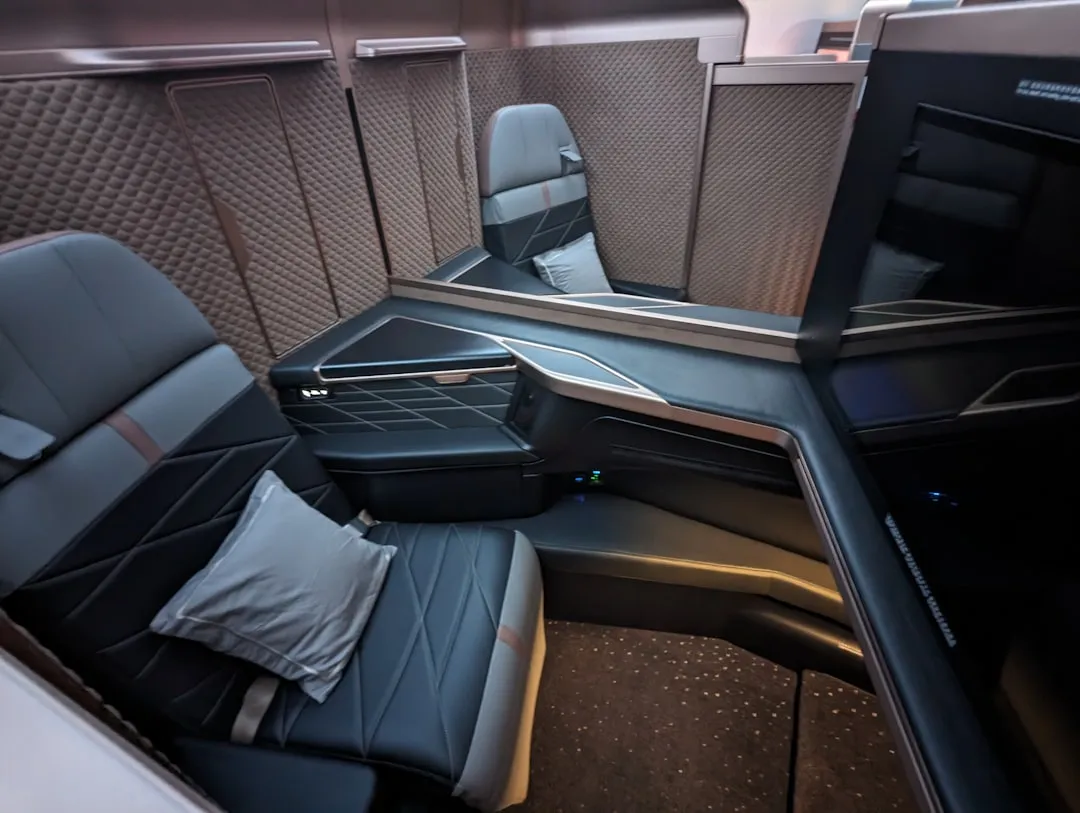
American Airlines is actually late to this particular party. Delta dropped international first class in 1998 and United eliminated it in 2016. Both carriers made their moves quietly and well ahead of the broader industry conversation about first class viability.
United Airlines and Delta Air Lines formerly offered first class, but United decided to phase it out in 2018. It had been offered on some Boeing 747-400s, Boeing 767-300ERs, and Boeing 777-200ERs on international long-haul routes. Delta has phased it out since the 1990s and now offers Delta One as its highest class. Two of America’s biggest carriers operating without first class for years is not a footnote – it’s a preview of where the industry was always heading.
Qatar Airways Bets Everything on Business Class
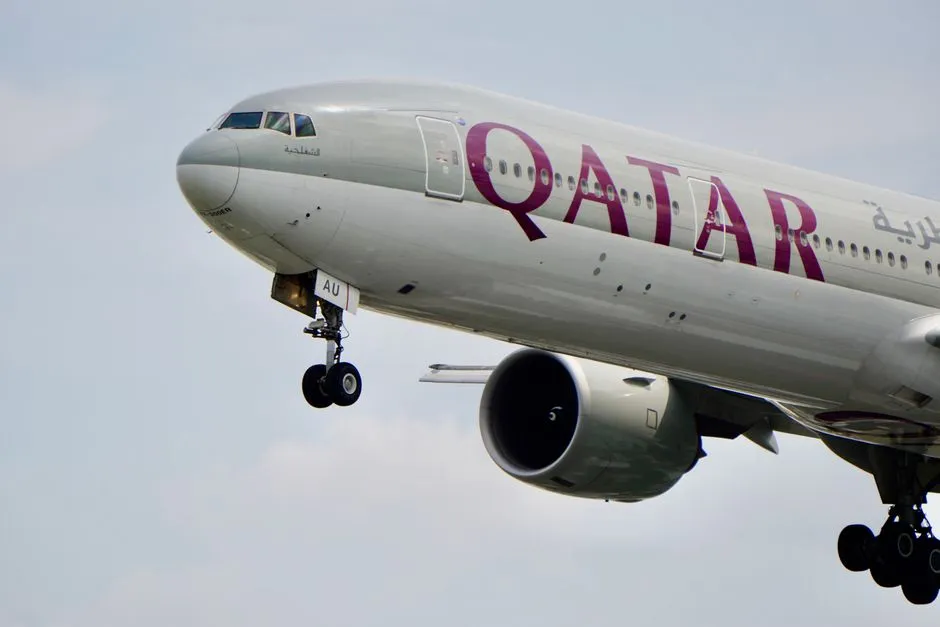
Perhaps the most telling signal came from the Middle East. Qatar Airways’ CEO confirmed that forthcoming Boeing 777 planes will not feature First Class cabins. He emphasized that the decision was prompted by the belief that the lavish seating arrangement is redundant, given the exceptional amenities offered in the airline’s Business Class Qsuites.
This strategic move indicates that by the time Qatar Airways retires its A380s in 2030, it will no longer offer any First Class seats. For an airline widely considered one of the world’s finest, that’s a meaningful statement about where premium travel is heading.
Qatar Airways retired its dedicated first-class cabin on most long-haul routes and redirected investment into Qsuites, a business-class product that routinely outscores legacy first-class cabins in independent evaluations. The second-generation Qsuites feature a fully enclosed suite with a sliding door, a 79-inch lie-flat bed, and a Quad configuration that allows up to four passengers to create a shared social space.
The Math Behind the Decision
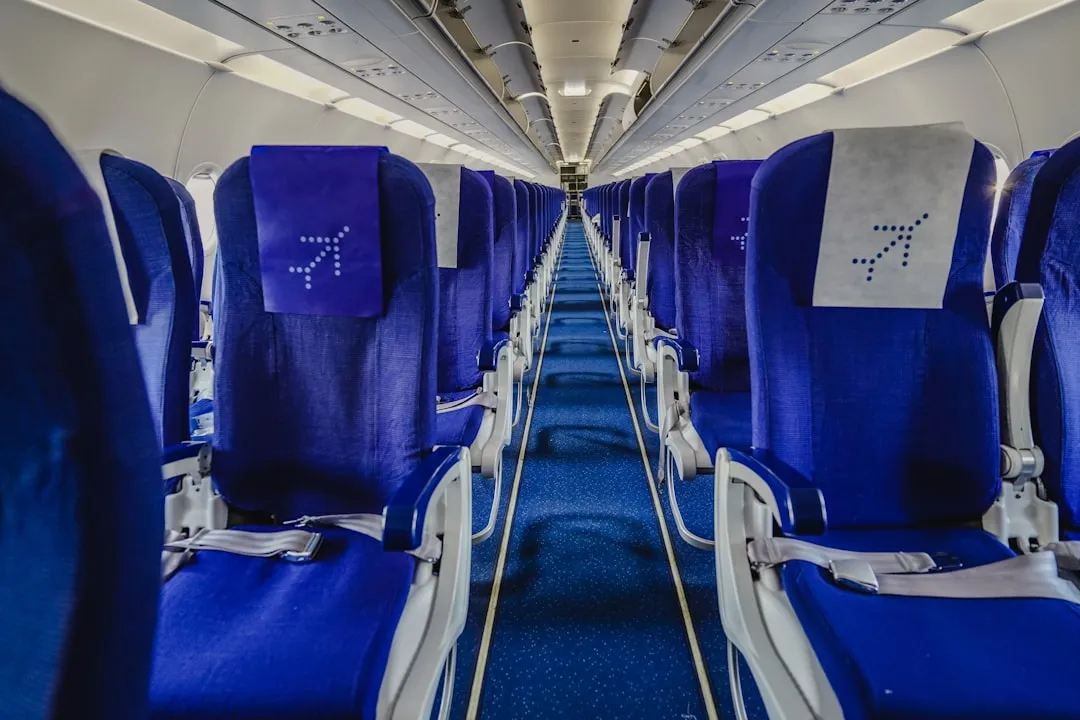
Airlines are, at their core, businesses with very limited physical space to work with. First class cabins, while luxurious and prestigious, often occupy significant space that could be used more efficiently. A single first class seat can occupy the same footprint as two or even three business class seats, which are often more profitable on a per-square-foot basis.
Across the industry, carriers generally aim for a load factor of 80–85%. First class rarely meets that standard. On some flights, occupancy can be as low as 20%, which makes it difficult to justify the space and investment required for the product. Operating an underbooked first class cabin on a long-haul route is, in financial terms, deeply inefficient.
Business Class Became the New First Class
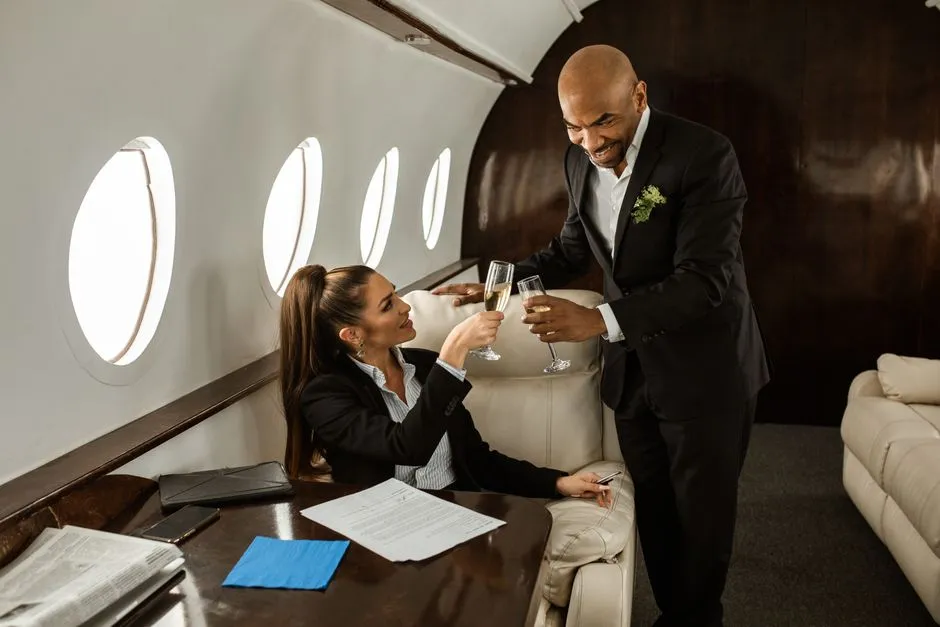
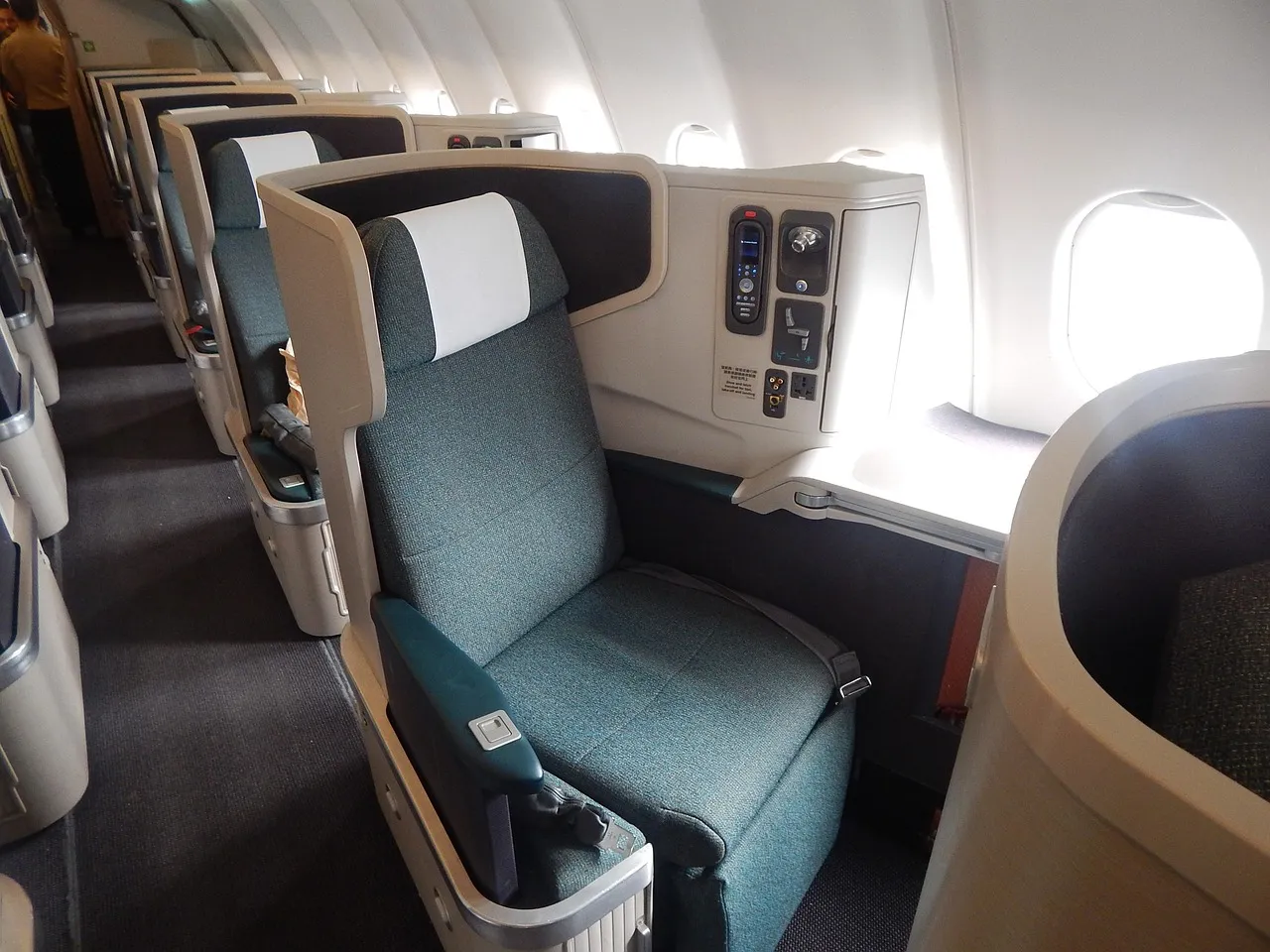
The reason first class lost its footing is partly because business class became so good. Over the last decade, business class has undergone a dramatic transformation, evolving from a basic upgrade to a near-luxury experience that rivals, and in some cases surpasses, what first class once offered. Modern business class cabins now feature lie-flat seats, direct aisle access, enhanced privacy through suites or sliding doors, and gourmet dining curated by top chefs.
One of the reasons why airlines have been phasing out their first class product was that the quality gap between first and business class has narrowed. When a business class suite comes with a closing door, a flat bed, noise-canceling headphones, and a curated wine list, the argument for paying significantly more to sit in a marginally larger space becomes harder to justify.
Airlines have invested in business class products because they appeal to high-end leisure travelers and corporate clients, two of the most profitable segments. Unlike first class, which often caters to a smaller, more niche market, business class offers broader appeal and a higher return on investment.
Other Carriers Joining the Shift
The trend isn’t limited to American carriers or the Gulf. Delta Air Lines removed the cabin altogether, and several international carriers, including Turkish Airlines, LATAM, China Airlines, China Southern, Malaysia Airlines, and Korean Air, have also stopped offering first class. The list of airlines that have quietly exited first class over the past decade is long and continues to grow.
Israel’s flag carrier, EL AL, phased out first class in the 2020s, replacing it with an enhanced business class and a new premium economy cabin on its Boeing 777 and 787 aircraft. Oman Air phased out its first class in 2024, with “Business Studio” now being the airline’s highest offering. Even newer airlines are launching without it. Riyadh Air, a new Saudi Arabian airline set to launch in 2025, confirmed it won’t have first class seating as part of its customer offering.
Who Is Still Investing in First Class?
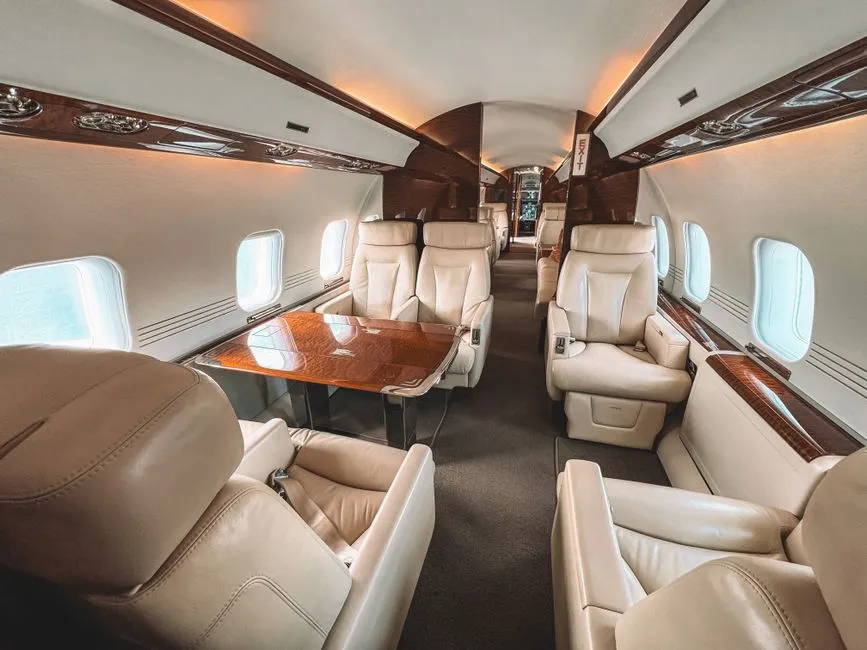
The picture isn’t entirely one-directional. Some carriers are doubling down, viewing ultra-premium first class as a brand differentiator. By 2030, select airlines like British Airways, Air India, Emirates, Air France, and Lufthansa will still be offering first class. These carriers see the product as worth defending, particularly for routes where ultra-high-net-worth travelers form a meaningful part of demand.
Some airlines, like Emirates, are doubling down with ultra-luxury first class suites. Meanwhile, others, like Thai Airways and American Airlines, are phasing or looking to phase first class out entirely. That divergence is notable. It suggests first class isn’t dead so much as it’s becoming a niche product reserved for a smaller group of airlines willing to service a very specific type of traveler.
Premium Economy Is Also Rising Fast
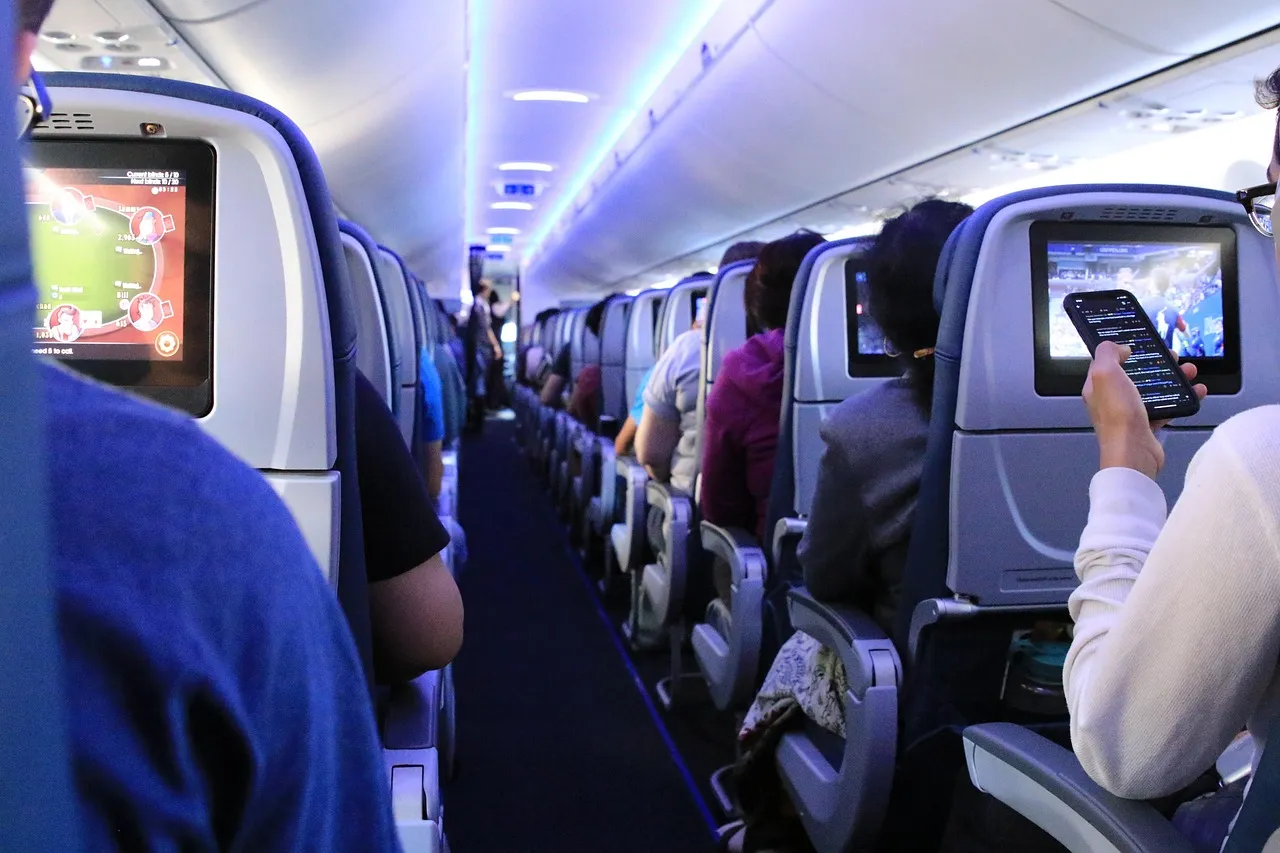
While business class absorbs the space once occupied by first class, premium economy is quietly emerging as a compelling mid-ground. Business class is having its own usefulness questioned after data has emerged showing that premium economy might be the coolest new cabin in town. After the pandemic pushed the cost of business class to new highs, a growing number of one-time business-class travelers are now opting for premium economy, choosing comparable comfort at a fraction of the price.
The revenue potential of premium economy is hard to ignore from an airline’s perspective. A typical premium economy seat generates a massive 33% more revenue than a traditional economy seat. For airlines weighing where to allocate increasingly scarce cabin space, those returns are difficult to argue with. The cabin architecture of new planes increasingly reflects this reality.
What This Means for Travelers in 2026
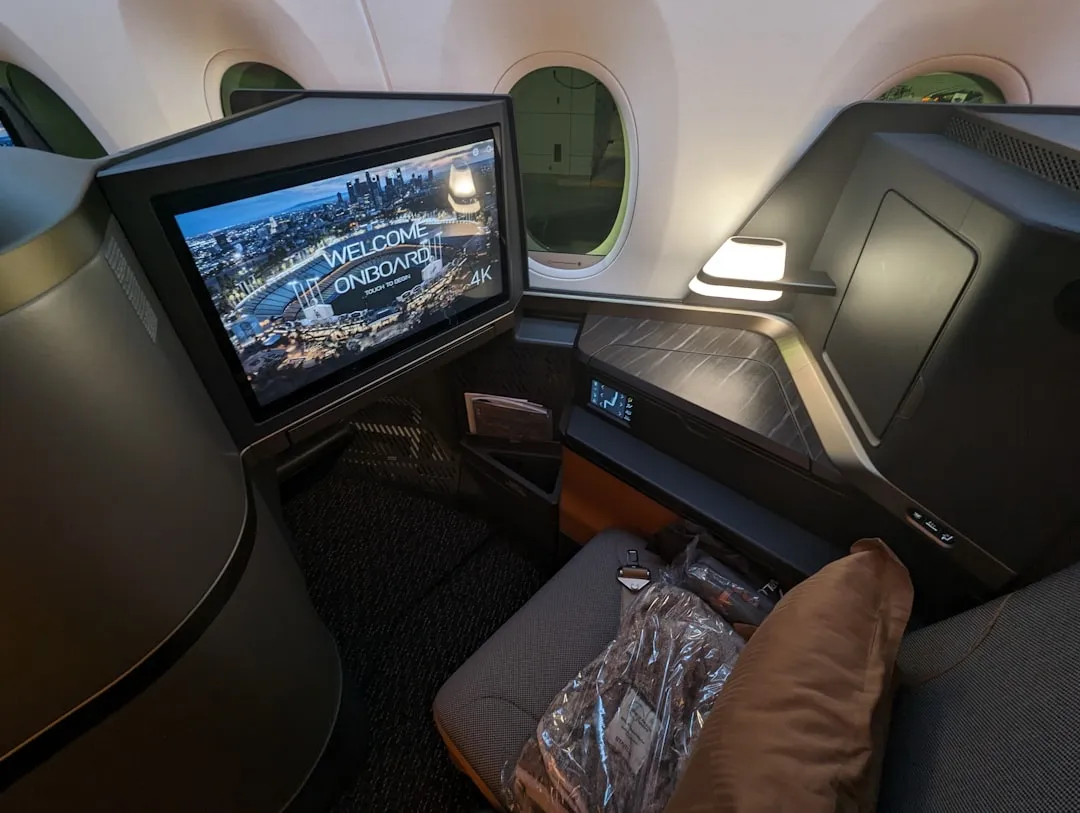
Technological innovation is driving much of this change. Enhanced seat design, improved privacy, and digital personalization are becoming the norm in business class, often narrowing the gap with first class. These upgrades are redefining what premium travel means, focusing less on exclusivity and more on experience.
For travelers planning long-haul trips, this restructuring has practical implications. Loyalty programs have tightened redemption availability, cash fares have climbed an estimated 18 to 22% year-over-year on transatlantic and transpacific routes, and several carriers have announced cabin refreshes that will temporarily reduce first-class seat counts through late 2026. Knowing which planes still carry first class, and which have already made the switch, is now worth checking before booking.
The trajectory is clear. What was once considered the most exclusive seat in the sky is being quietly retired by carrier after carrier, not out of disregard for the premium traveler, but because business class has grown into something genuinely extraordinary in its own right. The seat isn’t disappearing because travel is getting worse. It’s disappearing because, by most practical measures, it’s already been replaced by something that serves more people – and serves airlines’ bottom lines more effectively. That’s a quiet revolution, but a real one.
AI Disclaimer: This article was created with the assistance of AI tools and reviewed by a human editor.