
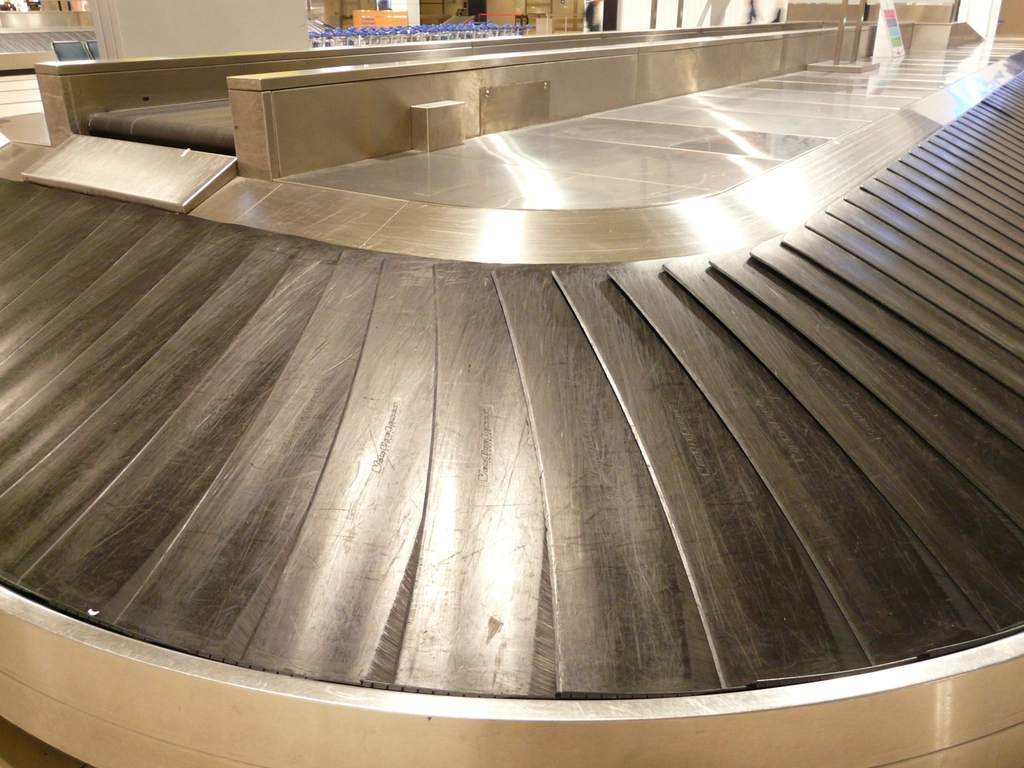

Most travelers hand over their bag at check-in and give it little more thought until the carousel at arrivals starts turning. What happens in between is genuinely remarkable. Beneath the tarmac, beneath the boarding gates, beneath the jet-bridge walkways, an entire subterranean world is quietly at work moving your suitcase through tunnels, sorting halls, and high-speed conveyor networks that most passengers will never see.
The engineers who design and maintain these systems rarely get asked about their work. That’s a shame, because the infrastructure hidden under a large modern airport rivals the complexity of a city’s metro system, and the distances involved tend to surprise even frequent flyers.
The Sheer Scale of What’s Beneath Your Feet
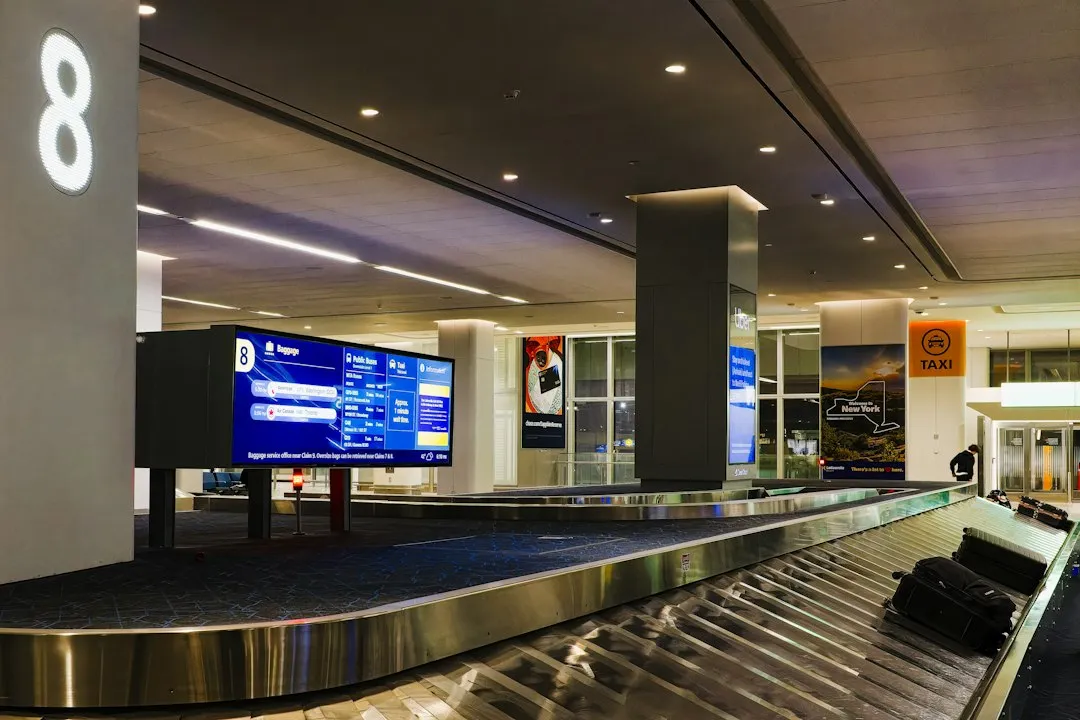
The baggage handling system is a comprehensive network of automated systems and technologies implemented at airports to facilitate the efficient and organized movement of passengers’ luggage throughout the travel process. At a major hub, that network can be enormous. Depending on the airport’s size and the complexity of its operations, the conveyor system that carries bags to their desired destinations can be meters or kilometers long.
The numbers at the biggest airports are genuinely staggering. Dubai International Airport’s Terminal 3 baggage system includes 90 kilometres (56 miles) of conveyor belts capable of handling 15,000 items per hour at a speed of 27 kilometres per hour (17 mph), and 4,500 early baggage storage positions. That is longer than many commuter rail lines.
Denver International: The World’s Most Famous Underground Labyrinth
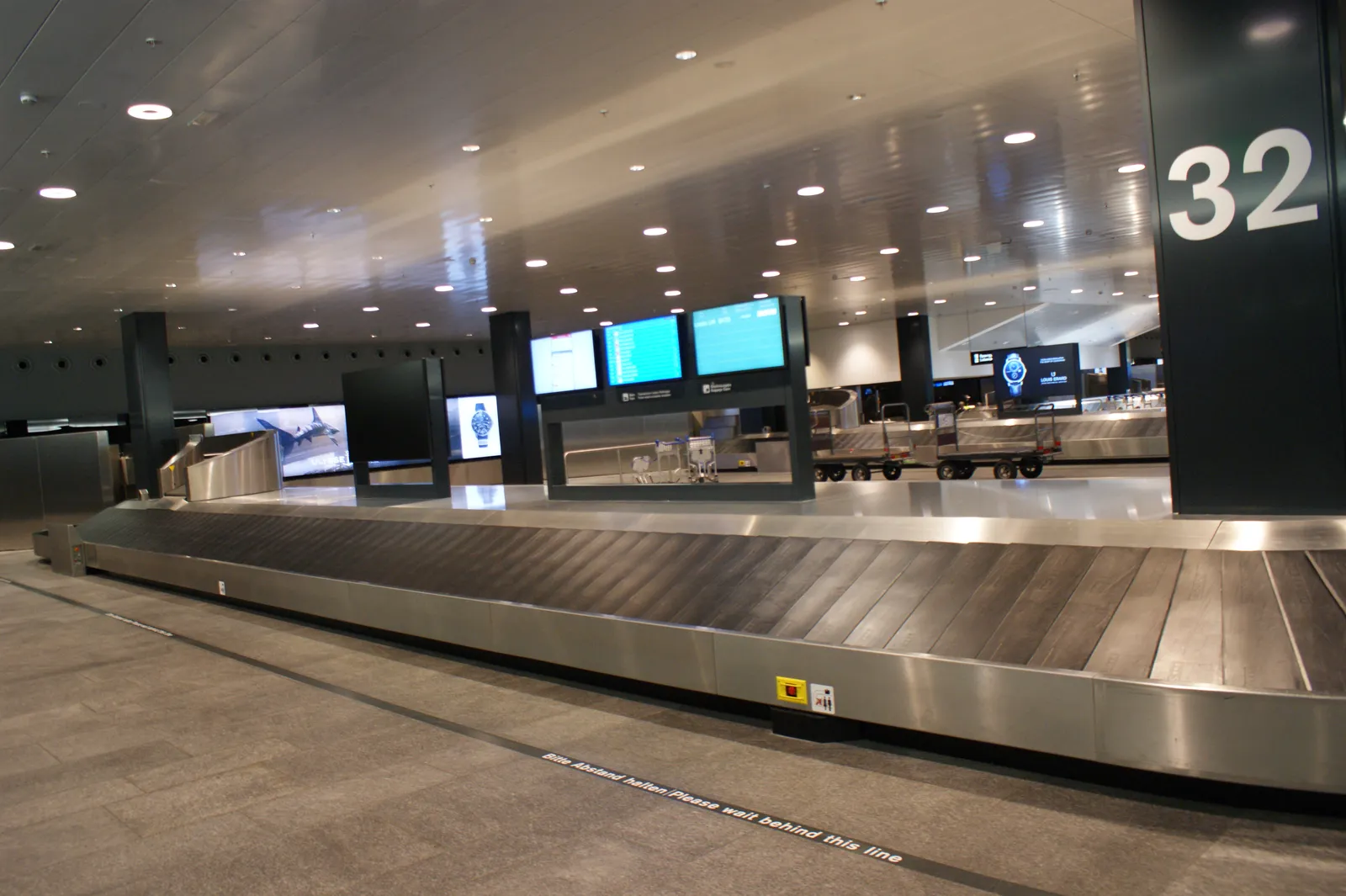
Denver International Airport boasts the largest airport baggage conveyor system in the world. It is both a genuine engineering landmark and something of a cautionary tale about ambitious design. It has over 19 miles (30 km) of track, more than 5 miles (8 km) of conveyors, and over 4,000 Destination-Coded Vehicles (DCVs).
The system has 300 486-class computers distributed in eight control rooms, a high-speed fiber-optic ethernet network, 4 million meters of wiring, 56 laser arrays, 400 frequency readers, 10,000 motors, and 92 PLCs to control motors and track switches. Few pieces of civil infrastructure anywhere in the world contain that density of interlocking components.
Dubai’s Deepest System: Buried Beneath the Taxiways
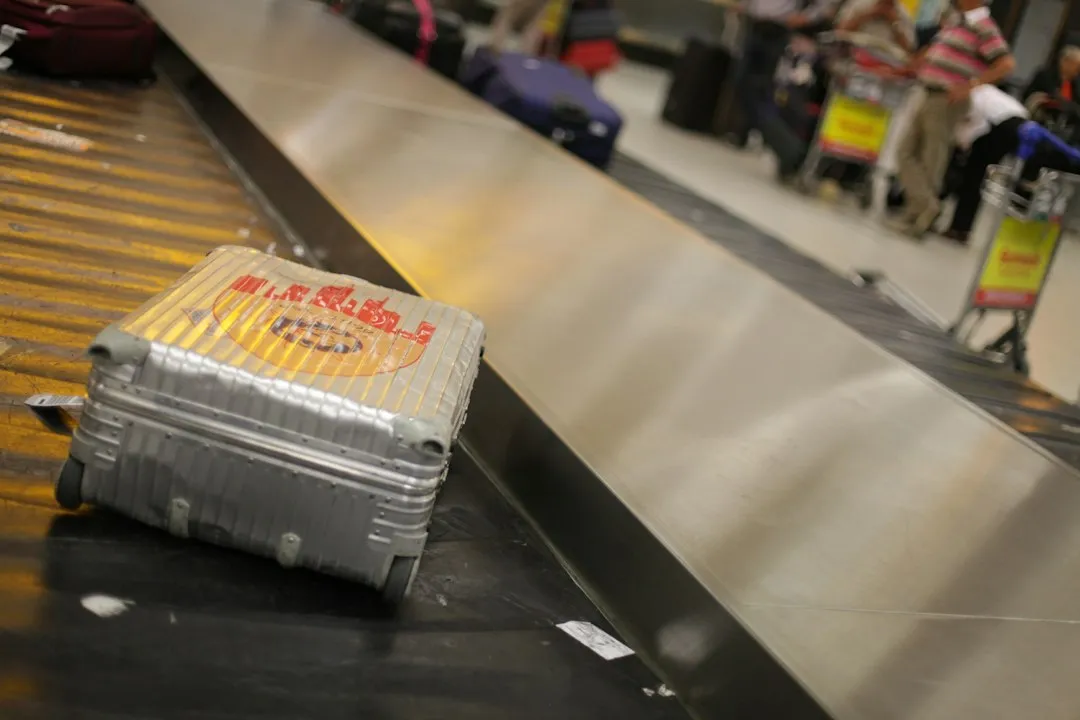
The Dubai International Terminal 3 baggage handling system is the largest and also the deepest in the world, with a capacity to handle 8,000 bags per hour. The depth is not accidental. The entire system is located beneath the taxiway area, which means aircraft roll directly over the tunnels carrying passengers’ luggage.
High-speed conveyors transport items of baggage in individual trays, which permits better control at high speeds and leads to quicker passenger check-in and 100 percent accurate baggage tracking. Tray-based systems like this represent a significant upgrade over older flat-belt designs, especially at very high throughput speeds.
New Projects Still Expanding the Underground Networks
Investment in underground baggage infrastructure did not slow down in 2024 or 2025. Siemens Logistics secured a major contract in 2025 to maintain 140 kilometers of conveyor belts at Adolfo Suárez Madrid-Barajas Airport. That single maintenance contract covers more distance than the entire belt networks of most mid-sized airports.
Vanderlande’s 2025 project at Poland’s CPK Airport involves a massive network of conveyors stretching over 16 kilometers. Elsewhere, operational data from Chicago O’Hare’s Terminal 3 upgrade confirms the installation of 14,361 linear feet of new conveyor lines to handle increased domestic loads. These are not small, iterative changes. They represent entirely new subterranean corridors being carved out under active airports.
How the System Actually Moves Your Bag
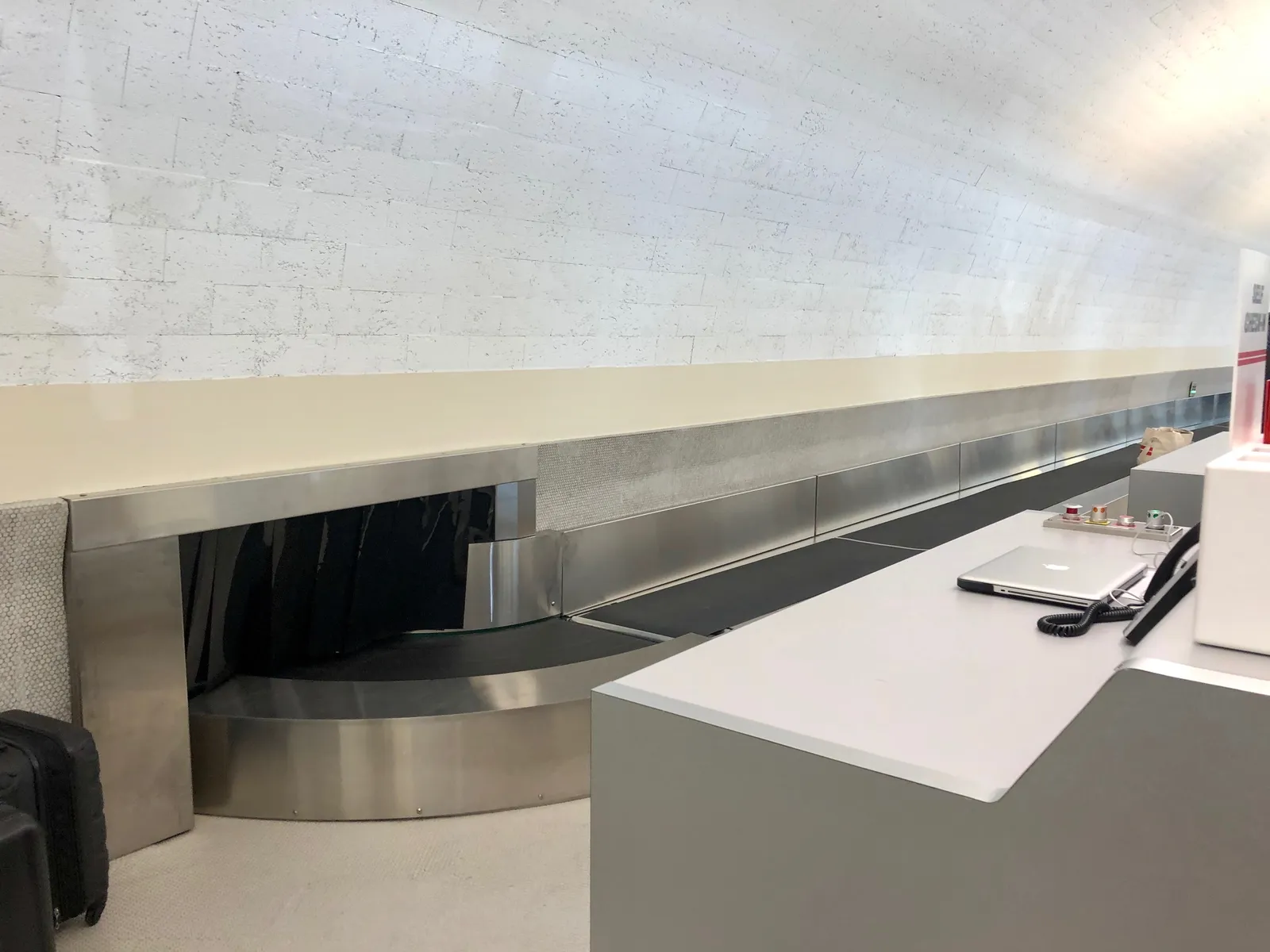
Comprising conveyor belts, sorting technology, and specialized software, the system begins its operation at the check-in counter, where passengers drop off their bags. The check-in conveyors then transport luggage to the sorting area, where the automated system categorizes and organizes it based on the destination. From that point forward, the bag travels almost entirely without human hands touching it.
The carriers are powered by induction motors, which use electromagnetic fields to propel the cart along the track. Induction motors have no moving parts, are incredibly reliable, and require little maintenance, making them ideal for a constantly running system. That reliability matters enormously when a system must run around the clock, every single day of the year.
The Technology That Knows Where Your Bag Is at All Times
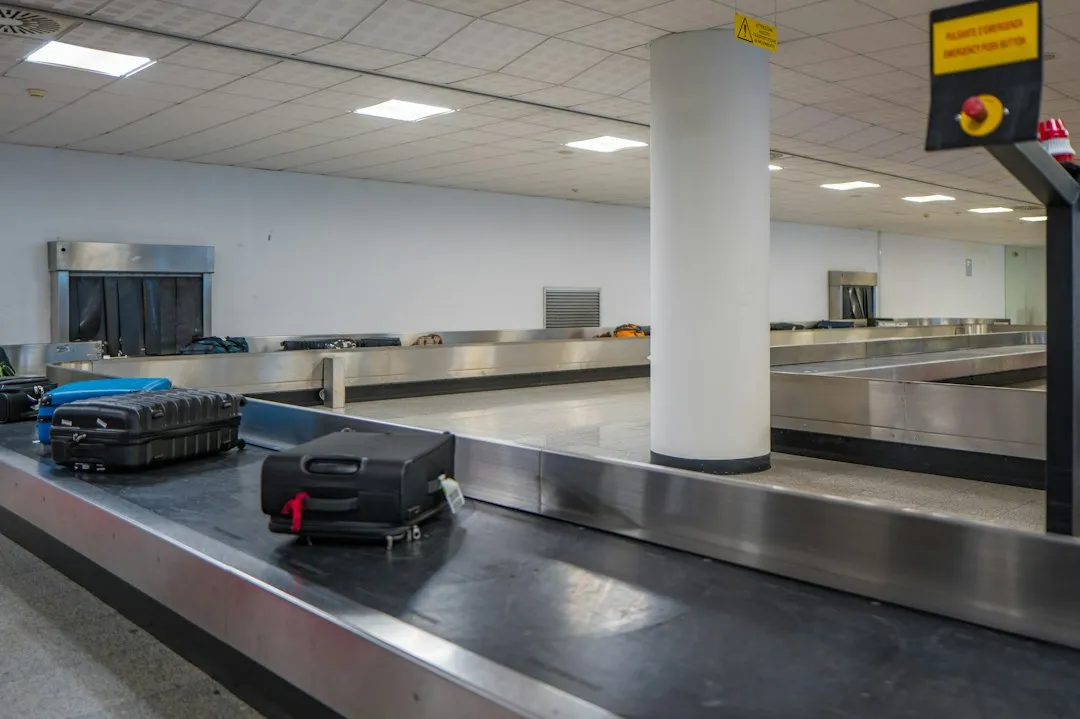
Airport baggage conveyor belts operate continuously, 24 hours a day, 365 days a year, under strict IATA (International Air Transport Association) performance standards. Keeping track of every single bag across tens of kilometers of underground belts requires serious tracking infrastructure. Automatic Tag Readers (ATRs) act as the information gatekeepers of the baggage handling system. These scanners, strategically placed along the conveyor system, can rapidly read the encoded data on the barcode, which includes your flight details and final destination.
IATA Resolution 753 requires baggage to be tracked at check-in, when loading onto the aircraft, during transfers, and upon arrival at the delivery belt. This four-point mandatory tracking framework is now the global baseline standard. In 2025, the air transport industry approved the new Modern Baggage Messaging (MBM) standard, which is expected to reduce mishandling by another 5%.
Mishandling Rates: The Industry’s Honest Scorecard

Despite the sophistication of these underground systems, bags do occasionally go astray. Airlines mishandle 6.3 bags per 1,000 passengers, amounting to 33.4 million mishandled bags in 2024 and costing airlines USD 5 billion annually. The most recent data from 2025 shows continued improvement. Airlines mishandled about 24 million bags in 2025, and the mishandling rate fell 23% to 4.9 bags per 1,000 passengers, according to SITA’s 2026 Baggage IT Insights report.
Of the mishandling recorded in 2024, SITA attributed 41 percent to transfer, 17 percent to tagging, ticketing, and security problems, 16 percent to failure to load bags onto the aircraft, and 10 percent to operational factors such as airport processes, weather, and aircraft space or weight limits. Transfer mishandling, consistently the leading cause, is where the underground journey reaches its most vulnerable point: the handoff between one complex system and another.
The Belt Materials and Engineering Behind Everyday Reliability
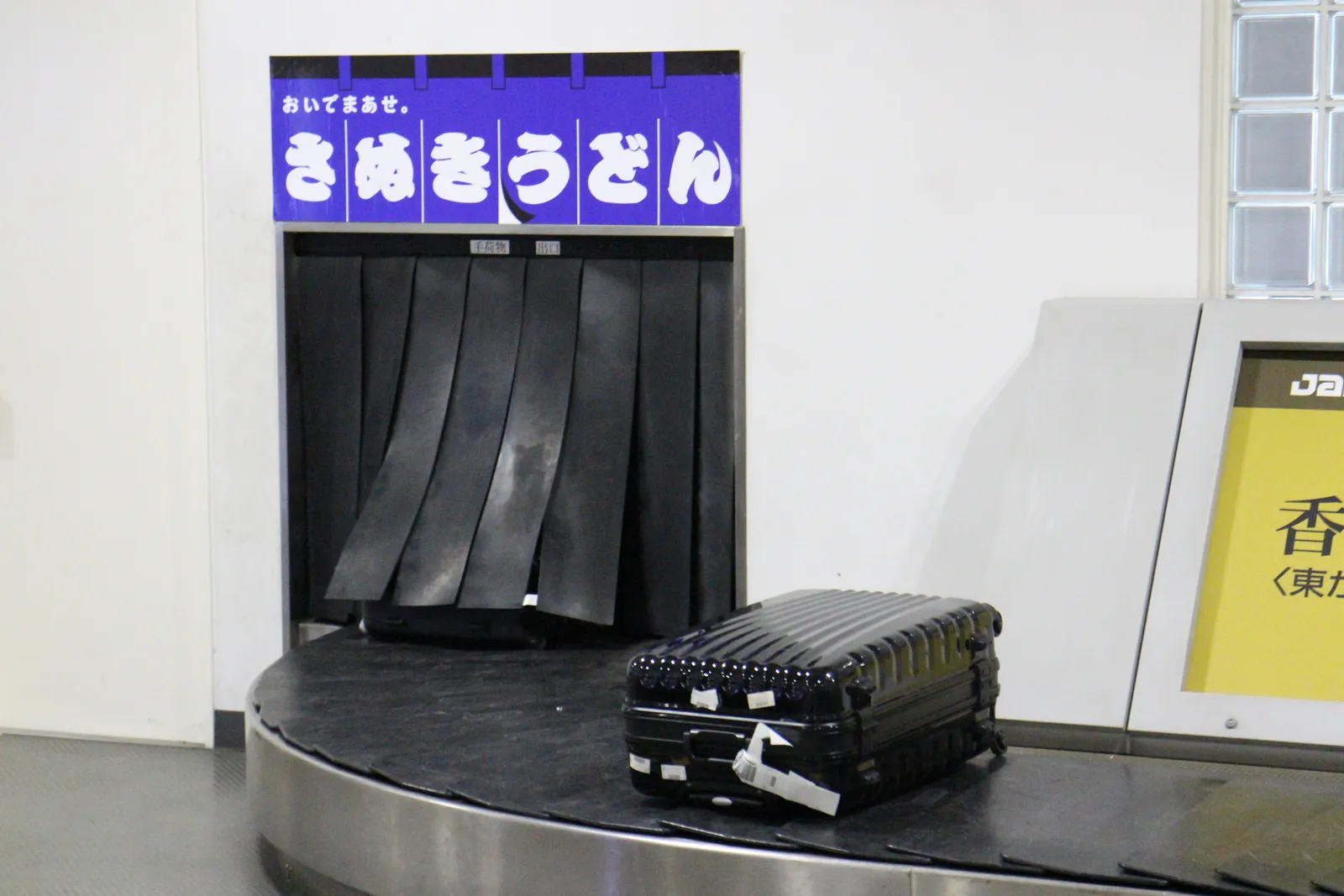
Airport baggage handling systems commonly use low-noise PVC conveyor belts with stable tracking, good abrasion resistance, and antistatic properties. Different belt constructions may be required for check-in conveyors, security screening machines, sorting lines, transfer conveyors, and baggage reclaim systems. Every section of the journey has its own specific material requirement.
Baggage screening machines generally use thin, stable, and antistatic conveyor belts that can pass through X-ray equipment smoothly. The exact belt thickness, surface color, splice type, and electrical properties should be selected according to the screening machine model and manufacturer requirements. This specificity is part of why replacing even a short section of belt in an active airport requires careful coordination and planning.
The Sorting Machines That Make the Decisions
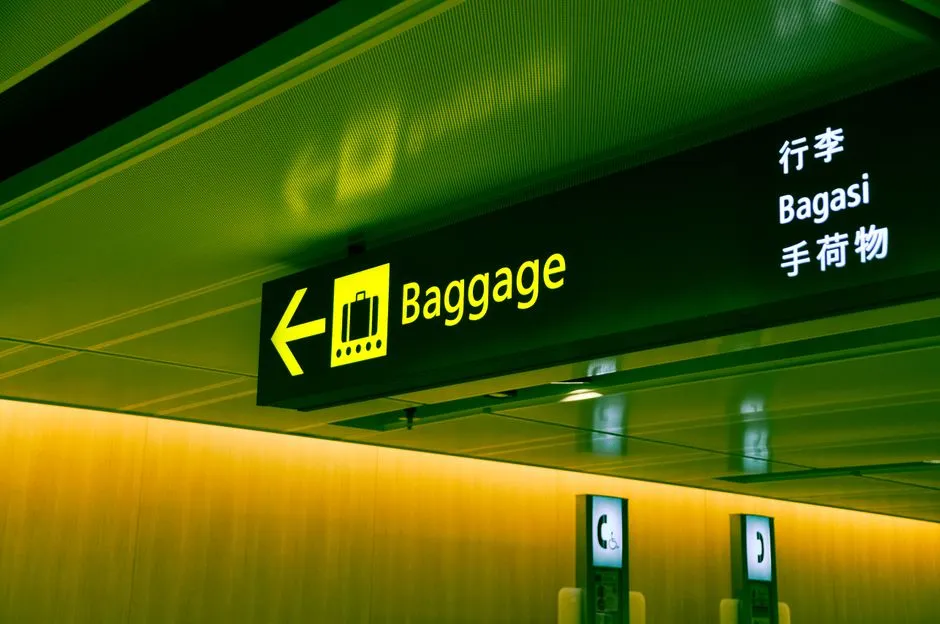
Not all luggage follows the same path. Automated sorting machines, like tilt tray sorters, play a crucial role in directing each bag based on its encoded flight information. These intelligent systems utilize a series of angled trays that cleverly nudge and sort the luggage towards its designated route. At a large hub, a tilt tray sorter may be handling thousands of bags per hour simultaneously, with each tray making an independent routing decision.
Traditional belt conveyors command a dominant roughly three-quarters revenue share of the airport baggage handling systems market because they offer the most cost-effective lifecycle for high-volume baggage transport. Unlike complex Destination Coded Vehicles (DCVs), belt conveyors utilize standard components that simplify maintenance procurement for airport operators. The economics of reliability, as much as engineering preference, shape what ends up under the airport floor.
What the Future of Underground Baggage Systems Looks Like
Airlines have responded by prioritizing visibility across the baggage journey. Currently, roughly two-thirds offer automated bag drop, and another 16 percent plan to by 2027. On the airport side, 65 percent plan to roll out biometric self-service bag drop by the same year. These changes at the surface level will reshape what the underground systems need to handle, particularly in terms of processing speed and throughput at induction points.
Currently, there are approximately 4,000 to 5,000 airports handling scheduled commercial traffic globally, within a broader network of over 41,000 airfields. As that number grows and as hubs expand, the underground networks will only deepen and lengthen. The global airport baggage handling systems market is projected to reach a value of USD 4.6 billion by 2032. Much of that investment will be invisible to passengers, quietly extending tunnels and conveyor runs beneath airports they will never fully see.
The Quiet Infrastructure Holding Air Travel Together
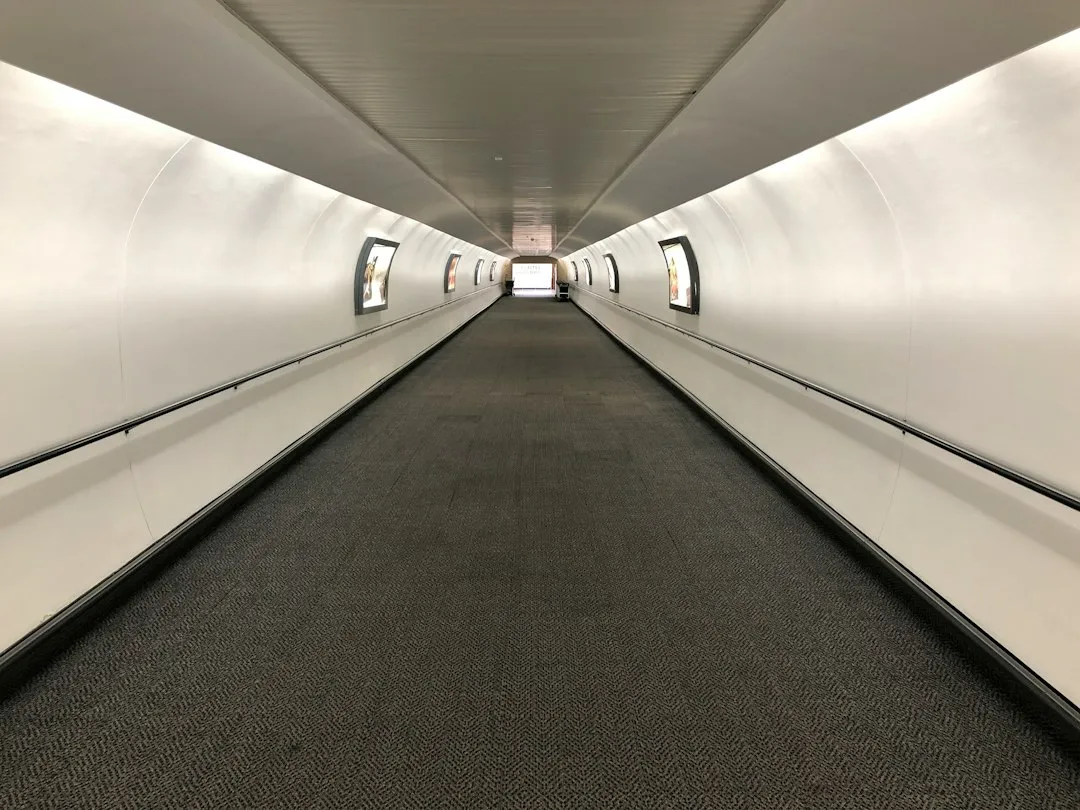
There is something quietly fascinating about the fact that tens of millions of people pass through major airports every year without ever glimpsing the world that processes their belongings. The suitcase a traveler checks in on a Tuesday morning in London or Singapore may travel several miles underground before it ever sees the inside of an aircraft hold. The engineering that makes that happen reliably, at scale, and at high speed, represents some of the more underappreciated civil infrastructure in the modern world.
What the numbers ultimately show is that the gap between engineering ambition and real-world performance is narrowing. The mishandling rate fell 23% to 4.9 bags per 1,000 passengers in 2025, and it marks the first time mishandling has dropped below pre-pandemic levels. That quiet progress is the everyday achievement of engineers who spend their careers in tunnels most people never think about.
AI Disclaimer: This article was created with the assistance of AI tools and reviewed by a human editor.