
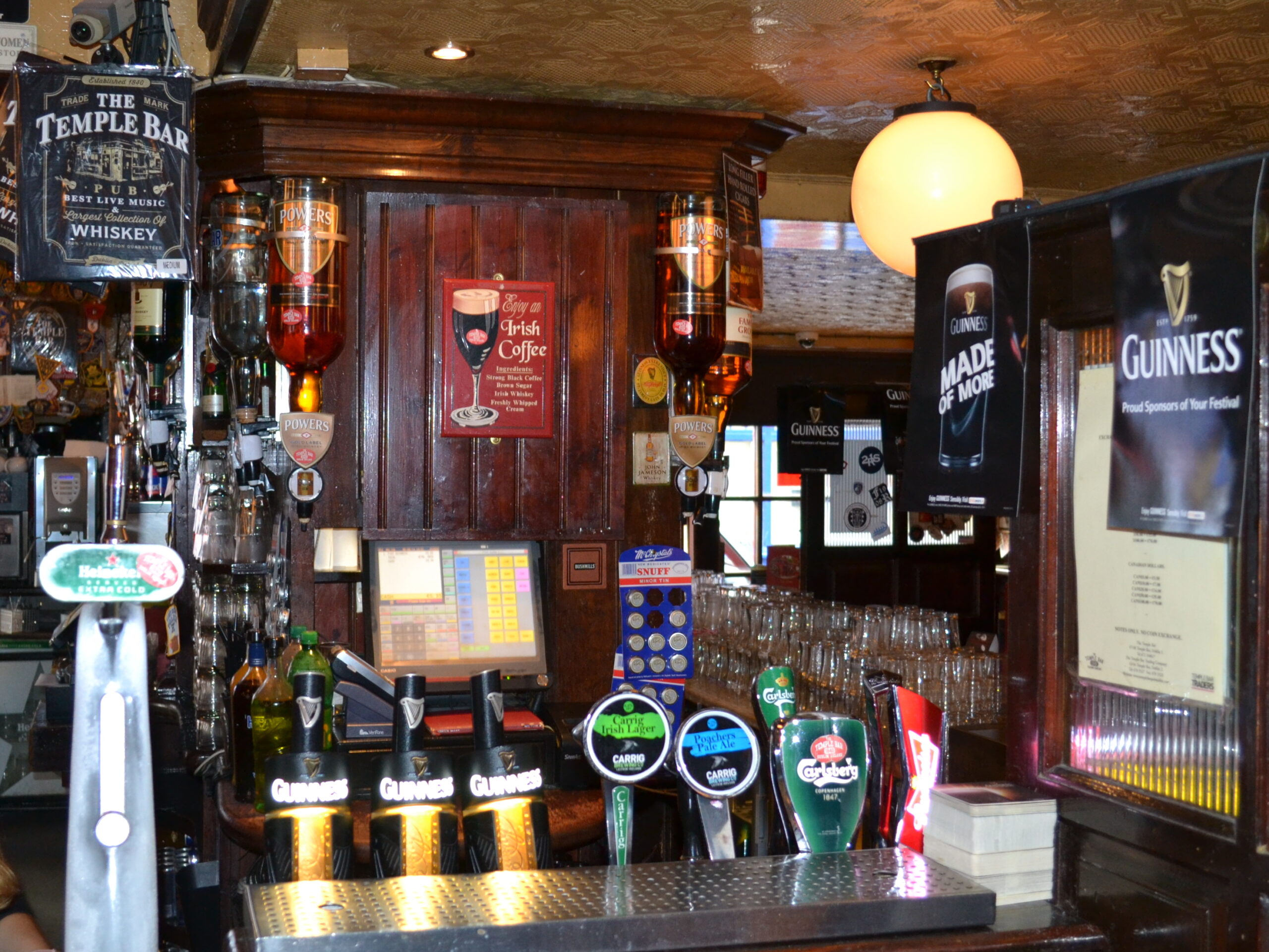
There’s a quiet kind of theater happening at airport bars every single day. People come in dragging roller bags, glancing at departure boards, and sitting down with a specific kind of energy that’s a little hard to name but very easy to recognize. For the bartenders behind the counter, reading that energy is just part of the job.
Some guests want a leisurely glass of wine during a long layover. Others are quietly white-knuckling it through the pre-boarding ritual. And the ones who are nervous? They almost always order the same things. Airport bartenders, over years of watching thousands of passengers, have developed a surprisingly reliable intuition about who’s afraid to fly, and what they’re drinking to prove it.
The Double Order at 7 a.m.
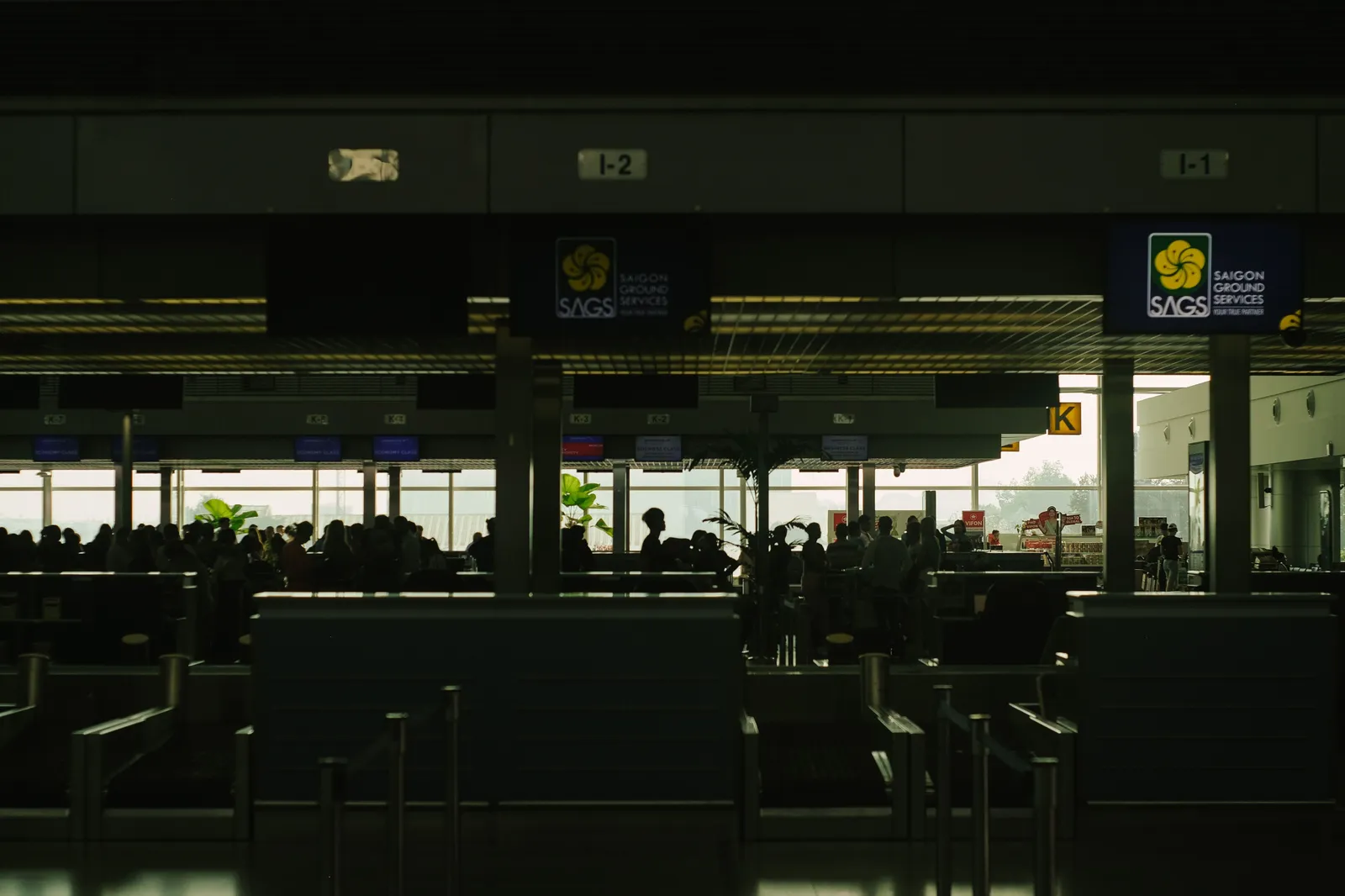
The first signal isn’t really about what someone orders. It’s about when and how much. Experienced airport bartenders consistently note that guests who order doubles before most people have finished their morning coffee are almost never doing it for celebration. The timing alone says something.
One 2026 survey found that roughly one in nine nervous flyers drink alcohol specifically to cope with their in-air fears. That’s a meaningful number when you consider how many millions of passengers pass through airports each year. The early-morning double is often the most transparent signal of all, precisely because the person ordering it usually knows it looks unusual and orders it anyway.
The Classic: Straight Whiskey, No Chaser
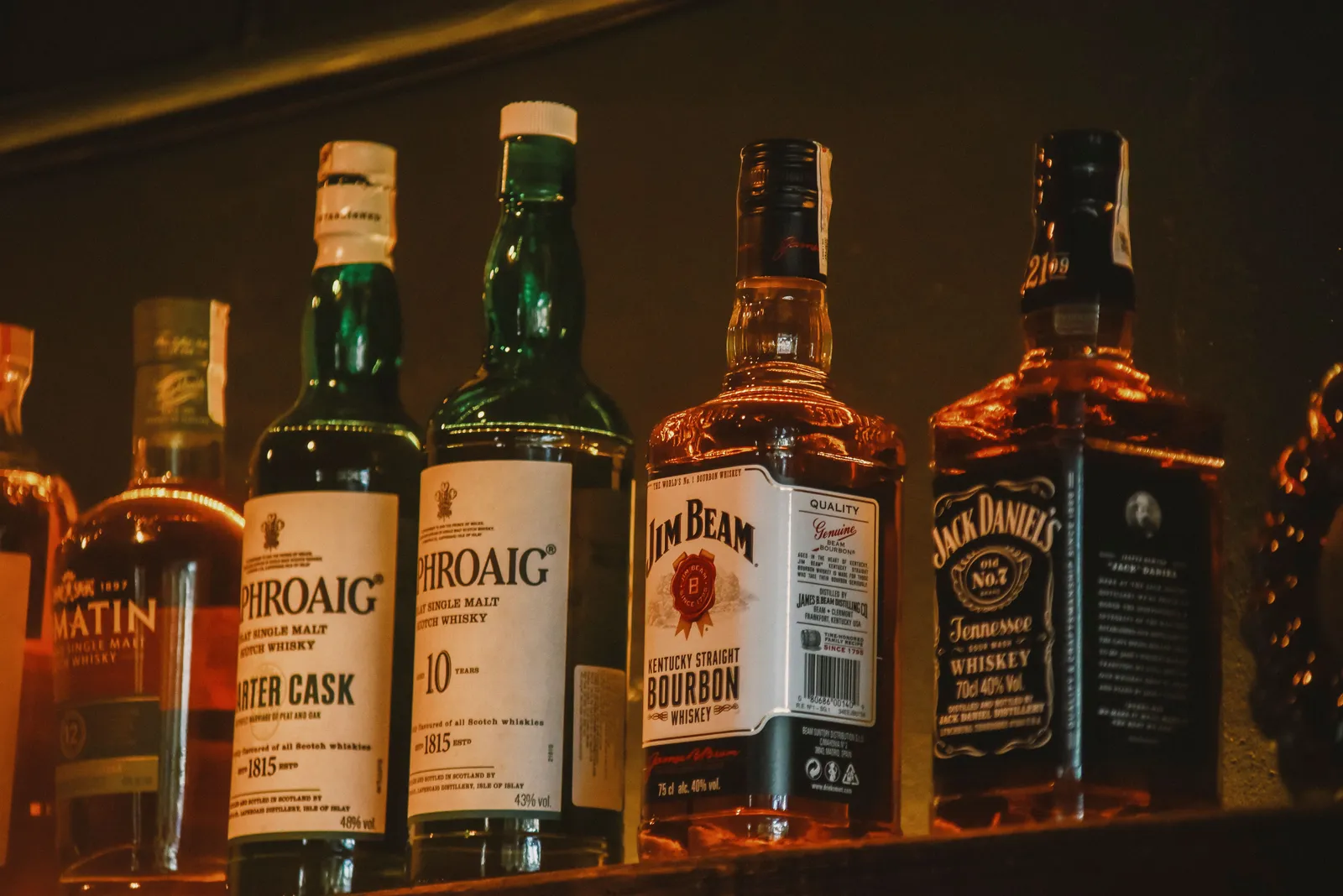
Among the most telling orders, according to airport bar staff, is a straight whiskey ordered quickly and quietly. No menu consultation, no small talk. Just a clean, efficient order delivered with slightly too much urgency. The efficiency of the ask is the tell.
The quality of drinks on offer at the average airport bar can range from egregious to acceptable, which means a guest who orders something neat and simple isn’t chasing quality. They’re chasing calm. Nervous flyers rarely have the patience to browse cocktail menus, and bartenders notice that instinctively.
The Vodka Soda, Ordered Twice Before Boarding
The vodka soda has a reputation as a “light” drink, but at an airport bar, ordering two of them in the 45 minutes before a gate opens is a very different thing. The most common indulgence among anxious flyers is alcohol, though some also turn to marijuana edibles and non-prescribed medication to deal with flight jitters. The vodka soda’s perceived lightness makes it psychologically easier to justify a second round, which is exactly why nervous flyers gravitate toward it.
Bartenders also note the repetitive checking of departure screens between sips. A relaxed traveler nurses a drink and reads. An anxious one barely tastes it between boarding gate updates.
The Wine That Gets Ordered Like a Shot
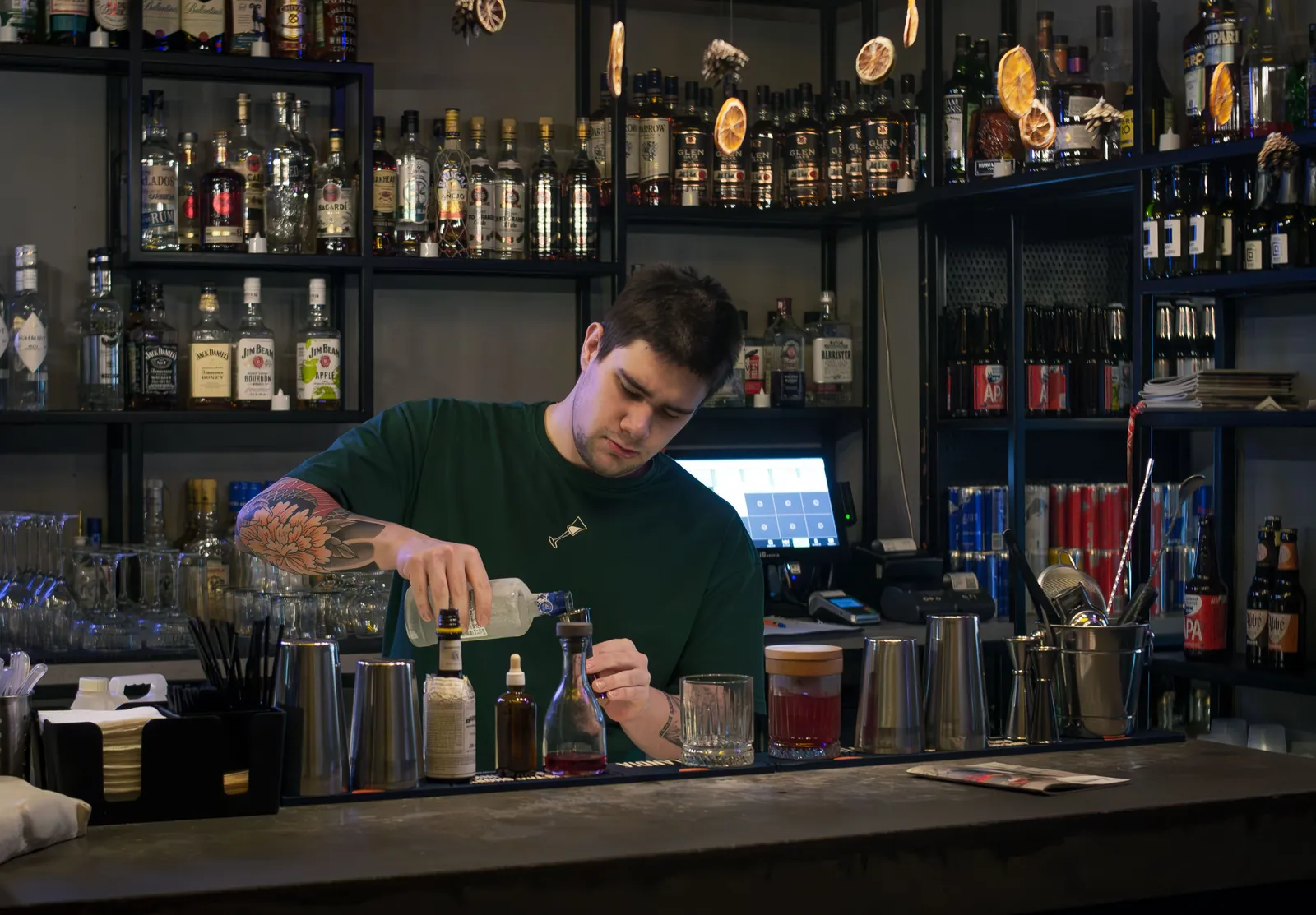
Wine is supposed to be leisurely. Ordering it in a rush, finishing it in minutes, and immediately asking for the check is something else entirely. Airport bartenders consistently describe a specific pattern where anxious guests order red or white wine as a social cover, something that looks calm from the outside, but the speed of consumption gives it away.
Some 65% of Americans questioned in a 2025 survey by The Points Guy said they were more nervous about flying considering recent accidents. That elevated baseline anxiety across the traveling public means bartenders are seeing this pattern more frequently than they did a few years ago. The wine glass emptied before the ice even melts in the next person’s water is a reliable indicator.
How Common Is Flight Anxiety, Really?
Studies indicate that as many as 40% of people say they fear flying, though the actual clinical threshold is considerably lower. Fear of flying, also known as aerophobia, affects approximately 25 million Americans according to 2024 data. For some, it’s a mild discomfort. For others, it’s a debilitating phobia that prevents them from traveling altogether.
A 2025 YouGov survey found that 49% of American air travelers reported some degree of nervousness about flying, with 18% describing themselves as “afraid.” That’s nearly half of every person seated at an airport bar on any given morning. It explains a great deal about why bartenders develop this radar so naturally.
The Speedy Shot Before the Gate Announcement
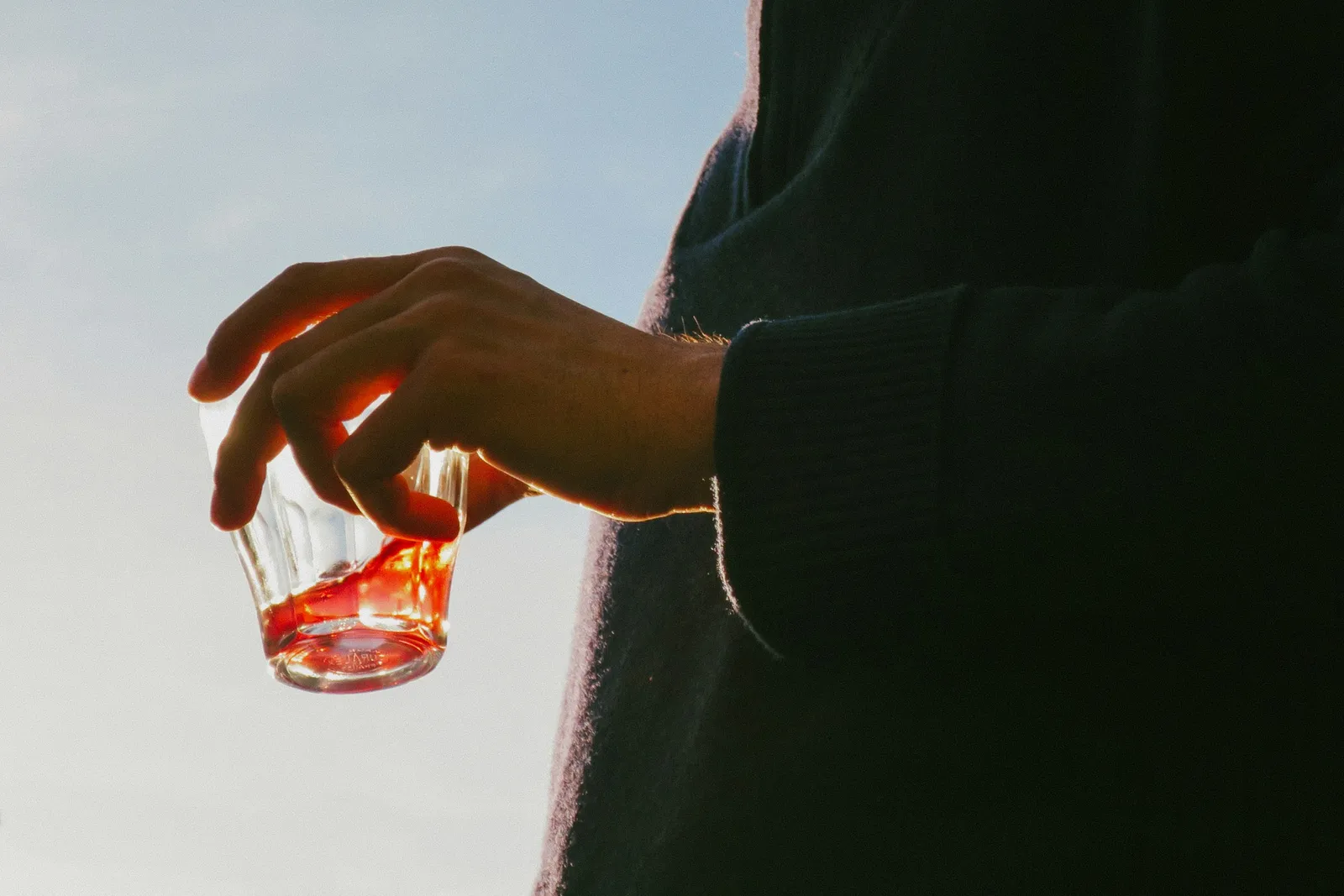
A shot ordered the moment a gate announcement comes over the intercom is one of the most direct signals bartenders observe. The timing is almost involuntary. The announcement triggers the anxiety, the anxiety triggers the order, and the whole sequence happens in about thirty seconds. Bartenders who’ve worked airport bars for several years often say they can predict the shot order before the person even raises their hand.
In one 2025 poll, 51% of respondents said they are nervous when flying in an airplane, and 20% said they are “very nervous.” When one in five passengers describes themselves as very nervous, the pre-boarding shot becomes less of an anomaly and more of a predictable response to a deeply common feeling.
Why Altitude Actually Makes It Worse
There’s a layer of irony to all of this that most nervous flyers don’t know about. Drinking before a flight doesn’t just fail to fix the anxiety. It often amplifies it. Evidence shows that alcohol can increase anxiety symptoms. This is especially strong at altitude, where the effects of alcohol are stronger. Alcohol at altitude can increase heart rate and cause dehydration.
As alcohol leaves the bloodstream, adrenaline and cortisol spike. This can cause what’s known as a “hangxiety” effect that can make in-flight nerves return even stronger. Airport bartenders, of course, aren’t medical counselors, but some of the more experienced ones quietly recommend water alongside every drink, knowing what’s coming once the cabin pressurizes.
The Debate Over Alcohol Limits at Airports
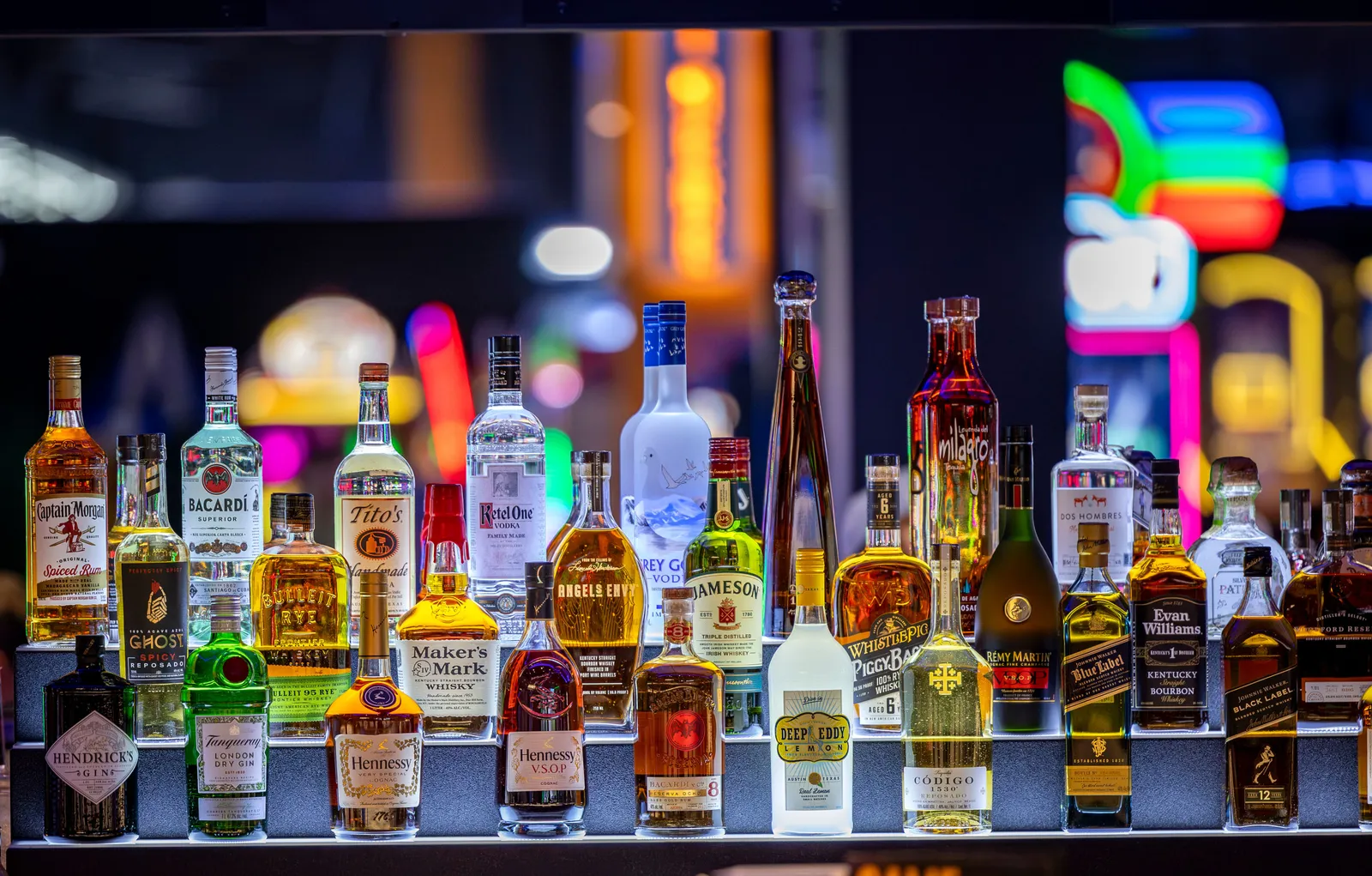
The volume of anxious drinking at airports has become a genuine policy conversation in recent years, not just an anecdotal observation. Ryanair has renewed calls for an alcohol limit at airport bars because of a slew of incidents involving unruly passengers disrupting flights. The airline’s CEO has pushed for airport bars to serve alcohol in accordance with regular licensing windows, while also advocating for passengers to be limited to two drinks, verified by scanning individual boarding passes.
While the numbers of air rage incidents have decreased since their peak in 2021, they remain significantly higher than pre-pandemic levels, with 2,455 incidents reported in 2022, 2,076 in 2023, and 2,102 in 2024. The link between pre-flight drinking and in-flight disruption is not simple, but it’s a conversation the aviation industry is taking seriously.
What Anxious Flyers Are Actually Looking For
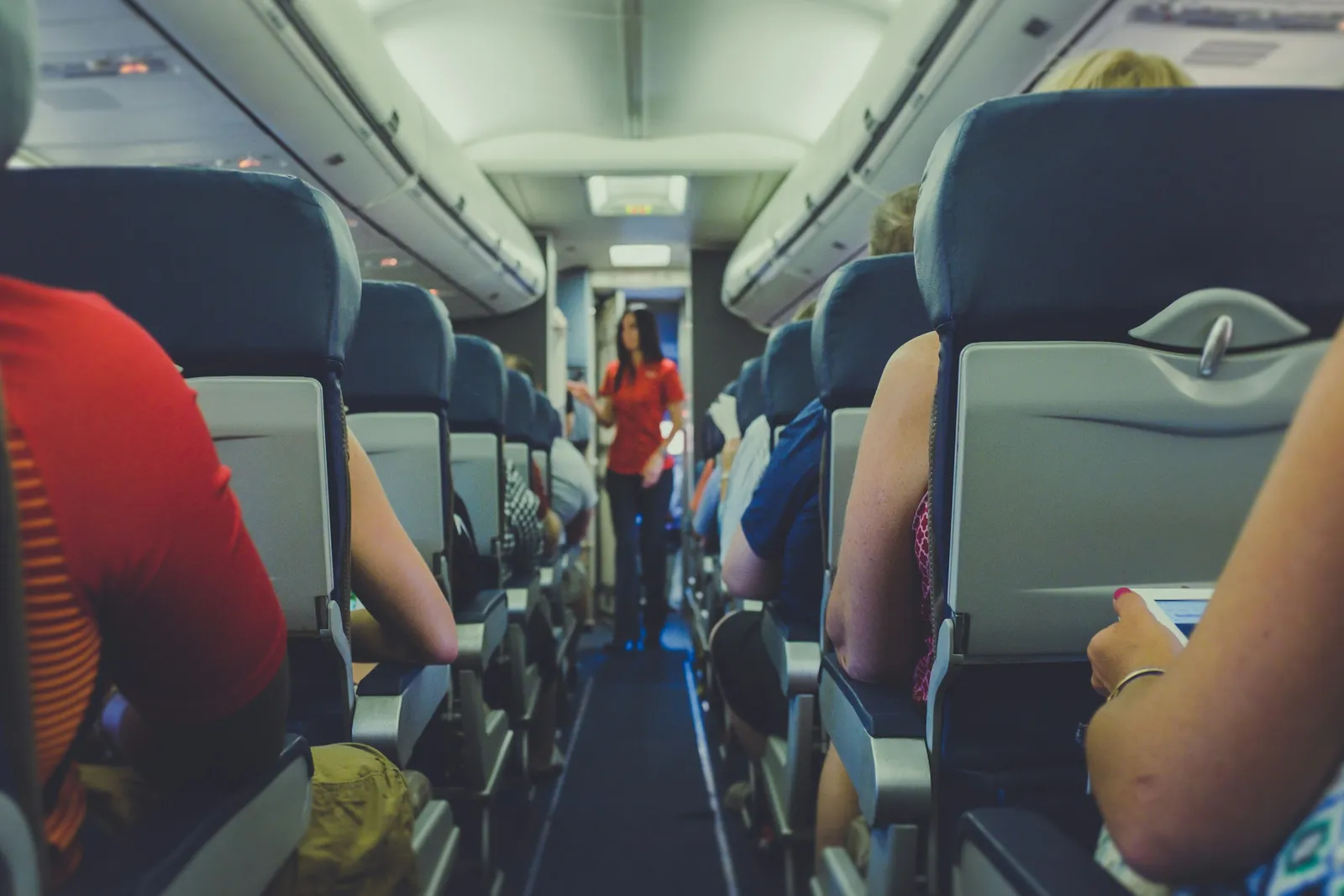
It would be easy to reduce this to a story about people making bad choices. It’s more nuanced than that. Some 68% of those surveyed said they take measures to combat their fear of flying, with 43% using distractions like music, movies, games or books, and 30% choosing a direct flight to avoid spending extra time in the air. Alcohol is just one tool in a much wider toolkit, and for many people it comes after other options have already failed them.
About 18% of respondents said they meditate, while 22% said they use medication, whether it’s an over-the-counter option or prescription medicine. The airport bar order is rarely someone’s first attempt at managing the nerves. By the time they’re sitting on that stool, they’ve often already tried the breathing exercises, the window seat strategy, and the playlist they made specifically for takeoff.
What Bartenders Actually Do With This Knowledge
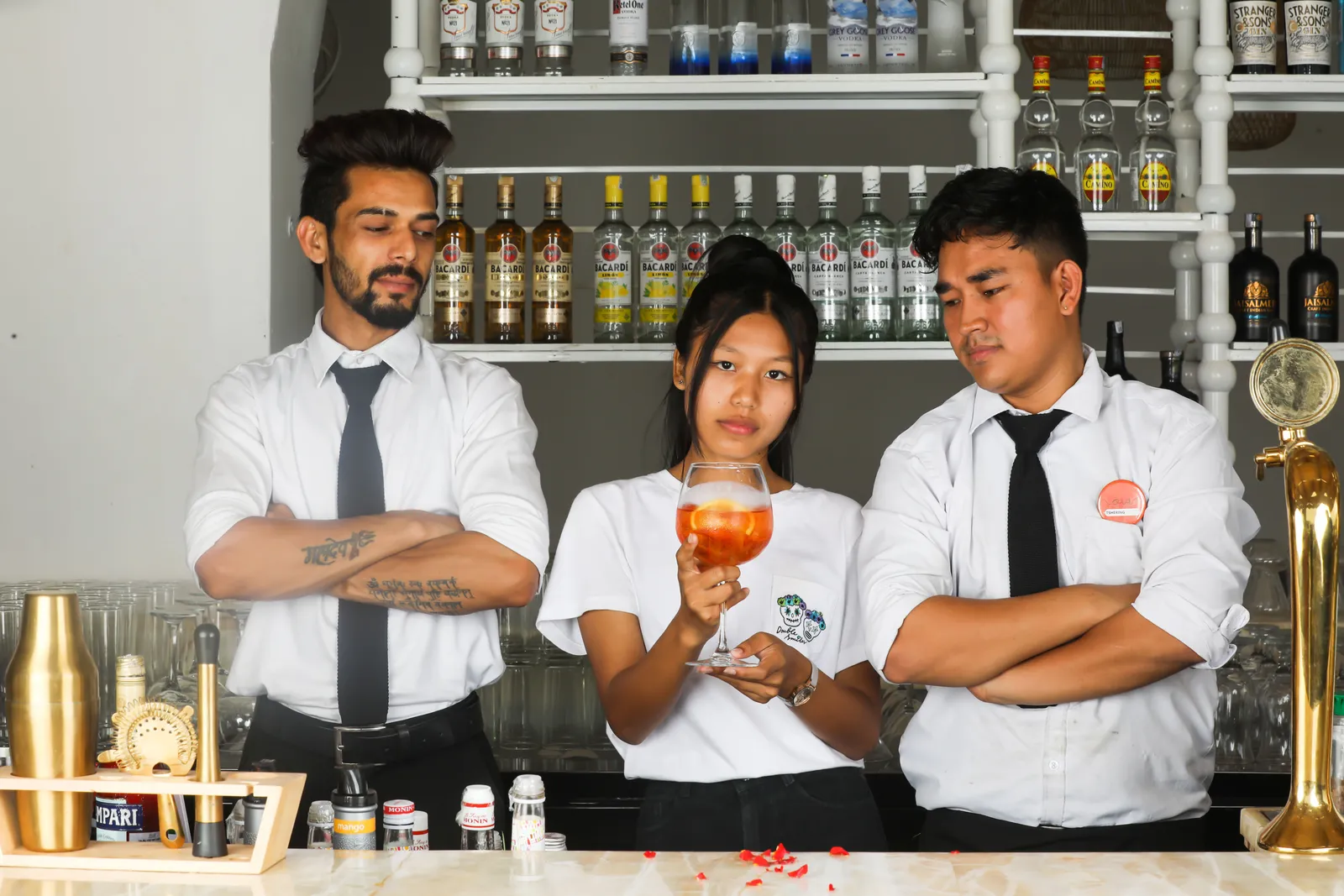
Most airport bartenders aren’t judgmental about what they observe. That’s an important distinction. The pattern recognition is practical, not punitive. A good bartender uses it to pace service thoughtfully, to offer a glass of water without making it feel like a correction, and sometimes just to provide a few minutes of calm, ordinary conversation before the gate opens.
Approximately 20% of those who do fly depend on alcohol or sedatives during flights, which means airport bartenders are, in a quiet way, part of the pre-flight support system for a very large number of people. The best ones know that the drink order is just the surface. What someone sitting at an airport bar before a flight often needs most is to feel like everything is ordinary, unremarkable, and fine.
A Quieter Way Through the Terminal
The nervous flyer’s drink order has become something of a folk taxonomy among airport bar professionals, accumulated through years of observation rather than any formal study. It’s not a judgment and it’s not a diagnosis. It’s simply pattern recognition born from spending thousands of hours with people at one of the more emotionally charged moments of their ordinary lives.
If you recognize yourself in any of these descriptions, the research suggests that cognitive behavioral therapy and gradual exposure treatment are genuinely effective for flight anxiety, with only about 20% of aviophobic individuals seeking professional treatment, despite the availability of those therapies and online support tools. The double whiskey at dawn isn’t without its comfort. It’s just worth knowing there are other options that don’t wear off at 35,000 feet.
AI Disclaimer: This article was created with the assistance of AI tools and reviewed by a human editor.