

A History That Stretches Back to 1951
Since the opening of the first U.S. airport chapel, Our Lady of the Airways at Boston’s Logan International Airport in 1951, terminals around the globe have added spaces for prayer, worship, and meditation. The chapel’s name itself tells you something about the optimism of that era – aviation was new, exciting, and slightly terrifying, and workers wanted somewhere to gather before their shifts.
Chaplaincy at O’Hare started in 1960 when Catholic workers asked a nearby parish priest to celebrate Mass. The first “chapel” was a United Airlines training room, then the faithful gathered in a basement space with makeshift furniture from airport concessionaires and up to eight Masses each weekend. From those informal beginnings, a global network quietly grew.
Protestant and Jewish faith leaders also established chapels at U.S. airports in the 1970s and 1980s, offering quiet space for individual prayer rather than organized services. What started as a Catholic initiative gradually widened to reflect the full range of faiths walking through airport doors.
How Many Airports Actually Have These Rooms?

Over 140 airports worldwide have chapels, including around 40 in the United States. The scale of that number may surprise people who have never noticed one on their travels. These aren’t niche exceptions – they’re a genuine, widespread feature of modern aviation infrastructure.
Sixteen of the twenty largest airports in the United States have chapels, meditation rooms, or prayer rooms. Many are staffed by volunteer or paid chaplains who support airport staff and travelers alike.
In Europe, large international hubs like Heathrow, Charles de Gaulle, and Frankfurt have them too. There are chapels in smaller European airports as well, from relatively secular Sweden to Italy. Globally, the practice is far more common than most people assume.
The Rooms Themselves: What You’ll Actually Find Inside
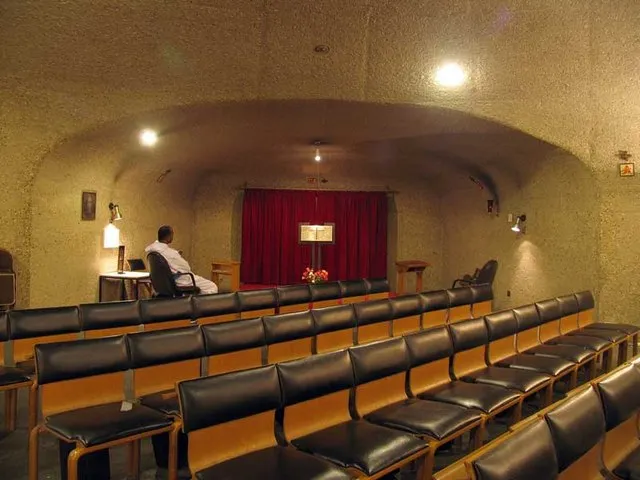
At Chicago’s O’Hare, the chapel’s glass walls open to a view of taxiing planes, a compass rose on the ceiling shows the direction to Mecca, and a small light stands by the tall tabernacle where the consecrated host is kept for daily Catholic Mass. It’s a genuinely unusual combination of symbols, all coexisting in a single space no larger than a small classroom.
Inside DFW’s Terminal D chapel, there is an ablution station for Muslims to wash their feet before prayer and a worship room with painted silhouettes of various houses of worship in the clouds. A curtain is used to cover the paintings and other religious structures depending on which religious service is occurring.
O’Hare’s dedicated Interfaith Room provides open floor space to accommodate prayer, complete with a Qibla compass, shoe storage, and wooden benches. It’s located in Terminal 5 post-security and is open daily, around the clock. The details matter more than they might seem – these rooms are designed with intention, not afterthought.
Not Just for the Religious: Who These Rooms Truly Serve
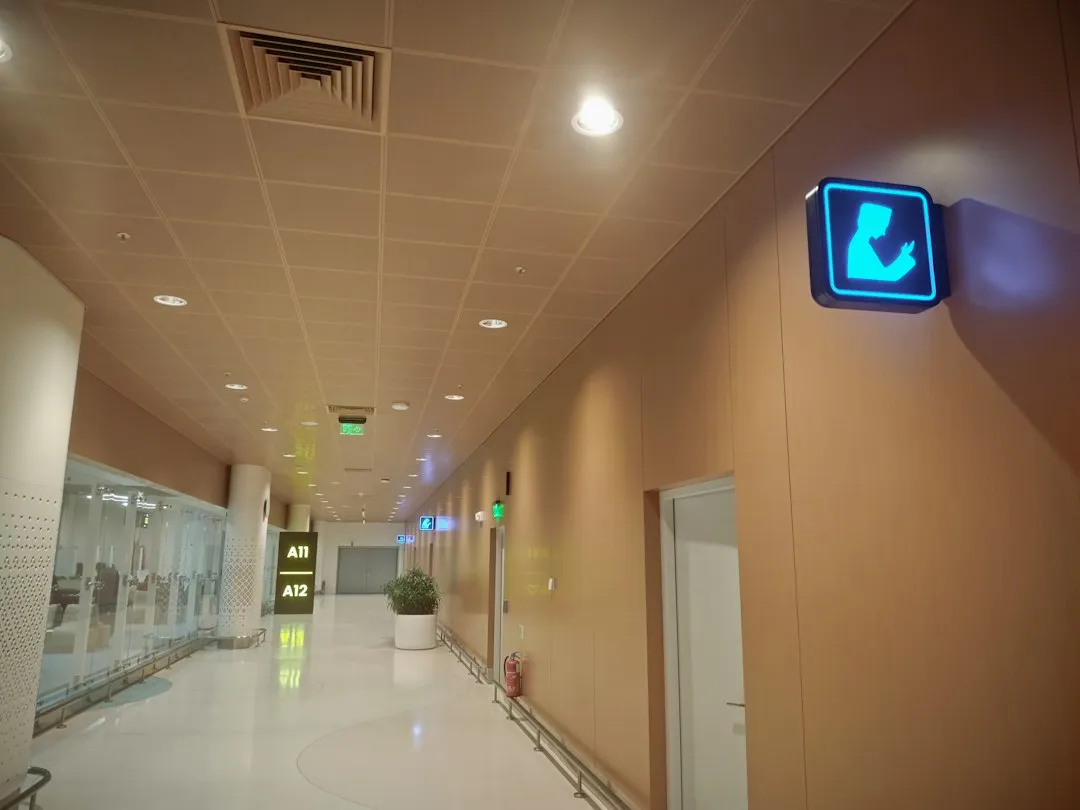
You don’t have to be religious to use an interfaith chapel – there’s nobody at the door checking your membership card. Chapels offer space to meditate and find a moment of peace. Some people find that a moment of quiet reflection helps them feel grounded during an otherwise anxious time.
Air travel is often accompanied by heightened emotions and elevated stress levels, arising from challenges including check-in times, baggage allowances, anxieties about confined spaces, turbulence, and flight delays. In recognition of the diverse needs of travelers – whether of any faith or none – many airports now provide a designated prayer or quiet room.
An airport chaplain provides spiritual and emotional support to travelers, airport staff, and anyone in need within the airport community. They offer counseling, prayer, and religious services regardless of faith background. Chaplains also assist during crises, emergencies, or difficult situations such as flight delays, personal loss, or stressful travel experiences. Their role is to offer comfort, guidance, and a compassionate presence in a busy and often stressful environment.
Airport Workers Are the Primary Congregation
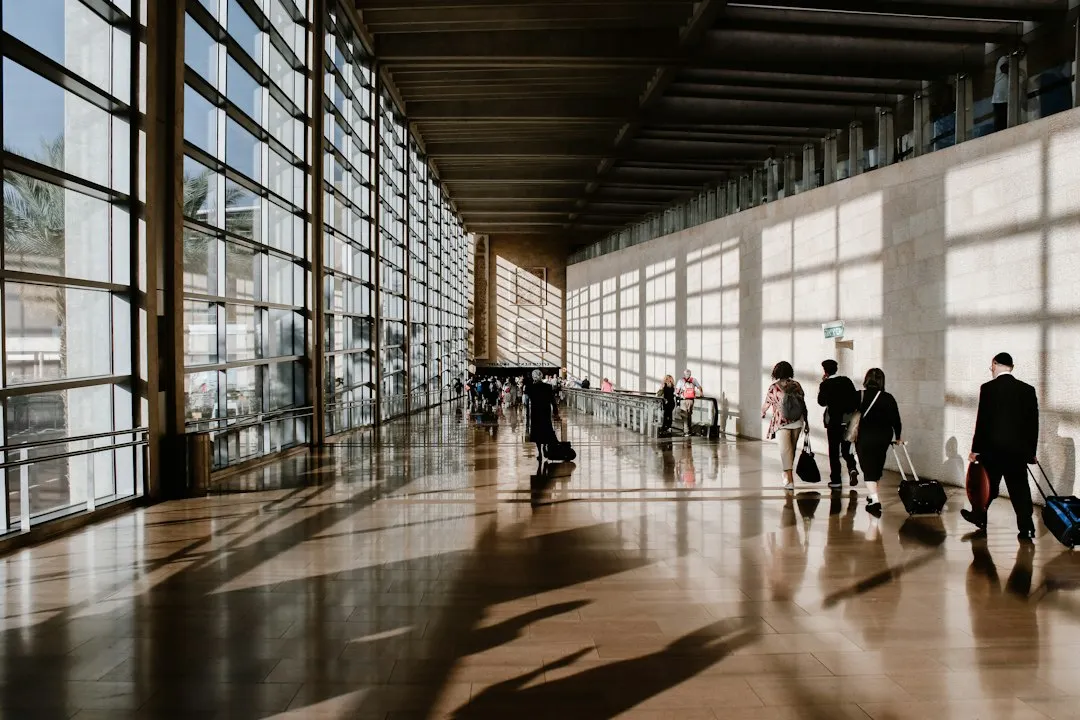
At Chicago’s O’Hare, the administrator of the Interfaith Airport Chapels of Chicago notes that the airport worker is their first customer. This is something most travelers never consider. The people who spend forty or fifty hours a week inside these terminals need these spaces far more consistently than a passenger passing through once a year.
At Atlanta’s Hartsfield-Jackson, interfaith chaplains and volunteer associates offer a ministry of compassion and physical assistance to more than 60,000 airport employees and more than 200,000 passengers each and every day of the year. The scale of that daily reach is extraordinary.
At Hartsfield-Jackson, there are clergy and lay chaplains representing Judaism, Islam, Catholicism, Protestant Christianity, and Buddhism who serve anywhere from once a week to two or three times a month. In total, roughly forty-five chaplains minister there. That level of religious diversity within a single chaplaincy team reflects how seriously these programs take genuine inclusion.
Spiritual First Responders in Times of Crisis
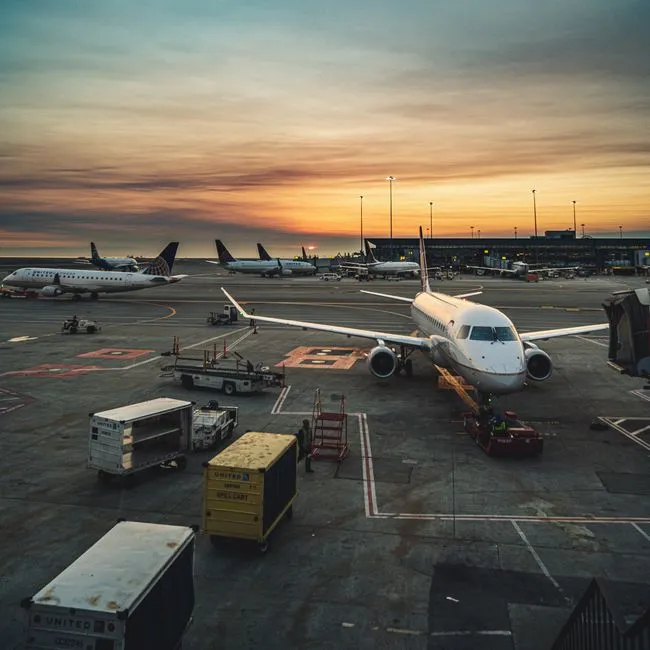
Ranked by the Federal Aviation Administration as the third-busiest airport in the country in 2024, airport chaplains at DFW serve as “spiritual first responders” to crises, addressing the religious needs of travelers and airport staff. The phrase sounds like jargon until you understand what it actually means in practice.
Airport chaplains also help in times of acute crisis. When someone dies on a flight, the airport chaplain is often the first person to make contact with the family. They can provide comfort to survivors in those most difficult moments.
Chaplains can provide emotional assistance to passengers who are making difficult, life-altering journeys. Many people board an airplane for the first time when they immigrate to another country, report for duty in the military, or travel for a serious medical procedure. Chaplains can provide important emotional help to people going through these changes.
The Growing Interfaith Character of These Spaces
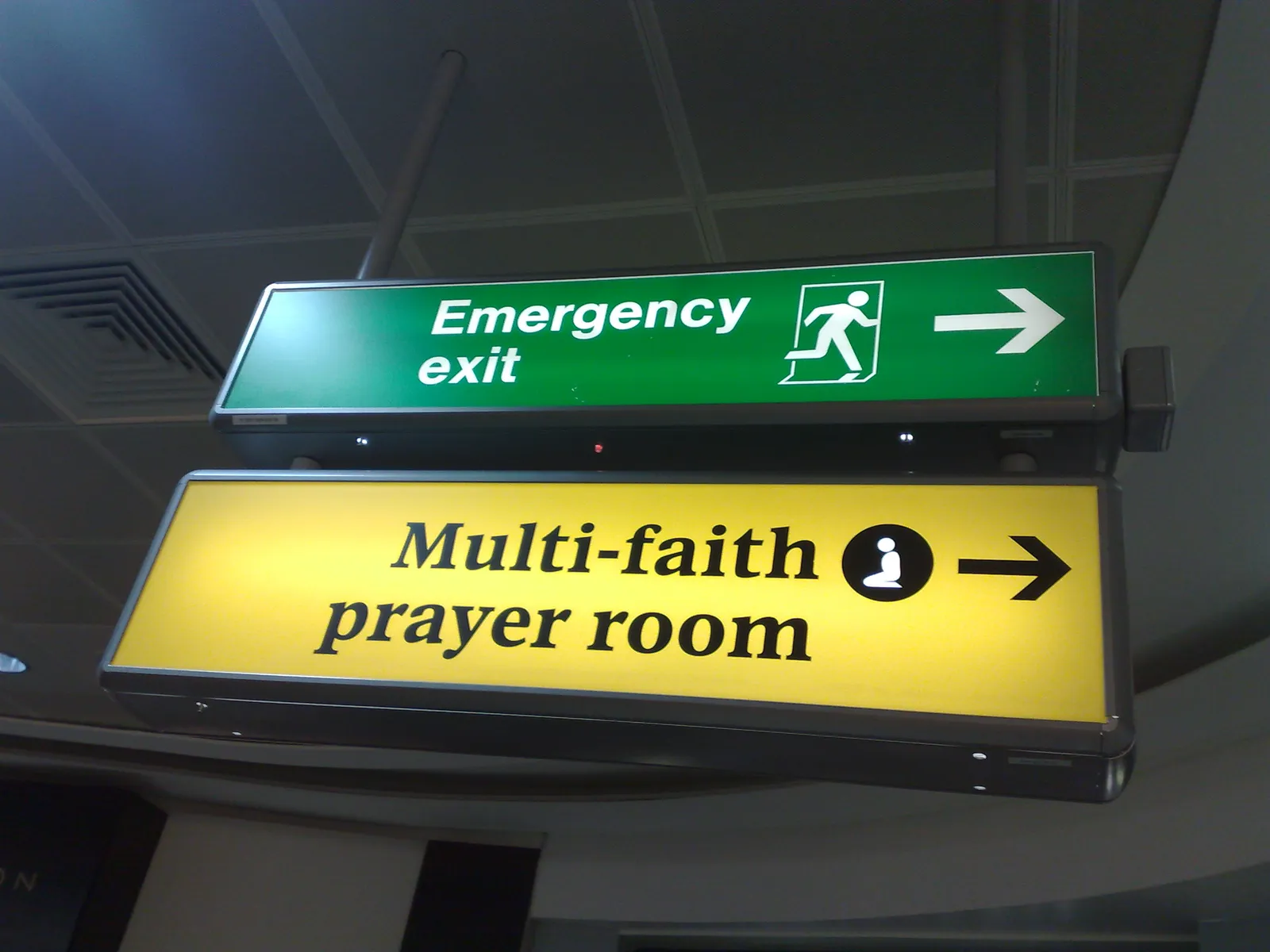
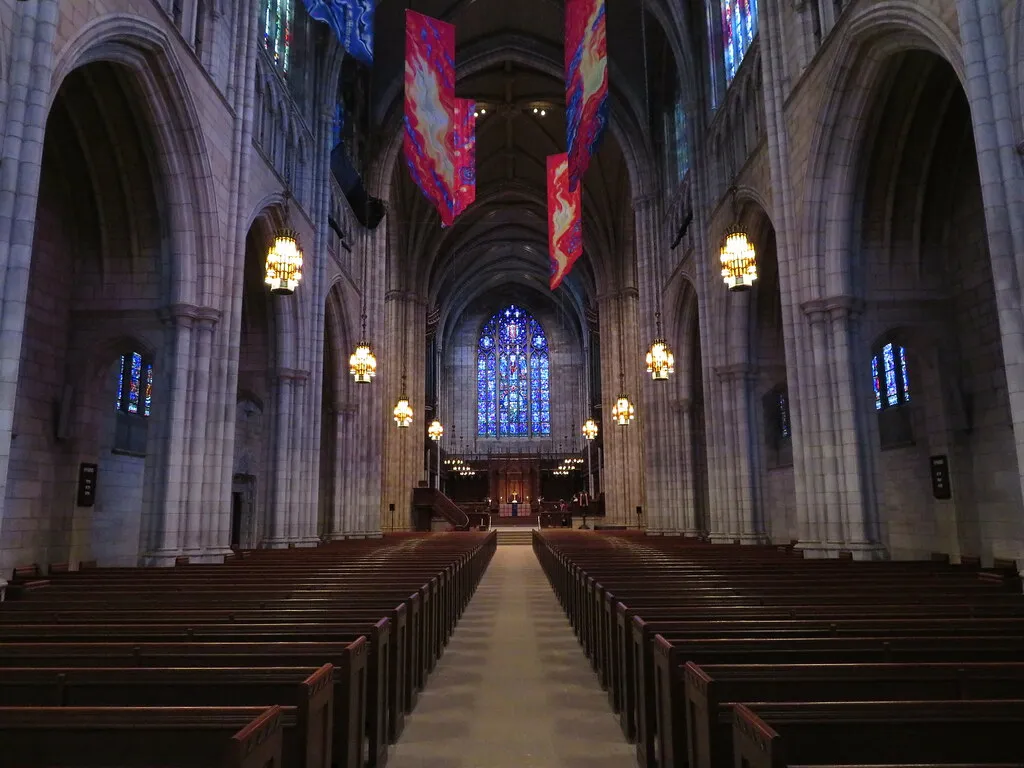
Over the past thirty years, most U.S. airport chapels have turned interfaith, with removable symbols of different religions – or none in the newer “meditation spaces” that have been created. The shift reflects a broader understanding that airports are among the most religiously diverse public spaces in any city.
While most airport chapels are designated as interfaith spaces, some airports provide facilities for specific religious groups. JFK International Airport in New York, for example, has four places of worship: a Catholic church, a Protestant chapel, a mosque, and a synagogue reputed to be the only one in a major airport in all of North and South America.
At Chicago’s O’Hare Airport, printouts of the Muslim prayer timetable and the 2025 Catholic and Protestant Christmas season Mass and worship service schedule are tacked side by side by the door of the chapel. That image captures something essential about what these rooms have quietly become.
New Purpose-Built Facilities Designed for Inclusion
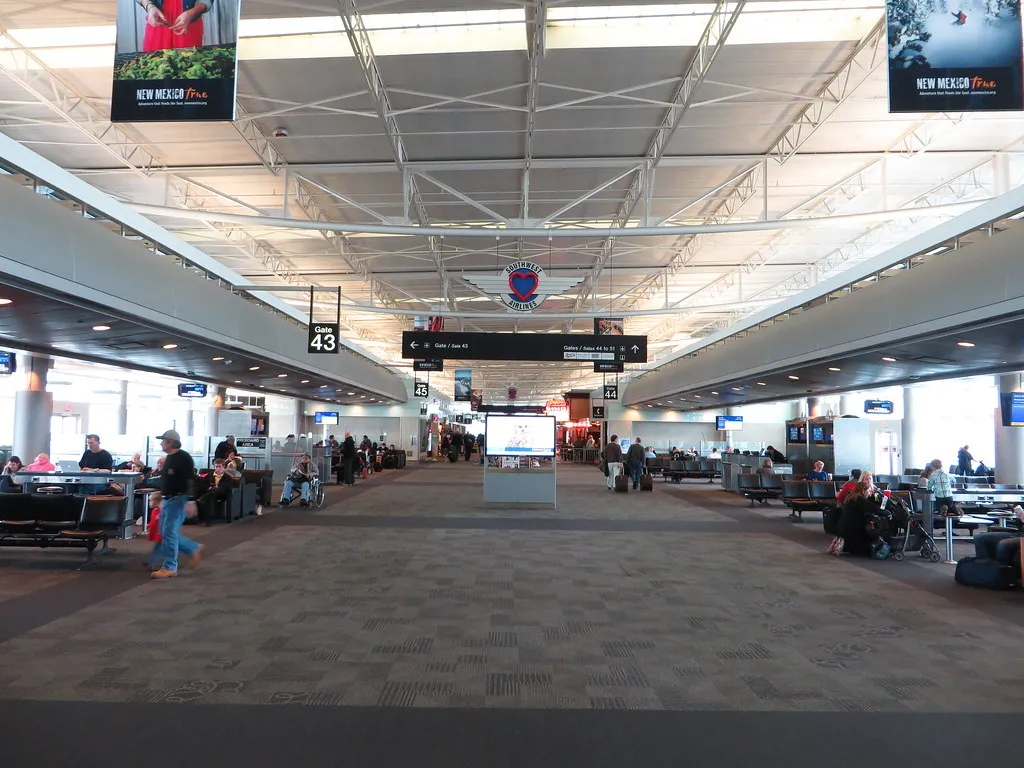
Houston’s George Bush Intercontinental Airport opened new prayer and ablution rooms in Terminal D in early 2024. The new prayer room, along with a connected ablution room allowing travelers to wash their hands, feet, and face before prayer, includes copies of the Quran, prayer rugs, prayer beads, and a turbah.
Bush Intercontinental is among the first U.S. airports to offer a dedicated ablution room, an amenity that many Muslim travelers prioritize. As the demographics of air travel continue to shift, airports are gradually catching up with the reality of who is actually walking through their doors.
Dedicated prayer rooms are the norm in the Islamic world and are sometimes even required by law. The largest airport in Saudi Arabia has a mosque. The airports in both Istanbul and Dubai have more than a dozen prayer rooms each. For travelers from those countries arriving at a U.S. airport, a single modest room can feel like a meaningful gesture of welcome.
The Hard Work of Finding Them
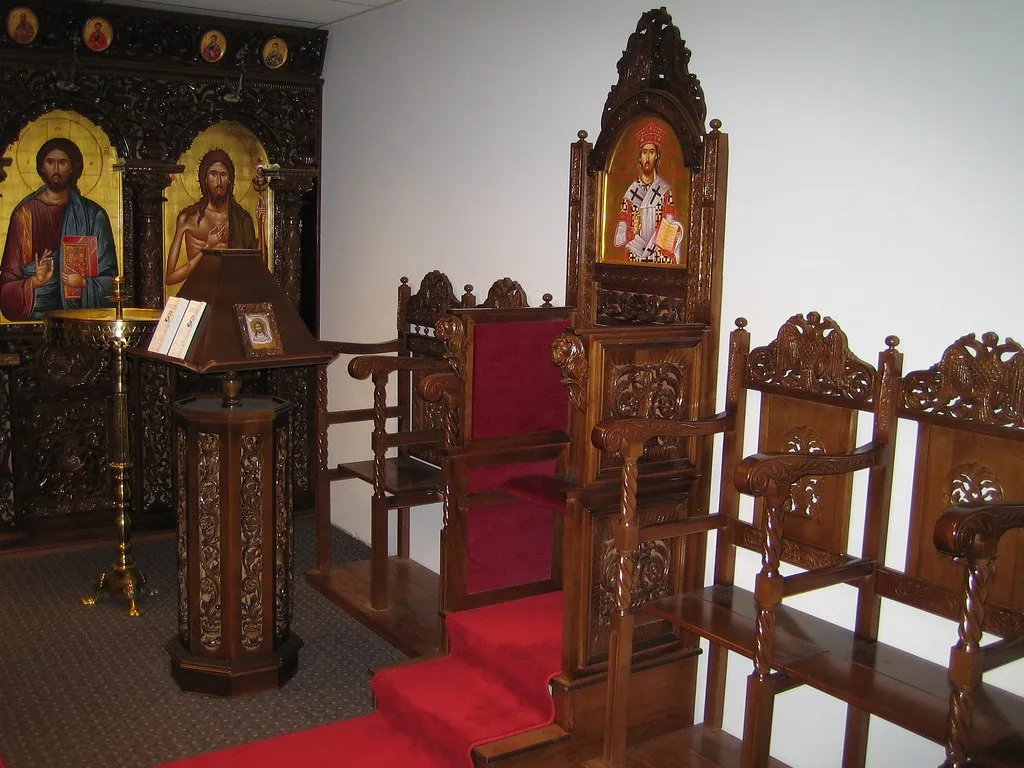
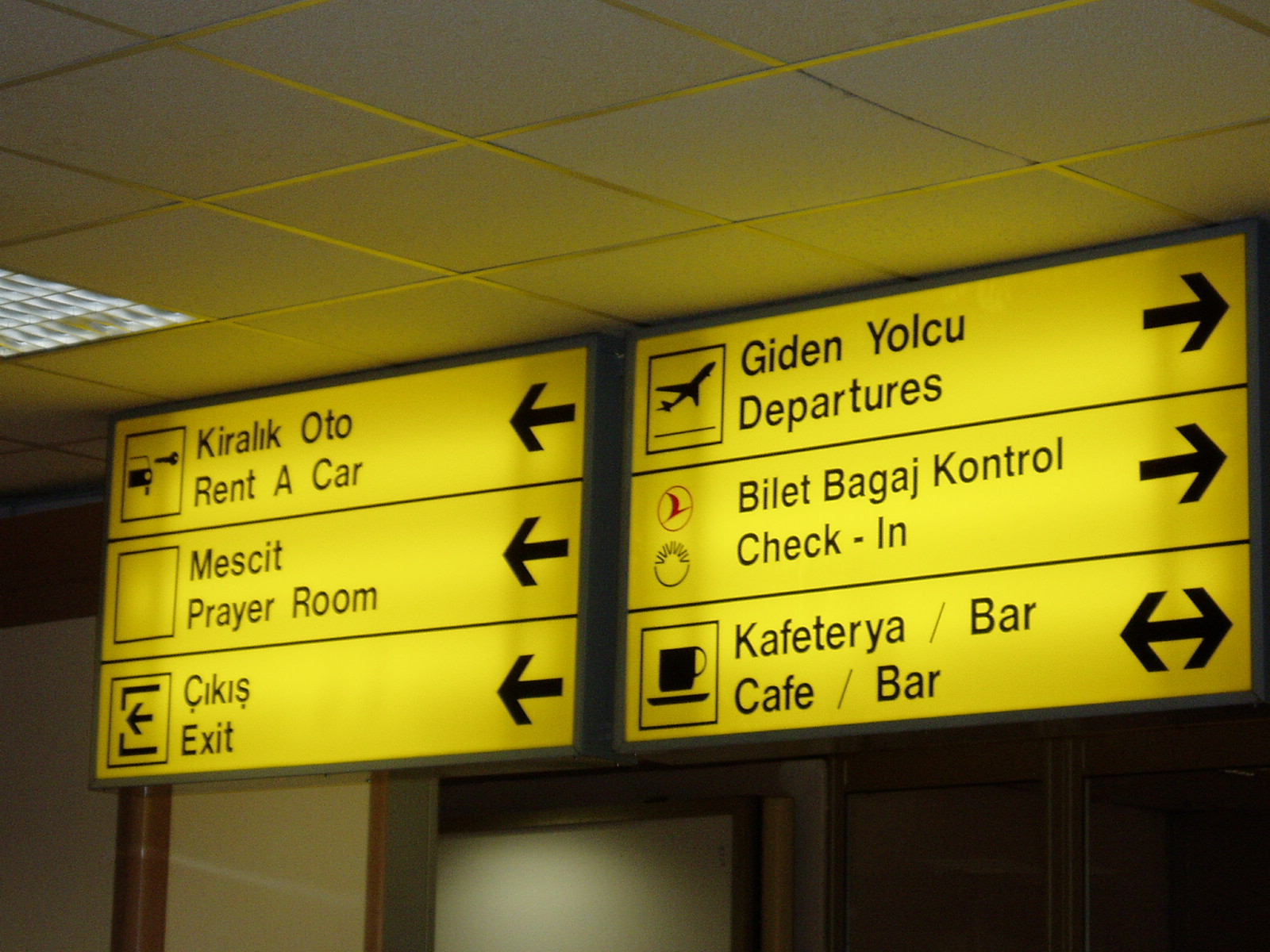
Chapels are often tucked behind baggage claims or above food courts. They are idiosyncratic, influenced by local history and demographics, as well as sometimes tensely negotiated arrangements between local faith leaders and municipal and airport authorities – including questions of rent and whether worship services can be announced over the PA system.
At Ronald Reagan Washington National Airport, the chapel is located at the south end of Terminal 2, across from Gates B10 through B22. That level of specificity is exactly what you need, because these rooms are rarely signed in obvious places. Most travelers who find them do so by accident, or by asking airport staff directly.
At Dallas/Fort Worth International Airport, there are chapels in each of the airport’s five terminals, including two that are accessible before screening. All are open around the clock. DFW remains one of the most comprehensive examples of what a well-resourced airport chaplaincy program can look like.
The People Who Dedicate Their Lives to This Ministry
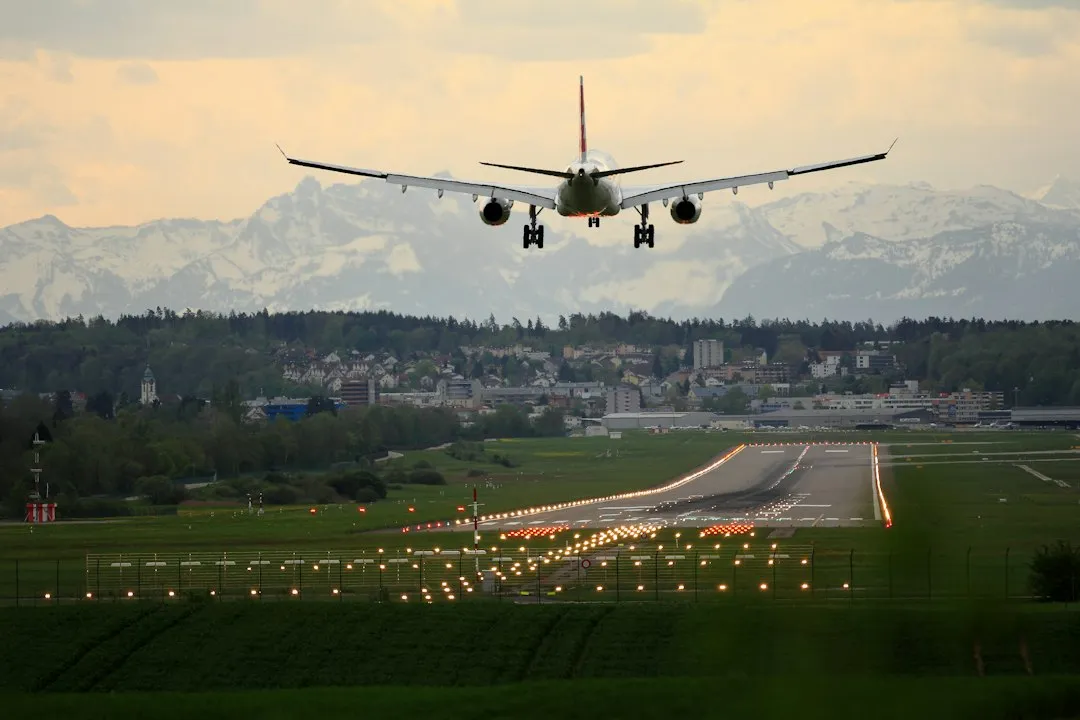
The DFW Airport Interfaith Chaplaincy nonprofit has offered spiritual care and counseling to travelers and airport staff since 1980. That’s more than four decades of continuous service, largely invisible to the millions of people passing through each year. The continuity itself is a form of quiet commitment.
Largely Catholic in the beginning, today’s airport chaplains are religiously diverse and are networked by the International Association of Civil Aviation Chaplains. The profession has evolved considerably, and that evolution reflects the changing needs of modern travelers.
At Heathrow, chaplains meet regularly for prayer, are on call three hundred and sixty-five days a year, and are affiliated with the International Association of Civil Aviation Chaplains, which covers airports throughout the world. The global coordination of these programs is something few travelers ever pause to consider – a quiet infrastructure of care, humming along beneath the noise of departures and arrivals.
The Takeaway
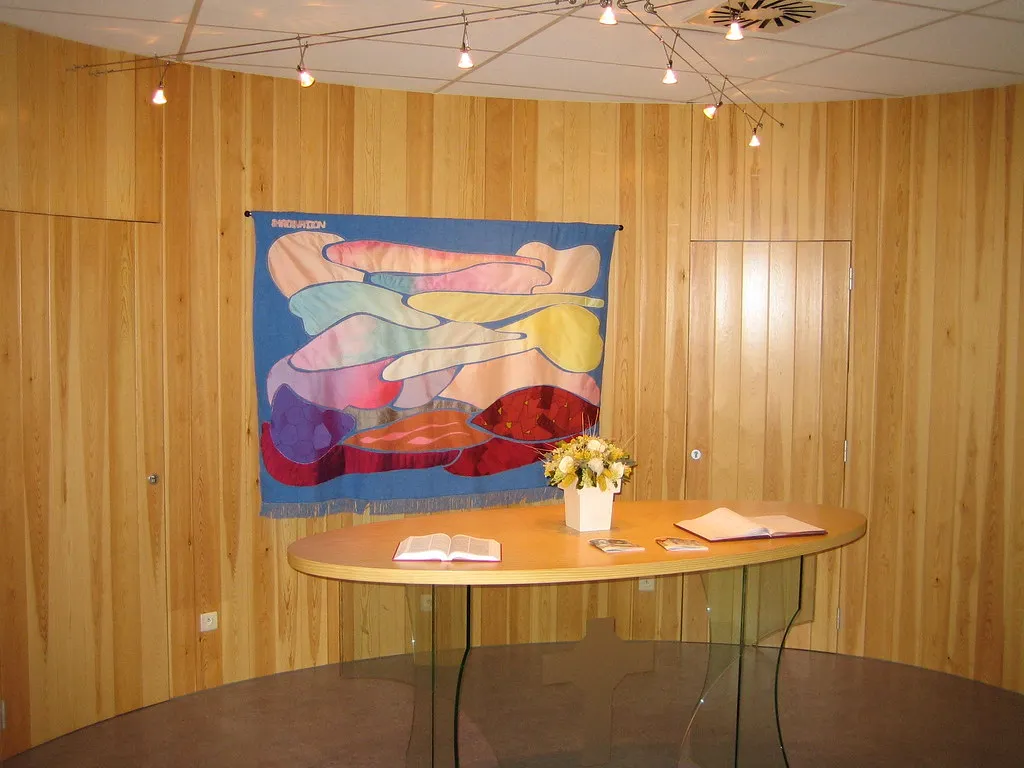
Most airport conversations are about departure gates, coffee queues, and luggage allowances. The quiet rooms that airport chaplains tend to – and the people inside them – rarely enter the picture. Yet they’re there, accessible to anyone, requiring nothing more than a willingness to look past the usual signage.
These spaces remind us that an airport is not just a transport hub. It’s a place where people carry enormous things: grief, relief, fear, hope, and sometimes the weight of a life-changing journey. The chaplains who wait in those small rooms understand that better than almost anyone else in the building.
Next time you find yourself with a long layover and a restless mind, it might be worth asking a member of airport staff where the chapel is. The answer – and the room itself – might surprise you.
AI Disclaimer: This article was created with the assistance of AI tools and reviewed by a human editor.