
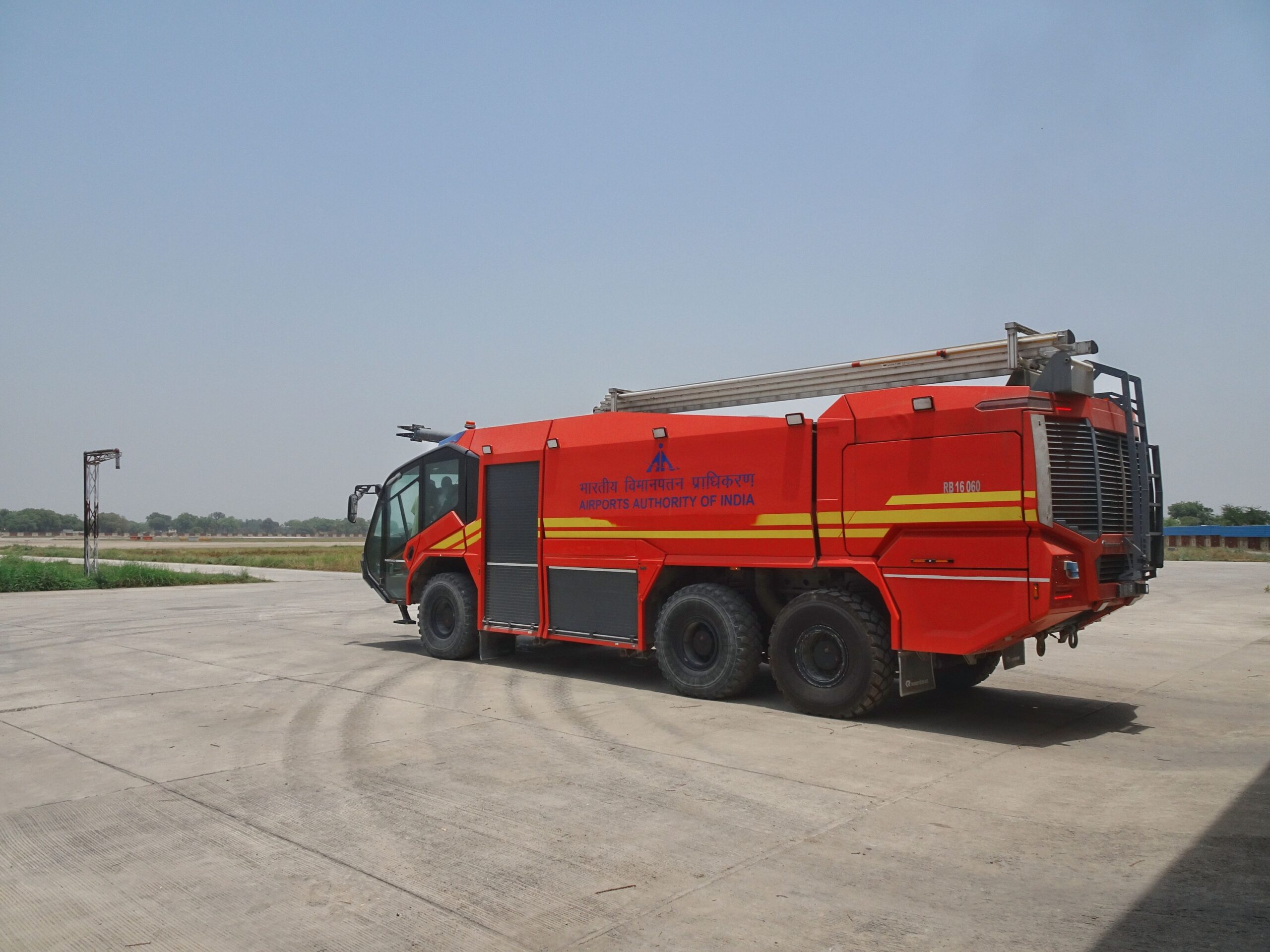

Most people who have ever flown know that faint, humming anxiety when an announcement comes over the intercom: “Ladies and gentlemen, we’ll be making an emergency landing.” What almost no one realizes is that by the time the plane touches down, an entire choreography of life-saving activity has already begun on the ground below.
Airport firefighters, formally known as Aircraft Rescue and Firefighting personnel, or ARFF teams, operate under one of the most demanding time constraints in emergency services. What they do in those first few minutes is governed by precise regulations, intensive training, and an extraordinary degree of coordination. The details reveal just how much preparation hides behind what passengers never see.
The Three-Minute Standard That Shapes Everything
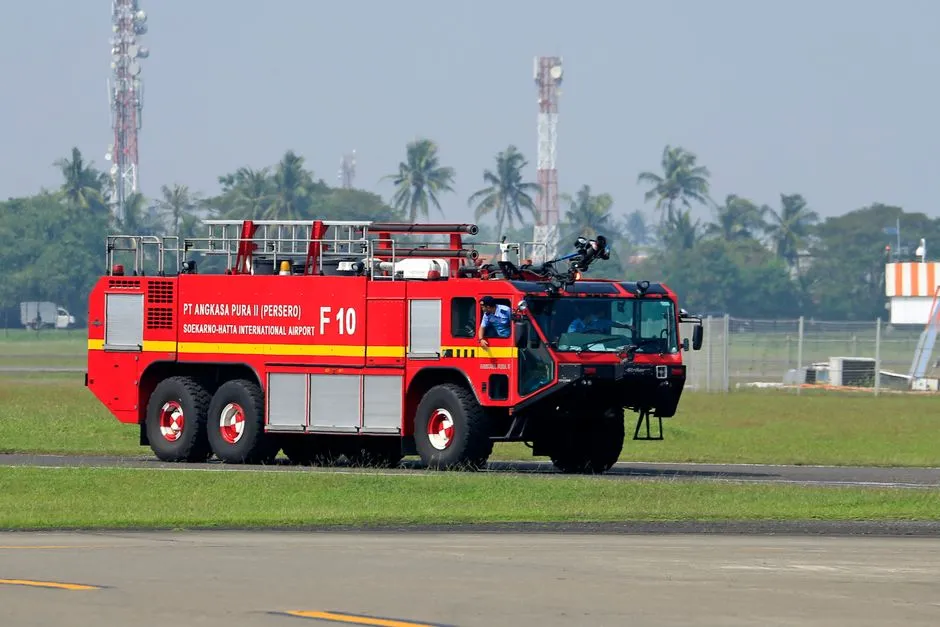
Under U.S. federal regulations (14 CFR § 139.319), at least one required ARFF vehicle must reach the midpoint of the farthest runway serving air carrier aircraft from its assigned post within three minutes of the alarm, and begin application of extinguishing agent. This is not a suggestion. It is law.
Within four minutes from the time of alarm, all other required vehicles must reach that same point and begin application of an extinguishing agent. The gap between those two targets, one minute, is calibrated to ensure continuous foam coverage without a break in protection. ICAO Annex 14 sets a parallel three-minute response objective for the most distant point on the operational runway, making this a global standard, not just an American one.
The Alert System: How Firefighters Know What’s Coming
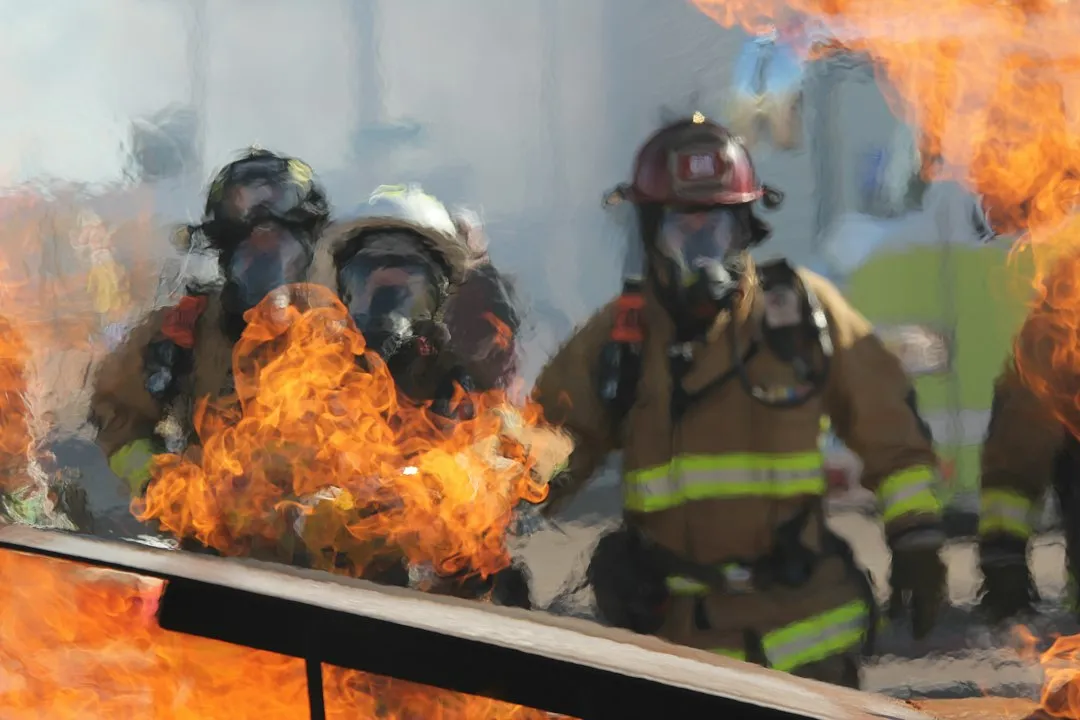
Aircraft emergencies are broken down into three categories: Alert 1, Alert 2, and Alert 3, as defined by the Federal Aviation Administration to provide standard descriptions and terminology for aircraft emergencies. Each level triggers a different scale of response, from a standby posture all the way to a full emergency deployment.
Alert 1 indicates an aircraft experiencing minor difficulties, such as a minor oil leak, one engine out on a multi-engine commercial aircraft, or fire warning lights, where a safe landing is still expected. Higher alerts escalate rapidly. Alert 3 describes a condition in which a crash has actually occurred, a crash is imminent, or there is a fire on board an aircraft. Knowing the alert level before the plane lands gives crews those extra seconds that matter most.
Pre-Positioning: The Move That Happens Before Touchdown
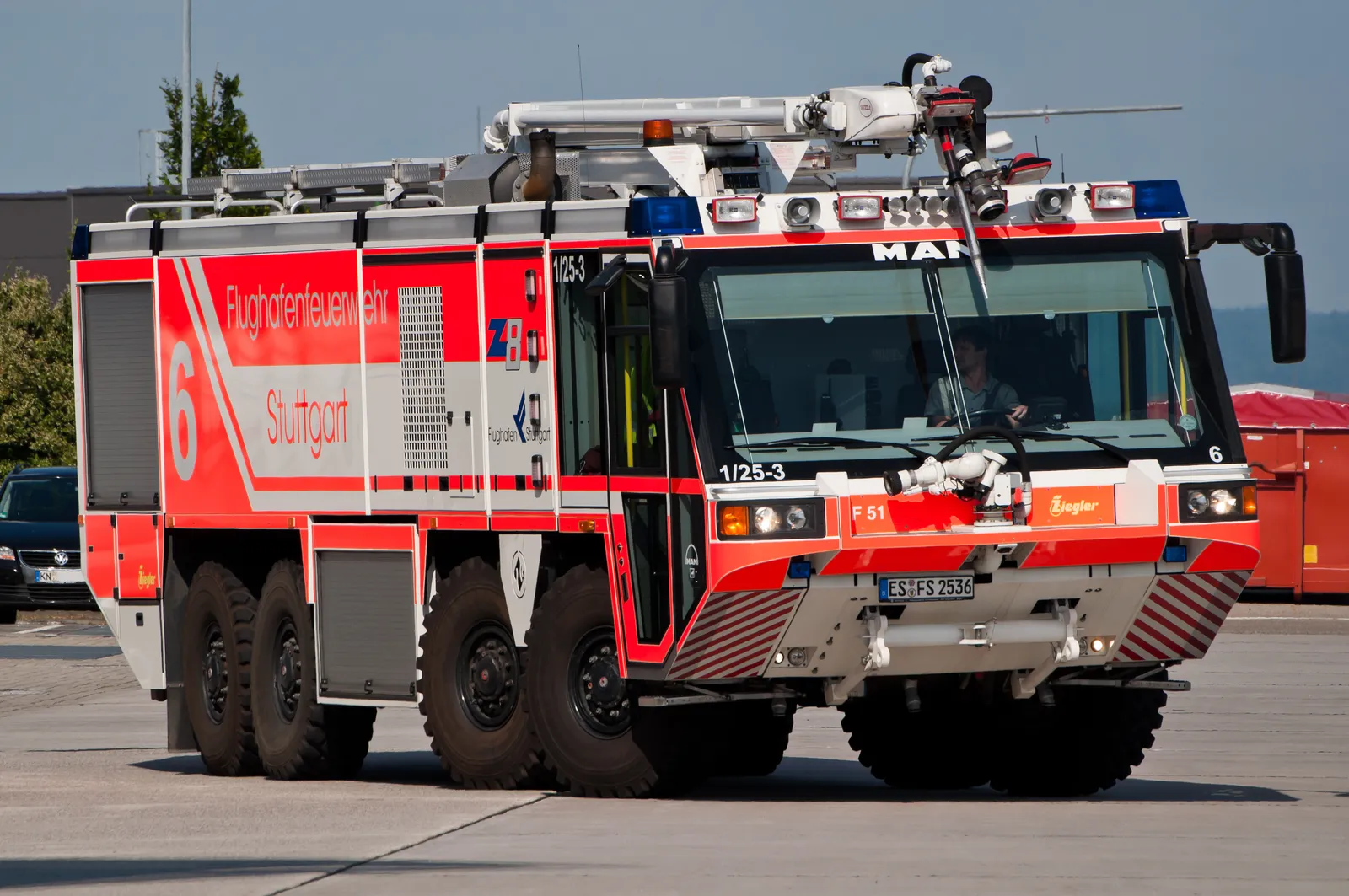
When an alert is issued, ARFF personnel don their protective gear, board and start their equipment, pull out onto the apron, and monitor radios in preparation for an upgraded alert. This pre-positioning is one of the least visible and most consequential parts of the entire response. The vehicles are already moving before wheels touch the runway.
For announced emergencies, ARFF apparatus pre-positioned on the field must be capable of responding to any incident on the runway within one minute. That one-minute window for announced emergencies versus five minutes for unannounced ones illustrates why early communication between the cockpit and the tower is so critical. Every second of advance notice translates into positioning advantage.
The Role of Air Traffic Control in the First Moments
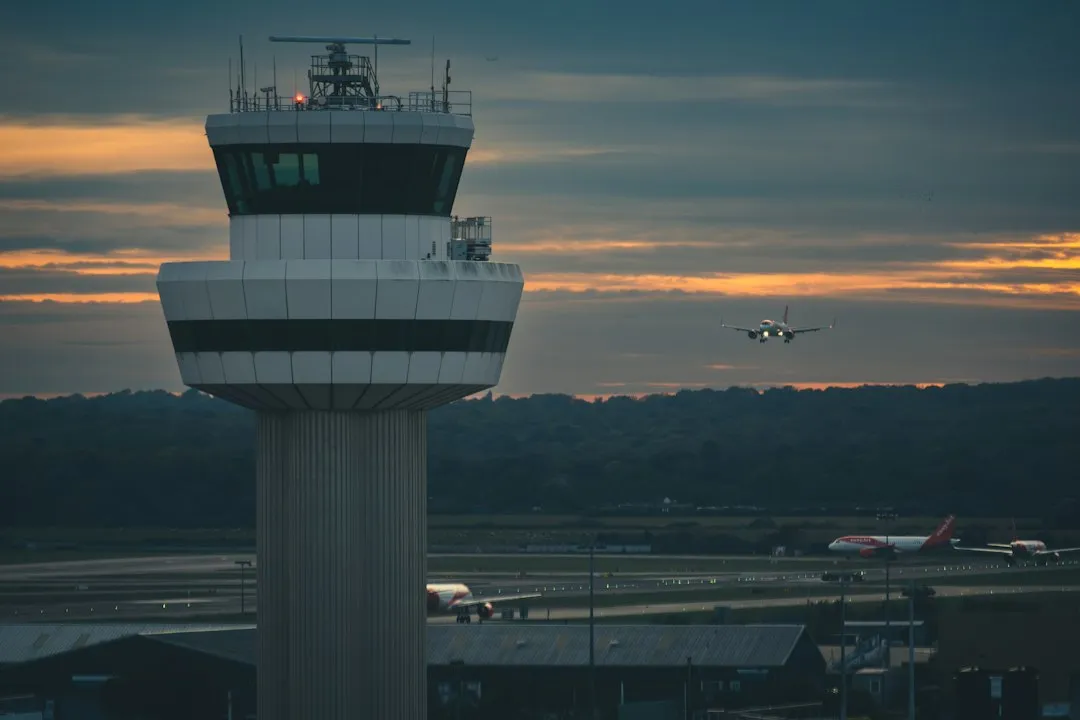
Air traffic controllers are tasked with making sure that planes and firefighting rigs share the space safely, using different radio frequencies to communicate with pilots landing the planes and firefighters responding to the scene. This two-channel system prevents dangerous confusion on an active runway where tens of thousands of pounds of aircraft and emergency vehicles are occupying the same pavement.
As soon as the aircraft is on the ground, ARFF crews establish a Discrete Emergency Frequency with the pilot. The first arriving unit assumes command and determines whether the flight crew has initiated emergency evacuation procedures, with fire department personnel making every effort to prevent an unnecessary evacuation by immediately contacting the flight crew and reporting exterior conditions to them. This communication can prevent panic slides and passenger injuries when the threat turns out to be manageable.
Foam Application: The First Physical Act on Scene
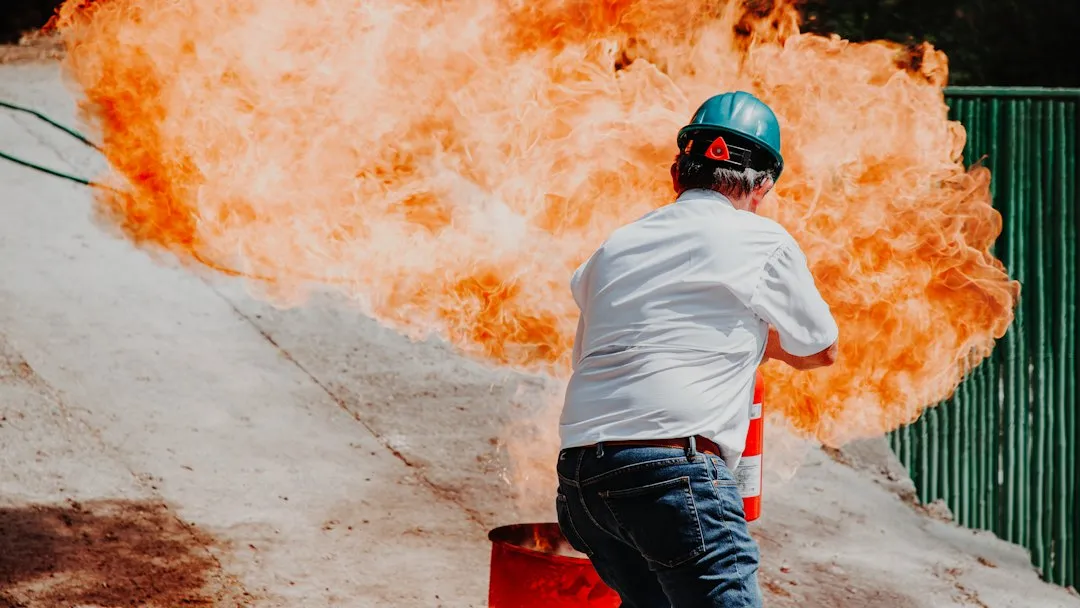
Airport firefighters have advanced training in the application of firefighting foams, dry chemical, and clean agents used to extinguish burning aviation fuel in and around an aircraft in order to maintain a path for evacuating passengers to exit the fire hazard area. The foam is not simply sprayed at flames. It serves a specific, layered purpose.
The foam adheres to vertical surfaces to cool aircraft parts such as the fuselage and body, allowing passenger evacuation, and flows rapidly over fuel spills, coating the fuel and cutting off the oxygen supply in order to extinguish the fire and prevent reignition. Aircraft firefighting foam concentrates must comply with ICAO standards internationally and be accepted by the Federal Aviation Administration in the United States.
The Snozzle and High-Reach Extendable Turrets
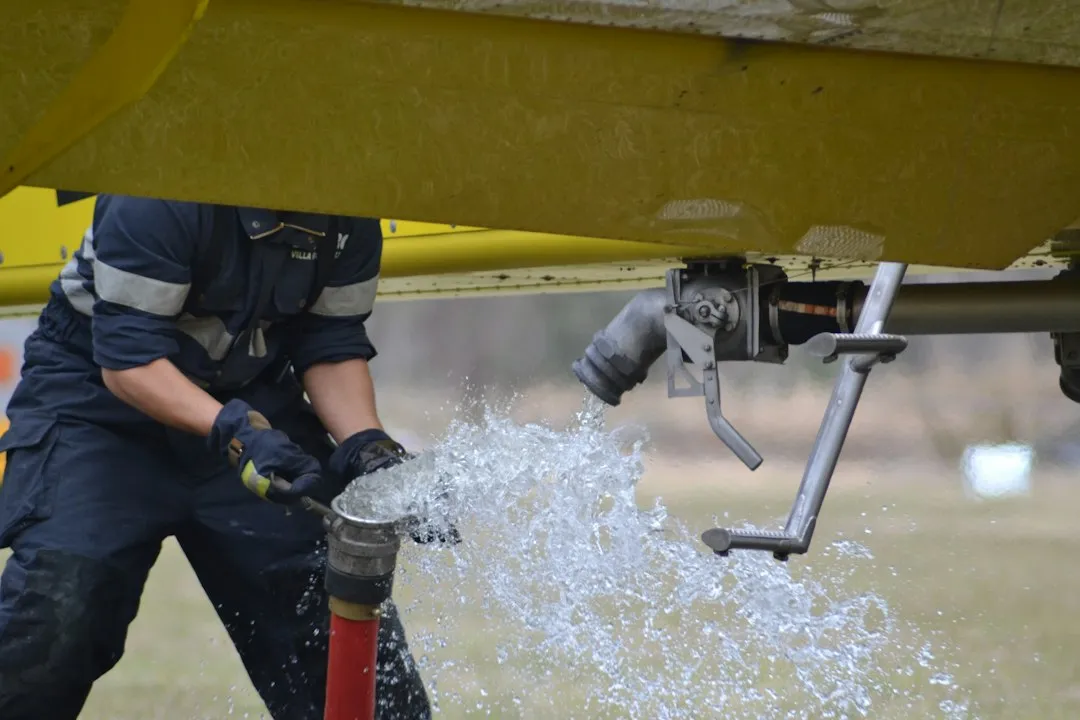
A roof-mounted monitor known as a “snozzle” consists of an extensible boom capable of reaching the upper decks of large aircraft such as the A380, equipped with an infrared camera, a variable-output nozzle, and a device resembling a spike that can pierce the fuselage and deliver large amounts of water and foam inside the aircraft. This technology changed how crews approach interior fires.
This makes airport firefighting safer, as firefighters do not need to set foot inside the aircraft to extinguish fires, since they can do it from the safety of their fire appliance using the snozzle. It is a rare case where a piece of equipment genuinely removes human bodies from the most dangerous zone. Training facilities use dedicated piercing props specifically for departments that want instruction on high reach extendable turret systems with piercing tips, so crews practice this technique long before they ever need it on a live aircraft.
Rapid Intervention Vehicles: The First to Arrive
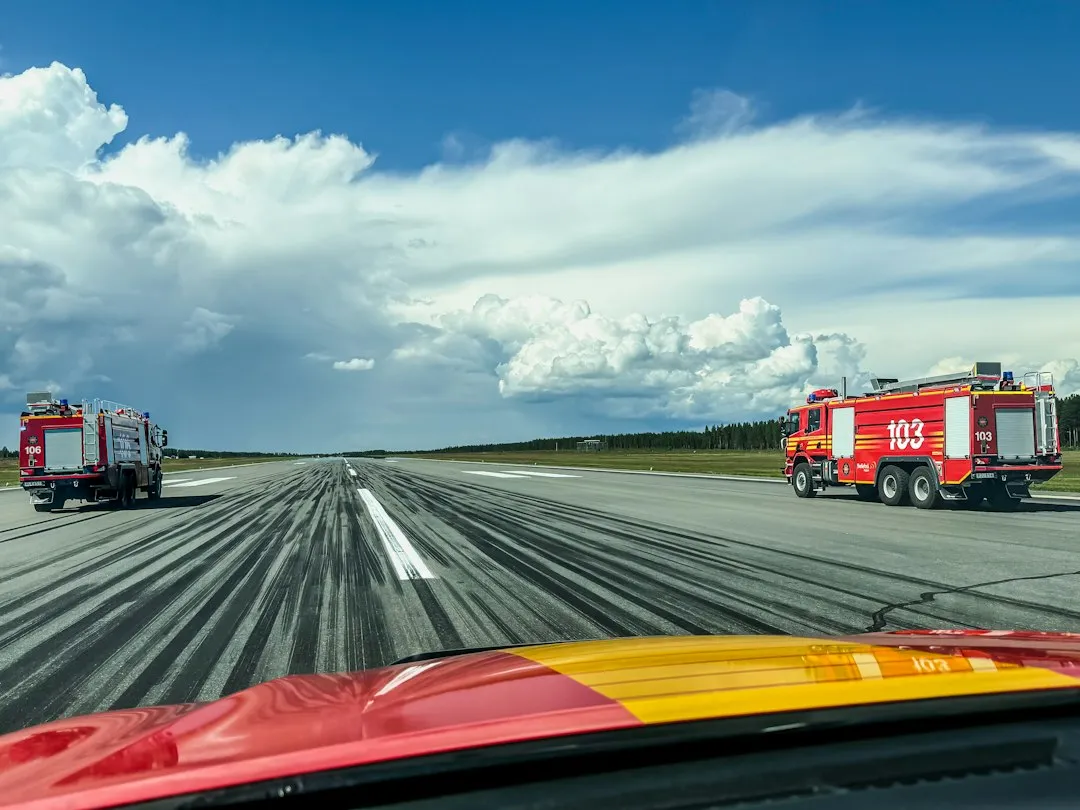
Rapid intervention vehicles, also known as first attack vehicles, are normally smaller, nimble fire appliances capable of quick acceleration and high speed. They are designed to reach the aircraft before the larger crash tenders and begin agent application immediately. Think of them as the advance team.
The end of each runway must be reached in a response time of two minutes or less, and any part of the movement area must be achieved in a response time not exceeding three minutes. Because of their sheer size, airport fire appliances require powerful engines to propel them, and by law, they should be capable of reaching any incident within the airport boundaries within three minutes, as set by aviation authorities. Speed and mass, in this context, have to coexist.
What ARFF Crews Do When Passengers Are Evacuating
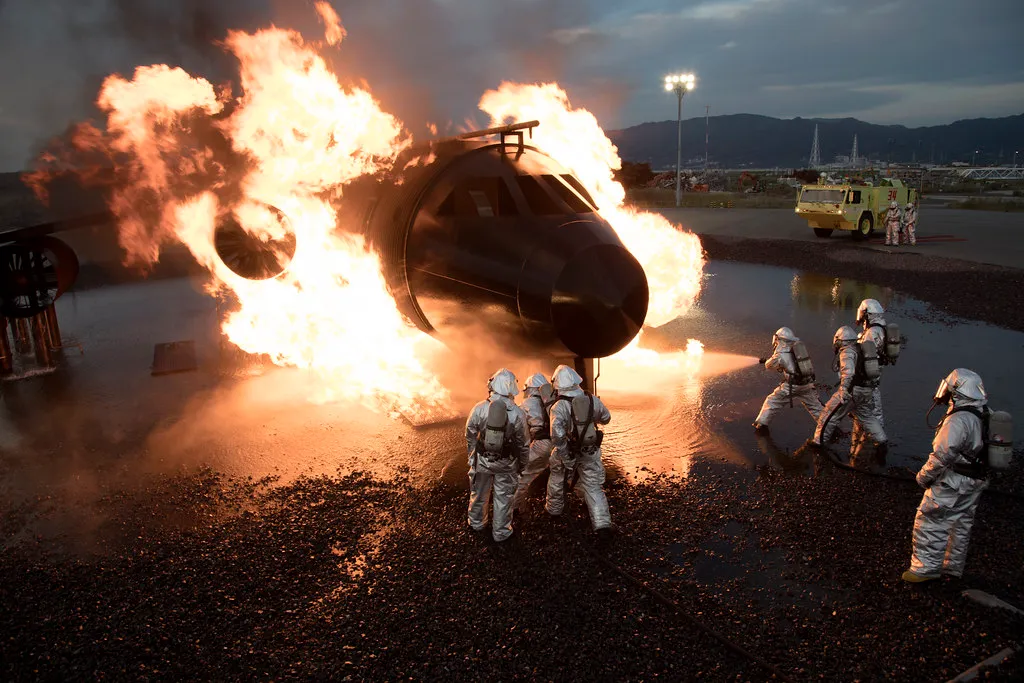
The primary responsibilities for ARFF during an evacuation are to provide a rescue path for self-evacuating passengers, extinguish fuselage fires, and provide cover for rescuers. Maintaining that path, the gap between burning fuel and the slide exit, is the most critical spatial task in those first minutes. Lose that corridor and passengers face fire on descent.
Communication between pilots, air traffic control, and ARFF personnel plays a central role, with clear and concise exchanges allowing pilots to make informed decisions about the safety of passengers and crew, and when an emergency evacuation is initiated by the captain, it is imperative to communicate this to ATC and ARFF personnel. When that loop breaks down, the consequences compound quickly. Crews are also educated on different planes and their components, including how many engines the aircraft may have and how many exit doors there are, so they know instantly which sides of the plane to prioritize.
Training, Certification, and What It Takes to Work on the Tarmac
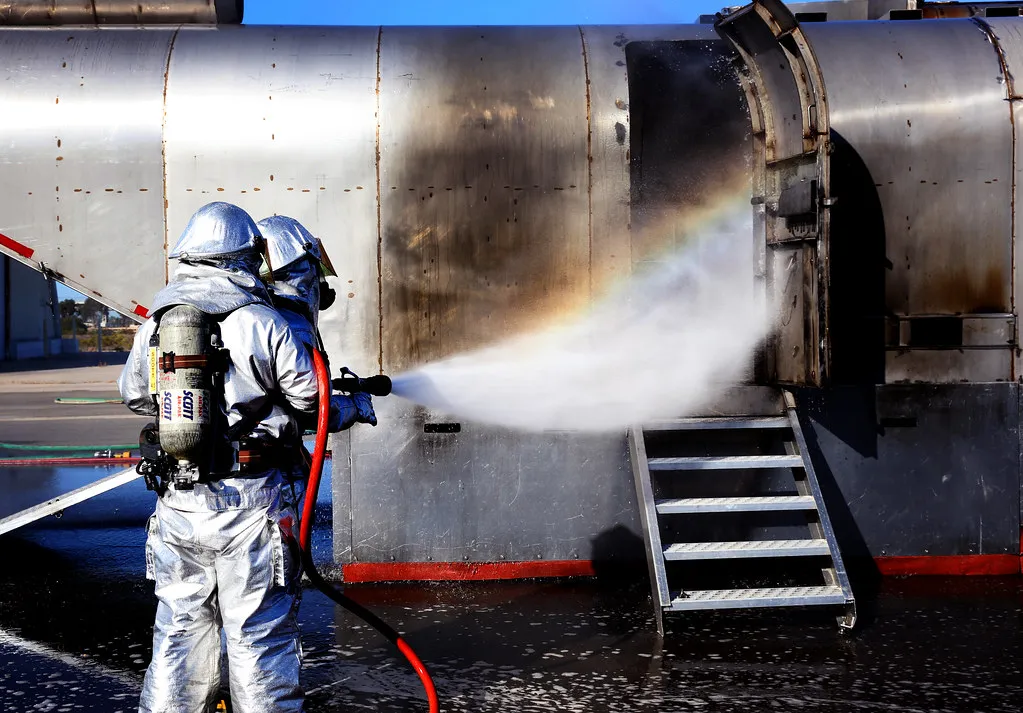
Each firefighter who operates an ARFF rig is certified with the Federal Aviation Administration and renews specialized aircraft rescue training every year. Annual recertification is not optional. On top of that, each firefighter needs a special access badge that allows them to get onto the tarmac, and accessing the airfield itself requires demonstrated knowledge of runway rules in both daylight and night conditions.
Advances in technology have enabled virtual-reality training, allowing ARFF teams to simulate real-life situations and gain experience handling a wide variety of scenarios without the cost and safety concerns associated with live vehicle operations or live-fire training. Practical training sessions include forcible entry and disentanglement, laddering operations, live wheel and brake fires, engine fires, nacelle and cabin fires, victim extrication, ventilation procedures, triage, and flammable liquids foam firefighting. The scope of what these firefighters are trained to handle, in any combination, at any hour, is genuinely remarkable.
The FAA Oversight System and What Happens When Airports Fall Short
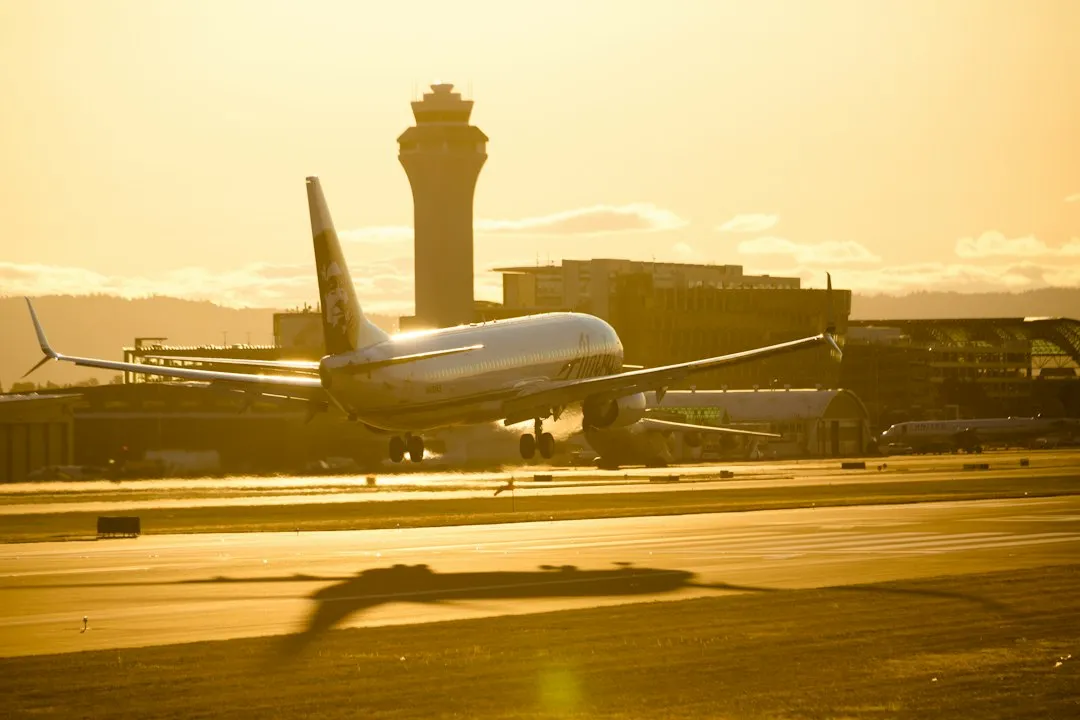
The FAA defines an airport emergency as any situation, whether caused by nature or human actions, that requires immediate action to safeguard lives, protect property, and ensure public health. Meeting that mandate requires consistent oversight, and the FAA does check. The FAA requires airports to assess their preparedness for major emergencies every three years, with coordinated drills involving multiple agencies.
At some airports, ARFF personnel have failed to meet the required response time during inspections because they could not effectively discharge firefighting agent, with airports required to demonstrate they can respond to a simulated emergency during an ARFF drill within three minutes. When compliance lapses, penalties follow. Emergency response time to a runway accident at a non-Part 139 airport is typically dominated by municipal fire department response time and is materially longer than the three-minute Part 139 standard, which is why certified ARFF presence at commercial airports is a non-negotiable requirement.
The Quiet Precision Behind Every Safe Landing
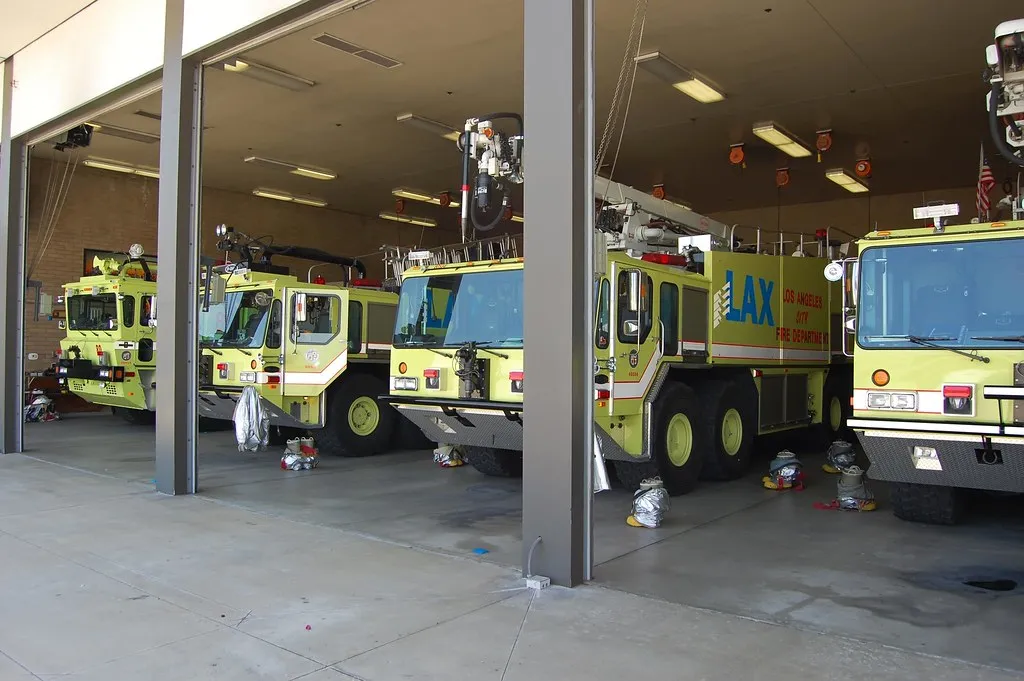
The vast majority of passengers who step off a plane after an emergency landing never fully appreciate what was already in motion the moment that distress call left the cockpit. The vehicles were rolling. The foam was ready. The crews already knew the aircraft type, the number of doors, and which runway the plane was using.
What ARFF teams do in three minutes, sustained by years of training and governed by carefully constructed regulations, is one of the more quietly impressive feats in modern aviation safety. The fact that it so rarely becomes visible to the traveling public is, in a sense, the whole point. It works best when you never have to notice it at all.
AI Disclaimer: This article was created with the assistance of AI tools and reviewed by a human editor.