
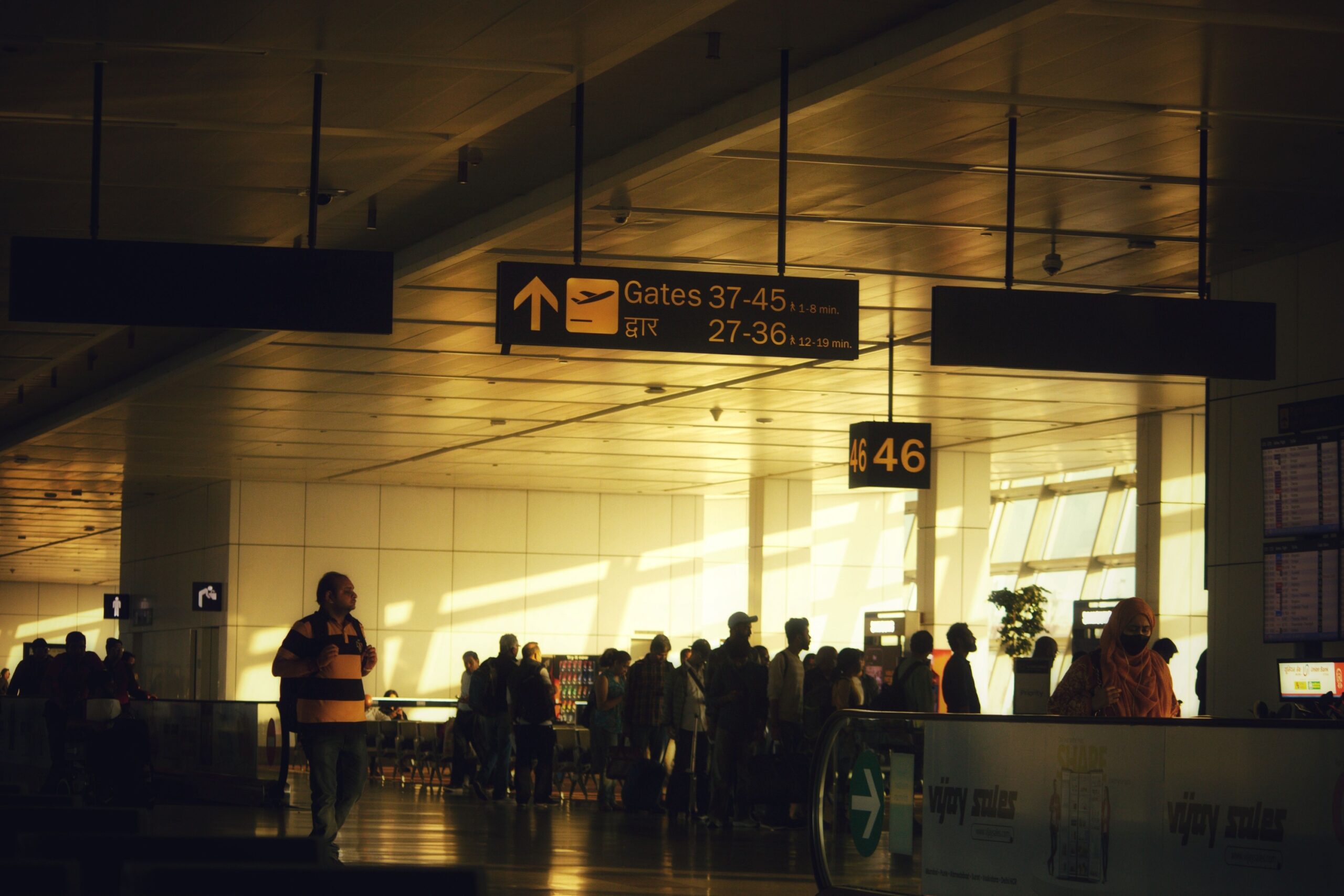
“We’re Experiencing a Slight Delay”
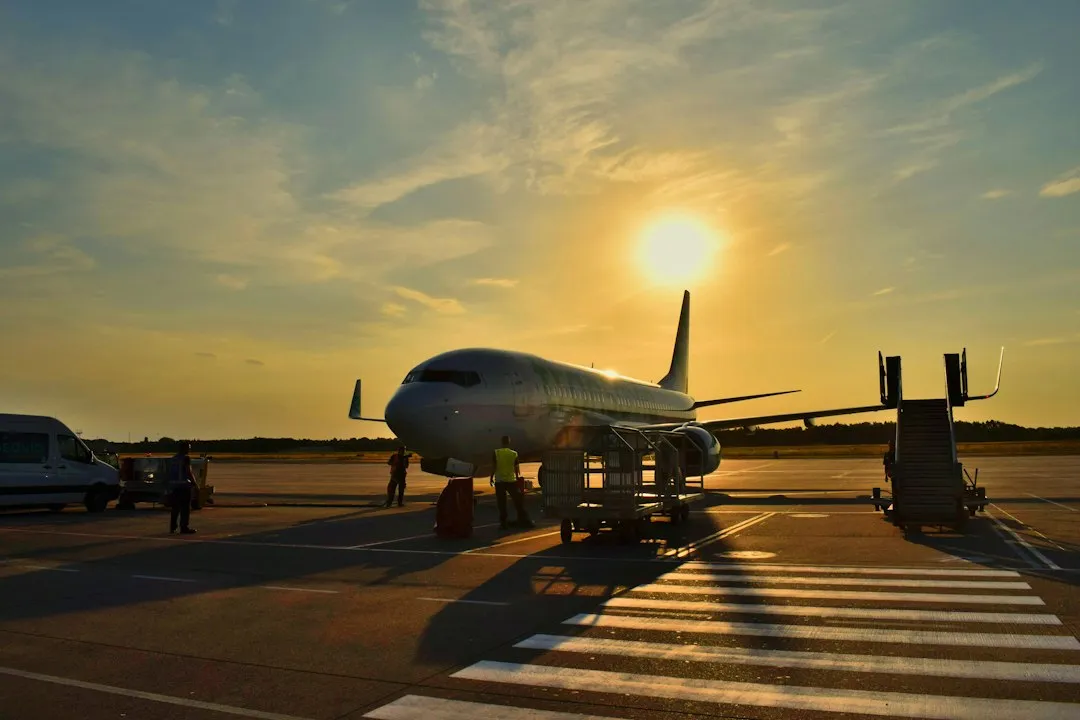
This is probably the most widely recognized soft signal in airport language, and it’s also the most elastic. “Slight” can mean five minutes or fifty, and it often arrives before anyone has a firm estimate. The word “slight” is doing a lot of heavy lifting here, chosen specifically because it doesn’t commit to any timeframe.
Instead of taking the word at face value, look for a posted departure time or an update in your airline’s app. The gap between what “slight” implies and what it actually delivers can be significant. When you hear it, treat it as a cue to start planning, not relaxing.
“We’re Waiting for Information From the Flight Crew”
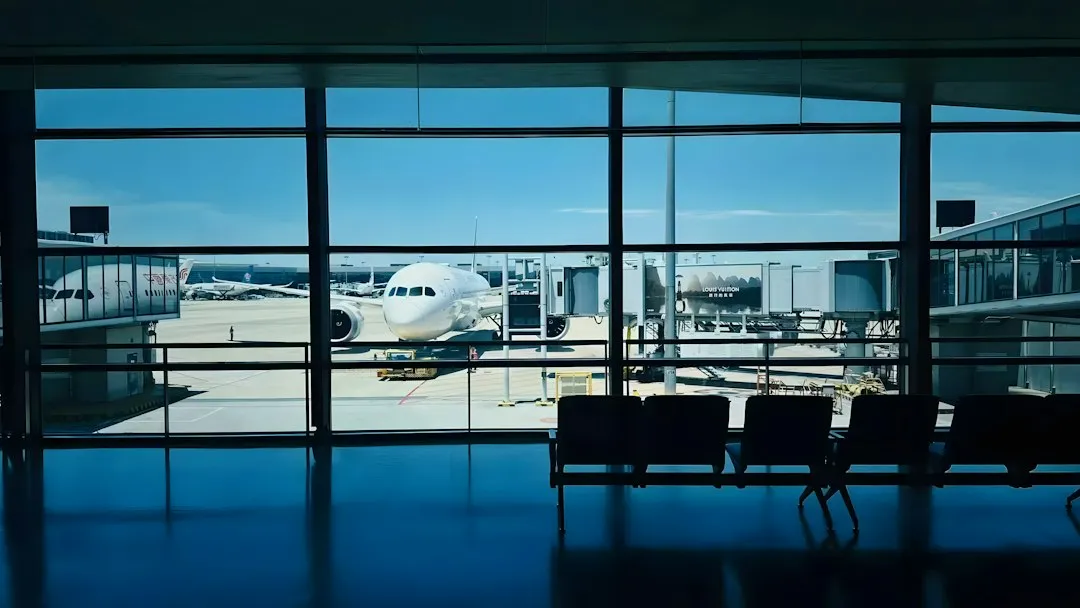
This phrase is a close cousin of the vague delay notice, and it signals that the gate agent genuinely doesn’t have answers yet. It’s not deceptive so much as it reflects a real gap in internal communications. Airlines operate in real time, and sometimes gate staff are waiting on the same updates passengers are.
Standard airline procedure in a delay situation involves an apology followed by a commitment to keep passengers posted every 15 minutes or as soon as updates are received. When that 15-minute cycle starts, pay attention. If the update window keeps extending without a firm departure time appearing, the delay is growing.
“The Flight Has Called In Range”
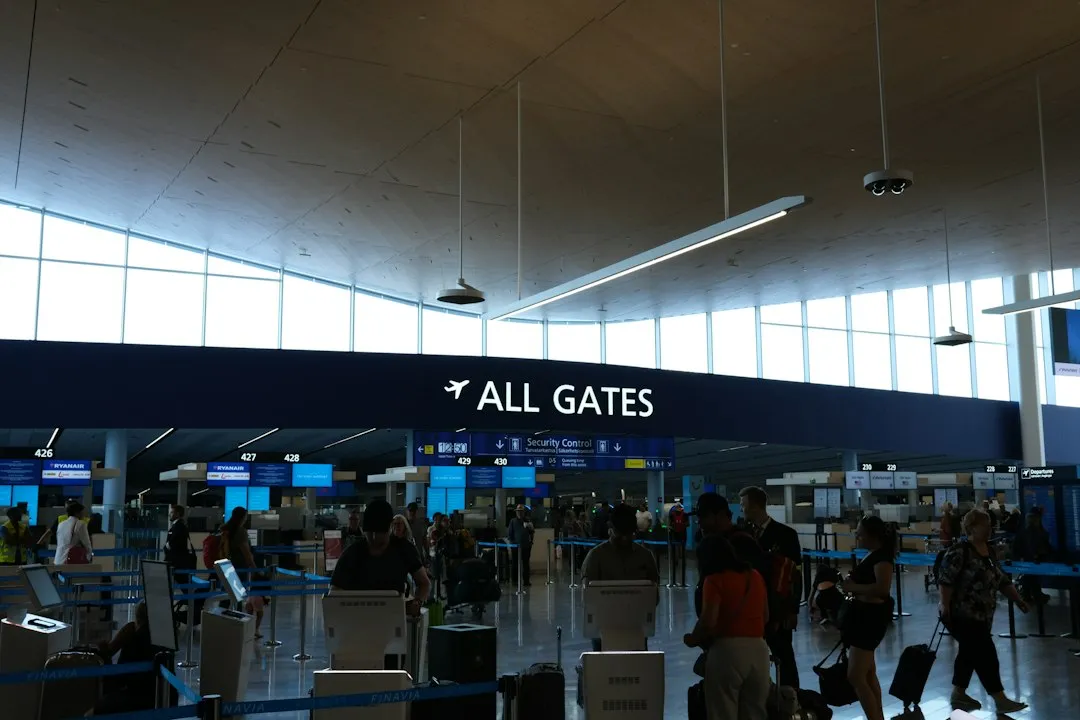
When you hear “the flight has called in range,” it is a common gate announcement during delays, used specifically when the plane you’re waiting to board hasn’t yet landed. Somewhere around the start of descent, pilots send an electronic “in range” message to let everyone know they’ll be arriving shortly.
What they’re giving you at the gate is a best-case time for boarding. “Best-case” is the operative phrase. The inbound aircraft still needs to land, taxi, deplane all its passengers, be cleaned, catered, and re-serviced before anyone boards. That adds time, often more than the announcement implies.
“There Has Been a Gate Change”
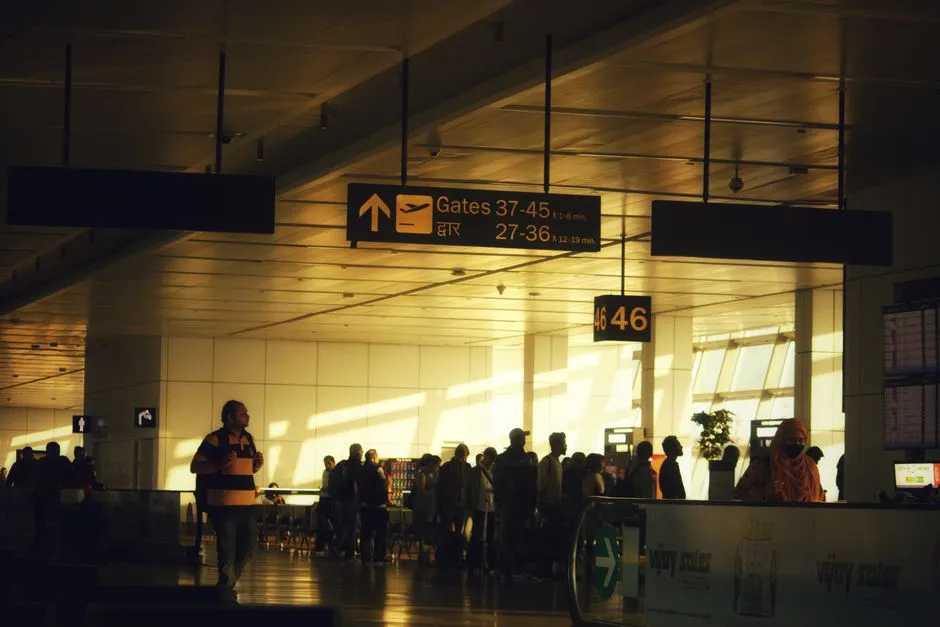
A gate change means your flight will now depart from a different gate. On the surface it sounds administrative, like a minor inconvenience. In practice, gate changes frequently accompany delays, because airlines reassign gates when incoming aircraft schedules shift or when terminal logistics need to be rebalanced.
Airport messages often use passive constructions. “The gate has been changed” focuses on the updated location without necessarily naming who caused it. That passivity is worth noticing. The cause is left unstated, and finding out why the gate changed often tells you more about whether a delay is coming than the announcement itself does.
“Please See the Gate Agent”
Being called by name or hearing this phrase directed at a group of passengers rarely means anything good for the schedule. Having your name called can signal a seat issue, a document check, an upgrade, or a time-sensitive change that affects your ability to board. Any of those situations can be connected to a broader delay or operational problem affecting the whole flight.
Gate agents are typically the first people on the ground with real-time operational information. If they’re calling multiple passengers simultaneously, that’s a stronger signal than a single name being announced. It often means a rebooking situation is quietly getting underway before a formal delay announcement is made.
“We Apologize for the Inconvenience”

This phrase is essentially the verbal equivalent of a holding pattern. Airlines build in a standard apology for the inconvenience as part of their scripted delay communications. The apology itself tells you nothing about timing, but its appearance tells you something important: the airline has officially acknowledged the disruption, which means the situation has moved past the stage of quiet uncertainty.
Once an airline formally apologizes at the gate, internal protocols typically kick in. Delay announcements from that point are made on a recurring schedule, typically every 15 minutes. If those updates stop coming or grow vague, that’s often a sign the operational picture has become complicated.
“Boarding for This Flight Has Been Delayed”
When you hear “boarding for this flight has been delayed,” the direct meaning is that the flight is running late and you should stay near the gate. This is one of the more straightforward announcements, but its timing matters. Hearing it well before the scheduled departure is a different situation from hearing it five minutes before you were supposed to push back.
When an announcement says the flight is delayed and that further information will follow, it generally means the gate agent has no firm update to offer yet. The “further information to follow” language is the real tell. It means the situation is unresolved, and the timeline is genuinely unclear from the agent’s end.
“This Flight Is Completely Full”
A full flight sounds dramatic, but it typically changes nothing if you already have a seat assignment. The airline’s mostly signaling that overhead bin space will be tight and that gate-checking might happen. However, a fully booked aircraft also means that any operational problem creates a bigger logistical challenge.
When a fully booked flight needs a last-minute aircraft swap due to a mechanical issue or a late-arriving plane, the resolution takes longer than on a lightly booked service. So while the “full flight” announcement is routine on its own, in combination with other soft delay signals it can indicate that your on-time departure is already under pressure.
Why Late-Arriving Aircraft Is the Most Common Hidden Cause
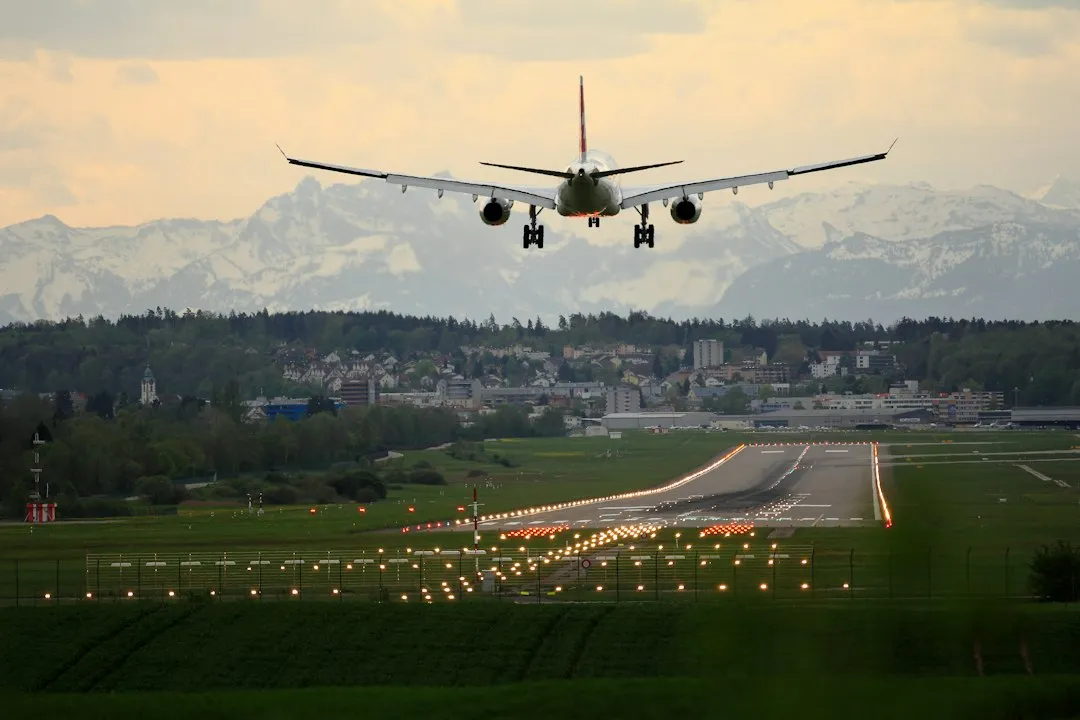
The average delayed US flight in 2025 arrived 74 minutes late, and late-arriving aircraft caused roughly 40 percent of all US delay minutes, more than any other single cause. This is the operational reality behind so many gate announcements. The plane you’re waiting to board is itself sitting delayed somewhere else, and that ripple effect moves across an entire day’s schedule.
Around nine in ten US flights scheduled to leave between 6 and 7 in the morning depart on time, compared with only about two thirds of those scheduled between 8 and 9 in the evening. Morning flights have a fresh aircraft and a rested crew. Evening flights carry the accumulated delays of the entire day. That context makes early bookings one of the most effective delay-avoidance strategies a traveler can use.
The Bigger Picture: How Common Delays Actually Are
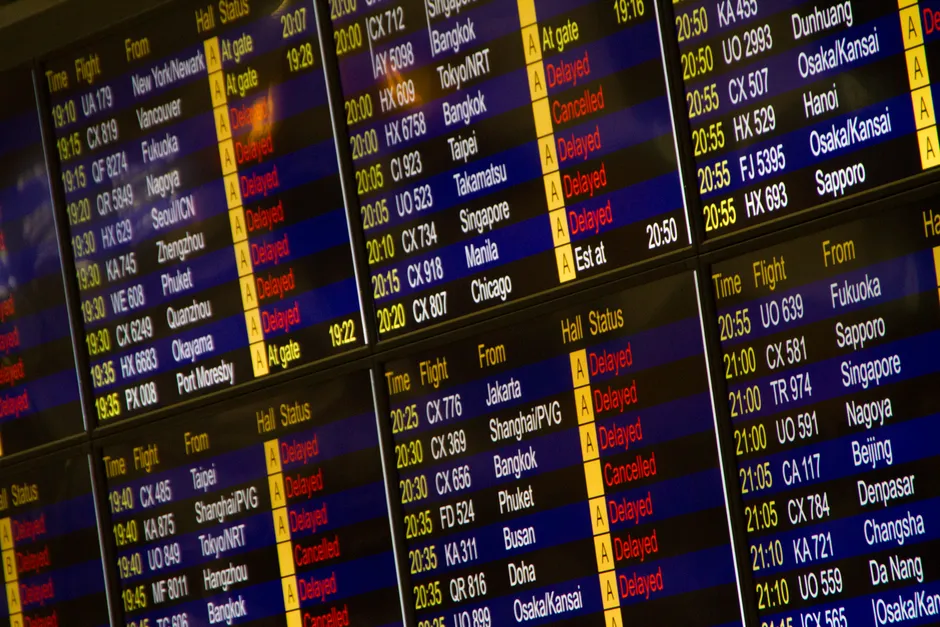
Nearly one in four flights, amounting to roughly 1.66 million flights including delays, cancellations, and diversions, did not arrive on time in 2025 according to the Department of Transportation. That’s a substantial share of the total. Understanding gate language matters because delayed flights are a routine feature of air travel, not an occasional exception.
The number of domestic tarmac delays soared by 63 percent compared with 2024, reaching the largest annual total by far since the Federal Aviation Administration approved the Tarmac Delay Rule in 2010. Against that backdrop, airports like Ronald Reagan Washington National and Newark Liberty International topped the 2025 delay rankings, with over a quarter of departing flights affected.
The Takeaway
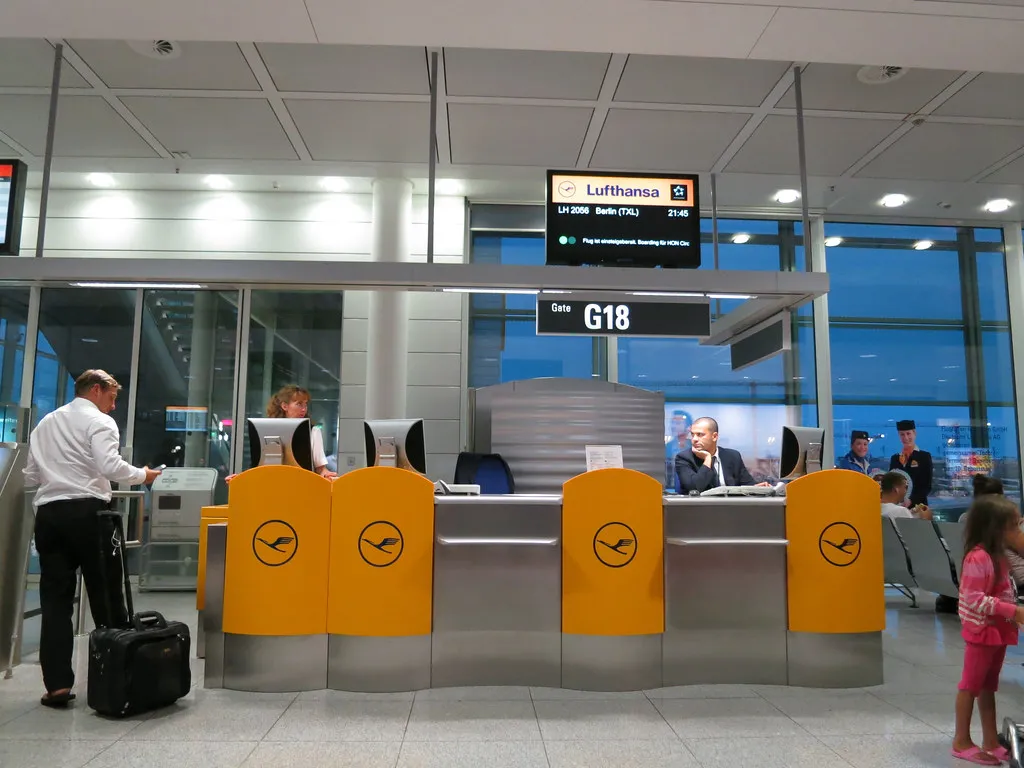
Gate announcements are a craft. The language is carefully moderated to stay factual while keeping the atmosphere calm, which means the most important information is often embedded in what isn’t said. Vague timeframes, passive constructions, and softening words like “slight” are all worth treating as signals rather than reassurances.
The most useful habit is a simple one: check your airline’s app the moment any gate announcement sounds uncertain, and book the earliest flight of the day whenever your schedule allows. The numbers back that approach up. Gate announcement literacy is free, takes seconds to develop, and pays off every time you travel.
AI Disclaimer: This article was created with the assistance of AI tools and reviewed by a human editor.