
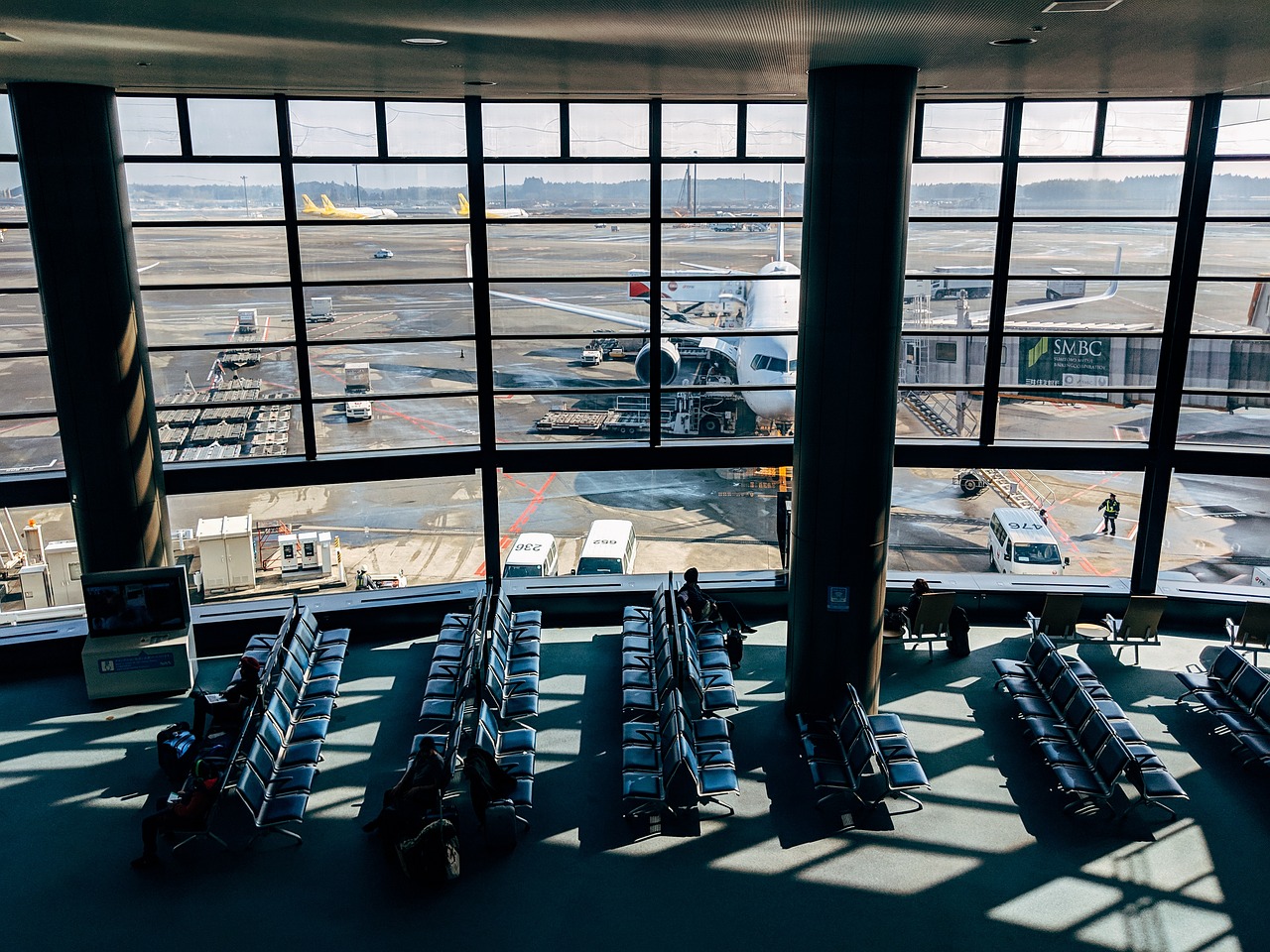

There’s a moment at the gate that frequent flyers know all too well. The departure board still shows “on time,” the jetway door is closed, and a small cleaning crew is still working their way through the cabin. That gap between what the screen says and what’s actually happening on the plane tells you a lot about how airline schedules really work.
Ground crews, cabin cleaners, and gate staff see it every single day. The boarding time printed on your pass is often more of an optimistic target than a hard commitment – and the time of day you fly makes a significant difference to whether that target gets met.
The Evening Rush Hour Nobody Warns You About
Flight delays tend to increase throughout the afternoon, and that momentum carries straight into the evening. The U.S. Department of Transportation found that delays are most likely to hit in the evening hours. The worst single time slot to book, according to that data, is between 8 p.m. and 8:59 p.m., when only roughly four in five flights leave within 15 minutes of their scheduled departure.
This isn’t random. It’s the compounding result of every disruption that happened earlier in the day catching up with your gate. By the time that plane arrives for your evening flight, it may have already run late at two previous airports.
How Early Morning Flights Stay Ahead of the Chaos
An analysis using U.S. Department of Transportation on-time performance data from May 2024 to April 2025 found that in the worst-performing months, the earliest morning flights are roughly 30 percent more likely to depart on time compared to afternoon or evening flights. Morning flights are much less likely to be canceled, according to Expedia’s 2025 Air Hacks report. The plane simply hasn’t had the chance to fall behind yet.
During the 2024 busy summer travel months, flights scheduled to leave between 6 a.m. and 7 a.m. had only about a one in nine chance of being delayed or canceled. That’s a remarkably low risk compared to what travelers face later in the day.
The Turnaround Clock Starts Before You Board
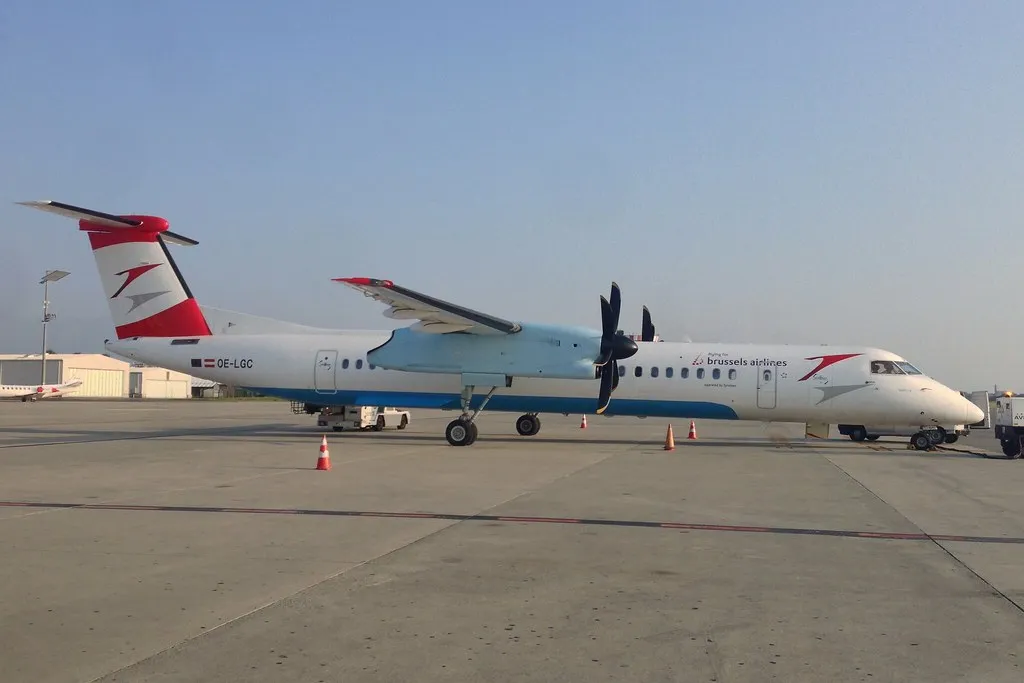
The moment an aircraft parks at the gate, the turnaround clock starts. Baggage handlers unload luggage while cleaning crews move through the cabin, catering trucks restock food and beverages, fuel crews connect hoses, and pilots complete walk-around inspections. At the same time, gate agents prepare the next boarding process while ramp supervisors coordinate pushback timing with airport traffic management systems.
Each part of the turnaround has a scheduled start and completion time, and if one process begins slipping, the rest of the sequence can quickly unravel. A delayed catering truck may hold up boarding, a fueling issue can prevent pushback clearance, or a baggage loading problem can force crews to reopen the cargo hold moments before departure.
What Cabin Cleaners Actually Face During a Short Turn
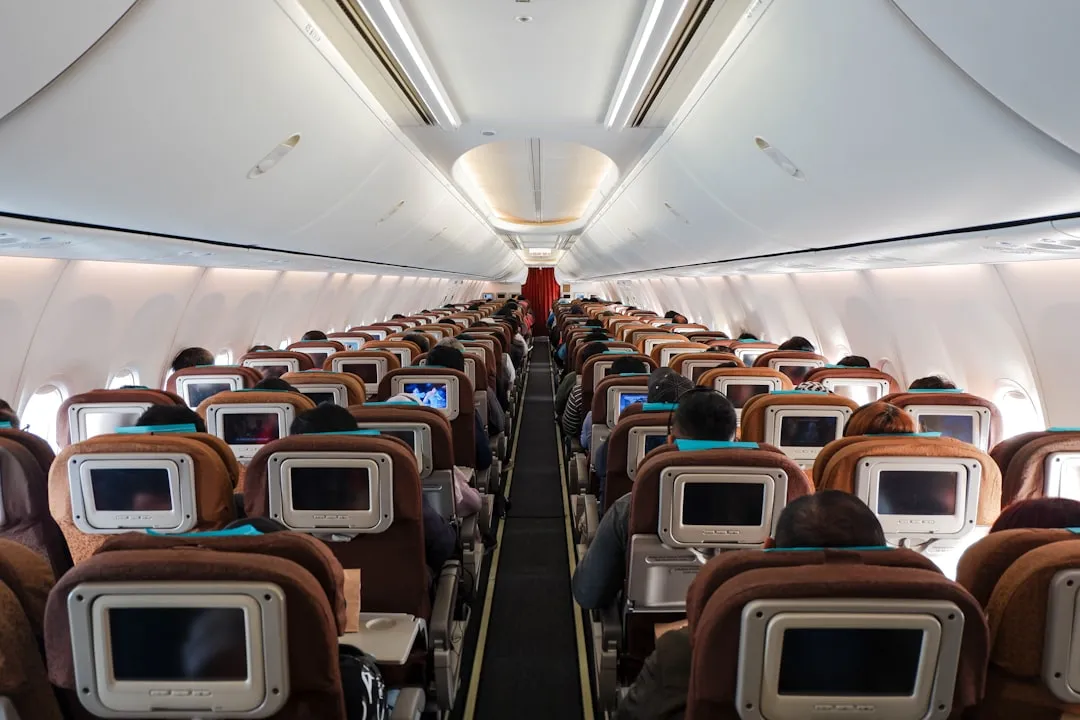
Cleaners step in as soon as passengers are off, moving through the aisles with trash bags and sanitizer as if they’ve got the cabin mapped in muscle memory. The pressure on those crews is real. When an aircraft is on the ground for minimum ground time and you factor in the loading and off-loading of passengers, the cleaning window can be as short as 6 to 10 minutes.
At smaller locations, ground handlers loading bags or gate agents will assist with cleaning, with everyone going all-hands-on-deck, while at hubs and larger airports there are dedicated cabin cleaners. Six minutes to clean a full narrowbody after a packed flight is genuinely tight, and any incoming mess from passengers makes it tighter still.
Airline Operations Teams See the Delay Coming First
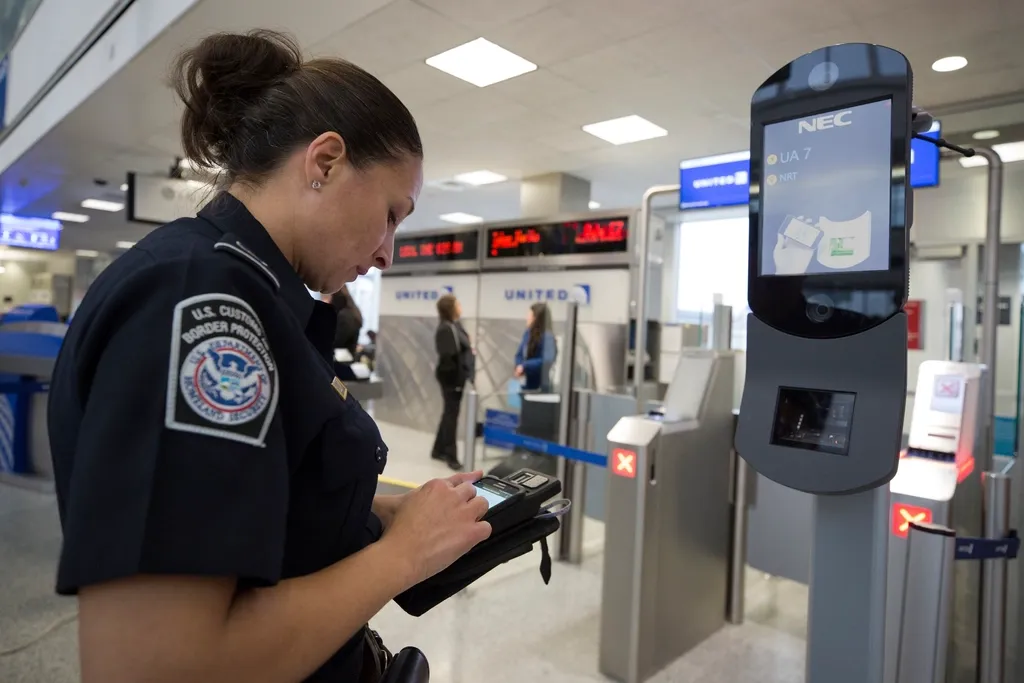
The turnaround clock doesn’t start when the plane lands – it starts before that. Airline operations teams begin prepping the second the inbound flight is 20 to 30 minutes out, already knowing which gate is free, whether catering is on time, and if a storm is developing that could throw everything off.
Because all turnaround systems are interconnected, airlines rarely operate with true uncertainty about whether a flight is likely to run late. The exact duration may still change, but the broader outcome often becomes clear well before passengers hear an announcement at the gate. So when the gate agent looks slightly tense while the board still says “on time,” there’s a good chance they already know something you don’t.
The Cascade Effect: One Delay Becomes Many
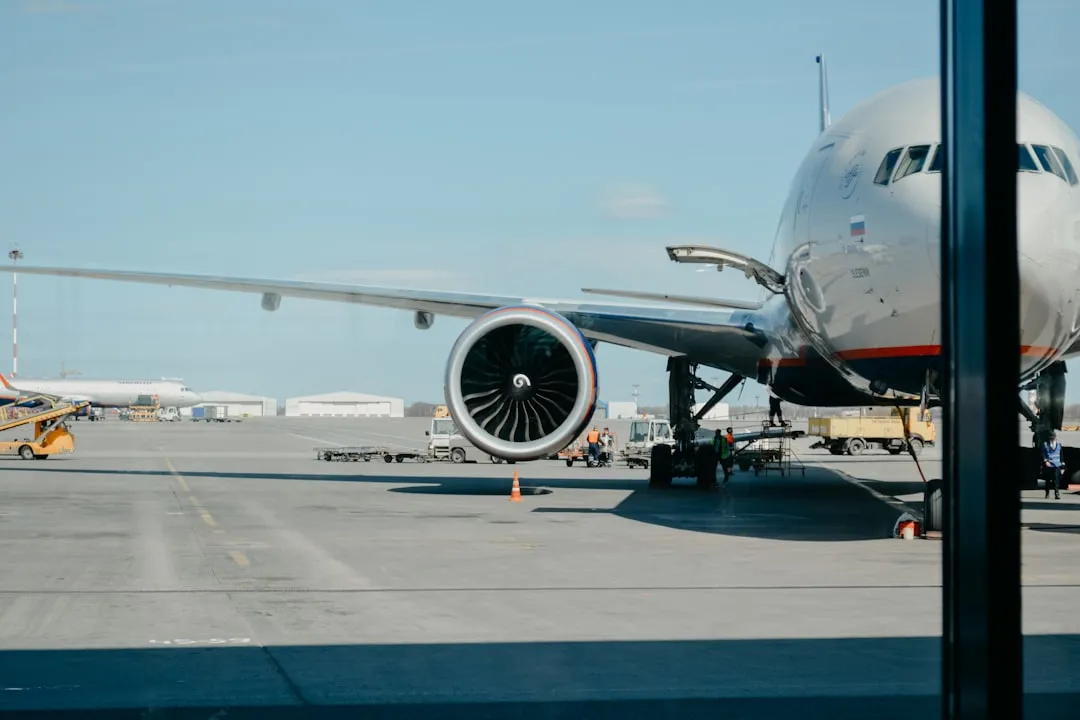
A delayed aircraft rarely affects only a single flight. Airline schedules operate as interconnected networks where disruptions spread rapidly, and a weather delay at Chicago O’Hare during the morning may eventually affect departures at Dallas/Fort Worth, Denver, or Los Angeles later that evening.
Since aircraft continuously move between destinations, every delay reduces the amount of available turnaround time at the next airport. By the time you reach your late-afternoon gate, that plane might be working off a deficit that started six states away at sunrise.
The Airports Where Delays Hit Hardest
According to Bureau of Transportation Statistics data, over 1.5 million flights were delayed nationwide in 2024 – about one in five of all scheduled domestic flights. San Francisco International topped the delay list with nearly 30 percent of flights delayed, while Newark Liberty International had the highest cancellation rate.
Florida dominates the delay rankings, with five airports including Palm Beach, Fort Lauderdale, Tampa, Orlando, and Miami making the top ten for highest delay percentages. Newark Liberty, Chicago O’Hare, New York LaGuardia, and Ronald Reagan in Washington are also among the nation’s most delay-prone airports, partly because they accommodate bigger planes – and bigger planes mean more passengers and a greater potential for bottlenecks.
Which Airlines Keep You Waiting Longest
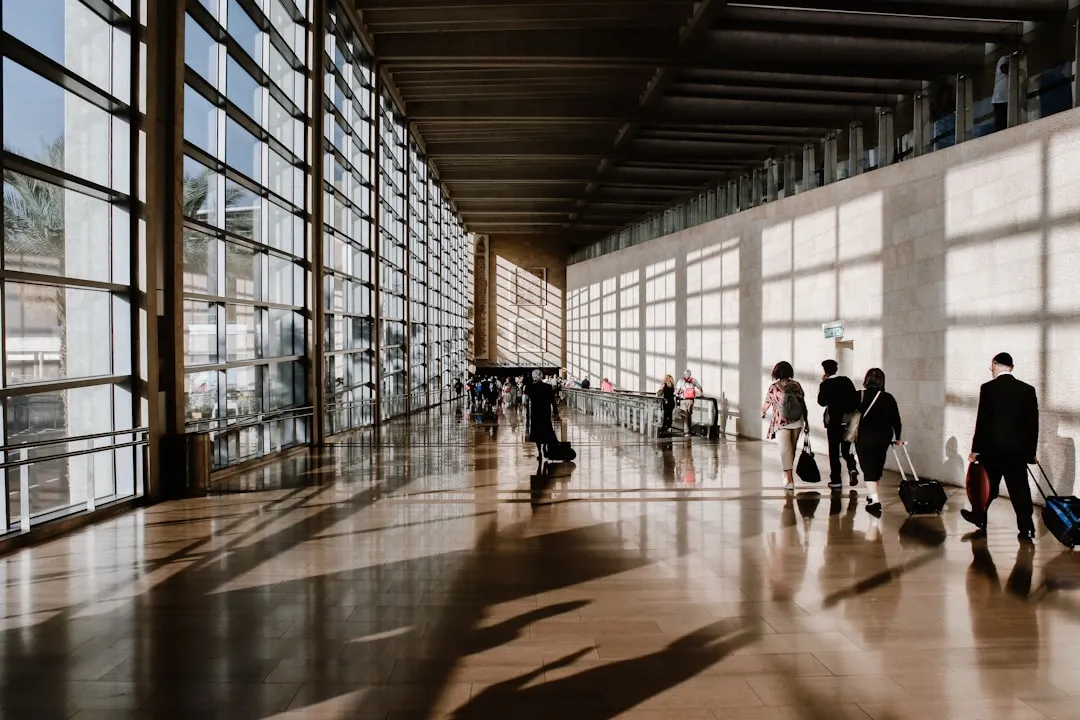
Based on Flighty’s analysis of flights completed between January and November 2025, Frontier Airlines earned the top spot for most delayed U.S. carrier, with roughly 28 percent of its flights arriving behind schedule. JetBlue and Southwest tied for second at 25 percent, followed by American Airlines at 24 percent and Alaska Airlines at 23 percent.
Industry-wide, about 22 percent of flights arrive more than 15 minutes late – and that figure jumps to 41 percent if you include flights that are even a single minute past their scheduled arrival time. That broader number gives a more honest picture of what passengers actually experience at the gate.
The Boarding Process Itself Adds Hidden Minutes
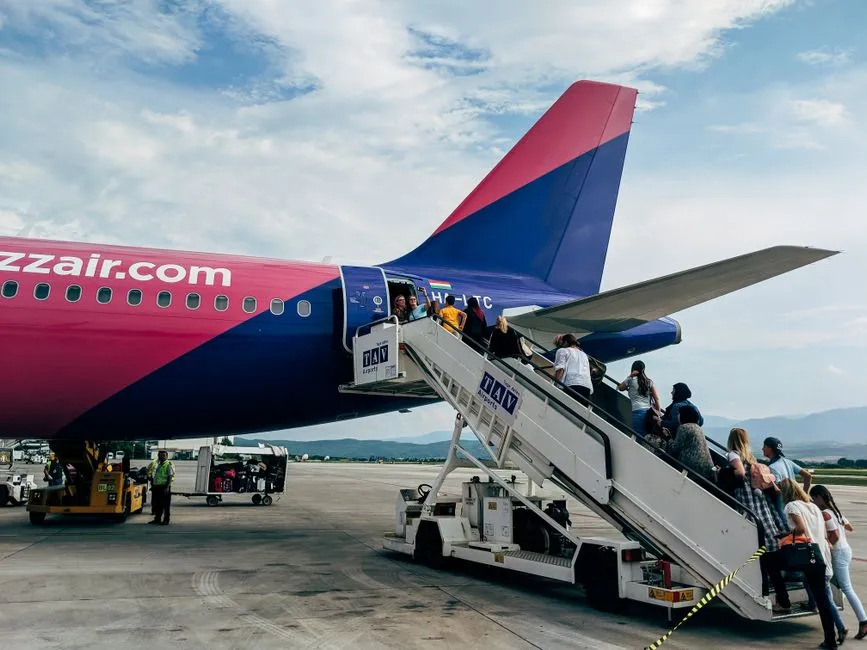
An aircraft only earns money in the air, so airlines aim for fast turnarounds, sometimes well under an hour between arriving and leaving. Boarding a full narrowbody, with everyone finding seats and wrestling bags into overhead bins, eats a surprising chunk of that window. For most airlines, all passengers must be on board 10 minutes before departure, and all bags must be in the jetway with loading completed at least six minutes before departure.
Some airlines now use both front and rear doors for boarding, especially at airports with remote stands. That simple change can save around two to four minutes – and multiplied over hundreds of flights daily, it adds up to serious time savings. Small margins really do matter at a busy hub.
Summer Is the Season When Everything Gets Worse
Summer travel is always in high demand, and with that comes a sharp increase in flight delays. From June through August, an average of roughly one in four flights across the country is delayed, according to an analysis of Bureau of Transportation Statistics data from 2022 to 2024.
Morning departures become even more critical when flying in and out of the South and East Coast, where airports have the worst operations and the largest drop-offs in evening flight performance. Baltimore/Washington International Airport recorded some of the highest percentages of delayed summer departures among major U.S. airports. The pattern is consistent and well-documented – summer evenings and busy East Coast hubs are simply the most punishing combination for anyone hoping to board on time.
The Takeaway
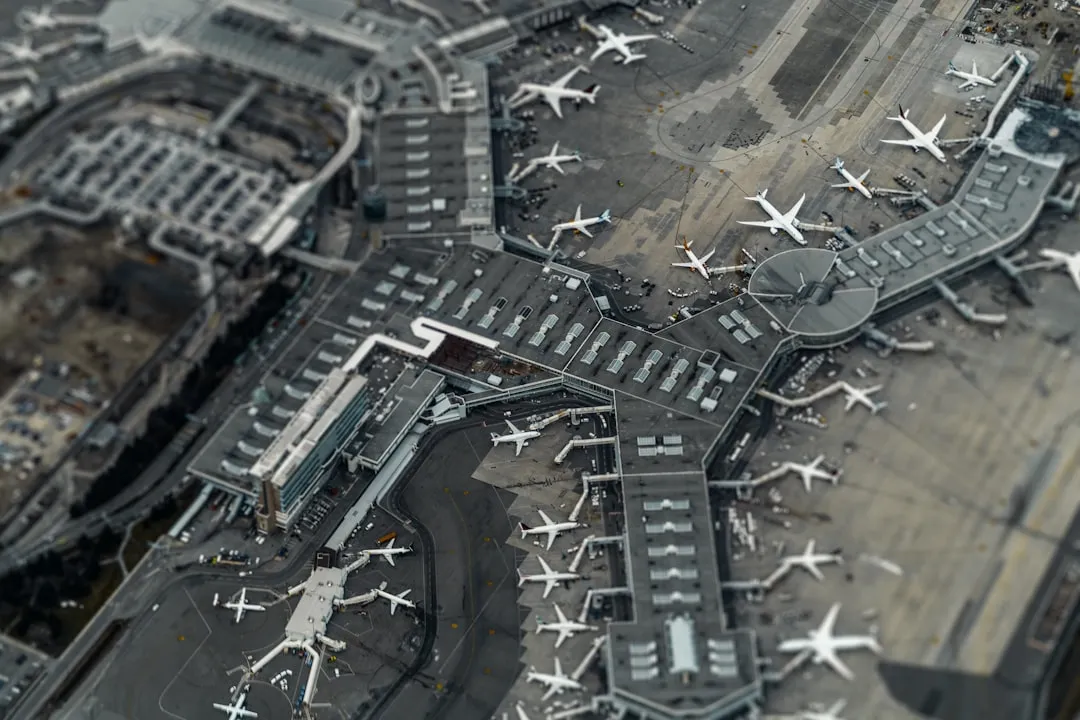
The printed boarding time on your ticket reflects what airlines want to happen, not always what the gate crew is actually facing. Cleaning staff work under tight windows, turnaround teams are already tracking ripple effects from earlier flights, and by evening, a system that started the day on time has often accumulated enough friction to put your departure at risk.
The data is consistent across multiple federal and independent sources: fly early, favor airports away from the congested Northeast and Florida hubs when you can, and treat any evening departure at a major hub as one that warrants a generous connection buffer. The people working the gate already know which flights are likely to slip – now you do too.
AI Disclaimer: This article was created with the assistance of AI tools and reviewed by a human editor.