


There’s a quiet ritual that seasoned travelers have figured out, and most first-timers miss entirely. It happens not at the gate, not at security, but at that modest counter near the terminal entrance staffed by people who know the airport better than almost anyone else. The information desk.
Most passengers walk right past it. They’re scrolling their phones, following signage, trusting that everything will unfold as planned. Sometimes it does. Often, though, the travelers who stop at that desk first arrive calmer, better prepared, and occasionally on time when others are not.
The One Question That Changes Everything
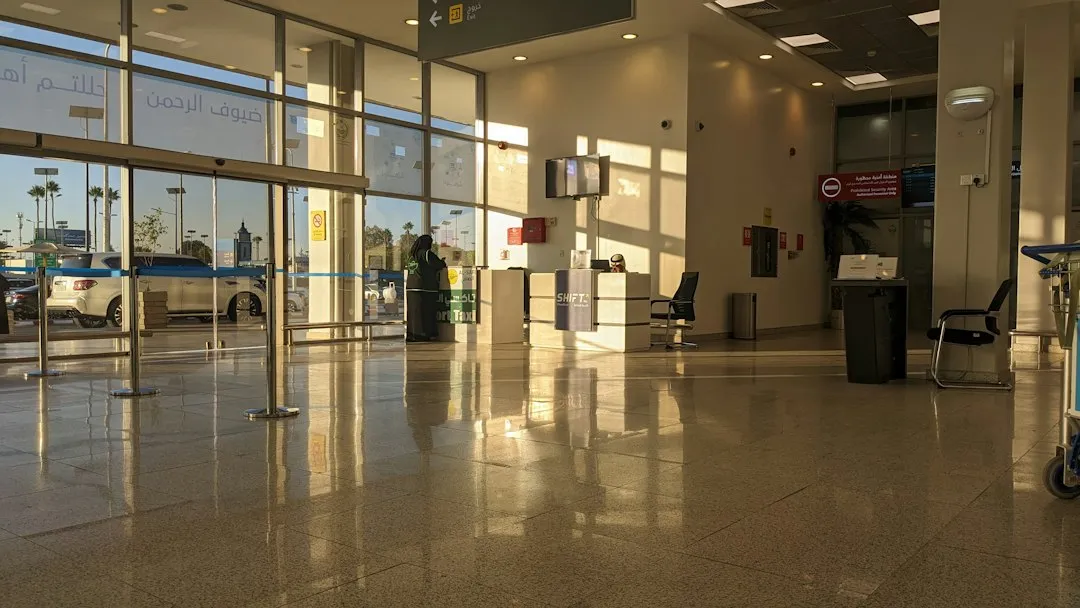
The single most useful question a traveler can ask an information desk agent is simply this: “Is there anything happening in the airport today that I should know about?” It’s open-ended, it’s specific to the moment, and it invites the kind of insider knowledge that no app reliably delivers. Asking open-ended questions encourages airport staff to provide detailed responses rather than simple yes or no answers.
That one question can surface a closed security lane, a gate relocation still not updated on the boards, a lounge that’s operating at reduced capacity, or an airline desk that’s moved terminals that morning. It costs thirty seconds. The information it returns can reshape your entire airport experience.
Why the Information Desk Knows More Than the Departures Board
Digital boards and airline apps are updated in cycles. Airport information desk staff are plugged into the terminal in real time, often receiving operational updates through internal communications before they appear on public displays. Passengers should check their flight status before leaving for the airport and continue monitoring updates throughout the journey, since gate changes, boarding adjustments, delays, and cancellations can happen quickly.
Travelers should rely on official airline and airport information whenever possible, as social media posts and third-party travel discussions may provide useful context, but official sources should remain the primary reference for flight changes. The information desk sits squarely within that official network, often fielding direct communication from operations teams. It’s a resource that’s underused precisely because it looks low-tech.
Flight Delays Are More Common Than People Expect
Many travelers still think of delays as rare bad luck. The data tells a different story. Flight cancellations are on the rise in 2026, with U.S. carriers canceling roughly two percent of all flights since January, according to FlightAware, putting this year on pace for the highest cancellation rate since 2022. Delays remain common, with about one in four departures nationwide delayed between Memorial Day and Labor Day, according to aviation analytics firm Cirium.
Knowing this changes how you should approach the information desk. Rather than assuming your flight is fine, asking about current airport-wide disruptions gives you a head start. When a flight is canceled, travelers may immediately focus on the next available flight from the same airport, but alternative routes can sometimes provide faster solutions. Staff at the desk can point you toward those alternatives before the scramble begins at the gate.
What Else the Desk Can Tell You That You Wouldn’t Think to Ask
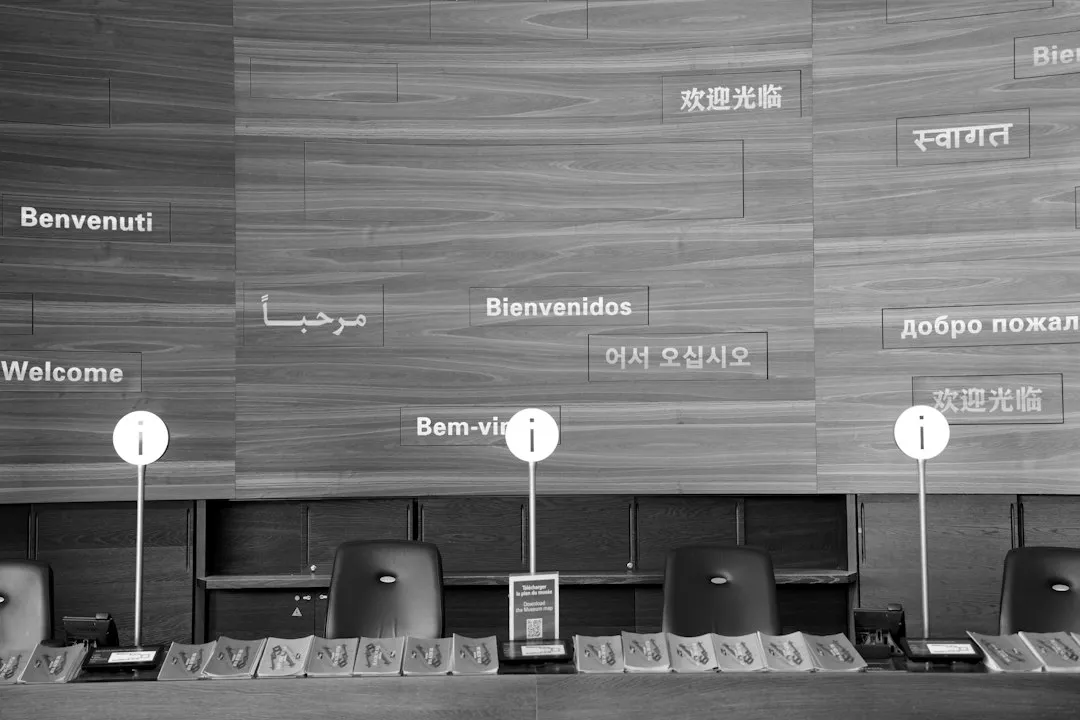
Beyond flight status, information desk agents are a surprisingly complete resource for the practical logistics of the terminal. Common inquiries include directions to gates, information on flight status, and locations of amenities like restrooms or lounges, and staff can also advise on public transport options or how to connect with rideshare services.
Visiting an information desk allows travelers to make the most of their time before a flight, whether that means finding a sit-down meal, an in-airport art tour, a day pass to a lounge, or short-stay accommodation. These are details that vary by terminal and by day, and a desk agent will know exactly what’s available right now.
The Security Question Most Travelers Forget to Ask
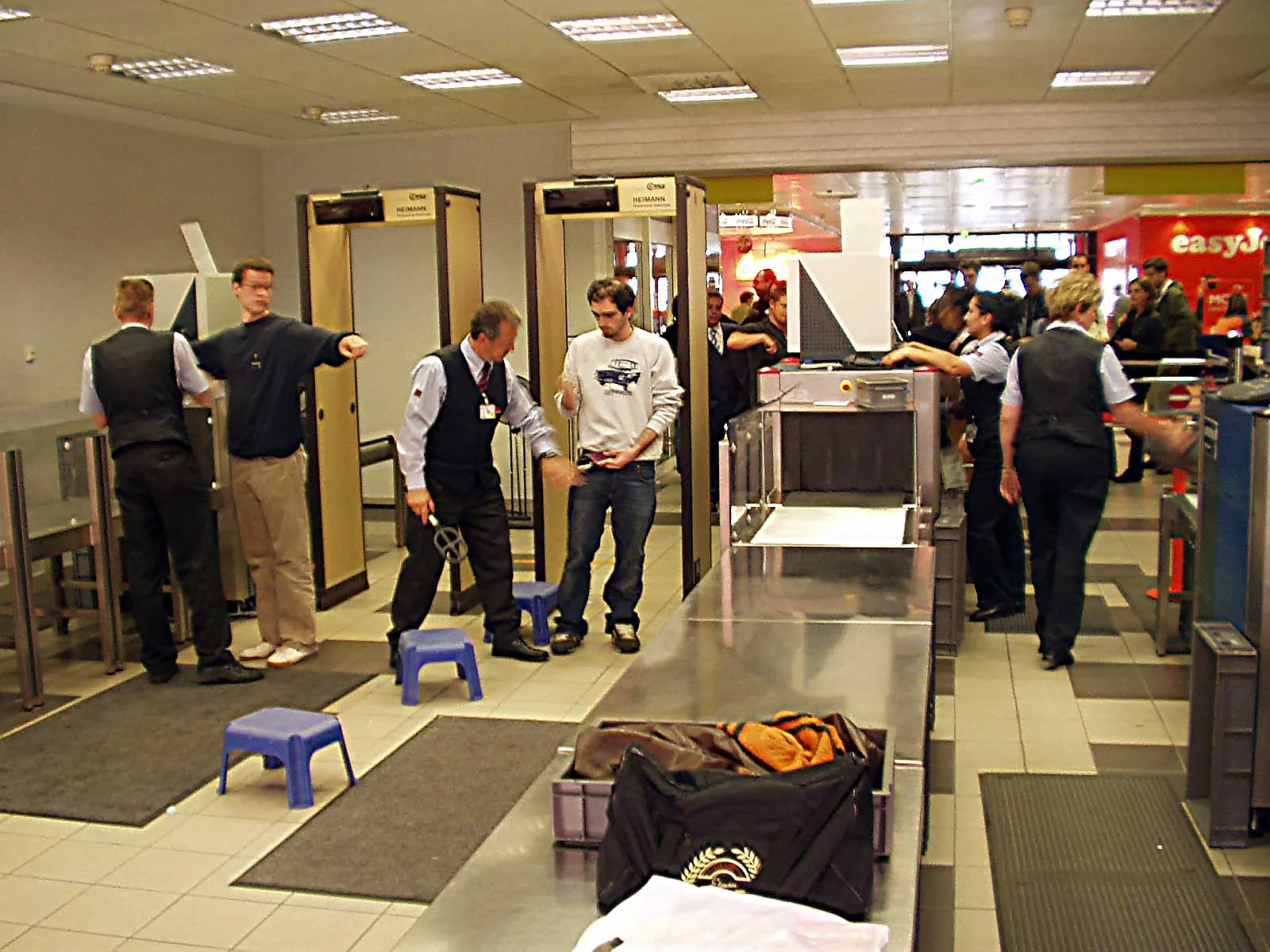
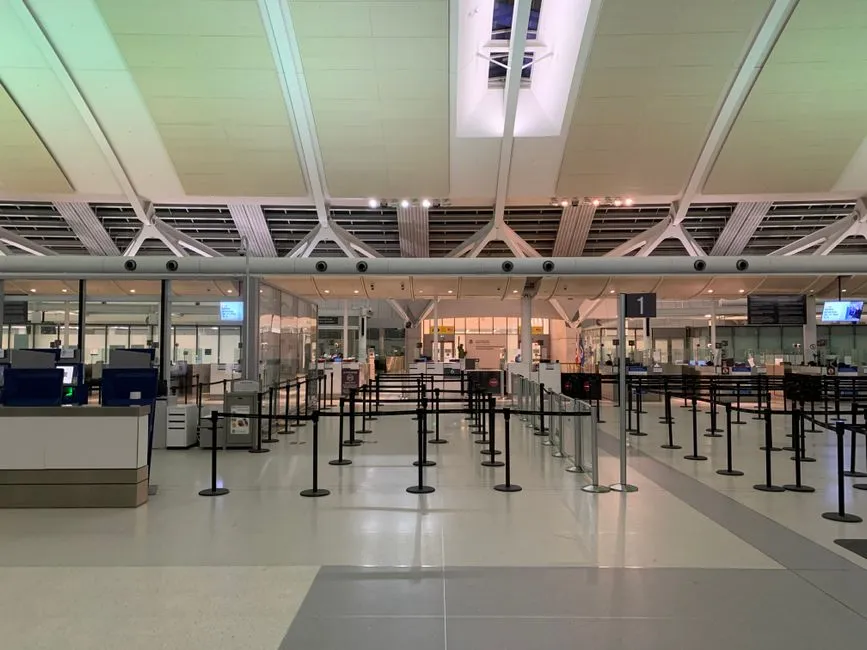
Security wait times are one of the most disruptive variables in any airport journey, and they fluctuate significantly based on staffing, time of day, and the type of lanes open. According to a 2024 UK Civil Aviation Authority survey of over 15,000 passengers, 56% of passengers spent no more than five minutes queuing for security screening, just over a third queued between six and fifteen minutes, and ten percent spent over fifteen minutes queuing.
The information desk can often tell you which security lanes are experiencing the shortest waits right now, or whether a TSA PreCheck lane is open and functioning. On average, 56% of passengers traveling through medium airports and 50% of those through large airports spent ten minutes or less getting through security. At mega airports, that figure drops considerably, making the advice all the more valuable.
How Passenger Satisfaction Is Shifting, and What It Means for You

Traveler satisfaction with airports has genuinely improved in recent years, which is worth noting. HappyOrNot analyzed 24.8 million passenger feedback responses collected across airports in more than 50 countries between May 2025 and May 2026, with findings providing valuable insights into passenger behavior, operational performance, and the airport touchpoints that have the greatest impact on customer satisfaction.
Passenger satisfaction with air travel has reached its highest level on record, with 86% of passengers reporting being satisfied with their travel experience in 2025, up from previous years. Still, satisfaction doesn’t mean frictionless. Even in high-performing airports, the travelers who arrive informed tend to have the smoothest experiences. That starts with asking the right questions before anything goes sideways.
The Rebooking Window: Ask Early, Not After Everyone Else Does

When disruptions hit, the window to rebook well is much shorter than most passengers realize. Travelers commonly rely on call-center summaries and accept the first reroute offered without checking alternatives. That’s a costly habit. The information desk can help direct you to the right airline counter, the right app feature, or the right staff member before the queue forms.
Timing matters enormously. Morning flights see fewer disruptions than afternoon or evening departures, because delays compound throughout the day as aircraft inherit setbacks from previous legs, and Monday morning departures and Friday evening returns carry more risk when weather or staffing problems hit simultaneously. Knowing which direction your day is trending, courtesy of a desk agent, lets you act rather than react.
Biometric Tools Are Expanding, But Human Guidance Still Counts

Airports in 2026 are increasingly digital. Data shows that travelers in 2025 continue to value speed, convenience, and digital tools at every stage of the journey, and half of travelers used biometric identification at airports, up from 46% in 2024. Facial recognition lanes, digital wallets, and self-service kiosks are now standard features at major hubs around the world.
Yet technology has its limits, particularly during irregular operations. Nearly seven in ten travelers are comfortable with biometric scanning at airports, and over 60% would choose digital checkpoints. Even so, when systems are overloaded or a terminal is reconfigured, a human at an information desk remains the fastest way to get an accurate, current answer. The two approaches work best together, not as substitutes.
How to Communicate with Desk Staff Effectively
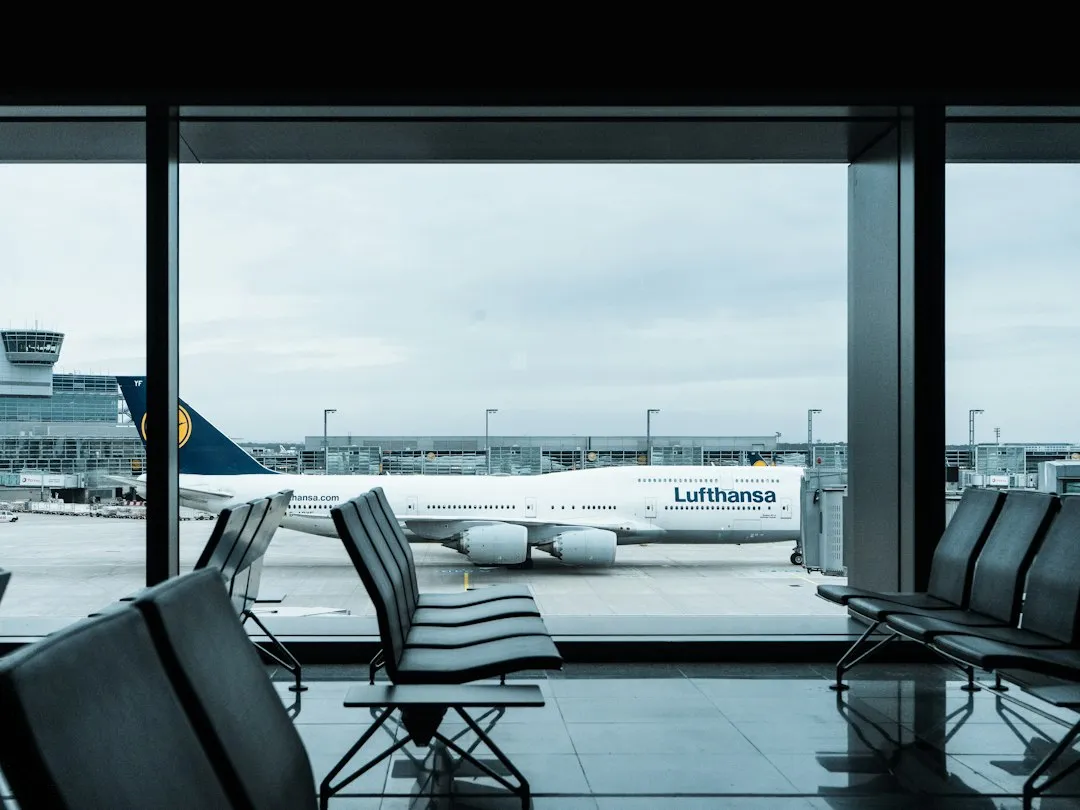
The way you ask matters as much as what you ask. When you arrive at the information desk, knowing what to say makes a real difference, and starting with a friendly greeting before clearly stating your request sets the right tone. Being specific about your flight, terminal, and timeline helps staff give you targeted advice rather than generic direction.
Keeping questions concise and to the point helps staff assist you more efficiently, and a little courtesy can lead to a smoother experience and faster resolutions. Airport staff handle a significant volume of passengers, particularly at busy hubs, and clarity on your end makes their job easier and your answer more useful. Travel experts consistently find that being “very nice, very friendly” with customer service representatives makes all the difference.
What to Have Ready Before You Approach the Desk
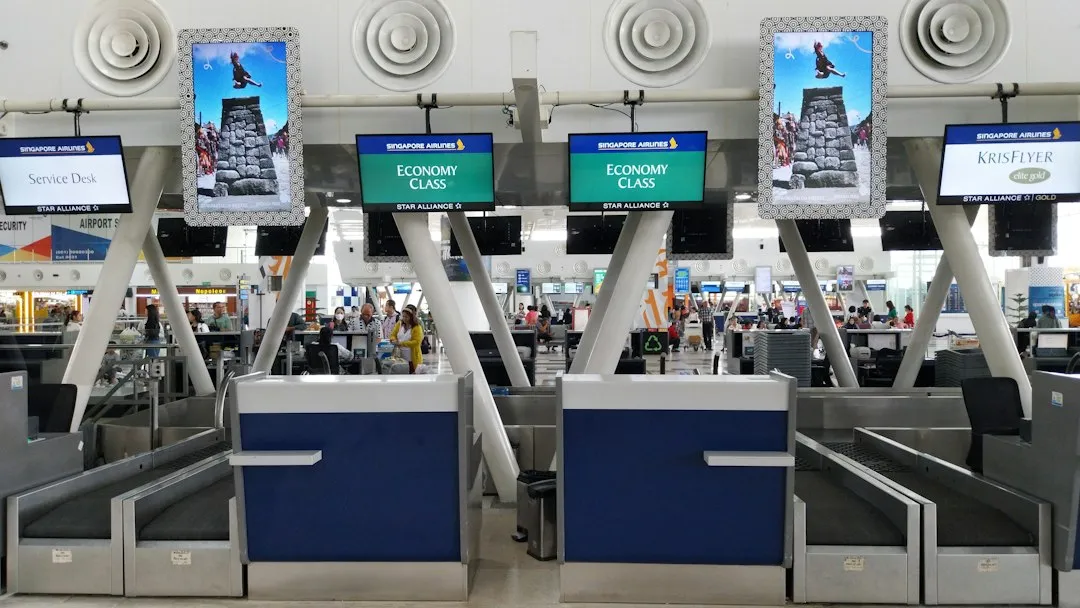
The interaction goes faster and yields more when you arrive prepared. Having your flight itinerary readily available, keeping your identification and travel documents accessible, and familiarizing yourself with the airport’s layout in advance all help you get better and faster assistance. Staff can cross-reference your booking details instantly if you have them on hand.
If you’re traveling internationally, it’s worth knowing your connecting flight number, departure terminal, and layover duration before you approach. According to the IATA Global Passenger Survey, 70% of passengers expect to reach their gate within 30 minutes when traveling with carry-on luggage, while 74% expect no more than a 45-minute process with checked baggage. If your timeline is tight, that’s the first thing to mention, and a good desk agent will prioritize accordingly.
The Takeaway
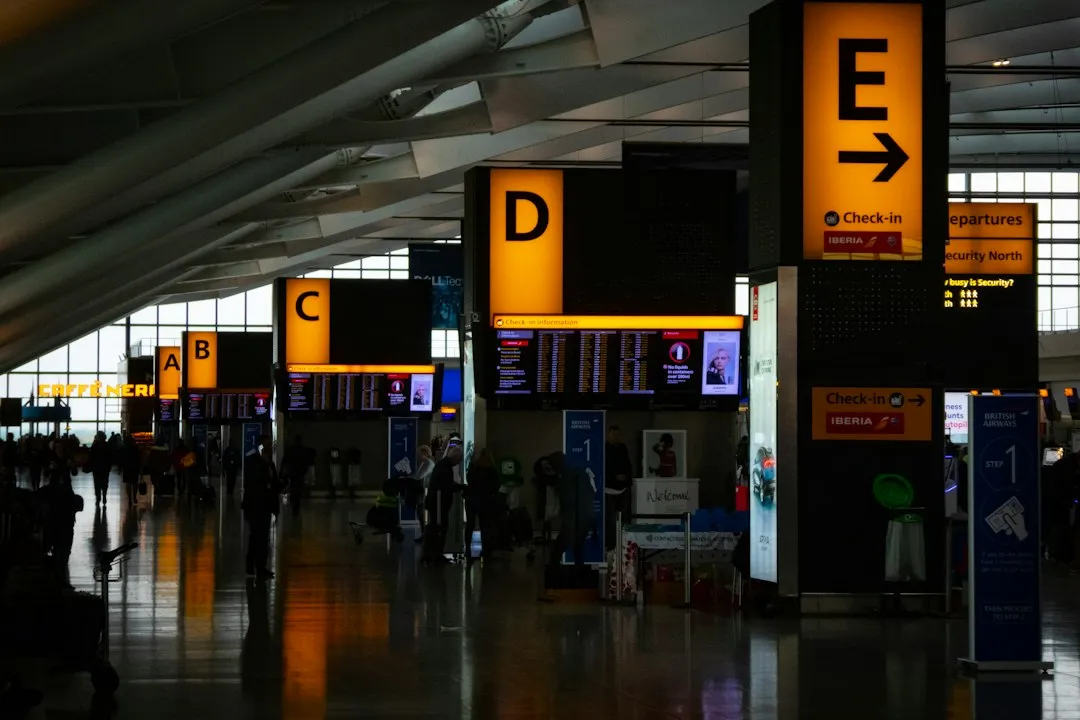
The airport information desk isn’t a relic of pre-smartphone travel. It’s one of the few places in a modern terminal where you can get a complete, real-time picture from someone who is physically present and operationally connected. Most travelers save it as a last resort. The ones who use it first tend to board with considerably less stress.
The question isn’t complicated. “Is there anything happening today that I should know about?” That’s it. What you do with the answer is what separates a smooth journey from an avoidable ordeal.
AI Disclaimer: This article was created with the assistance of AI tools and reviewed by a human editor.