

Every day, thousands of travelers move through airport terminals in various states of urgency, exhaustion, and distraction. Gates change, bags get repacked at security, and phones ring just as boarding starts. In that swirl of motion, things get left behind at a remarkable rate.
Lost and found departments at major airports around the world quietly manage a staggering volume of forgotten belongings each year. The items that pile up in those storage rooms tell a surprisingly consistent story about modern travel habits. Here is what airport staff across the industry have repeatedly pointed to as the most commonly left-behind items.
1. Electronics Top the List, With Phones Leading the Pack

Smartphones are consistently the single most reported lost item at airport lost and found counters worldwide. Travelers set them down at charging stations, leave them in seat pockets during boarding, or forget them on security conveyor belts in the rush to gather their belongings. Staff at major hubs like Heathrow, JFK, and Los Angeles International have all noted that electronics, particularly phones, make up a substantial share of daily intake.
Laptops, tablets, earbuds, and portable chargers follow closely. The security screening area is a particularly common place for these losses, since passengers often place devices in separate bins and then collect their shoes and bags first, walking away before they have grabbed their tech.
2. Clothing and Jackets Left at Security Lanes
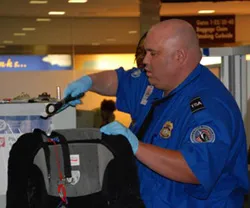
Jackets, scarves, and belts rank among the most frequently surrendered items at airport security checkpoints. Passengers remove layers quickly to speed through screening and then simply forget to retrieve them from the bins. Staff note that this happens most often during busy morning departure rushes, when the pressure to move fast is highest.
Hoodies and fleeces are especially common finds, partly because travelers wear them for warmth during early flights and then discard them mentally once through the checkpoint. Lost and found teams at several airports have noted that unclaimed clothing tends to fill storage bins faster than almost any other category of item.
3. Passports and Travel Documents
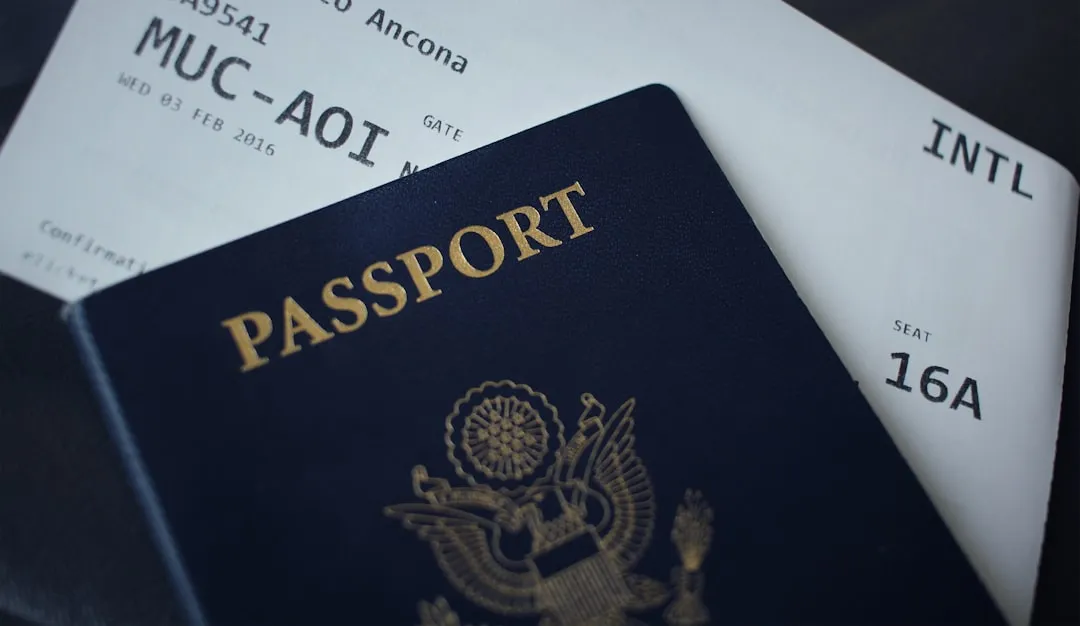
Few discoveries cause more stress for both staff and travelers than a found passport. Passports turn up regularly in seat pockets on planes, at check-in desks, and inside terminal restrooms. Airlines and airport authorities typically hold found passports with heightened care because the consequences for the traveler can be severe, including missed international flights and significant rebooking costs.
Travel documents such as boarding passes, itineraries, and hotel confirmations are also frequently found, though their importance has declined somewhat with mobile boarding passes. Still, printed travel folders, insurance documents, and foreign currency envelopes show up with notable regularity at information desks.
4. Headphones and Earbuds: The Silent Epidemic

Wireless earbuds have become one of the fastest-growing categories in airport lost and found departments over the past several years. Their small size makes them easy to misplace, and their cases are frequently left on armrests, tuck-in charging points, or café tables inside terminals. Staff at multiple large airports have described earbuds as one of those items that arrives in lost and found almost daily.
Over-ear headphones are also a steady presence in lost and found rooms, left in seat pockets or on terminal chairs. Because they are often used to block out terminal noise and then taken off when boarding begins, they are easily forgotten in the transition from waiting to moving.
5. Books, Magazines, and E-Readers

Physical books and magazines have long been a fixture in airport lost and found departments. Passengers pick up something to read before a flight, set it aside during boarding, and simply never pick it back up. Gate seating areas and departure lounges tend to be the primary source of these finds.
E-readers such as Kindles are also frequently reported lost, often left tucked into seat pockets or on café counters after a long layover. Their flat, lightweight profile makes them easy to overlook when gathering bags quickly at the gate.
6. Children’s Toys and Comfort Items

Stuffed animals, small toys, and children’s blankets regularly appear in airport lost and found offices, and staff have noted these recoveries are among the most emotionally charged. A forgotten stuffed bear can result in a very distressed child and a very distressed parent calling back hours after departure. Airline customer service teams and airport staff often make extra efforts to reunite families with these items quickly.
Lost and found teams tend to photograph and log children’s items with particular care, recognizing that the sentimental value far outweighs anything monetary. In some cases, airports have mailed items internationally to reunite them with young owners, reflecting the genuine human dimension of this often overlooked airport service.
7. Sunglasses and Eyeglasses

Eyeglasses and sunglasses show up in lost and found trays at airports with remarkable consistency. They are set down at check-in counters, forgotten on café tables, or slipped off during a nap in the terminal and never recollected. Prescription glasses are treated as a priority by most lost and found teams, since a traveler without them faces real practical difficulties.
Sunglasses are particularly common because many passengers remove them when entering the terminal and tuck them somewhere convenient, only to forget them entirely as boarding distractions take over. Some airport lost and found offices report entire trays filled with various pairs of glasses on any given busy travel day.
8. Luggage Left at Baggage Claim
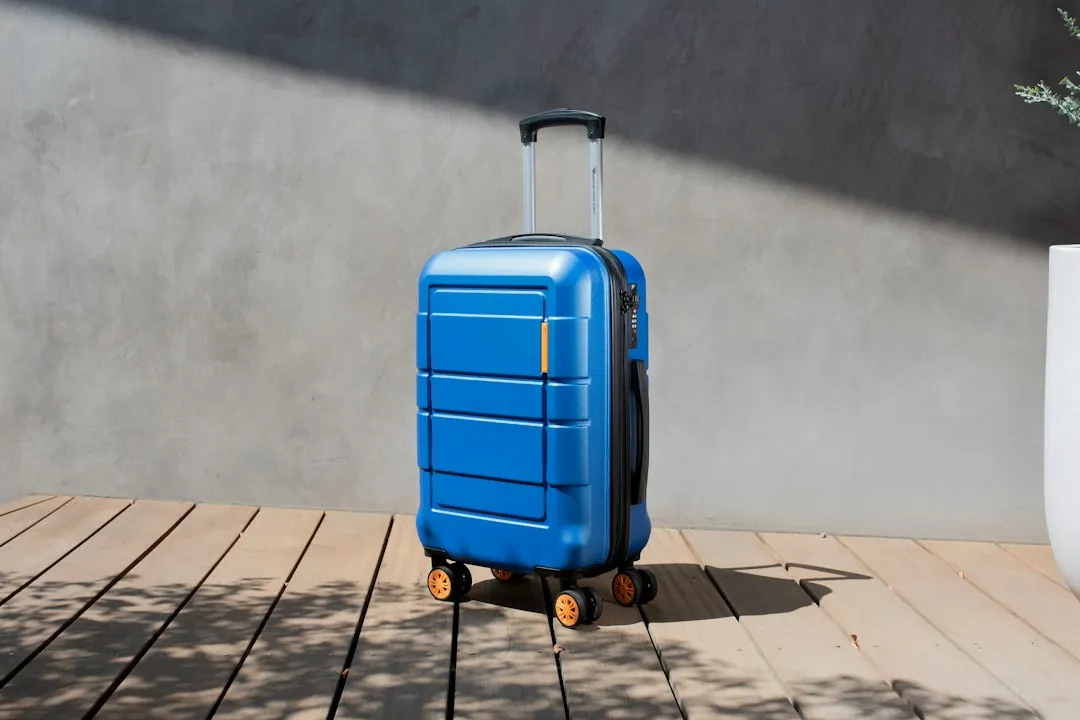
It might seem counterintuitive, but checked luggage itself is regularly left unclaimed at baggage carousels. This happens most often when passengers are collecting multiple bags, are distracted by a phone call or child, or simply assume a bag still circling the belt belongs to someone else. Bags that match very common designs, such as plain black roller suitcases, are especially prone to being overlooked or even accidentally taken by someone else.
Airport baggage services hold unclaimed bags for a set period before escalating them to a broader lost property system. Staff note that labeling luggage clearly, inside and out, dramatically improves the chance of a swift reunion with its owner.
9. Jewelry and Watches

Jewelry frequently ends up in airport lost and found trays because travelers remove rings, watches, and bracelets at security screening and then forget to put them back on in the rush of gathering their belongings. Watches left in the small plastic security bins are a particularly common find, since travelers focus on retrieving shoes and laptops first.
Higher-value items like rings and earrings are logged with particular attention to detail, and most airports have secure storage protocols for valuables. Reuniting someone with a wedding ring or a family heirloom is, by many staff accounts, one of the more rewarding parts of working in airport lost and found.
10. Water Bottles and Reusable Cups
Reusable water bottles have become one of the most consistently reported lost items at airports in recent years, reflecting how common they have become among travelers. They are left at gate seating, on café counters, and in terminal restrooms after being filled up post-security. Their ubiquity means that lost and found rooms often contain dozens of unclaimed bottles at any one time, many of them unmarked and indistinguishable from one another.
Insulated coffee cups and travel mugs follow a similar pattern, set down while a bag is adjusted or a boarding pass is scanned and then simply walked away from. Staff have noted that writing a name on a bottle significantly increases the chance of it being returned, yet the vast majority of bottles that arrive in lost and found carry no identifying information at all.
The Takeaway

What stands out when you look at these categories together is that almost none of these items are left behind carelessly. They are lost in moments of transition, when attention shifts from one task to another in a high-pressure, time-sensitive environment. Airports are designed for movement, and that very speed works against mindfulness.
The staff who work in lost and found departments serve a genuinely important function, quietly reuniting travelers with things that matter to them. A simple habit of pausing at each checkpoint to do a quick pocket-and-seat check can prevent most of these losses entirely. It takes about ten seconds, and it has saved countless travelers from a very stressful phone call mid-flight.
AI Disclaimer: This article was created with the assistance of AI tools and reviewed by a human editor.