
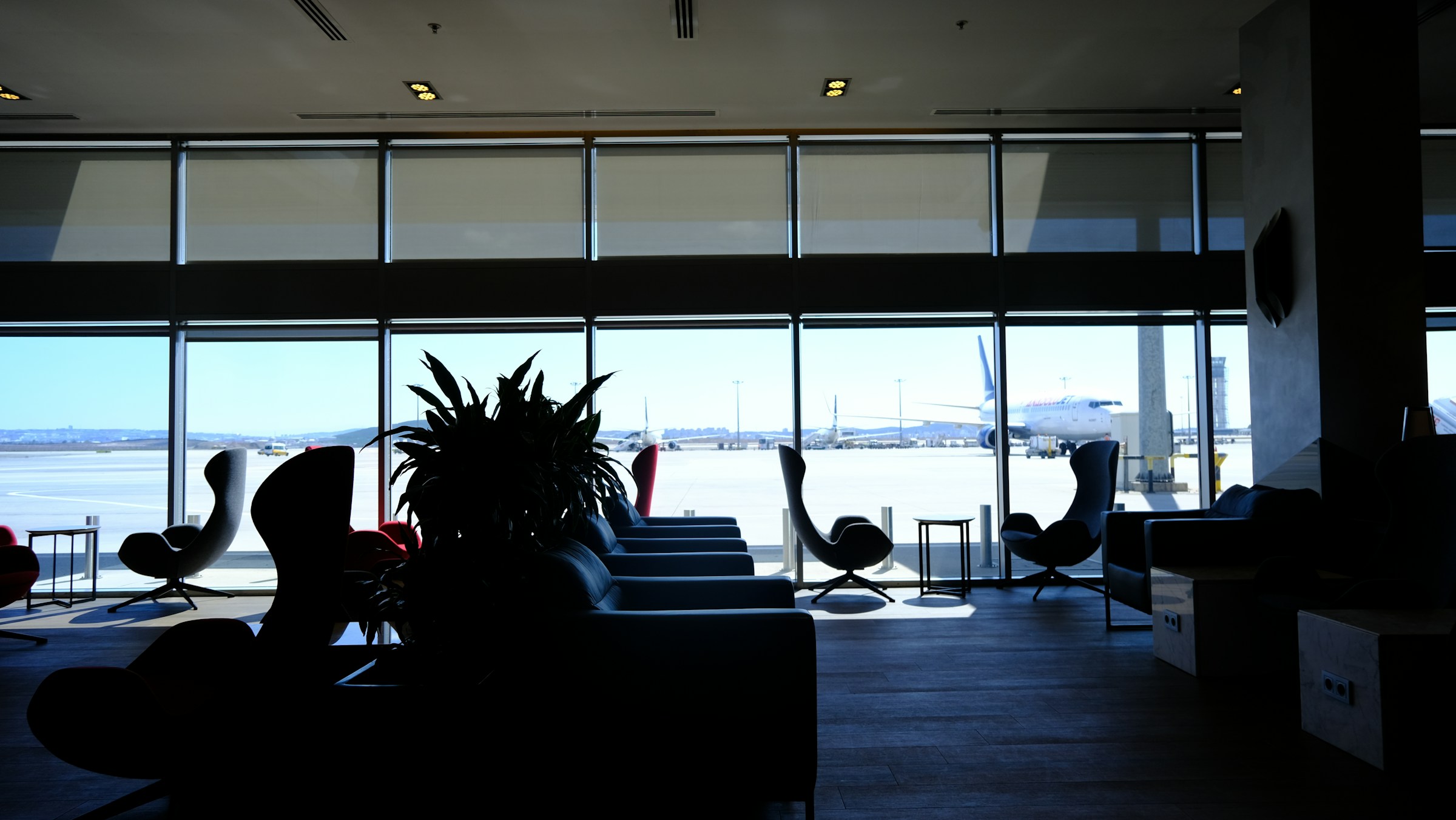

Your Credit Card May Already Be Your Key
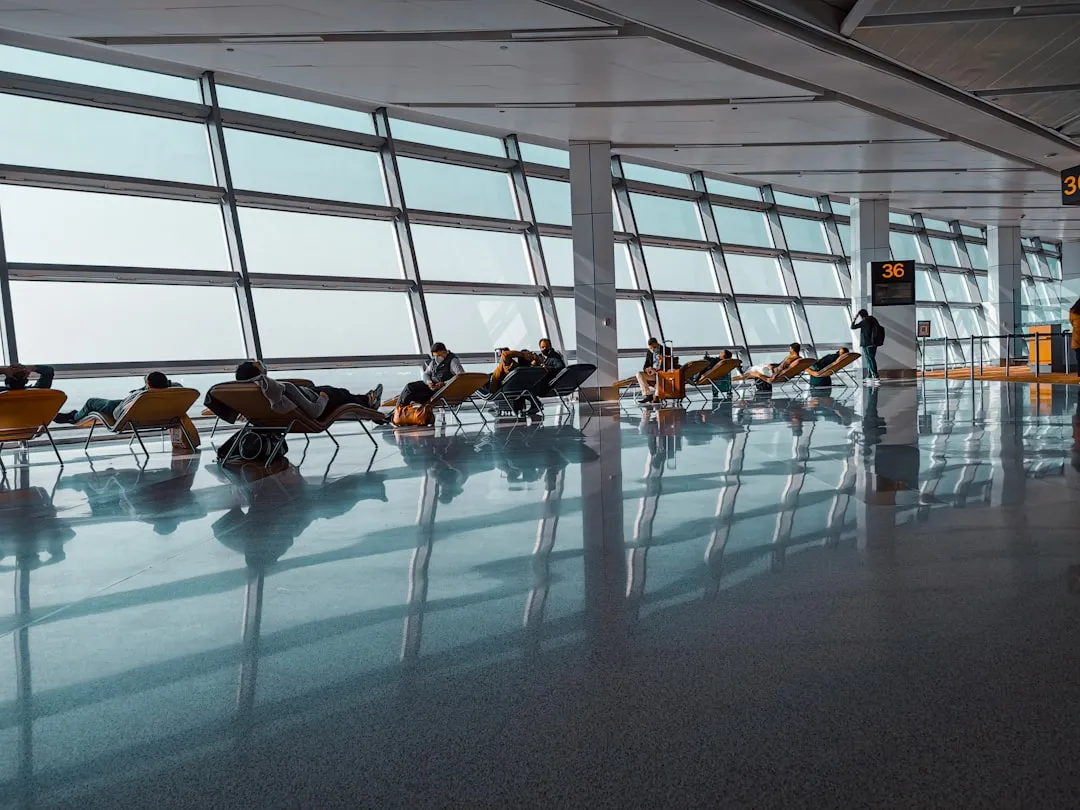
More than a third of airport lounge customers use credit card perks to gain access, according to a 2025 JD Power study. That figure actually exceeds the number of people entering through standalone memberships or elite frequent flyer status. That’s a striking ratio, and it suggests that credit card lounge access is far more mainstream than it looks from the outside.
The American Express Platinum Card, for example, gives access to over 1,550 airport lounge locations through its Global Lounge Collection, and cardholders can even bring guests to some lounges at no additional cost, subject to terms and limitations. The key step most people skip is simply activating or enrolling in the lounge benefit, which is often a separate step from having the card itself.
Many premium travel credit cards offer complimentary airport lounge access as a cardholder benefit, yet lounge staff regularly report that travelers arrive at the desk without knowing this perk exists on their card. Checking your card’s benefit portal before your next trip takes about three minutes and could save you a $50 walk-up day pass.
The Reciprocal Alliance Access That Almost Nobody Uses
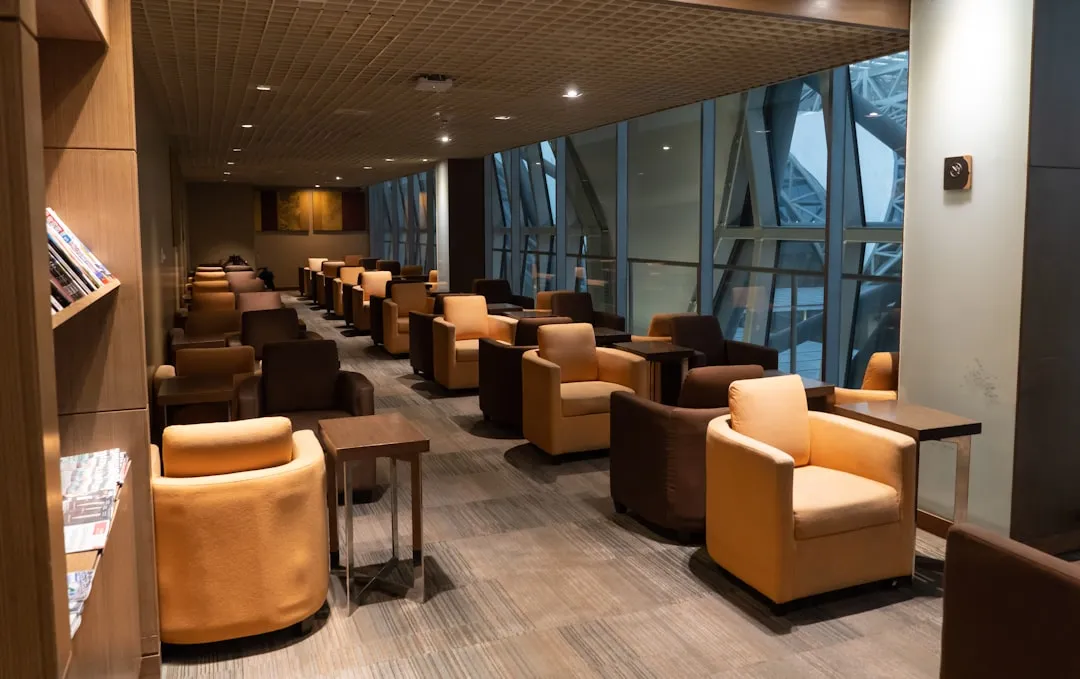
In an era where it feels like there are very few premium travel tricks remaining, reciprocal lounge access policies are only known by a small percentage of travelers. With the major alliances, you typically have quite a few options as to which lounge you can visit, assuming you’re in a premium cabin or have elite status and are flying from a major airport.
By holding status with one airline loyalty program, you can access another alliance member’s lounge when flying with an alliance carrier regardless of your travel class. For instance, if you hold United Premier Gold, you are considered Star Alliance Gold. So if you fly on EgyptAir from Istanbul to Cairo in economy, you can access the Turkish Airlines Business Class lounge due to your United status.
The real-world payoff is significant: at Bangkok’s main airport, the Thai Airways Lounge was packed, while the nearby Turkish Airlines Lounge had zero guests, and the EVA Air Lounge was also quiet. The trick isn’t secret, exactly. It’s just not well communicated, and most travelers simply don’t ask.
Pre-Booking Your Spot Actually Changes Everything
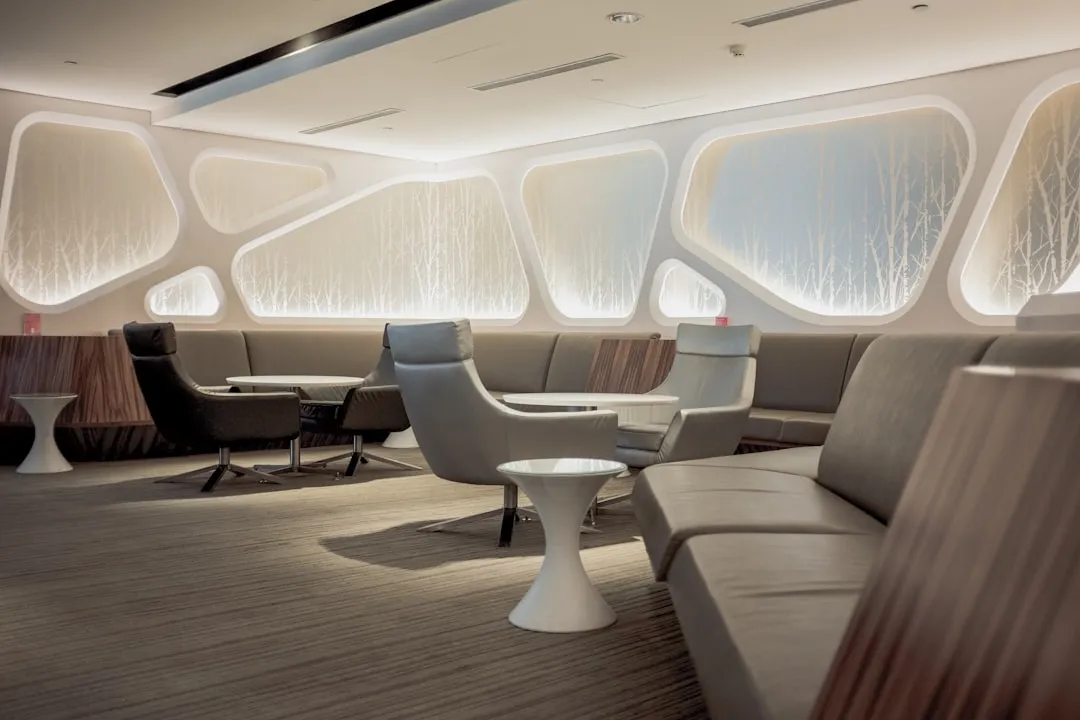
Priority Pass has over 1,600 locations worldwide, but crowding is a documented and growing issue, with visits rising 13% in 2025 compared to 2024. Experienced flyers book their lounge entry in advance, especially during peak travel periods when lounges routinely hit capacity and turn people away at the door.
Plaza Premium Lounges, Aspire Lounges, and The Club locations all offer advance booking on their websites, with costs typically running between $30 and $60 per person. If you have lounge access through a card or membership, pre-registering your visit still makes sense at busy hubs, since many lounges now maintain digital waitlists during peak hours.
This is one of the cleaner differences between seasoned travelers and occasional flyers. Showing up at the desk and hoping for a spot works sometimes. Booking ahead works almost always.
Day Passes Through Third-Party Apps Are a Real Option
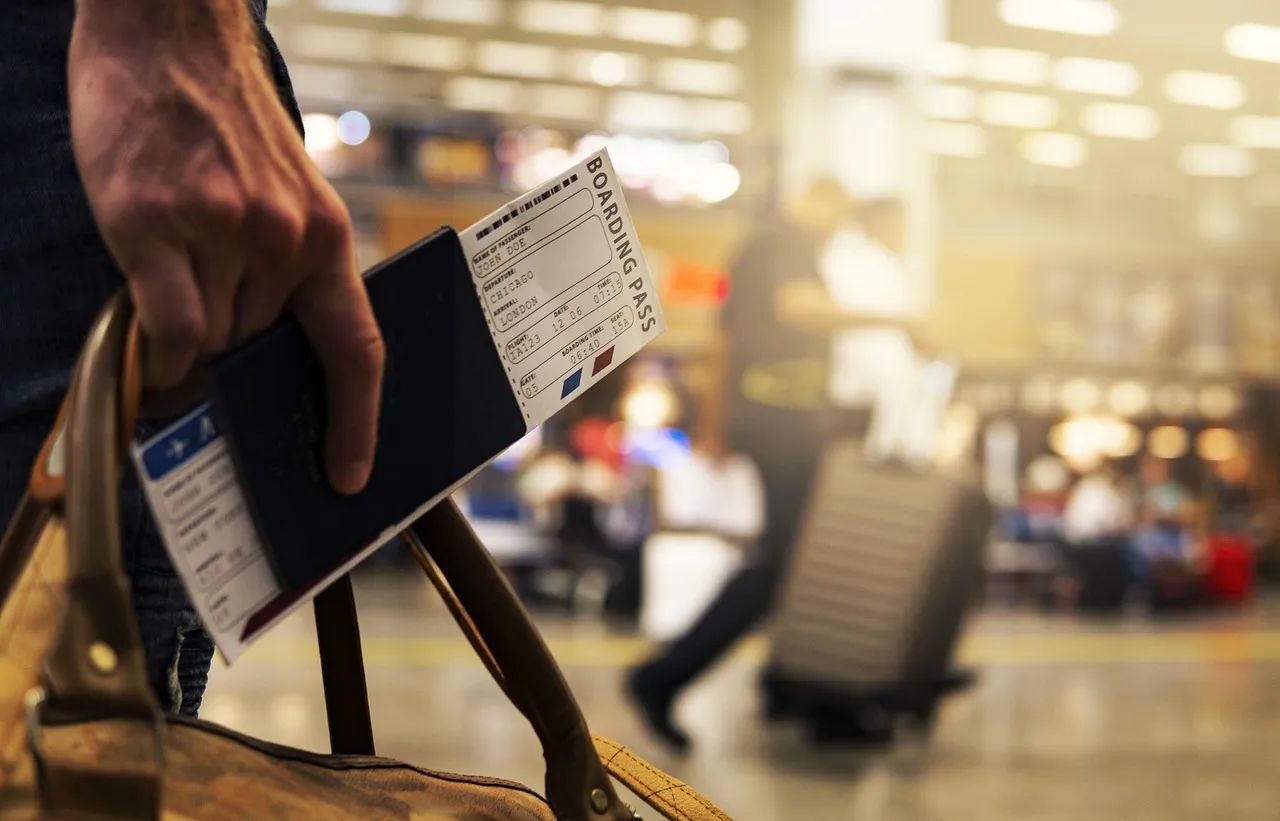
At airports like LAX Terminal 4, access to lounges is often available via day passes through apps like Lounge Buddy. This route isn’t glamorous, but it’s practical. Many travelers don’t realize that a quiet, well-stocked space with food and Wi-Fi is only a few taps away, even without any kind of loyalty membership.
The day pass model is particularly useful for infrequent flyers who don’t want to commit to an annual card or membership. You pay for the single visit, get the experience, and decide from there whether it’s worth pursuing a more permanent access route.
Prices fluctuate by airport and lounge, so comparison shopping across apps before you travel can make a meaningful difference to what you end up paying at the gate.
The 3-Hour Window Rule That Catches People Off Guard

In 2025 and 2026, airlines, lounge operators, and credit card issuers tightened lounge access to reduce overcrowding and protect service levels. Key changes include a widely adopted 3-hour access window before departure, Delta’s February 2025 policy counting all entries within 24 hours as a single visit, and United’s May 2025 restriction of one-time passes to three hours before flights.
This catches a lot of travelers by surprise, particularly those with long layovers who assumed they could settle in for four or five hours. The 3-hour standard is now common across major networks, so timing your arrival at the lounge desk matters more than it did even a year ago.
If you have a lengthy connection, it may actually be worth checking whether a second lounge in the terminal accepts your credentials, especially if alliance reciprocal access applies to your status tier.
Guest Fees Have Changed Dramatically in 2026
Capital One Lounges introduced a $45 adult and $25 child guest fee on February 1, 2026 for all guests of cardholders. This is the largest single-day lounge access policy change of 2026, effectively ending the “bring spouse and kid free” pattern that defined Capital One Lounge access through 2025.
American Express Platinum guests cost $50 each at Centurion Lounges unless the cardholder household spends $75,000 or more in a calendar year. These changes reflect a broader industry push to reduce overcrowding by pricing casual group visits differently from solo cardholder entry.
One viable workaround for families is the Ritz-Carlton Visa, which still gives each authorized user their own Priority Pass membership with two free guests. For families or frequent flyers, these options may be among the few remaining ways to enjoy airport lounges without added per-person fees.
Lounge Access Through Airline Status Works Across Airlines
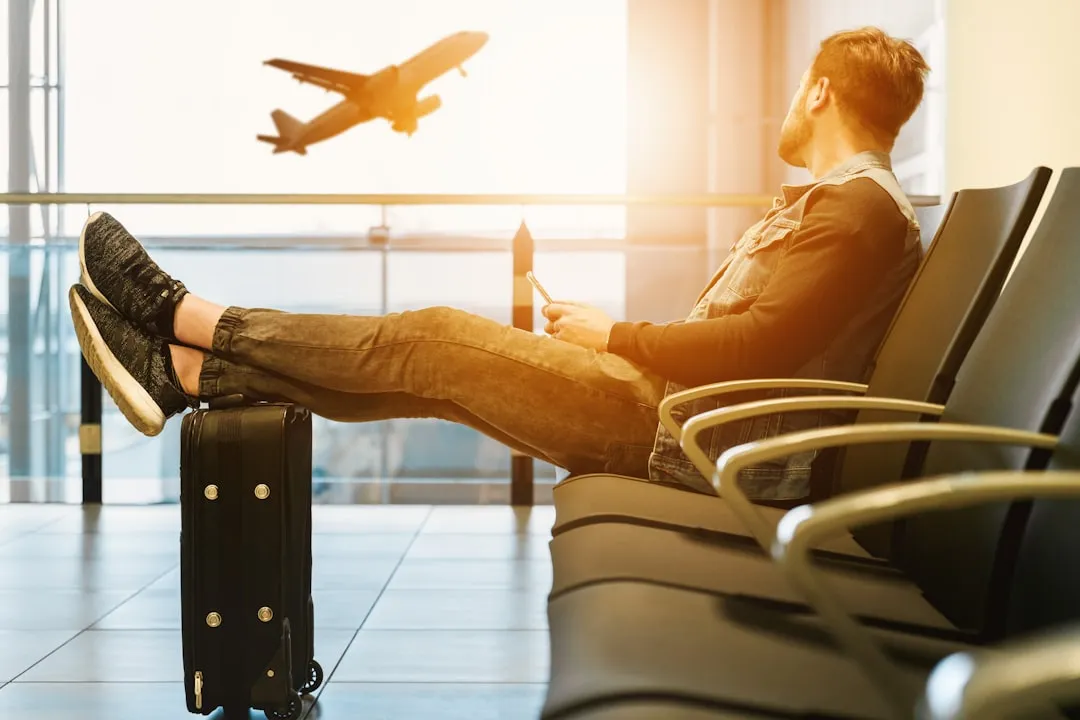
One of the great things about the three global airline alliances is that they offer reciprocal lounge access. As a general rule, you can expect lounge access with Star Alliance if you have Star Alliance Gold elite status or if you’re traveling in first or business class.
If you have American Airlines AAdvantage Platinum, Platinum Pro, or Executive Platinum, you can get complimentary airport lounge access for you and one guest. The status you’ve built with one airline doesn’t lock you into that airline’s lounge network alone. That’s a meaningful point that gets lost in most conversations about loyalty programs.
SkyTeam Elite Plus members receive lounge access on account of their status when traveling internationally, valid regardless of travel class throughout their same-day journey, though access is provided only at departure and transfer airports, not on arrival. Understanding these fine-print conditions keeps you from being caught off guard at the desk.
Some Branded Lounges Are Quieter Than the Popular Ones
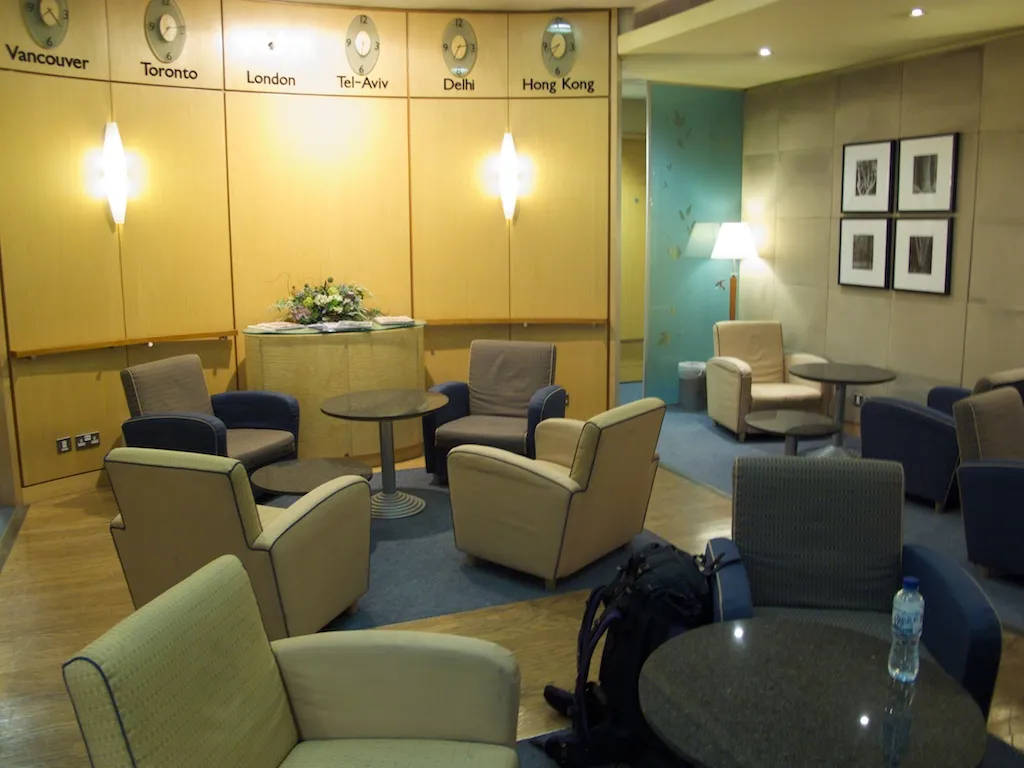
Priority Pass lounges bear the brunt of overcrowding because the program is embedded in the most widely held premium travel cards. Partner lounges, which are third-party spaces that accept Priority Pass, are independently operated and have every right to turn away card-based members when at capacity. Many do.
Internationally, especially in Europe, the Middle East, and Asia, Priority Pass partner lounges tend to be better quality, less crowded, and more reliably accessible. If domestic lounge access is important, proprietary card networks like Chase Sapphire Lounges, Capital One, and Centurion are generally more reliable than Priority Pass at US airports.
The practical upshot is that walking a few extra gates to a less prominent alliance lounge can mean the difference between a full, noisy room and a quiet seat next to a window. Not many travelers bother to explore, but the ones who do consistently find better experiences.
Lounge Visit Caps Require Active Tracking
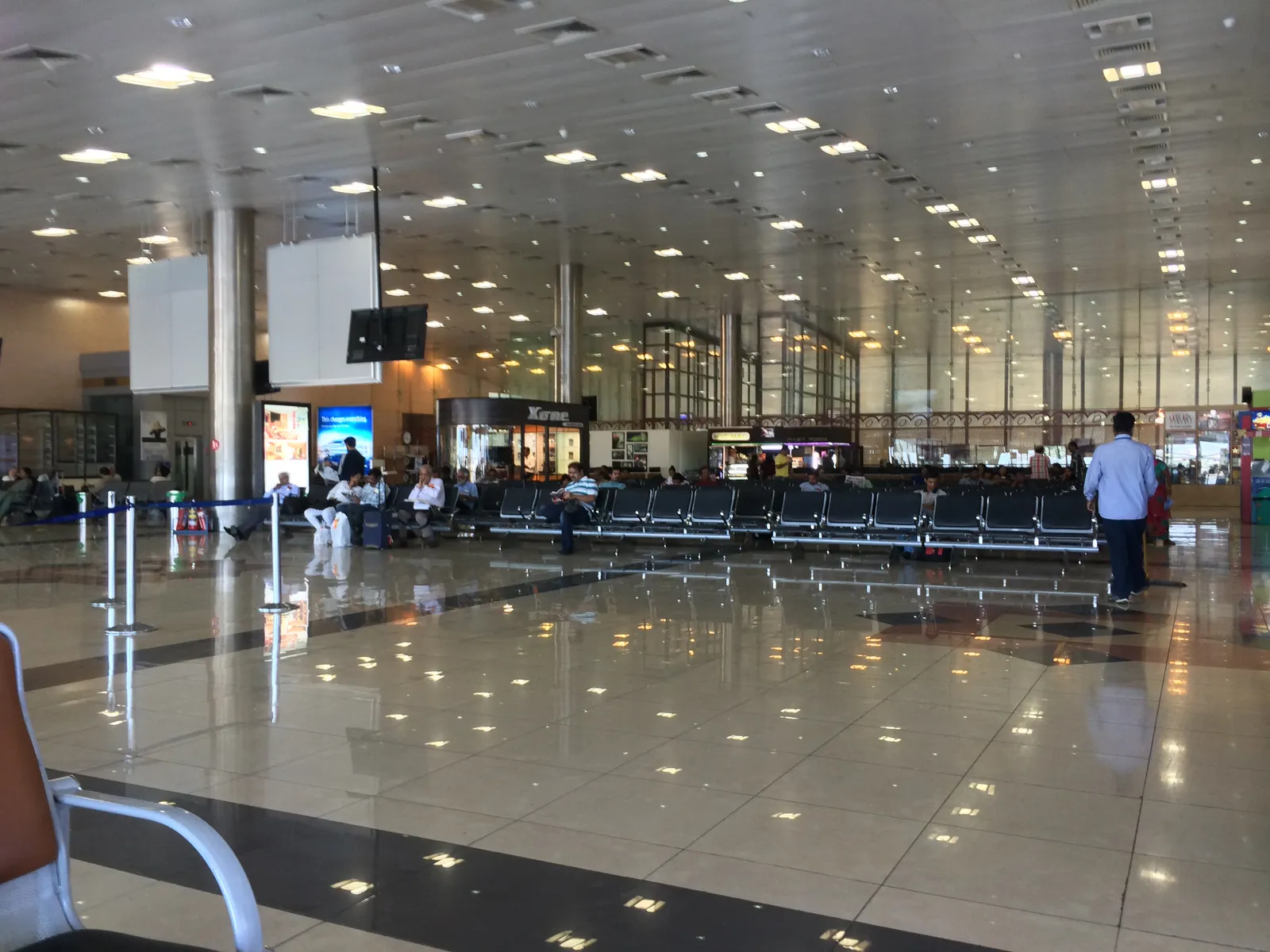
If your card includes a limited number of annual lounge visits, Delta Sky Club for example caps most cardholders at 10 to 15 visits per year, you should track your usage carefully so you don’t burn through them early and find yourself without access during holiday travel season.
Effective from February 2025, Delta SkyMiles Reserve American Express Card holders are limited to a maximum of 15 complimentary visits per year. To gain unlimited access, they need to charge at least $75,000 to their card within the previous calendar year. That threshold is out of reach for most people, which makes visit tracking genuinely important.
Some cards provide a visit counter in their app; others require you to track manually. Either way, knowing your remaining visits before a major travel period is a small habit with a large payoff.
The Lounge Industry Is Contracting Even as Demand Grows
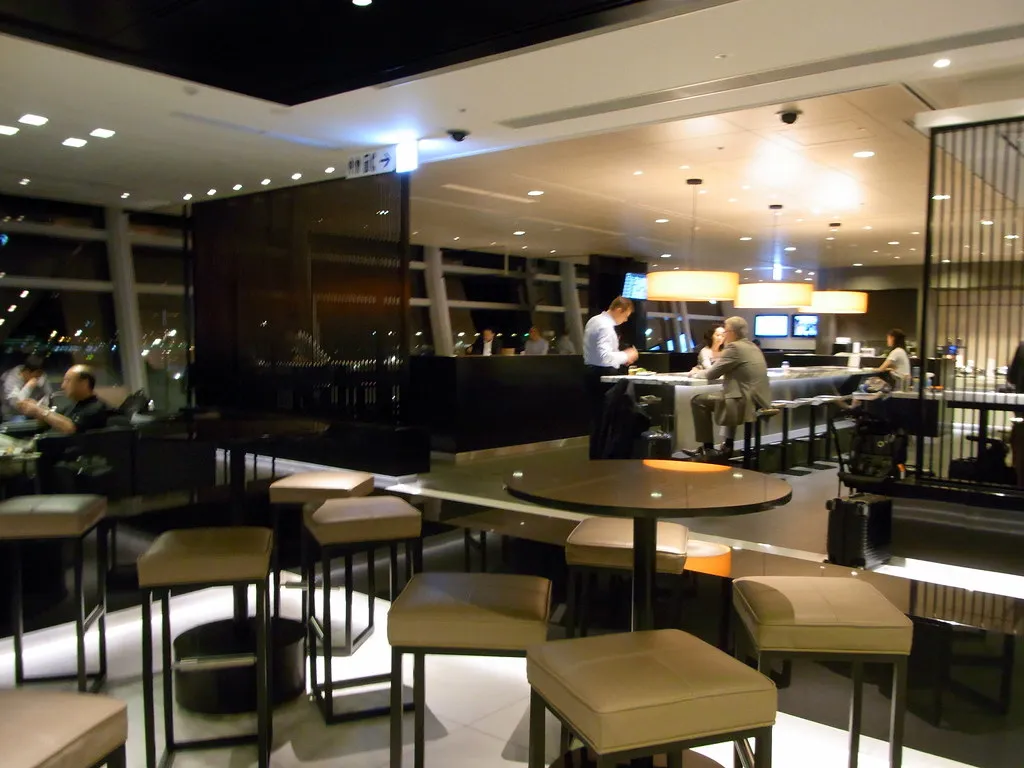
The increase in global airport lounge visits in 2024, which was 31%, outpaced growth in air traffic overall, which came in at 10.4% compared to the previous year. That gap between demand and supply is the defining tension shaping everything about lounge access right now.
At the same time, 27 US Priority Pass lounges were removed in Q1 2025 alone. More users, fewer locations. The combination of surging membership and shrinking supply is what’s pushing operators toward stricter capacity controls, shorter entry windows, and higher guest fees across the board.
Airport lounge access is set to get harder in 2026, thanks to industry changes aimed at limiting capacity to provide a more exclusive experience. Post-pandemic travel has seen an explosion in the global popularity of airport lounges, with the worldwide industry expected to be worth $16 billion by 2030. For travelers, this means the strategies that worked two or three years ago may no longer be reliable. Staying informed is no longer optional if lounge access is genuinely important to your travel experience.
The Takeaway
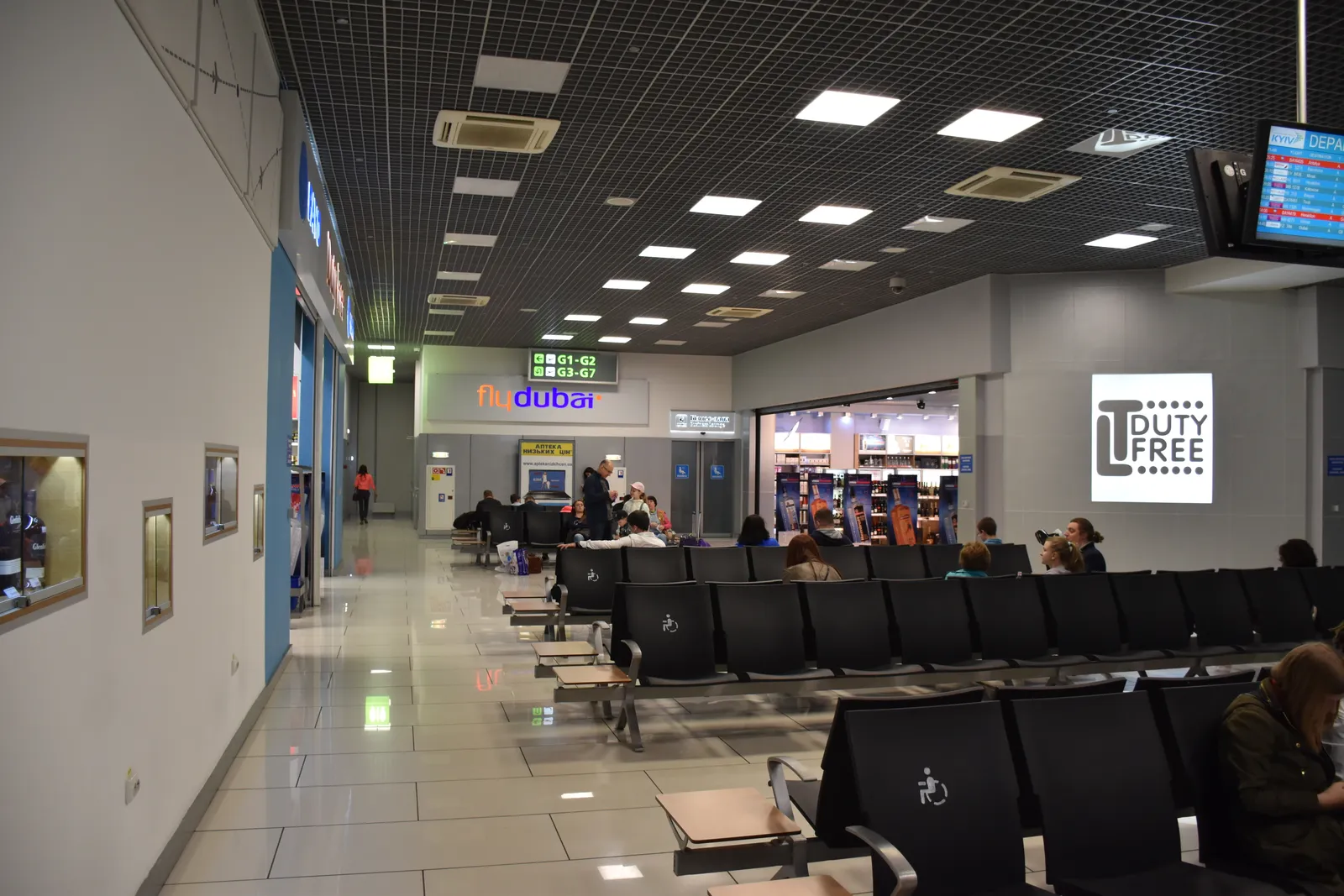
None of what lounge staff quietly know is locked away behind an NDA. It’s publicly available, spread across card benefit guides, alliance policy pages, and booking platforms. The gap between those who benefit and those who don’t is almost entirely about knowing where to look and taking fifteen minutes before a trip to actually check.
The access landscape tightened considerably through 2025 and into 2026. Guest fees have risen, visit caps have tightened, and popular lounges turn away cardholders during peak hours with increasing frequency. The travelers who navigate this best aren’t necessarily the ones with the most expensive cards. They’re the ones who read the fine print, book ahead, and understand that a quieter alliance lounge two gates away might be the better room all along.
AI Disclaimer: This article was created with the assistance of AI tools and reviewed by a human editor.