


Gastrointestinal Complaints: The Clear Number One

Ask any airport clinic nurse what fills their waiting room, and the answer is almost always some variation of a stomach complaint. Of nearly 12,000 patients seen at one major international airport clinic, the most common medical complaint was gastrointestinal, accounting for roughly one in eight patients overall.
Traveler’s diarrhea is the most common travel-related disorder and is generally a self-limiting, mild illness. Still, it can arrive at the worst possible moment, right before a connecting flight or during a long layover with no easy access to rest. Studies reveal that traveler’s diarrhea impacts somewhere between 30 and 70 percent of travelers worldwide.
In one CDC-linked study of 400 travelers, the most common type of health problem was diarrhea, affecting more than half of all participants. Oral rehydration and rest are the first lines of response, but when symptoms are severe, clinic staff often need to intervene quickly to prevent dangerous dehydration before the next flight.
Soft Tissue Injuries and Slips in Transit

Airports are obstacle courses that passengers navigate while distracted, hurried, and often dragging heavy luggage. The most common trauma seen at airport clinics is soft tissue injury, accounting for nearly three percent of all cases in major published studies. Twisted ankles from escalators, bruised knees from overhead bins, and scraped palms from rushed falls on slick terminal floors are all familiar to clinic staff.
Among thousands of patients seen at one airport clinic, just over nine percent presented with trauma-related complaints. That is a meaningful proportion, given that the airport environment creates physical hazards that would not exist in most everyday settings. Overstuffed carry-ons, unfamiliar flooring surfaces, and the general rush of travel all contribute.
Neurological Events: Syncope and Dizziness
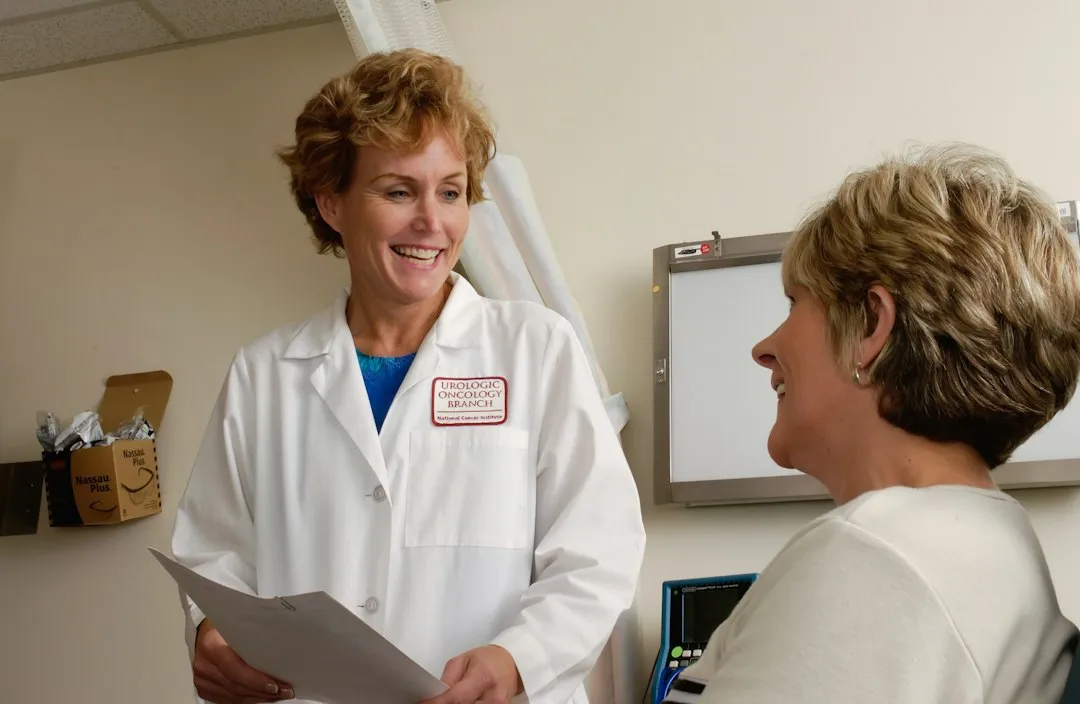
At Taoyuan International Airport in Taiwan, the most frequent emergency medical events were related to neurological and gastrointestinal symptoms, or trauma. Syncope, the medical term for fainting, is one of the most commonly treated neurological presentations at airport clinics. It tends to affect people who have been standing in long queues, skipped meals, or are dehydrated after a long flight.
Elderly travelers in particular are more prone to syncope because of prolonged sitting with blood pooling in the legs, combined with dehydration and sometimes alcohol consumption, which can lead to postural hypotension. Clinic staff typically treat these patients with fluids and rest, monitoring them carefully before clearing them to continue their journey.
Respiratory Infections Spread Through Shared Air

Terminals pack thousands of people into enclosed spaces with recirculated air, and that environment is a reliable incubator for respiratory illness. It is more common for people to get sick at airports due to the increased time spent in close proximity to others, and viral illnesses like influenza have a greater likelihood of spreading in this environment.
Upper respiratory infections are among the most common and potentially self-treatable conditions that travelers encounter. Airport clinic staff regularly see passengers boarding with sore throats, or arriving off long-haul flights with a full-blown cold they picked up mid-journey. Treatment options are limited in a terminal setting, but symptom management and assessment for anything more serious are the priorities.
Cardiovascular Concerns: Chest Pain and Irregular Heartbeat

Among the most common presentations requiring transport from one major airport were chest pain, syncope, and cardiac arrest, with chest pain accounting for the highest proportion of cases requiring emergency transport. These presentations demand the fastest possible response, and well-equipped airport clinics maintain defibrillators and trained staff precisely for this reason.
The combination of altitude pressure changes, stress, poor diet during transit, and pre-existing conditions creates a real, if relatively rare, cardiac risk environment. Medical events in airports can be as various and critical as those seen in emergency departments, and providing medical services with an experienced, aviation medicine-trained team and adequate equipment is considered essential.
Deep Vein Thrombosis: The “Economy Class” Problem

Long-haul passengers who step off a flight with a swollen, aching leg are among the more serious cases airport clinics receive. Five prospective studies assessing DVT incidence after travel longer than eight hours among travelers at low to intermediate risk found an overall venous thromboembolism incidence of around half a percent. While that sounds small, the absolute numbers add up fast given global air travel volumes.
Most travel-associated venous thromboembolism occurs in travelers with preexisting risk factors, and the combination of air travel with those individual risk factors may synergistically increase risk. Clinic staff assess these patients for signs of clotting and refer serious cases to hospital immediately, since an undetected clot that travels to the lungs can become life-threatening within hours.
Dehydration: Invisible but Widespread

The cabin environment strips moisture from the body with quiet efficiency. Airplane cabins are pressurized to humidity levels far below what the human body is used to, and many passengers compound this by consuming coffee or alcohol on board and eating salty snack foods. Cases of dehydration, alongside allergic reactions and more serious cardiac events, are among the conditions that make airport medical clinics essential infrastructure.
Dehydration often presents as a headache, fatigue, or mild confusion, symptoms that passengers sometimes dismiss as simple jet lag. Clinic staff are trained to distinguish between the two. Intravenous fluids are sometimes administered on-site for travelers too unwell to rehydrate on their own before the next leg of travel.
Jet Lag and Sleep Disruption

Jet lag is not a glamorous diagnosis, but it does bring travelers into airport and travel clinics. Travelers are generally encouraged to manage common ailments such as traveler’s diarrhea, jet lag, and motion sickness with detailed instructions and, where needed, appropriate prescriptions. When the disruption is severe enough to cause disorientation, nausea, or dangerously impaired function, medical support becomes necessary.
Long-haul routes crossing many time zones in a short period are the most common culprits. Transatlantic and transpacific travelers arriving at hub airports can present with symptoms that are disorienting enough to worry fellow passengers. Clinic staff usually provide guidance on light exposure, hydration, and short-acting sleep aids when safe and appropriate.
Allergic Reactions Mid-Journey

Airports concentrate both food variety and airborne irritants in ways that can trigger reactions in sensitized travelers. In-flight meals, new environments, insect bites in transit countries, and unfamiliar cleaning products all contribute to the allergy caseload airport clinics handle regularly. Some reactions are mild. Others are not.
Allergic reactions are specifically cited among the conditions that underline the importance of having on-site airport medical facilities. Staff at well-resourced airport clinics maintain epinephrine and antihistamines as standard supplies, given that anaphylaxis can develop quickly and requires immediate treatment that cannot always wait for an ambulance to arrive from outside the terminal.
Anxiety, Panic Attacks, and Fear of Flying

Fear of flying is far more common than many travelers admit. When anxiety reaches clinical levels, the physical symptoms, including racing heart, hyperventilation, chest tightness, and dizziness, can be nearly indistinguishable from more serious medical events. Airport clinic staff are practiced at recognizing the difference, though each case still requires a careful assessment.
Psychological presentations including psychiatric panic and hyperventilation are documented among the in-flight and airport medical cases that require outreach services. The crowded, noisy, time-pressured atmosphere of a major terminal is not a calming environment for people who already struggle with anxiety. Clinics offer a quiet space, assessment, and where necessary, short-term medication to allow a passenger to travel safely.
A Final Note on What This Means for Travelers

The conditions airport clinic staff treat most often are not exotic or unpredictable. They are largely the natural consequences of how flying works: long periods of immobility, dry air, disrupted sleep, unusual food, stress, and crowds. Most are preventable, or at least manageable, with the right preparation before departure.
Visiting a travel clinic before departure decreases the chances of developing serious illnesses when traveling abroad. Knowing your own risk factors, staying hydrated, moving regularly on long flights, and packing basic medications all make a genuine difference. Airport clinics exist for when things go wrong. The best travel health story is the one that never needs their help.
AI Disclaimer: This article was created with the assistance of AI tools and reviewed by a human editor.