
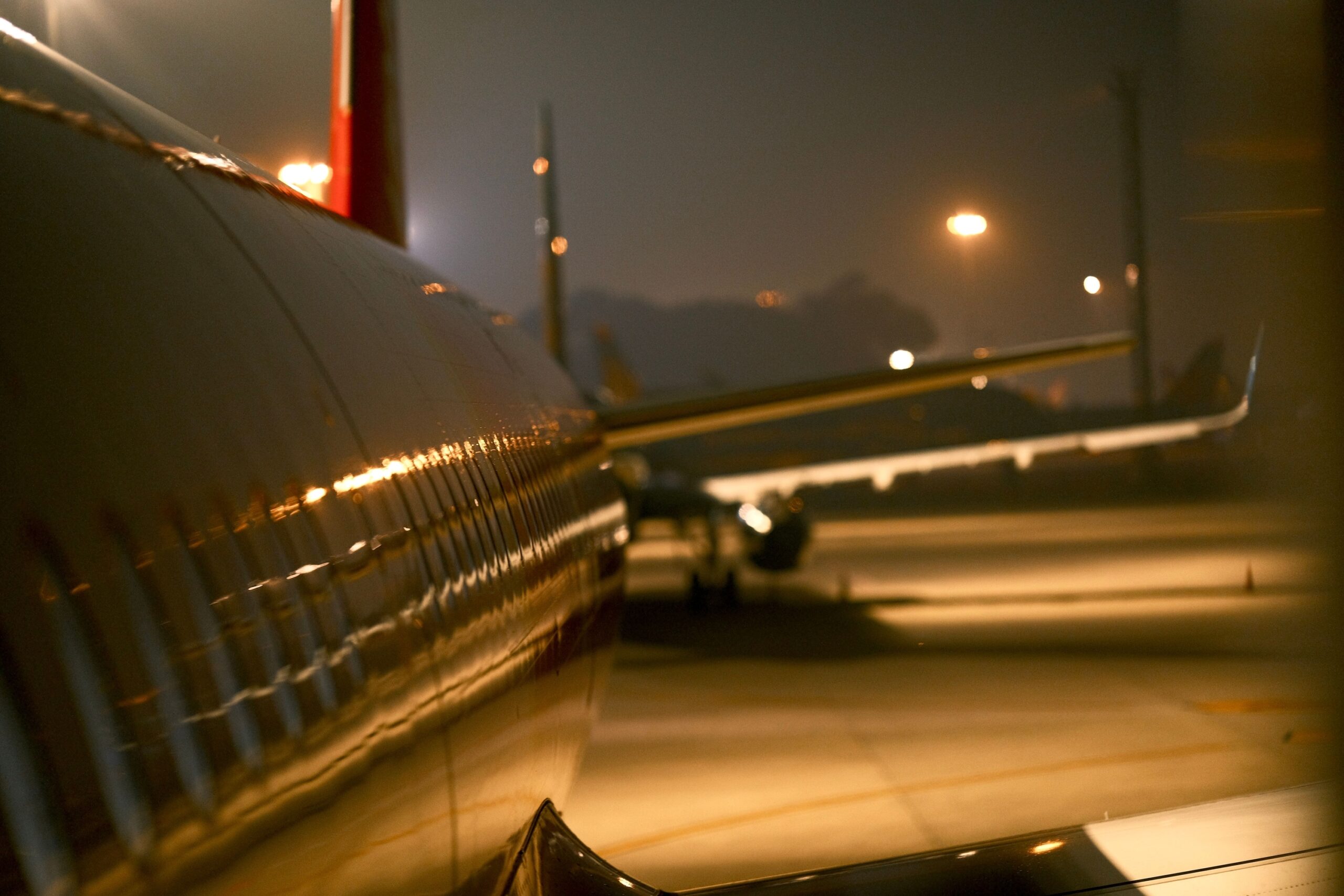

Most travelers know airports as busy, noisy places flooded with daylight and announcements. What fewer people ever see is what those same terminals look like at 1 a.m., when the last gate has closed and the concourses stretch out almost completely quiet. The transformation is dramatic, and it’s made possible by thousands of workers who clock in precisely when everyone else goes home.
The overnight airport is not simply a building on standby. It’s an operational machine running at full speed under the cover of darkness, with tight schedules, coordinated teams, and a deadline that never moves: the first departure of the morning. Here’s what actually unfolds in those hours.
The Last Flight Lands, and the Real Work Begins
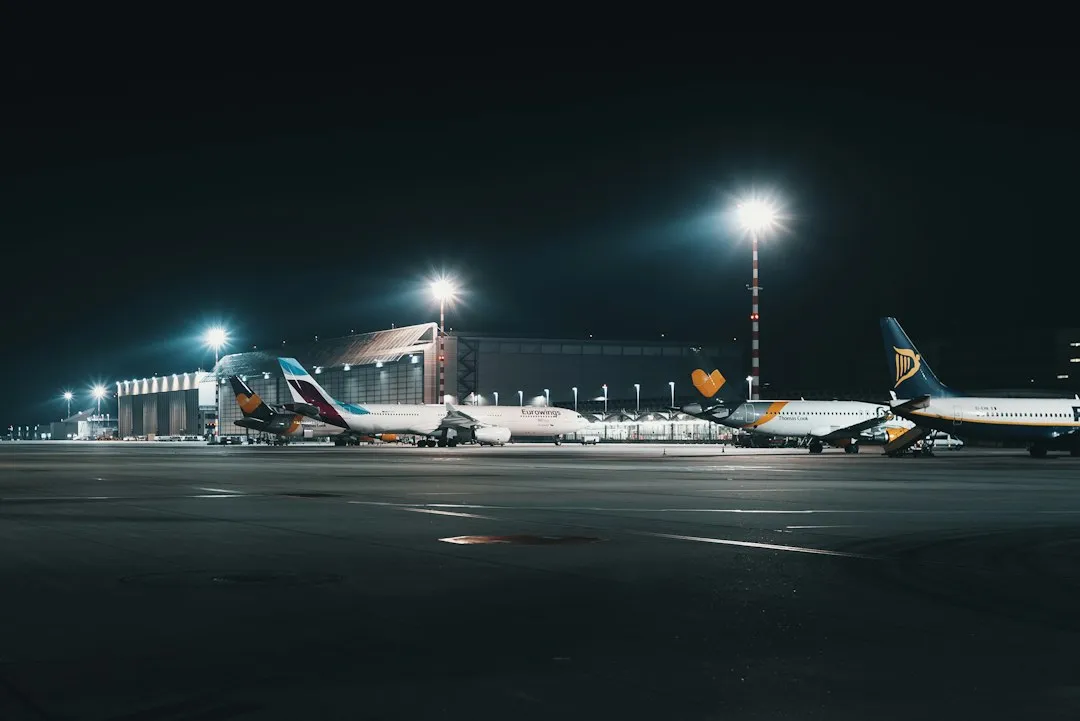
Airlines perform the bulk of their scheduled maintenance after the last flights land for the evening, which means a large portion of the maintenance workforce operates between roughly 10:00 PM and 6:00 AM. It’s a window that feels quiet from the outside but is anything but on the inside.
A peek behind the scenes of United Airlines’ nighttime operations at Denver International Airport demonstrates the complexity involved. Denver, one of the airline’s major hubs, handles hundreds of flights daily, and night shifts are considered crucial for successful operations. The moment the last passenger disappears through the exit, the airport essentially shifts into a different mode entirely.
Aircraft Mechanics Take Over the Tarmac
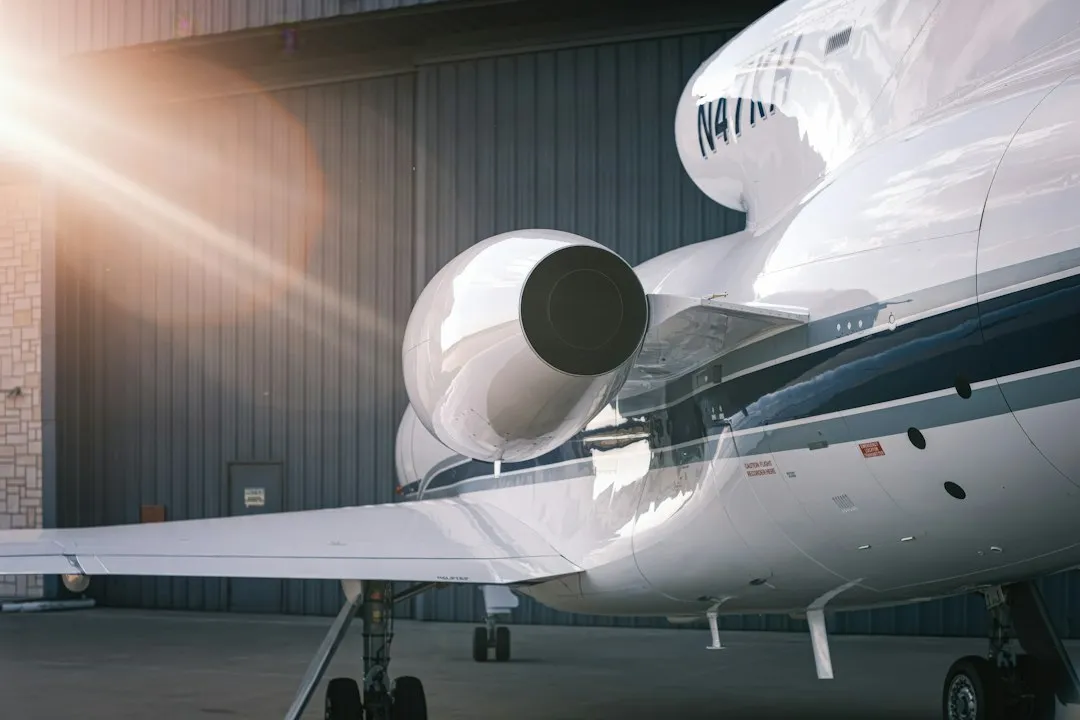
Airlines operate around the clock, 365 days a year. Most heavy maintenance happens overnight when aircraft are grounded, so new hires at airlines can typically expect to start on night or weekend shifts. These are the workers who ensure every aircraft parked on the apron is safe and airworthy before it carries passengers again at dawn.
Most maintenance must happen during compressed overnight windows. A major terminal system repair that would take eight hours in a factory must be completed in the four-hour gap between the last arrival and the first departure. That kind of pressure requires precision, communication, and experience. There is simply no room to fall behind.
The Maintenance Window Is Worth More Than Most People Realize
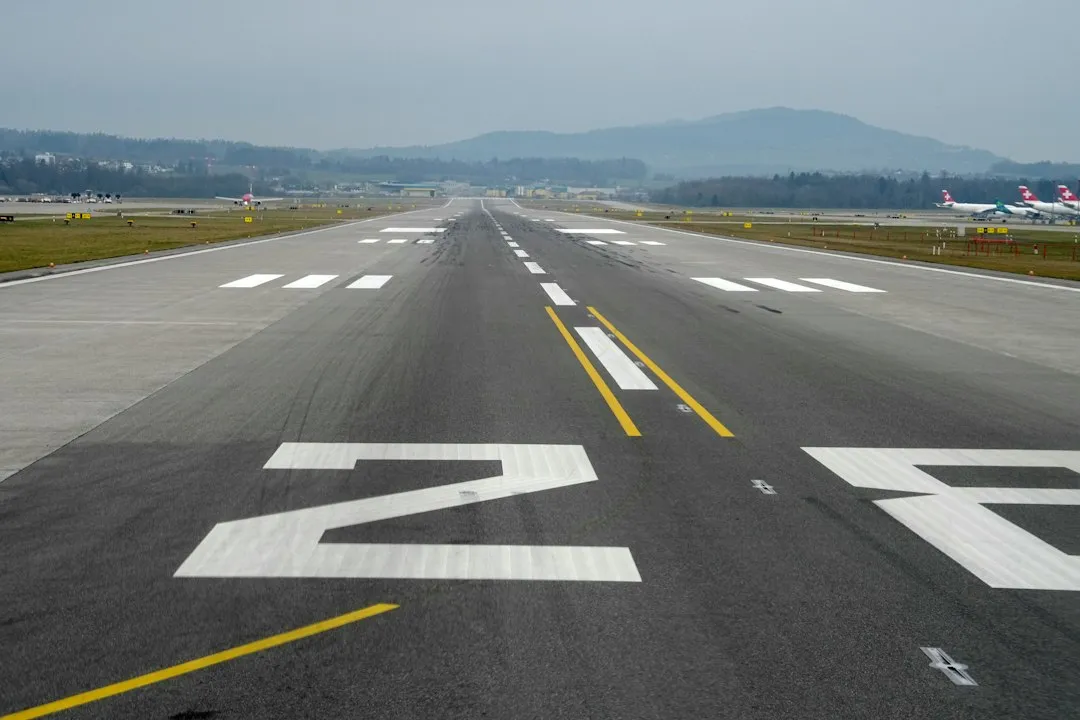
The overnight maintenance window is the specific period, usually between 11:00 PM and 5:00 AM, when air traffic drops to its lowest level, allowing maintenance crews to perform major work. Major runway, taxiway, and gate repairs must fit inside a roughly four-hour overnight gap rather than a standard eight-hour shift, meaning every minute must be meticulously planned to prevent disruptions to morning departures.
A mid-sized airport managing 150 daily departures loses approximately $450,000 in operational efficiency annually when overnight maintenance windows are mismanaged. That number puts into perspective just how consequential those quiet nighttime hours really are. One delayed contractor arrival or one poorly sequenced repair task can ripple into morning delays affecting thousands of passengers.
Runways Get Repaired, Inspected, and Tested
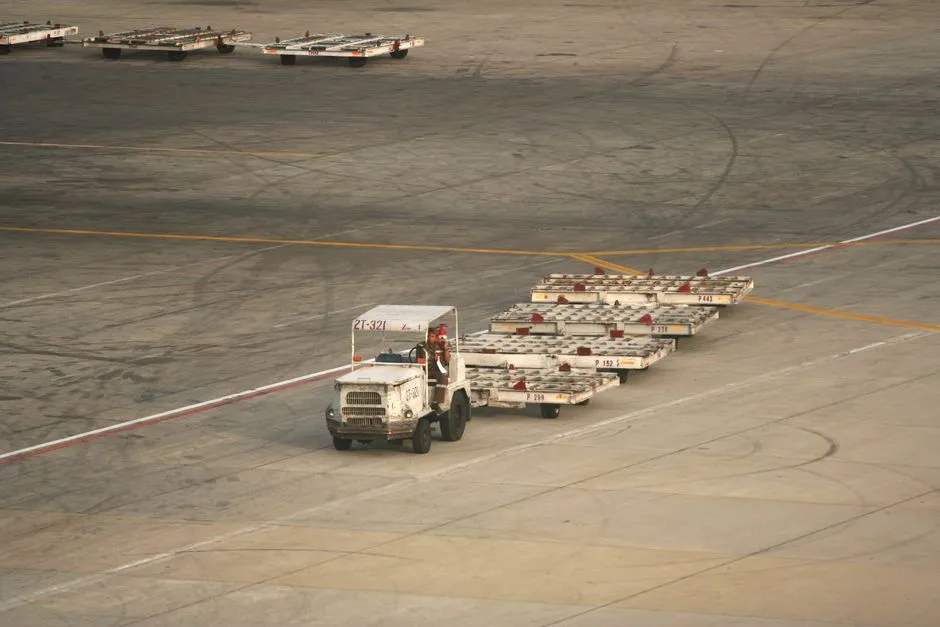
At night, airports may close one runway for maintenance, lighting checks, snow removal, or inspection work. These are tasks that simply cannot happen during peak travel hours when aircraft are constantly moving. Night crews inspect runway lighting systems, check pavement integrity, and test instrument landing equipment in ways that require the surface to be completely clear.
Night operations are also when airports do the work they cannot do during the day. Runways, lighting, signage, and pavement all need maintenance, and that work often competes with the last wave of arrivals and the first wave of departures. Coordinating those competing demands is one of the genuine skills of airport operations management, and it rarely gets any credit.
Cleaning Crews Descend on the Terminal
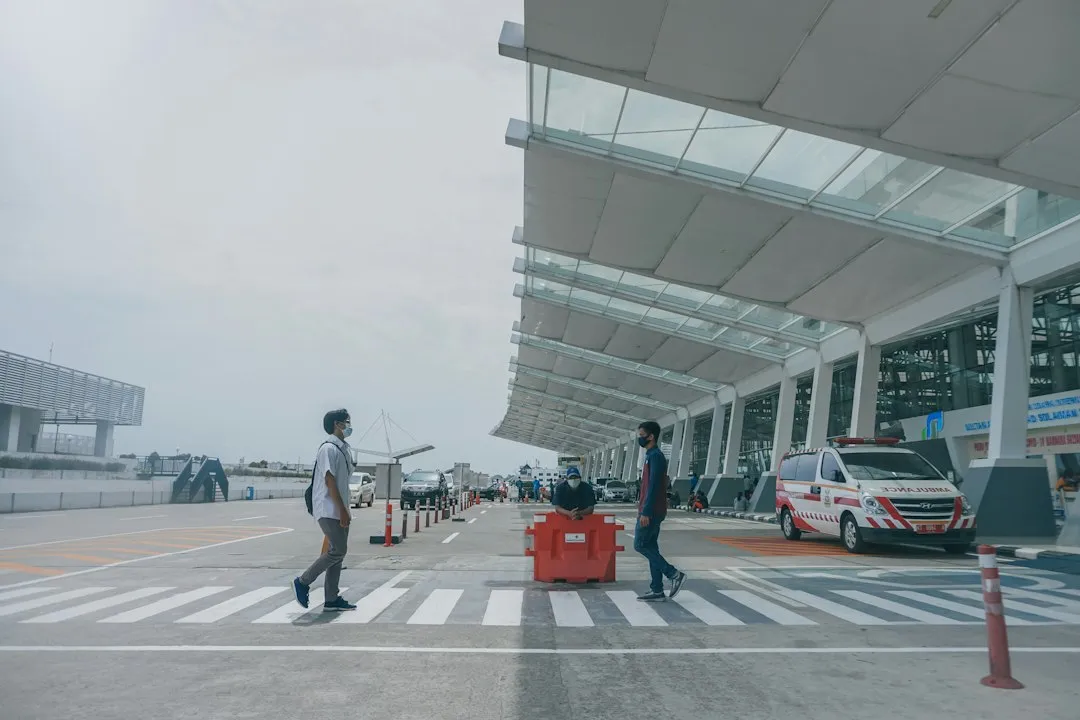
Airport terminals witness 2.9 billion passenger journeys annually, each touching security trays carrying 18 times more pathogens than restroom surfaces, walking across floors exposed to 24/7 foot traffic, and using restroom facilities that demand continuous sanitation. Overnight is when the most intensive cleaning work takes place, with teams moving systematically through every gate, lounge, restroom, and food court.
In one documented U.S. airport deployment, Tennant T7AMR robots cleaned more than 115,000 square feet per six-hour overnight shift at a single airport, with staff explicitly redeployed to higher-value tasks rather than eliminated. Human crews still handle corners, spills, and restrooms that require judgment and manual precision. The overnight cleaning effort is a genuine collaboration between people and technology.
Robots Now Work the Night Shift Too
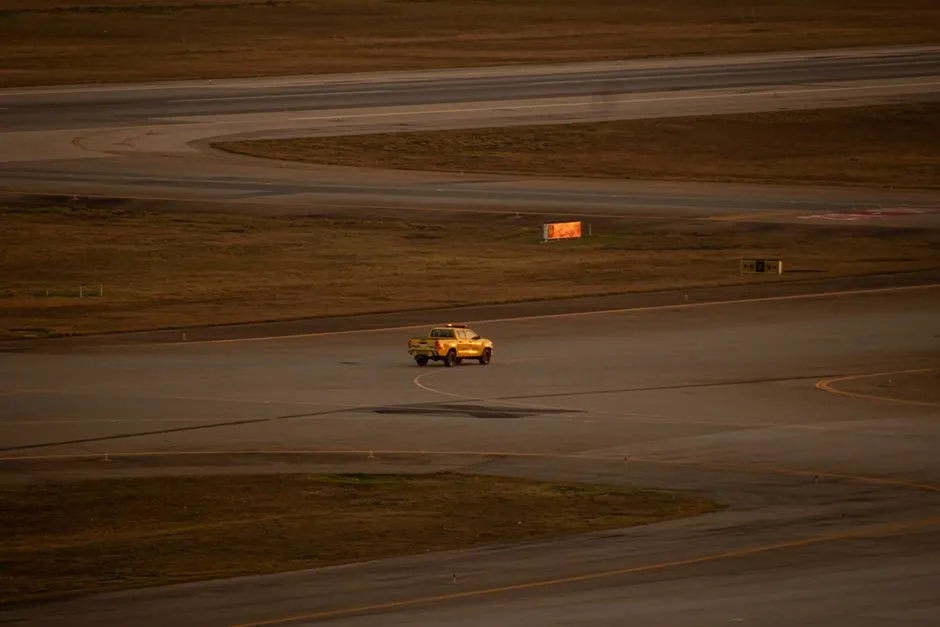
Cleaning robots equipped with UV-C disinfection, autonomous floor scrubbing, and LIDAR navigation are transforming airport hygiene operations. Several major airports have already deployed these systems, and the results are measurable. Pittsburgh International Airport was the first U.S. airport to use UV-C robotic cleaning, partnering with Carnegie Robotics, while Heathrow Airport piloted UVD robots that patrol terminal buildings autonomously at night.
Overnight is where airport cleaning robots usually prove themselves. Traffic thins out, routes are less chaotic, and teams can run longer coverage blocks without constant interruption. That is the window where mapping stays clean, cleaning speeds stay consistent, and supervisors can compare route completion against plan instead of improvising around crowds. Still, these machines work alongside people, not instead of them.
Security Never Actually Stops

Security officers conduct regular and random unarmed patrols of terminal areas, parking facilities, exterior grounds, access points, and perimeter areas to help deter unauthorized activity. Overnight is when perimeter security is in some ways most critical, precisely because the crowds that normally act as a natural deterrent have thinned out. Quiet terminals are not unguarded terminals.
K9 units form a cornerstone of enhanced security measures designed to thwart illicit smuggling and shore up national gateways, with sweeps operating across departure halls, arrival halls, and subterranean baggage sorting facilities. At New York and New Jersey’s Port Authority airports, more than 40 highly trained detection dogs specializing in explosives or narcotics respond to unattended bags, investigate suspicious activity, and assist in security sweeps, sometimes conducting full aircraft or terminal searches with very little notice.
Ground Staff Rotate Through the Night on Fixed Schedules
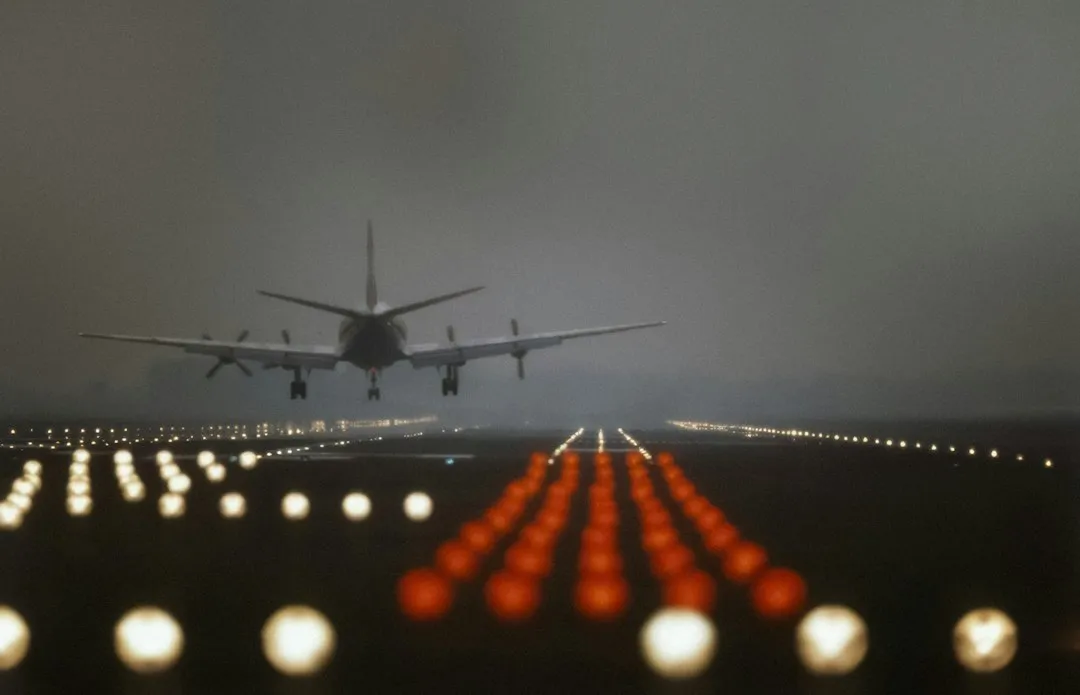
Ground staff work hours are typically eight-hour shifts that rotate weekly: morning from 5 AM to 1 PM, afternoon from 1 PM to 9 PM, and night from 9 PM to 5 AM. Airports operate 24/7, requiring these rotational shifts. For newer staff, the night rotation is often the starting point, a demanding reality that takes time to physically adjust to.
There’s often a strong sense of camaraderie among night crews, as these are the teams keeping the fleet airworthy while the rest of the world sleeps. Veterans of the overnight shift consistently describe the team dynamic as one of the more rewarding parts of the job. There is something about working in a nearly empty terminal that builds a particular kind of trust between colleagues.
The Human Cost of Working While Others Sleep
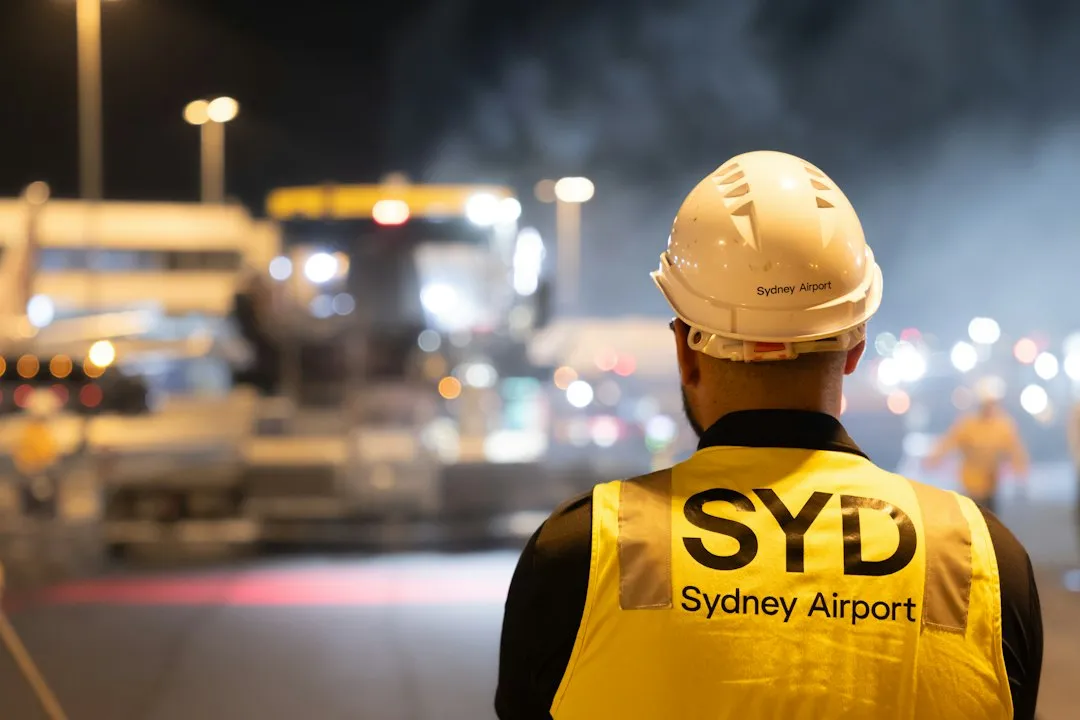
The Bureau of Labor Statistics projects only two percent employment growth for janitors and building cleaners through 2034, slower than the national average, while industry turnover in facility services runs at roughly 200 percent annually. That statistic alone suggests how demanding overnight airport work can be on the people doing it. High turnover is a persistent operational challenge across most airport service roles.
The Bureau of Labor Statistics reported 8.3 days-away-from-work injury and illness cases per 10,000 full-time workers in building and grounds cleaning and maintenance occupations in 2024, compared with 5.6 across all occupations. Physical strain is a genuine and underreported part of the overnight airport job. The combination of hard surfaces, heavy equipment, and disrupted sleep cycles takes a real toll over time.
By 4 AM, the Airport Is Already Waking Back Up
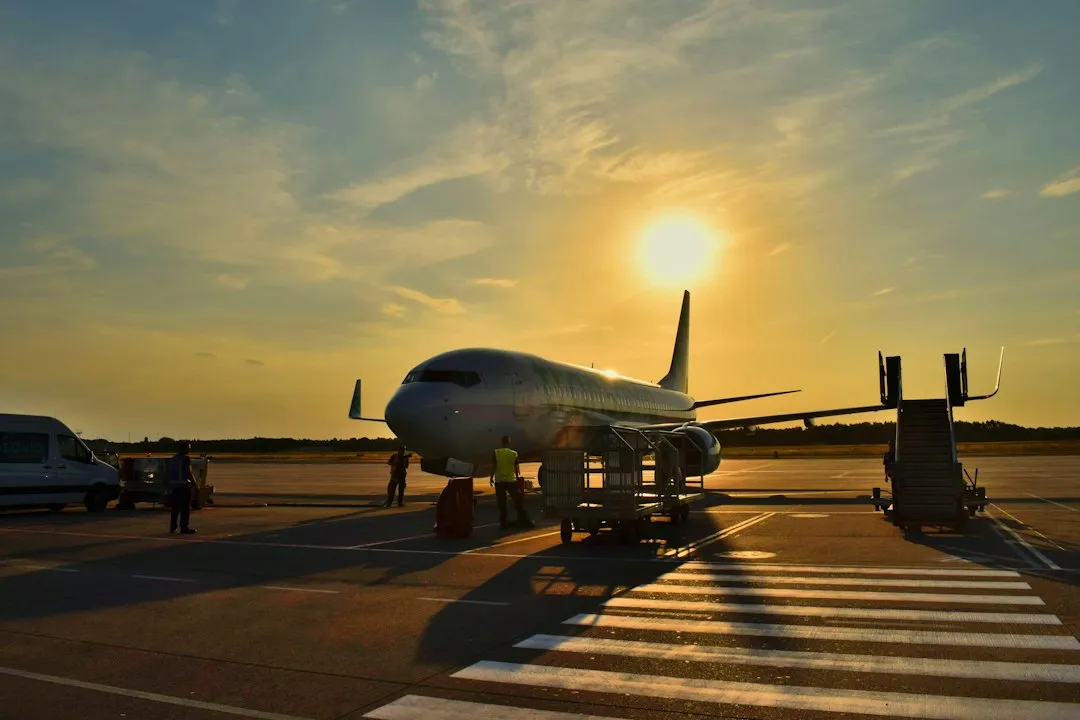
Most airports lose a significant portion of their available overnight maintenance windows to poor task packaging, delayed contractor arrivals, and inadequate coordination. When flight schedule maintenance isn’t integrated into planning systems, teams scramble to close work orders as the first passengers board. The changeover period, that narrow gap between the last night shift task and the first morning departure, is where everything either comes together or quietly falls apart.
The result of any overnight staffing or maintenance gap can be longer waits for both the last arrivals and the earliest morning departures, especially if weather or staffing changes reduce the airport’s flexibility. By around 4 AM, gate agents are already arriving, aircraft are being fueled and loaded, and the terminal lights are slowly coming back to full brightness. The night crew has usually finished before the first passenger walks through the door, which is precisely the point.
The Takeaway
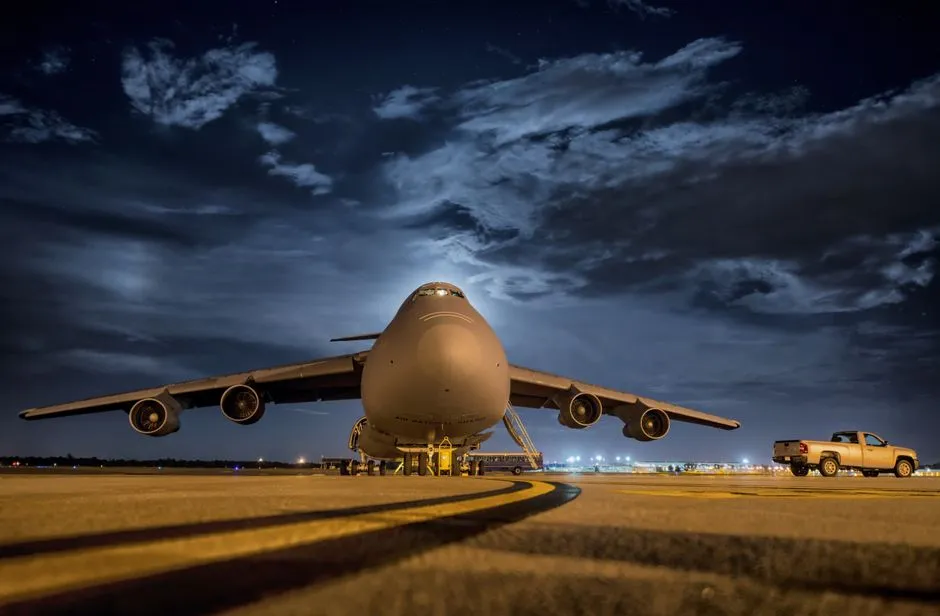
There’s a particular kind of professionalism in work that goes entirely unseen. Airport night shift workers operate in that space completely, building the conditions that make ordinary travel feel effortless. The clean gate, the airworthy aircraft, the clear runway at 6 AM: none of it happens by accident.
Next time a flight departs on time at sunrise, it’s worth knowing that somewhere between midnight and dawn, a mechanic, a cleaner, a security officer, and a ground crew member made that possible. The overnight airport is proof that some of the most essential work in the world happens when nobody is watching.
AI Disclaimer: This article was created with the assistance of AI tools and reviewed by a human editor.