
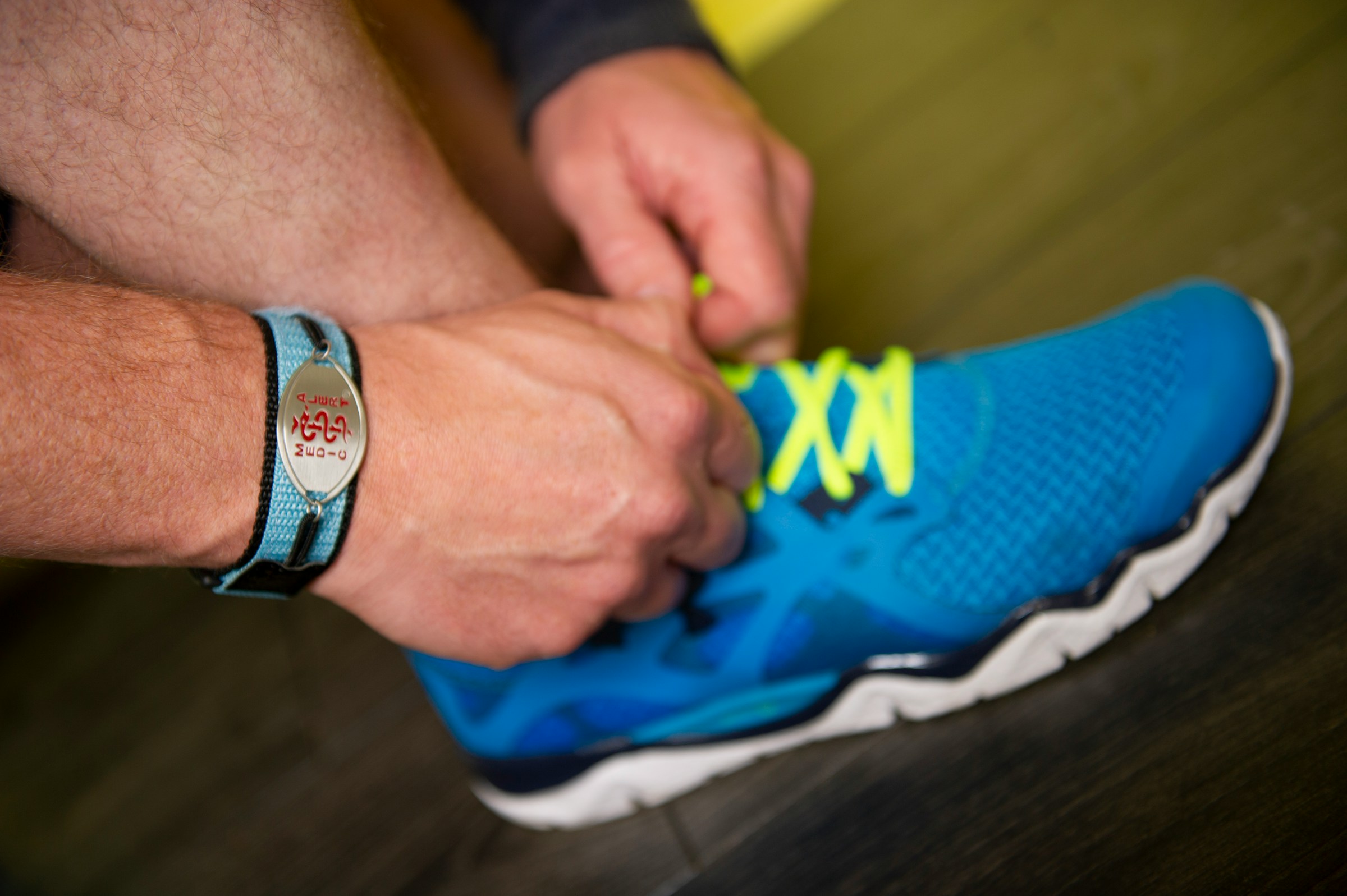

There’s a particular kind of frustration that ripples through an airport security line when it suddenly grinds to a halt. Fellow travelers crane their necks. Agents huddle around a conveyor belt. And almost always, somewhere in that frozen moment, there’s a pair of boots involved.
For years, shoe removal itself was the rule rather than the exception. That changed dramatically in July 2025. Yet even with a new shoes-on policy now in place, certain types of footwear continue to cause disproportionate delays. If you’ve ever wondered why some travelers glide through checkpoints while others get pulled aside, the answer frequently starts at the floor.
The Rule That Shaped Nearly Two Decades of Airport Fashion Choices

The federal government began requiring airline passengers to slip off their footwear during security checks in 2006, roughly five years after British-born terrorist Richard Reid tried to detonate a bomb hidden in his shoes on an American Airlines flight from Paris to Miami. That single failed plot reshaped an entire ritual of air travel for roughly 800 million annual travelers.
Since then, most passengers were expected to slip off their shoes, often resulting in long lines and delays at security checkpoints. The accumulation of time lost to removing and replacing footwear across thousands of daily flights was staggering in its collective impact.
The TSA screened an average of nearly 2.5 million people a day last year. When even a fraction of those travelers wear footwear that slows screening, the ripple effect on wait times becomes significant and measurable.
The Big Policy Shift: Shoes Stay On, Mostly
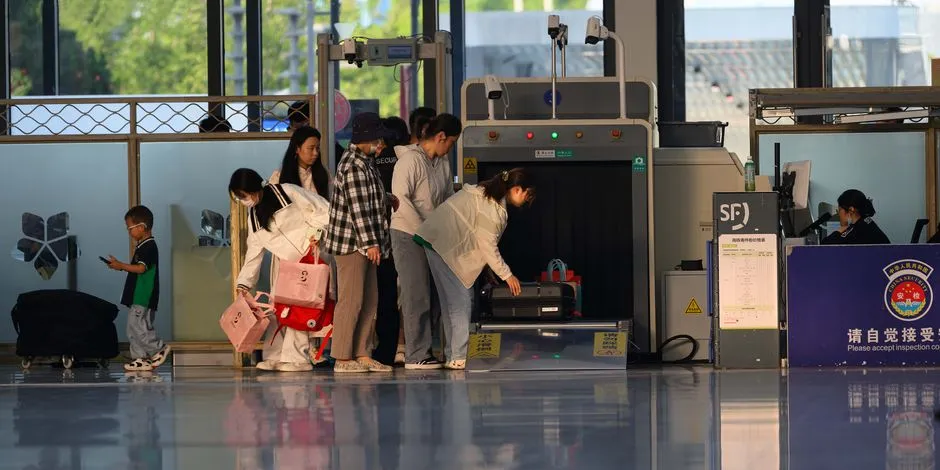
Homeland Security Secretary Kristi Noem announced a new policy which would allow passengers traveling through domestic airports to keep their shoes on while passing through security screening at TSA checkpoints. The announcement came on July 8, 2025, and was described as immediate and nationwide.
The new policy was designed to increase hospitality for travelers and streamline the TSA security checkpoint process, leading to lower wait times. The shoe removal step had long been singled out as one of the most time-consuming and universally disliked parts of airport screening.
Advances in security technology, like computed tomography (CT) scanners, biometric systems and TSA Touchless ID, improved the agency’s ability to detect threats without requiring physical removal of clothing items like shoes. Technology, in other words, finally caught up to what the 2006 rule was trying to accomplish manually.
Steel-Toed Boots: The Confirmed Culprit
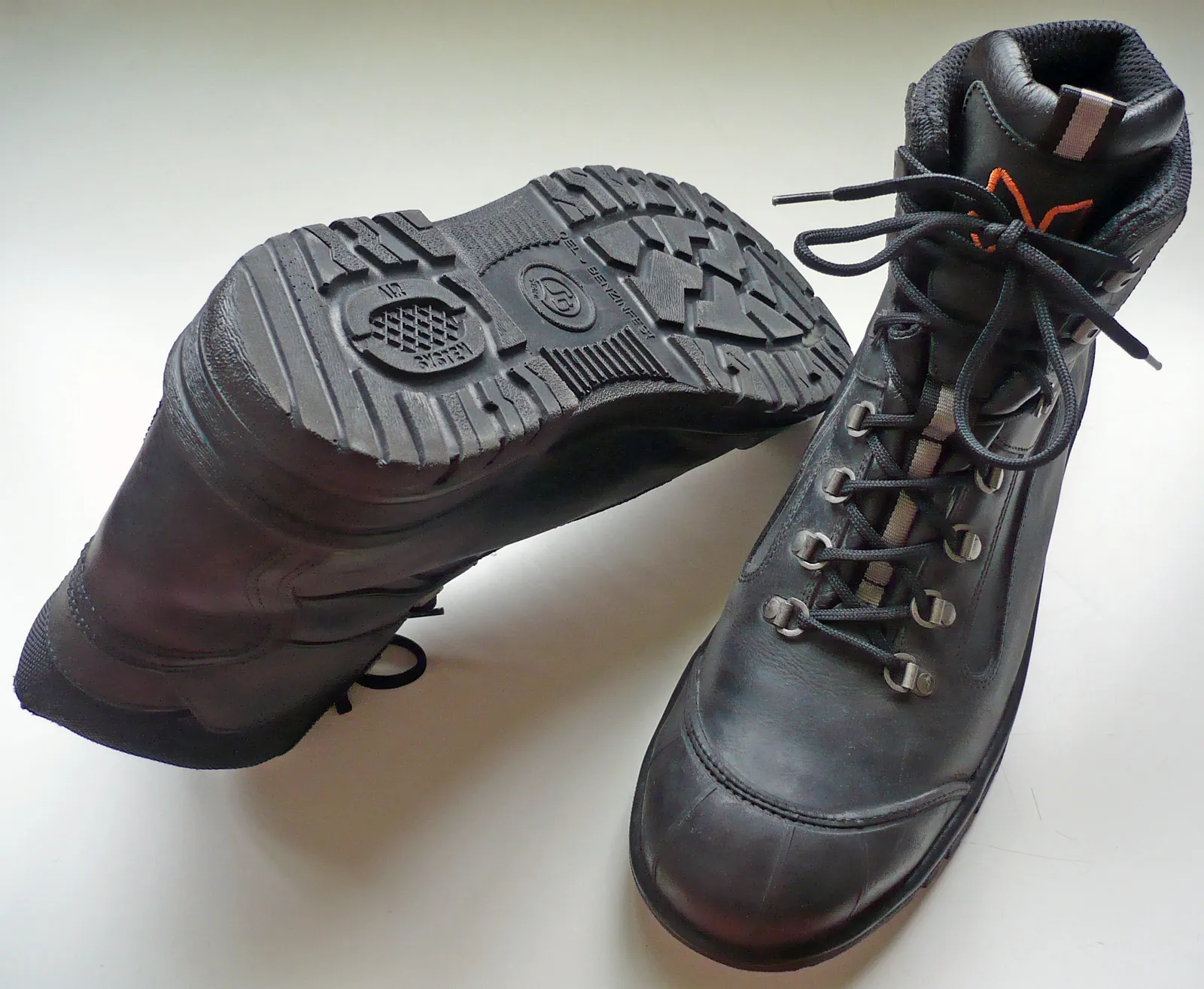
Steel toe boots, by their very nature, contain a large piece of metal directly in the toe cap. This will reliably set off a metal detector, forcing passengers to remove their boots for X-ray screening and slowing down their progress through security.
Shoes with metal components, such as steel-toe boots, high heels with metal shanks, decorative metal accents, or embedded plates, are particularly prone to setting off scanners. This is not a matter of bad luck. It’s physics, and it happens consistently, every single time.
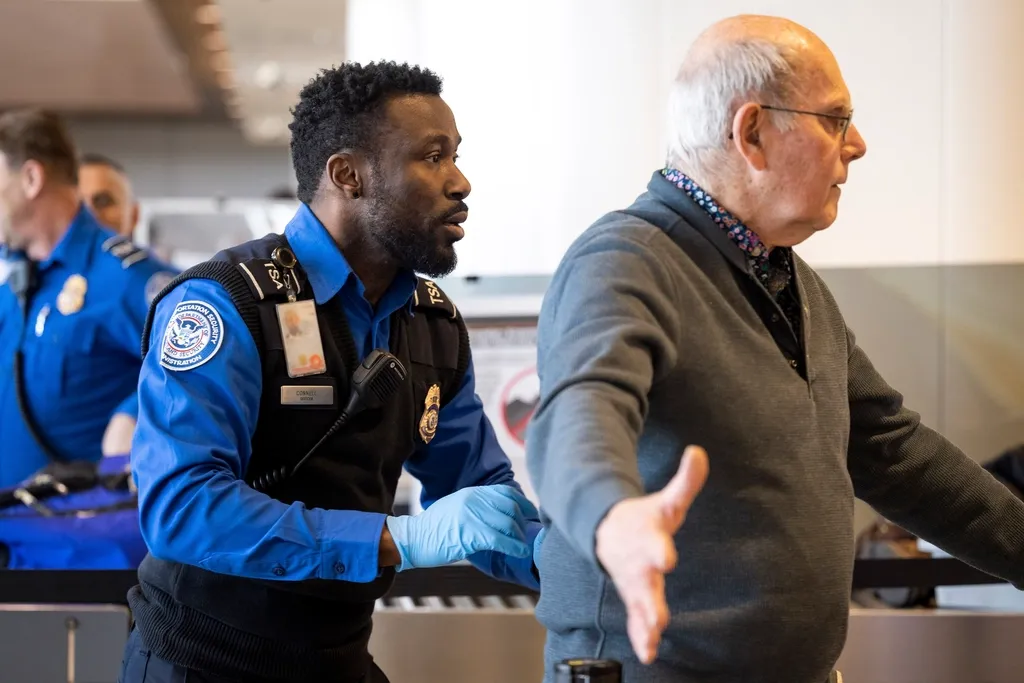
If boots trigger the alarm, TSA officers may conduct extra screening, including a pat-down or swabbing boots for explosive residue. That additional process takes meaningful time and can hold up the people behind you in line, not just the person wearing the boots.
What the Millimeter-Wave Machines See Differently

The millimeter-wave imaging machines can have a difficult time with some shoes, particularly ones with steel shanks or thick padding, because these can obscure concealed items and create blank spots on the scanner. In such cases, TSA officers may ask travelers to remove their shoes for a separate screening.
There’s also a potential issue in wearing shoes made from bulky material, as dense materials can obscure body scanners. When it comes to footwear, thick hiking or work boots may do just that, preventing a detailed scan of the area around the feet.
Footwear with thick or cushioned soles makes it difficult for detectors to read. Boots that look perfectly normal to the eye can become opaque obstacles to the imaging systems that now do the heavy lifting at checkpoints.
It’s Not Just Steel Toes: The Full List of Problem Footwear
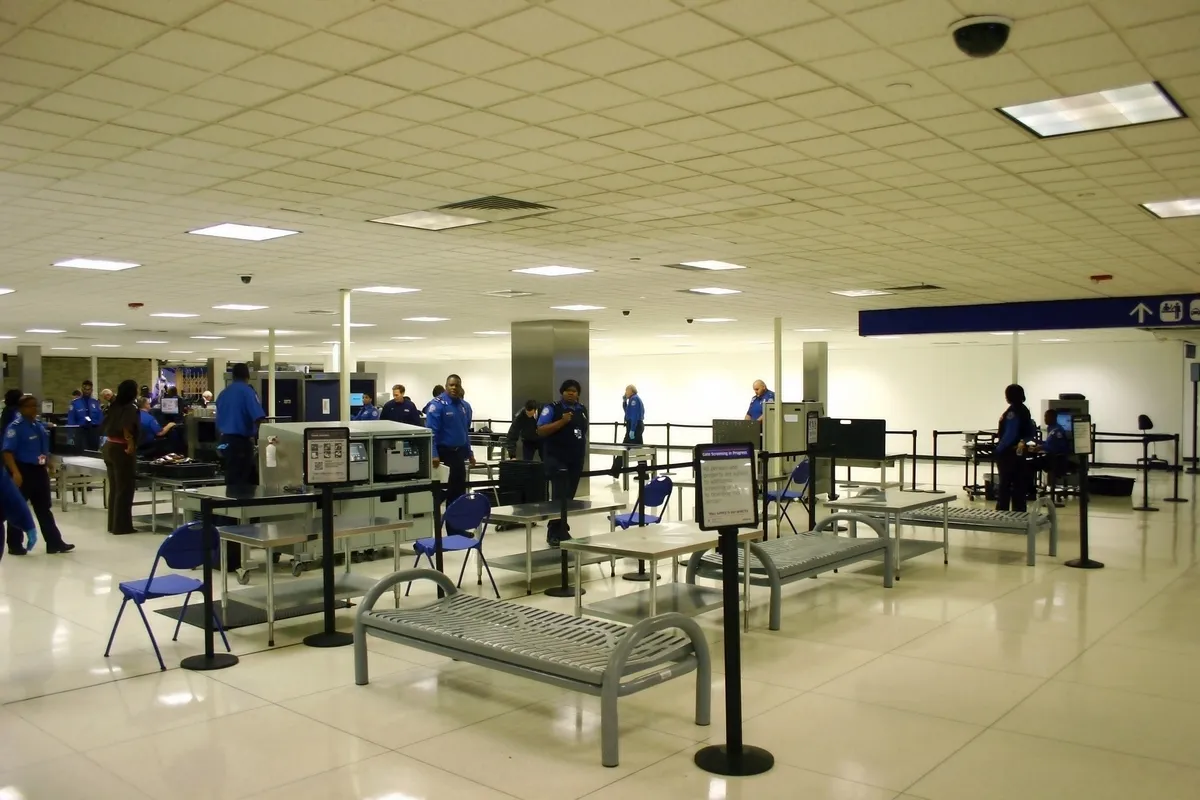
Some types of footwear, such as steel-toed boots, high heels with metal components, and combat or hiking boots, may still need to be removed even under the new policy. The shoes-on rule was never a blanket permission slip for every type of footwear.
On September 8, 2025, TSA issued a warning pointing to another example. The agency said shoes like Birkenstocks with thick soles are “notorious” for triggering alarms. That particular warning surprised many casual travelers who wouldn’t have expected a sandal to cause problems.
Footwear with thick soles, orthopedic inserts, or platform designs can interfere with imaging technology and may prompt TSA officers to request removal. The pattern is consistent: anything that adds density, bulk, or metal between the foot and the floor is a potential checkpoint conversation waiting to happen.
The Laces Problem: A Separate Layer of Delay

Removing shoes and putting them back on, especially boots and shoes with laces, slows people down. Taking that out of the equation, one aviation expert noted, will help lines move more efficiently. This was one of the primary practical arguments behind ending the shoes-off requirement in the first place.
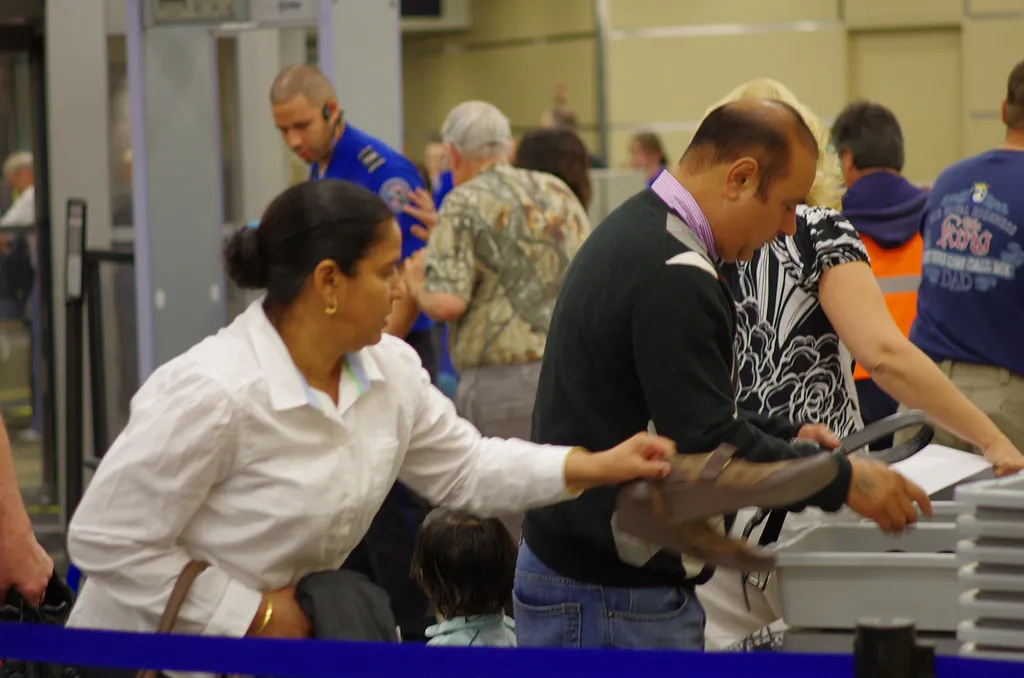
Even when boots don’t trigger an alarm directly, the act of unlacing them at the conveyor, placing them in a bin, walking through the scanner in socks, and then re-lacing on the other side creates a natural bottleneck. Multiply that by even a handful of passengers per flight and the effect on queue speed becomes noticeable.
Tall boots and lace-heavy footwear can slow down the whole security screening quite a bit, particularly at airports where shoe removal still shows up for regular screening passengers. It’s one of those friction points that seems trivial in isolation but compounds quickly in a busy terminal.
Smaller Airports Face a Harder Problem
At smaller facilities, the concern is more direct. If an airport still relies on traditional metal detectors, those machines can detect metal but cannot detect explosive elements. This equipment gap means that the logic behind keeping shoes on is not uniformly supported by the technology available nationwide.
In smaller airports that still rely on metal detectors, random screening is especially important because those machines can’t detect explosive elements. An aviation expert at MSU Denver noted that skipping physical shoe checks at such airports carries a meaningful security cost.
At some smaller airports with older screening detection devices, passengers may still have to take their shoes off, and the TSA agent has the authority to request additional screening for any reason that raises a red flag. The practical experience of traveling through security still depends, in part, on which airport you’re departing from.
What the Wait Time Data Actually Shows
New 2024 to 2025 data indicate TSA PreCheck saves about seven minutes on average compared with standard security lines, producing reported averages near 36 minutes for PreCheck and 43 minutes for regular lanes. That gap, while not enormous on paper, can feel like a world of difference during a tight connection.
At Orlando International Airport, general security lines reached up to 45 minutes early Monday afternoon, while TSA PreCheck wait times topped out around 10 minutes. The gap is especially pronounced at larger airports during peak travel windows, when standard lines absorb every delay, including those caused by problematic footwear.
During normal security operations, the agency estimates that roughly 99% of passengers with PreCheck wait less than 10 minutes. It’s a reminder that the pre-screening program still carries real practical value even as the shoes-on policy narrows some of its visible advantages.
The Safest Footwear Choice for a Fast Checkpoint Experience

Travel experts recommend slip-on flats, a comfortable pair of athletic shoes, or any other basic footwear less likely to trigger the scanner. The simpler and thinner the footwear, the more likely a passenger will be allowed to keep it on while passing through airport security.
Composite toe boots are considered airport friendly because they are made from non-metallic materials like carbon fiber, plastic, or Kevlar. Unlike their steel toe counterparts, they are specifically designed not to trigger the metal detectors at security checkpoints. For workers who genuinely need protective footwear on a job site at their destination, composite options are the practical solution.
Many work boots, regardless of their toe material, contain other metal parts. The most common culprit is a steel shank, a supportive plate embedded in the midsole for arch support and puncture resistance. Other potential sources of metal include zippers, lace eyelets, or decorative buckles. Travelers should check not just the toe cap but the entire construction of any boot before packing it into their carry-on plans.
Security Experts Weigh the Remaining Risks
A classified DHS Inspector General audit, which used covert testing, found that TSA scanners were not capable of effectively screening shoes, with the watchdog reportedly warning that the shoes-on policy had created a new kind of vulnerability. That finding, cited by Senator Tammy Duckworth in a letter to the TSA in April 2026, pushed the debate back into public view.
Security experts have focused on whether the remaining layers are enough when technology does not work equally well with all footwear or in all airports. The concern isn’t simply theoretical. The unevenness of equipment across the country means the risk is unevenly distributed as well.
The policy shifted those questions toward technology limits, local airport capacity and the need for follow-up checks when something does not look right. That has left TSA balancing speed and scrutiny. It’s a tension without a clean resolution, and travelers wearing heavy boots end up squarely at the center of it.
Practical Takeaways for the Mindful Traveler
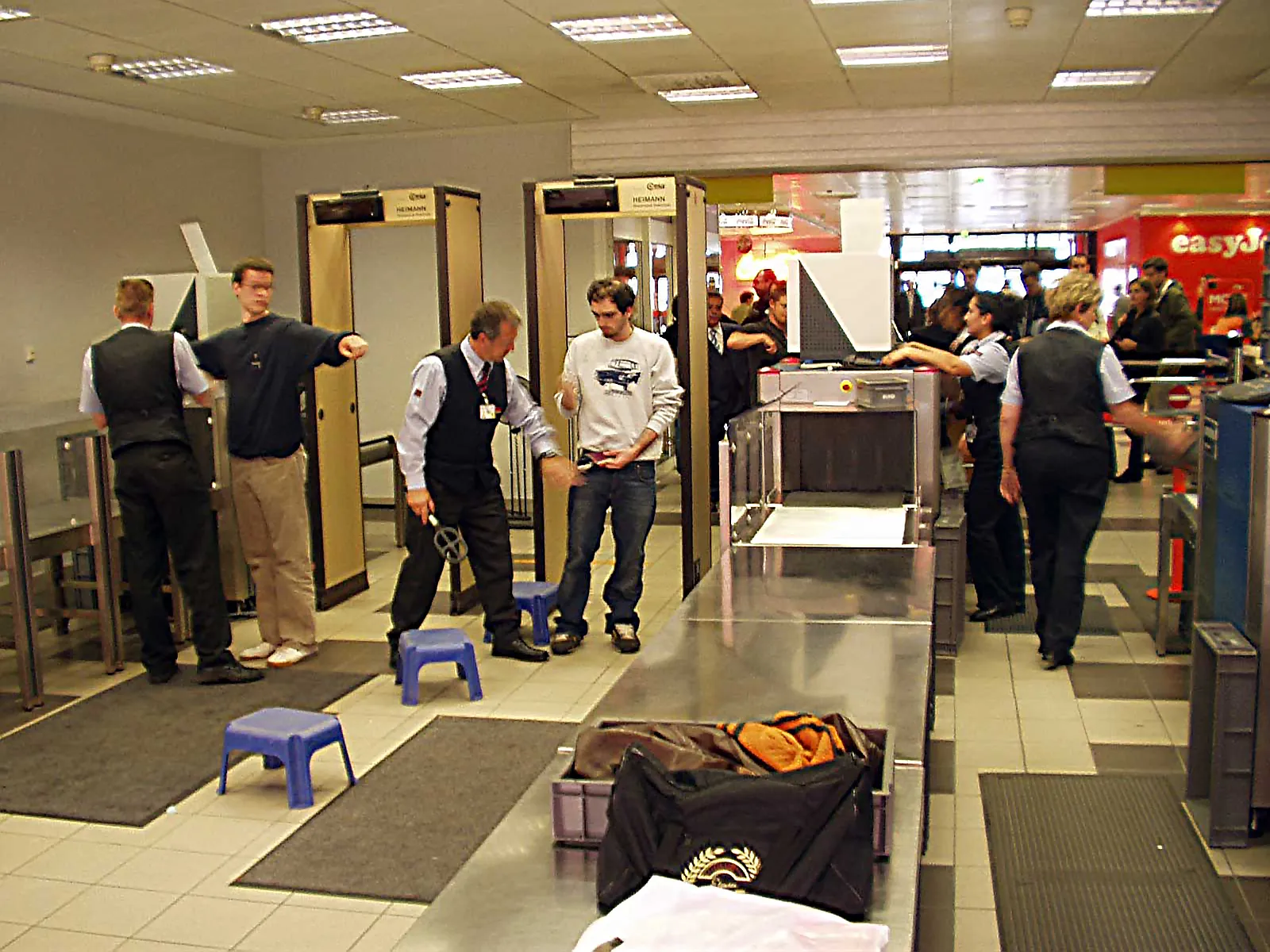
Travelers should not assume they’ll always get to keep their shoes on. Depending on the type of footwear, or if selected for random screening, passengers may still be asked to remove them. Wearing heavy boots to the airport without planning for that possibility is a gamble that fairly regularly doesn’t pay off.
If you know from experience that your shoes set off the alarm, you can flag this to the TSA officer and preemptively remove them to avoid having to go through the scanner twice. That one small act of preparation can save several minutes and spare everyone behind you in line the same frustration.
If you want to quickly pass through security, wear comfortable footwear without metal. It’s simple advice, and it hasn’t changed regardless of how the broader policy has evolved. The checkpoint will always move faster when the footwear cooperates.
The Takeaway
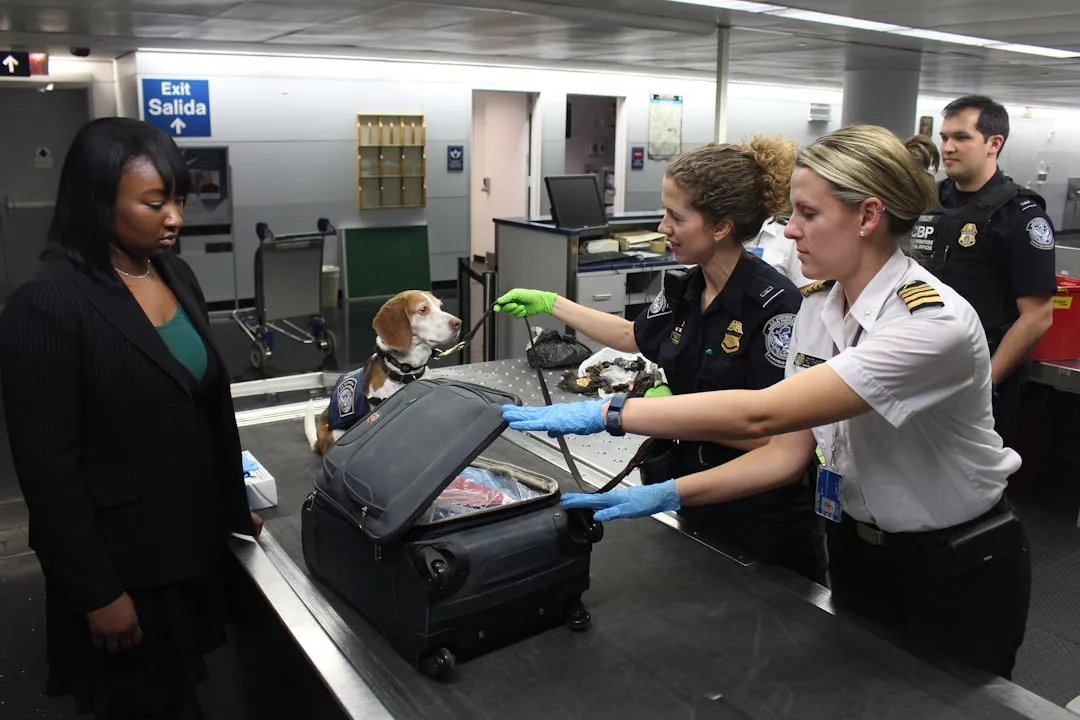
The choreography of airport security has genuinely changed. Nearly two decades of mandatory shoe removal came to a formal end in 2025, and for most travelers wearing straightforward footwear, the checkpoint experience is now measurably faster. Still, steel-toed boots, thick-soled platforms, high heels with metal shanks, and heavily laced work boots continue to trigger alarms, invite secondary screening, and slow the line for everyone nearby.
The practical lesson here is quiet but consistent: your shoe choice on travel day is a small decision with a surprisingly outsized effect. Slipping on a simple sneaker or a lightweight slip-on isn’t giving up personal style. It’s the considered choice of someone who has done this before, and who values their own time and their fellow travelers’ patience equally.
AI Disclaimer: This article was created with the assistance of AI tools and reviewed by a human editor.