


Birds Rule the Skies – and the Strike Statistics
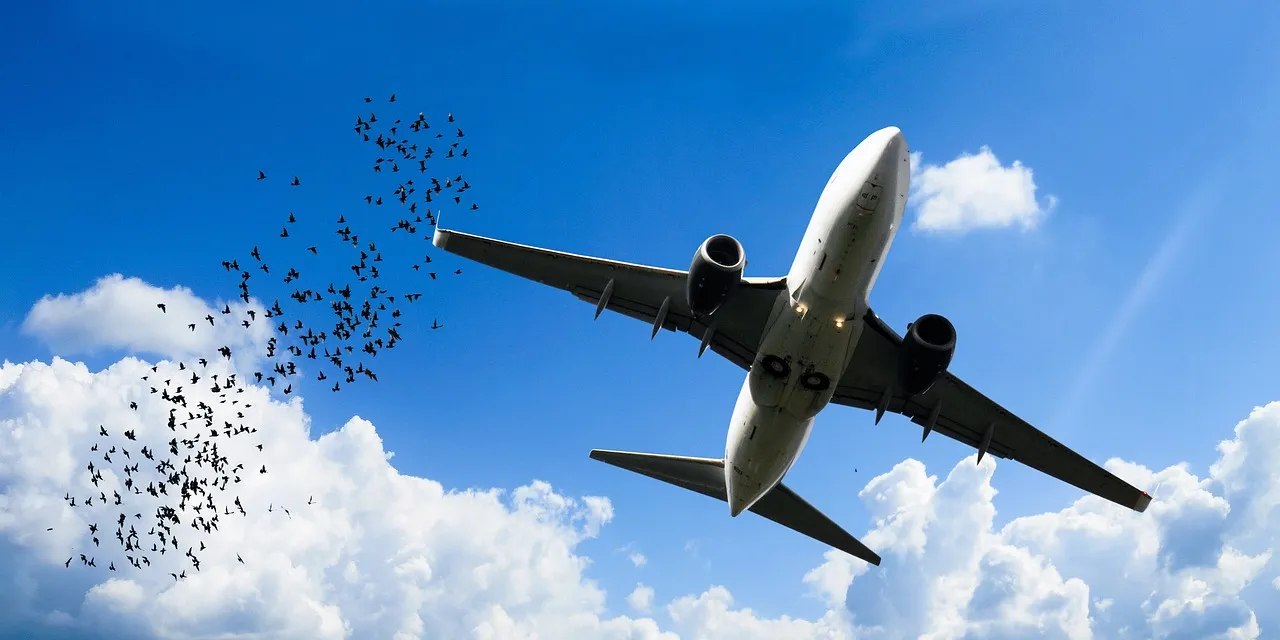
There’s little ambiguity about which category of animal is responsible for the most disruption at airports. Birds make up 97 percent of all reported strikes, with mammals accounting for about 3 percent and reptiles less than 1 percent. The sheer scale of bird strike incidents has driven U.S. and Canadian airport officials to form a dedicated Bird Strike Committee.
There have been about 344,000 reported wildlife strikes with civil aircraft in the USA between 1990 and 2025, with approximately 24,500 strikes recorded at 870 U.S. airports in 2025 alone. Those are reported figures – actual encounters are widely believed to be higher, since reporting remains voluntary for many operators.
The Most Common Culprit: Mourning Doves and the Numbers Behind Them
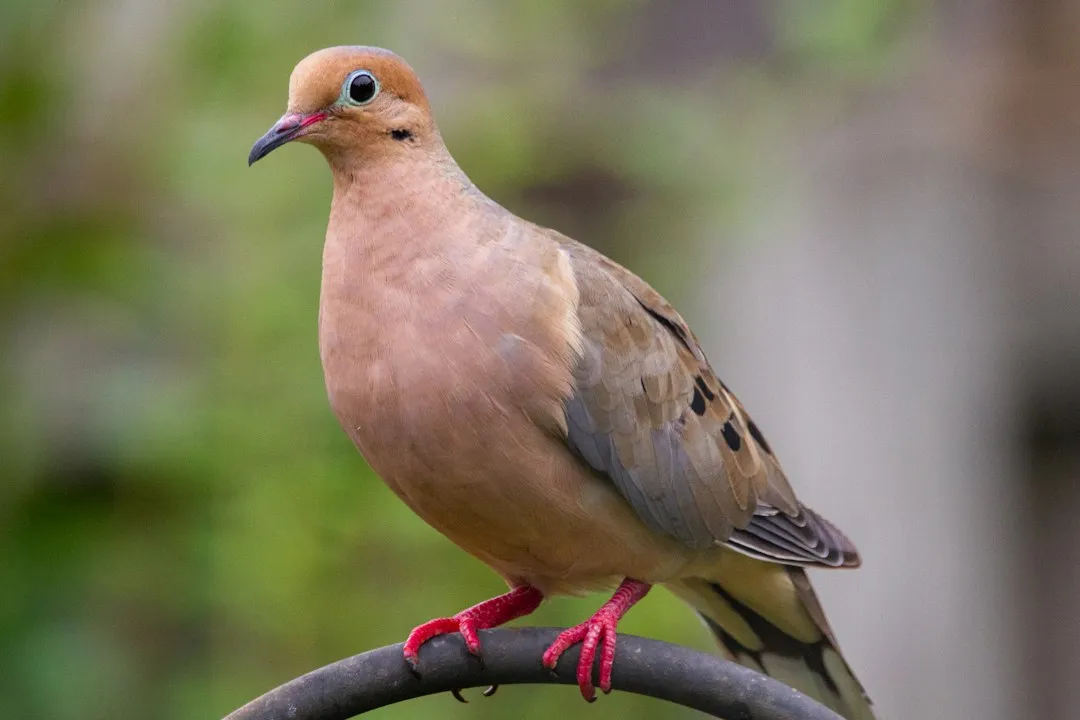
Mourning doves are the most common species of bird struck by civil aircraft in the United States, accounting for about 11 percent of all birds identified to exact species from 1990 through 2025. Their quiet, low-altitude flight pattern puts them directly in the path of aircraft during approach and departure.
A breakdown of wildlife encounters has also shown small birds such as horned larks and western meadowlarks as species frequently impacted by aircraft. These birds forage on the open grassland habitats that airport environments unintentionally provide, which brings them onto runways regularly. High frequency, however, does not automatically mean high consequence.
The Animals That Actually Ground Flights: Waterfowl Take the Lead
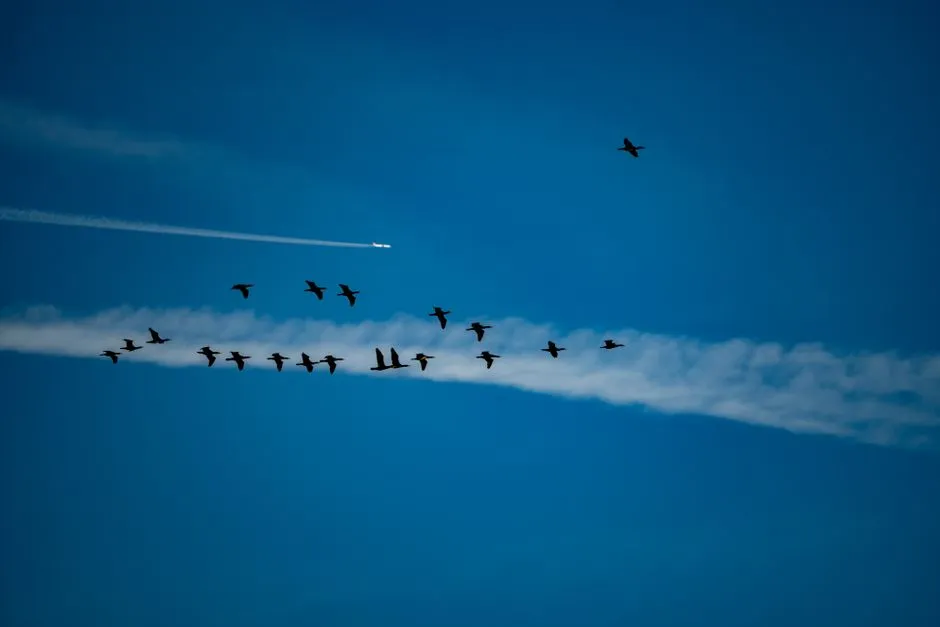
Waterfowl, meaning ducks and geese, account for only 4 percent of total strikes but are responsible for 23 percent of the strikes that cause damage to the aircraft. That disproportionate damage rate is what puts waterfowl at the top of every wildlife officer’s watchlist.
Waterfowl, gulls, and raptors – mainly hawks and vultures – are the bird species that cause the most damage to civil aircraft in the United States, while European starlings are responsible for the greatest loss of human life. The distinction between frequency and severity is one that wildlife control teams understand deeply; a small sparrow may strike daily, but a single goose can take a plane out of service for days.
The Canada Goose: A Large and Unavoidable Presence
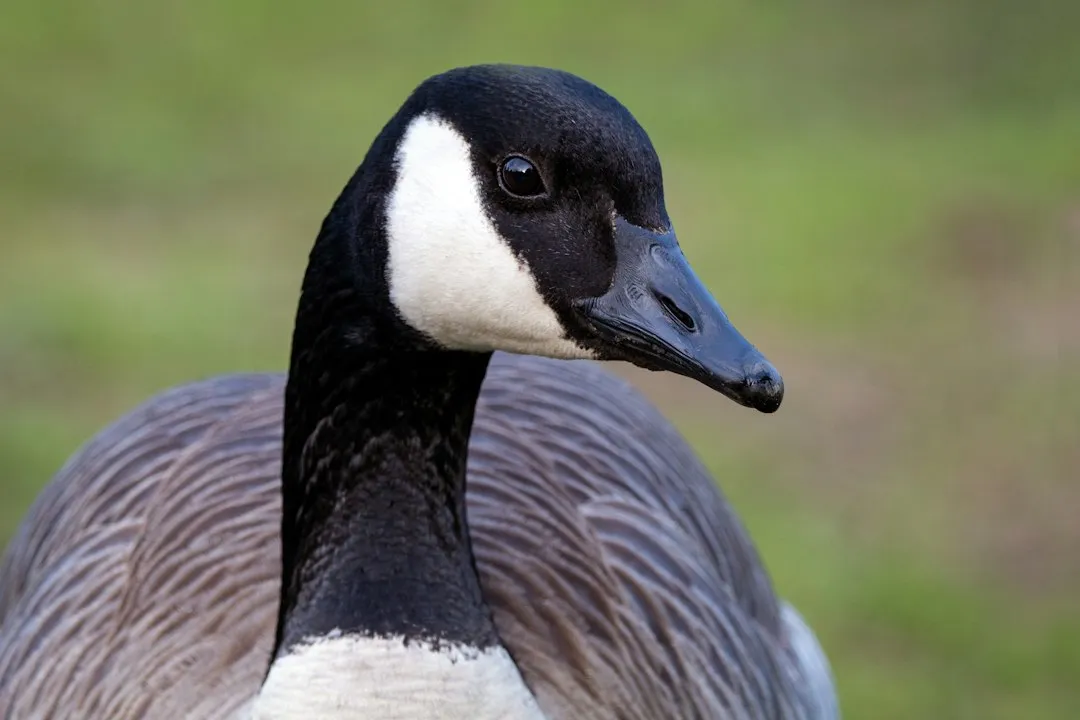
The most widely known wildlife incident in aviation history, the 2009 “Miracle on the Hudson” involving US Airways Flight 1549, was caused by a double engine ingestion of Canada Geese shortly after takeoff from New York’s LaGuardia Airport. That event permanently shifted how aviation safety bodies think about large bird management near airports.
A male Canada goose typically weighs between 2.6 and 6.5 kilograms, with a wingspan reaching up to 2.75 metres. At those dimensions, a collision during takeoff or landing is not a minor event. Strike hazard is determined by a combination of body mass, flocking behavior, flight altitude, habitat overlap with airports, and population density near airfields.
Vultures: The Silent High-Damage Threat
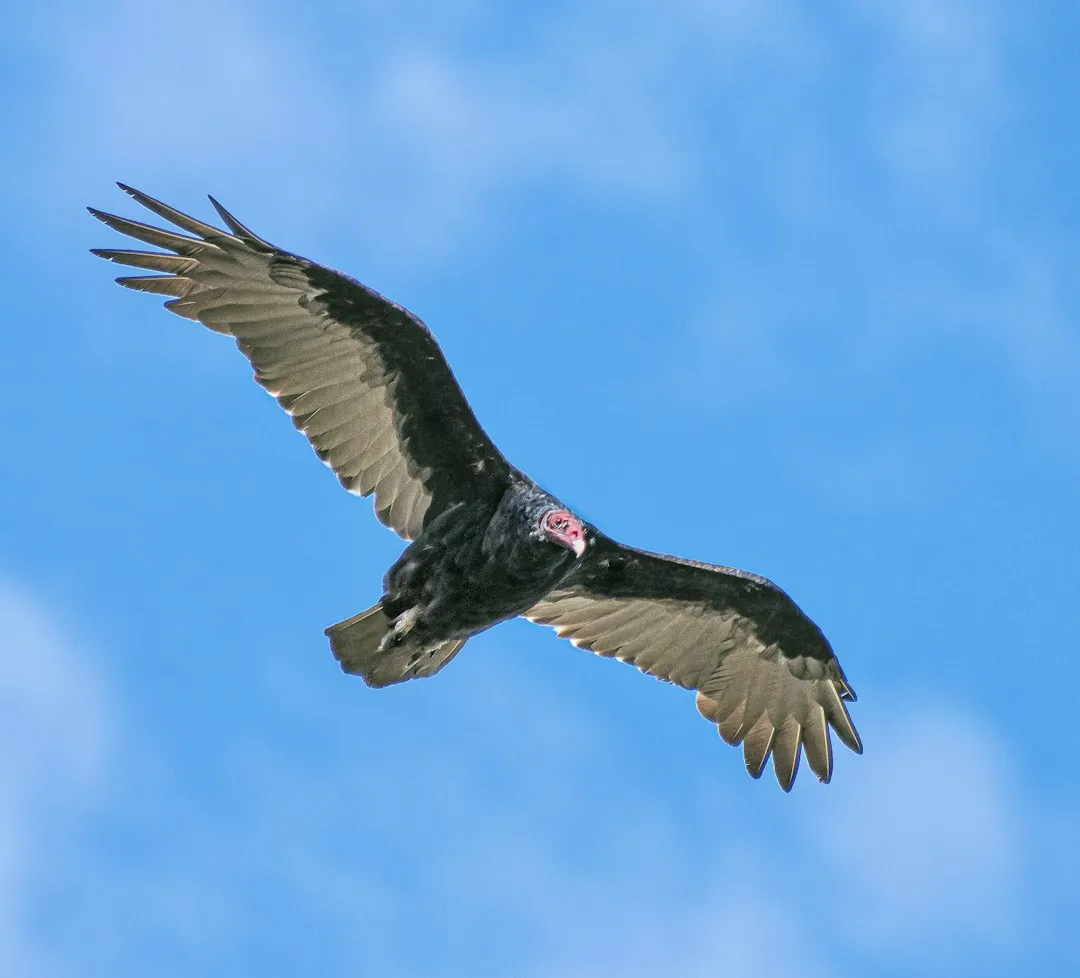
The Smithsonian Institution’s Feather Identification Laboratory has identified turkey vultures as the most damaging birds in terms of aircraft destruction, followed by Canada geese and white pelicans – all of which are very large birds. Vultures are particularly dangerous because they soar on thermals at higher altitudes, making radar detection and avoidance more complicated.
Waterfowl, raptors, and gulls are the species groups with the most damaging strikes overall, while among terrestrial mammals, deer and coyotes cause the most significant incidents. Vultures sit within the raptor group and consistently appear in incident reports involving major structural damage or engine loss.
When Timing Is Everything: The Seasonal Pattern
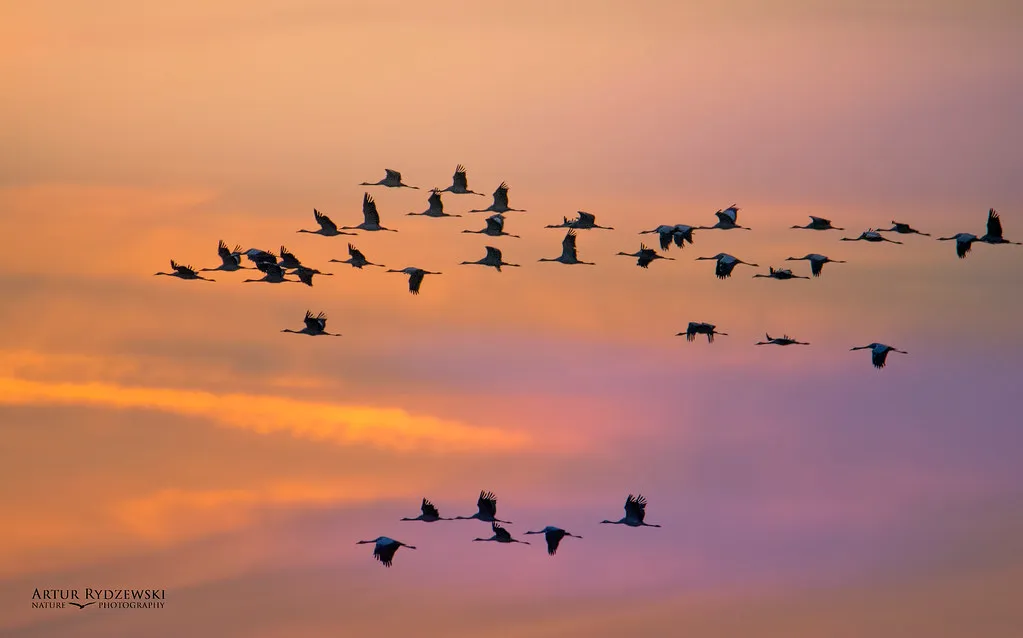
About 54 percent of bird strikes occur from July to October, which corresponds with the period when young birds have recently fledged from nests and fall migration is underway. Wildlife officers describe this window as the most demanding stretch of their year, requiring heightened patrols and more aggressive dispersal activity.
About 62 percent of bird strikes with civil aircraft occur during the day, 8 percent occur at dawn or dusk, and 30 percent occur at night. The dawn and dusk windows are particularly tricky because low light reduces both pilot visibility and the effectiveness of visual deterrents used by ground crews.
Takeoff and Landing: The Two Danger Zones
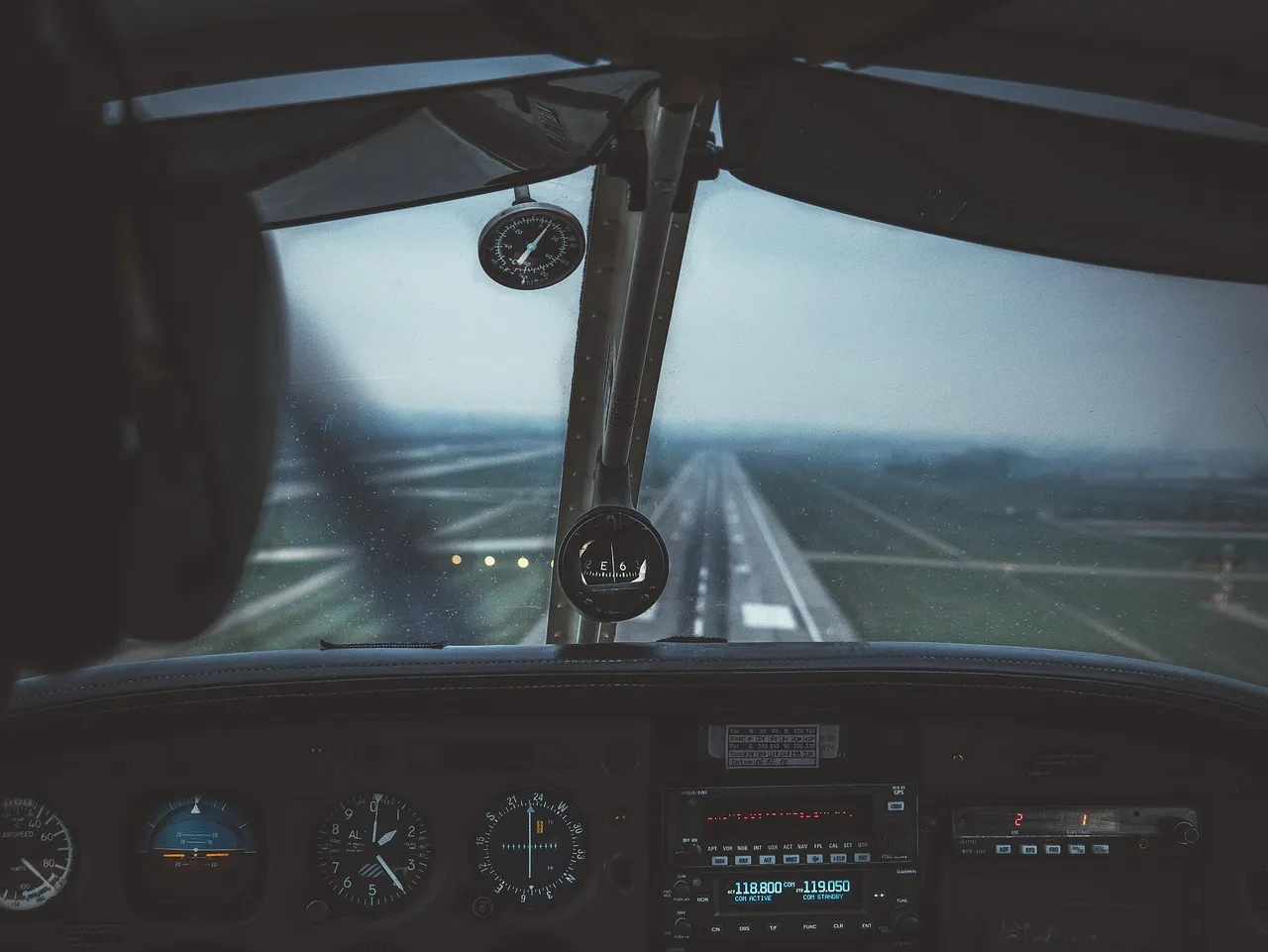
About 61 percent of bird strikes with fixed-wing civil aircraft occur during landing phases of flight, including descent, approach, and landing roll. Another 36 percent occur during the takeoff run and climb, while just 3 percent occur during the en-route phase. The message is clear: the ground vicinity is where most of the risk lives.
The majority of collisions between planes and flying wildlife occur at altitudes between zero and 500 feet, making it a safety concern for airports everywhere. This low-altitude band is where airport wildlife officers can have the most impact, using dispersal tools before aircraft even reach the runway threshold.
Mammals on the Runway: Deer and Coyotes
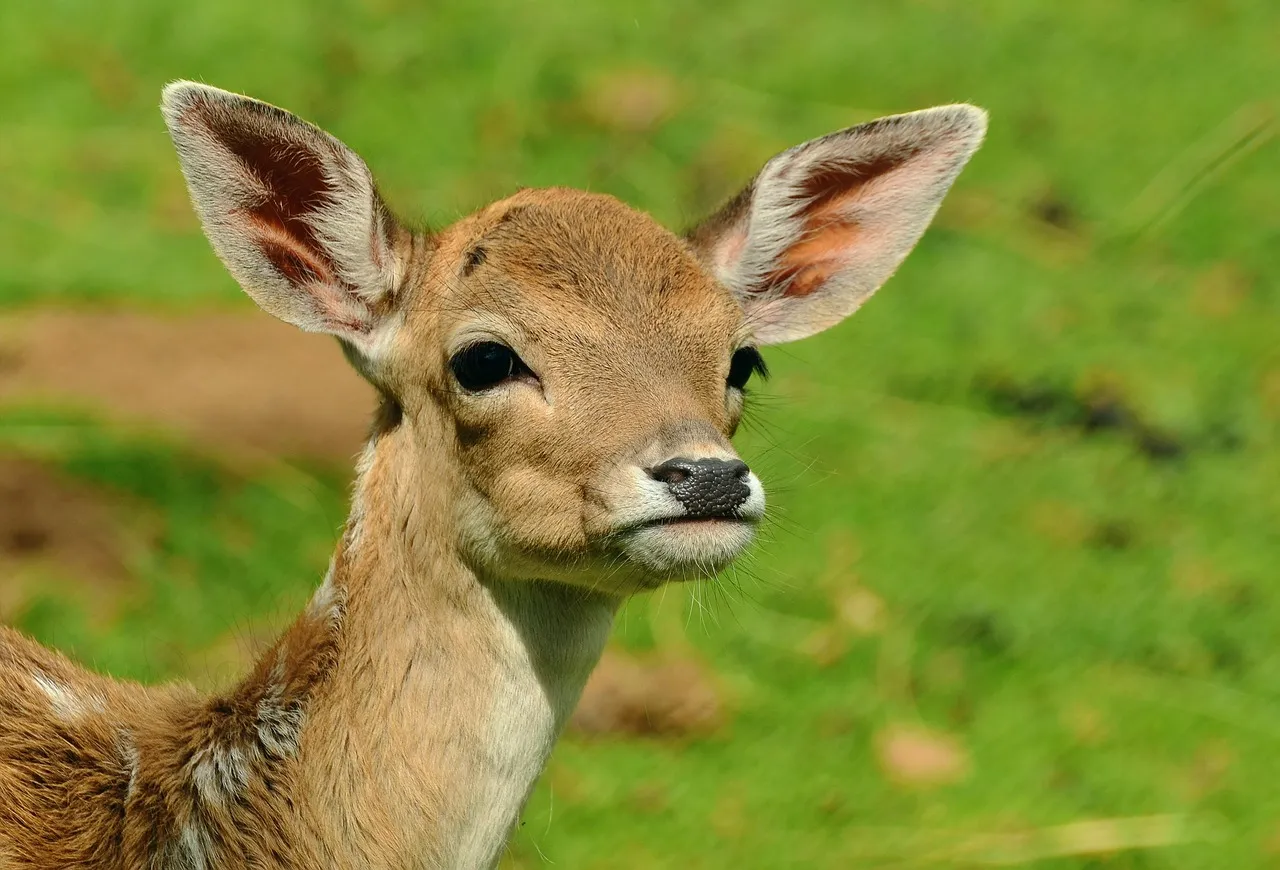
Mammals are the most common animals other than birds associated with aircraft strikes. Although mammal strikes represent only a small percentage of the total, strikes with large ungulates – primarily deer – are considered extremely dangerous. A deer strike during a high-speed takeoff roll creates a completely different risk profile than a bird ingested into an engine.
Coyote strikes tend to concentrate in August through October, and the majority of terrestrial mammal strikes – around 61 percent – occur at night. This nocturnal pattern means runway checks after dark are not optional for properly managed airports, even when it adds considerably to operational costs.
The Economic Weight of Wildlife Strikes
The FAA estimates wildlife strikes on U.S. civil aircraft cause about $718 million in damage to aircraft and approximately 567,000 hours of civil aircraft downtime each year. That downtime directly translates into delayed and cancelled flights for passengers, particularly when aircraft require inspection or repair before they can return to service.
The 14 percent increase in strikes recorded between 2023 and 2024 is notably disproportionate to the respective 4 percent and 3 percent increases in aircraft movements at Part 139 and general aviation airports. In other words, flights are growing, but wildlife encounters are growing faster. Growing bird populations and quieter modern aircraft are both cited as contributing factors.
What Airports Are Doing About It
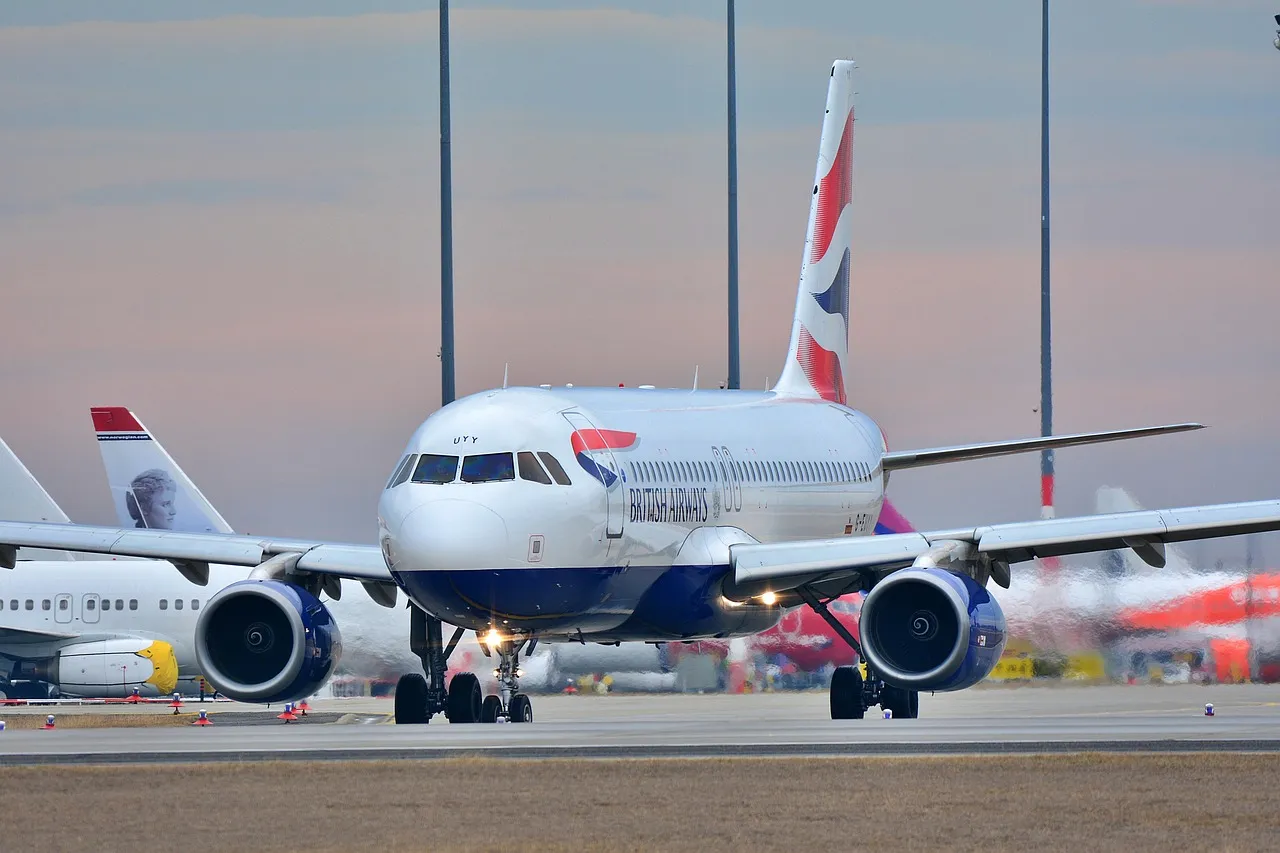
Efforts to reduce wildlife strike risks have expanded significantly since 2009, with more than $400 million directed toward airport wildlife-related projects and $30 million invested in research into detection and avoidance technologies – including avian radar, bird migration forecasting, and aircraft lighting systems designed to increase visibility.
Airports can mitigate strike risk through wildlife management programs that disperse or remove birds and alter the habitat around the airport. Denver International Airport, for example, has used trained dogs to harass and retrieve wildlife in surrounding fields as part of its hazard management program. Habitat modification – draining standing water, replacing tall grass, removing food sources – remains one of the most effective long-term strategies available.
Still, the FAA has cautioned that “much work remains to be done,” calling for expanded strike reporting and wildlife management strategies extending at least five miles beyond airport boundaries to address hazards during climb and approach phases. No fence, however well maintained, marks the true edge of the problem.
The Takeaway
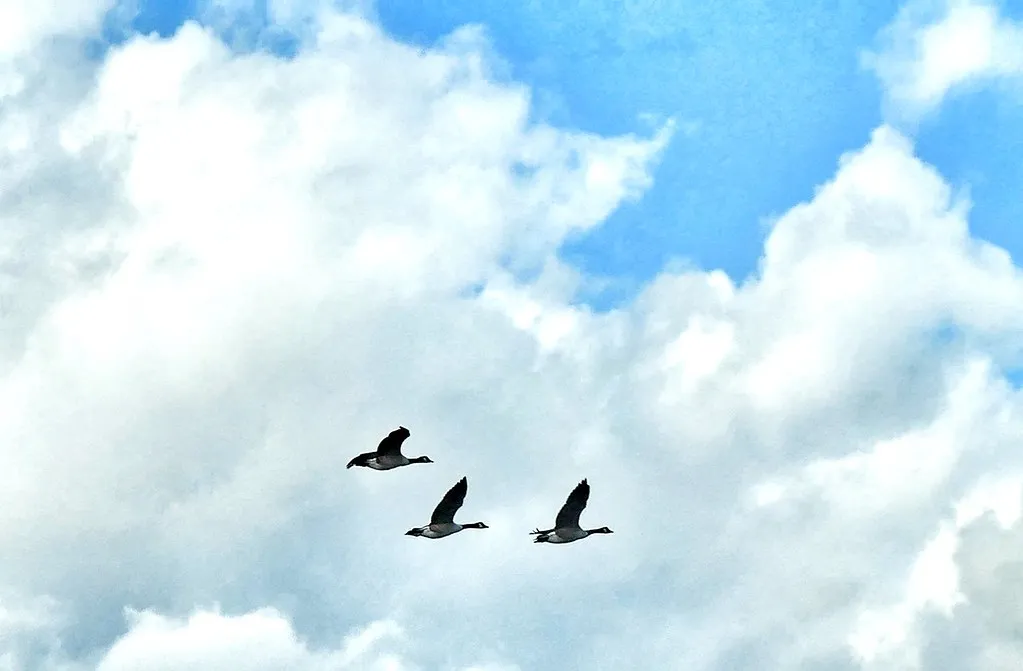
Waterfowl – Canada geese and ducks in particular – emerge from the data as the animals most responsible for serious flight disruptions, even though smaller species strike far more often. It’s a reminder that frequency and impact are very different things in aviation safety. The mourning dove lands in the statistics daily; the goose lands in the accident report.
Wildlife control officers work largely out of sight, patrolling runways before dawn, tracking migration patterns, and deploying everything from border collies to acoustic cannons. The 567,000 hours of annual aircraft downtime attributed to wildlife strikes represents a problem that no single tool will solve. What the data makes plain, and what every wildlife officer already knows, is that this work never really stops.
AI Disclaimer: This article was created with the assistance of AI tools and reviewed by a human editor.