
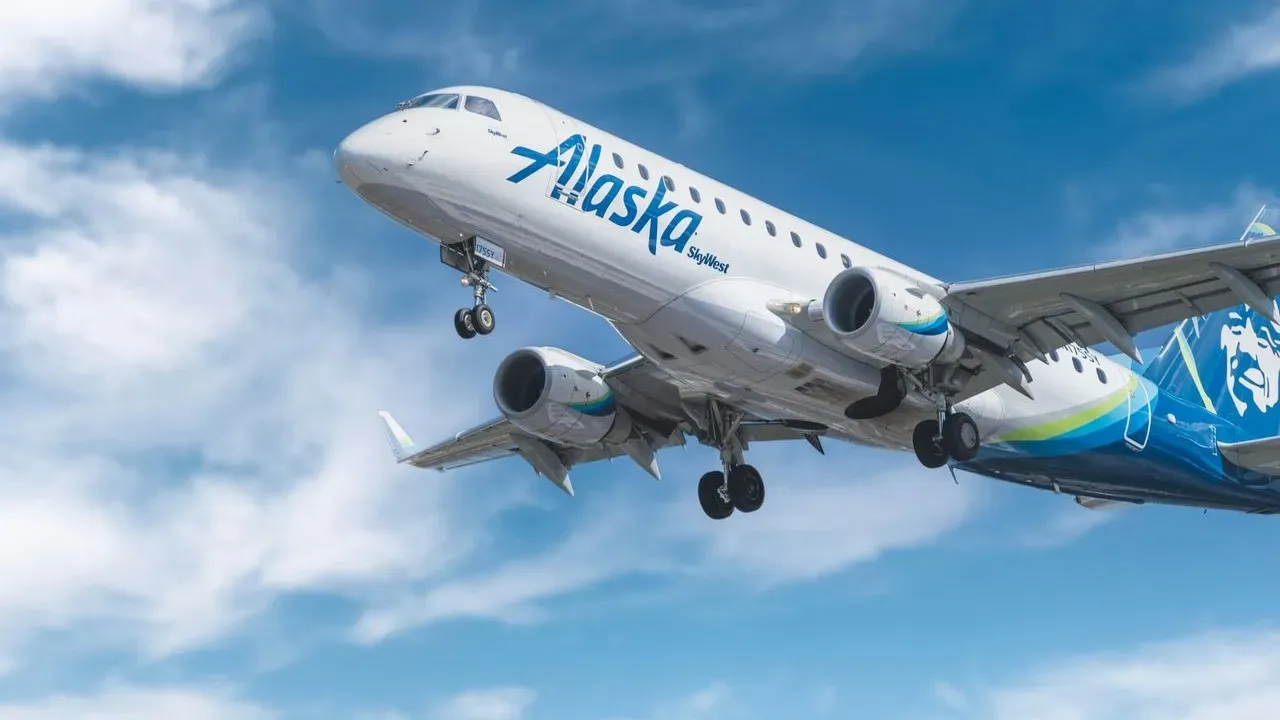

Travelers crossing the United States often seek ways to arrive at their destination feeling rested and ready to begin their journeys. Alaska Airlines, based in Seattle, has outlined a series of cabin and lounge improvements that address this desire directly. The changes build on the airline’s recent combination with Hawaiian Airlines and focus on greater comfort across both short-haul and long-haul routes. ([1])
Domestic Lie-Flat Seats Arrive for the First Time
Alaska plans to equip a portion of its new single-aisle aircraft with lie-flat seats, a configuration previously reserved for international service on many carriers. This development opens the possibility of a more restorative experience on busy coast-to-coast routes. Passengers who value uninterrupted rest during travel stand to benefit most from the addition.
The seats will appear on selected Boeing 737 MAX 10 aircraft ordered earlier. Those same jets will carry a distinctive exterior design inspired by the northern lights, reinforcing the airline’s connection to its home state. The move reflects a broader effort to meet evolving expectations among travelers who fly frequently between major U.S. cities.
Premium Economy Expands Options for Longer Flights
A dedicated premium economy cabin, to be called Premium Reserve, will feature on both the new narrow-body aircraft and existing wide-body fleets. The section will include recliner-style seats with added privacy elements, leg supports, larger tray tables, and enhanced personal storage. Screens measuring 16 inches will provide clear entertainment viewing.
Similar seating will appear on Hawaiian Airlines’ Airbus A330 aircraft as part of an overall interior renewal. The configuration aims to give travelers a middle ground between standard economy and full business-class service. This addition fills a noted gap in the combined airline’s current offerings for passengers who want extra space without the highest fare level.
Aurora Suites Set a New Standard Up Front
The flagship business-class product, named Aurora Suites, will debut on both the Boeing 787 and the specially equipped 737 MAX 10 aircraft. The name draws from the natural light displays visible in Alaska, tying the experience to the carrier’s regional identity. Passengers in these suites will receive access to dedicated premium check-in facilities at Seattle-Tacoma International Airport.
On Hawaiian’s refreshed A330s, the equivalent product will be branded Leihoku Suites and will feature sliding privacy doors along with a 1-2-1 layout that provides direct aisle access for every seat. The redesign replaces an older arrangement and increases the overall share of premium seating on those aircraft. Both products emphasize privacy and direct access as core elements of the onboard experience.
Airport Lounges Receive Targeted Upgrades
New lounge facilities are planned at key airports served by the combined airline. In Seattle, an Aurora Lounge will sit above a larger Alaska Lounge, offering table-service dining, shower suites, an outdoor patio, and wellness areas for eligible passengers. A separate lounge is also under development in San Diego.
In Honolulu, Hawaiian Airlines will open its own premium lounge near the Mauka Concourse entrance. The space will highlight locally inspired food and coffee service. Access to these clubs will center on passengers traveling in the new business-class suites, with additional entry for top-tier loyalty members on qualifying flights.
What These Changes Mean for Travelers
The upgrades collectively point toward a more consistent premium experience across the Alaska and Hawaiian networks. Passengers who prioritize rest and comfort on domestic journeys will find new choices that align with those priorities. The developments follow the 2024 combination of the two carriers and represent continued investment in the product offered to customers.
As the aircraft and facilities come into service over the coming years, travelers can anticipate a clearer progression of cabin options from standard seating through premium economy to the top-tier suites. The focus remains on practical improvements that support smoother, more restorative travel for those exploring the United States and beyond.
AI Disclaimer: This article was created with the assistance of AI tools and reviewed by a human editor.