
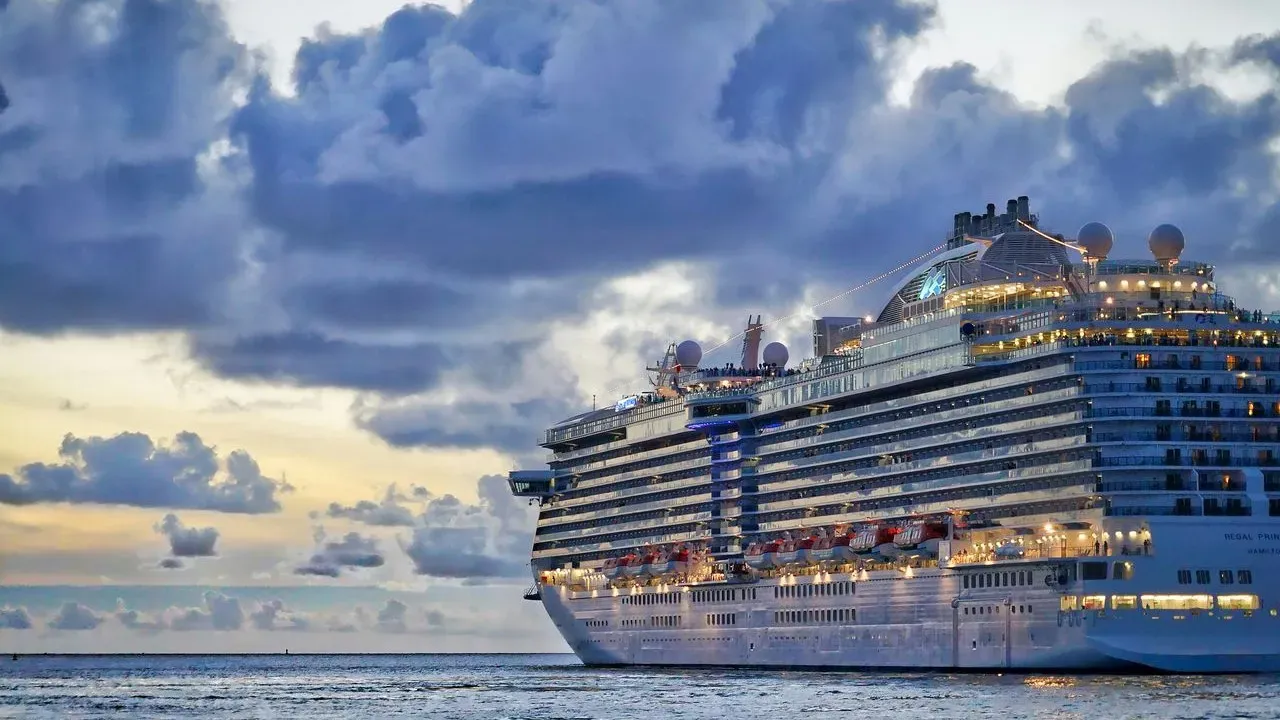

Alaska stretches across more than 365 million acres, much of it reachable only by ship or plane, which makes a voyage along its coastline one of the most practical ways to experience the state’s remote beauty. Travelers weighing their options often consider whether to focus solely on the water or to extend the journey inland. A traditional cruise keeps the emphasis on the sea, while a cruisetour combines that sailing with escorted or independent time on land. The choice depends on available time, interest in interior landscapes, and how much movement between hotels and transport feels worthwhile. ([1])
The Case for a Focused Week at Sea
Many visitors find that a seven-night cruise delivers a satisfying introduction to Alaska’s coastal regions without requiring extra packing or multiple transfers. Round-trip departures from Seattle or Vancouver simplify logistics and often keep airfare costs lower because travelers return to the same city. These shorter sailings also tend to carry lower base fares, with some voyages available from a few hundred dollars per person before taxes and fees.
Because everything stays aboard one vessel, guests unpack only once and spend their days moving between scenic fjords, glacier viewing, and small coastal communities. The pace stays steady, with daily port calls or scenic cruising that highlights the Inside Passage and nearby national park waters. For those with limited vacation time, this format fits neatly into roughly eight or nine days including travel buffers.
Popular Coastal Routes and What They Reveal
Round-trip itineraries from Seattle frequently include Juneau, Skagway, and Ketchikan, along with time in Glacier Bay National Park & Preserve. Similar departures from Vancouver often trace the Inside Passage and visit ports such as Icy Strait Point and Sitka. One-way sailings in either direction allow travelers to combine a cruise with a flight at the opposite end, opening access to additional coastal scenery like Hubbard Glacier.
Longer cruise-only options, some lasting ten to fourteen nights, reach quieter communities such as Valdez, Haines, or Wrangell. Smaller expedition vessels may linger near remote islands or offer kayak excursions directly from the ship, providing closer encounters with the shoreline environment. These extended sailings suit travelers who prefer to remain on the water while still seeing a wider stretch of Alaska’s southeastern and south-central coast.
Extending the Journey Inland With a Cruisetour
A cruisetour pairs the sailing with several days or more on land, typically using railcars and motorcoaches to reach interior destinations. Many programs begin or end with a seven-night cruise and then continue to places such as Denali National Park & Preserve or Fairbanks. Guests often stay at wilderness lodges near park entrances, where optional excursions include wildlife viewing tours or visits to historic sites along the Alaska Railroad.
Land portions may include time in Anchorage, a ride on a domed railcar through mountain passes, or an overnight in Girdwood near the Chugach Mountains. Some itineraries add a riverboat journey or a stop at the Alaska Native Heritage Center. These combined trips usually span twelve to nineteen days and incorporate transportation between hotels, though certain meals and specialized activities remain separate purchases.
Matching the Experience to Personal Priorities
Travelers who value a single base and a predictable daily rhythm often lean toward the cruise-only format. Those drawn to Denali’s interior trails, rail journeys, or northern communities may find the added land segment worth the extra planning and cost. Both approaches allow time to appreciate Alaska’s scale, whether from a ship deck or from a lodge overlooking the mountains.
Shoulder-season sailings and package promotions can make either option more accessible. The decision ultimately rests on how much of the state’s varied terrain a traveler hopes to absorb in one trip and how comfortable they feel moving between sea and land transportation.
AI Disclaimer: This article was created with the assistance of AI tools and reviewed by a human editor.