
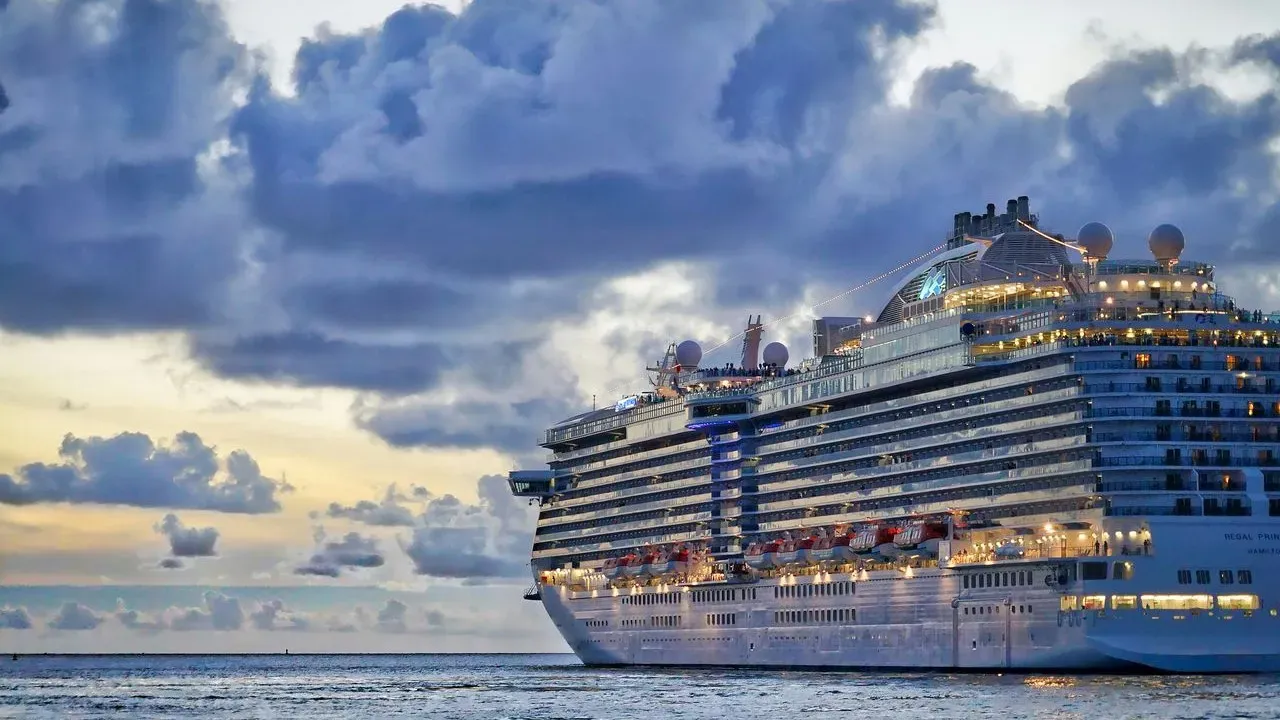

Alaska cruises stand apart from voyages in warmer climates because the destination centers on expansive wilderness rather than developed shorelines or urban attractions. The 49th state holds half of all U.S. national park land, drawing travelers who seek both dramatic natural scenery and encounters with frontier history. An expert who has completed more than 20 trips to the region, nearly all by ship, offers guidance drawn from repeated firsthand experience to help first-time visitors use their time effectively both on board and during port calls. ([1])
Matching the Vessel to Your Goals
Ship size shapes every aspect of an Alaska itinerary. Large vessels with thousands of passengers typically call at established ports such as Juneau, Skagway, Ketchikan, and Icy Strait Point, where amenities and organized activities abound. Smaller ships, by contrast, reach remote stretches of the Inside Passage and wilderness areas that larger hulls cannot access.
Travelers who prefer structured entertainment like theaters or casinos will find those features on bigger ships. Those drawn to quiet observation of glaciers and wildlife often favor compact vessels that linger in secluded bays. Lines focused on adventure itineraries can devote an entire week to areas far from typical tourist routes, creating a different rhythm than standard port-heavy schedules.
Timing, Booking, and Practical Preparations
Peak season runs from late May through early September, when towns and attractions operate at full capacity. Shoulder periods in spring and fall bring lower fares and thinner crowds, along with opportunities to observe seasonal transitions in both communities and wildlife. These windows require warmer clothing layers and awareness that some services may operate on reduced schedules.
Advance booking protects access to preferred cabin categories, since popular inside rooms and premium suites often sell first. Most passengers fly long distances to reach departure cities such as Seattle or Vancouver, so reserving six to twelve months ahead reduces the risk of limited availability on flights and ships alike. Travel insurance merits consideration given the distance involved and the higher overall cost of Alaska sailings compared with many other routes.
Connectivity expectations also need adjustment. Cell coverage can drop along remote passages, and onboard Wi-Fi speeds vary with satellite availability. Purchasing packages before sailing usually costs less than buying at sea, and many travelers find the occasional disconnection enhances appreciation of the surrounding landscape.
Enhancing Daily Experiences Onboard and Ashore
A balcony cabin provides private space to watch the passing scenery at any hour, including early mornings when light first touches snow-covered peaks. Mid-ship, lower-deck locations tend to minimize motion for those sensitive to sea conditions, though the Inside Passage itself generally offers calm waters.
Arriving a day or two early in the embarkation city eases the effects of potential flight delays. Seattle and Vancouver offer rich urban exploration, while Anchorage provides access to institutions such as the Anchorage Museum and its extensive collection of Alaska Native artifacts. Layered clothing, rain protection, sturdy walking shoes, insect repellent, and binoculars form the core of a practical packing list, since temperatures can shift quickly between sunlit trails and glacier viewpoints.
Shore excursions and private tours often deliver the most memorable encounters with glaciers, wildlife, and cultural sites. Advance reservations help secure popular options such as floatplane flights, helicopter landings on ice, or guided hikes. Time in port towns can combine independent exploration of museums and shops with short trails that lead into surrounding forests and lakes. Extending the journey through a cruisetour adds visits to interior highlights including Denali National Park and Preserve or the Canadian Yukon.
Local dining introduces distinctive flavors, from fresh king crab and wild salmon to reindeer sausage served in casual settings. Food tours connect visitors with independent producers, while regional beers and spirits pair well with meals. Even a stop at a longtime local bar can yield conversations with residents about life in the region.
Key reminders for a rewarding voyage include confirming cabin location for comfort, securing insurance and bundles before departure, and allowing flexibility for weather and wildlife viewing opportunities that define the Alaska experience.
These choices, grounded in repeated travel to the region, help shape a journey that respects both the scale of the landscape and the communities that call it home.
AI Disclaimer: This article was created with the assistance of AI tools and reviewed by a human editor.