
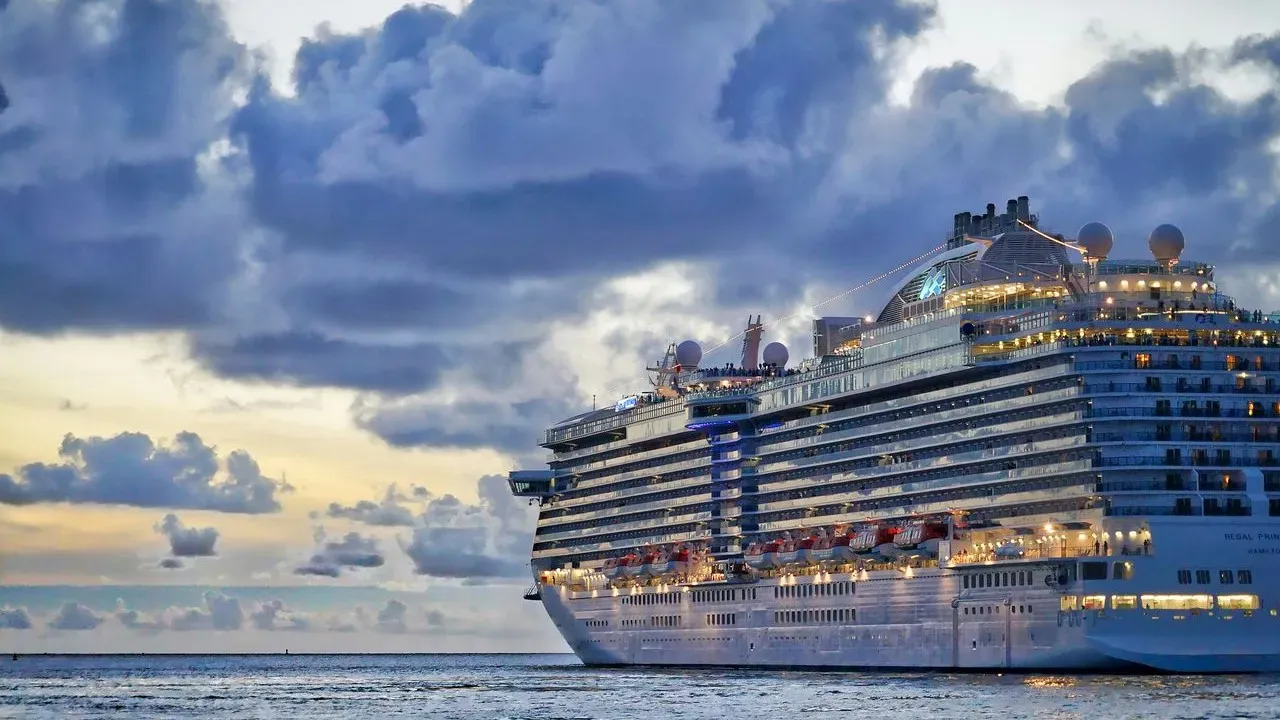

Alaska draws travelers with its vast glaciers, snow-capped peaks, and abundant marine life that few other places can match. A cruise offers one of the most seamless ways to witness these landscapes, from calving ice walls to breaching whales, while moving between remote coastal communities. Recent guidance from The Points Guy highlights how fares for these voyages often prove more manageable than initial assumptions suggest, especially when travelers plan with care for timing, cabin type, and included amenities.
Entry-Level Options Open the Door to Remarkable Views
Inside cabins without windows represent the most straightforward entry point for many visitors. Current listings show seven-night itineraries, such as Princess Cruises’ Voyage of the Glaciers sailings in shoulder months, beginning near $600 per person. These accommodations trade private vistas for access to expansive public decks and lounges where the scenery unfolds continuously.
Ocean-view rooms add a window for natural light at a modest premium, while balcony cabins remain popular for their private outdoor space overlooking passing wildlife and ice formations. Luxury suites sit at the higher end, often starting several thousand dollars per person and incorporating extras like priority service or select excursions. The choice ultimately depends on how much time a traveler prefers to spend in the cabin versus on deck.
Understanding What the Base Fare Covers and What It Does Not
Mainstream cruise fares typically exclude several practical expenses that accumulate during a week-long voyage. Port taxes and government fees alone can reach $250 to $400 per person. Gratuities add roughly $17 to $25 daily, while drink packages, specialty meals, and Wi-Fi carry separate charges on many ships. Shore excursions often form the largest variable cost.
Guided wildlife viewing or glacier hikes range from modest fees to several hundred dollars, with helicopter landings or dogsledding experiences at the upper end. Luxury operators frequently bundle some of these activities, along with beverages and gratuities, which narrows the gap between premium and standard sailings once all elements are tallied.
Sample Budgets Illustrate How Costs Combine
Realistic planning benefits from concrete examples that combine the main fare with typical add-ons. The following outlines three common traveler profiles for a seven-night Alaska itinerary, drawing on current ranges for airfare, taxes, gratuities, and two excursions per person or family.
| Traveler Profile | Cruise Fare | Airfare | Gratuities & Taxes | Excursions | Estimated Total |
|---|---|---|---|---|---|
| Solo, inside cabin | $1,200 | $350 | $480 | $300 | $2,330 |
| Couple, ocean-view | $1,600 | $700 | $960 | $500 | $3,760 |
| Family of four, balcony | $4,400 | $1,400 | $1,920 | $600 | $8,320 |
These figures remain approximate and shift with sailing date, departure port, and chosen activities. Round-trip departures from Seattle often simplify logistics compared with one-way routes that require separate flights into and out of smaller Alaskan airports.
Shoulder Seasons and Longer Itineraries Stretch Value Further
Traveling in April, May, or September typically brings lower demand, cooler temperatures, and fewer crowds while still offering strong chances to view autumn foliage or, later in the month, the northern lights. These periods frequently coincide with promotional offers that include drink packages or reduced port charges. Longer ten- or eleven-night sailings distribute the fixed costs of airfare and transfers across more days at sea.
They also allow a gentler pace through additional ports and extended time in wilderness areas. Cruise lines sometimes extend bundled perks during wave season, further improving the per-night economics for those who can extend their time away.
Planning With Intention Preserves the Experience
Cruising remains one of the most practical means of reaching Alaska’s roadless coastal communities and protected marine environments. Thoughtful selection of departure timing, cabin category, and excursion priorities helps keep the overall investment aligned with the profound rewards of the journey.
Travelers who compare inclusions across lines and consider shoulder-month departures often find the destination more accessible than first impressions suggest, leaving resources available for the moments that matter most on the water.
AI Disclaimer: This article was created with the assistance of AI tools and reviewed by a human editor.