


The True Cost of an All-Inclusive Vacation in 2024 and 2025

The average cost of an all-inclusive vacation in 2024 was $3,202, with guests staying an average of five to six nights at their chosen resort. That figure sounds tidy, but it covers an enormous range of properties and destinations. The price bracket you land in shapes the entire value calculation.
A basic all-inclusive package in Mexico or the Caribbean covering food, drinks, and activities typically runs around $150 to $300 per night, while mid-range resorts with upgraded dining options tend to fall between $300 and $500 per night. Five-star beachfront properties can run from $500 to well over $1,000 per night. The gap between those tiers is enormous, and so is the difference in what’s actually included.
The global all-inclusive resort market was valued at $65.2 billion in 2024 and is forecasted to reach $112.8 billion by 2033, growing at a compound annual rate of about six and a half percent. That level of market growth reflects something real: travelers are choosing this model in meaningful numbers, and the industry is expanding to meet them.
What Á La Carte Travel Actually Costs When You Add It All Up
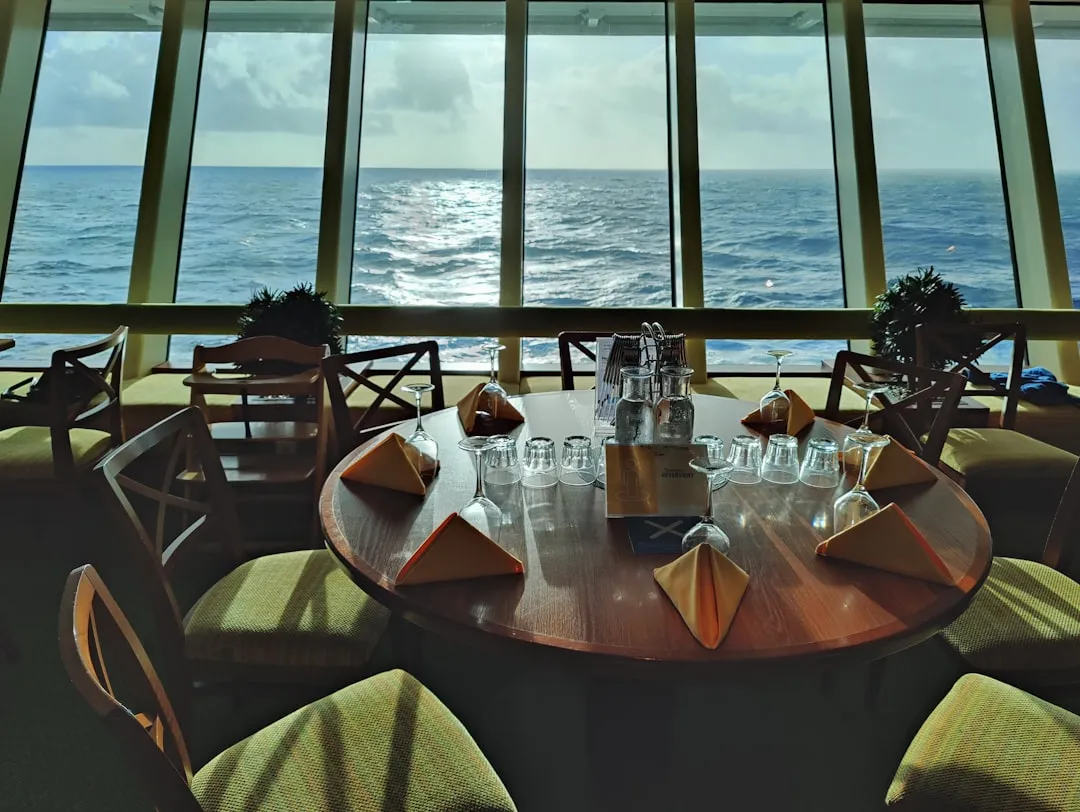
Cruise lines and resorts that follow an à la carte model allow guests to pay only for what they use. These options often start with a lower base fare, but additional costs such as beverages, shore excursions, specialty dining, Wi-Fi, and gratuities are charged separately. That gap between the headline rate and the final bill is where travelers most often miscalculate.
With à la carte pricing, the upfront cost is lower, but you may end up paying more throughout your trip. Cruise lines and resorts are experienced at upselling, and once you’re onboard or checked in, it’s easy to get carried away with extra purchases. This is less a criticism than a structural reality worth acknowledging before you arrive.
Travelers who dine locally, limit drinks, and plan strategically often spend less overall with an à la carte approach. The key word is “strategically” – and that requires genuine discipline, not just good intentions at booking time.
The Hidden Fee Problem That Affects Both Models
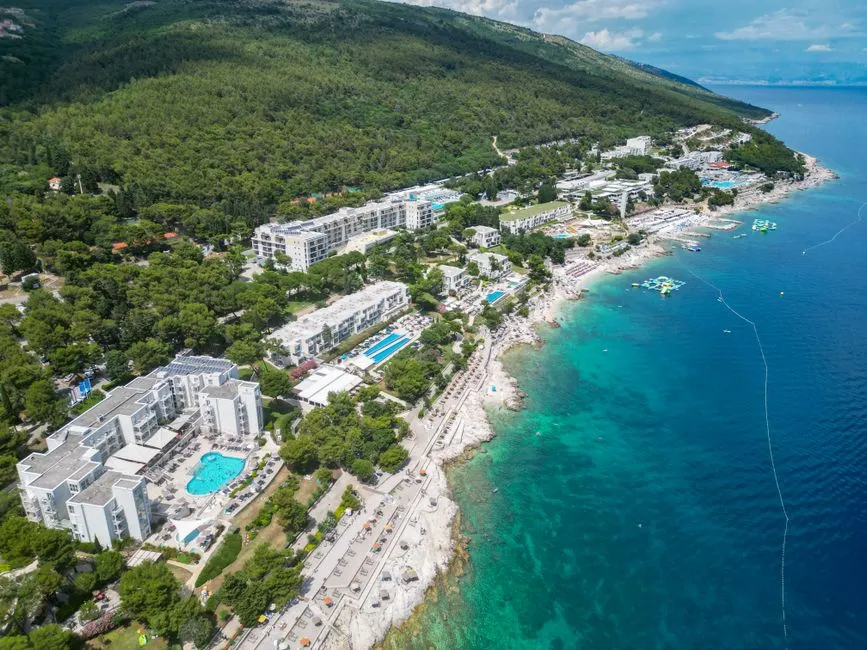
The term “all-inclusive” is a marketing term, not a regulated standard. Resorts are legally allowed to exclude certain costs as long as those exclusions are disclosed somewhere, often buried deep in booking terms or fine print most travelers never read. As a result, guests frequently encounter unexpected charges after arrival or at checkout.
Hidden costs to budget for include resort fees, which can run about $20 to $50 a night. According to hospitality service software provider Cvent, resort fees are charged on a nightly basis, and may be disguised as “destination fees,” “facility fees,” or “amenity fees.” These charges often don’t appear in the advertised rate but are mandatory nonetheless.
As of May 12, 2025, the FTC banned hotels from hiding mandatory fees in fine print, meaning resort fees must now show up in advertised prices. However, this rule only covers mandatory fees. Optional upgrades and add-on services can still catch travelers off guard. Regulatory progress is real, but it doesn’t eliminate the full landscape of potential extras.
Where All-Inclusive Delivers Genuine Value

All-inclusive packages might seem more expensive initially, but they can offer excellent value for money by bundling costs. This is especially true when travelers plan to indulge in multiple activities or enjoy premium dining options. The math shifts decisively in favor of all-inclusive when your daily vacation rhythm involves consistent eating, drinking, and using resort amenities.
For families in particular, the ability to estimate the total cost of a holiday before departure is a key draw. Travel agencies report that parents often compare the price of an all-inclusive package with the cumulative expense of separate hotel nights, restaurant meals, attraction tickets, and transport – and conclude that bundled stays can be more economical once on-site spending is factored in.
According to STR’s 2024 report, occupancy rates for all-inclusives in Mexico’s Riviera Maya hit 87% last December, outpacing regular hotel stays. That level of demand isn’t driven by marketing alone. It reflects the very real appeal of a simplified, predictable vacation structure, especially for travelers who want to fully switch off.
When Á La Carte Genuinely Wins

With à la carte vacations, travelers can explore local culture and cuisine by dining at various restaurants and participating in unique activities that aren’t part of a resort’s standard offerings. This approach suits adventurous travelers who enjoy discovering new places and experiences. There’s real financial advantage here for people who travel light on consumption.
Cultural explorers who want to wander local neighborhoods and eat at authentic restaurants can feel boxed in by the all-inclusive model. Serious food enthusiasts expecting creative, high-quality cuisine may be disappointed outside of ultra-luxury properties. And light consumers who skip breakfast, barely drink, and prefer exploring off-property are essentially subsidizing other guests.
The honest arithmetic is simple: if you spend most of your days outside the resort, eating at local spots, joining independent tours, and skipping the swim-up bar, you’re paying for a package you’re not using. In that case, à la carte is almost certainly cheaper.
The Drinks Calculation That Changes Everything

Alcohol is, quietly, one of the most decisive variables in this entire comparison. Resort drink prices at à la carte properties are rarely modest, and they add up faster than most travelers expect. A family of four with two adults who enjoy a few cocktails daily can easily spend $60 to $100 per day on beverages alone at a standard resort.
Many all-inclusive resorts advertise unlimited drinks, creating the impression that the full bar menu is open. In reality, the included alcohol list is often limited to well brands or locally produced spirits, with international or recognizable labels quietly excluded. Guests usually discover this distinction only after ordering, when a server explains that certain drinks carry an extra charge.
In a 2024 study, over half of British travelers surveyed who had been on an all-inclusive resort said they paid extra for soft drinks – a finding that underscores how granular the fine print can get. Knowing exactly what your package covers before you arrive is not optional; it’s essential to the math.
Families vs. Solo Travelers: Who Benefits More from All-Inclusive
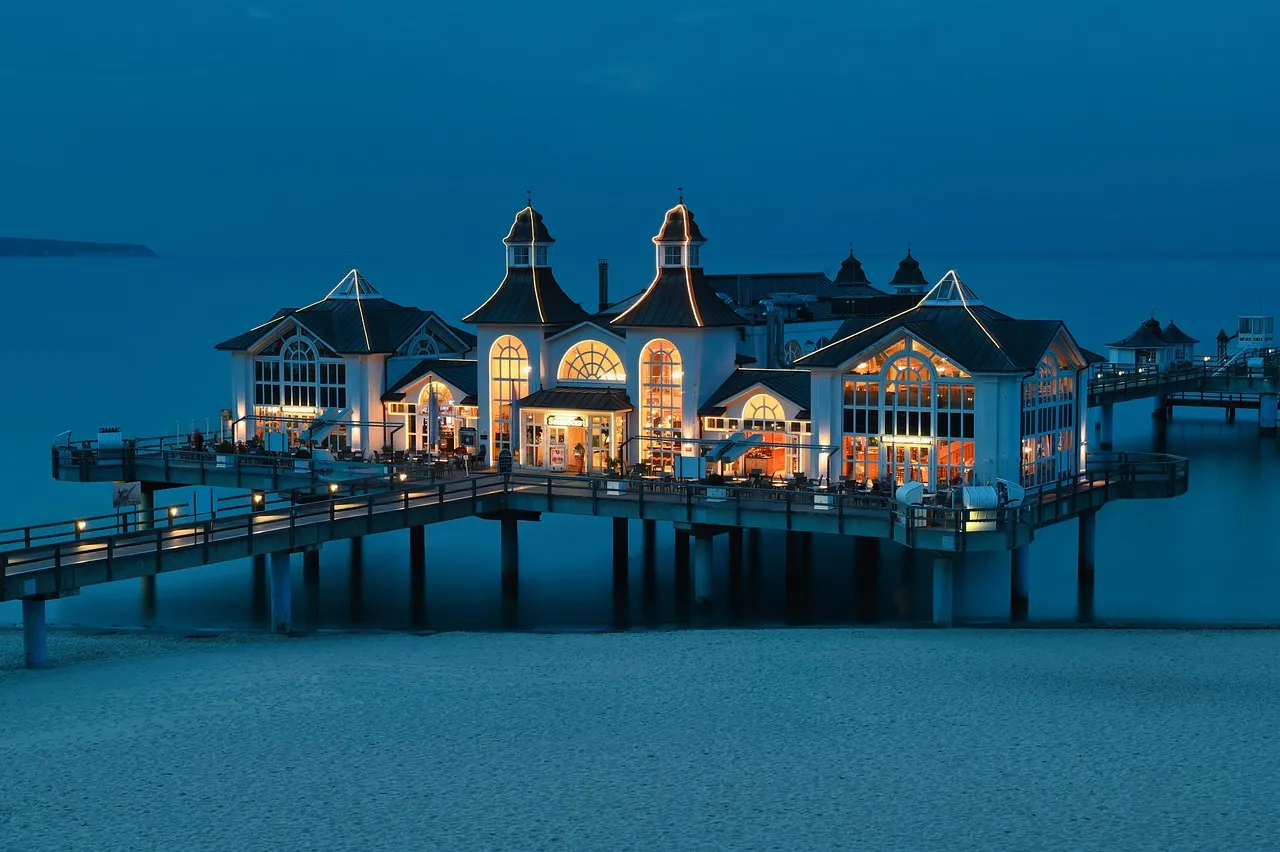
The Grand Palladium Kantenah in Riviera Maya was running at about $234 per night in August 2025, with that rate including kids’ clubs for ages four through twelve, supervised pools, and an all-day snack bar. One family of four stayed five nights for $1,170 total, with all meals, paddleboarding, and daily activities included. For families traveling with children, those bundled activity costs make a genuine difference.
Solo travelers, by contrast, often get less from the all-inclusive model. They’re paying the same per-person rate as a couple or family, but they don’t generate the same volume of consumption across food and drink. A solo traveler who moves around, eats simply, and spends time outside the resort will generally find à la carte cheaper.
Industry outlook reports for 2024 and 2025 indicate that while travelers may be taking fewer trips per year, they are not necessarily reducing per-trip spending. Instead, they are reallocating funds to options that reduce financial uncertainty. For many family travelers, all-inclusive is exactly that: a way to cap the unknown.
The Psychological Cost of Each Model
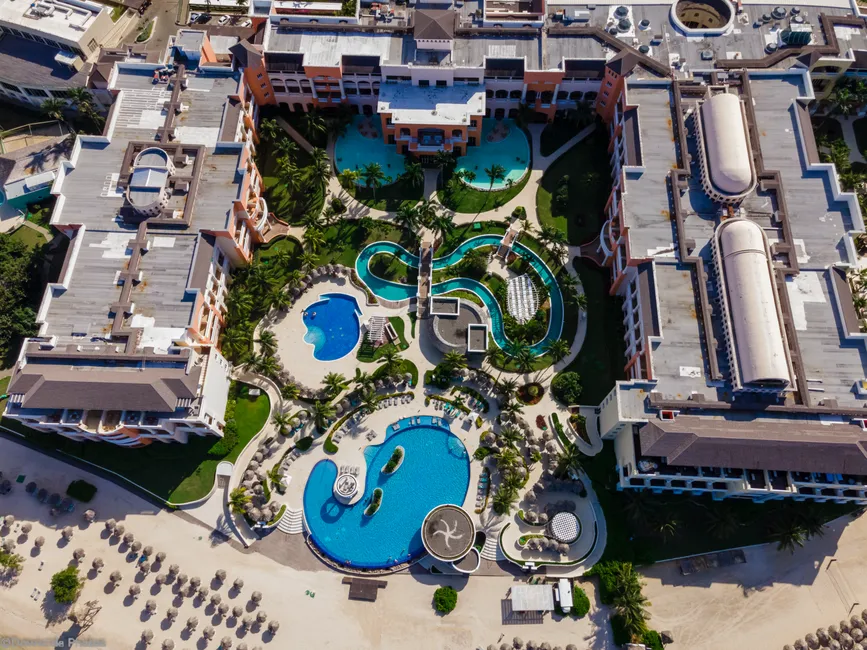
There’s a dimension to this comparison that rarely appears in cost breakdowns: the mental cost of the experience itself. With all-inclusive, you’ve prepaid for everything. That creates a kind of relaxation that’s genuinely hard to replicate when you’re watching a tab build up over dinner.
For the typical traveler, all-inclusive usually delivers the better vacation – not just on paper, but experientially. The absence of transactional friction throughout the day changes how people feel. That’s not nothing, especially on a trip designed to rest and recover.
The all-inclusive model quietly discourages guests from leaving the property. Since guests have prepaid for food and activities, going off-site can feel like throwing money away. Travelers who love wandering local neighborhoods and stumbling into smaller restaurants often find the resort bubble restrictive. It’s a trade-off worth thinking about before you commit.
The Upgrade Trap: How Resorts Recoup Margin in Both Models
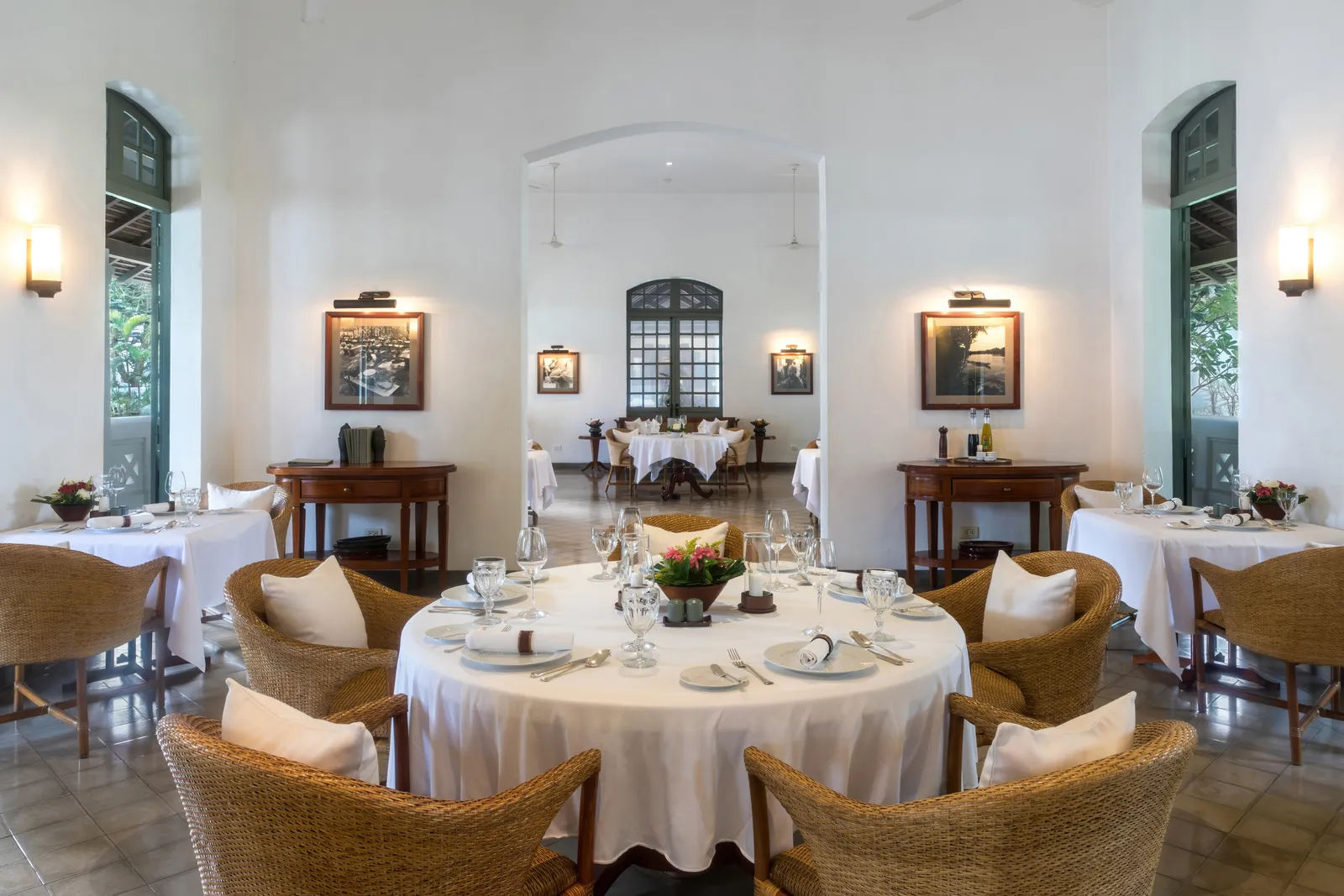
Many resorts now employ a tiered system where the base all-inclusive rate covers only standard amenities. Travelers frequently discover upon arrival that premium spirits, high-end wines, or specialty dining experiences require additional surcharges. This creates a psychological trap: the guest arrives expecting a ceiling on their spending, only to find a floor of basic services with an endless climb of paid upgrades.
Resorts often design their base offerings to be functional but marginally less comfortable than their luxury tiers. Upon check-in, guests are frequently presented with the opportunity to upgrade their room or access an exclusive club for a daily fee. While these upgrades promise better views or private beach areas, they often represent a significant percentage increase in total trip cost.
A base inclusive price riddled with upcharges gives guests the worst of both worlds. You give up the all-inclusive peace of mind and still feel nickel-and-dimed. This hybrid model is worth watching for when you’re reading the fine print, regardless of which pricing structure you choose.
The Destination Factor: Where You Go Shapes Which Model Wins

Some destinations naturally favor one model over the other. Areas like Cancun, Punta Cana, and parts of the Dominican Republic have resort infrastructure designed around all-inclusive convenience. In those corridors, choosing à la carte can actually feel like going against the grain of how the destination is structured.
The Caribbean and Mexico, in particular, are renowned for their extensive all-inclusive offerings, attracting millions of tourists annually from the United States and Canada. In these places, all-inclusive resorts are often located on the best beaches, with easy access to watersports and entertainment, making them genuinely hard to replicate on a piecemeal budget.
Destinations with rich independent dining cultures, vibrant local markets, and excellent public transportation tend to reward the à la carte traveler more generously. Cities like Lisbon, Bangkok, or Mexico City offer so much off-property value that staying within any resort perimeter starts to feel like an odd choice, regardless of what’s included.
The Takeaway: It’s a Math Problem, Not a Lifestyle Statement
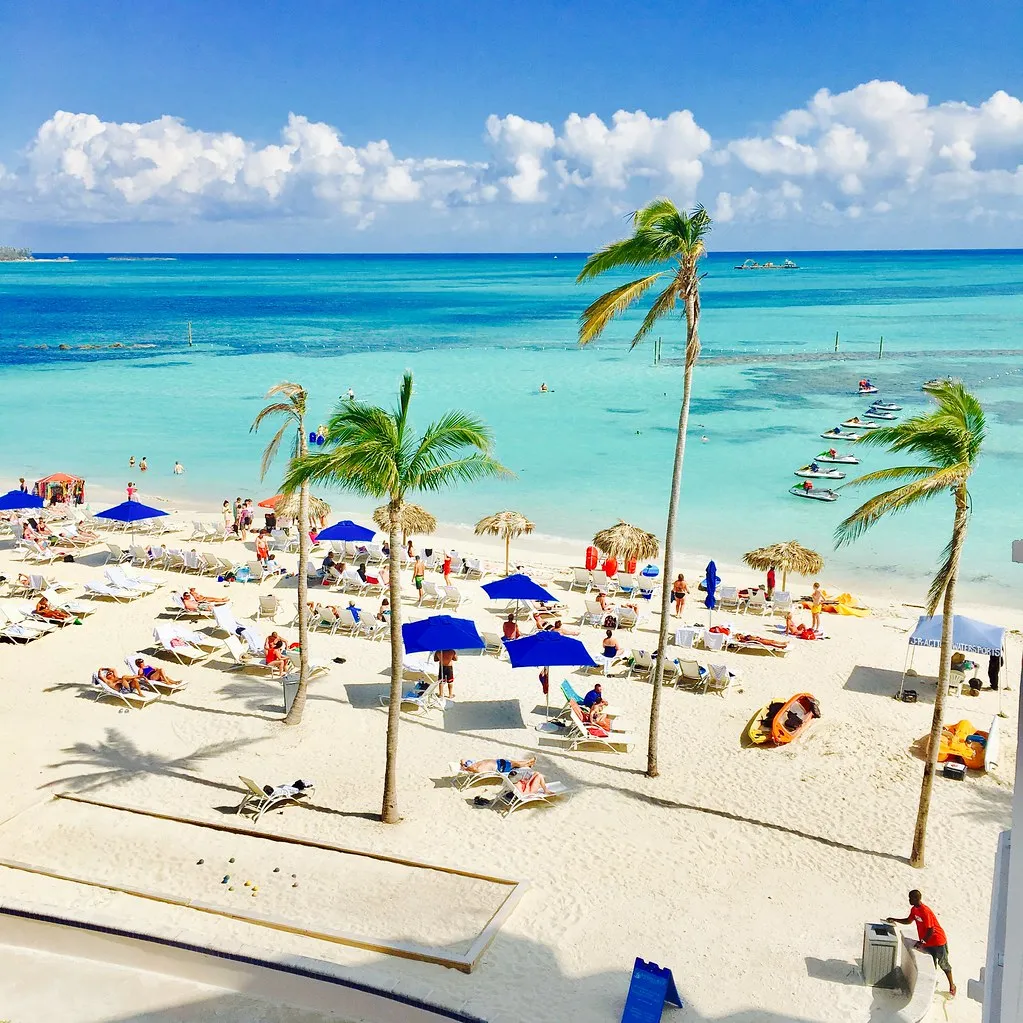
Strip away the marketing from both sides, and this becomes a fairly simple calculation. Count the number of meals, drinks, and activities you realistically plan to use each day. Price those out at à la carte rates for your destination. Then compare that number, honestly, to the all-inclusive rate. That’s where the answer lives.
If you’re planning to enjoy drinks, specialty dining, and excursions, the cost of extras can quickly rival or exceed an all-inclusive option. Travelers seeking convenience and luxury often find better value with all-inclusive, especially when factoring in premium perks. The reverse is equally true for low-consumption, culturally curious travelers who want to move through a destination rather than settle into it.
Neither model is inherently generous or exploitative. Both reward travelers who read the fine print, understand exactly what’s covered, and travel in a way that’s consistent with what they’ve paid for. The real savings don’t come from choosing the right package type – they come from choosing the right package for how you actually travel.
AI Disclaimer: This article was created with the assistance of AI tools and reviewed by a human editor.